Tag: walkable cities England

  • Bristol, England Harborside Culture and Independent Spirit

    Bristol, England Harborside Culture and Independent Spirit

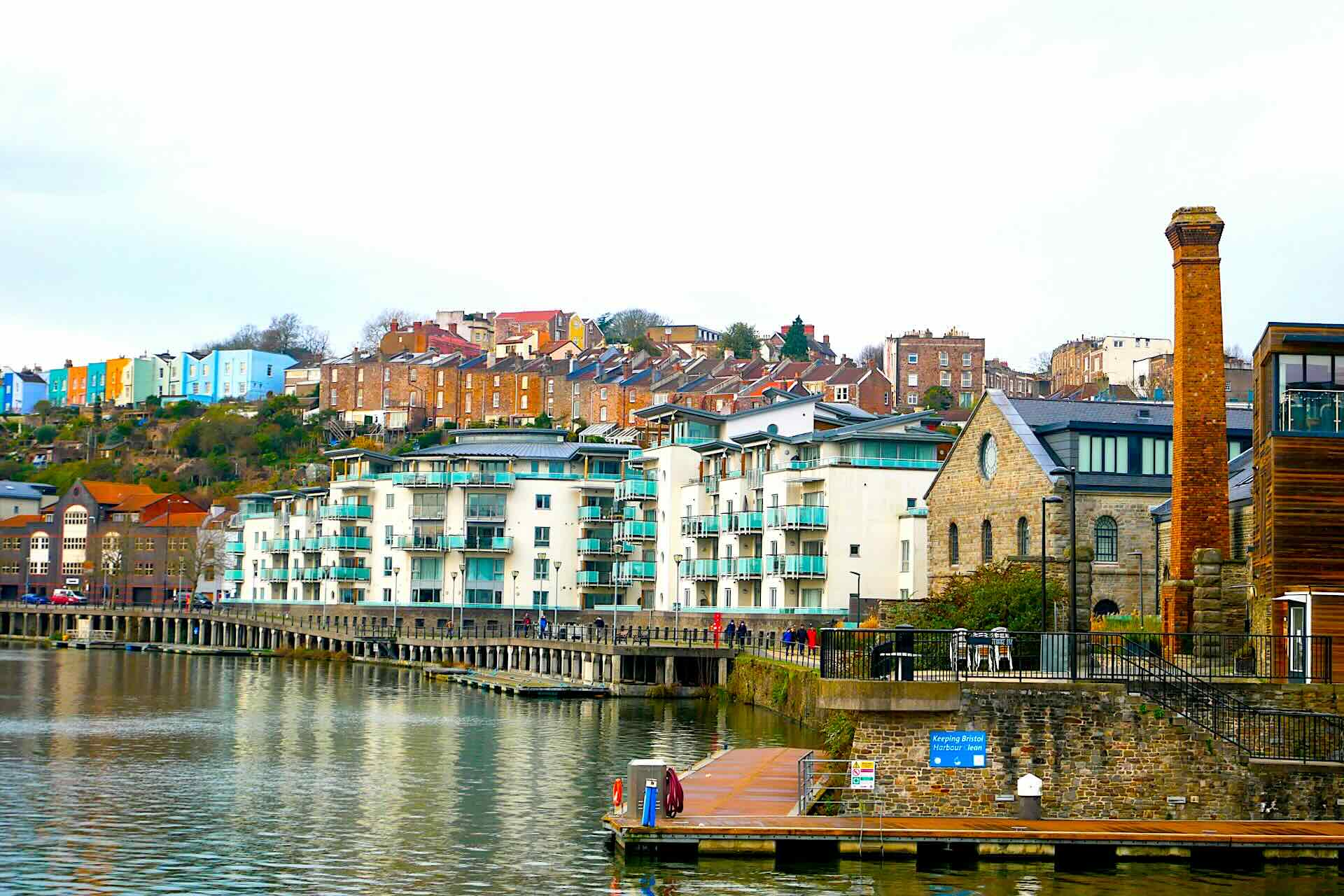
    Bristol, England harborside culture and independent spirit come together in a city that feels creative, energetic, and full of character. Bristol is not as polished as some English destinations, and that is part of its appeal. Its beauty comes through old docks, street art, music, markets, bridges, cafés, maritime history, and a strong local identity that feels confident without trying too hard.

    Why Bristol Feels So Distinct

    Bristol stands out because it has edge and warmth at the same time. The city feels historic, but not trapped in the past. It has grand views and old streets, but also murals, independent shops, creative spaces, and neighborhoods with strong personalities.

    That mix gives Bristol a different energy from more traditional English city breaks. It feels less formal and more self directed. Travelers who enjoy cities with real local culture often find Bristol especially rewarding.

    Harborside Culture Shapes the City

    The phrase harborside culture fits Bristol because the old port still defines much of the city’s mood. The waterfront gives Bristol open space, movement, and a strong connection to its maritime past. Museums, restaurants, cafés, boats, and walking paths all help keep the harbor active.

    This harborside setting matters because it gives Bristol a natural gathering place. Travelers can walk by the water, stop for food, explore cultural spaces, and understand how closely the city’s identity is tied to trade, ships, and movement.

    Independent Spirit Defines Bristol

    Bristol’s independent spirit is one of its strongest qualities. The city has a clear creative confidence. Independent cafés, shops, venues, studios, markets, and local businesses give Bristol a personality that feels distinct from more standardized cities.

    That independence makes the city feel alive. Bristol does not feel like it was designed only for visitors. It feels shaped by the people who live there, work there, and keep its neighborhoods active.

    Street Art and Creative Energy

    Bristol is strongly associated with street art, and that creative energy is visible across the city. Murals, painted walls, and informal visual culture add color and personality to streets that might otherwise feel ordinary.

    This street art culture gives Bristol a modern layer. It also makes walking more interesting. The city rewards travelers who look around, turn corners, and pay attention to unexpected details.

    Maritime History With Modern Life

    Bristol’s maritime history gives the city depth, but the harbor does not feel like a frozen museum. Old docks, ships, warehouses, and waterfront buildings now sit alongside restaurants, cultural venues, and public spaces.

    That balance is important. Bristol honors its past while still using the harbor as part of modern life. The result feels practical, layered, and more interesting than a purely preserved historic district.

    Neighborhoods With Personality

    Bristol’s neighborhoods help define its appeal. Different areas bring different moods, from elegant streets and hilltop views to creative districts, markets, and student energy. This variety makes the city feel larger and more textured than a simple center.

    Travelers who move beyond the main harborside area will understand Bristol better. The city’s identity lives in its neighborhoods as much as in its landmarks.

    Bridges, Hills, and Big Views

    Bristol has a strong physical setting. Hills, bridges, terraces, and viewpoints give the city a sense of drama. The Clifton Suspension Bridge is one of its most recognizable sights, but the broader landscape also shapes the experience.

    These views add scale to Bristol’s urban energy. The city can feel busy at street level, then suddenly open into wide views over water, hills, rooftops, and green space.

    Food, Markets, and Local Flavor

    Bristol’s food culture fits its independent personality. Markets, casual restaurants, bakeries, cafés, and creative dining spots give travelers many ways to experience the city through food. The atmosphere often feels informal, local, and energetic.

    This makes Bristol especially good for relaxed eating. The city does not need every meal to feel formal. Its food culture works through variety, personality, and a strong local scene.

    A Different Side of England

    Bristol offers a different side of England than London, Oxford, York, or Bath. It feels more contemporary, more independent, and more urban in spirit. At the same time, it still has history, architecture, and a strong regional identity.

    That contrast makes Bristol useful for travelers who want England beyond the expected route. It shows a version of the country shaped by creativity, water, music, and local confidence.

    Who Bristol Is Best For

    Bristol is best for travelers who enjoy creative cities, waterfront areas, street art, music, markets, cafés, and independent neighborhoods. It works well for solo travelers, couples, friend groups, students, and anyone who likes cities with energy and personality.

    This is not a city built around quiet polish. Bristol works through movement, creativity, history, and attitude. That makes it especially rewarding for travelers who prefer character over perfection.

    The Lasting Appeal of Bristol

    Bristol stays memorable because it feels self assured and alive. The harborside culture gives it history and openness. The independent spirit gives it energy. The street art, bridges, cafés, markets, and neighborhoods give the city its lasting character.

    For travelers who want an English city with creativity, waterfront atmosphere, and strong local identity, Bristol is a strong choice. It proves that some destinations are most appealing when they feel a little raw, a little independent, and completely themselves.


    Plan a trip to Bristol today.

  • York, England Medieval Walls and Quiet English Charm

    York, England Medieval Walls and Quiet English Charm

    York, England medieval walls and quiet English charm come together in a city that feels intimate, historic, and deeply atmospheric. York has the weight of centuries, but it rarely feels too formal. Its appeal comes through old stone, narrow lanes, riverside walks, church towers, tea rooms, timbered buildings, and a calm northern character that makes the city easy to love.

    Why York Feels So Distinct

    York stands out because it feels complete. Many historic cities have one famous landmark or one preserved district. York feels layered throughout. Its walls, streets, churches, bridges, and older neighborhoods all work together to create a strong sense of place.

    That makes York especially rewarding for travelers who like walking through history rather than only visiting it. The city does not feel like a museum. It feels like a living place built inside a very old frame.

    Medieval Walls Shape the City

    The phrase medieval walls belongs naturally to York. The city walls give York structure, atmosphere, and one of its most memorable walking experiences. They also help travelers understand the shape of the historic center.

    Walking the walls adds a different perspective. You see rooftops, towers, gardens, streets, and sections of the city from above. It turns York into something you can read visually, not just move through at street level.

    Quiet English Charm Defines the Mood

    York’s quiet English charm comes through in small details. Tea rooms, shopfronts, courtyards, cobbled lanes, and riverside paths all soften the city’s deep history. The mood feels traditional without becoming stiff.

    This charm matters because York has major historic weight, yet still feels approachable. Travelers can enjoy grand architecture in the morning and a simple café or riverside walk in the afternoon. The city balances importance with ease.

    The Minster Gives York Its Grandeur

    York Minster gives the city its strongest landmark. Its scale, stonework, towers, and presence make it one of England’s great cathedral experiences. It rises above the old streets and gives York a powerful visual anchor.

    The surrounding lanes make the Minster even more impressive. You often see it in fragments before it fully appears. That slow reveal adds drama and helps the city feel deeply atmospheric.

    The Shambles and Old Street Texture

    The Shambles is one of York’s most famous streets, and for good reason. Its narrow shape, overhanging buildings, and old facades create a strong medieval impression. It feels compact, textured, and visually memorable.

    Still, York’s old street appeal goes beyond one lane. The historic center has many corners where the city feels layered and intimate. Small passages, shop windows, churchyards, and uneven streets all add to the experience.

    A City Built for Walking

    York is one of England’s most walkable historic cities. The center is compact, but full of variety. Travelers can move from city walls to river paths, from markets to museums, and from quiet lanes to larger squares without much effort.

    This makes York easy to explore without a strict plan. A good visit can involve wandering, stopping often, and letting the city’s texture guide the day. York works best when travelers give it time.

    Riverside Calm and Open Space

    The River Ouse adds softness to York’s historic core. It brings water, light, and open views into the city. Riverside walks help balance the tighter medieval lanes and create a calmer side of the experience.

    This contrast is important. York has dense history, but it does not feel closed in. The river gives the city breathing room and offers a slower rhythm between major sights.

    History Without Losing Warmth

    York has Roman, Viking, medieval, and later English history layered into its streets. That depth gives the city real substance. Yet York still feels warm and accessible rather than academic or distant.

    This is one of York’s strengths. Travelers can enjoy serious history without feeling overwhelmed by it. The city presents its past through streets, walls, buildings, museums, and daily life in a natural way.

    A Strong Choice Beyond London

    York is a strong destination for travelers who want England beyond London. It offers historic beauty, regional identity, and a calmer pace. It also works well as part of a broader northern England trip.

    The city feels different from southern English destinations. It has a more grounded mood, with stone, weather, history, and hospitality shaping the experience. That gives York a clear identity.

    Who York Is Best For

    York is best for travelers who enjoy history, architecture, walkable cities, tea rooms, museums, and atmospheric streets. It works well for couples, solo travelers, families, and anyone who wants a classic English city with depth.

    This is not a city that needs flash or speed. York works through detail, age, and quiet confidence. That makes it especially satisfying for slower travel.

    The Lasting Appeal of York

    York stays memorable because it combines history with warmth. The medieval walls give it structure. The old streets give it texture. The Minster gives it grandeur. The quiet English charm gives it personality.

    For travelers who want a historic city that feels beautiful, walkable, and deeply English, York is a strong choice. It proves that some cities do not need to be large to feel unforgettable. They only need a clear sense of place.

    Plan a trip to York today.

  • Oxford, England Spires, Colleges, and Historic Calm

    Oxford, England Spires, Colleges, and Historic Calm

    Oxford, England spires, colleges, and historic calm come together in a city that feels scholarly, elegant, and deeply atmospheric. Oxford is famous, but it still rewards slow exploration. Its beauty does not depend on one landmark. It comes through courtyards, stone walls, college gates, libraries, rivers, gardens, and streets shaped by centuries of learning.

    Why Oxford Feels So Distinct

    Oxford stands out because it feels both grand and intimate. The city has global recognition, but its best moments often happen quietly. A narrow lane, a college courtyard, a chapel doorway, or a riverside walk can feel just as memorable as the major sights.

    That balance gives Oxford its power. It is not only a university city. It is a place where architecture, education, ritual, and daily life all create a strong sense of continuity.

    Spires Shape the Skyline

    The phrase spires belongs naturally to Oxford. Church towers, college buildings, and historic silhouettes give the city a vertical beauty that feels instantly recognizable. The skyline is graceful rather than aggressive, with stone rising above narrow streets and green spaces.

    This gives Oxford a clear visual identity. Even when travelers move through smaller streets, the towers and spires remain part of the experience. They give the city rhythm, direction, and a sense of quiet ceremony.

    Colleges Give Oxford Its Character

    Oxford’s colleges are central to its atmosphere. Their courtyards, dining halls, chapels, libraries, and gardens create a city within a city. Many feel private and enclosed, but their presence shapes the entire urban experience.

    The colleges make Oxford feel layered. They are not simply buildings. They are communities, traditions, and architectural worlds. Travelers feel that depth even when viewing them from the street.

    Historic Calm Defines the Mood

    Oxford has energy, but its strongest appeal is historic calm. The city invites slower walking, softer observation, and time spent noticing details. Stone surfaces, old doors, garden walls, and quiet passages all create a mood of reflection.

    This calm matters because Oxford could easily feel busy or overrun. Instead, its deeper identity remains connected to study, memory, and measured movement. Travelers who slow down usually enjoy it most.

    A City Made for Walking

    Oxford is best explored on foot. The historic center is compact enough to feel manageable, but rich enough to reward repeated wandering. Streets open into quadrangles, markets, churches, museums, and riverside paths.

    Walking also helps Oxford feel less like a checklist. The city’s atmosphere builds through transitions. A busy street can lead to a quiet courtyard. A formal building can lead to a garden. A narrow lane can suddenly open toward a tower.

    Libraries, Chapels, and Quiet Grandeur

    Oxford’s beauty often feels intellectual. Libraries, chapels, lecture rooms, and old academic buildings give the city a sense of purpose. The architecture is not only decorative. It reflects centuries of study, debate, and tradition.

    That gives Oxford a different kind of travel appeal. It feels beautiful because it feels meaningful. The city’s calm is connected to work, learning, and long memory.

    Rivers and Green Spaces Soften the City

    Oxford is not only stone and scholarship. Its rivers, meadows, gardens, and paths soften the historic center. These green spaces give the city breathing room and add a more relaxed side to the experience.

    This contrast is important. The colleges and spires create formality, while the rivers and meadows create ease. Together, they make Oxford feel complete rather than rigid.

    A Literary and Cultural Atmosphere

    Oxford carries a strong literary and cultural identity. The city has inspired writers, scholars, filmmakers, and travelers for generations. That creative atmosphere adds another layer to the experience.

    Still, Oxford does not need to be approached only through famous names. Its appeal also lives in everyday details. Bookshops, cafés, college walls, museum rooms, and quiet corners all help define the city.

    More Than a Day Trip

    Oxford is often visited as a day trip, but it deserves more time. A short visit can show the highlights, but a slower stay reveals the city’s deeper rhythm. Mornings, evenings, and quieter side streets often show Oxford at its best.

    Staying longer also helps travelers move beyond the most famous views. Oxford becomes more rewarding when it feels less rushed. Its beauty grows with time and attention.

    Who Oxford Is Best For

    Oxford is best for travelers who enjoy history, architecture, books, gardens, and walkable cities. It works well for solo travelers, couples, families, and culture focused visitors. It also suits anyone who likes destinations with atmosphere rather than noise.

    This is not a city that needs to impress through speed or scale. Oxford works through texture, tradition, and calm. That makes it especially satisfying for thoughtful travel.

    The Lasting Appeal of Oxford

    Oxford stays memorable because it carries beauty with restraint. The spires give it elegance. The colleges give it depth. The historic calm gives it emotional clarity. Together, they create one of England’s most atmospheric city experiences.

    For travelers who want a city shaped by learning, architecture, and quiet beauty, Oxford is a strong choice. It feels timeless without feeling empty, and famous without losing its personal appeal.

    Plan a trip to Oxford today.