Bordeaux, France elegant streets and wine country energy come together in a city that feels refined, lively, and deeply connected to its region. Bordeaux is famous for wine, but the city offers much more than vineyards and tastings. Its appeal comes through grand architecture, riverfront walks, café terraces, markets, museums, restaurants, stone facades, and easy access to some of the world’s most recognizable wine country.
Why Bordeaux Feels So Distinct
Bordeaux stands out because it combines urban elegance with regional depth. The city has wide squares, graceful streets, formal facades, and a polished riverfront, but it also feels warm, social, and easy to enjoy.
This balance makes Bordeaux especially appealing. Travelers can spend the morning exploring historic streets, the afternoon learning about wine, and the evening eating well near the Garonne River. The city feels sophisticated without becoming stiff.
Elegant Streets Shape the City
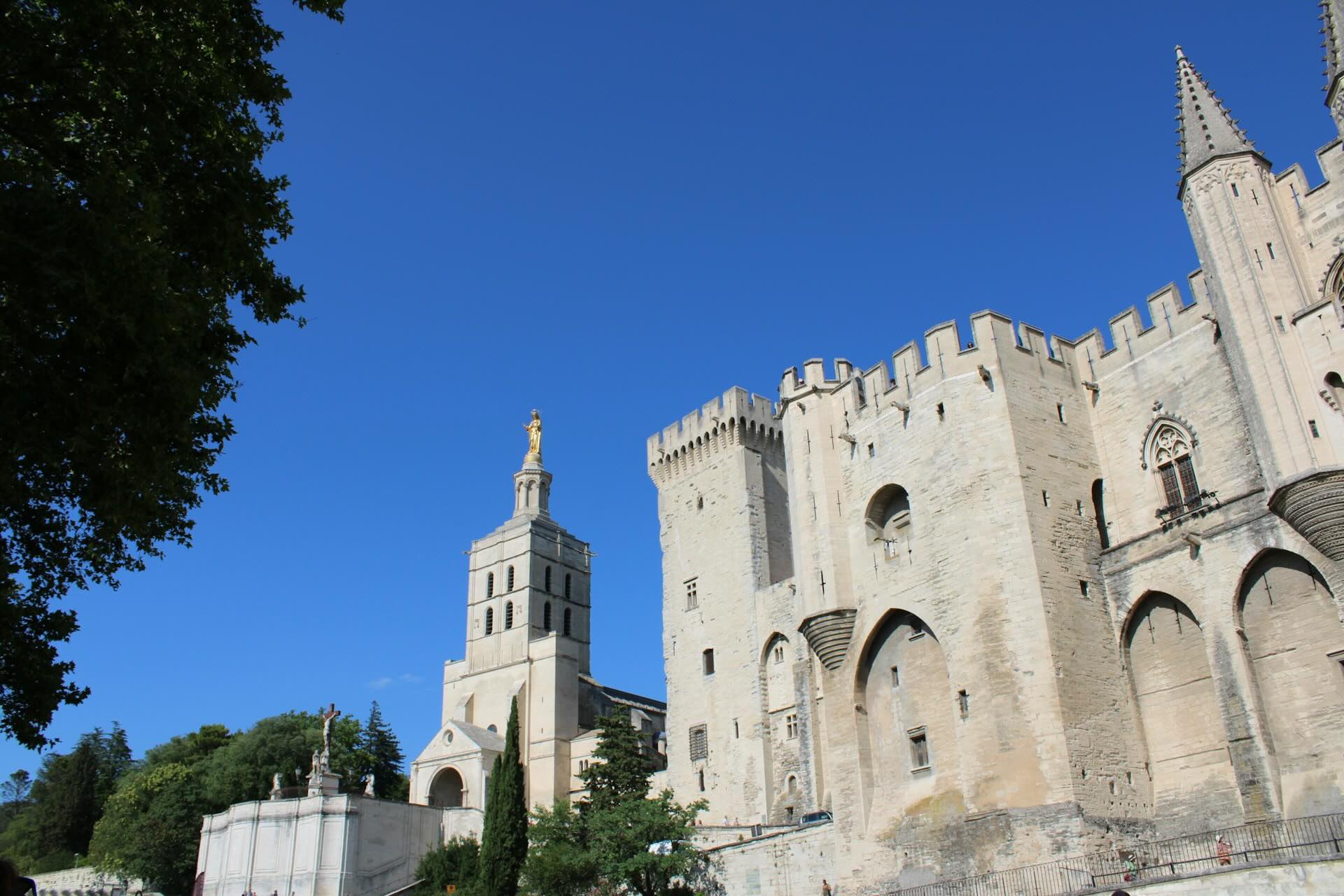
The phrase elegant streets fits Bordeaux because the city’s architecture creates a strong sense of order and beauty. Limestone buildings, balconies, arcades, plazas, and broad avenues give the center a refined appearance.
These streets make Bordeaux rewarding on foot. The city’s beauty does not depend on one monument. It builds through consistent architecture, soft stone color, and the rhythm of cafés, shops, and public spaces.
Wine Country Energy Defines the Mood
Bordeaux’s wine country energy gives the city its international identity. The surrounding region is one of the world’s most famous wine destinations, and that culture shapes restaurants, shops, tastings, tours, and local pride.
This wine connection adds depth to the city. Bordeaux is not just near wine country. It is the urban heart of a region where vineyards, châteaux, merchants, cellars, and food traditions all shape the travel experience.
The Garonne River Adds Openness
The Garonne River gives Bordeaux space, light, and movement. Riverfront promenades, bridges, quays, public gardens, and wide views make the city feel open and relaxed.
This river setting is central to modern Bordeaux. The waterfront gives travelers an easy way to walk, pause, and see the city from a broader perspective. It also softens the formality of the historic center.
Place de la Bourse Adds Classic Grandeur
Place de la Bourse is one of Bordeaux’s most recognizable spaces. Its graceful facades, symmetry, riverfront setting, and reflecting water create a strong visual identity for the city.
This landmark matters because it captures Bordeaux’s elegance clearly. It shows the city’s historic wealth, architectural ambition, and relationship with the river in one memorable view.
Food, Markets, and Café Life
Bordeaux’s food culture adds warmth to its elegance. Markets, bakeries, bistros, wine bars, seafood, regional dishes, cheese, pastries, and casual restaurants make the city easy to enjoy through meals.
This culinary side gives Bordeaux a relaxed rhythm. A visit does not need to revolve only around formal wine tastings. Simple lunches, café stops, market visits, and long dinners are part of the experience.
Wine Bars and Tastings Add Depth
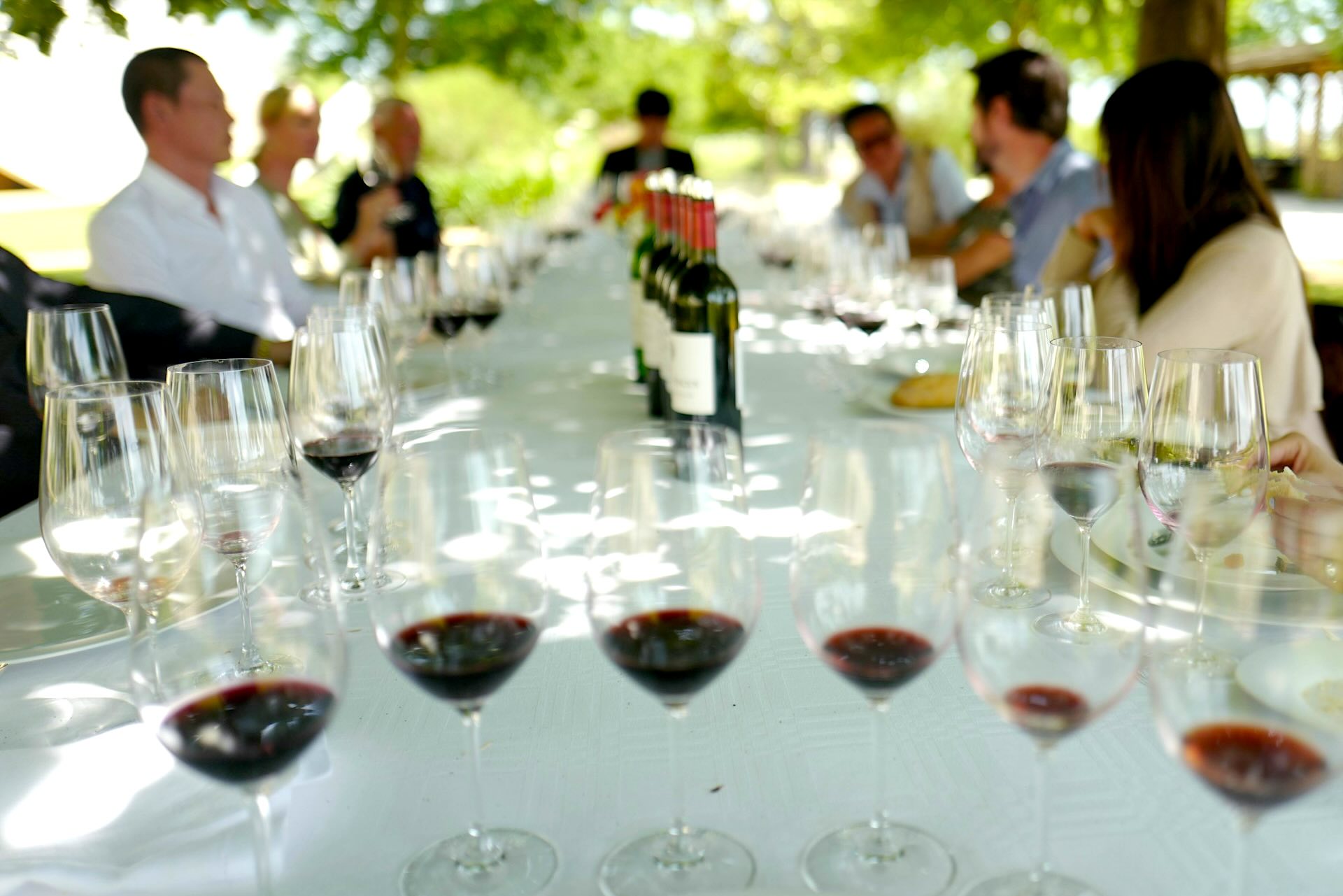
Bordeaux is one of the best cities in France for learning about wine without leaving the center. Wine bars, tasting rooms, shops, and museums make the subject approachable for both beginners and serious wine travelers.
This makes Bordeaux flexible. Visitors can plan a deep wine focused trip or simply add a tasting between museum visits and river walks. The city makes wine part of daily life rather than a separate luxury activity.
A Gateway to Vineyards and Châteaux
Bordeaux works beautifully as a base for exploring nearby wine areas. Travelers can build day trips around vineyards, châteaux, villages, cellar visits, and scenic countryside. This gives the city strong value within a broader southwest France itinerary.
The gateway role matters because Bordeaux offers both comfort and access. Visitors can stay in a lively city while still reaching the landscapes and estates that give the region its global reputation.
Museums and Cultural Depth
Bordeaux has cultural depth beyond wine. Museums, galleries, churches, historic streets, design spaces, and public art give the city more range than many first time visitors expect.
This cultural side helps Bordeaux feel complete. It is not only a wine capital. It is also a historic French city with architecture, ideas, commerce, and creative life.
Neighborhoods Add Local Texture
Bordeaux’s neighborhoods add variety to the visit. Some areas feel grand and formal. Others feel younger, more casual, market driven, or residential. Moving between them gives the city more personality.
This texture helps Bordeaux avoid feeling too polished. Its elegance remains strong, but local routines, cafés, small shops, and evening crowds keep the city grounded.
Who Bordeaux Is Best For
Bordeaux is best for travelers who enjoy wine, architecture, food, riverfront walks, markets, museums, and refined city breaks. It works well for couples, solo travelers, food lovers, wine travelers, and anyone planning a deeper trip through southwest France.
This is not a city built around rush or spectacle. Bordeaux works through elegance, flavor, regional identity, and steady pleasure. That makes it especially rewarding for travelers who enjoy cities that feel polished but livable.
The Lasting Appeal of Bordeaux
Bordeaux stays memorable because it feels graceful, social, and deeply tied to wine country. The elegant streets give it beauty. The wine country energy gives it identity. The riverfront, markets, restaurants, tasting rooms, plazas, and nearby vineyards give the city its lasting character.
For travelers who want a French city with architecture, food, wine, and easy regional access, Bordeaux is a strong choice. It proves that some destinations are most rewarding when urban elegance and countryside culture meet naturally.