Tag: walkable cities Italy

  • Bologna, Italy Porticoes and One of Italy’s Best Food Cities

    Bologna, Italy Porticoes and One of Italy’s Best Food Cities

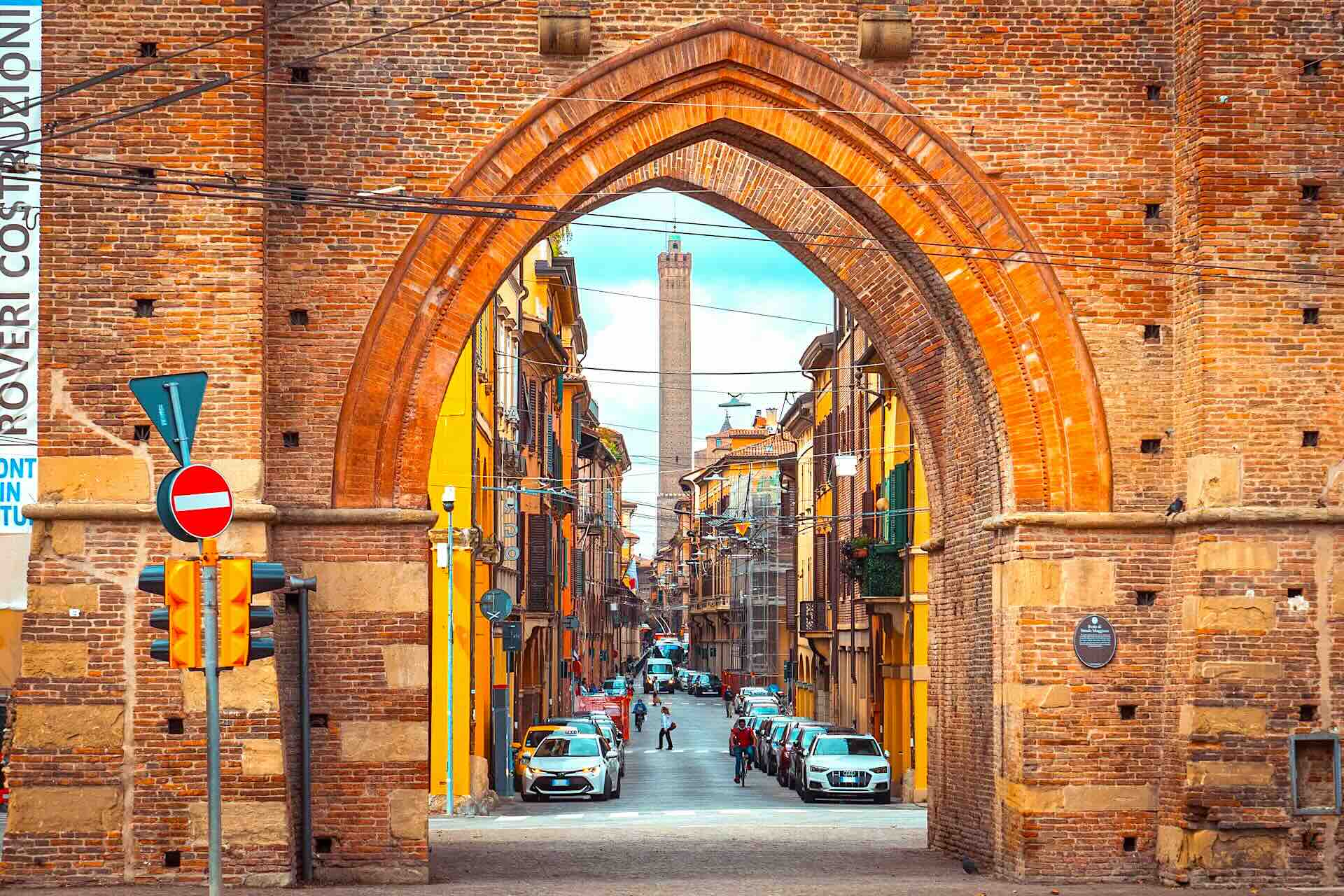
    Bologna, Italy porticoes and one of Italy’s best food cities come together in a destination that feels rich, grounded, and deeply satisfying. Bologna does not rely on the same postcard fame as Rome, Florence, or Venice. Its appeal comes through covered walkways, red brick streets, university energy, medieval towers, market lanes, and a food culture that feels serious without becoming precious.

    Why Bologna Feels So Distinct

    Bologna stands out because it feels authentic and lived in. It has major history, beautiful architecture, and exceptional food, but it still feels like a real working city. Students, locals, shopkeepers, cooks, and visitors all share the same streets.

    That balance gives Bologna its strength. It feels cultural without being stiff. It feels beautiful without being overly polished. Travelers who want Italy with depth and daily rhythm often find Bologna especially rewarding.

    Porticoes Shape the City

    The phrase porticoes belongs naturally to Bologna. The city’s long covered walkways are one of its defining features. They create shade, shelter, rhythm, and a strong architectural identity. Walking under them feels like moving through the city’s own interior world.

    These porticoes also make Bologna practical and atmospheric. They protect travelers from sun and rain, but they also frame shops, cafés, streets, and piazzas with a sense of continuity. Few cities make walking feel so connected.

    One of Italy’s Best Food Cities

    Bologna’s food reputation is not casual. The city sits at the heart of Emilia-Romagna, one of Italy’s great culinary regions. Pasta, ragù, mortadella, tortellini, Parmigiano Reggiano, balsamic vinegar, and regional wines all help define the local table.

    This makes Bologna a serious destination for food focused travelers. Eating here is not just something to do between sights. It is one of the main reasons to visit.

    Markets and Food Streets

    Bologna’s market streets give the city much of its flavor. Small shops, fresh pasta counters, cheese displays, meats, produce, bakeries, and wine bars create a dense food culture that feels active and local.

    This market energy matters because it shows how food fits into daily life. Bologna’s culinary identity is not only found in restaurants. It is also found in shopping, cooking, tasting, and talking about what comes next.

    Pasta Culture With Real Depth

    Pasta is central to Bologna’s identity. Fresh egg pasta, filled pasta, and slow cooked sauces all show the city’s care for craft and tradition. The food can feel comforting, but it is also precise.

    This is part of what makes Bologna so memorable. The city’s best dishes often look simple, but they reflect deep technique and strong regional pride. Travelers who slow down for meals will understand the city better.

    Medieval Towers and Red Brick Beauty

    Bologna’s skyline and streets carry a strong medieval character. Towers, brick facades, arcades, old churches, and narrow lanes give the city a warm, historic texture. The red tones of the buildings create a visual identity that feels instantly recognizable.

    This brick beauty gives Bologna a different mood from many Italian cities. It feels earthy and elegant at the same time. The architecture supports the city’s grounded personality.

    University Energy Keeps Bologna Young

    Bologna has one of Europe’s great university traditions, and that academic presence still shapes the city. Students bring movement, conversation, nightlife, cafés, bookstores, and a younger rhythm to the historic center.

    This energy keeps Bologna from feeling static. The city has centuries of history, but it also feels active and contemporary. That contrast makes it more interesting over a longer stay.

    Piazza Life and Everyday Italy

    Bologna’s piazzas give the city a strong social rhythm. People gather for coffee, lunch, evening drinks, conversations, and public life. The squares feel grand enough to impress, but comfortable enough to use.

    This is where Bologna’s everyday Italian character becomes clear. The city’s beauty is not separated from its routines. It lives in the way people move through markets, sit under porticoes, and meet in public spaces.

    A Strong Base for Emilia-Romagna

    Bologna works well as a base for exploring Emilia-Romagna. Nearby cities and food destinations make it easy to build a broader regional itinerary. Travelers can use Bologna for culture, food, rail connections, and day trips.

    That practicality adds to its appeal. Bologna is not only beautiful and delicious. It is also useful for trip planning, especially for travelers who want to go beyond Italy’s most obvious routes.

    Who Bologna Is Best For

    Bologna is best for travelers who enjoy food, architecture, markets, university cities, historic streets, and walkable Italian travel. It works well for couples, solo travelers, culture focused visitors, and anyone who wants a more grounded side of Italy.

    This is not a city built around one famous image. Bologna works through flavor, texture, rhythm, and depth. That makes it especially satisfying for travelers who prefer substance over spectacle.

    The Lasting Appeal of Bologna

    Bologna stays memorable because it feels complete and generous. The porticoes give it structure. The food culture gives it identity. The markets, towers, piazzas, university life, and red brick streets give the city its lasting character.

    For travelers who want Italy through meals, architecture, walking, and local rhythm, Bologna is a strong choice. It proves that one of the country’s best travel experiences can come from a city that feels confident, practical, and deeply itself.
    Plan a trip to Bologna today.

  • Verona, Italy Roman Stones and Romantic Streets

    Verona, Italy Roman Stones and Romantic Streets

    Verona, Italy Roman stones and romantic streets come together in a city that feels elegant, historic, and deeply atmospheric. Verona has the beauty travelers expect from Italy, but with a softer pace than Rome, Florence, or Venice. Its appeal comes through ancient walls, warm stone, graceful piazzas, river views, and streets that feel made for slow walking.

    Why Verona Feels So Distinct

    Verona stands out because it blends Roman history, medieval texture, and romantic atmosphere with unusual ease. The city feels rich without feeling overwhelming. It has major landmarks, but its strongest charm often comes from the way everything connects.

    This makes Verona especially rewarding for travelers who want beauty without pressure. You can explore historic streets, sit in wide piazzas, cross bridges, and enjoy the city without feeling rushed from one sight to another.

    Roman Stones Shape the City

    The phrase Roman stones fits Verona because ancient history is still part of the city’s daily presence. The arena, gates, walls, and old streets give Verona a sense of endurance. These places do not feel isolated from the modern city. They sit naturally inside it.

    That is part of Verona’s power. Ancient stone does not feel distant here. It becomes part of the walk, part of the skyline, and part of the city’s atmosphere.

    Romantic Streets Define the Mood

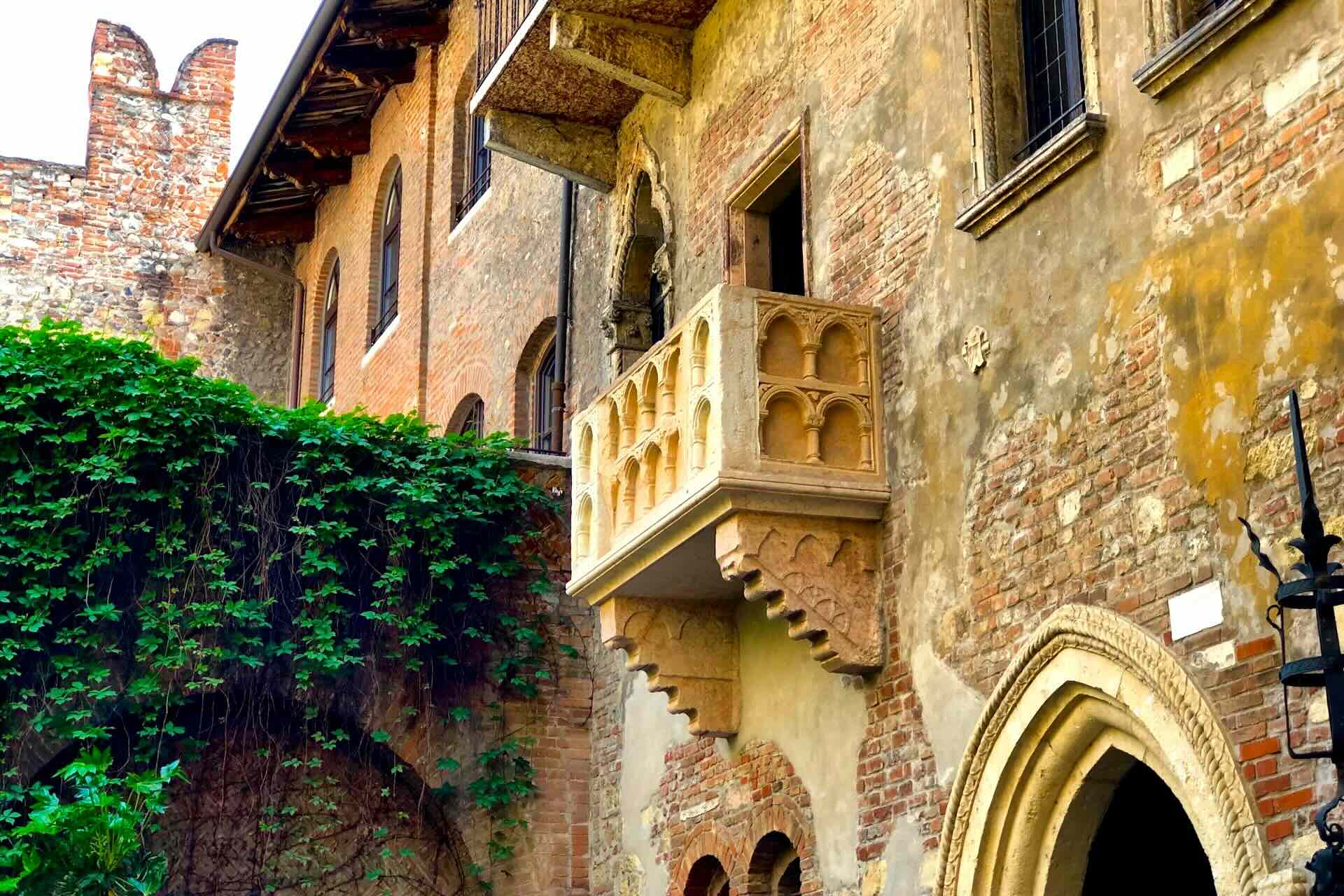
    Verona is strongly tied to romance, but its romantic feeling goes beyond famous associations. The streets themselves help create the mood. Narrow lanes, warm facades, balconies, courtyards, and river views all give the city a graceful intimacy.

    This romance feels more natural than staged. Verona is beautiful because its scale supports wandering. The city invites travelers to move slowly, look upward, and let small details carry the experience.

    Piazza Life and Italian Ease

    Verona’s piazzas are central to its appeal. They create space, movement, and a relaxed social rhythm. Cafés, markets, restaurants, and evening walks all give the city a lively but manageable feeling.

    This piazza life makes Verona feel deeply Italian. The city’s beauty is not only in monuments. It is also in people gathering, talking, eating, and moving through public spaces with ease.

    The Arena and Ancient Drama

    Verona’s arena gives the city one of its most powerful landmarks. Its scale, stonework, and central location create an immediate connection to the Roman past. It feels both monumental and integrated into the life of the city.

    That combination matters. The arena is not just a historic object to admire. It helps define Verona’s identity. It gives the city weight, presence, and a dramatic anchor.

    A City Made for Slow Walking

    Verona rewards walking more than rushing. Its streets, bridges, churches, shops, and river bends all feel connected at a comfortable pace. Travelers can move from Roman remains to medieval lanes and elegant squares without needing a complicated plan.

    That walkability gives Verona a personal quality. The city reveals itself gradually. A side street, shaded corner, or quiet bridge can become as memorable as a major landmark.

    The Adige River Adds Movement

    The Adige River gives Verona shape and softness. It curves around the historic center and adds views, bridges, and a sense of movement. The river also helps the city feel more open than its narrow streets might suggest.

    This balance is important. Verona has dense historic texture, but the river gives it air and light. It creates some of the city’s most graceful moments.

    Warm Stone and Northern Italian Elegance

    Verona’s beauty often comes from color and material. Warm stone, soft facades, arcades, and tiled roofs create a calm visual identity. The city feels elegant, but not overly formal.

    This makes Verona distinct from more dramatic Italian destinations. It does not need constant spectacle. Its beauty builds through harmony, proportion, and atmosphere.

    More Than a Romeo and Juliet Stop

    Verona is often connected with Romeo and Juliet, but the city is much more than that story. The romantic association helps bring people in, but the deeper reward comes from the city’s architecture, public spaces, Roman history, and daily rhythm.

    This matters because Verona deserves to be seen as a full destination. It has enough depth for a long weekend or as part of a broader northern Italy itinerary. It should not be treated only as a quick photo stop.

    Who Verona Is Best For

    Verona is best for travelers who enjoy historic cities, romantic streets, architecture, food, and walkable Italian travel. It works well for couples, solo travelers, culture focused visitors, and anyone who wants an Italian city with beauty and calm.

    This is not a city that needs to overwhelm you. Verona works through atmosphere, scale, and lasting elegance. That makes it especially satisfying for travelers who prefer depth over noise.

    The Lasting Appeal of Verona

    Verona stays memorable because it feels complete. The Roman stones give it strength. The romantic streets give it softness. The piazzas, river, bridges, and warm facades give the city a relaxed Italian rhythm.

    For travelers who want history, romance, and walkable beauty in one place, Verona is a strong choice. It proves that Italy’s most rewarding cities are not always the largest or loudest. Sometimes the best ones are the cities that let beauty unfold slowly.

    Plan a trip to Verona today.