Tag: walking cities

  • Why Hanoi Rewards Slow, Curious Travelers

    Why Hanoi Rewards Slow, Curious Travelers

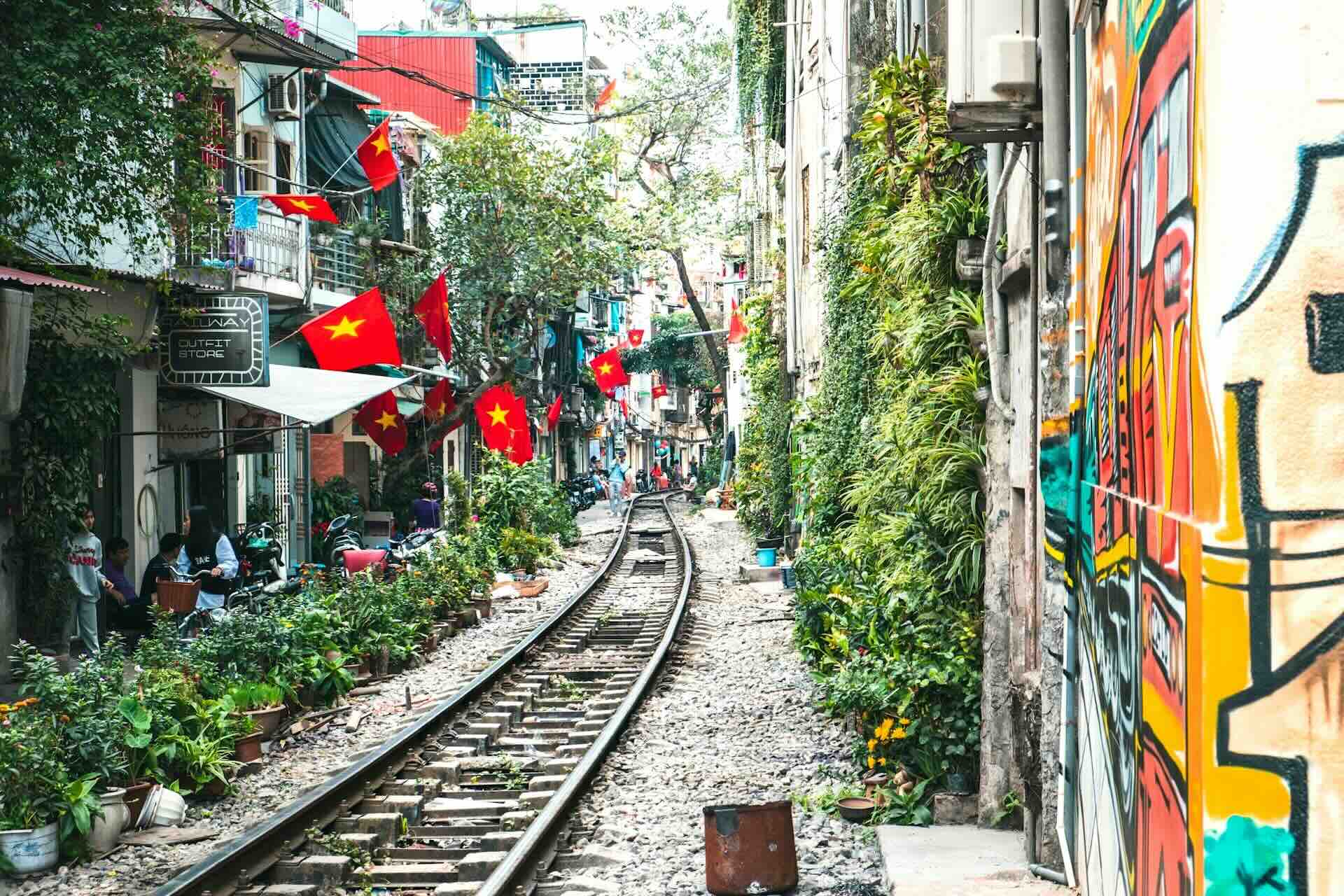
    Hanoi reveals itself best at an unhurried pace, and why Hanoi rewards slow, curious travelers becomes clear as soon as you stop trying to see everything. This is a city where daily life unfolds in layers, shaped by routine, memory, and quiet observation. Hanoi does not perform for visitors. It invites attention, patience, and presence.

    For travelers drawn to culture, food, neighborhoods, and everyday moments, Hanoi offers depth that grows with time. The city feels richer when you linger, listen, and let curiosity guide you.

    A City Built on Continuity

    Hanoi’s character comes from continuity rather than spectacle. Life here follows patterns refined over generations.

    Mornings begin early. Sidewalks fill with movement, conversation, and purpose. Afternoons soften. Evenings gather gently around food and shared space.

    History feels embedded rather than displayed. You sense it in street layouts, courtyards, and rituals that repeat daily.

    This continuity rewards travelers who watch closely. The city explains itself through repetition, not explanation.

    Neighborhoods That Invite Observation

    Hanoi is best understood through its neighborhoods, each offering a distinct rhythm.

    The Old Quarter feels dense and kinetic. Streets specialize in trades and routines. Movement feels purposeful, not chaotic.

    Ba Dinh feels spacious and reflective. Wide streets, trees, and institutions create a calmer tone.

    Tay Ho feels open and residential. Lakeside walks and cafés invite lingering and conversation.

    Moving slowly between these areas reveals how varied and cohesive the city feels. You begin to recognize patterns and preferences.

    Food as a Daily Language

    Food in Hanoi is woven into daily life, not reserved for special occasions. Eating is frequent, casual, and social.

    Meals are simple and focused. Ingredients matter. Preparation reflects habit and care rather than performance.

    Street food plays a central role. Vendors often serve one dish, refined through repetition. Eating becomes an act of trust and familiarity.

    Slow travelers learn when and where to eat by observing locals. Curiosity replaces reservations and lists.

    Cafés as Cultural Anchors

    Cafés in Hanoi offer more than coffee. They provide rhythm and reflection.

    People linger. Conversations stretch. Silence is comfortable.

    Spaces range from street level stools to tucked away rooms above shops. Each offers a different vantage point.

    Returning to the same café creates continuity. Faces become familiar. The city feels less anonymous.

    These pauses help the day breathe. They turn wandering into understanding.

    Sound, Movement, and Stillness

    Hanoi has a distinct soundscape that reveals itself over time.

    Morning brings engines, footsteps, and conversation. Afternoons soften. Evenings hum with shared meals and social life.

    Moments of stillness appear unexpectedly. Courtyards, lakes, and side streets offer quiet contrast.

    Slow travel allows you to notice these shifts. You hear the city change rather than dominate.

    Sound becomes texture rather than noise.

    History That Feels Present

    Hanoi’s history feels present without demanding attention. It exists alongside daily routines.

    Colonial buildings, traditional homes, and modern structures coexist naturally. No era overwhelms another.

    Memorials and historic sites feel integrated rather than isolated. They are part of the city’s fabric.

    Curious travelers learn by proximity. History reveals itself through context and continuity.

    Daily Life as the Main Attraction

    In Hanoi, daily life is the experience. Watching routines becomes as meaningful as visiting landmarks.

    People gather around food, conversation, and shared space. Sidewalks function as living rooms.

    Markets pulse with rhythm and repetition. Parks host quiet movement and reflection.

    Slow travelers find satisfaction in observation. The city rewards attention with understanding.

    A Different Relationship With Time

    Hanoi operates on a flexible sense of time. Schedules adapt to circumstance and connection.

    Meals happen when they happen. Conversations end when they end.

    This fluidity challenges travelers used to efficiency. It also frees them from pressure.

    Time feels generous rather than constrained. Days feel full without being rushed.

    Curiosity as the Best Guide

    Hanoi does not require a complex plan. It responds better to curiosity.

    Follow movement. Pause when something draws attention. Ask simple questions.

    Let routines guide decisions. Eat where locals eat. Walk where life feels active.

    This approach reveals the city’s deeper rhythms.

    Why Hanoi Feels Especially Rewarding Right Now

    Many travelers seek meaning over momentum. Hanoi aligns naturally with that desire.

    It offers culture without spectacle, food without performance, and connection without urgency.

    The city asks for presence rather than consumption. In return, it offers perspective.

    This exchange feels increasingly valuable.

    How to Experience Hanoi Slowly

    Choose one neighborhood as a base. Explore outward gradually.

    Balance walking with sitting. Observe more than you photograph.

    Return to places you enjoy. Repetition builds familiarity.

    Allow days to unfold. Trust that the city will provide enough.

    Why the Experience Lasts

    Travelers often remember Hanoi not for a list of sights, but for how it felt to be there.

    The warmth of routine. The comfort of familiarity. The satisfaction of understanding without explanation.

    Why Hanoi rewards slow, curious travelers comes down to one truth. The city reveals its character to those willing to wait.
    Plan a trip to Hanoi today.

  • What It’s Like to Wander Through Prague Without a Plan

    What It’s Like to Wander Through Prague Without a Plan

    Prague invites a different kind of travel, and what it’s like to wander through Prague without a plan quickly becomes one of the city’s greatest strengths. This is a place where structure matters less than curiosity. Streets curve unexpectedly, views open suddenly, and history appears without warning. You do not need an itinerary to experience Prague. You need time, attention, and a willingness to follow where the city leads.

    For travelers who enjoy atmosphere, culture, and discovery, Prague rewards unstructured exploration more than careful scheduling. The city feels designed for wandering, not optimizing.

    A City That Encourages Getting Lost

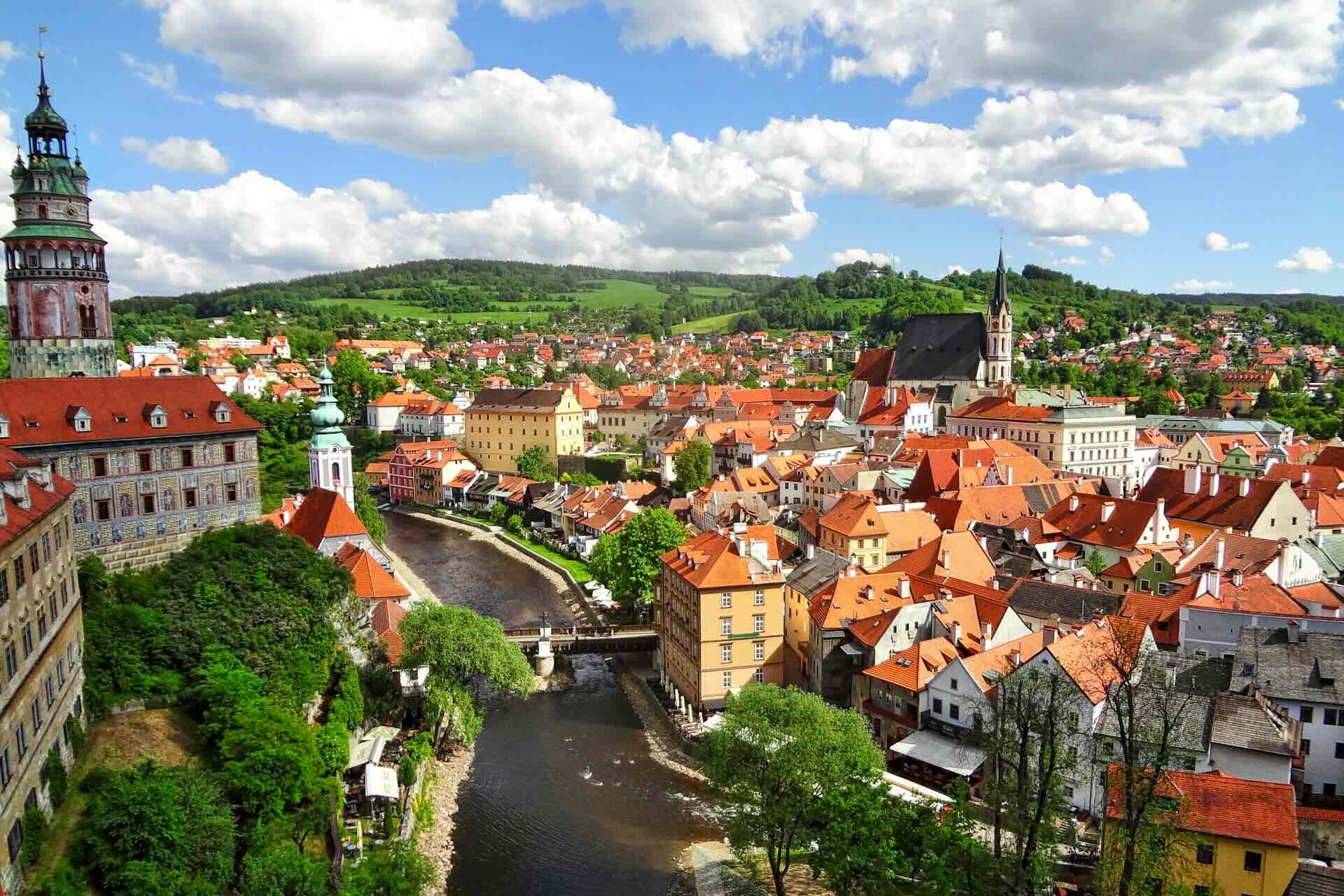
    Prague’s layout naturally resists rigid planning. Medieval streets twist and narrow. Neighborhoods blend into one another. Landmarks appear, disappear, and reappear from different angles.

    Maps help, but they are rarely necessary. The city is compact and walkable. Crossing bridges, climbing small hills, and moving between districts feels intuitive rather than confusing.

    Getting lost in Prague rarely feels stressful. Streets are lively but not overwhelming. There is always somewhere to pause, sit, or recalibrate. Wandering feels safe, calm, and engaging.

    This freedom allows you to experience the city at eye level, not through a checklist.

    First Impressions That Keep Changing

    Prague reveals itself gradually. Your first impression might center on historic architecture and postcard views. As you keep walking, the tone shifts.

    Grand buildings give way to quieter streets. Tourist corridors open into residential areas. The city becomes less performative and more personal.

    Without a plan, you notice details more closely. Doorways, courtyards, small cafés, and unexpected viewpoints become moments rather than stops.

    Each turn slightly redefines how the city feels. Prague does not offer a single mood. It offers layers.

    Neighborhoods That Reward Curiosity

    Wandering through Prague naturally leads you across neighborhoods, each with a distinct energy.

    Old Town feels dense and historic. Even here, stepping a block away from main squares reveals quieter streets and local routines.

    Lesser Town feels intimate and atmospheric. Slopes, stairways, and tucked away gardens create moments of calm amid history.

    Vinohrady and Žižkov feel residential and lived in. Cafés serve locals. Streets feel relaxed. Life unfolds at a slower pace.

    Letná offers space and perspective. Parks and viewpoints encourage lingering and reflection.

    Moving between these areas without an agenda reveals how varied and cohesive Prague truly is.

    Architecture as a Constant Companion

    Architecture defines the wandering experience in Prague. Styles overlap naturally, telling stories through proximity rather than explanation.

    Gothic, baroque, and art nouveau buildings coexist without hierarchy. You are not directed from one era to another. You encounter them simultaneously.

    Buildings feel close and human scaled. You look up often, not because something demands attention, but because beauty feels woven into daily surroundings.

    Without a plan, architecture becomes part of the walk rather than the destination.

    Cafés as Anchors, Not Stops

    Cafés play an important role when wandering without direction. They offer pause, warmth, and orientation without pressure.

    You might sit briefly or stay longer. You might return to the same place more than once, simply because it feels right.

    Cafés in Prague often feel timeless. Interiors are comfortable rather than trendy. Conversations linger. Time stretches naturally.

    These pauses shape the day. They help wandering feel intentional rather than aimless.

    Food That Fits the Rhythm of Exploration

    Eating without a plan in Prague works surprisingly well. The city offers many options that fit naturally into wandering days.

    Meals feel hearty and grounding. Food restores energy rather than interrupting movement.

    You eat when hunger appears, not when schedules dictate. This flexibility keeps the day fluid.

    Food becomes part of the rhythm rather than a focal point.

    Sound, Stillness, and Atmosphere

    Prague’s atmosphere shifts subtly throughout the day. Mornings feel calm and reflective. Afternoons feel social and observant. Evenings feel warm and inviting.

    Street sounds remain present but rarely overwhelming. Conversations, footsteps, and distant music create texture without noise.

    Moments of stillness appear often. Courtyards, side streets, and river paths provide quiet contrast to busier areas.

    Wandering allows you to experience these shifts organically rather than forcing them into time slots.

    Crossing the City Through Its Bridges

    Bridges in Prague are more than crossings. They are transitions between moods.

    Crossing the river changes perspective. Views widen. The city feels larger, then closer again.

    Bridges invite lingering. You stop, look, and reflect without intention.

    They help orient you emotionally rather than geographically.

    A Different Relationship With Time

    Without a plan, time in Prague feels generous. Hours pass without urgency. Days feel full without being exhausting.

    You stop measuring productivity, counting sights and focus on presence.

    This shift often becomes the most memorable part of the trip. Prague encourages slowing down without boredom.

    Time feels spent, not used.

    Why Wandering Works Especially Well in Prague

    Some cities demand planning to avoid frustration. Prague does the opposite.

    The city’s scale, safety, beauty, and cohesion make unstructured exploration rewarding.

    You rarely feel you are missing something. You feel you are discovering something.

    This creates confidence. You trust your instincts. You follow interest rather than obligation.

    Letting the City Lead the Experience

    Wandering without a plan changes how you engage with a place. You notice patterns instead of highlights, recognize streets and develop preferences. You build familiarity.

    Prague responds well to this approach. It reveals character through repetition and observation.

    The city becomes less about where you go and more about how you feel moving through it.

    Why This Experience Stays With You

    Many travelers remember Prague not for specific sights, but for how it felt to be there.

    The sense of ease. The beauty without effort. The discovery without pressure.

    Wandering through Prague without a plan creates memories rooted in atmosphere rather than accomplishment.

    That feeling stays long after details fade.

    How to Embrace Unplanned Travel in Prague

    Start walking with no destination. Cross the river without reason. Turn when something catches your attention.

    Sit often. Observe quietly. Let curiosity guide movement.

    Resist the urge to optimize. Allow repetition. Trust that the city will offer enough.

    Prague rewards openness more than efficiency.

    Why Prague Feels Made for Wandering

    What it’s like to wander through Prague without a plan comes down to one truth. The city supports exploration without demanding structure.

    It offers beauty, safety, culture, and calm in equal measure.

    You do not need to chase experiences here. They meet you where you are.

    That balance is what makes Prague unforgettable.

    Plan a trip to Prague today.