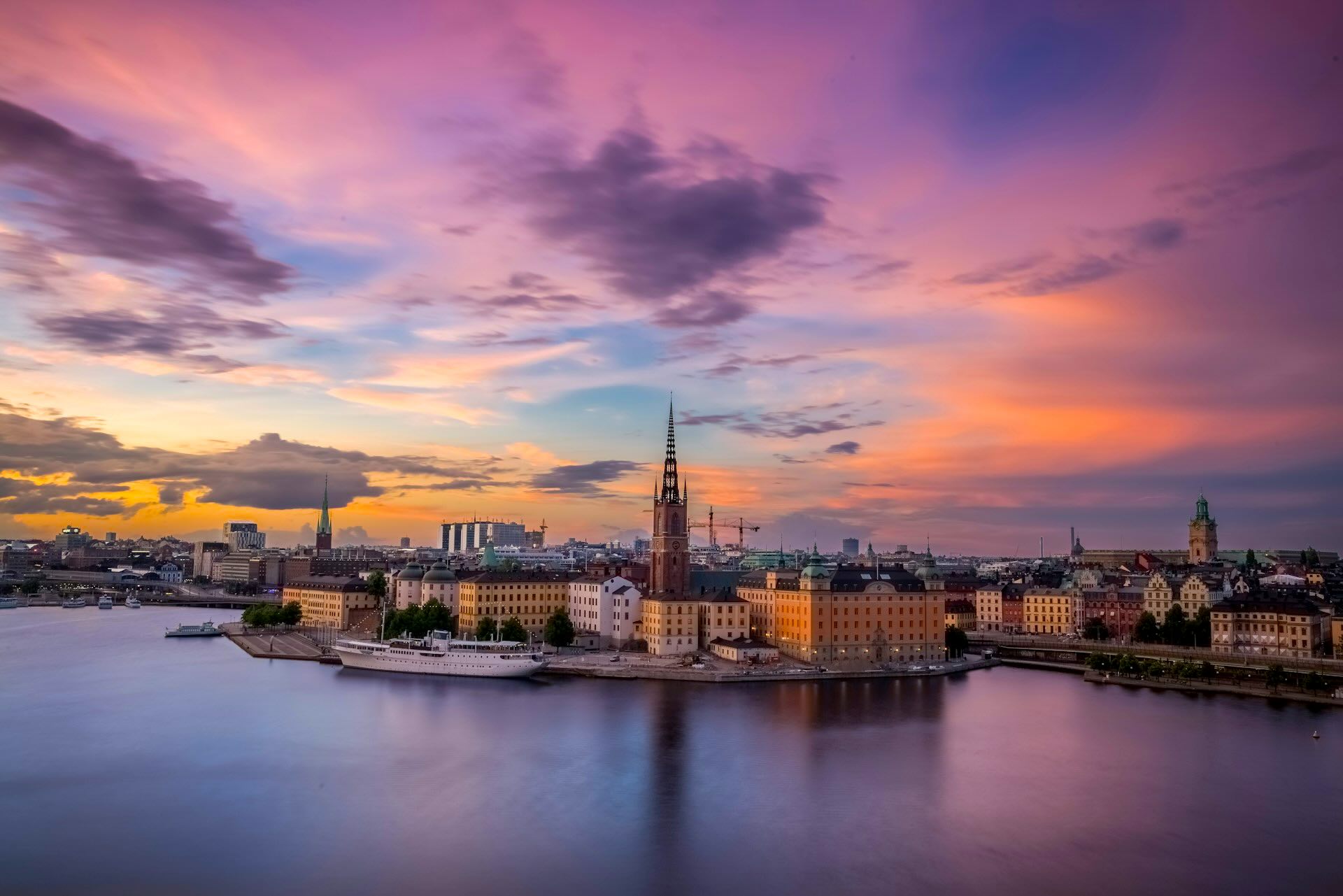
Stockholm, Sweden islands, light, and Nordic refinement come together in a capital that feels elegant, calm, and closely tied to water. Built across islands and shaped by bridges, harbors, old streets, parks, museums, and clean design, Stockholm offers one of Scandinavia’s most graceful city experiences.
Why Stockholm Feels So Distinct
Stockholm stands out because water is part of the city’s structure. The capital does not simply sit beside a waterfront. It spreads across islands, creating constant shifts between streets, bridges, quays, ferries, parks, and wide views.
This island setting gives Stockholm a sense of space and clarity. Even in the busy center, the city rarely feels closed in. Water, sky, and light keep the capital feeling open.
Islands Shape the Experience
The phrase islands fits Stockholm because each part of the city has its own mood. Some islands feel historic and formal. Others feel residential, creative, green, or waterfront focused. Moving between them gives the city natural variety.
This makes Stockholm especially rewarding to explore over several days. A good visit can include the old town, museum districts, quiet parks, stylish neighborhoods, harbor walks, and boat trips without the city feeling repetitive.
Light Defines the Mood
Stockholm’s light gives the city much of its beauty. Long summer days, low winter sun, reflections on the water, and soft northern skies all shape the way the capital feels. The city often looks clean, bright, and composed.
This light works beautifully with Stockholm’s architecture and natural setting. Facades, church towers, boats, bridges, and islands change throughout the day, making simple walks feel more memorable.
Nordic Refinement Gives Stockholm Its Style
Stockholm’s Nordic refinement comes through in its design, architecture, food, fashion, public spaces, and everyday order. The city feels stylish without being loud. Its beauty often comes from restraint, materials, proportion, and careful details.
This refined quality gives Stockholm a calm confidence. It does not need constant spectacle. The city’s strongest moments often come through balance, comfort, and good design.
Gamla Stan Adds Historic Texture
Gamla Stan, Stockholm’s old town, gives the city one of its most atmospheric areas. Narrow lanes, colorful facades, churches, squares, cafés, shops, and royal landmarks create a compact historic core.
This old town matters because it anchors Stockholm’s modern elegance in deeper history. It gives travelers a place to feel the city’s age before moving back into its cleaner, more contemporary districts.
Waterfront Walks Are Essential
Stockholm is best understood from the water’s edge. Quays, promenades, bridges, marinas, and viewpoints create some of the city’s most enjoyable routes. Walking near the water is not just scenic. It is central to the Stockholm experience.
These waterfront areas give the city movement and calm at the same time. Ferries, sailboats, reflections, and open views make the capital feel active without becoming chaotic.
Museums Add Cultural Depth
Stockholm has strong museum culture, with art, design, maritime history, photography, royal history, and Nordic culture all represented across the city. Many museums sit in beautiful settings near water or green space.
This cultural depth makes Stockholm more than a pretty capital. It gives travelers a fuller sense of Sweden’s history, creativity, craftsmanship, and relationship with the sea.
Parks and Green Space Soften the Capital
Stockholm’s parks and natural areas help the city feel balanced. Green islands, gardens, wooded paths, waterfront lawns, and quiet residential streets create space to slow down.
This connection to nature is one of Stockholm’s strengths. The city feels polished, but not hard. Parks and water soften the urban experience and make the capital feel highly livable.
Food, Cafés, and Swedish Comfort
Stockholm’s food culture adds another layer of refinement. Cafés, bakeries, seafood, modern Nordic restaurants, markets, and cozy dining rooms all shape the experience. The city works well for travelers who enjoy long lunches, good coffee, and thoughtful meals.
This culinary side reflects Stockholm’s character. Food often feels clean, seasonal, and carefully prepared. It adds warmth to the city’s cool northern elegance.
The Archipelago Adds Range
Stockholm’s archipelago gives the city rare travel range. Islands, ferries, summer houses, rocky shorelines, forests, and quiet water routes extend the capital far beyond its center.
This makes Stockholm especially flexible. Visitors can enjoy a major European capital and still feel close to nature, boats, and island life. Few cities make that transition so smoothly.
Who Stockholm Is Best For
Stockholm is best for travelers who enjoy waterfront cities, design, museums, old towns, cafés, parks, architecture, and calm urban travel. It works well for couples, solo travelers, families, culture focused visitors, and anyone who wants a Scandinavian capital with strong natural beauty.
This is not a city built around disorder or excess. Stockholm works through light, water, design, and balance. That makes it especially rewarding for travelers who appreciate cities that feel elegant and deeply composed.
The Lasting Appeal of Stockholm
Stockholm stays memorable because it feels refined, open, and shaped by water. The islands give it variety. The light gives it atmosphere. The Nordic refinement gives it style. The old town, museums, parks, waterfronts, cafés, and archipelago give the city its lasting character.
For travelers who want a Scandinavian capital with beauty, culture, and calm, Stockholm is a strong choice. It proves that some cities make their strongest impression through clarity, proportion, and a close relationship with nature.