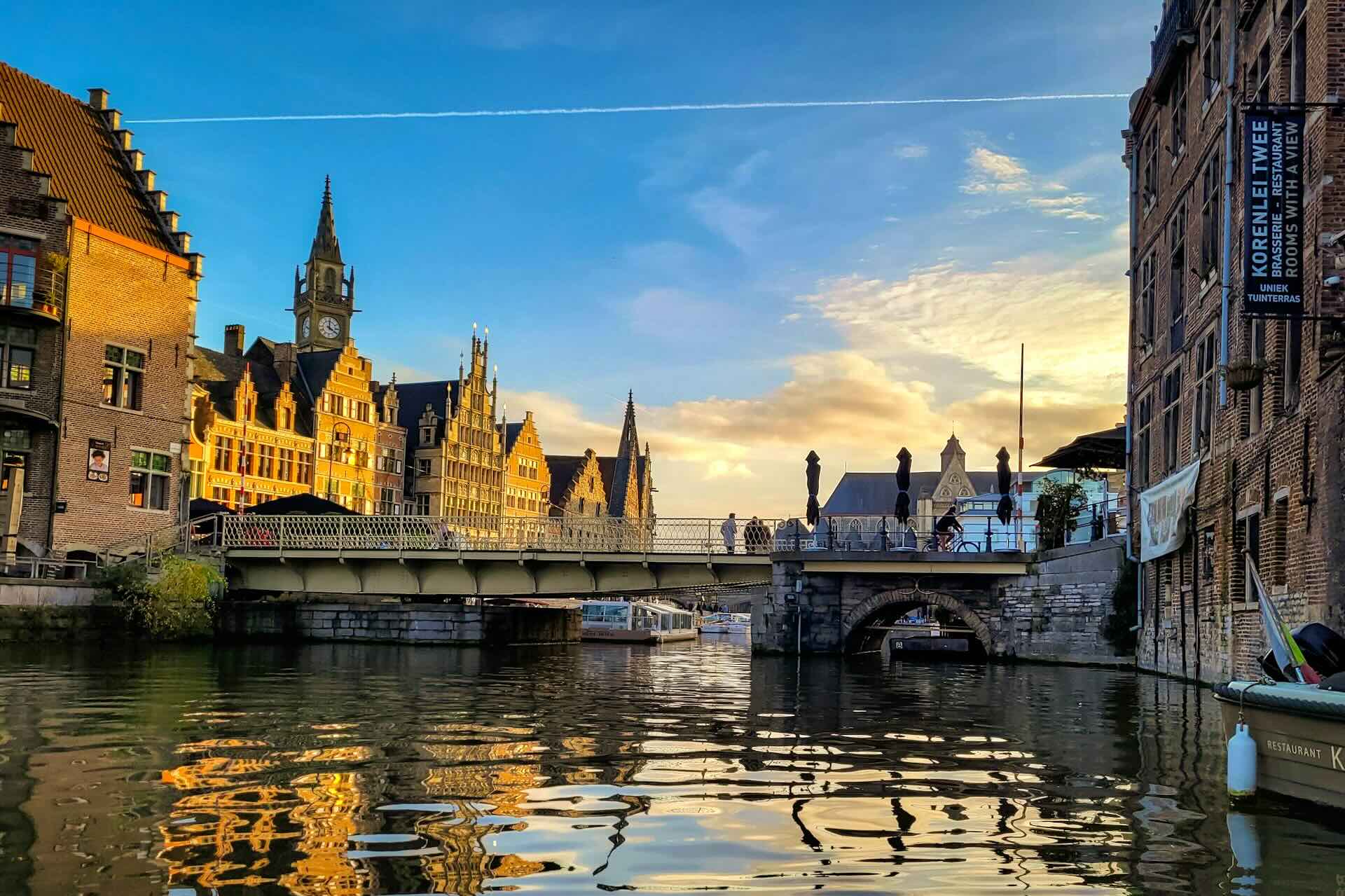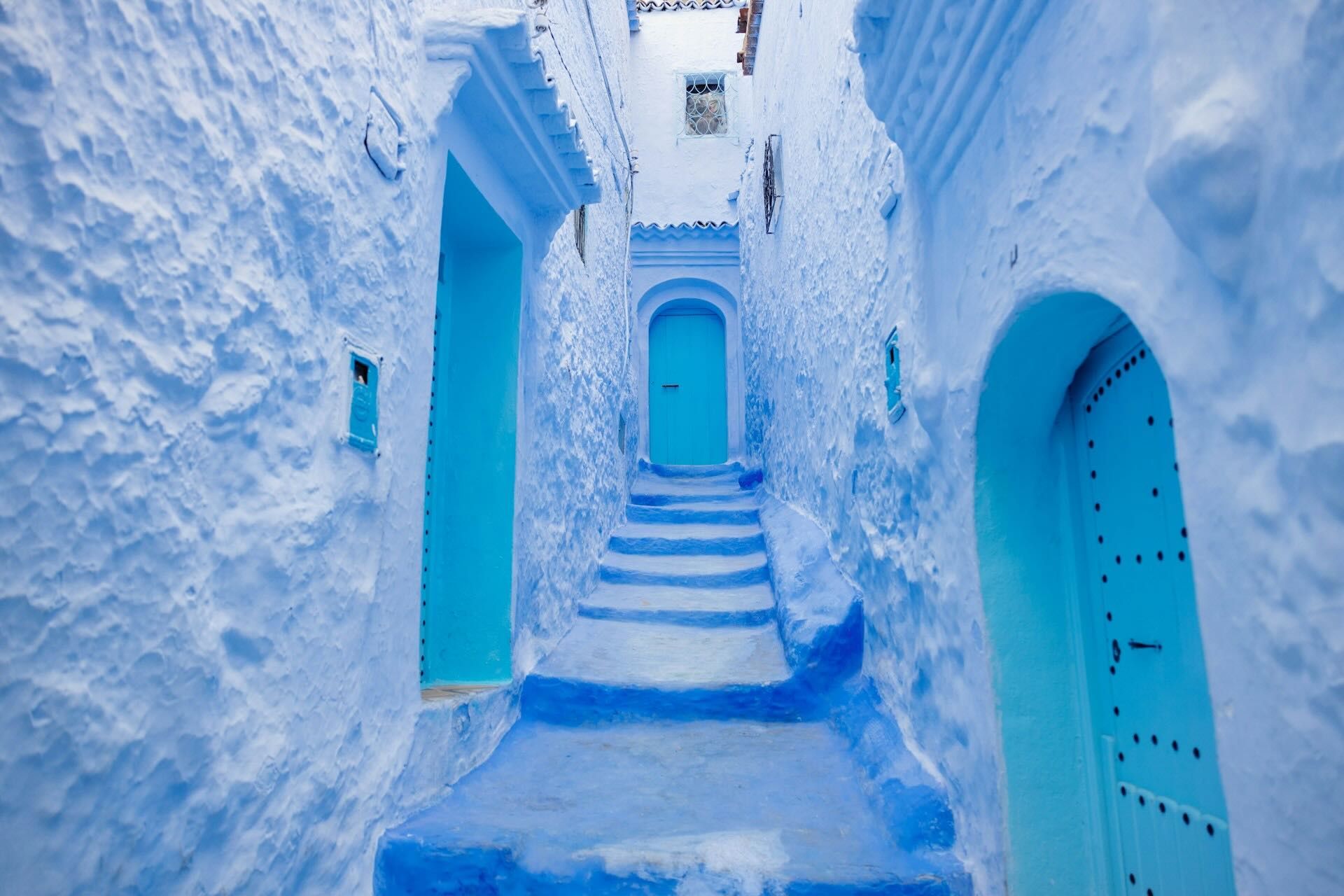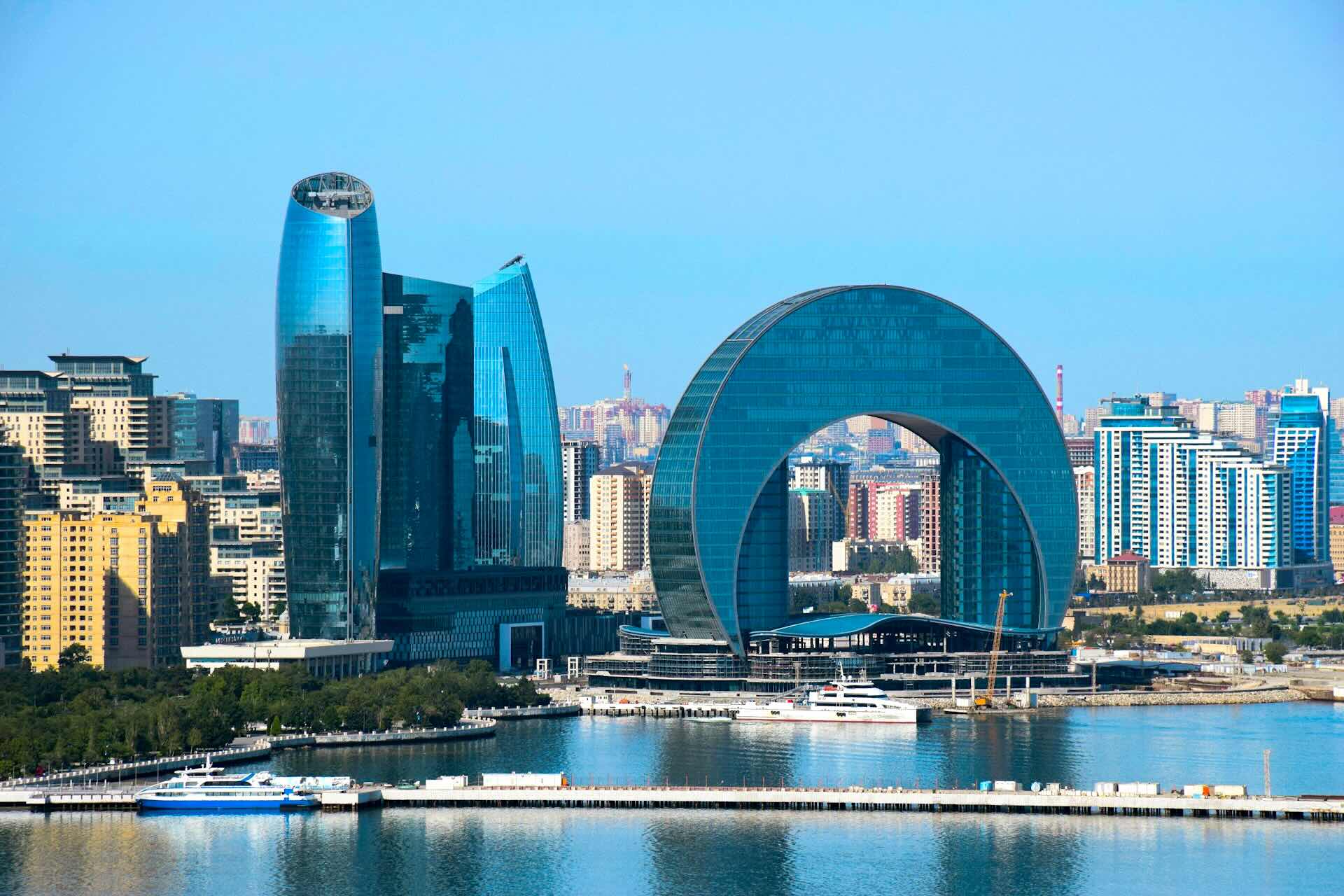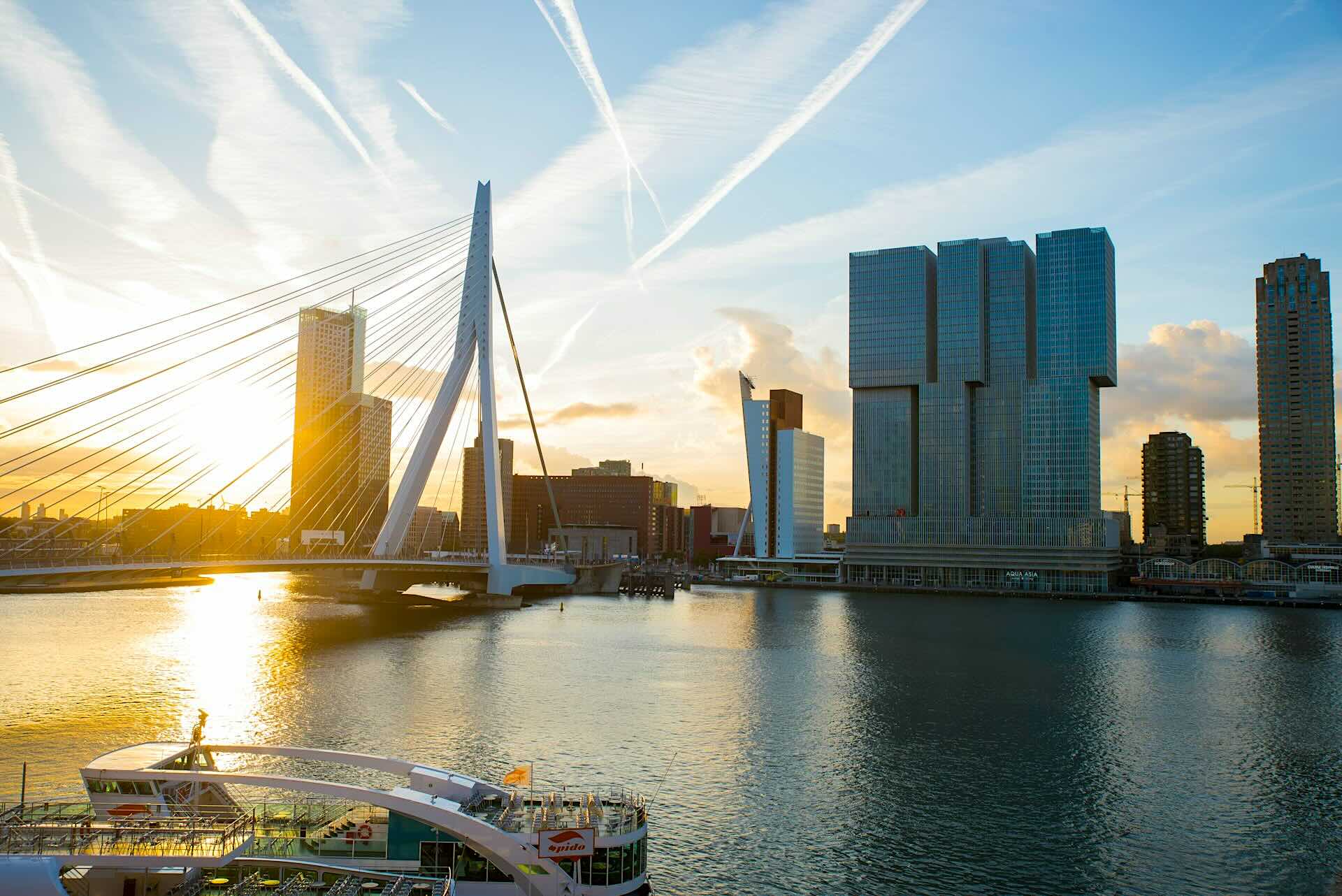
Category: Latest Updates & Innovations

  • Plovdiv, Bulgaria Europe’s Oldest City Still Thriving

    Plovdiv, Bulgaria Europe’s Oldest City Still Thriving

    Plovdiv, Bulgaria Europe’s oldest city still thriving feels warm, layered, and remarkably alive from the first walk through its streets. This is a city where ancient history does not sit behind glass. It lives beside cafés, galleries, pedestrian streets, and everyday local rhythm. Built across rolling hills and shaped by centuries of change, Plovdiv combines Roman remains, revival era houses, creative energy, and a lived in urban confidence that makes it feel far more dynamic than a simple historic destination.

    Why Plovdiv Feels So Distinct

    Some old cities feel impressive but distant. Plovdiv feels old and active at the same time. That is what gives it unusual appeal. You can move from a Roman theater to a contemporary café, from cobbled lanes to a lively shopping street, and none of it feels forced. The city does not separate its past from its present. It lets them exist together in plain view.

    That balance is what makes Plovdiv stand out. It feels cultured, but not stiff. Historic, but not frozen. Creative, but still grounded in local life. Travelers who want depth without heaviness often connect with Plovdiv very quickly.

    A City With Extraordinary Age

    Plovdiv’s age is central to its identity. The city is widely described as one of the oldest continuously inhabited urban centers in Europe, and that long timeline gives real weight to the streets and hills beneath your feet. Yet the city never feels trapped by its own age. Instead, it uses history as a foundation for a place that still moves forward.

    That is an important distinction. Some destinations lean so hard on their antiquity that they become static. Plovdiv does not. Its age adds depth, but the city still feels socially alive, visually open, and fully inhabited.

    The Drama of the Hills

    Plovdiv’s topography helps shape the experience in a way many flatter cities cannot match. The city is strongly associated with its hills, and that gives it both visual variation and a stronger sense of place. Streets rise and fall. Viewpoints appear unexpectedly. The city never feels entirely fixed from one angle.

    This matters because it gives Plovdiv more movement and atmosphere. One area may feel intimate and historic, while another opens into broader views or more contemporary urban energy. That shift keeps walking interesting and reinforces the sense that Plovdiv is a city of layers rather than a single postcard scene.

    Roman Heritage in the Middle of Daily Life

    Plovdiv’s Roman heritage is one of its most memorable features. The Ancient Theatre, the Roman Stadium, and other archaeological layers give the city a sense of continuity that feels unusually visible. These are not isolated fragments hidden away from the life of the city. They remain part of the city’s personality.

    What makes this especially effective is the way ancient remains coexist with the present. Plovdiv does not ask you to leave the modern city behind in order to appreciate its past. Instead, the Roman layer appears naturally within the urban fabric, which makes history here feel immediate rather than remote.

    The Old Town and Its Revival Era Beauty

    Plovdiv’s old town brings a different kind of pleasure. If the Roman heritage gives the city gravity, the old town adds warmth, color, and human scale. This part of Plovdiv feels composed and atmospheric, with elegant houses, curving streets, and a rhythm that invites slower exploration.

    The architecture here reflects another important chapter in the city’s story. The old town does not feel monumental in a rigid way. It feels textured, graceful, and full of detail. Balconies, painted facades, courtyards, and uneven streets give the area visual richness without turning it into a staged historical set.

    A City of Culture That Still Feels Personal

    Plovdiv has long had a strong cultural identity, and that remains part of its appeal today. The city feels artistic without becoming self conscious. Galleries, events, performance spaces, and creative businesses all contribute to an atmosphere that feels culturally engaged, but still approachable.

    This makes a real difference to the travel experience. Plovdiv does not feel like a place that exists only to be admired. It feels like a place where culture still happens. That gives the city freshness and keeps it from becoming overly nostalgic.

    Kapana and the Creative Pulse of the City

    Kapana adds another layer to Plovdiv’s identity. Known for its creative atmosphere, walkable streets, and contemporary energy, it helps show that the city is not living only in the past. This district feels social, current, and full of movement, with a character that contrasts well with the more historic sections of the city.

    What makes Kapana work is that it does not erase the older city around it. Instead, it expands Plovdiv’s personality. The result is a city that can offer archaeological depth, old town beauty, and a more modern urban pulse within a relatively compact area.

    Main Street, Public Life, and Everyday Energy

    Plovdiv also excels at the everyday pleasures of city life. The pedestrian center, cafés, shops, and public spaces give the city a social ease that helps tie all of its historical layers together. This is where Plovdiv feels especially alive, not only as a destination, but as a functioning city that people genuinely enjoy inhabiting.

    That everyday energy matters because it prevents the city from feeling too reverent. Plovdiv has heritage, clearly, but it also has movement, conversation, and daily rhythm. The city feels best when you let those ordinary pleasures become part of the experience.

    More Than an Ancient City

    It would be easy to market Plovdiv only through age, but that would undersell it. The city is not compelling simply because it is old. It is compelling because it remains active, attractive, and creatively engaged despite its long history. That is what makes the title feel earned. Europe’s oldest city still thriving is not just a slogan. It captures the city’s real strength.

    Plovdiv has managed to carry antiquity, revival era elegance, modern culture, and ordinary urban life all at once. Very few cities do that with such ease.

    When Plovdiv Feels Best

    Plovdiv works especially well when walking feels comfortable and public life spills into streets, terraces, and open spaces. In these conditions, the city’s balance becomes even clearer. The hills, the old town, the Roman sites, and the modern districts all connect more naturally when you can move through them slowly.

    At the same time, Plovdiv does not depend entirely on ideal weather. Its appeal comes from urban form, historical layering, and cultural atmosphere as much as from climate. The city has enough character to remain engaging in quieter seasons too.

    Who Plovdiv Is Best For

    Plovdiv suits travelers who appreciate history, architecture, culture, and cities that can be understood on foot. It works especially well for people who enjoy layered destinations where the past is visible but the present still feels strong. Couples, solo travelers, and culturally curious visitors can all do very well here.

    It is also a strong fit for travelers who want a historic European city with personality, but without the pressure or overexposure of more obvious names. Plovdiv feels substantial, but still relaxed.

    The Lasting Appeal of Plovdiv

    Plovdiv stays with people because it feels complete. The hills give it form. The Roman layer gives it depth. The old town gives it charm. The creative districts and public life give it momentum. Nothing feels isolated from the rest. The city works as one continuous experience.

    That is what makes Plovdiv more than simply an ancient city in Bulgaria. It feels like a place where history remains visible without overwhelming the present. For travelers who want beauty, culture, and a city that still feels fully alive, Plovdiv offers one of the most rewarding urban experiences in southeastern Europe.

    Plan a trip to Plovdiv today.

  • Mostar, Bosnia and Herzegovina A Bridge Between Cultures

    Mostar, Bosnia and Herzegovina A Bridge Between Cultures

    Mostar, Bosnia and Herzegovina a bridge between cultures feels visually dramatic and emotionally layered from the moment you see the Neretva cutting through the city. Mostar’s historic identity is closely tied to the Old Bridge, Stari Most, and to a townscape shaped by Ottoman and later Austro Hungarian influence. The city feels intimate in scale, yet large in emotional presence, with stone streets, river views, and a sense that history here is never far from the surface.

    Why Mostar Feels So Distinct

    Some historic cities impress through monuments alone. Mostar works through symbolism, geography, and atmosphere at the same time. The river gives the city a dramatic centerline, and the bridge gives it meaning beyond architecture. This is a place where stone, water, and memory all carry weight.

    That is part of what makes Mostar so memorable. It is beautiful, clearly, but it is not beauty without context. The old town, the riverbanks, and the bridge itself all suggest connection, division, recovery, and endurance. Very few places carry those ideas so visibly.

    The Old Bridge as the Heart of the City

    Stari Most defines Mostar. The bridge is the city’s emotional and visual center, and everything around it seems to draw strength from that presence. It is an architectural icon, but it is also something more human and symbolic, a structure that has come to represent resilience and the possibility of reconnection.

    What makes the bridge so powerful is that it works on several levels at once. It is elegant in form, dramatic in setting, and rich in meaning. The arc over the Neretva gives Mostar its most unforgettable image, but the bridge also gives the city its deepest sense of identity.

    A City Shaped by the River

    The Neretva does more than add scenery. It shapes the entire experience of Mostar. The river cuts through a deep valley, and the old city gathers around that geography in a way that makes every viewpoint feel more dramatic.

    This geography gives Mostar an intensity that many small historic towns do not have. The city feels concentrated. The river below, the arch of the bridge, and the old stone streets above all work together to create a setting that feels theatrical, but still real.

    Ottoman Roots and Layered Identity

    Mostar’s old town carries a strong Ottoman imprint, and that gives the city much of its character. Stone lanes, historic houses, old market streets, and the overall rhythm of the urban fabric reflect a cultural world that still feels present in the city’s atmosphere.

    That combination matters because it keeps Mostar from feeling one note. The city is not only Ottoman, not only Balkan, and not only Mediterranean. It sits at a cultural meeting point, and you can feel that in the architecture, the street life, and the broader atmosphere. This layered identity is what makes the title a bridge between cultures feel genuinely earned rather than simply poetic.

    The Old Town and the Pleasure of Walking

    Mostar is best experienced on foot. The old center is compact enough to absorb slowly, and walking allows you to notice how the city changes from one angle to another. Narrow lanes open toward the bridge. Stone houses, small shops, and river views create a rhythm that feels both historic and lived in.

    This kind of walking matters in Mostar because the city’s appeal is not limited to one postcard view. The bridge may be the anchor, but the wider urban fabric is what gives the city depth. It is the relationship between the bridge and the surrounding streets that makes the experience feel complete.

    A Bridge With Living Traditions

    Mostar’s identity is not only architectural. It is also social and performative. The tradition of diving from the Old Bridge into the Neretva has long been associated with courage, spectacle, and local identity, and it adds another layer to the city’s connection with the bridge.

    That tradition makes the bridge feel even more alive. It is not just something to admire from a distance. It remains part of the city’s living culture. Even when visitors do not witness a dive themselves, the knowledge that the bridge continues to function as a stage for ritual and local pride gives it more energy and meaning.

    More Than a Symbol of the Past

    It would be easy to approach Mostar only through the lens of history and conflict, but that would miss the city’s present day atmosphere. Mostar is also social, walkable, and visually inviting. Cafés, terraces, and market streets give it everyday warmth. The city’s beauty is not only solemn. It also includes hospitality, movement, and the pleasure of being beside the river as the light changes.

    That balance is important. Mostar carries memory, but it is not trapped by it. The city feels reflective, yet still open. That is part of what gives it lasting emotional force.

    Why the Multicultural Story Matters

    Mostar’s deeper significance comes from more than the bridge itself. The city feels like a meeting point, where different histories, faiths, and cultural influences have all left visible marks. This is not abstract. It is present in the architecture, the urban layout, and the emotional tone of the place.

    This is one reason Mostar resonates beyond its size. The city’s importance is not only visual or historic. It is also symbolic. For travelers who care about places with deeper meaning, Mostar offers something stronger than surface charm.

    When Mostar Feels Best

    Mostar works especially well when the weather supports long walks through the old town and lingering by the river. In those conditions, the bridge, the stone streets, and the surrounding hills feel especially vivid. Still, the city’s appeal does not depend only on ideal weather. Its deeper power comes from setting, symbolism, and structure.

    Travelers who stay long enough to move beyond the bridge viewpoint often get more from Mostar. The city reveals more when treated as a place to absorb slowly rather than just photograph.

    Who Mostar Is Best For

    Mostar suits travelers who appreciate places with history, atmosphere, and visible cultural depth. It works especially well for people who enjoy walkable old towns, meaningful landmarks, and destinations that feel emotionally charged without becoming inaccessible. Couples, solo travelers, and culturally curious visitors can all do well here.

    It is also a strong choice for travelers who want a city that offers beauty with context. Mostar is scenic, but it is not shallow. That makes it linger in memory more than many cities of similar size.

    The Lasting Appeal of Mostar

    Mostar stays with people because the bridge at its center means more than crossing from one side to another. The city carries visible layers of coexistence, memory, and resilience, and all of that gives the place a power that goes beyond architecture alone.

    That is what makes Mostar more than a beautiful stop in Bosnia and Herzegovina. It feels like a city where geography, architecture, memory, and identity all meet in one visible form. For travelers who want beauty, meaning, and a place with real symbolic weight, Mostar offers one of the most memorable urban experiences in the Balkans.

    Plan a trip to Mostar today.

  • Zadar, Croatia Where History Meets the Sea Organ

    Zadar, Croatia Where History Meets the Sea Organ

    Zadar, Croatia where history meets the Sea Organ feels bright, textured, and quietly original from the moment you reach the waterfront. This Adriatic city carries Roman foundations, medieval churches, Venetian traces, and a long maritime identity, yet it also has a contemporary side that gives it a different energy from more predictable coastal destinations. Zadar does not rely only on old stone and scenic views. It also offers public spaces and modern interventions that make the sea feel like part of the city’s living rhythm.

    Why Zadar Feels So Distinct

    Some Croatian coastal cities win people over through obvious beauty alone. Zadar works through contrast. It feels ancient and open to experimentation at the same time. You can walk through Roman remains and old churches, then end the day at a waterfront installation that turns wind and waves into sound. That kind of layering gives the city more personality than a simple historic port.

    Zadar also feels less polished in a conventional sense, and that helps it. The city has beauty, but it does not feel over arranged for visitors. It still carries the atmosphere of a place shaped by real urban life, weather, sea light, and centuries of change.

    A City Built on Layers of History

    Zadar’s past is visible throughout the old town. Roman traces, medieval structures, church towers, and older stone streets all contribute to a city that feels historically dense without becoming heavy. The old center sits on a peninsula, which gives the historic core both clarity and a strong relationship to the sea.

    This layering is part of what makes Zadar rewarding to explore. The city does not depend on a single signature monument. Instead, it builds its effect through accumulation. One street offers Roman fragments, another opens into a church square, and another leads toward the sea. The result is a place that feels shaped over time rather than packaged into one era.

    The Sea Organ and Zadar’s Modern Identity

    The Sea Organ is one of the clearest signs that Zadar is not only interested in preserving the past. Built directly into the waterfront, it transforms the movement of the sea into sound, giving the city a public space that feels both elemental and designed. It is one of those ideas that sounds simple but leaves a strong impression once experienced in person.

    What makes it so effective is that it does not fight the setting. It works with the Adriatic rather than against it. The installation turns the waterfront into a place of listening as well as looking. That gives Zadar a more creative and contemporary identity than many historic coastal cities manage to achieve.

    The Waterfront as Daily Theater

    Zadar’s waterfront is central to the experience of the city. It provides openness, movement, and a visual break from the tighter streets of the old town. This is where the city breathes. Light stretches across the Adriatic, people gather along the edge, and the sound of the water becomes part of the city’s daily atmosphere.

    The waterfront also gives Zadar a slightly more relaxed emotional tone. The history here is real, but the sea keeps the city from feeling too enclosed by its own past. That balance between old stone and open water is one of Zadar’s greatest strengths.

    A Peninsula Old Town Made for Walking

    Zadar works best on foot. Its old town is compact enough to explore without strain, and walking lets you experience the constant interplay between architecture, public squares, and glimpses of the sea. The city’s scale helps everything feel connected. You do not need long transitions to move from Roman remains to church façades to harbor views.

    This walkability makes Zadar especially satisfying for travelers who enjoy gradual discovery. The city reveals itself through rhythm rather than spectacle. It is not about racing to one headline attraction after another. It is about noticing how urban life and coastal life overlap.

    Churches, Stone, and Quiet Civic Beauty

    Zadar has a strong ecclesiastical presence, and that gives the city another layer of gravity. Church architecture, old squares, and weathered façades create a civic beauty that feels older and more grounded than the brighter modern waterfront. These older elements give the city continuity and structure.

    What makes this especially appealing is that the city’s historic side does not feel frozen. It remains part of the flow of daily life. Cafés, shops, and ordinary movement continue around these older buildings, which helps Zadar feel lived in rather than staged for admiration alone.

    Sea Light and the Character of the Adriatic

    The Adriatic shapes Zadar in ways that go beyond scenery. It affects the quality of light, the feel of the air, and the city’s emotional atmosphere. The sea here is not only decorative. It gives the city its openness and much of its sense of calm.

    This is one reason Zadar lingers in the mind. The city feels historical, but never sealed off. Sea light moves across the stone and changes the mood of the streets. Evening along the waterfront can feel especially memorable because the city seems to shift from archaeological and architectural interest into something more sensory and reflective.

    A City That Blends Past and Present Well

    Many historic destinations struggle to integrate the contemporary world without weakening their older identity. Zadar handles this well. The city’s modern touches do not erase the past. They sharpen it. The Sea Organ and the waterfront atmosphere show that Zadar is not content to remain only a heritage setting. It still wants to create new experiences that belong to the city itself.

    That is what gives Zadar its edge. It respects history, but it also understands that a city must remain alive in the present. Travelers who like destinations with both substance and a little creativity often connect with Zadar very quickly.

    Food, Evenings, and the Slower Coastal Pace

    Zadar also benefits from the slower pleasures of coastal life. Meals, waterfront walks, and long evenings fit naturally into the city’s rhythm. Seafood, local wine, and a relaxed Adriatic pace all make sense here, not as travel clichés, but as real extensions of the setting.

    This is part of why Zadar works so well for travelers who do not want to rush. It offers enough history and architecture to stay interesting, but it also encourages presence. Sitting by the water, listening to the Sea Organ, and letting the light change can be as meaningful as formal sightseeing.

    More Than a Stop on the Croatian Coast

    Zadar is sometimes treated as a convenient stop between larger names on the Croatian coast, but that undersells it. The city has its own identity, and that identity feels unusually coherent. It offers Roman and medieval depth, a working relationship to the sea, and a contemporary cultural gesture that few historic cities can match.

    That combination makes Zadar more memorable than many places that might appear more obvious at first glance. It is not only beautiful. It feels thoughtful. It has a point of view.

    When Zadar Feels Best

    Zadar works especially well when the weather allows the waterfront to become a central part of the day. In warmer and shoulder seasons, walking the peninsula, lingering by the sea, and staying out later all feel especially natural. These are the times when the city’s balance of history and coast becomes clearest.

    Still, Zadar’s appeal does not depend entirely on perfect beach weather. Its old town, architectural texture, and strong urban form give it enough depth to remain engaging beyond the height of summer. That makes it a more flexible destination than a pure resort town.

    Who Zadar Is Best For

    Zadar suits travelers who like layered coastal cities rather than straightforward beach destinations. It works especially well for people who appreciate history, walkability, and places with a little creative intelligence built into the setting. Couples, solo travelers, and culturally curious visitors can all do very well here.

    It is also a strong fit for travelers who want an Adriatic city with personality, but without the pressure of a more overtly glamorous destination. Zadar feels confident without trying too hard.

    The Lasting Appeal of Zadar

    Zadar stays with people because it brings together elements that do not always coexist so naturally. It is historic, but not frozen. Coastal, but not shallow. Creative, but not self conscious. The city lets Roman ruins, medieval stone, and contemporary sea facing design all belong to the same place.

    That is what makes Zadar more than simply another stop in Croatia. It feels like a city that still knows how to listen to its own setting. For travelers who want history, atmosphere, and a memorable relationship with the sea, Zadar offers one of the most distinctive experiences on the Adriatic.

    Plan a trip to Zadar today.

  • Ohrid, North Macedonia Lakeside Calm and Ancient Churches

    Ohrid, North Macedonia Lakeside Calm and Ancient Churches

    Ohrid, North Macedonia lakeside calm and ancient churches come together in a place that feels serene, historic, and unusually complete. Set along the shore of Lake Ohrid, the town carries both natural and cultural weight, which is part of what makes it so memorable. UNESCO describes the Ohrid region as a rare combination of exceptional natural value and deep cultural heritage, and that balance is exactly what travelers feel on the ground. 

    Why Ohrid Feels So Distinct

    Some historic towns impress through monuments alone. Ohrid works through atmosphere. The lake softens everything. Light reflects off the water, the old town rises gently above the shore, and church silhouettes give the place a sense of continuity that feels older than most modern travel experiences. The result is a city that feels calm without becoming sleepy, and historic without becoming stiff.

    That balance is what gives Ohrid its staying power. It is easy to admire quickly, but it becomes more rewarding when you slow down. The town feels shaped by faith, landscape, and long memory, yet it still remains walkable, welcoming, and emotionally open.

    A Town With Deep Cultural Weight

    Ohrid is often described as one of the oldest human settlements in Europe, and UNESCO notes that the town was built mainly between the 7th and 19th centuries. The same UNESCO listing also highlights the area’s major religious and artistic heritage, including the oldest Slav monastery and a remarkable tradition of Byzantine style icons. 

    This history matters because Ohrid does not feel like a place with only one preserved monument or one famous church. It feels like a town whose identity has been formed over centuries through spiritual life, architecture, and its relationship to the lake. That gives it a stronger and more layered character than many small scenic destinations.

    The Calm Power of the Lake

    Lake Ohrid is central to the experience. UNESCO describes it as one of the world’s oldest lakes, a deep ancient lake of tectonic origin that has existed continuously for roughly two to three million years, and a refuge for many endemic species. That age gives the setting unusual gravity. The lake is beautiful, but it also feels ancient in a way that changes the mood of the town beside it. 

    The water shapes everything in Ohrid. It opens the horizon, softens the stone, and gives the town a quieter rhythm than inland historic cities often have. You do not simply visit the shoreline once and move on. The lake remains part of the emotional atmosphere throughout the stay.

    Ancient Churches and a Sacred Landscape

    Churches are one of Ohrid’s defining features, and they are part of why the town feels so spiritually charged. UNESCO’s description of the town emphasizes its sacred buildings and monastic legacy, which help explain why Ohrid can feel both intimate and monumental at the same time. 

    What makes this especially effective is the way the churches sit within the landscape. They do not feel disconnected from the town around them. They rise from the old urban fabric, overlook the lake, and reinforce the sense that Ohrid has been shaped by devotion as much as by commerce or strategy. The result is a destination where architecture and atmosphere strengthen each other constantly.

    A Historic Center Made for Walking

    Ohrid works best on foot. The old town rises with the terrain, and that gives the experience more texture. UNESCO’s periodic reporting describes the old town center as a uniquely preserved urban entity, adapted to its lakeside position and terrain, with exceptional sacred and secular architecture. 

    That adaptation is part of what makes wandering here so satisfying. Streets, stairways, viewpoints, and older houses all seem to respond to the slope of the land and the pull of the water below. Ohrid feels coherent because its built form and natural setting never seem at odds with one another.

    More Than a Pretty Lakeside Stop

    It would be easy to reduce Ohrid to scenery, but that would miss what makes it so special. This is not only a beautiful lake town. It is a place where natural significance and cultural heritage genuinely overlap. UNESCO’s framing of the region as both natural and cultural is not abstract language, it describes the actual experience of being there. 

    That gives Ohrid unusual depth. You can come for the water and the views, but you stay engaged because the town also offers memory, symbolism, and architectural continuity. Few small destinations hold those qualities together so naturally.

    The Mood of Lakeside Calm

    The phrase lakeside calm fits Ohrid because the town encourages a slower kind of travel. The lake invites lingering. The churches and old streets invite attention. The overall pace feels less rushed than in many better known European historic centers. Ohrid rewards travelers who are willing to sit, walk, and absorb rather than simply move from site to site.

    This atmosphere is one of the town’s strongest assets. Calm here does not mean emptiness. It means clarity. Ohrid gives travelers room to notice light, water, stone, and silence, and that can feel increasingly rare.

    A Place Shaped by Both Nature and Faith

    Ohrid’s identity becomes strongest when you understand that neither the lake nor the churches alone tell the full story. The lake gives the town scale and stillness. The sacred architecture gives it memory and structure. Together they create a place that feels older, deeper, and more integrated than many other lakeside destinations.

    That is why Ohrid leaves such a strong impression. It feels geographically beautiful, but also culturally anchored. It is scenic, but not superficial. It is historic, but still gentle and open to everyday life.

    When Ohrid Feels Best

    Ohrid works especially well when the weather supports long walks by the lake and slower movement through the old town. In those conditions, the relationship between water, churches, and hillside streets becomes even more vivid. Still, the town does not depend entirely on ideal weather. Its deeper appeal comes from form, mood, and setting, which remain strong beyond peak season.

    Travelers who give Ohrid enough time to settle in often get more from it than those who treat it as a quick stop. The town is best experienced with some patience.

    Who Ohrid Is Best For

    Ohrid suits travelers who appreciate atmosphere, history, and places where landscape and culture are inseparable. It works especially well for people who like old towns with spiritual depth, beautiful water, and a pace that encourages presence rather than speed. Couples, solo travelers, and culturally curious visitors can all do very well here.

    It is also a strong choice for travelers who want a destination that feels meaningful without being overstated. Ohrid has beauty, but it comes with weight and quiet confidence rather than spectacle.

    The Lasting Appeal of Ohrid

    Ohrid stays with people because it feels balanced in a rare way. The lake gives it openness. The churches give it gravity. The old town gives it intimacy. UNESCO’s long standing recognition of the region’s combined natural and cultural significance helps explain why it feels so complete. 

    That is what makes Ohrid more than simply a beautiful place in North Macedonia. It feels like a town where landscape, faith, and history still live in visible conversation with one another. For travelers who want calm, depth, and a setting that carries real meaning, Ohrid is one of the most rewarding destinations in the Balkans.

    Plan a trip to Ohrid today.

  • Piran, Slovenia A Coastal Gem on the Adriatic

    Piran, Slovenia A Coastal Gem on the Adriatic

    Piran, Slovenia a coastal gem on the Adriatic feels intimate, luminous, and beautifully self contained from the moment you arrive. Set on a narrow peninsula along Slovenia’s short but memorable coastline, Piran combines Venetian style architecture, sea facing squares, and winding old streets in a way that feels both graceful and grounded. The city is small, but that is part of its strength. Piran does not need scale to make an impression. It works through atmosphere, proportion, and the steady presence of the sea at nearly every turn.

    Why Piran Feels So Special

    Some coastal towns rely on beaches alone. Piran offers something more layered. It gives you Adriatic light, historic stone streets, and a compact urban form that feels shaped by centuries of maritime life. The city is immediately attractive, but its real appeal comes from how coherent it feels. Architecture, water, public space, and daily rhythm all work together.

    That coherence gives Piran unusual charm. It feels romantic, but not artificial. Historic, but not frozen. The city welcomes slow travel because its pleasures are not rushed. A short walk can bring together church towers, polished facades, small lanes, harbor views, and open sky. Very little here feels accidental.

    A Peninsula City With a Strong Sense of Place

    Piran’s setting does much of the work. The city sits directly on the Adriatic, and that relationship to the water shapes everything from its light to its mood. Because the old town occupies a narrow peninsula, the sea feels constantly present. You do not visit one waterfront and then leave it behind. In Piran, the water remains part of the city’s identity in all directions.

    This geography gives the city a kind of natural drama without making it feel overwhelming. There is openness at the edges and intimacy in the center. That contrast is one of Piran’s greatest strengths. It feels protected and exposed at the same time, which gives it visual and emotional depth.

    Venetian Echoes and Adriatic Elegance

    Piran’s architecture reflects its long connection to Venice, and that influence gives the city much of its elegance. Facades, campaniles, narrow streets, and the overall rhythm of the old town all suggest a strong Venetian imprint, yet Piran never feels like a copy of another place. It has its own scale, its own pacing, and its own Adriatic softness.

    What makes this so appealing is that the beauty remains integrated into everyday life. Piran is not a city of isolated monuments. It is a place where the architecture continues to shape ordinary movement and experience. You notice it while turning down a side street, stepping into a square, or looking up toward the church from below. The city reveals itself gradually and consistently.

    Tartini Square and the Civic Heart of Piran

    Tartini Square anchors Piran with a sense of openness and civic grace. It is the kind of square that makes a small city feel larger in spirit. Surrounded by elegant buildings and shaped by the city’s maritime history, it gives Piran a center that feels both formal and inviting.

    This is one of the places where the city’s balance becomes clearest. The square has beauty and structure, but it also feels usable and alive. People cross it, pause in it, and return to it. It is not only a visual landmark. It is part of the city’s rhythm. In a town of winding lanes and tighter passages, Tartini Square provides light, breath, and clarity.

    Streets Made for Wandering

    Piran works best on foot. Its lanes, stairways, and passageways invite exploration in a way that makes strict planning feel unnecessary. This is a place where wandering is not a secondary activity. It is the main event. The city rewards curiosity because it is full of transitions, from quiet alleyways to small openings, from shaded stone streets to sudden sea views.

    That experience feels especially satisfying because Piran is so compact. You can absorb the city without feeling rushed, yet there is enough variation to keep walking interesting. One street may feel intimate and cool, another bright and open, another slightly elevated with a broader view. The city changes mood quickly, but never loses coherence.

    The Sea as Daily Companion

    In Piran, the Adriatic is more than scenery. It shapes the emotional tone of the entire stay. Light reflects off the water and softens the stone. Sea air moves through the streets. The harbor and edges of the peninsula remind you that this is a town formed by maritime life, not merely decorated by it.

    This matters because the sea gives Piran a sense of calm without making it sleepy. The city feels active, but never frantic. It encourages long pauses, evening walks, and unhurried meals with a view toward the water. Piran is one of those places where simply being near the sea becomes part of the pleasure of understanding the place.

    Views From Above and the Shape of the Town

    Piran becomes even more appealing from higher ground. Looking down from the church area or from elevated points around the old town reveals how tightly and beautifully the city fits onto its peninsula. Red roofs, pale stone, blue water, and the arc of the harbor all come together in a way that feels almost perfectly composed.

    These views do more than provide a photograph. They help explain the city’s identity. Piran is compact, but it does not feel cramped. Its relationship to the sea gives it visual space, and its historic form gives it coherence. Seeing the town from above makes that balance unmistakable.

    A Slower Adriatic Food Culture

    Piran’s food culture fits the city’s setting and scale. Seafood naturally plays a major role, and meals here often feel tied to the rhythm of the coast. The pleasure is not only in what you eat, but in how you eat it. Long lunches, dinners that stretch into evening, and restaurants that let the sea or the old town atmosphere do part of the work all feel especially right here.

    The city rewards patience. It is better approached as a place for savoring rather than rushing. A coffee in the square, a glass of wine near the water, or a simple seafood meal can reveal as much about Piran as any formal sightseeing stop. The town’s appeal is inseparable from that slower pace.

    More Than a Pretty Coastal Stop

    Piran is easy to admire quickly, but it becomes more rewarding when you stay long enough to notice its subtler qualities. The city has beauty, clearly, but it also has texture, memory, and a strong sense of place. It does not feel manufactured for visitors. It feels like a historic Adriatic town that still knows how to live with itself.

    That distinction matters. Many small coastal destinations can feel decorative. Piran feels inhabited. It retains enough weight and identity to keep the experience from becoming shallow. The result is a city that leaves a stronger impression than its size might suggest.

    When Piran Feels Best

    Piran works especially well in the warmer and shoulder seasons, when walking feels easy and the sea becomes even more central to the experience. These are the times when the town’s outdoor rhythm comes fully into view, with brighter light, longer evenings, and a stronger connection between the streets and the waterfront.

    At the same time, Piran’s architectural beauty and compact scale give it value beyond peak summer conditions. The city does not depend only on beach weather. Its charm comes from form, atmosphere, and setting, which can hold up very well even when the season is quieter.

    Who Piran Is Best For

    Piran suits travelers who appreciate atmosphere, walkability, and coastal towns with real architectural character. It works especially well for couples, solo travelers, and culturally curious visitors who prefer destinations that feel intimate rather than overstated. It is also a strong choice for travelers who want Adriatic beauty in a more compact and quietly elegant form.

    This is not a place built around nonstop activity. It is built around mood, place, and the pleasure of moving slowly through a beautiful environment. That makes Piran especially appealing to travelers who value quality of experience over quantity of attractions.

    The Lasting Appeal of Piran

    Piran stays with people because it feels complete. The sea, the square, the narrow streets, the Venetian echoes, and the old stone all reinforce one another. Nothing feels oversized or out of place. The city holds together with unusual ease.

    That is what makes Piran more than simply a pretty coastal town in Slovenia. It feels like a fully formed Adriatic world in miniature, one where maritime history, urban beauty, and everyday calm continue to shape the experience. For travelers who want a destination with elegance, intimacy, and lasting atmosphere, Piran is one of the most rewarding stops on the Adriatic.

    Plan a trip to Piran today.

  • Yerevan, Armenia A City Framed by History and Mountains

    Yerevan, Armenia A City Framed by History and Mountains

    Yerevan, Armenia a city framed by history and mountains feels warm, grounded, and deeply symbolic from the moment you arrive. Armenia’s capital has an immediacy that many older cities do not. It feels lived in rather than staged, open rather than formal, and full of visual reminders that history here is never far away. Broad avenues, rose colored stone, public squares, cafés, and distant mountain views all shape the city’s identity. Yerevan does not overwhelm through scale. It draws you in through atmosphere, memory, and a quiet but unmistakable sense of endurance.

    Why Yerevan Feels So Distinct

    Some capitals are defined by grandeur. Yerevan works through emotional weight and setting. The city feels both ancient and modern, but not in a polished or overly curated way. It has depth, but it also has ease. You can feel the long historical arc of the place, yet daily life still unfolds in a way that feels social, current, and approachable.

    That balance is part of what makes Yerevan memorable. It is a city with serious historical meaning, but it does not feel sealed off by that meaning. Instead, it remains open, conversational, and full of everyday movement. Travelers who like cities with personality rather than perfection often respond strongly to Yerevan.

    A Capital With Deep Historical Roots

    Yerevan is one of the world’s oldest continuously inhabited cities, and that long timeline matters even if the city does not always present itself through one preserved historic center. Its roots reach back to the ancient fortress of Erebuni, and that sense of age gives Yerevan unusual gravity.

    However, the city does not feel trapped in antiquity. Its historical identity exists alongside a more recent urban form shaped by public squares, civic buildings, housing blocks, and wide streets. This combination makes Yerevan feel layered rather than frozen. It is a city where deep history and modern national life continue to share the same space.

    Framed by Mountains and Memory

    Few capitals are shaped so powerfully by their setting. Yerevan is closely tied to the mountain landscape around it, and the visual and emotional presence of Mount Ararat remains central to the city’s identity. Even though the mountain lies beyond Armenia’s current border, it still feels inseparable from Yerevan’s sense of place.

    That mountain presence changes the city’s emotional atmosphere. It adds scale, distance, and symbolism to everyday views. Yerevan can feel intimate at street level, but the horizon always hints at something larger, older, and more enduring. This is one reason the city leaves such a strong impression. It feels geographically and emotionally framed.

    The Power of Rose Tuff and Urban Warmth

    Yerevan is often called the Pink City because of the volcanic tuff stone used in many of its buildings. That material gives the city a warmth that is instantly recognizable. In bright sun, the stone can look soft and glowing. In evening light, it can feel deeper and more reflective. This visual consistency helps give Yerevan a strong civic identity.

    The effect is more than aesthetic. The stone makes the city feel human. Even larger buildings often seem warmer and less severe than they would in concrete or gray stone. This contributes to Yerevan’s approachable mood. The city has seriousness, but it rarely feels cold.

    Republic Square and the Civic Heart of the City

    Republic Square is one of the clearest expressions of Yerevan’s character. It is formal without feeling rigid, grand without becoming remote. The square gives the city a center of gravity and a sense of civic clarity that anchors the wider urban experience.

    This is where Yerevan’s public identity feels most visible. The architecture, scale, and rhythm of the space suggest a capital city with both ceremony and daily life. People cross it, gather near it, and return to it. The square feels important, but still usable, and that balance suits Yerevan very well.

    The Cascade and the City’s Upward Energy

    The Cascade adds another dimension to Yerevan by connecting the city to elevation, views, and contemporary cultural life. It brings movement upward and outward, allowing travelers to see the city not just as a series of streets and squares, but as part of a larger landscape.

    From higher points, Yerevan begins to make more sense. The city’s relationship to mountains, skyline, and open space becomes clearer. The Cascade also reflects something important about Yerevan’s character. It is not only a city of memory and weight. It is also a city with energy, ambition, and a visible desire to create public life around art, walking, and shared space.

    A Social City Built Around Cafés and Conversation

    Yerevan is a city that feels social in a very natural way. Cafés, outdoor seating, long conversations, and evening strolls all seem to fit easily into the urban rhythm. This is not incidental. It is one of the city’s defining qualities.

    Travelers often remember not only the landmarks, but also the feeling of sitting in a square, walking along a busy avenue, or lingering over coffee while the city moves around them. Yerevan encourages that kind of travel. It rewards presence more than speed. The city feels best when you let yourself settle into its pace.

    Culture, Memory, and National Identity

    Yerevan carries a great deal of national meaning. Museums, memorial spaces, archives, and cultural institutions all contribute to a city that feels closely tied to Armenian identity. This gives Yerevan a seriousness that distinguishes it from cities that rely more heavily on surface charm.

    That said, the city is not defined by solemnity alone. What makes Yerevan powerful is the way memory and everyday life coexist. Cultural institutions matter here, but so do family routines, public gathering, and a living urban culture that continues to evolve. Yerevan feels reflective, but never inert.

    Markets, Streets, and Everyday Texture

    Yerevan’s appeal is not limited to major squares and cultural sites. The city also works through smaller textures, market life, side streets, changing neighborhoods, and the movement between more formal and more ordinary spaces. This is where the city becomes more personal.

    Walking through Yerevan, you begin to notice how the larger civic identity gives way to a more intimate urban experience. The capital becomes a local city again. That shift matters. It keeps Yerevan from becoming too monumental. It reminds you that this is a place where people live fully, not just a place where history is displayed.

    A Good Base for Armenia Beyond the Capital

    Yerevan also works well as a base for exploring more of Armenia. That practical role adds to its value. Travelers can use the city to connect to monasteries, mountain landscapes, and other historic places, then return to a capital that feels comfortable, social, and easy to understand.

    However, Yerevan is not merely functional. It earns its place because it has enough personality and depth to hold attention on its own. Even travelers focused on wider Armenia often find that the city lingers in memory longer than expected.

    When Yerevan Feels Best

    Yerevan tends to feel especially rewarding when the weather supports walking, outdoor cafés, and longer evenings in public spaces. In these conditions, the city’s warmth becomes even more visible, and its mountain setting often feels sharper and more dramatic.

    Still, Yerevan does not depend entirely on ideal weather. Its appeal comes from civic form, material warmth, historical depth, and social atmosphere as much as from season. The city has enough identity to remain compelling beyond its most photogenic moments.

    Who Yerevan Is Best For

    Yerevan suits travelers who care about history, culture, and cities that feel emotionally grounded. It works especially well for people who appreciate capitals with a strong local rhythm and a visible connection to landscape and national identity. Couples, solo travelers, and culturally curious visitors can all do very well here.

    It is also a strong fit for travelers who want a city that feels meaningful without being overly polished. Yerevan has beauty, but it comes through texture, light, material, and memory rather than through perfection.

    The Lasting Appeal of Yerevan

    Yerevan stays with people because it feels sincere. It is historic, but not frozen. Social, but not superficial. Framed by mountains, but still intimate at street level. The city carries memory in a visible way, yet it still leaves room for warmth, conversation, and everyday pleasure.

    That is what makes Yerevan more than simply a capital city. It feels like a place where landscape, history, and urban life continue to shape one another in real time. For travelers who want a destination with depth, atmosphere, and lasting emotional presence, Yerevan offers one of the most distinctive city experiences in the region.

    Plan a trip to Yerevan today.

  • Tbilisi, Georgia A Crossroads of Culture and Design

    Tbilisi, Georgia A Crossroads of Culture and Design

    Tbilisi, Georgia a crossroads of culture and design feels layered, expressive, and impossible to flatten into one simple identity. The city sits between Europe and Asia in both geography and spirit, and that position gives it unusual depth. Tbilisi feels old and inventive at the same time. Its streets move between churches, balconies, bathhouses, creative hotels, bold interiors, and neighborhoods that seem to reinvent themselves without erasing what came before. The city does not present one clean narrative. That complexity is exactly what makes it so compelling.

    Why Tbilisi Feels So Distinct

    Some cities win people over with polish. Tbilisi works through character. It feels textured, slightly unruly, and deeply alive. The appeal comes from contrast. Historic churches stand near contemporary design spaces. Worn facades sit beside sharply conceived cafés and hotels. Traditional forms remain visible, yet the city also has a strong appetite for experimentation.

    That tension gives Tbilisi unusual energy. It does not feel preserved in one era, and it does not feel eager to erase its past in pursuit of something newer. Instead, it seems to hold multiple identities at once. For travelers who like cities with unpredictability, depth, and style, Tbilisi can be unusually rewarding.

    A City Built on Layers

    Tbilisi makes its strongest impression through accumulation. The city does not depend on one square, one monument, or one district to define itself. Instead, it reveals itself in layers. Streets climb and dip. Old houses lean toward narrow lanes. Courtyards open unexpectedly. Modern interventions appear where you least expect them.

    This layered quality is central to the experience. Tbilisi feels shaped by time, trade, religion, migration, and reinvention. You can sense all of that in the urban fabric. The city does not read as a single style. It reads as a long conversation between different periods and influences.

    The Historic Core and the Pleasure of Wandering

    Tbilisi is one of those cities best understood on foot. The historic center draws you into a pattern of sloping streets, churches, terraces, balconies, and shifting viewpoints that make wandering feel more rewarding than strict itinerary building. The old city is not neat in a rigid way. It is visually rich, slightly irregular, and full of transitions.

    That irregularity is part of its beauty. Tbilisi does not feel over arranged for visitors. It feels lived in. The best moments often come through movement rather than arrival, turning into a side street, looking up at a weathered balcony, or finding a courtyard that feels half hidden from the city around it.

    Balconies, Brick, and Urban Texture

    Few cities feel as visually textured as Tbilisi. Wooden balconies, old brick, church domes, stone passages, and patched facades all help create a streetscape that feels expressive rather than polished. Even the imperfections contribute to the atmosphere. Tbilisi does not hide age. It uses it.

    That texture gives the city emotional force. It feels intimate and worn in, but not tired. The old architecture carries memory, while the changing businesses, interiors, and public life keep the city from settling into nostalgia. This mix of beauty and roughness is one of the reasons Tbilisi lingers in the mind.

    A Crossroads in More Than Name

    The phrase crossroads of culture fits Tbilisi because the city genuinely feels shaped by exchange. It carries traces of different empires, religions, cuisines, and design influences, yet it still feels unmistakably itself. That is not an easy balance to achieve.

    You notice this in the city’s architecture, in the variety of social spaces, and in the way tradition and innovation seem to coexist without fully blending into one another. Tbilisi does not smooth out its contradictions. It leaves them visible. That gives the city a stronger and more interesting personality than places that feel too resolved.

    Design as Part of the City’s Identity

    Design matters in Tbilisi. It is not only an added layer for visitors. It feels woven into the city’s current identity. Bold hotel interiors, thoughtful cafés, adaptive reuse, and a willingness to combine old structures with new visual ideas all give Tbilisi a design minded atmosphere that feels current and confident.

    What makes this especially effective is that design here rarely feels sterile. Tbilisi does not try to become minimal just to appear modern. Its design culture often works with contrast, mood, material, and memory. That approach suits the city. Clean perfection would feel wrong here. Tbilisi is strongest when design sharpens its complexity rather than simplifying it.

    Old Soul, Creative Momentum

    Tbilisi has an old soul, but it also has creative momentum. That is one of its most attractive qualities. The city feels rooted in ritual, food, faith, and long memory, yet it also gives space to younger energy, new businesses, cultural experimentation, and independent thinking.

    This combination makes the city feel current without becoming generic. Travelers who enjoy destinations with artistic life often respond strongly to Tbilisi because the city does not treat creativity as a surface feature. It feels embedded in the way neighborhoods, interiors, and social spaces continue to evolve.

    Food, Wine, and Social Atmosphere

    Tbilisi is also a city that understands pleasure. Meals matter here, but so do pacing, conversation, and setting. Food and wine are not separate from the city’s identity. They are part of how Tbilisi expresses hospitality and cultural confidence.

    This matters because the city works best when approached slowly. Long meals, wine bars, relaxed cafés, and evening walks all fit naturally into the rhythm of a stay. Tbilisi rewards appetite, but not only in a culinary sense. It rewards curiosity, observation, and time spent letting the city reveal itself.

    A City of Contrasts That Actually Hold Together

    In many cities, contrast can feel fragmented. In Tbilisi, it feels coherent. The older and newer parts of the city do not always blend cleanly, but they still belong to the same emotional world. A modern design hotel, a traditional bathhouse area, a historic church, and a rough edged courtyard can all make sense within a single day.

    That coherence is what elevates Tbilisi beyond novelty. The city does not feel like random opposites forced together. It feels like a place that has learned to live with different tempos and different histories at once. That makes it richer and more memorable than cities that present a more polished but flatter version of themselves.

    When Tbilisi Feels Best

    Tbilisi can be rewarding across much of the year, but it often feels especially appealing when walking is comfortable and daily life spills more visibly into streets, terraces, and open spaces. In these conditions, the city’s social atmosphere becomes easier to absorb and its visual contrasts become even more vivid.

    Even so, Tbilisi does not depend entirely on ideal weather. The city’s appeal comes from urban texture, mood, and layered identity as much as from climate. It has enough interior life, enough depth, and enough visual complexity to remain engaging in quieter seasons as well.

    Who Tbilisi Is Best For

    Tbilisi suits travelers who appreciate design, atmosphere, and cities that feel strongly themselves. It works especially well for people who enjoy walking, food culture, layered architecture, and destinations that resist easy summary. Couples, solo travelers, and culturally curious visitors can all do very well here.

    It is also a strong fit for travelers who want a city with style but do not want something overly polished. Tbilisi feels expressive rather than refined in a conventional sense. That difference is part of its power.

    The Lasting Appeal of Tbilisi

    Tbilisi stays with people because it feels alive in multiple directions at once. It is historic, but never static. Designed, but never sterile. Social, but still introspective in places. Very few cities manage to feel this expressive without becoming chaotic.

    That is what makes Tbilisi more than an interesting stop in the Caucasus. It feels like a real urban crossroads, one where culture, memory, creativity, and design continue to negotiate with each other every day. For travelers who want a destination with texture, intelligence, and a strong visual identity, Tbilisi offers one of the most rewarding city experiences in the region.

    Plan a trip to Tbilisi today.

  • Vilnius, Lithuania Baroque Architecture and Bohemian Spirit

    Vilnius, Lithuania Baroque Architecture and Bohemian Spirit

    Vilnius, Lithuania baroque architecture and bohemian spirit come together in a city that feels layered, expressive, and unexpectedly light on its feet. Lithuania’s capital is known for its historic center, where medieval planning, baroque façades, and church towers create one of the most distinctive urban landscapes in the Baltics. At the same time, Vilnius also feels youthful, creative, and a little unconventional, especially once you move beyond the most formal streets and into the city’s more independent corners.

    Why Vilnius Feels So Distinct

    Some European capitals impress through monumentality. Vilnius works through atmosphere and contrast. The city feels elegant, but never overbearing. It has a strong old world presence, yet it also feels open to experiment, conversation, and reinvention. That balance is a big part of its appeal.

    Vilnius stands out because the historic core still feels immersive, not reduced to a few isolated monuments. The city preserves a broad mix of Gothic, Renaissance, baroque, and classical buildings within its medieval layout, which gives it unusual depth and cohesion.

    A Baroque City With Real Character

    Baroque architecture defines much of Vilnius’s visual identity. Domes, towers, church façades, and richly composed streetscapes give the city a kind of theatrical grace, but it never feels too polished or overly formal. Vilnius carries beauty with less stiffness than many grander capitals.

    What makes the city so satisfying is that its baroque character exists within a broader urban texture. You are not only looking at monumental buildings from a distance. You are walking through a city where the architecture still shapes everyday movement, perspective, and mood. That makes the beauty feel lived in rather than staged.

    The Old Town and the Pleasure of Wandering

    Vilnius rewards walking. Its old town is one of the largest and most coherent historic centers in the region, and the experience of moving through it is part of the city’s charm. Streets narrow and widen naturally. Church towers appear from unexpected angles. Courtyards, small passages, and shifting elevations keep the city visually active.

    This kind of urban experience matters because Vilnius does not depend on one single landmark. It builds impression through sequence. One square leads to another. A quiet lane opens into a busier street. A church façade gives way to a café terrace or a view over rooftops. That steady rhythm makes wandering especially rewarding.

    A City With a Bohemian Streak

    The phrase bohemian spirit fits Vilnius because the city does not feel locked into a single mood. Alongside its formal architecture, there is a looser, more creative side that keeps the experience from becoming too reverent. This is especially visible in the broader cultural atmosphere and in districts associated with artists, independent thinking, and a more playful urban identity.

    That bohemian quality helps explain why Vilnius feels current as well as historic. The city is not simply preserving its past. It is still shaping its present. That gives it a more personal and less predictable energy than many highly visited European old towns.

    Užupis and the City’s Creative Side

    No discussion of Vilnius feels complete without its creative edge, and Užupis has become the clearest expression of that side of the city. The district is closely associated with artists, independent spirit, and a more eccentric local identity, and it has helped shape how many travelers understand modern Vilnius.

    What matters most is not just the label, but what it contributes to the wider feel of the city. Užupis reinforces the idea that Vilnius is not only about churches, gates, and old stone. It is also about personality, experimentation, and places that feel self defined rather than overly managed.

    A Capital That Still Feels Human in Scale

    One of Vilnius’s great strengths is that it remains approachable. For a capital city, it feels manageable and human in scale. You can absorb a great deal on foot without the fatigue that often comes with larger capitals. That makes the city especially appealing for travelers who care about atmosphere and coherence more than sheer quantity of attractions.

    This scale also helps the city’s contrasts feel natural. The transition from a formal square to a quieter side street, or from a historic area to a more creative one, happens without strain. Vilnius feels connected to itself.

    History With More Than One Layer

    Vilnius has real historical weight, but it is not one note. Its built environment reflects centuries of cultural and architectural development, and that layering gives the city more emotional depth than a simple medieval or baroque label can capture.

    That layered quality matters because it keeps Vilnius from feeling simplified. The city has endured change, absorbed influence, and still retained a strong identity. You can sense that in the streets. Vilnius feels shaped over time, not frozen in a single era.

    Cafés, Courtyards, and Everyday Ease

    Vilnius works especially well when experienced slowly. The city has the kind of scale and rhythm that make coffee stops, long walks, and unplanned detours feel like part of the point. Courtyards, terraces, and smaller streets soften the grandeur of the architecture and bring the city back to a more intimate level.

    This everyday ease is one of the reasons Vilnius feels so appealing. It offers beauty, but it also offers comfort. Travelers do not need to move quickly here. The city gives back more when approached with patience.

    A Green and Livable Urban Mood

    Vilnius also benefits from feeling open and breathable. Even with its dense old town, the city does not feel trapped by stone. Parks, walkable neighborhoods, and greener urban spaces help create a more relaxed atmosphere. That balance between architecture and openness helps the city avoid heaviness.

    Vilnius has visual richness, but it still feels livable. That livability is part of what makes it memorable. The city offers culture and history without losing its sense of daily ease.

    When Vilnius Feels Best

    Vilnius can work across multiple seasons, but it is especially rewarding when walking feels comfortable and the city’s streets, squares, and outdoor spaces can be enjoyed at a slower pace. In milder weather, the balance between historic atmosphere and contemporary urban life becomes even more visible.

    Even so, Vilnius is not a city that depends entirely on perfect weather. Its charm comes from structure, texture, and identity as much as from seasonal conditions. The city has enough substance to hold attention throughout the year.

    Who Vilnius Is Best For

    Vilnius suits travelers who appreciate architecture, layered history, and cities that still feel personal. It is especially strong for people who want a European capital with beauty and culture, but without the weight and crowd pressure of more obvious destinations. Couples, solo travelers, and culturally curious visitors can all do very well here.

    It is also a strong fit for travelers who enjoy cities with an independent streak. Vilnius feels stylish, but not generic. Historic, but not trapped in nostalgia. Creative, but not performative.

    The Lasting Appeal of Vilnius

    Vilnius stays with people because it holds seemingly different qualities together so well. It is baroque, but never stiff. Bohemian, but not chaotic. Historic, but still very much alive. The city feels coherent without becoming predictable, and that is a rare balance.

    That is what makes Vilnius more than just a beautiful Baltic capital. It feels like a city with grace, intelligence, and personality. For travelers who want architecture, atmosphere, and a little creative unpredictability in the same place, Vilnius offers one of the most rewarding city experiences in northern Europe.

    Plan a trip to Vilnius today.

  • Sibiu, Romania A Storybook City in Transylvania

    Sibiu, Romania A Storybook City in Transylvania

    Sibiu, Romania a storybook city in Transylvania feels composed, elegant, and quietly magical from the moment you enter its old center. The city is known for its beautifully preserved historic core, its grand squares, and the sense that every street leads into another carefully framed scene. Yet Sibiu is more than pretty façades and medieval charm. It also feels cultured, walkable, and grounded in everyday life, which keeps it from becoming a hollow postcard version of itself.

    Why Sibiu Feels So Distinct

    Many cities in Transylvania are attractive, but Sibiu stands apart because it feels unusually cohesive. The old city unfolds through linked squares, sloping streets, towers, passages, and rooftops that seem to watch over the streets below. The atmosphere is calm rather than theatrical. Sibiu does not try too hard to impress. It simply keeps revealing one beautiful composition after another.

    That is what gives the city staying power. It feels refined, but not stiff. Historic, but not frozen. Travelers who like cities with visual clarity and strong identity often respond to Sibiu very quickly.

    A Historic Core Built in Layers

    Sibiu’s old center has real structural depth. It developed from a fortified settlement into an important mercantile and artisan center, and that history still shapes the city’s layout and mood today. The historic center includes multiple rings of old fortification, which helps explain why the city feels so layered and spatially rich rather than limited to a few isolated landmarks.

    You feel that history not only in major buildings, but in the way the city rises and folds. Streets connect upper and lower sections with a natural rhythm. Defensive elements, old walls, and urban transitions give Sibiu more character than a flatter, simpler old town would have.

    The Beauty of the Great Squares

    One of Sibiu’s great strengths is the way public space shapes the experience. The city’s ensemble of squares gives the center a formal elegance that still feels human in scale. These spaces are not decorative extras. They are the structure of the city’s identity. They provide openness, rhythm, and a sense of civic presence that makes even a short walk feel rewarding.

    This is where Sibiu begins to feel storybook in the best sense. The proportions are pleasing. The façades feel coherent. Cafés, churches, and old buildings all contribute to a setting that feels balanced rather than crowded. The city knows how to stage itself without losing authenticity.

    Upper Town and Lower Town

    Sibiu becomes even more satisfying when you notice the difference between its upper and lower areas. The upper part feels more formal and ceremonial, with its important squares, churches, and civic atmosphere. The lower part feels softer, older, and more intimate, with sloping streets and a slightly quieter rhythm.

    That shift matters because it gives the city emotional range. Sibiu is not all grandeur, and it is not all quaint charm. It moves between both. That is one reason it stays interesting over several days. The city gives you contrasting moods without ever feeling fragmented.

    A City of Rooftops, Passages, and Detail

    Sibiu rewards close attention. The pleasure of being here does not come only from major landmarks. It also comes from details, rooflines, archways, staircases, interior courtyards, and small transitions between one part of the city and another. The famous rooftop windows add a whimsical quality, but the city’s deeper appeal comes from its consistency of detail.

    Walking in Sibiu feels satisfying because the city is visually articulate. It always seems to know where to place a tower, a wall, a narrow lane, or an opening into a square. That design intelligence is part of what makes the place so memorable.

    Transylvania Without the Clichés

    Sibiu benefits from being in Transylvania, but it does not rely on cliché to make its point. This is not a city that needs to lean on gothic fantasy or exaggerated folklore. Instead, it offers something better, a real historic urban environment with depth, texture, and dignity.

    That makes Sibiu especially appealing to travelers who want the atmosphere of Transylvania without reducing the region to caricature. The city feels cultivated and substantial. It reflects centuries of exchange, craft, and urban development, which gives it more credibility and more lasting interest.

    Culture, Cafés, and Everyday Life

    Although Sibiu is clearly historic, it does not feel trapped in the past. The center remains active, and that makes a major difference. Cafés spill into the squares. Restaurants and cultural spaces keep the city socially alive. Public life gives warmth to all the stone and plaster.

    This balance is one of Sibiu’s strongest qualities. It offers beauty, but also usability. You can spend time here slowly, with coffee in the morning, long walks in the afternoon, and dinners that let the evening light settle over the old town. Sibiu encourages that kind of travel. It does not need to be rushed.

    A Good Base for the Wider Region

    Sibiu also works well as a base for exploring more of southern Transylvania. That practical advantage adds to its value. Travelers can enjoy the city itself while also using it as a gateway to surrounding villages, mountain routes, and other historic places in the region.

    However, Sibiu is not merely convenient. It stands on its own because its urban identity is so strong. Even travelers who arrive planning to move quickly often find that the city invites them to stay a little longer and pay closer attention.

    When Sibiu Feels Best

    Sibiu works especially well in the warmer and shoulder seasons, when walking the old town feels easy and the squares remain active. These times of year bring out the city’s openness and make its layered streets even more enjoyable. At the same time, Sibiu’s architectural character is strong enough that it can still feel appealing under grayer skies or in quieter months.

    This is not a destination that depends only on perfect weather. Its charm comes from structure, mood, and urban coherence. Those qualities hold up very well across seasons.

    Who Sibiu Is Best For

    Sibiu suits travelers who appreciate architecture, atmosphere, and cities that can be understood on foot. It is especially strong for people who enjoy historic centers but want somewhere that still feels breathable and grounded. Couples often connect with its beauty, while solo travelers and culturally curious visitors tend to appreciate its calm confidence and layered design.

    It is also a good fit for travelers who want a city that feels special without being overwhelming. Sibiu offers depth, but it offers it in a manageable and welcoming form.

    The Lasting Appeal of Sibiu

    Sibiu stays with people because it feels composed from every angle. The squares, the towers, the sloping streets, and the old fortifications all reinforce one another. Nothing seems accidental. The city feels shaped with care over time, and that gives it unusual coherence.

    That is what makes Sibiu more than simply a beautiful stop in Transylvania. It feels like a complete urban world, one with history, grace, and enough everyday life to keep it real. For travelers who want a place that is atmospheric without being artificial, Sibiu remains one of the most rewarding cities in Romania.

    Plan a trip to Sibiu today.

  • Dua Lipa’s Paris Guide

    Dua Lipa’s Paris Guide

    Dua Lipa’s Paris guide captures a side of the city that feels stylish, food driven, and a little more current than the usual postcard version of Paris. Instead of focusing on old clichés, this version of the city moves through wine bars, seafood, creative kitchens, and elegant neighborhood restaurants that feel lived in and worth returning to. If you want a Paris itinerary shaped by mood, flavor, and a strong sense of place, this is a very good one to follow.

    A Paris Guide With Edge and Taste

    What makes this guide work is its balance. The restaurants and bars mentioned here are varied, but they still feel connected by a shared sensibility. None of them lean too hard on formality. None of them feel generic. Together, they point toward a Paris that is refined, but not stiff, and fashionable, but still grounded in real food and atmosphere.

    This is the kind of Paris that rewards curiosity. It is not about chasing the most obvious table in the city. It is about moving through neighborhoods, finding places with personality, and letting the meal become part of the wider experience of the trip.

    Early June and the Appeal of Constant Change

    Early June gives this list a strong contemporary pulse. It has the kind of energy that makes Paris feel alive right now, not just historically important. The draw here is the sense of movement. It feels dynamic, a place where the experience can shift depending on who is cooking and what is happening that week.

    That unpredictability is part of the charm. In a city famous for tradition, Early June brings a fresher kind of excitement. It suits travelers who like restaurants that feel intimate, current, and slightly under the radar, even when they are already well known to people paying attention.

    Bistrot des Tournelles and Classic Paris Done Right

    Bistrot des Tournelles gives the guide a more traditional anchor. This is the side of Paris that still matters deeply, the polished neighborhood bistro, the sense of familiarity, the feeling that classic dishes still deserve respect when they are done well. It adds warmth and structure to the list.

    That balance is important. A strong Paris food itinerary should not be all novelty. It should also include places that express the enduring pleasure of sitting down in a proper bistro and letting the room, the pacing, and the cooking do their work. Bistrot des Tournelles brings that timeless quality into the mix.

    Clamato and a More Relaxed Kind of Seafood

    Clamato brings in a looser, more casual energy while still keeping quality at the center. Paris can sometimes feel overly polished when it comes to dining, and Clamato helps offset that. It suggests a city where seafood can feel sharp, contemporary, and fun rather than ceremonial.

    That makes it an especially useful stop in a guide like this. Not every memorable meal in Paris needs white tablecloth energy. Clamato points toward a more relaxed kind of excellence, where freshness, atmosphere, and confidence matter more than stiffness.

    Double Dragon and the Flavor of the New Paris

    Double Dragon gives the guide some real punch. It represents the Paris that feels global, energetic, and unafraid of bold flavor. That matters because the city’s current food identity is no longer limited to classic French traditions alone. Some of the most exciting meals come from kitchens that draw on multiple influences and bring a more playful, layered intensity to the table.

    This is one reason the guide feels contemporary rather than nostalgic. Double Dragon does not reject Parisian dining culture, it expands it. It reflects a city that can still honor its past while embracing something more hybrid and alive.

    Racines and a More Intimate Elegance

    Racines adds another kind of refinement. It feels thoughtful, quietly stylish, and deeply suited to travelers who want atmosphere as much as food. There is a particular kind of Paris pleasure in finding a place that feels elegant without being performative, and Racines fits that feeling well.

    In a guide like this, Racines helps round out the experience. It brings in intimacy and softness. If some of the other names on the list suggest movement and energy, Racines suggests focus, detail, and a more understated pleasure.

    Sugaar and the Value of a Strong Point of View

    Sugaar adds even more character to the list because it suggests a dining scene that values originality and confidence. A strong Paris guide should not feel predictable, and Sugaar helps make sure this one does not. It points toward a city where point of view matters, where a restaurant can stand out by feeling specific rather than broad.

    That is a useful reminder for anyone planning a Paris trip around food. The best meals are often not the ones that try to please everyone. They are the ones that know exactly what they are and lean fully into it.

    Why This Paris Guide Works So Well

    Taken together, these places create a version of Paris that feels both chic and grounded. There is tradition here, but not too much of it. There is experimentation, but it never feels random. There is elegance, but it comes through confidence rather than formality.

    That is why this guide feels compelling. It reflects the Paris many travelers actually want now, a city of style, appetite, neighborhood energy, and memorable rooms. It avoids the usual tourist shorthand and replaces it with something more textured and believable.

    How to Use This List on a Trip

    The smartest way to use a guide like this is not to treat it as a checklist to conquer in one frantic weekend. Paris works better when approached with some restraint. Build a few meals around these places, then leave room for walking, coffee, wine, and whatever the city gives you in between.

    This style of travel fits the spirit of the list. These are not only restaurants to book. They are part of a mood. They suggest a Paris trip shaped by appetite, curiosity, and a willingness to let the city unfold through neighborhoods and long evenings rather than rigid planning.

    The Lasting Appeal of Dua Lipa’s Paris

    What makes Dua Lipa’s Paris guide so effective is that it feels personal without becoming inaccessible. The selections point toward a city that is elegant, contemporary, and full of flavor, but still usable for travelers who want a better version of Paris rather than a fantasy version of it.

    That makes the guide valuable beyond celebrity interest. It offers a sharper lens on the city itself. Paris comes through here as stylish, social, and constantly evolving, while still holding onto the intimacy and pleasure that make it one of the world’s great dining cities.

    Plan a trip to Paris today.