Category: Latest Updates & Innovations

  • Tallinn, Estonia A Preserved Medieval City With Modern Energy

    Tallinn, Estonia A Preserved Medieval City With Modern Energy

    Tallinn, Estonia a preserved medieval city with modern energy feels unusually complete from the first walk through its old center. The city is known for one of Europe’s best preserved medieval old towns, yet it also has a youthful, forward looking atmosphere shaped by design, technology, culture, and daily urban life. That contrast is what gives Tallinn its appeal. It feels historic without becoming frozen, and contemporary without losing its sense of place. Tallinn’s Old Town is a UNESCO World Heritage site, and official city materials consistently frame the city as both seaside and creative, which fits the experience on the ground. 

    Why Tallinn Feels So Distinct

    Many European cities offer old streets and historic squares. Tallinn stands out because its medieval core remains unusually intact while the rest of the city feels active, modern, and confident. You can move through cobbled lanes, towers, and courtyards, then shift quickly into a more contemporary rhythm of cafés, creative districts, waterfront spaces, and design minded urban life.

    That dual identity gives Tallinn real depth. It does not depend only on nostalgia. The old city provides atmosphere and structure, while the modern side keeps everything from feeling overly preserved. Travelers who like destinations with both character and momentum often respond strongly to Tallinn.

    One of Europe’s Strongest Medieval Settings

    Tallinn’s Old Town is the city’s anchor. UNESCO recognizes it for its historic importance, and official Tallinn tourism materials describe it as one of the best preserved medieval cities in Europe, with much of its old street network, walls, and defensive towers still standing. 

    What makes this so effective in practice is the continuity of the place. Tallinn does not give you a few isolated medieval landmarks surrounded by modern sprawl. Instead, the old town feels immersive. Curving streets, stone passages, towers, walls, church spires, and elevated viewpoints all work together. The city rewards walking because the atmosphere builds gradually through sequence and texture rather than through one single monument.

    Upper and Lower Town, Two Different Moods

    Tallinn becomes more interesting when you notice how its historic center shifts in tone. Lower Town feels more commercial, social, and street oriented. It is the part that draws you into squares, shops, cafés, and narrower pedestrian lanes. Toompea, the upper part of the old city, feels more elevated, formal, and strategic.

    That difference matters. Tallinn’s preserved character is not one note. It has movement and variation. As you climb and descend through the city, the mood changes. The result is a place that feels layered rather than staged. It also helps explain why Tallinn remains so satisfying even for travelers who usually lose interest in highly visited historic centers.

    Medieval Form With Modern Energy

    The phrase modern energy fits Tallinn because the city never feels trapped in heritage mode. Official Tallinn tourism guides highlight creative districts, seaside neighborhoods, and cultural life alongside the medieval center. That balance is part of the city’s current identity. 

    In practical terms, that means Tallinn appeals to more than history focused travelers. The city also works for people who enjoy design, café culture, urban experimentation, and destinations that feel current. There is a sense of momentum here. It is subtle, but noticeable. Tallinn feels like a place that respects its past while still building forward.

    A Seaside Capital With Breathing Room

    Tallinn’s coastal setting adds another important layer. This is not only a medieval inland city. It is also a seaside capital, and that helps keep the mood open and bright. Official tourism materials repeatedly emphasize Tallinn’s coastal and green character, which is part of why the city feels more spacious than some other old European centers. 

    The water also changes the emotional tone of the trip. It softens the density of the old stone city and adds a wider horizon to the experience. Even when you spend most of your time in historic areas, you still feel the presence of the coast in the city’s atmosphere.

    Architecture Beyond the Postcard View

    Tallinn’s appeal does not end with medieval architecture. Official city guides also point to its defense structures, wooden suburbs, and broader architectural contrasts as part of the experience. 

    That is one reason the city feels richer than a typical old town destination. Tallinn can satisfy travelers who want iconic towers and walls, but it also rewards people who like broader urban texture. The city’s identity comes from contrast, stone and wood, old and new, formal and creative, elevated and intimate. That wider architectural range helps Tallinn feel like a real city rather than a preserved historical set.

    Cafés, Courtyards, and Everyday Pleasure

    Tallinn works especially well at a slower pace. The old town’s courtyards, archways, and side streets encourage wandering rather than rushing. Official Tallinn materials highlight hidden courtyards, romantic streets, cafés, and gardens, and that is exactly the kind of experience the city supports best. 

    This matters because Tallinn is not only about checking landmarks off a list. It is also about tone. A café stop, a quiet square, a view from the walls, or a slow evening walk can reveal as much about the city as any formal attraction. Tallinn’s strength lies in how coherent it feels from hour to hour.

    Creative Districts and Contemporary Culture

    What keeps Tallinn from becoming overly romanticized is the presence of contemporary culture beyond the old center. Official tourism content now places creative districts alongside the medieval town and seaside neighborhoods as part of a fuller Tallinn experience. 

    That broader framing is useful because it reflects how the city actually works. Tallinn is not merely a place to admire from a medieval angle. It is also a place to engage in the present. For travelers who like cities with independent spirit, creative energy, and room to move between eras, Tallinn is especially rewarding.

    When Tallinn Feels Best

    Tallinn can work in multiple seasons, but it tends to be especially appealing when walking feels comfortable and daylight supports slower exploration. The city’s compact scale and rich atmosphere make it easy to enjoy in a short stay, but it also rewards travelers who give it enough time to move beyond the most obvious streets.

    The best visits usually balance the preserved old town with the city’s more contemporary side. That combination gives Tallinn its full force. Without the modern layer, it would be beautiful but incomplete. Without the old town, it would lose the character that makes it memorable.

    Who Tallinn Is Best For

    Tallinn suits travelers who want more than a pretty historic center. It works well for people who enjoy architecture, walkable cities, layered identity, and places that combine atmosphere with momentum. Couples, solo travelers, and culturally curious visitors can all do very well here.

    It is also a strong choice for travelers who have seen more obvious European capitals and want something with a clearer sense of contrast. Tallinn feels compact, distinctive, and easy to absorb, but never shallow.

    The Lasting Appeal of Tallinn

    Tallinn stays with people because it holds two identities together so well. It is preserved, but not static. Medieval, but not trapped in the past. Stylish, but not superficial. Very few cities combine those qualities as naturally.

    That is what makes Tallinn more than a well preserved old town. It feels like a living city with memory, intelligence, and creative momentum. For travelers who want history with real urban energy, Tallinn offers one of the most satisfying city experiences in northern Europe.

    Plan a trip to Tallinn today.

  • Bergen, Norway Fjords, Colorful Houses, and Coastal Life

    Bergen, Norway fjords, colorful houses, and coastal life come together in a city that feels dramatic, welcoming, and deeply tied to the landscape around it. On Norway’s west coast, Bergen blends maritime history, old wooden streets, and a working harbor atmosphere with easy access to some of the country’s most famous fjord scenery. The result is a city that feels both urban and elemental, shaped as much by water, weather, and mountains as by architecture or culture. 

    Why Bergen Feels So Memorable

    Some cities impress through monumentality. Bergen works through atmosphere. The city feels compressed between sea and mountains, and that setting gives everything more intensity. Light changes quickly. Weather moves in and out. The harbor remains central to daily life. Even a simple walk through town can feel cinematic because the surrounding landscape never disappears for long. Bergen is also compact enough to explore on foot, which makes its shifts in mood and scenery easier to absorb. 

    That physical setting is a big part of Bergen’s identity, but it is not the only reason the city stays with people. Bergen also has a strong cultural and historical personality. It feels lived in rather than staged. The city has beauty, but it also has texture, working life, and a certain weathered confidence that gives it more depth than a simple postcard view.

    A City Framed by Fjords and Mountains

    Bergen is widely positioned as the heart of the fjords, with direct access to fjord excursions and a location between major fjord regions including Sognefjord to the north and Hardangerfjord to the south. That gateway role matters because the city does not treat the fjords as a distant side trip. They are part of Bergen’s larger identity. 

    The mountains matter just as much. Visit Bergen describes the city as nestled between the fjord and seven mountains, and that topography shapes the entire experience of being there. You feel the closeness of nature even when standing in the center. Views open suddenly. Hills rise behind the old town. The city feels held by the landscape, which gives Bergen a stronger emotional presence than many other coastal destinations. 

    Bryggen and the Colorful Face of Coastal Life Bergen

    Bryggen is the image most travelers associate with Bergen, and it earns that status. The old Hanseatic wharf, with its leaning wooden buildings and narrow passageways, is part of UNESCO’s World Heritage List and is one of the most recognizable historic areas in Norway. However, Bryggen works because it is more than a pretty façade. It carries the city’s trading history and gives Bergen a distinct visual identity that feels rooted in centuries of maritime exchange. 

    What makes Bryggen so satisfying is the combination of color, irregularity, and age. The wooden fronts are iconic, but the smaller alleyways and interior passages often leave the stronger impression. They make Bergen feel intimate, textured, and human in scale. This part of the city suggests trade, weather, craft, and persistence, all at once.

    Coastal Life and the Harbor Rhythm

    Bergen’s coastal life identity goes far beyond scenery. It is built into the city’s habits and history. The Fish Market has existed since the 1200s and has long been a meeting place for merchants, fishermen, locals, and visitors. That continuity gives Bergen a working harbor atmosphere that still feels real today. 

    This maritime rhythm gives the city much of its character. Bergen does not feel like a polished resort. It feels like a place shaped by commerce, fishing, seafaring, and weather. Seafood naturally plays a visible role in the city’s food culture, and the harbor areas still feel active rather than decorative. That is part of Bergen’s appeal. It remains connected to the practical life of the coast.

    Walking Through Bergen

    Bergen is a very satisfying city to explore on foot. Its compact layout makes it easy to move between the harbor, Bryggen, the market area, older neighborhoods, and viewpoints without exhausting distances. Visit Bergen highlights that the city is easy to navigate and well suited to walking, and that is one of its greatest strengths for travelers. 

    Walking also lets you notice how Bergen shifts from one texture to another. One moment you are near the waterfront with broad views and open sky. The next, you are in narrower streets with old wooden houses and a more intimate atmosphere. The city never feels monotonous. It reveals itself in layers, and that makes wandering especially rewarding.

    Views From Above a Coastal Life

    Bergen becomes even more compelling from higher ground. Mount Fløyen is one of the city’s best known viewpoints, and from the top you can see Bergen below with fjords, sea, and mountains stretching into the distance. This perspective clarifies what makes the city so distinctive. Bergen is not only attractive at street level. It also sits within a larger landscape that gives it scale and drama. 

    These elevated views also reinforce the city’s balance. Bergen feels urban enough to stay engaging for several days, but natural enough to prevent it from feeling closed in. That combination is rare. It gives the city both energy and calm.

    Food, Seafood, and Everyday Warmth

    Bergen’s food culture makes sense within the city’s setting. Seafood is the obvious anchor, and the Fish Market remains one of the best known places to experience that side of local life. However, the broader appeal is not just about one market or one dish. It is about how naturally food, harbor life, and climate come together. 

    Bergen also feels well suited to slower pleasures. Coffee, warm indoor spaces, and unhurried meals feel especially right here because the city’s atmosphere encourages pause. Weather is part of the experience, so stepping into a café or sitting down for a good meal feels less like a break from sightseeing and more like part of understanding the place.

    Bergen as a Gateway and a Destination

    Many travelers first think of Bergen as a starting point for fjord tours, and it does serve that role exceptionally well. The city offers a wide range of fjord tours, including routes into some of Norway’s most dramatic scenery. That makes Bergen practical for itinerary planning, but it would be a mistake to treat it only as a launch point. 

    Bergen stands on its own because it has a complete personality. The city offers heritage, views, walkability, food culture, and strong visual character before you ever board a boat or train. Travelers who stay long enough to experience both the city and the fjord landscape around it usually get the most from the region.

    When Bergen Feels Best

    Bergen works in several seasons, but the feel of the city does change with light and weather. Brighter months bring longer days, more visible harbor life, and easier access to mountain walks and fjord excursions. At the same time, Bergen’s moody weather is part of its identity, so overcast skies or shifting rain do not necessarily diminish the experience. In many ways, they reinforce it.

    This is not a city that depends on perfect weather to succeed. Bergen feels strongest when travelers accept its coastal life temperament rather than resist it. That makes the city especially rewarding for people who appreciate atmosphere as much as sunshine.

    Who Bergen Is Best For

    Bergen suits travelers who care about landscape, walkability, and places with clear identity. It works especially well for people who want a city experience that stays connected to nature. Couples, solo travelers, and culturally curious visitors can all do well here, especially if they like destinations with a little weather, a little history, and a lot of character.

    It is also ideal for travelers who want to combine urban exploration with fjord access. Very few places offer that combination so naturally. Bergen feels substantial enough to anchor a trip, yet open enough to connect you quickly to the wider west coast landscape.

    The Lasting Appeal of Bergen

    Bergen stays with people because it feels inseparable from its setting. The harbor, the old wooden wharf, the market life, the mountains, and the fjord access all reinforce one another. The city does not need to choose between history and nature, or between beauty and utility. It holds those qualities together with unusual ease. 

    That is what makes Bergen more than a scenic stop in Norway. It feels like a real coastal city with weather in its bones and water at its center. For travelers who want dramatic surroundings, strong local character, and a destination that remains vivid long after the trip ends, Bergen earns its reputation quickly.

    Plan a trip to Bergen today.

  • Aarhus, Denmark A Creative City by the Water

    Aarhus, Denmark A Creative City by the Water

    Aarhus, Denmark a creative city by the water feels youthful, thoughtful, and quietly confident from the moment you arrive. Denmark’s second largest city sits along the coast with an energy that feels more intimate than a capital, yet still culturally ambitious and visually polished. Aarhus combines design, food, history, and waterfront life in a way that feels natural rather than forced. It is a city where modern architecture and old streets coexist easily, where students and creatives shape the atmosphere, and where the sea remains part of daily life.

    Why Aarhus Feels So Fresh

    Some cities impress with grandeur. Aarhus works through balance and clarity. It feels creative without trying too hard, stylish without becoming cold, and cultural without feeling overly formal. That makes it especially appealing to travelers who want a destination with substance but also ease.

    The city’s character comes from several elements working together. Aarhus has a strong student presence, a clear design sensibility, a growing culinary reputation, and a coastal setting that keeps the mood open and bright. These qualities do not compete with one another. They reinforce one another. The result is a city that feels contemporary, livable, and distinctly Scandinavian.

    A Waterfront That Shapes the City

    The water matters in Aarhus. It gives the city light, movement, and breathing room. The harbor and waterfront areas help define the city’s identity, not just as scenic features, but as active parts of urban life. Aarhus feels connected to the sea in a practical and emotional sense.

    This relationship to the water makes the city feel less dense and more flexible. Even when you are in the center, there is often a sense of openness nearby. The waterfront also gives Aarhus a slightly forward looking feel. It suggests exchange, movement, and possibility, which matches the city’s creative energy.

    Walking near the harbor, you notice how the city uses its coastline well. Contemporary buildings, public spaces, and wide views help the area feel integrated rather than separate. The water is not an afterthought. It is part of the city’s structure.

    A City With Youthful Energy

    Aarhus feels young in the best sense of the word. The student population helps give it momentum, and that energy shows up in cafés, cultural spaces, shops, and public life. The city feels active, but not frantic. It feels socially alive without being overwhelming.

    This youthful quality keeps Aarhus from becoming too polished or static. There is experimentation here, but it happens within a city that still values comfort and order. That balance makes Aarhus easy to enjoy. It has creative energy, yet it remains calm and approachable.

    Travelers often respond to this immediately. Aarhus feels like a place where people genuinely live well. The city does not seem built around spectacle. It seems built around quality of life, and that gives it credibility.

    Design, Architecture, and Modern Identity

    Aarhus has a strong visual identity shaped by contemporary design and clean urban planning. Modern architecture plays a visible role in the city, especially around the waterfront and newer districts, yet it rarely feels disconnected from the older city. Aarhus handles contrast well.

    This is one of the city’s strengths. You can move from historic streets and older buildings into modern cultural spaces and new developments without feeling a break in character. Everything still feels like part of one coherent place. The city values good design, but it also values continuity.

    That design minded atmosphere affects the travel experience in subtle ways. Cafés feel intentional. Shops feel curated. Public spaces feel functional and attractive at the same time. Aarhus does not rely on one famous building to make its point. Its appeal comes from the consistency of its visual and urban logic.

    A Historic Core With Real Warmth

    Although Aarhus has a modern reputation, it also has a historic side that adds warmth and texture. The older parts of the city bring human scale, narrow streets, and architectural detail that keep Aarhus from feeling too sleek. This older layer gives the city depth.

    Walking through the historic center, you get a different pace than you do near the waterfront. The streets feel more intimate, and the buildings carry a softer sense of time. This contrast matters. Aarhus is not compelling because it is only new or only old. It is compelling because it moves easily between those identities.

    That layered character also makes the city more memorable. Travelers can appreciate the clean lines and modern energy, but they also get moments of charm, quiet, and continuity.

    Food, Coffee, and Everyday Culture

    Aarhus has the kind of food and café scene that fits the city perfectly. It is thoughtful, stylish, and rooted in quality rather than excess. Coffee culture feels strong here, and cafés are not just functional stops. They are part of the city’s rhythm and social life.

    Dining in Aarhus often reflects the same values that shape the city more broadly. There is attention to ingredients, presentation, and atmosphere, but usually without unnecessary showiness. Meals can feel refined, yet relaxed. That makes the city especially rewarding for travelers who enjoy places where food culture feels integrated into daily life.

    The same goes for markets, bakeries, and casual places to eat. Aarhus often feels best when approached with patience. A coffee by the water, a slow lunch, or an evening meal in a well designed space can reveal as much about the city as any major attraction.

    Art, Culture, and Creative Thinking

    Creativity in Aarhus is not limited to one district or institution. It feels distributed across the city. Museums, galleries, music venues, and cultural spaces all contribute to an atmosphere that values ideas and expression. Aarhus feels intellectually and artistically engaged, but it does not feel exclusive.

    This matters because some cultural cities can feel intimidating or self serious. Aarhus avoids that trap. It presents culture as part of ordinary urban life. You do not need to be an expert to enjoy it. The city invites curiosity rather than demanding prior knowledge.

    That openness is part of why Aarhus feels so contemporary. Creativity here is not treated as decoration. It feels like part of the civic identity. The city seems to believe that design, art, and culture improve everyday life, and that belief shapes the atmosphere.

    A City That Rewards Walking

    Aarhus is a very satisfying city to explore on foot. Walking allows you to feel the shifts between waterfront openness, historic intimacy, shopping streets, quiet residential pockets, and cultural zones. The city’s scale is manageable, which makes it easier to absorb without feeling rushed.

    This walkability also helps reveal how coherent Aarhus is. The city does not depend on long distances or dramatic transitions to create interest. Instead, it builds variety through subtle changes in mood and setting. That makes wandering especially rewarding.

    You can begin the day near the harbor, move into the center for coffee or shopping, spend time in a museum or gallery, and end with dinner in a relaxed neighborhood atmosphere, all without the city ever feeling fragmented.

    When Aarhus Feels Best

    Aarhus works especially well in late spring, summer, and early fall, when the waterfront, public spaces, and outdoor life feel most active. These seasons bring out the city’s brightness and reinforce its connection to the sea. Long daylight hours can make the city feel even more open and inviting.

    However, Aarhus does not depend entirely on warm weather. Its cafés, museums, design culture, and compact scale also make it appealing in cooler months. In fact, a crisp day can suit the city’s clean lines and calm rhythm very well.

    The best time to visit depends partly on what kind of atmosphere you want. Summer highlights the city’s waterfront ease, while cooler seasons may emphasize its thoughtful, creative interior life.

    Who Aarhus Is Best For

    Aarhus suits travelers who appreciate design, walkability, food culture, and cities that feel lived in rather than performed. It is especially strong for people who enjoy places with modern energy but still want warmth and human scale. Couples, solo travelers, and culturally curious visitors can all do very well here.

    It is also a strong choice for travelers who want a Scandinavian city beyond the most obvious capitals. Aarhus feels substantial, but it remains manageable. That makes it attractive for people who want depth without the pressure and pace of a much larger destination.

    The Lasting Appeal of Aarhus

    Aarhus stays with people because it feels coherent. The waterfront gives it light and openness. The student population gives it energy. The design culture gives it polish. The historic core gives it texture. Very few cities combine these elements so comfortably.

    That is what makes Aarhus more than simply an appealing Danish city. It feels like a place where creativity has been folded into everyday life. It is calm, but not dull. It is modern, but not sterile. It is elegant, but still approachable. For travelers who want a city with intelligence, style, and real livability, Aarhus offers one of the most satisfying urban experiences in northern Europe.

    Plan a trip to Aarhus today.

  • Valletta, Malta A Historic Capital by the Sea

    Valletta, Malta A Historic Capital by the Sea

    Valletta, Malta a historic capital by the sea, is one of those cities that feels both fortified and graceful at the same time. Malta’s capital sits on a narrow peninsula between two major harbors, and its compact scale makes the city feel concentrated, dramatic, and easy to absorb on foot. The city still carries the imprint of the Knights of St John, while its limestone streets, sea views, and formal urban layout give it a distinct Mediterranean elegance. Valletta feels historic from the first moment, but it also feels alive, walkable, and visually complete.

    Why Valletta Feels So Striking

    Some capitals impress through size. Valletta does the opposite. It feels memorable because so much history, architecture, and visual drama are compressed into a relatively small space. The city’s fortifications, baroque character, and dense urban fabric give it unusual intensity. You are rarely far from a bastion wall, a church dome, a sea view, or a steep stone street catching the light.

    That concentration gives Valletta a stronger personality than many larger capitals. It feels ceremonial, but it never feels empty. It works as both a historic capital and a lived in urban setting. That balance is part of what makes the city so rewarding.

    A Capital Built From Strategy and Power

    Valletta’s origins still shape the way the city feels today. It was built as a fortified capital, and that decision gave the city its disciplined layout and defensive character. You can sense that purpose in the geometry of the streets and the placement of its walls and elevated edges.

    This history matters because Valletta was never meant to be decorative first. Its beauty grew out of planning, defense, and authority. That gives the city a stronger backbone than many coastal capitals. It may look elegant, but it also feels deliberate, structured, and resilient.

    Baroque Stone and Urban Drama

    Valletta’s architecture is one of its greatest pleasures. Limestone façades, enclosed wooden balconies, church interiors, and monumental civic buildings all contribute to a cityscape that feels cohesive and visually rich. The city has a strong baroque presence, but it also carries layers from later periods that add texture without weakening its identity.

    What makes Valletta so satisfying is not only its monuments. It is the continuity of the streetscape. A short walk can bring together stairways, arcades, façades, harbor openings, and sudden views toward domes and spires. The city rewards slow walking because it reveals itself in sequences rather than isolated highlights.

    The Sea Is Always Present

    Valletta’s relationship to the sea is constant. The city sits between two harbors, and that setting gives it openness on both sides. The water is not just scenic. It shapes the emotional feel of the place and softens the density of the stone architecture.

    That maritime setting keeps Valletta from feeling too heavy, despite its fortified edges and monumental buildings. Light reflects off the water. Breezes move through the streets. Viewpoints open suddenly toward boats, harbor walls, and neighboring shorelines. The city feels historic, but never sealed off. The sea keeps it bright and breathable.

    Views, Terraces, and Harbor Light

    One of Valletta’s great strengths is how often it invites you to stop and look outward. Terraces, bastions, and elevated points make the harbor part of the daily visual rhythm. The city’s dramatic siting becomes unmistakable when you stand at one of these edges and look across the water.

    From these points, Valletta feels less like a museum piece and more like a stage set above the Mediterranean. You begin to understand why the city held such strategic importance for centuries. However, the appeal is not only historical. It is also aesthetic. The contrast between warm stone, blue water, and layered harbor structures gives Valletta a visual identity that is hard to confuse with anywhere else.

    A City Made for Walking

    Valletta is one of the easiest capitals to explore on foot. Its compact size means walking is not just practical, it is essential to understanding the city. The grid plan, the rise and fall of the streets, and the repeated openings toward the sea create a satisfying sense of rhythm.

    This walkability changes the travel experience in a meaningful way. Valletta does not require constant transit decisions or long distances between major sites. Instead, it encourages drifting, pausing, and returning to the same places at different times of day. Morning light, late afternoon shadows, and evening illumination can make the same street feel entirely different each time you pass through it.

    Cafés, Culture, and Everyday Life

    Although Valletta is deeply historic, it does not feel trapped in its past. The city still functions as a capital, which helps keep it active beyond tourism. Cafés, restaurants, small hotels, and public spaces exist within a living urban setting, not a preserved shell.

    That makes a difference in how the city feels. You can spend time in a formal square, then slip into a quieter side street for coffee or a relaxed lunch. Valletta’s pleasures often come through this balance, historical gravity on one hand, everyday ease on the other. The city feels serious, but never rigid.

    More Than a City of the Knights

    The Knights of St John shaped Valletta decisively, but the city also carries later influences that add to its depth. These later layers matter because they keep Valletta from feeling too singular or simplified. The city has adapted across changing periods, yet it has retained a strong sense of itself.

    That continuity gives Valletta emotional weight. It is not only a grand historical showpiece. It is also a city that has endured and continued to function through change. That sense of survival and adaptation adds substance to its visual beauty.

    When Valletta Feels Best

    Valletta can work well in multiple seasons because its appeal is architectural, atmospheric, and urban as much as it is coastal. Mild weather tends to flatter the city, especially when walking feels comfortable and harbor views stay clear. At the same time, Valletta does not depend on beach conditions to succeed.

    This makes it especially attractive for travelers who want a Mediterranean destination with more structure and cultural depth. Valletta can anchor a wider Malta itinerary, but it also rewards travelers who slow down and let the city unfold at its own pace.

    Who Valletta Is Best For

    Valletta suits travelers who care about history, architecture, walkability, and setting. It is especially strong for people who enjoy compact cities with real visual cohesion. Couples often respond to its harbor views and evening atmosphere, while solo travelers and culturally curious visitors tend to appreciate its scale, clarity, and depth.

    It is less about nonstop activity and more about layered experience. Valletta works best when approached with attention. The city gives back more to travelers who notice proportion, light, texture, and the relationship between streets and sea.

    The Lasting Appeal of Valletta

    Valletta stays with people because it feels unusually complete. It has a strong origin story, a highly distinctive urban form, and a coastal setting that softens its fortified edges. It feels formal, but never lifeless. It feels historic, but still useful and inhabited.

    That combination is rare. Valletta offers the drama of a fortified city, the elegance of baroque architecture, and the brightness of a Mediterranean capital in one compact setting. For travelers who want a destination with visual power and historical depth, Valletta earns its place quickly.

    Plan a trip to Valletta today.

  • San Sebastián, Spain Coastal Elegance and Culinary Excellence

    San Sebastián, Spain Coastal Elegance and Culinary Excellence

    San Sebastián, Spain coastal elegance and culinary excellence define a city that feels polished, sensual, and deeply confident in its identity. Set along the Bay of Biscay in Spain’s Basque Country, San Sebastián combines refined urban beauty with a powerful food culture and a coastal setting that gives everything a brighter, more cinematic quality. The city is graceful without feeling distant. It is sophisticated, yet still easy to enjoy in simple ways, through a beach walk, a slow lunch, or an evening moving from one pintxos bar to the next.

    Why San Sebastián Feels So Special

    Some coastal cities win people over with scenery alone. Others build their appeal around food, nightlife, or architecture. San Sebastián stands out because it brings these things together so seamlessly. The city feels balanced. Its beaches are beautiful, but they are framed by elegant boulevards and hills that make the setting feel complete. Its food scene is world class, but daily eating here still feels social, local, and rooted in habit rather than performance.

    That harmony is what gives San Sebastián such staying power. It is beautiful at first glance, but it also becomes more interesting as you move through it. The city rewards appetite, curiosity, and attention to detail. It feels made for travelers who care about atmosphere as much as landmarks.

    A Bay That Shapes the Entire City

    La Concha Bay is central to San Sebastián’s identity. It is one of the most visually striking urban beaches in Europe, and it gives the city a rare sense of openness and symmetry. The curve of the bay, the pale sand, the promenade, and the green hills around it all create a setting that feels calm, elegant, and immediately recognizable.

    The beach is not separate from the city. It is part of the city’s daily life. People walk along the waterfront, sit facing the sea, exercise on the promenade, and use the coastline as a natural extension of the urban center. That integration matters. It means the sea is not just a background feature. It actively shapes the pace and mood of San Sebastián.

    At different times of day, La Concha changes character. Morning light makes the bay feel quiet and expansive. Late afternoon brings warmth and movement. In the evening, the waterfront becomes more reflective and romantic. Very few cities have a setting that feels this polished and this livable at the same time.

    Coastal Beauty With Urban Refinement

    San Sebastián’s elegance does not come only from the sea. It also comes from the city itself. The architecture, streets, and public spaces feel carefully proportioned. The city has a refined urban structure that gives even casual wandering a sense of order and pleasure.

    Belle Époque influences help shape this atmosphere. Grand façades, decorative details, and well composed avenues give San Sebastián a slightly aristocratic quality. Yet the city does not feel stiff. It feels accessible. You can enjoy its beauty without needing to decode it. Walking through the center feels easy, not intimidating.

    That balance is one of San Sebastián’s great strengths. It offers aesthetic pleasure in an immediate way, but it also has enough cultural and visual depth to keep you engaged over several days.

    The Heart of Pintxos Culture

    Food is one of the main reasons people come to San Sebastián, and for good reason. The city has earned global respect for its culinary culture, but what makes it so compelling is not only the number of celebrated restaurants. It is the way food lives at every level of the city.

    Pintxos culture is the clearest example. Small bites line bar counters in forms that are often visually beautiful, but the experience is about more than presentation. Moving from bar to bar, trying different specialties, standing among locals, and treating the evening as a social progression rather than a single meal gives San Sebastián much of its energy.

    This style of dining feels especially suited to the city. It is elegant, but not formal. It encourages quality, but also spontaneity. One bar may focus on seafood, another on rich Basque flavors, another on something more contemporary. The pleasure comes from variety, movement, and atmosphere as much as the food itself.

    Culinary Excellence Beyond the Headlines

    San Sebastián’s reputation for culinary excellence reaches far beyond pintxos. The city and surrounding area are known for serious cooking, technical skill, and ingredients that speak clearly for themselves. However, what makes the food scene feel so strong is that excellence does not remain confined to a few elite spaces.

    Even simple meals can feel thoughtful here. Markets, neighborhood restaurants, cafés, and bars all contribute to a citywide standard that feels unusually high. There is respect for ingredients, but also for rhythm and context. Eating in San Sebastián rarely feels rushed. Meals are part of how the city understands pleasure and sociability.

    For travelers, this means there are many ways to enjoy the culinary side of the city. You can pursue fine dining if that matters to you. You can also build an unforgettable experience through casual stops, traditional dishes, and long conversations over wine and shared plates. San Sebastián supports both.

    The Old Town and Everyday Energy

    The Parte Vieja, or Old Town, brings together much of what makes San Sebastián so enjoyable. It is dense, walkable, lively, and filled with bars, shops, and narrow streets that keep the city feeling active well into the evening. This is where much of the pintxos culture comes alive, but it is also where you feel the social pulse of the city most clearly.

    The old town does not exist only for visitors. That gives it credibility. It feels used, not staged. You can sense layers of local routine beneath the polished exterior. Churches, civic buildings, and historic streets add substance, while the constant movement of people keeps the district from feeling static.

    That contrast, old stone and contemporary energy, helps San Sebastián avoid becoming merely pretty. It remains dynamic, which is essential to its appeal.

    Views From the Hills

    San Sebastián becomes even more impressive when seen from above. The hills around the city, including Monte Igueldo and Monte Urgull, reveal how perfectly the urban form, coastline, and landscape fit together. From these elevated viewpoints, the bay looks even more composed, and the city’s layout becomes easier to appreciate.

    These views also remind you that San Sebastián is not just elegant, it is geographically fortunate. Sea, sand, hills, and architecture all sit in close relationship. That natural and built harmony is difficult to manufacture, and it is one reason the city feels so memorable.

    Seeing the city from above adds dimension to the experience. It confirms what you already sense while walking through it, that San Sebastián is not only attractive in fragments. It works as a whole.

    A Basque Identity With Global Appeal

    San Sebastián may be internationally admired, but it remains rooted in Basque identity. That matters because it keeps the city from feeling generic or overly polished for outsiders. Language, food, cultural habits, and regional pride all contribute to a strong local character.

    This Basque foundation gives the city depth. The culinary culture does not exist in isolation. It comes from a broader regional sensibility that values quality, sociability, and a certain seriousness about pleasure. The city feels refined because those values are embedded in the culture, not because they were added later for tourism.

    That rootedness is part of what sophisticated travelers often notice. San Sebastián does not simply present itself well. It knows who it is.

    When San Sebastián Feels Best

    San Sebastián can be rewarding in several seasons, but late spring through early fall often brings out the city’s full coastal appeal. During these months, beach life, long walks, and open air dining all feel especially natural. Summer brings more activity and energy, while shoulder seasons can offer a more relaxed version of the same beauty.

    Early fall can be especially attractive because the city still feels vibrant, yet the atmosphere may be a little calmer. Food remains central in every season, but warmer months make it easier to appreciate how strongly the sea shapes everyday life.

    Even outside peak beach weather, San Sebastián retains much of its appeal. Its architecture, dining culture, and urban grace do not depend entirely on summer conditions.

    Who San Sebastián Is Best For

    San Sebastián works especially well for travelers who care about food, setting, and urban atmosphere. Couples are often drawn to its elegance and waterfront beauty, but solo travelers, friends, and culturally curious visitors can all do very well here. It is also ideal for travelers who want a coastal destination that feels grown up rather than purely resort driven.

    This is not a city that depends on nonstop spectacle. Instead, it delivers consistency, pleasure, and depth. Travelers who appreciate design, walkability, and meaningful local food culture tend to connect with San Sebastián quickly.

    The Lasting Appeal of San Sebastián

    San Sebastián stays with people because it feels complete. The coastline is beautiful, but the city also has substance. The food is exceptional, but it is woven naturally into daily life. The architecture is refined, but it never overwhelms the human scale of the place.

    That completeness is rare. San Sebastián offers beauty, appetite, sophistication, and authenticity in one setting that feels both polished and deeply lived in. For travelers who want a city that satisfies the senses without losing its soul, San Sebastián remains one of Europe’s most rewarding destinations.

    Plan a trip to San Sebastián today.

  • Trieste, Italy Where Central Europe Meets the Sea

    Trieste, Italy Where Central Europe Meets the Sea

    Trieste, Italy where Central Europe meets the sea is more than a poetic phrase. It captures the city’s identity with unusual precision. Trieste sits at the northeastern edge of Italy, but it never feels entirely like the rest of the country. The city carries Italian language and Adriatic light, yet it also reflects Austro Hungarian history, Central European culture, and a borderland sensibility that gives it depth. Trieste feels elegant, literary, windswept, and intellectually alive, all at once.

    Why Trieste Feels So Distinct

    Many Italian cities are defined by one dominant image. Some are about ruins. Others center on art, food, or coastlines. Trieste resists that kind of simplification. It feels like a meeting point rather than a single note destination. You notice it in the architecture, the cafés, the accents, and the pacing of daily life.

    That layered identity gives Trieste unusual character. The city looks outward toward the sea, but it also feels connected to inland Europe. You can sense the tension between openness and formality, between Mediterranean ease and Central European structure. That balance makes Trieste memorable for travelers who want something more complex than a standard coastal city.

    A Port City With a Different Rhythm

    The sea shapes Trieste, but not in the soft, beach town way some travelers might expect. This is a port city, and that history matters. The waterfront feels broad, exposed, and purposeful. The air often carries wind, movement, and a sense of distance. Trieste’s relationship to the Adriatic feels intellectual as much as scenic.

    Piazza Unità d’Italia expresses that identity beautifully. The square opens dramatically toward the water, which gives it a scale and confidence that few urban spaces can match. It feels civic, elegant, and slightly theatrical, yet never artificial. Standing there, you understand that Trieste has always been a place of exchange, not just a place of leisure.

    This port city character also gives Trieste a more contemplative mood than many seaside destinations. It invites observation rather than spectacle. You do not come only for sun and views. You come for atmosphere, contradiction, and a sense of cultural overlap.

    The Central European Side of Trieste

    Trieste’s past under Habsburg rule still shapes the city deeply. You can see it in the architecture, which often feels more Vienna than southern Italy. Grand façades, orderly boulevards, and stately buildings create an atmosphere of restraint and seriousness that sets Trieste apart.

    This Central European influence is not just visual. It also lives in the city’s café culture, intellectual tradition, and general tone. Trieste feels like a place where reading, conversation, and introspection belong naturally to daily life. There is something measured about the city, something that values ideas as much as appearances.

    That quality gives Trieste a strong appeal for travelers who enjoy cities with literary and historical texture. It does not perform identity in an obvious way. Instead, it reveals itself through accumulated details and subtle shifts in mood.

    Cafés, Writers, and Intellectual Life

    Trieste is one of those rare cities where cafés feel essential to understanding the place. They are not just stops between attractions. They are part of the city’s cultural structure. Historic cafés in Trieste carry a Central European spirit, with polished interiors, old world atmosphere, and a sense that people once came not merely to drink coffee, but to think, write, and debate.

    The city’s literary associations deepen that impression. Writers and intellectuals have long been drawn to Trieste because it feels like a threshold city, a place shaped by language, migration, and ambiguity. That has given it a reflective character that still lingers.

    Even today, sitting in a café here feels different from doing the same in a more hurried or tourist driven city. Trieste encourages pause. It rewards attention. It asks you to absorb its mood rather than rush past it.

    Walking the City From Sea to Hill

    Trieste reveals itself best on foot. The waterfront gives you one version of the city, broad, open, and full of maritime presence. Move inland, and you find neoclassical buildings, narrow streets, churches, and layered urban spaces that begin to feel more intimate. Climb higher, and the city shifts again, offering views across rooftops, hillsides, and the Adriatic.

    This vertical variety matters. Trieste is not flat in character or topography. The city rises and folds into itself, which creates changing perspectives and a stronger sense of place. Some streets feel stately and formal. Others feel older, quieter, and more local.

    San Giusto, with its hilltop setting, cathedral, and castle, adds another dimension. From there, Trieste looks both coastal and continental. You see the sea, but you also understand the city’s relationship to the land behind it. That duality is central to Trieste’s identity.

    The Adriatic Setting

    Trieste’s seaside setting is central to its appeal, but it feels different from the softer beauty of resort towns further down the coast. The sea here can seem expansive, silvery, and slightly austere. It adds light and drama, but it also gives the city emotional range.

    On some days, the water looks calm and elegant. On others, wind transforms the atmosphere entirely. Trieste is famous for its strong bora winds, which contribute to the city’s intensity. That weather pattern is not a small detail. It helps shape how the city feels. Trieste is beautiful, but it is not passive. It has force.

    That makes the coastline here especially compelling for travelers who like places with mood and edge. The sea is not just a backdrop. It is an active presence in the life of the city.

    Food and Flavor in a Borderland City

    Trieste’s food reflects its position between worlds. You can eat well here in ways that feel recognizably Italian, but also in ways that reflect Central European and regional influences. That combination adds richness to the city’s culinary identity.

    Coffee is especially important. Trieste has a serious coffee culture, and it fits the city perfectly. Ordering coffee here feels less like a routine and more like participation in a long tradition. Beyond that, the broader food scene often reflects a mix of Adriatic seafood, hearty inland dishes, and cross cultural habits that make Trieste feel distinct from other Italian destinations.

    This borderland quality makes dining in Trieste especially interesting. Meals do not feel disconnected from history. They feel like another expression of the city’s layered character.

    A Gateway to More Than One World

    Trieste also appeals because it feels connected to several regions at once. It belongs to Italy, clearly, but it also points toward Slovenia, Austria, and the wider Central European world. That geographic position gives the city strategic and cultural importance, but it also gives travelers a sense of possibility.

    You can feel that openness in the language, the architecture, and the overall orientation of the city. Trieste does not seem inward looking. It feels shaped by arrivals, departures, and overlapping identities. That makes it especially rewarding for travelers building a broader itinerary through northeastern Italy or nearby parts of Central Europe.

    Even when used as a base, Trieste never feels secondary. It holds its own because its identity is so singular.

    When Trieste Feels Best

    Trieste works especially well in spring and early fall, when the air feels fresh and the city’s walkable scale becomes even more enjoyable. During these seasons, you can appreciate the waterfront, cafés, and elevated viewpoints without the heavier pressure of peak summer travel.

    Summer can still be appealing, especially for travelers combining Trieste with a wider Adriatic itinerary. However, Trieste often feels strongest when there is enough coolness in the air to sharpen its elegance. A slightly brisk day suits the city.

    Winter can also flatter Trieste, especially for travelers who enjoy literary cities, moody coastlines, and historic cafés. The city does not depend on warm weather to be compelling. In fact, a little atmospheric drama often makes it feel even more itself.

    Who Trieste Is Best For

    Trieste suits travelers who appreciate subtlety, history, and layered identity. It works well for people who enjoy architecture, café culture, coastal views, and cities that feel intellectually alive. It is especially good for those who have already seen more obvious Italian destinations and want something more nuanced.

    Couples, solo travelers, writers, and culturally curious visitors often respond strongly to Trieste. It may not satisfy travelers who want nonstop nightlife or a classic beach escape. That is part of its strength. Trieste attracts people who value atmosphere, context, and places that do not flatten themselves for easy consumption.

    The Lasting Appeal of Trieste

    Trieste stays with people because it feels uncommon. It is elegant without vanity, coastal without softness, and Italian without fitting neatly into the usual image of Italy. The city offers beauty, but it also offers thoughtfulness, ambiguity, and emotional texture.

    That is what makes Trieste so rewarding. It sits at a real crossroads, geographic, cultural, and historical, and that position gives it unusual depth. For travelers who are drawn to destinations with strong identity and quiet complexity, Trieste offers one of the most distinctive experiences in Europe.

    Plan a trip to Trieste today.

  • Salzburg, Austria Music, Mountains, and Baroque Beauty

    Salzburg, Austria Music, Mountains, and Baroque Beauty

    Salzburg, Austria, music, mountains, and baroque beauty come together with unusual ease in a city that feels both grand and intimate. Salzburg is visually elegant from the start, but its appeal runs deeper than church domes, palace façades, and postcard views. This is a place where music still shapes identity, where the old town feels theatrical without becoming artificial, and where alpine scenery frames daily life in every direction. Salzburg offers refinement, but it also offers warmth, rhythm, and a strong sense of place.

    Why Salzburg Leaves Such a Strong Impression

    Some European cities impress through scale. Others depend on a single landmark or a famous museum. Salzburg works differently. Its beauty is continuous. Streets, squares, churches, riverbanks, and distant mountain views all connect into one coherent experience. The city feels composed, almost like a carefully arranged performance, yet it never loses its human scale.

    That balance matters. Salzburg looks polished, but it does not feel cold. It feels lived in. You can admire baroque architecture in the morning, stop for coffee in a small café by midday, and spend the evening listening to music in a setting that feels inseparable from the city’s history. Salzburg does not ask you to separate culture from atmosphere. It lets the two exist together.

    A City Shaped by Music

    Music is not just part of Salzburg’s brand. It is part of the city’s structure and memory. Mozart’s presence is the most famous example, but Salzburg’s relationship with music reaches beyond biography. The city feels organized around sound, performance, and artistic tradition. Concert halls, churches, festivals, and public spaces all reinforce that identity.

    Even travelers who do not arrive with a deep interest in classical music often feel the effect. Music in Salzburg is not hidden inside formal venues alone. It spills into the streets through buskers, festival energy, and the city’s general sense of ceremony. There is a reason Salzburg feels graceful. Its cultural life has trained the city to value timing, presentation, and mood.

    The Salzburg Festival adds another layer to this identity. It gives the city international visibility, but even outside festival season, Salzburg retains that artistic seriousness. Music here feels embedded rather than imported.

    The Baroque Character of the Old Town

    Salzburg’s Altstadt, or Old Town, is the heart of the city’s visual appeal. Baroque architecture defines much of the experience, creating streets and squares that feel rich without becoming overwhelming. Domes rise above narrow lanes. Decorative façades catch shifting light. Church towers and palaces give the city a sense of height and drama.

    What makes the old town so satisfying is its density of detail. Salzburg is not just beautiful from a distance. It rewards close attention. Doorways, courtyards, iron signs, arcades, and stone passages all add texture. You do not need to rush from one major site to another. The city reveals itself while you walk.

    Getreidegasse is one of the best known streets, and for good reason. It combines historic charm with commercial life in a way that still feels authentic. The street is elegant, but it remains active and useful, not frozen for visitors. That quality runs through much of Salzburg. It is carefully preserved, yet it still functions as a real city.

    The Salzach River and the Shape of the City

    The Salzach River helps define Salzburg’s mood. It creates visual space, reflects the city’s architecture, and adds movement to an otherwise highly composed urban setting. Walking along the river gives you a broader sense of Salzburg’s layout, with the old town on one side, newer districts on the other, and hills rising behind everything.

    Bridges across the Salzach offer some of the city’s most memorable perspectives. From them, Salzburg appears almost perfectly staged. Church domes, fortress walls, steeples, and mountain backdrops align in a way that feels cinematic. Yet the river also softens the city. It makes Salzburg feel breathable and open.

    This relationship between architecture and landscape is one of Salzburg’s great strengths. The city is not impressive only because of what humans built. It is impressive because those buildings sit within a setting that constantly reminds you of the Alps nearby.

    Mountains at the Edge of Everyday Life

    One of Salzburg’s most appealing qualities is how naturally mountain scenery enters the experience. In many cities, natural beauty requires a day trip. In Salzburg, it is already there, shaping the horizon and changing the emotional tone of the city.

    That alpine presence keeps Salzburg from feeling too formal. However elegant the churches and palaces may be, the mountains remind you that this is also a gateway to lakes, trails, and open landscapes. The result is a destination with unusual range. You can spend one day immersed in art, music, and baroque urbanism, then spend the next moving toward the surrounding countryside.

    Even within the city, hills and elevated viewpoints create a sense of connection to the land. Salzburg never feels sealed off from nature. It feels held by it.

    Hohensalzburg Fortress and the City From Above

    Hohensalzburg Fortress rises above Salzburg with authority, and it changes how you understand the city. From below, it is a dramatic landmark. From above, it reveals the full relationship between streets, churches, river, and mountains.

    The fortress gives Salzburg a stronger edge than many similarly elegant cities. Without it, Salzburg might feel purely graceful. With it, the city also feels protected, historic, and slightly formidable. That contrast adds depth. Beauty here is not fragile. It has structure behind it.

    The views from the fortress are part of the experience, but the site also reinforces the city’s long continuity. Salzburg is not simply decorative. It has political, religious, and strategic history layered into its appearance. The fortress makes that clear.

    Cafés, Dining, and the Salzburg Pace

    Salzburg encourages a slower style of travel. It is a city for walking, sitting, noticing, and returning to beautiful places at different times of day. Cafés are central to that rhythm. They offer a way to participate in the city rather than just observe it.

    Coffee, pastries, and traditional desserts feel especially appropriate here because Salzburg already has an atmosphere of refinement. Sitting in a classic café fits the city’s character. The experience is not only about the food. It is about pace, setting, and ritual.

    Dining in Salzburg often balances Austrian tradition with a polished presentation. You can find hearty regional food, elegant meals, and quieter spots that let the architecture and atmosphere do part of the work. Travelers looking for constant novelty may not find Salzburg as experimental as larger capitals. That is not a weakness. The city succeeds because it knows its strengths and leans into them with confidence.

    Beyond the Sound of Music Image

    For many travelers, Salzburg arrives with a preexisting image tied to The Sound of Music. That association is understandable, and some visitors enjoy following it. However, Salzburg has much more depth than that single cultural reference suggests.

    The city’s lasting appeal comes from its complete identity. It is not charming only because it appears in a beloved film. It is compelling because it combines ecclesiastical grandeur, musical prestige, walkable beauty, and alpine surroundings in one compact destination. Salzburg can feel romantic, but it is not lightweight. It carries real historical and cultural substance.

    Visitors who move beyond the familiar references often find a richer city than expected, one with seriousness beneath the polish and daily life beneath the spectacle.

    When Salzburg Feels Best

    Salzburg works well in several seasons, which is part of its appeal. Spring brings freshness and softer light, which suits the city’s pale architecture and river views. Summer fills the streets with activity and aligns especially well with music programming and long evenings. Early fall can feel especially rewarding because the air turns crisp while the city still feels open and active.

    Winter gives Salzburg another personality. The baroque center, church domes, and fortress take on a more dramatic atmosphere when cold weather settles in. Holiday markets and seasonal traditions can make the city feel festive without losing its elegance.

    There is no single perfect moment to visit. Salzburg changes mood well. That flexibility makes it easy to fit into a broader Austria itinerary.

    Who Salzburg Is Best For

    Salzburg suits travelers who want more than landmarks. It works especially well for people who care about atmosphere, architecture, music, and setting. Couples often respond strongly to the city because it feels beautiful without trying too hard. Solo travelers can do well here too, especially if they enjoy walking and spending time in museums, churches, and cafés.

    It is also ideal for travelers who want culture without the intensity of a major capital. Salzburg feels substantial, yet it remains manageable. You can absorb a great deal without exhaustion. That makes it attractive for shorter stays, but also for travelers who prefer depth over speed.

    The Lasting Appeal of Salzburg

    Salzburg stays with people because it feels complete. Music gives it soul. Baroque architecture gives it form. Mountains give it scale. The river gives it movement. Very few cities combine these elements so naturally.

    That is what makes Salzburg more than a beautiful stop on an Austria itinerary. It feels like a city where art and landscape still speak to each other. It feels ceremonial without being stiff, and elegant without becoming distant. For travelers who value places with identity, coherence, and lasting atmosphere, Salzburg earns its reputation.

    Plan a trip to Salzburg today.

  • Braga, Portugal Tradition and Youth in Northern Portugal

    Braga, Portugal Tradition and Youth in Northern Portugal

    Braga, Portugal tradition and youth in Northern Portugal come together in a way that feels natural, lived in, and quietly magnetic. This northern city carries deep religious and historical importance, yet it also feels youthful, social, and full of movement. You can spend the morning walking through churches and stone streets, then end the evening in a lively square surrounded by students, cafés, and conversation. Braga does not force its identity. It simply lets old and new exist side by side, and that balance is what makes it memorable.

    Why Braga Feels Different

    Many cities in Portugal attract attention for beaches, nightlife, or postcard views. Braga works differently. Its appeal comes from rhythm, texture, and continuity. You feel the city’s long history in its stairways, sanctuaries, plazas, and façades, but you also notice energy everywhere. University life shapes the atmosphere. So do local shops, bakeries, and outdoor cafés filled with people who seem to use the city rather than perform it.

    That contrast gives Braga unusual depth. It is not frozen in the past, and it is not trying to become something trendier. Instead, it feels confident in its own character. Visitors who like places with both substance and daily life often respond to Braga quickly.

    A City Shaped by Faith and History

    Braga is one of the oldest cities in Portugal, and its religious significance is central to its identity. Churches appear throughout the city, not as isolated monuments, but as part of the urban fabric. Bells, towers, tiled walls, and carved stone details create a sense of continuity that runs through the historic center.

    The Sé de Braga, the city’s cathedral, anchors that history. It reflects several architectural periods, which adds to its richness. Rather than feeling perfectly uniform, it feels layered. That layered quality fits Braga well. The city reveals itself through accumulated details rather than one dramatic gesture.

    Religious processions, sacred art, and longstanding traditions still matter here. Even if you are not traveling for religious reasons, you can feel how faith has shaped the city’s mood, architecture, and public spaces. Braga treats history as a living presence, not just a heritage product.

    The Youthful Side of Braga

    What keeps Braga from feeling heavy is its student population and social life. The University of Minho helps give the city a younger pulse. Streets fill with groups of friends, outdoor tables stay busy, and public spaces feel active well into the evening.

    This youthfulness changes the mood of the city in subtle but important ways. Braga feels less formal than some historic destinations. It has seriousness, but not stiffness. The result is a place where visitors can move easily between contemplation and spontaneity.

    That blend also shapes the food scene, nightlife, and street life. You will find traditional restaurants, but you will also find modern spots, casual bars, and cafés that feel current without losing their local character. The city welcomes everyday pleasure, which makes it easy to settle into.

    Walking Through the Historic Center

    Braga rewards walking. The historic center is compact enough to explore on foot, and that is the best way to understand its atmosphere. Streets open into elegant squares. Small storefronts sit beside old façades. Churches and civic buildings appear one after another, giving the city a strong visual rhythm.

    The Avenida da Liberdade and nearby streets offer a good introduction to Braga’s urban energy. From there, you can move into quieter parts of the old center, where stone buildings, balconies, and tiled surfaces create a softer, older mood. The city often feels polished, but not over-curated. It still has the texture of local life.

    One of Braga’s strengths is that it does not rely on one single district to impress visitors. Instead, the city builds interest gradually. A square leads to a garden. A church leads to a café. A side street opens into another part of the city with a different tone. That progression makes exploring Braga feel rewarding rather than rushed.

    Bom Jesus do Monte and the Landscape Around Braga

    No visit to Braga feels complete without seeing Bom Jesus do Monte. The sanctuary sits outside the center and rises above the city with one of the most recognizable stairways in Portugal. The baroque staircase, lined with chapels, fountains, and terraces, turns the climb into part of the experience.

    Bom Jesus is visually striking, but it also reveals something important about Braga. The city’s identity is not limited to its core streets. It extends into hillsides, viewpoints, sanctuaries, and green spaces that frame the urban center. From above, Braga appears broader and calmer, with a landscape that helps balance its density.

    The site attracts visitors for obvious reasons, yet it still carries a reflective quality. The ascent slows you down. The symmetry of the staircase, the religious symbolism, and the changing views all create a sense of ceremony. Even travelers who usually avoid major landmarks often find Bom Jesus worth the visit.

    Nearby, Sameiro Sanctuary offers another elevated perspective and another expression of Braga’s religious culture. Together, these places deepen your understanding of how the city relates to topography, faith, and visual drama.

    Food, Cafés, and Daily Pleasures

    Braga is a city where simple pleasures matter. Coffee, pastries, long lunches, and evening drinks all fit naturally into the day. You do not need an aggressive dining agenda here. In fact, Braga is often better when approached with patience.

    Traditional Minho cuisine has a strong presence, and meals often feel hearty, regional, and grounded in local habits. Cod dishes, roasted meats, soups, rice preparations, and rich desserts all appear in different forms across the city. Portions can be generous, and many restaurants favor comfort and consistency over reinvention.

    At the same time, Braga’s younger population supports more contemporary options. You can move from a classic restaurant to a modern café without feeling a break in identity. That flexibility is part of the city’s appeal. It respects tradition, but it does not trap itself inside it.

    Cafés are especially important to the city’s social life. They are places to pause, watch the street, and absorb Braga’s pace. The city invites this kind of unhurried travel. Rather than pushing you from one attraction to the next, it gives you reasons to linger.

    Braga as a Base for Northern Portugal

    Braga also works well as a base for exploring northern Portugal. It connects easily to Porto, Guimarães, and other parts of the Minho region, which makes it useful for travelers who want a broader itinerary without changing hotels constantly.

    This practical advantage matters because Braga itself feels manageable. It offers enough culture, architecture, food, and atmosphere to sustain real interest, but it does not overwhelm. That balance makes it attractive for travelers who want a destination with both local depth and regional access.

    Guimarães, for example, offers another historic urban experience nearby, while the surrounding region opens up opportunities for countryside drives, smaller towns, and scenic routes. Braga gives you a strong home base with its own personality, not just a convenient stopping point.

    When to Visit Braga

    Braga can work across much of the year, but spring and early fall often feel especially well suited to the city. During these seasons, walking is comfortable, gardens look good, and public life feels active without the pressure of intense summer heat.

    Religious festivals can also shape the experience in powerful ways. Holy Week, in particular, can bring a deeper ceremonial atmosphere to the city. Travelers interested in Braga’s spiritual traditions may find that period especially meaningful. However, even outside festival dates, the city retains its distinctive identity.

    Summer brings more movement and energy, while cooler months can make Braga feel quieter and more introspective. There is no single correct season. The city simply changes mood, and that can work in its favor.

    Who Braga Is Best For

    Braga suits travelers who care about atmosphere as much as checklist sightseeing. It works for people who enjoy architecture, churches, food culture, and walkable historic centers, but who also want a city that still feels inhabited by local routines.

    It is also a good choice for travelers who want northern Portugal beyond Porto. Braga offers a different tone, less internationally polished, more grounded in regional identity, and often more relaxed. That does not make it better than larger cities, but it does make it distinct.

    Couples, solo travelers, culture focused visitors, and people building a broader Portugal itinerary can all do well here. Braga may not be the loudest destination in the country, but it leaves a strong impression because it feels coherent and real.

    The Lasting Appeal of Braga

    Braga stays with people because of its balance. It is historic but not frozen. Youthful but not chaotic. Spiritual but not inaccessible. Lively but still reflective. Very few cities hold those qualities together so comfortably.

    That balance gives Braga a quiet confidence. It does not need spectacle to feel important. Instead, it offers texture, continuity, and genuine urban life. For travelers who want a destination with both cultural weight and human warmth, Braga earns its place.

    Plan a trip to Braga today.

  • Colmar, France A Fairytale Town in Alsace

    Colmar, France A Fairytale Town in Alsace

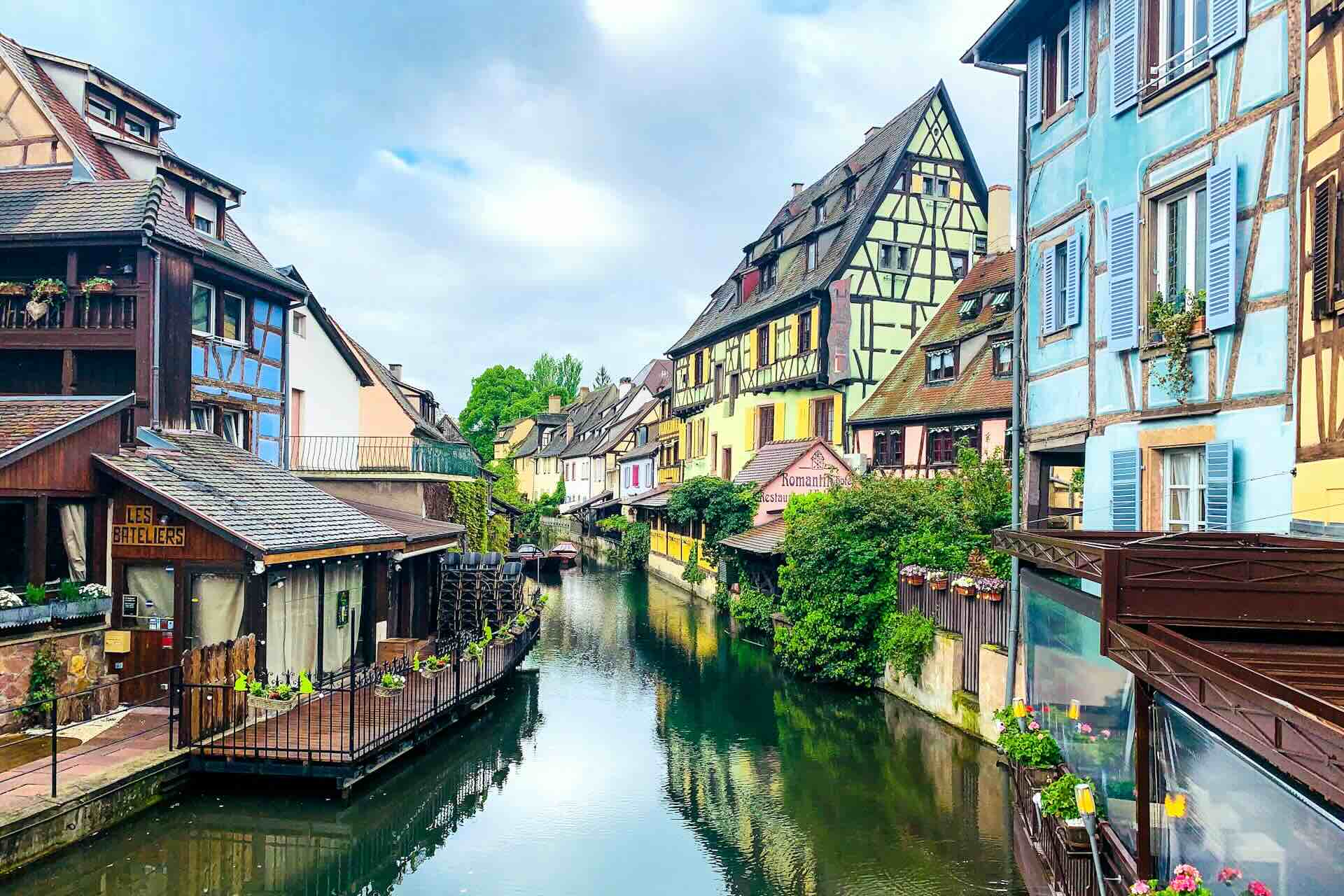
    Colmar, France a fairytale town in Alsace delivers one of the most visually cohesive travel experiences in Europe. In northeastern France near the German border, colorful half timbered houses, canals, and flower filled streets define the town. The setting feels curated, but daily life continues within it.

    Colmar does not rely on a single attraction. The entire town creates the experience.

    A Historic Center That Functions Daily

    Colmar’s old town anchors the visit.

    Buildings date back centuries, yet shops, cafés, and homes operate inside them today. Narrow streets guide you through a layout that feels consistent and easy to navigate.

    You do not walk through a preserved site.

    You move through a living environment.

    Little Venice Shapes the Identity

    The Petite Venise district defines Colmar’s most recognizable area.

    Canals run alongside rows of brightly painted homes, creating strong visual contrast. Reflections in the water add depth and symmetry to the streetscape.

    The area feels compact and accessible.

    You can experience it fully on foot.

    Architecture Reflects Dual Influence

    Colmar sits between French and German cultural traditions.

    You see this in building styles, rooflines, and decorative details. The blend creates a distinct regional identity that sets Colmar apart from other French towns.

    The architecture communicates that history clearly.

    It does not require explanation.

    Markets and Squares Keep the Town Active

    Public spaces in Colmar support daily activity.

    Markets bring together local products, food, and community interaction. Seasonal events, especially during winter, add energy to the town.

    These spaces feel functional.

    They connect visitors to local routines.

    Food Reflects Alsace Traditions

    Colmar’s cuisine reflects the broader Alsace region.

    Meals often combine French and German influences, with a focus on hearty dishes and regional wines. White wines from nearby vineyards pair naturally with local food.

    Restaurants feel warm and approachable.

    Dining becomes part of the setting.

    The Town Encourages Walking

    Colmar’s scale supports exploration on foot.

    Streets remain narrow and pedestrian friendly. You can move through the old town without relying on transportation.

    Walking reveals details.

    Doors, windows, and textures add depth to the experience.

    Seasonal Changes Add Variation

    Colmar shifts noticeably with the seasons.

    Spring and summer highlight flowers and outdoor spaces. Fall introduces muted tones. Winter brings lights and markets that transform the town.

    Each season emphasizes a different version of Colmar.

    A Slower Pace Defines the Experience

    Colmar moves at a measured pace.

    You spend time observing rather than rushing. Cafés, walkways, and small corners encourage pauses.

    The rhythm matches the scale of the town.

    It supports a more relaxed experience.

    Why Colmar Feels Like a Fairytale

    Colmar, France a fairytale town in Alsace stands out because of its consistency.

    Color, architecture, and layout align across the entire town.

    Nothing disrupts the visual flow.

    That cohesion creates a setting that feels almost unreal while remaining authentic.

    How to Experience Colmar Fully

    Walk through the old town without a strict plan.

    Spend time in the Petite Venise district.

    Visit local markets to engage with daily life.

    Sit at a café and observe the surroundings.

    Return in the evening to see how lighting changes the atmosphere.

    Final Thoughts on Colmar

    Colmar delivers a focused and immersive experience.

    The town creates impact through detail rather than scale.

    It invites you to slow down and engage with the environment.

    That approach makes it memorable.

    Plan a trip to Colmar today.

  • Ghent, Belgium Where Medieval Meets Modern Life

    Ghent, Belgium Where Medieval Meets Modern Life

    Ghent, Belgium where medieval meets modern life presents a city that blends preserved history with an active, contemporary rhythm. Located in northern Belgium, Ghent offers the architecture and canals many associate with the region, but it avoids the density and pace of more crowded destinations.

    The city does not separate its past from its present. It uses both.

    A Historic Core That Remains Active

    Ghent’s medieval center defines the city.

    Stone buildings, canals, and guild houses line the streets, creating a setting that feels visually consistent. Unlike places that feel preserved for visitors, Ghent maintains everyday activity within this historic framework.

    Shops, cafés, and residences operate inside centuries old structures.

    The environment feels lived in rather than staged.

    Canals That Structure the City

    Water plays a central role in Ghent.

    Canals run through the city, shaping movement and views. Bridges connect different areas, and walkways follow the water’s edge.

    Reflections of buildings create a layered visual effect.

    The canals do not just add beauty.

    They organize the space.

    Gravensteen Anchors the Past

    Gravensteen Castle stands as one of Ghent’s most recognizable landmarks.

    The structure rises directly within the city, reinforcing the medieval character of the area. Its presence provides context for the surrounding streets and architecture.

    The castle does not sit apart.

    It integrates into daily life.

    A Modern Energy Beneath the Surface

    While Ghent looks historic, it operates as a modern city.

    Universities, creative spaces, and local businesses contribute to an active atmosphere. Younger residents and students bring energy that contrasts with the architecture.

    This balance keeps the city from feeling static.

    It evolves without losing its identity.

    Food and Dining Reflect Variety

    Ghent’s food scene reflects both tradition and innovation.

    You find Belgian classics alongside modern interpretations and international cuisine. Cafés and restaurants spread throughout the city, often set inside historic buildings.

    Dining feels integrated into the environment.

    It supports the city’s social rhythm.

    A City Designed for Walking and Cycling

    Ghent prioritizes accessibility.

    Pedestrian zones reduce traffic in the historic center, and cycling infrastructure supports movement throughout the city. This creates a quieter, more navigable experience.

    You move at a human pace.

    That pace changes how you experience the space.

    Night Transforms the City

    In the evening, Ghent changes tone.

    Lighting highlights key buildings, bridges, and canals, creating a layered nighttime view. The city feels calm but still active.

    The shift does not feel dramatic.

    It feels natural.

    Culture Exists Beyond the Landmarks

    Ghent offers museums, galleries, and events that add depth.

    Art, design, and music contribute to the city’s identity. Cultural spaces operate alongside historic sites, reinforcing the blend of old and new.

    The city supports both preservation and creation.

    Why Ghent Feels Balanced

    Ghent, Belgium where medieval meets modern life stands out because it maintains equilibrium.

    History remains visible and functional. Modern life continues without disrupting that foundation.

    Neither element dominates.

    They coexist.

    How to Experience Ghent Fully

    Walk through the historic center without rushing.

    Follow the canals to understand the layout.

    Visit Gravensteen to connect with the city’s past.

    Spend time in cafés and public spaces to observe daily life.

    Stay into the evening to see how lighting reshapes the environment.

    Final Thoughts on Ghent

    Ghent offers a complete urban experience without excess.

    The city feels structured, accessible, and grounded.

    It allows you to engage with history while remaining connected to the present.

    That combination creates depth without complication.

    Plan a trip to Ghent today.