Category: Latest Updates & Innovations

  • How to Spend 24 Hours in Barcelona

    How to Spend 24 Hours in Barcelona

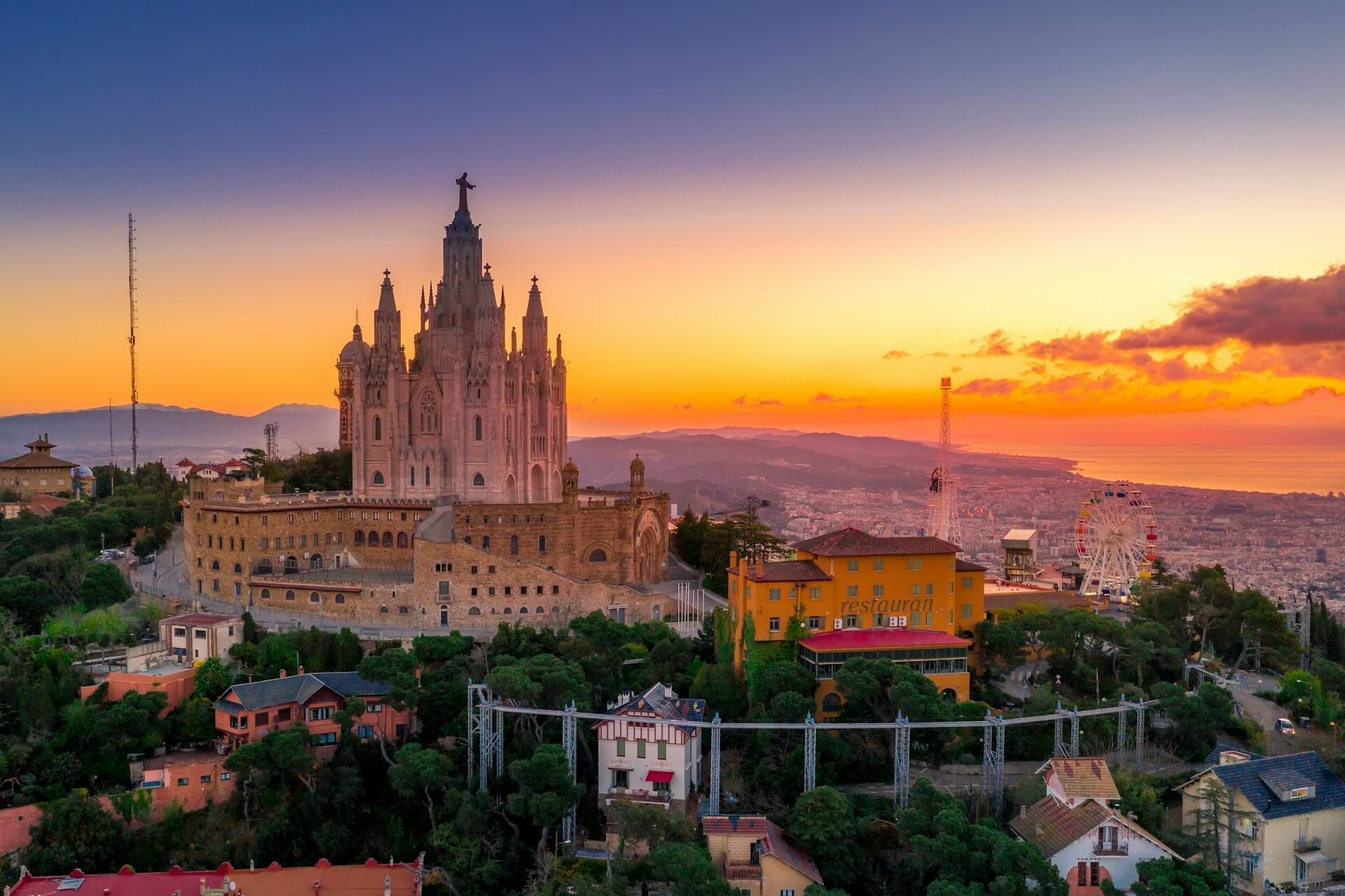
    Barcelona captures travelers with its bright streets, seaside energy, artistic landmarks, and unforgettable food. Even with only 24 hours, you can experience many of the city’s highlights without feeling rushed. The key is to follow a route that flows naturally through neighborhoods, landmarks, and great places to eat. This guide shows you how to enjoy the best of Barcelona in one fast, vibrant day.

    Morning in the Gothic Quarter and La Rambla

    Start your day early in the Gothic Quarter, one of Barcelona’s oldest and most atmospheric areas. Narrow streets, hidden plazas, and centuries old buildings create a setting that feels both historic and lively.

    Barcelona Cathedral

    Visit the Barcelona Cathedral in the heart of the Gothic Quarter. Its gothic architecture, peaceful cloister, and quiet courtyards offer a calm way to begin the day. Walk through nearby plazas to enjoy the rhythm of the old city waking up.

    La Rambla

    From the cathedral, stroll toward La Rambla, one of Barcelona’s most famous streets. The wide walkway fills with flower stalls, cafes, and performers. Walk slowly and take in the energy, but keep moving so you can reach your next stop before it gets busy.

    La Boqueria Market

    Stop at La Boqueria, one of the world’s most colorful food markets. Fruit stalls, fresh juices, seafood counters, and tapas bars fill the space with aromas and bright colors. Grab a quick breakfast like fresh fruit, a pastry, or a classic Spanish tortilla.

    Late Morning, Passeig de Gracia and Gaudí Landmarks

    Barcelona’s modernist architecture shines brightest along Passeig de Gracia. This boulevard features designer shops, beautiful facades, and two famous works by Antoni Gaudí.

    Casa Batlló

    Casa Batlló stands out with its vibrant tiles, curved windows, and flowing shapes. Even if you do not enter, its exterior alone is worth the visit. The building looks like something from a dream, and it captures Gaudí’s artistic style perfectly.

    Casa Milà (La Pedrera)

    A short walk away, Casa Milà offers a stone exterior with wave like lines and iron balconies. It represents Barcelona’s modernist movement with bold, sculptural design. These buildings give you a sense of the city’s creative spirit.

    Afternoon, Sagrada Família

    No visit to Barcelona feels complete without seeing the Sagrada Família. This basilica remains Gaudí’s most famous masterpiece and one of the world’s most unique architectural achievements. Its towers, carvings, and stained glass create a powerful combination of art and spirituality.

    If you plan to enter, book tickets ahead of time to avoid long waits. Even viewing the basilica from the outside leaves a strong impression. The surrounding park offers a great view for photos and a short break.

    Lunch, Tapas or Seafood Near the Beach

    After exploring the Sagrada Família, head toward the coast for lunch. Barcelona’s seaside neighborhoods offer some of the freshest seafood and tastiest tapas in the city.

    Barceloneta

    Barceloneta provides beach views, seafood restaurants, and a lively atmosphere. Try grilled sardines, paella, or patatas bravas at a local spot near the water. Eating outdoors feels especially enjoyable on warm days.

    El Born

    If you prefer something inside the city, El Born offers trendy tapas bars, bakeries, and relaxed cafes. This neighborhood feels artistic and stylish, perfect for a slower lunch.

    Late Afternoon, Park Güell

    After lunch, visit Park Güell, another of Gaudí’s creations. The park sits on a hill overlooking the city and features colorful mosaics, curved benches, columns, and imaginative structures.

    Walk the main terrace for great views of Barcelona and the coast. The park’s playful design and wide open views make it one of the city’s most inspiring places.

    Evening, Magic Fountain or Montjuïc

    As the sun sets, head toward Montjuïc or the Magic Fountain area for evening scenery and lights.

    Magic Fountain

    The Magic Fountain offers water shows with lights and music on select nights. Even when the fountain is quiet, the area near Plaça d’Espanya feels grand and photogenic.

    Montjuïc Views

    If you want a quieter ending, head up Montjuïc hill for panoramic views of the harbor and the city. Walk around the Olympic Stadium, gardens, or castle area for a peaceful evening stroll.

    Dinner in El Raval or El Born

    Barcelona’s nightlife and dining scene stay lively well into the evening. For dinner, choose one of these great neighborhoods.

    El Raval

    El Raval offers modern restaurants, global cuisine, and creative dishes. The area feels edgy, diverse, and full of personality.

    El Born

    El Born provides stylish wine bars, tapas restaurants, and cozy dining rooms. It is perfect if you want a relaxed, atmospheric dinner.

    End the meal with churros and chocolate or a slice of Catalan cream for dessert.

    Night-time Walk by the Waterfront

    Finish your 24 hours with a walk along Port Vell or the marina. The reflections on the water, the sound of boats, and the gentle night breeze create a calming way to end a full day in the city. Barcelona’s waterfront feels safe, open, and scenic at night, offering a final moment of beauty before your day ends.

    Tips for Seeing Barcelona in One Day

    • Start early to avoid crowds at major attractions
    • Use the metro to move quickly between neighborhoods
    • Book Sagrada Família and Park Güell tickets in advance
    • Wear comfortable shoes for walking
    • Eat small tapas style meals to save time

    Barcelona offers a mix of art, architecture, food, and coastal scenery that makes even a single day feel rewarding. With the right plan, you can experience many of the city’s highlights without feeling rushed.

    Plan a trip to Barcelona with TravelPal.ai.
  • Istanbul, Turkey

    Istanbul, Turkey

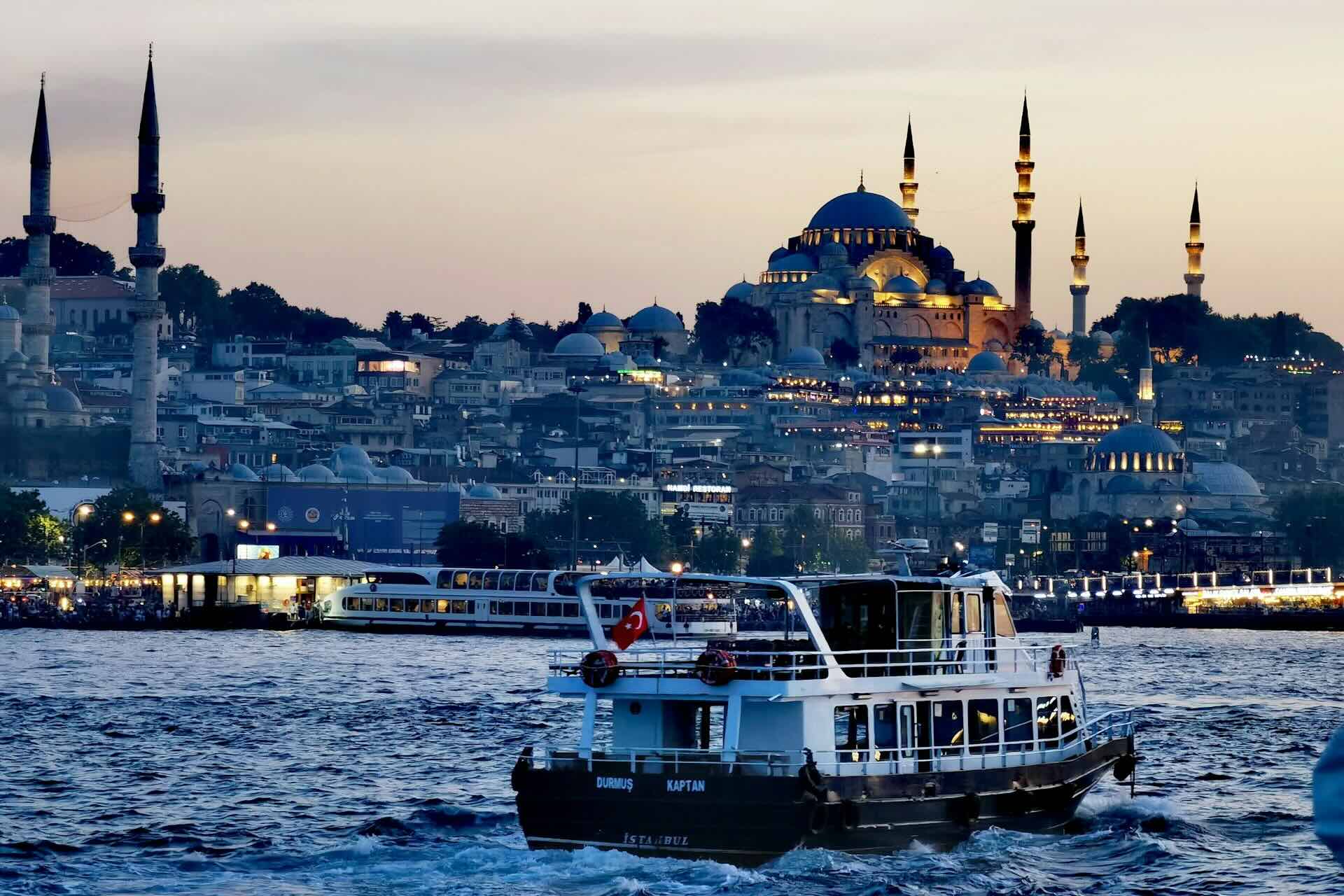
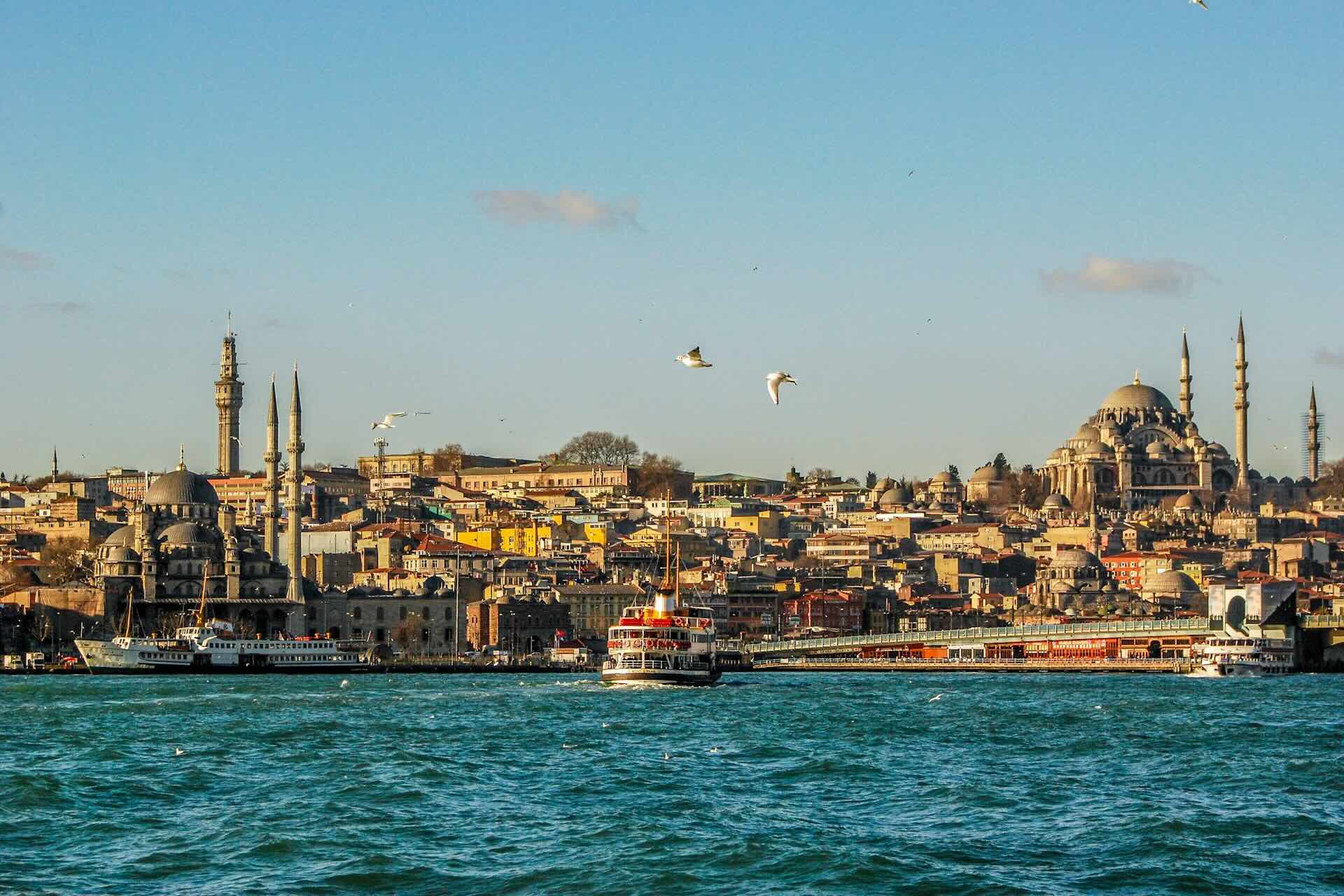
    Istanbul, Turkey is one of the most captivating cities on the planet. It sits between two continents, shaped by thousands of years of empires, trade routes, and cultural exchange. Travelers come for its domes and minarets, waterfront views, bustling markets, and flavorful food. What makes Istanbul truly special is the way old and new stand side by side. Historic mosques rise near modern cafés, ancient streets lead to trendy neighborhoods, and traditional markets blend with contemporary galleries.

    Whether you arrive for a quick stopover or a longer journey, Istanbul feels instantly alive. Its energy is bold, its colors are vibrant, and its history feels present in every direction. This guide explores the best experiences in the city so you can understand what makes Istanbul such a remarkable destination.

    A City Where Continents Meet

    Istanbul is the only major city that spans two continents. Europe and Asia meet across the Bosphorus, the narrow strait that connects the Black Sea to the Sea of Marmara. This geography created one of the world’s most influential cities. It shaped trade routes, military strategies, and cultural identities for centuries.

    When you walk through Istanbul, you feel this blend. One moment you stand in front of ancient walls built by the Byzantines. Minutes later, you step into a modern coffee shop or a lively art district. The mix gives the city a rare feeling of movement and history coexisting.

    Sultanahmet, The Historic Core

    Most travelers start in Sultanahmet, the area known for its world famous monuments. It is home to some of the most important buildings ever constructed.

    Hagia Sophia

    Hagia Sophia remains one of the greatest architectural achievements in the world. Built in the sixth century, it served as a cathedral, then a mosque, and today continues as an active mosque. Inside, massive arches, golden mosaics, and soft light create an unforgettable scene.

    Blue Mosque

    Nearby stands the Blue Mosque, known for its elegant domes, tall minarets, and striking blue tiles. Visit early in the morning to enjoy its peaceful atmosphere. The courtyard alone is worth the stop.

    Topkapi Palace

    The former home of Ottoman sultans, Topkapi Palace offers gardens, courtyards, terraces, and ornate rooms. From its balconies, you can see both the Bosphorus and the Golden Horn. The palace reveals the grandeur of Ottoman life and remains one of the most beautiful places in the city.

    Basilica Cistern

    Underneath the streets of Sultanahmet lies the Basilica Cistern, an underground hall supported by hundreds of marble columns. Soft lighting and cool air create an atmospheric and mysterious experience.

    Grand Bazaar and Spice Bazaar

    Istanbul is known for its markets, and nothing captures that energy better than the Grand Bazaar. With thousands of shops selling carpets, jewelry, ceramics, and antiques, it is one of the oldest and largest covered markets in the world. Even a short walk through its passageways feels like stepping into history.

    A short walk away is the Spice Bazaar. Bright colors fill the stalls with teas, spices, dried fruits, nuts, and sweets. The aromas alone make it worth visiting, and it is one of the best places to discover the flavors of the city.

    The Bosphorus, Istanbul’s Waterfront Life

    The Bosphorus gives Istanbul its shape and its spirit. Ferries connect neighborhoods on both continents, creating beautiful views throughout the day. A ferry ride is one of the simplest and most enjoyable experiences in the city. The waterway reveals palaces, forts, mosques, and hillside neighborhoods that you cannot see from the streets.

    Travelers often enjoy:

    • A round trip ferry ride from Eminönü
    • A stop in Kadıköy on the Asian side
    • A sunset ride for glowing city views

    The Bosphorus makes Istanbul feel open, wide, and endlessly scenic.

    Karaköy and Galata, Modern and Vibrant

    Across the Galata Bridge lies Karaköy, a lively neighborhood with bakeries, coffee shops, and modern art spaces. It feels young, creative, and energetic. Walk through its narrow streets toward Galata Tower, one of the most recognizable landmarks in the city.

    Galata Tower stands above the neighborhood and offers one of the best panoramic views in Istanbul. From its balconies, you can see the Golden Horn, the Bosphorus, and the historic peninsula. Even if you skip the climb, the surrounding area is full of character.

    Istiklal Avenue and Taksim

    A short walk or tram ride from Galata leads to Istiklal Avenue, one of Istanbul’s busiest pedestrian streets. Lined with restaurants, dessert shops, bookstores, and boutiques, it stretches from Galata to Taksim Square. Street musicians, vintage trams, and bright storefronts give Istiklal a lively, urban atmosphere.

    Visit in the late afternoon or evening to see it at its most vibrant.

    The Asian Side, A Different Perspective

    Many travelers never cross to the Asian side, but it is one of the most enjoyable parts of the city. Neighborhoods like Kadıköy and Üsküdar offer cafés, seaside promenades, markets, and local restaurants.

    Kadıköy feels artistic and youthful. It has vintage shops, murals, bakeries, and busy food markets. Üsküdar offers calm waterfront views and historic mosques. Both areas show a quieter and more relaxed side of Istanbul.

    Food in Istanbul, A Cultural Experience

    Food plays a major role in Istanbul life. Traditional dishes, street food, and modern interpretations all blend into a diverse culinary scene.
    Some favorites include:

    • Kebabs and grilled meats
    • Meze plates with olives, salads, and spreads
    • Freshly baked simit sold by street vendors
    • Turkish breakfast with cheeses, eggs, honey, and bread
    • Baklava and künefe
    • Turkish coffee and strong black tea

    Restaurants range from simple family run places to elegant dining rooms overlooking the Bosphorus. Every meal contributes to the city’s warm, inviting character.

    A City That Stays With You

    Istanbul feels grand and intimate at the same time. It offers architectural wonders, markets full of life, modern districts, peaceful seaside views, and food that comforts and excites. Travelers often come for a short trip and leave wanting to return. The mix of history, culture, and atmosphere creates an experience that stays with you long after you leave.

    Plan a trip to Istanbul with TravelPal.ai.

  • Istanbul in 24 Hours, The Highlights You Should Not Miss

    Istanbul in 24 Hours, The Highlights You Should Not Miss

    Istanbul is one of the most remarkable cities in the world, a place where Europe and Asia meet and where ancient empires left lasting footprints. With stunning mosques, historic bazaars, waterfront views, and flavorful food around every corner, the city offers more than most travelers can experience in a single trip. Still, with a smart plan and an early start, you can see Istanbul in 24 hours and visit most iconic sights in just one day.

    This 24 hour itinerary helps you explore the city’s must see locations, enjoy its culture, and experience the energy that makes Istanbul unforgettable.

    Morning in Sultanahmet, The Heart of Old Istanbul

    Start your day in Sultanahmet, the historic center of Istanbul and home to many of the city’s most famous landmarks.

    Blue Mosque

    Begin your morning at the Blue Mosque, known for its striking domes, tall minarets, and beautiful blue Iznik tiles. Arrive early to avoid crowds and enjoy the peaceful atmosphere. Visitors can walk through the courtyard, admire the tilework, and take in one of the most recognizable buildings in the city.

    Hagia Sophia

    Across the square sits Hagia Sophia, one of the most significant architectural achievements in history. It has served as a cathedral, a mosque, and now a mosque again. Inside, you will find impressive mosaics, enormous columns, and a sense of scale that leaves most visitors speechless. Even a short visit feels memorable.

    Basilica Cistern

    A few minutes away lies the Basilica Cistern, an underground chamber supported by hundreds of marble columns. Soft lighting and the sound of water create an atmospheric experience that feels completely different from the busy streets above. It is a quick and enchanting stop that adds variety to your morning.

    Late Morning, Topkapi Palace

    Walk to Topkapi Palace, the former home of Ottoman sultans. The palace complex includes courtyards, gardens, and beautifully decorated rooms. You can see artifacts, royal chambers, and terraces overlooking the Bosphorus. Even a short visit offers insight into the history and culture of the Ottoman Empire.

    Spend an hour exploring the highlights, then continue to your next destination.

    Afternoon, Lunch and the Grand Bazaar

    By early afternoon, you will be ready for food and a change of scenery. Istanbul offers many options for lunch depending on your style and appetite.

    Lunch Options

    • Try a traditional Turkish meal with grilled meats, rice, salads, and fresh bread.
    • Enjoy a simple street food lunch like simit, doner, or gözleme.
    • Stop at a café for Turkish tea and small plates.

    Grand Bazaar

    After lunch, head to the Grand Bazaar, one of the oldest and largest covered markets in the world. Inside, you will find carpets, ceramics, jewelry, spices, and countless handmade goods. Even if you do not plan to buy anything, the atmosphere alone is worth the visit.

    Walk through a few sections and enjoy the energy of the market.

    Late Afternoon, Spice Bazaar and Galata Bridge

    From the Grand Bazaar, make your way to the Spice Bazaar near the waterfront. This market is smaller and easier to explore, filled with colorful spices, teas, sweets, and dried fruits. It offers a great look at Istanbul’s culinary traditions.

    Walk toward the Galata Bridge to enjoy views of the Golden Horn and fishermen lined along the railing. This area comes alive with movement and sound, especially in the late afternoon.

    Evening in Karaköy and Galata

    Cross the bridge into Karaköy, a lively neighborhood with cafés, shops, and waterfront views. Continue your walk uphill to reach the Galata Tower area.

    Galata Tower

    Galata Tower stands above the neighborhood and offers one of the best views in the city. If the line is reasonable, go up for panoramic views of Istanbul’s skyline, the Bosphorus, and the historic peninsula. If you skip the climb, the surrounding streets are interesting enough on their own.

    Dinner in Karaköy or Beyoğlu

    End your night with dinner at a restaurant in Karaköy or nearby Beyoğlu. Istanbul’s dining scene is diverse and flavorful. You can enjoy meze plates, grilled fish, slow cooked meats, or vegetarian dishes. Many places offer outdoor seating with great atmosphere.

    Nighttime Stroll or Bosphorus View

    If you have energy left after dinner, walk toward the waterfront to take in nighttime views of the Bosphorus. The city lights reflect on the water, and the breeze feels refreshing after a day of exploring.

    A short ferry ride across the Bosphorus is also an option if schedules allow. Even a quick trip to the Asian side gives you a new perspective of the city.

    Tips for Making the Most of One Day in Istanbul

    • Start early to avoid large crowds in Sultanahmet
    • Wear comfortable shoes because you will walk many hills and uneven streets
    • Carry cash for markets and small vendors
    • Use trams or taxis to save time between major neighborhoods
    • Choose one or two museums to avoid rushing

    Istanbul blends ancient history with modern life in a way that feels instantly engaging. Even with only 24 hours, you can experience its architectural wonders, markets, food, and waterfront scenery.

    Plan a trip to Istanbul with TravelPal.ai.

  • Cozy Soups to Keep You Warm All Winter

    Cozy Soups to Keep You Warm All Winter

    When the temperatures drop and the days feel shorter, few foods offer comfort like warm and cozy soups. Soup carries a sense of home, calm, and nostalgia. It fills the kitchen with inviting aromas and provides a simple way to stay warm without heavy meals. Whether you crave something hearty, something light, or something globally inspired, the right soup can turn a cold day into a cozy one.

    This guide explores some of the best soups to enjoy during the winter months. Each one offers warmth, flavor, and comfort, making them great choices for nights when you want something soothing and satisfying.

    Classic Chicken Noodle Soup

    Chicken noodle soup remains one of the most comforting meals you can make. Warm broth, tender chicken, vegetables, and soft noodles create a combination that feels familiar and healing. This soup works well when you want something light yet filling.

    Many people add extra vegetables for texture, such as carrots, celery, or spinach. A squeeze of lemon gives the broth brightness, and fresh herbs bring out deeper flavors. It is a winter classic for a reason.

    Tomato Basil Soup

    Tomato basil soup is smooth, simple, and rich with flavor. The warmth of roasted tomatoes blended with cream or broth makes this soup ideal for cold weather. Fresh basil gives it a fragrant finish that pairs perfectly with toasted bread or grilled cheese.

    This soup works well when you want something comforting without being too heavy. Its color and aroma feel inviting, especially on rainy or snowy days.

    Creamy Potato Soup

    Potato soup is a winter staple because it is warm, thick, and satisfying. The texture feels velvety, especially when blended with cream or butter. Some versions include bacon, cheddar, or chives for extra flavor.

    A bowl of potato soup can stand alone as a full meal. It is perfect for evenings when you want something hearty that sticks with you.

    Lentil Soup

    Lentil soup is filling, nutritious, and packed with protein. It is one of the most comforting plant based soups, offering a warm and earthy flavor. Lentils cook quickly and absorb spices well, making this soup a great option for weeknights.

    You can make it Mediterranean style with lemon and herbs or Middle Eastern style with cumin and garlic. Either way, it warms you from the inside out.

    French Onion Soup

    French onion soup brings a deep and savory taste thanks to caramelized onions cooked slowly until sweet and golden. The broth becomes rich and flavorful, especially when topped with toasted bread and melted cheese.

    This soup feels indulgent and cozy. It is perfect for winter nights when you want something special and comforting.

    Butternut Squash Soup

    Butternut squash soup offers a creamy, slightly sweet flavor that pairs perfectly with cinnamon, nutmeg, or sage. The bright orange color feels cheerful during colder months.

    The smooth texture and warm spices make it a great choice for a winter meal. Serve it with crusty bread for a complete dish.

    Pho

    Vietnamese pho is one of the world’s most comforting noodle soups. Its aromatic broth, rice noodles, herbs, and sliced meat create a balance of warmth and freshness.

    Even though pho feels light, it is incredibly satisfying. The steam rising from the bowl and the fragrant spices create a soothing experience. It is a great choice for winter because the broth warms you instantly.

    Ramen

    Japanese ramen provides deep flavor through its slow cooked broth, noodles, and toppings. Whether you choose miso, tonkotsu, soy, or spicy broth, ramen creates a warm and filling meal.

    Additions like soft boiled eggs, vegetables, pork, tofu, or seaweed give the soup layers of flavor and texture. It is ideal for cold nights when you want something hearty.

    Minestrone

    Minestrone is an Italian vegetable soup filled with beans, pasta, and tomatoes. Its broth feels both light and comforting. The vegetables make it nutritious, while the pasta adds enough substance to keep you full.

    Every region of Italy makes minestrone differently, but all versions share one thing, warmth. It is a bright and cozy soup for winter and works well as a main dish or side.

    Clam Chowder

    Clam chowder is thick, creamy, and packed with flavor. It combines potatoes, clams, onions, and herbs in a rich broth that feels perfect for cold weather. New England style chowder offers a creamy texture, while Manhattan style uses a tomato base.

    Either version brings warmth and heartiness. It feels like a coastal winter meal, ideal for days when you want something filling and rich.

    Why Soup Is the Perfect Winter Meal

    Soup warms you physically and emotionally. It cooks slowly, fills the home with comforting smells, and creates a sense of calm. Many winter soups use seasonal ingredients like squash, potatoes, onions, or root vegetables, making them both nourishing and practical.

    Soup also works for any time of day. It can be lunch, dinner, or even a late night meal when the temperature drops. With so many styles and flavors, you can enjoy a different soup every night of the week.

    Winter is the perfect time to explore new recipes, revisit old favorites, and appreciate the simple comfort of a well prepared bowl. Whatever style you choose, soup has a way of making chilly days feel warmer and more inviting.

    Plan a trip to cozy winter destinations with TravelPal.ai.

  • 10 Reasons to Visit Saudi Arabia Now

    10 Reasons to Visit Saudi Arabia Now

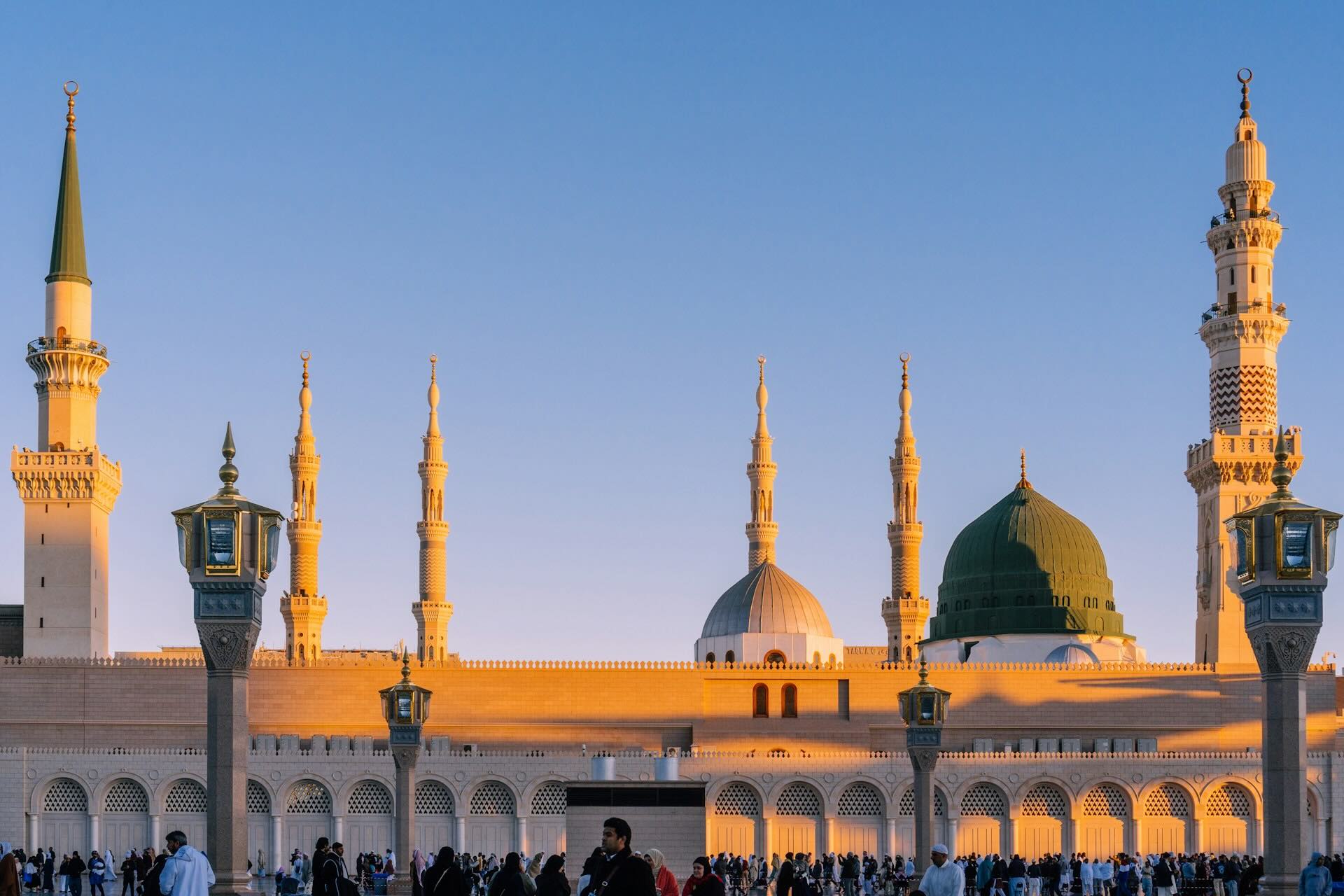
    Saudi Arabia has rapidly become one of the most fascinating destinations in the world. Once known mainly for religious tourism, the country now welcomes travelers with historic sites, natural wonders, modern cities, and a growing cultural scene. With new attractions, major festivals, improved infrastructure, and easier visa processes, to visit Saudi Arabia is easier as it has opened its doors in a way that feels exciting and fresh.

    Whether you want adventure, heritage, food, or futuristic landscapes, Saudi Arabia offers a rare mix of old and new that few places can match. Here are ten reasons why now is the perfect time to add this country to your bucket list.

    Rich Cultural Heritage

    Saudi Arabia’s history stretches back thousands of years. Travelers can explore ancient trade routes, impressive carvings, preserved architecture, and archaeological treasures that reveal early civilizations. The country’s cultural identity feels deep and authentic, shaped by tradition yet fully open to modern exploration.

    AlUla, One of the World’s Great Ancient Cities

    AlUla is the crown jewel of Saudi tourism. This desert region holds dramatic sandstone cliffs, lush oases, and the UNESCO site of Hegra. You can walk through ancient tombs, marvel at rock carved facades, and explore a landscape that rivals more famous archaeological sites around the world. AlUla also hosts concerts, art installations, and luxury desert stays that create an unforgettable travel experience.

    Modern Cities Filled with Energy

    Saudi Arabia’s largest cities mix modern architecture with tradition in a way that feels unique. Riyadh is rapidly growing with museums, skyscrapers, and cultural festivals. Jeddah offers a coastal atmosphere, historic neighborhoods, and a lively food scene. These cities give travelers a mix of innovation and heritage in a single visit.

    Stunning Desert Landscapes

    The Saudi desert is more than sand. From massive dunes to rugged mountains, the landscapes feel otherworldly. The Empty Quarter, the world’s largest continuous sand desert, offers endless horizons and quiet beauty. Adventure lovers can try dune bashing, stargazing, camel trekking, and guided desert tours.

    Red Sea Beaches and Coral Reefs

    Saudi Arabia’s Red Sea coastline is a hidden treasure. The waters are clear, warm, and home to colorful coral reefs that rival top diving destinations. New developments are creating resorts, marinas, and eco friendly beach experiences. Whether you want snorkeling, diving, or peaceful coastal views, the Red Sea offers a calm and scenic escape.

    Unique Festivals and Music Events

    Saudi Arabia hosts major festivals that attract global visitors and performers. Riyadh Season brings concerts, pop up experiences, shows, and themed districts across the capital. Jeddah Season features waterfront events, cultural performances, and family activities. These festivals give travelers a modern, exciting look at Saudi entertainment.

    Historic Souks and Local Shopping

    Markets remain part of daily life in Saudi Arabia. Souks are filled with spices, perfumes, coffee, handicrafts, and traditional clothing. Riyadh’s Souk al Zal and Jeddah’s historic Al Balad area offer unique places to shop while exploring cultural neighborhoods. Every purchase feels like a piece of history.

    Modern Cuisine Inspired by Tradition

    Saudi Arabian cuisine is rich, warm, and flavorful. Travelers can try dishes like kabsa, jareesh, and mutabbaq, along with regional desserts and Arabic coffee. Cities now offer a growing mix of international restaurants, cafés, and luxury dining experiences. Food lovers will find both comfort and innovation.

    Easier Visa Process

    Saudi Arabia has simplified travel for visitors through electronic visas and faster entry procedures. Tourists from many countries can now apply online and receive approval quickly. This improved access makes planning a trip much easier than in the past.

    A Sense of Discovery

    Saudi Arabia still feels new to global tourism. It is one of the few destinations where you can experience world class attractions without heavy crowds. The sense of discovery makes every moment feel special. Travelers who visit now experience the country at a unique moment in its development, before it becomes a mainstream global destination.

    Saudi Arabia blends ancient history, natural beauty, cultural depth, and bold modern growth. If you want to explore a destination that feels both untouched and forward thinking, this is the perfect time to go.

    Plan a trip to Saudi Arabia with TravelPal.ai.

  • NYC in 24 Hours, How to See the Highlights

    NYC in 24 Hours, How to See the Highlights

    New York City moves fast, but that does not mean you cannot enjoy an incredible day here. With just 24 hours in NYC, you can see world famous landmarks, explore vibrant neighborhoods, enjoy great food, and soak in the city’s energy without feeling rushed. The key is to follow a route that minimizes travel time and maximizes experiences. This guide shows you how to see the best of New York City in one day using a smart, efficient plan that works for first time visitors and returning travelers.

    Morning in Midtown, Classic NYC Icons

    Start your day early so you can enjoy Midtown before the crowds get heavy. This part of Manhattan holds some of the most famous landmarks in the world, and they are all close enough to visit back to back.

    Times Square

    Begin in Times Square and take in the neon lights, giant screens, street performers, and dense morning energy. It is iconic, loud, and unforgettable. Spend a few minutes walking through the plazas before heading toward your next stop.

    Rockefeller Center

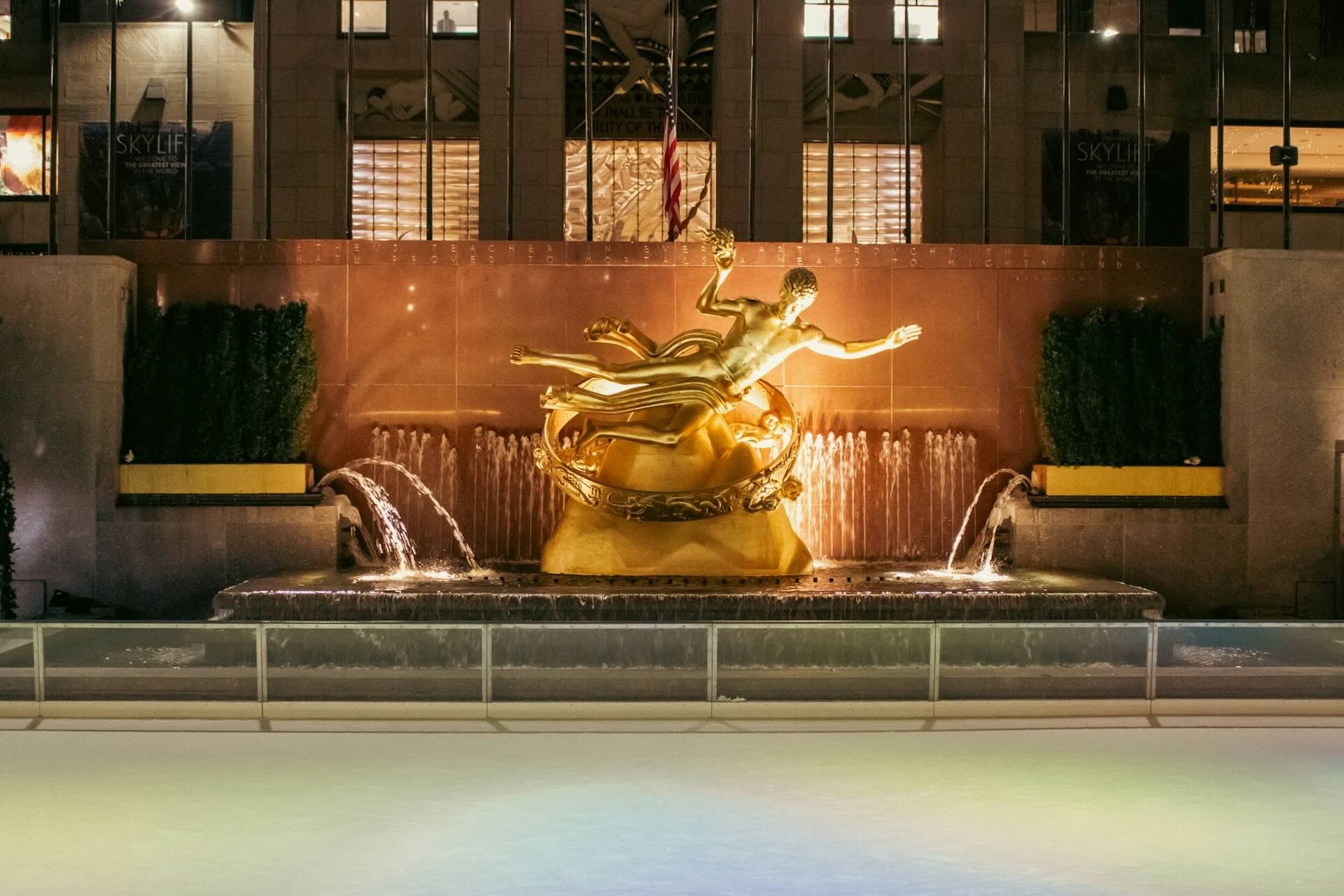
    Walk to Rockefeller Center for classic New York architecture and morning views. If you want a skyline moment, go to the Top of the Rock for sweeping views of Manhattan. Many travelers prefer this view over the Empire State Building because you can see the Empire State Building itself from the deck.

    St. Patrick’s Cathedral

    Right across from Rockefeller Center, this cathedral offers a peaceful contrast to the city outside. Step in for a moment if time allows.

    Fifth Avenue

    Continue along Fifth Avenue to see luxury shops, historic buildings, and famous storefronts. Even if you are not shopping, the walk itself feels like a postcard moment.

    Late Morning, Central Park

    From Fifth Avenue, enter Central Park at its southeast corner for a calm break. Central Park is huge, but you only need a short visit to appreciate its beauty.

    The Pond and Gapstow Bridge

    This area offers one of the most photographed views in the park. It is close to Midtown and easy to enjoy without losing time.

    Central Park Walk

    Take a 20 to 30 minute walk through shaded paths, gardens, and open areas. You can exit the park on the Upper East Side near your lunch destination.

    Afternoon, Upper East Side or Upper West Side Lunch

    Both sides of the park offer great food depending on your preferences.

    Upper East Side

    This area offers classic cafés, Italian restaurants, and quiet brunch spots. It is ideal if you want something calm and elegant.

    Upper West Side

    This neighborhood feels more residential, filled with bagel shops, delis, and casual cafés. It is a great choice if you want something quick and local.

    Early Afternoon, Museums or Hudson Yards

    After lunch, choose one of two directions.

    Museum Option

    If you want culture, pick a museum that fits your interests and time.

    • The Metropolitan Museum of Art, iconic, great for art lovers
    • The Museum of Modern Art, perfect for modern and contemporary works
    • The American Museum of Natural History, ideal for families

    Spend one to two hours to see the highlights.

    Hudson Yards Option

    If you want something modern, head to Hudson Yards. Walk through the shops, explore the public spaces, and take photos near the Vessel. Even a quick visit feels exciting.

    Late Afternoon, Walk the High Line

    From Hudson Yards, access the High Line, an elevated park built on old railway tracks. It offers skyline views, gardens, public art, and a unique perspective of the city. The walk takes about 30 minutes and ends near Chelsea Market.

    Chelsea Market

    This indoor food and shopping market is great for snacks, coffee, or a short break. It is one of the most interesting indoor stops in Manhattan.

    Evening, Lower Manhattan Landmarks

    Spend your evening exploring Downtown where history meets skyline views.

    World Trade Center and Memorial Pools

    The memorial site is peaceful and powerful. Walk around the pools and take a moment to reflect. If time allows, visit the Oculus for shopping and striking architecture.

    Wall Street and the Charging Bull

    Walk through the Financial District to see historic streets, the Stock Exchange building, and the famous Charging Bull statue.

    Dinner in Lower Manhattan

    End the night with dinner in one of these neighborhoods:

    • Tribeca, upscale dining and quiet streets
    • Chinatown, incredible noodle shops and dim sum
    • Little Italy, classic pasta and Italian bakeries
    • Seaport District, waterfront restaurants and skyline views

    Night View, Brooklyn Bridge

    If you still have energy, walk part of the Brooklyn Bridge for one of the best night views in the city. The skyline lights, river breeze, and open walkway create an unforgettable final moment.

    Tips for Seeing NYC in a Single Day

    • Wear comfortable shoes because you will walk a lot
    • Use the subway to move quickly between major areas
    • Choose one museum at most to save time
    • Eat near the areas you plan to explore to avoid long detours
    • Start early so you can experience Midtown before the crowds

    NYC rewards curiosity, and even with only 24 hours, you can experience the city’s most iconic places, great food, and timeless energy.

    Plan a trip to New York City with TravelPal.ai.

  • Orlando in 48 Hours: See It All Efficiently

    Orlando in 48 Hours: See It All Efficiently

    Orlando may be known for theme parks and world famous attractions, but the city offers far more than most travelers expect. With great food, hidden neighborhoods, outdoor experiences, and entertainment packed into every corner, Orlando is the perfect place for a fast paced getaway. Even if you only have two days to explore, you can still see the highlights without feeling rushed. Seeing Orlando in 48 hours takes smart planning, good timing, and a clear route.

    This 48 hour guide shows you how to enjoy the best of Orlando in a short trip. You will get an itinerary that mixes theme parks, dining, culture, and local experiences so you see more than just the tourist hotspots.

    Day One, Morning at Walt Disney World or Universal Orlando

    Start your trip with the attraction that matters most to you, because each major park needs several hours to enjoy properly. Choose one of the two main resort areas based on your travel style.

    Walt Disney World Option

    If you want classic magic, visit Magic Kingdom for your first half day. Arrive before opening so you can walk onto several rides without long waits. Focus on high impact attractions like Space Mountain, Big Thunder Mountain Railroad, Haunted Mansion, and Pirates of the Caribbean.

    If you prefer something more modern, choose Epcot or Animal Kingdom. Epcot works well for adults, especially the World Showcase and new attractions like Guardians of the Galaxy. Animal Kingdom is perfect for families and nature lovers.

    Universal Orlando Option

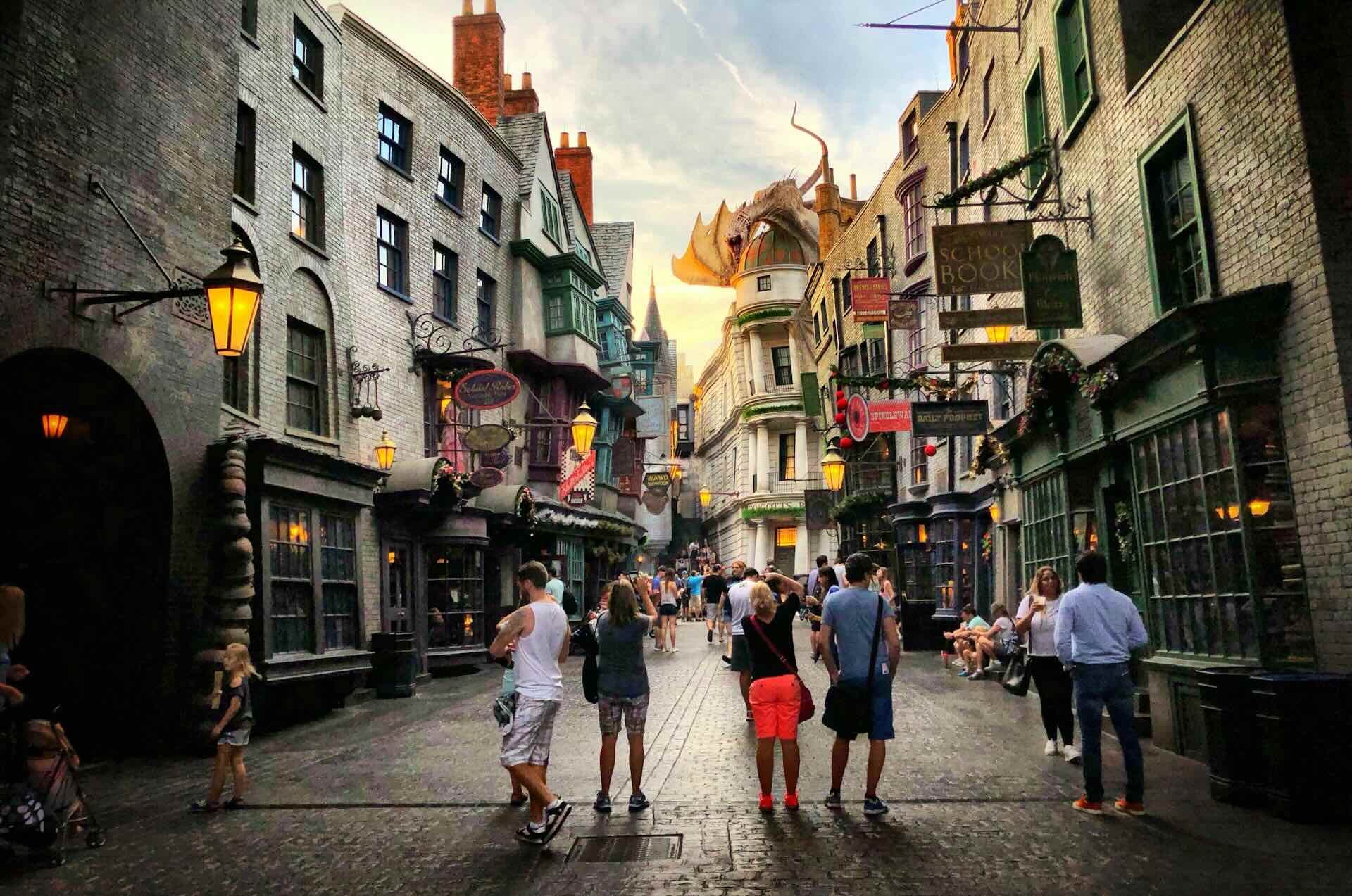
    Universal Orlando is ideal if you want thrills and movie themed adventures. Spend your morning at Universal Studios Florida for rides like The Mummy, Gringotts, and Hollywood Rip Ride Rockit. If you love Harry Potter, the Diagon Alley section alone is worth half a day.

    If you prefer bigger coasters, choose Islands of Adventure instead. Hagrid’s Magical Creatures Motorbike Adventure and the Jurassic World VelociCoaster are two of the most popular rides in the city.

    Day One, Afternoon Food and Exploration

    After several hours in a theme park, spend the afternoon exploring an area outside the resort bubble. Orlando has many great neighborhoods that most visitors never see.

    Winter Park

    Winter Park is one of the most beautiful areas in the region. Its tree lined streets, local cafés, and lakeshores create a quiet contrast to the parks. Walk along Park Avenue for boutique shopping, scenic restaurants, and coffee shops. If time allows, join a scenic boat tour on the Winter Park Chain of Lakes.

    Disney Springs or Universal CityWalk

    If you want something lively but not as structured as a park, head to Disney Springs or CityWalk. Both offer great dining, live entertainment, shopping, and walking paths. Disney Springs has restaurants by award winning chefs, and CityWalk offers casual, fun dining options.

    Day One, Evening Dining and Nightlife

    Orlando’s dining scene has grown in recent years. You can easily find great food without booking fine dining restaurants.

    Best Casual Options

    • The Ravenous Pig in Winter Park for elevated gastropub favorites
    • Black Rooster Taqueria for fresh tacos
    • Hawkers for street food inspired dishes

    Best Evening Options Near Theme Parks

    • Wine Bar George in Disney Springs for shareable plates and great wine
    • The Cowfish in CityWalk for creative sushi and burgers

    After dinner, walk around the area, listen to live music, or enjoy a drink outdoors.

    Day Two, Morning Outdoors or a Second Theme Park

    Start day two with something active before the crowds build. Orlando has beautiful outdoor spaces that offer a break from attractions.

    Lake Eola Park

    Located in downtown Orlando, Lake Eola offers walking trails, swan boats, and skyline views. It is peaceful and perfect for a morning stroll.

    Wekiwa Springs State Park

    If you want something more natural, drive to Wekiwa Springs for clear waters, short hiking trails, and shaded picnic areas. A morning swim here is refreshing after a day of theme parks.

    Second Theme Park Option

    If you want more thrills or missed something on day one, return to a different park. Two days is enough time to see one park per day without feeling rushed.

    Day Two, Afternoon Museums and Local Culture

    Spend the afternoon exploring local culture. Orlando has several great museums and attractions outside the theme parks.

    Orlando Museum of Art

    Enjoy collections of American and African art along with rotating exhibits. It provides a calm break from the busier parts of town.

    The Charles Hosmer Morse Museum of American Art

    Located in Winter Park, this museum features the world’s largest collection of works by Louis Comfort Tiffany. It is one of the city’s most unique cultural stops.

    ICON Park

    If you prefer something more lively, visit ICON Park for attractions, shops, and the 400 foot observation wheel with views across the city.

    Day Two, Evening Finale

    Your final night in Orlando should feel special, whether you want excitement or something laid back.

    Disney Fireworks Experience

    Even if you did not spend all day in a Disney park, you can still enjoy fireworks from nearby viewing areas around Disney Springs or at resort dining spots.

    Lakeside Dining in Winter Park

    If you prefer a calm ending, choose a lakeside restaurant in Winter Park or Maitland. Many offer outdoor seating with sunset views.

    Universal CityWalk Nightlife

    CityWalk fills with music, restaurants, and outdoor entertainment in the evening. It is a fun, energetic way to end a short trip.

    Final Tips for a Fast Trip

    • Arrive early to every major attraction
    • Use mobile ordering whenever possible to save time
    • Choose one major theme park per day to avoid rushing
    • Book dining reservations ahead if visiting popular restaurants
    • Use rideshare services to reduce parking delays

    Travelers with only 48 hours in Orlando need a schedule that balances energy with enjoyment. This plan helps you see the best of the city without feeling overwhelmed.

    Plan a trip to Orlando with TravelPal.ai

  • Chase Travel’s Top 26 for 2026: TravelPal’s Take

    Chase Travel’s Top 26 for 2026: TravelPal’s Take

    Chase Travel has released its Top 26 Places to Visit in 2026, and the list perfectly captures the spirit of modern travel. It balances timeless destinations with new discoveries, appealing to travelers who value culture, sustainability, and unique experiences. From the Albanian Riviera to New York’s Upper East Side, the list shows how travel is shifting toward deeper, more meaningful experiences.

    At TravelPal.ai, we examined this list through the lens of real data and traveler behavior.

    What Chase Got Right

    Chase Travel’s 2026 list stands out for its balance between emerging and iconic destinations. Each choice reveals a different facet of global travel trends, and collectively, they illustrate how the definition of luxury and adventure continues to expand.

    The Appeal of Hidden Gems

    One of the strongest choices on the list is the Albanian Riviera. Long overshadowed by its Mediterranean neighbors, it offers turquoise waters, quiet coastal towns, and authentic charm without the crowds. For travelers seeking natural beauty at a fraction of the price of Italy or Greece, Albania is quickly becoming Europe’s next must-visit region.

    The Atacama Desert in Chile represents another inspired pick. Known for its otherworldly landscapes and starlit skies, it appeals to adventurers and stargazers alike. Chase’s inclusion of Dominica also highlights a key trend, travelers moving toward eco-conscious Caribbean islands where sustainability is built into the experience.

    The Power of Nature and Conservation

    Chase recognized that travelers in 2026 are increasingly motivated by natural beauty and environmental awareness. Botswana has emerged as one of Africa’s most exclusive and conservation-focused safari destinations, offering pristine wilderness experiences that respect wildlife and local communities.

    Similarly, the Canadian Arctic captures the essence of untouched exploration. It appeals to those searching for remote adventure and a deeper connection to the environment. The British countryside, meanwhile, represents the opposite end of the spectrum, peaceful landscapes and heritage charm that attract travelers who crave simplicity and calm.

    Iconic Cities That Keep Reinventing Themselves

    Chase also included destinations that continue to evolve while maintaining their timeless appeal. Côte d’Azur and the Dolomites are perfect examples of European destinations that blend tradition and sophistication. Istanbul remains a crossroads of culture, design, and cuisine, while Egypt continues its remarkable tourism revival, supported by new archaeological discoveries and modern infrastructure.

    In Asia, Osaka earns its place as Japan’s culinary capital, and Taipei is gaining momentum as one of the most dynamic and creative cities in East Asia. The inclusion of New South Wales showcases Australia’s versatility, combining beaches, vineyards, and a thriving cultural scene.

    Rediscovering the Americas

    Closer to home, Chase celebrates the growing appeal of the Americas. Cartagena continues to rise as Colombia’s most romantic and colorful destination, combining colonial architecture with Caribbean vibrancy. Portland, Oregon, and Park City, Utah, each represent modern American travel values, creativity, outdoor recreation, and wellness.

    Route 66 speaks to nostalgia and freedom, capturing the enduring allure of the open road. Meanwhile, Valle de Guadalupe in Mexico is positioning itself as a serious competitor to Napa Valley, offering boutique vineyards and world-class cuisine.

    The Allure of the Tropics

    Destinations like SeychellesSouth Caicos, and Sri Lanka underscore the continued demand for tropical escapes that blend comfort with nature. These locations are ideal for travelers who want privacy and tranquility without sacrificing quality.

    Even the inclusion of the Upper East Side in New York reveals an appreciation for timeless urban luxury. It reflects a growing interest in experiences that combine culture, art, and lifestyle in established global cities.

    TravelPal’s Perspective

    At TravelPal.ai, we see clear alignment between Chase’s list and current traveler behavior. Travelers today are less interested in checking off landmarks and more focused on experiences that connect them to local culture, food, and nature.

    Our AI-driven insights reveal that travelers are extending trip durations, staying in fewer destinations, and choosing accommodations that match their values, from eco-resorts to design-forward boutique hotels. The desire to travel more meaningfully, rather than more frequently, defines this new era of exploration.

    The Rise of Sustainability and Conscious Travel

    Many destinations on Chase’s list highlight the importance of sustainability. From Dominica’s eco-lodges to Botswana’s low-impact safaris, the focus on environmental responsibility is not a niche interest anymore. It has become a standard expectation for many travelers.

    At TravelPal.ai, we have observed a steady increase in searches related to sustainable experiences and eco-friendly travel options. Travelers are now making choices that align with both environmental and cultural preservation.

    Culinary and Cultural Journeys

    Food remains one of the strongest motivators for global travel. Basque Country, Osaka, and Cartagena all reflect how culinary culture is shaping destination appeal. Rather than dining in luxury restaurants alone, travelers want to connect with authentic flavors, local markets, and food traditions that tell a story.

    Cultural depth also remains a top priority. Egypt, Istanbul, and the Golden Triangle in India each offer travelers the opportunity to experience living history in immersive ways. The most successful destinations in 2026 will be those that marry culinary excellence with cultural integrity.

    TravelPal.ai’s Additions

    While Chase’s list is strong, TravelPal.ai’s data highlights several destinations poised for growth. Oaxaca, Mexico stands out for its artistry and culinary scene, while Lisbon, Portugal continues to attract global attention for its design, affordability, and charm. Reykjavik, Iceland remains a top choice for sustainable adventure.

    Bali continues to appeal to wellness travelers and creative professionals alike. Kyoto offers cultural serenity that complements Osaka’s energy, and Montreal remains North America’s creative heartbeat. Tbilisi and Medellín represent a new class of affordable, safe, and inspiring cities that appeal to digital nomads and investors.

    The Future of Trip Planning

    Chase’s list inspires curiosity, but planning such trips requires organization and precision. That is where TravelPal.ai excels. The platform uses AI to build custom itineraries that adjust in real time based on traveler interests, budget, and schedule.

    From predicting ideal travel seasons to suggesting restaurants and boutique hotels, TravelPal.ai turns inspiration into actionable plans. It combines global data with personalization, helping travelers explore smarter, not harder.

    The Takeaway

    Chase Travel’s 2026 list captures the spirit of global discovery at a pivotal time. It reflects a world eager to reconnect through exploration and experience.

    At TravelPal.ai, we share that vision. The destinations that define 2026 are not just beautiful, they are meaningful. They encourage travelers to slow down, stay longer, and see deeper. With AI-driven planning, it is now possible to experience them all in a way that feels personal, efficient, and inspiring.

    Plan your next top adventure with TravelPal.ai

  • AI vs. Travel Advisor: Who Plans It Better?

    AI vs. Travel Advisor: Who Plans It Better?

    Travel planning has always been about trust. For years, travelers turned to a travel advisor to design perfect vacations. Now, artificial intelligence is redefining what that means. AI travel planners can build personalized itineraries in seconds, adapting to your interests, budget, and timing with remarkable accuracy.

    But can technology really compete with the human touch? To find out, let’s look at where AI and travel advisors each excel, and which one truly delivers the best experience for today’s traveler.

    The Evolution of Trip Planning

    In the past, trip planning meant long conversations, printed brochures, and waiting days for quotes. Now, tools like TravelPal.ai generate customized itineraries in real time. AI doesn’t replace curiosity; it enhances it. By combining data and personalization, it helps travelers explore confidently and efficiently.

    At the same time, human advisors still bring emotional intelligence, local connections, and a sense of reassurance that algorithms cannot replicate. The comparison isn’t about replacing one with the other, but understanding how each fits into the modern traveler’s journey.

    1. Speed and Convenience

    AI delivers unmatched speed. A travel advisor may need several hours or even days to research hotels, compare routes, and confirm details. AI, in contrast, can process thousands of data points in seconds and deliver a complete, personalized itinerary instantly.

    Travelers who value quick results benefit most from AI. Whether you’re planning a weekend escape or an international trip, it simplifies the process with zero waiting.

    Winner: AI

    2. Personalization and Creativity

    Personalization is where both sides shine in different ways. A human advisor can read subtle preferences, like your favorite travel pace or dining style, and offer tailored suggestions that feel emotionally intuitive. AI achieves personalization through precision. It analyzes your past choices, budget, and interests to build recommendations that align with your habits.

    Travel advisors often rely on their own experiences, which can limit options. AI uses real-time data and reviews from around the world, constantly expanding its range. Still, when it comes to spontaneous creativity like surprising you with a hidden café or a little-known viewpoint, a human can offer a warmer touch.

    Winner: Tie

    3. Cost and Transparency

    One of AI’s strongest advantages is cost transparency. AI trip planners like TravelPal.ai are free to use or subscription-based, with no commissions or hidden fees. Human advisors often charge planning fees or earn commissions from hotels or tour companies, which can influence recommendations.

    Advisors sometimes provide exclusive perks or upgrades that offset their fees, but for most travelers, the ability to plan confidently without worrying about markups makes AI the more budget-friendly option.

    Winner: AI

    4. Complexity and Problem Solving

    This is where human advisors prove their lasting value. For complex, multi-destination itineraries or special occasions like honeymoons or destination weddings, personal experience matters. An advisor can coordinate flights, transfers, and events while managing small details that even AI can overlook.

    When something goes wrong like a missed connection or hotel cancellation, a travel advisor can make calls, reschedule plans, and advocate for you. AI can suggest alternatives instantly, but it can’t negotiate with airlines or offer reassurance in stressful moments.

    Winner: Travel Advisor

    5. Local Knowledge and Insider Access

    Human advisors have something no algorithm can replicate: relationships. They often work with local guides, boutique hotels, and tour operators that provide authentic, behind-the-scenes experiences.

    AI offers strong coverage of top destinations and trending spots but lacks the same emotional context. However, as AI evolves, its access to local reviews, data, and cultural recommendations grows every day. For now, personal connections still matter in niche travel experiences.

    Winner: Travel Advisor

    6. Reliability and Real-Time Updates

    AI shines when it comes to accuracy and adaptability. It can update itineraries instantly when flight schedules change, restaurants close, or weather shifts. Traditional advisors rely on manual communication, which can lead to slower responses.

    AI also eliminates human error. It doesn’t forget bookings or double-schedule events. Its recommendations come from verified data, not memory or preference.

    Winner: AI

    7. Availability and Access

    Human advisors work within business hours. AI works all the time. Whether you plan your trip at midnight, while commuting, or during a layover, AI is always ready. This accessibility gives travelers more freedom to plan at their own pace.

    Advisors, though, provide comfort through real conversation. Some travelers enjoy the sense of partnership that comes with having a human handle the details. Still, for pure availability, technology wins easily.

    Winner: AI

    8. Sustainability and Smart Travel

    AI can integrate environmental data to promote sustainable travel choices. It can calculate carbon footprints, identify eco-friendly hotels, and suggest efficient transportation routes. Advisors may support sustainability through partnerships, but AI makes it measurable and transparent.

    Winner: AI

    The Emotional Advantage of Human Advisors

    Travel is emotional. It involves excitement, stress, and anticipation, all things a human advisor understands instinctively. A skilled advisor can comfort a nervous traveler, calm a delayed honeymoon couple, or personalize an itinerary based on intuition rather than data.

    That empathy has value. It’s what makes a luxury safari or family reunion trip feel truly special. But even this advantage is narrowing as AI becomes more conversational and empathetic in tone, offering reassurance through thoughtful language and quick problem-solving.

    Why AI Wins the Future

    AI’s greatest strength lies in its adaptability. It doesn’t just plan, it learns. Every interaction refines its understanding of your preferences, from how early you like to wake up on vacation to the kinds of restaurants you seek.

    Over time, AI becomes your personal travel companion. It remembers what you loved, what you skipped, and what you want to do next. No advisor can match that memory or scale.

    AI also democratizes travel. It gives everyone access to expert-level planning, no matter where they live or how much they can spend. What used to require industry connections or elite agents is now available to anyone with a smartphone.

    The Hybrid Approach

    The smartest travelers use both. AI handles logistics, data, and planning efficiency, while humans step in for emotional reassurance or high-touch arrangements. Many advisors now use AI tools themselves to save time, allowing them to focus on service and creativity.

    Still, even in a hybrid model, AI is the foundation. It provides structure, reliability, and real-time adaptability, the qualities that define modern travel.

    The Final Verdict: AI

    AI doesn’t replace the human touch, but it redefines what efficient, personalized travel looks like. Travel advisors remain valuable for luxury and complex experiences, but AI wins for everyday travel, smart budgeting, and time-saving convenience.

    Artificial intelligence doesn’t just plan your trip, it understands it. It learns from your patterns, responds instantly, and evolves with your needs. For most travelers, that combination of speed, intelligence, and personalization makes AI the clear winner in the future of travel planning.

    Plan a trip to your next destination with TravelPal.ai

  • 10 World Towns that Glow with Fall Foliage Magic

    10 World Towns that Glow with Fall Foliage Magic

    When autumn arrives, the world feels softer, quieter, and infinitely more beautiful. Forests turn to gold, lakes mirror scarlet reflections, and centuries-old towns take on a magical title of towns that glow. From Asia to Europe to the Southern Hemisphere, certain destinations capture the full poetry of fall where crisp air, cozy cafés, and flaming trees make travel feel timeless.

    Here are ten remarkable towns around the world where fall foliage truly steals the show.

    Kyoto, Japan

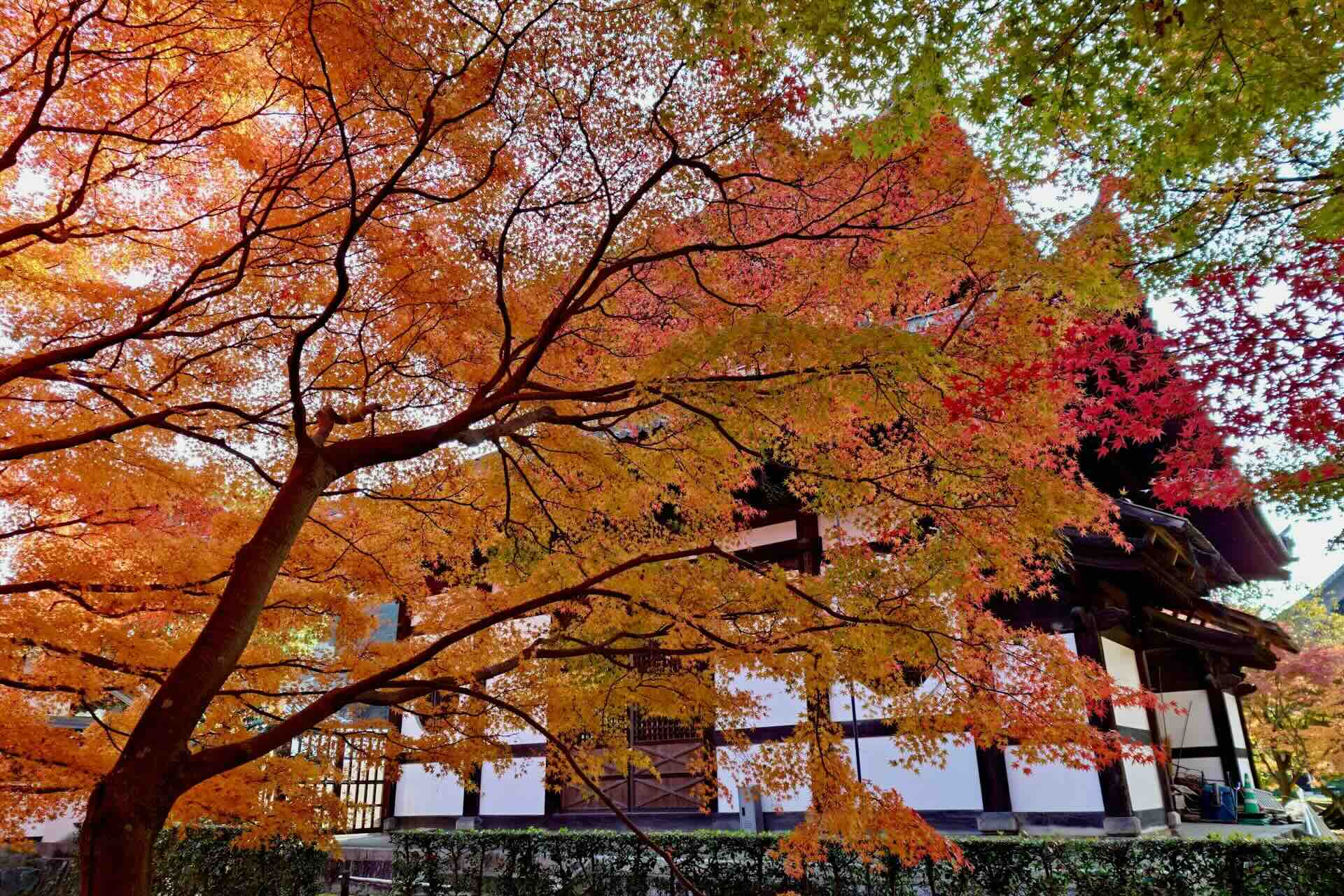
    Kyoto remains one of the most breathtaking places on Earth during autumn. The former imperial capital bursts into crimson and orange as Japanese maples, or momiji, blanket temples and gardens in color.

    Why It Glows

    Kyoto’s balance of nature and architecture creates perfect harmony. The city’s historic shrines and Zen gardens glow beneath fiery canopies, making it one of the towns that glow and one of the most photogenic destinations for fall travel.

    What to Do

    • Wander through Eikando Temple, famed for its reflection pond surrounded by maples.
    • Visit Kiyomizu-dera, where you can view the city framed in fall color.
    • Explore the Arashiyama District, pairing bamboo groves with scarlet foliage.

    Kyoto’s fall season feels sacred, every leaf seems to fall in rhythm with centuries of tradition.

    Nikko, Japan

    Just two hours from Tokyo, Nikko is a small mountain town with shrines hidden among blazing forests. In autumn, it becomes one of Japan’s towns that glow and one of the most magical escapes.

    Why It Glows

    Nikko’s high elevation brings an early and extended fall season. Its temples, waterfalls, and winding roads are surrounded by maples and ginkgos that glow in gold and crimson.

    What to Do

    • Visit Toshogu Shrine, Japan’s most ornate and colorful temple complex.
    • Walk the Shinkyo Bridge, one of the most photographed spots in Japan.
    • Take a scenic drive through Irohazaka Winding Road to see mountain valleys aflame with color.

    Nikko combines spiritual serenity with mountain adventure, making it a must for fall travelers.

    Salzburg, Austria

    In autumn, Salzburg feels like a living symphony. The baroque architecture, castle-topped hills, and mountain backdrop create a city that glows with every note of the season.

    Why It Glows

    Set between the Alps and the Salzach River, Salzburg offers incredible color contrast, vivid trees reflected in river water, misty hills surrounding church spires, and soft golden light.

    What to Do

    • Explore Mirabell Gardens, where manicured paths meet golden trees.
    • Hike to Hohensalzburg Fortress for sweeping views over the city.
    • Venture to the nearby Salzkammergut Lakes, one of the towns that glow under autumn skies.

    Salzburg’s fall feels like a waltz between history and nature, graceful, colorful, and deeply romantic.

    Hallstatt, Austria

    Few towns in Europe capture fall’s magic quite like Hallstatt. Nestled between mountains and a still lake, it looks like it belongs inside a fairytale painting.

    Why It Glows

    The surrounding Dachstein Alps create a natural amphitheater of color. As trees turn gold and red, their reflections ripple across the lake in perfect harmony.

    What to Do

    • Walk the Hallstatt Lake Promenade for postcard-worthy views.
    • Visit the Skywalk Viewing Platform high above the town.
    • Sip coffee at a lakeside café as the mist clears from the morning air.

    Hallstatt in fall feels timeless, quiet, golden, and cinematic.

    Lucerne, Switzerland

    Lucerne’s crisp alpine air and glittering lake make it one of Europe’s most peaceful autumn retreats. The town sits beneath snow-dusted peaks that frame forests ablaze with color.

    Why It Glows

    Every shade of fall reflects beautifully on Lake Lucerne, creating a double layer of color and light. The wooden bridges and cobblestone streets add texture and charm to every photo.

    What to Do

    • Stroll the Chapel Bridge, surrounded by maple-lined walkways.
    • Take a boat cruise on Lake Lucerne to see fall color from the water.
    • Ride the Mount Pilatus Cogwheel Railway for sweeping alpine views.

    Lucerne’s fall season is calm and golden, a gentle reminder that beauty can also be quiet.

    Quebec City, Canada

    Perched on the banks of the St. Lawrence River, Quebec City glows like a European capital reborn in North America. The crisp air, historic walls, and tree-lined avenues create an unforgettable fall atmosphere.

    Why It Glows

    The region’s vast forests turn fiery red and amber in October, wrapping the old city in a warm glow. Every corner feels cinematic, from cobbled lanes to riverside viewpoints.

    What to Do

    • Walk through Old Quebec for panoramic views of golden treetops.
    • Visit Plains of Abraham to see wide-open foliage framed by history.
    • Sample maple treats and hot cider at a local market.

    Quebec City captures both European romance and North American wilderness in one incredible fall setting.

    Bruges, Belgium

    Bruges is a year-round beauty, but autumn makes it truly unforgettable. The medieval canals reflect golden trees, and ivy-covered buildings blaze with color.

    Why It Glows

    As the summer crowds fade, Bruges slows into a dreamy rhythm. The cooler weather and soft light turn every bridge, canal, and cobblestone street into a painter’s palette.

    What to Do

    • Take a canal boat tour beneath arches of fiery leaves.
    • Visit Minnewater Lake, known as the “Lake of Love,” for tranquil reflections.
    • Enjoy Belgian hot chocolate or waffles while strolling through the old town.

    Bruges in fall feels like stepping into a storybook, peaceful, warm, and full of wonder.

    Lake Bled, Slovenia

    With its mirrored lake, medieval castle, and tiny island church, Lake Bled is the definition of fairy-tale charm. In fall, the surrounding forests turn every view into a masterpiece.

    Why It Glows

    The blend of mountain air and golden forests creates one of Europe’s most enchanting fall backdrops. Misty mornings on the lake are particularly magical.

    What to Do

    • Row to Bled Island and ring the wishing bell for good luck.
    • Walk or bike the Lake Bled Loop Trail to see foliage from all angles.
    • Visit Bled Castle for a sweeping view of the glowing landscape.

    Lake Bled’s autumn feels peaceful and surreal, the kind of place where time seems to pause.

    Cesky Krumlov, Czech Republic

    Tucked into a bend of the Vltava River, Cesky Krumlov is one of the towns that glow like a jewel box in fall. Its colorful rooftops, medieval towers, and riverside paths make it one of Europe’s most captivating small towns.

    Why It Glows

    The surrounding forests create a dramatic frame of golden and amber hues that complement the town’s red-tiled roofs and Gothic charm.

    What to Do

    • Climb the Castle Tower for panoramic fall views.
    • Wander through narrow cobblestone lanes to riverside cafés.
    • Visit nearby Sumava National Park for hiking and photography.

    Cesky Krumlov in autumn feels like an untouched secret, a quiet masterpiece.

    Dingle, Ireland

    On Ireland’s rugged west coast, the seaside town of Dingle transforms into a painter’s dream each fall. Its green hills deepen into gold, and the Atlantic horizon glows in soft, moody light.

    Why It Glows

    Dingle’s combination of coastal cliffs, rolling pastures, and golden trees creates an atmosphere that feels both wild and welcoming.

    What to Do

    • Drive the Slea Head Loop for stunning coastal views.
    • Visit local pubs for live traditional music on cool evenings.
    • Walk along Inch Beach as autumn waves crash along the shore.

    Dingle offers a quiet, soulful version of fall, earthy, emotional, and deeply Irish.

    Why These Towns Define Fall Magic

    What makes these places special isn’t just their beauty, it’s the feeling they give you. The blend of nature, culture, and warmth invites you to slow down and breathe deeply. Fall is a reminder that change can be beautiful, and these towns showcase that truth perfectly.

    From Japan’s maple temples to Slovenia’s mirrored lakes, these destinations prove that autumn is universal, a season that transcends borders and cultures.

    Plan a trip to the world’s most enchanting fall foliage towns with TravelPal.ai