Tag: Adriatic travel

  • Zadar, Croatia Where History Meets the Sea Organ

    Zadar, Croatia Where History Meets the Sea Organ

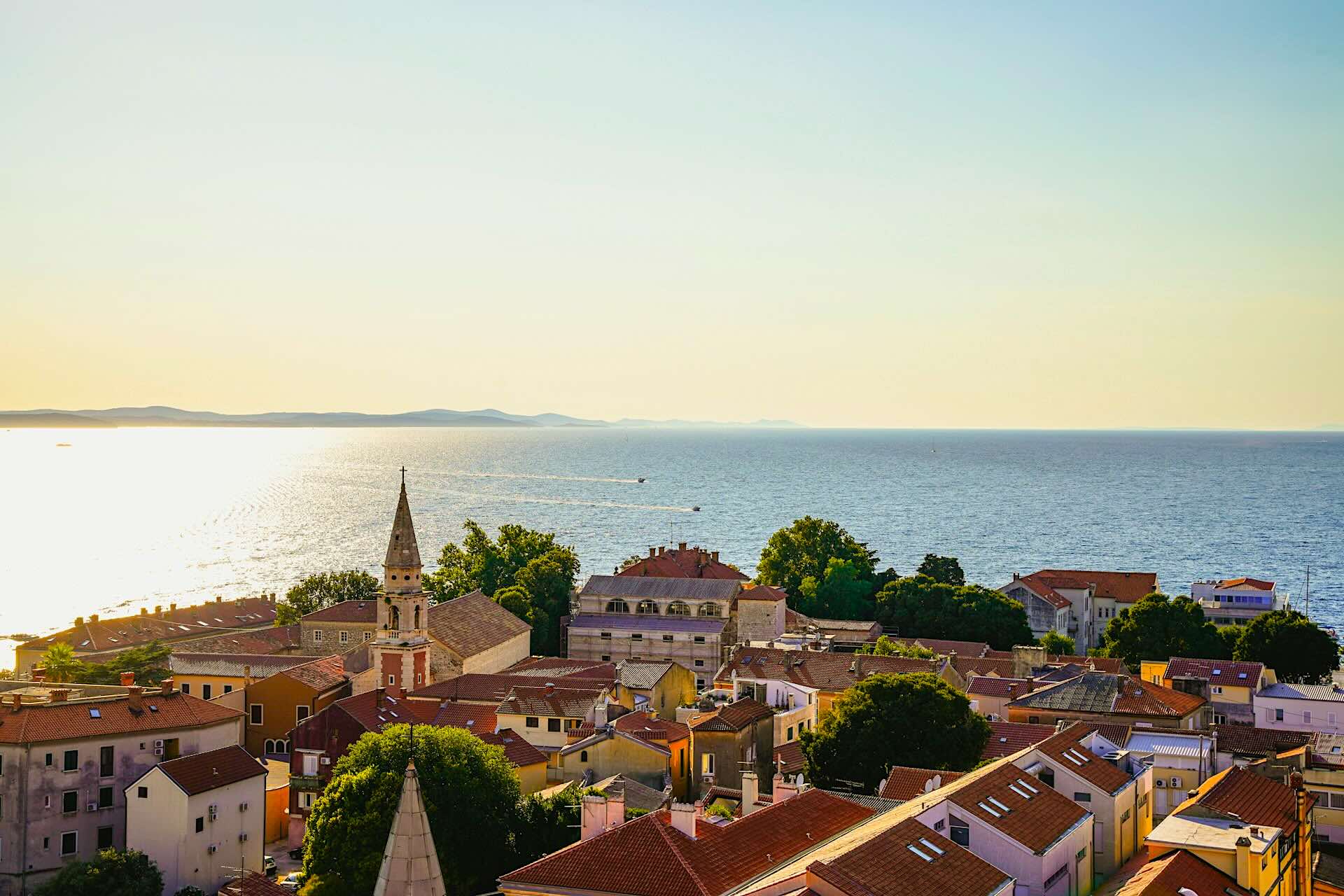
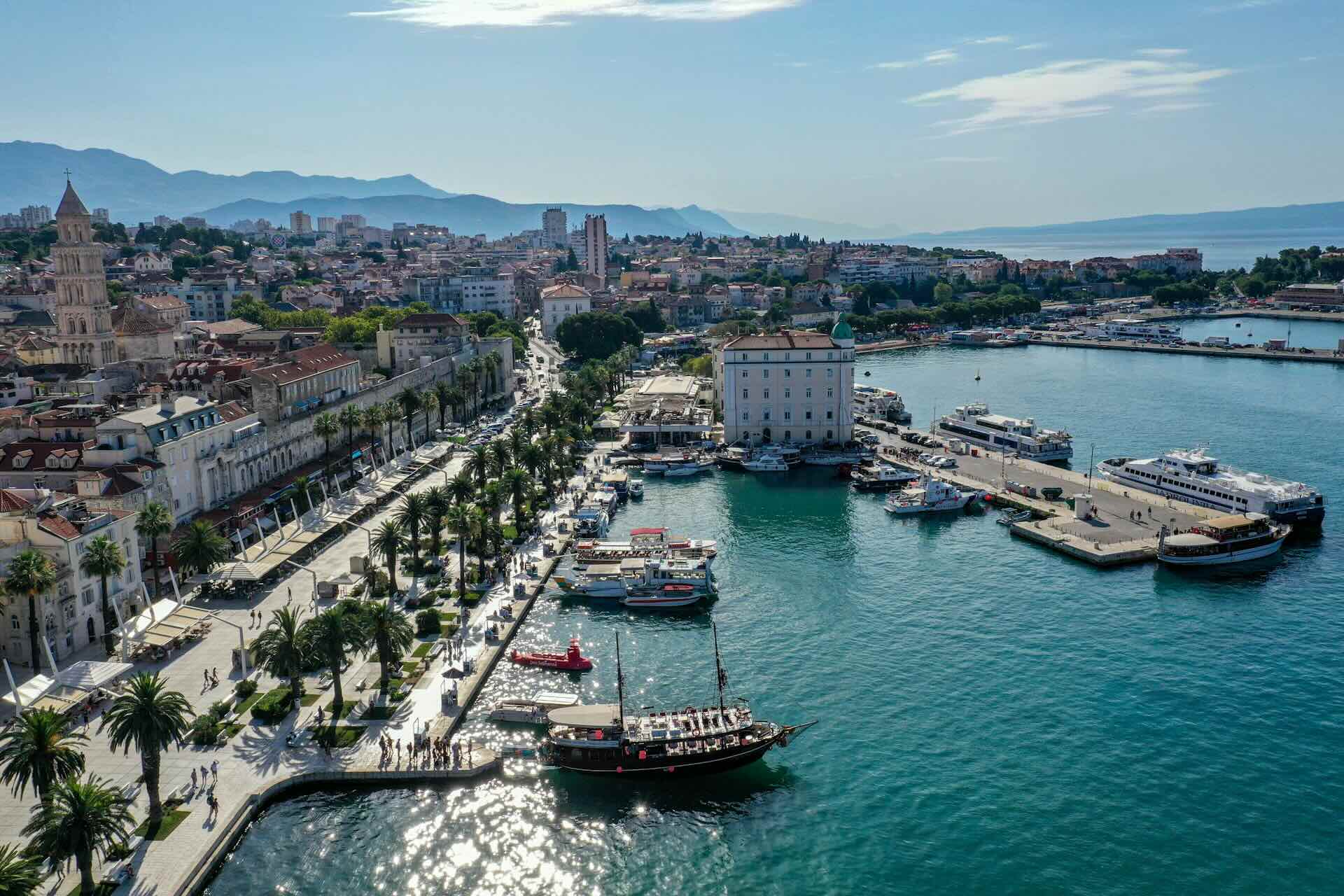
    Zadar, Croatia where history meets the Sea Organ feels bright, textured, and quietly original from the moment you reach the waterfront. This Adriatic city carries Roman foundations, medieval churches, Venetian traces, and a long maritime identity, yet it also has a contemporary side that gives it a different energy from more predictable coastal destinations. Zadar does not rely only on old stone and scenic views. It also offers public spaces and modern interventions that make the sea feel like part of the city’s living rhythm.

    Why Zadar Feels So Distinct

    Some Croatian coastal cities win people over through obvious beauty alone. Zadar works through contrast. It feels ancient and open to experimentation at the same time. You can walk through Roman remains and old churches, then end the day at a waterfront installation that turns wind and waves into sound. That kind of layering gives the city more personality than a simple historic port.

    Zadar also feels less polished in a conventional sense, and that helps it. The city has beauty, but it does not feel over arranged for visitors. It still carries the atmosphere of a place shaped by real urban life, weather, sea light, and centuries of change.

    A City Built on Layers of History

    Zadar’s past is visible throughout the old town. Roman traces, medieval structures, church towers, and older stone streets all contribute to a city that feels historically dense without becoming heavy. The old center sits on a peninsula, which gives the historic core both clarity and a strong relationship to the sea.

    This layering is part of what makes Zadar rewarding to explore. The city does not depend on a single signature monument. Instead, it builds its effect through accumulation. One street offers Roman fragments, another opens into a church square, and another leads toward the sea. The result is a place that feels shaped over time rather than packaged into one era.

    The Sea Organ and Zadar’s Modern Identity

    The Sea Organ is one of the clearest signs that Zadar is not only interested in preserving the past. Built directly into the waterfront, it transforms the movement of the sea into sound, giving the city a public space that feels both elemental and designed. It is one of those ideas that sounds simple but leaves a strong impression once experienced in person.

    What makes it so effective is that it does not fight the setting. It works with the Adriatic rather than against it. The installation turns the waterfront into a place of listening as well as looking. That gives Zadar a more creative and contemporary identity than many historic coastal cities manage to achieve.

    The Waterfront as Daily Theater

    Zadar’s waterfront is central to the experience of the city. It provides openness, movement, and a visual break from the tighter streets of the old town. This is where the city breathes. Light stretches across the Adriatic, people gather along the edge, and the sound of the water becomes part of the city’s daily atmosphere.

    The waterfront also gives Zadar a slightly more relaxed emotional tone. The history here is real, but the sea keeps the city from feeling too enclosed by its own past. That balance between old stone and open water is one of Zadar’s greatest strengths.

    A Peninsula Old Town Made for Walking

    Zadar works best on foot. Its old town is compact enough to explore without strain, and walking lets you experience the constant interplay between architecture, public squares, and glimpses of the sea. The city’s scale helps everything feel connected. You do not need long transitions to move from Roman remains to church façades to harbor views.

    This walkability makes Zadar especially satisfying for travelers who enjoy gradual discovery. The city reveals itself through rhythm rather than spectacle. It is not about racing to one headline attraction after another. It is about noticing how urban life and coastal life overlap.

    Churches, Stone, and Quiet Civic Beauty

    Zadar has a strong ecclesiastical presence, and that gives the city another layer of gravity. Church architecture, old squares, and weathered façades create a civic beauty that feels older and more grounded than the brighter modern waterfront. These older elements give the city continuity and structure.

    What makes this especially appealing is that the city’s historic side does not feel frozen. It remains part of the flow of daily life. Cafés, shops, and ordinary movement continue around these older buildings, which helps Zadar feel lived in rather than staged for admiration alone.

    Sea Light and the Character of the Adriatic

    The Adriatic shapes Zadar in ways that go beyond scenery. It affects the quality of light, the feel of the air, and the city’s emotional atmosphere. The sea here is not only decorative. It gives the city its openness and much of its sense of calm.

    This is one reason Zadar lingers in the mind. The city feels historical, but never sealed off. Sea light moves across the stone and changes the mood of the streets. Evening along the waterfront can feel especially memorable because the city seems to shift from archaeological and architectural interest into something more sensory and reflective.

    A City That Blends Past and Present Well

    Many historic destinations struggle to integrate the contemporary world without weakening their older identity. Zadar handles this well. The city’s modern touches do not erase the past. They sharpen it. The Sea Organ and the waterfront atmosphere show that Zadar is not content to remain only a heritage setting. It still wants to create new experiences that belong to the city itself.

    That is what gives Zadar its edge. It respects history, but it also understands that a city must remain alive in the present. Travelers who like destinations with both substance and a little creativity often connect with Zadar very quickly.

    Food, Evenings, and the Slower Coastal Pace

    Zadar also benefits from the slower pleasures of coastal life. Meals, waterfront walks, and long evenings fit naturally into the city’s rhythm. Seafood, local wine, and a relaxed Adriatic pace all make sense here, not as travel clichés, but as real extensions of the setting.

    This is part of why Zadar works so well for travelers who do not want to rush. It offers enough history and architecture to stay interesting, but it also encourages presence. Sitting by the water, listening to the Sea Organ, and letting the light change can be as meaningful as formal sightseeing.

    More Than a Stop on the Croatian Coast

    Zadar is sometimes treated as a convenient stop between larger names on the Croatian coast, but that undersells it. The city has its own identity, and that identity feels unusually coherent. It offers Roman and medieval depth, a working relationship to the sea, and a contemporary cultural gesture that few historic cities can match.

    That combination makes Zadar more memorable than many places that might appear more obvious at first glance. It is not only beautiful. It feels thoughtful. It has a point of view.

    When Zadar Feels Best

    Zadar works especially well when the weather allows the waterfront to become a central part of the day. In warmer and shoulder seasons, walking the peninsula, lingering by the sea, and staying out later all feel especially natural. These are the times when the city’s balance of history and coast becomes clearest.

    Still, Zadar’s appeal does not depend entirely on perfect beach weather. Its old town, architectural texture, and strong urban form give it enough depth to remain engaging beyond the height of summer. That makes it a more flexible destination than a pure resort town.

    Who Zadar Is Best For

    Zadar suits travelers who like layered coastal cities rather than straightforward beach destinations. It works especially well for people who appreciate history, walkability, and places with a little creative intelligence built into the setting. Couples, solo travelers, and culturally curious visitors can all do very well here.

    It is also a strong fit for travelers who want an Adriatic city with personality, but without the pressure of a more overtly glamorous destination. Zadar feels confident without trying too hard.

    The Lasting Appeal of Zadar

    Zadar stays with people because it brings together elements that do not always coexist so naturally. It is historic, but not frozen. Coastal, but not shallow. Creative, but not self conscious. The city lets Roman ruins, medieval stone, and contemporary sea facing design all belong to the same place.

    That is what makes Zadar more than simply another stop in Croatia. It feels like a city that still knows how to listen to its own setting. For travelers who want history, atmosphere, and a memorable relationship with the sea, Zadar offers one of the most distinctive experiences on the Adriatic.

    Plan a trip to Zadar today.

  • Piran, Slovenia A Coastal Gem on the Adriatic

    Piran, Slovenia A Coastal Gem on the Adriatic

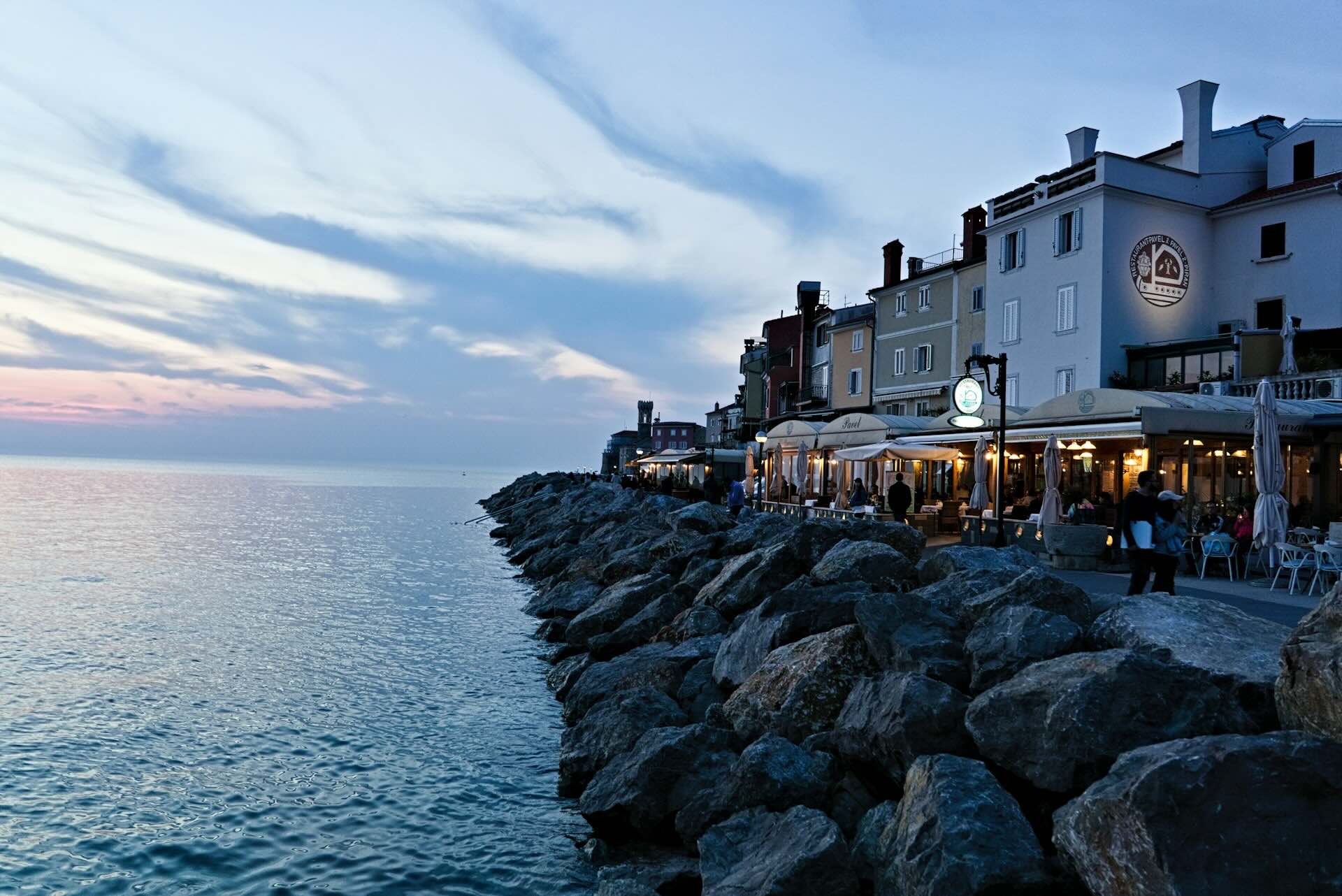
    Piran, Slovenia a coastal gem on the Adriatic feels intimate, luminous, and beautifully self contained from the moment you arrive. Set on a narrow peninsula along Slovenia’s short but memorable coastline, Piran combines Venetian style architecture, sea facing squares, and winding old streets in a way that feels both graceful and grounded. The city is small, but that is part of its strength. Piran does not need scale to make an impression. It works through atmosphere, proportion, and the steady presence of the sea at nearly every turn.

    Why Piran Feels So Special

    Some coastal towns rely on beaches alone. Piran offers something more layered. It gives you Adriatic light, historic stone streets, and a compact urban form that feels shaped by centuries of maritime life. The city is immediately attractive, but its real appeal comes from how coherent it feels. Architecture, water, public space, and daily rhythm all work together.

    That coherence gives Piran unusual charm. It feels romantic, but not artificial. Historic, but not frozen. The city welcomes slow travel because its pleasures are not rushed. A short walk can bring together church towers, polished facades, small lanes, harbor views, and open sky. Very little here feels accidental.

    A Peninsula City With a Strong Sense of Place

    Piran’s setting does much of the work. The city sits directly on the Adriatic, and that relationship to the water shapes everything from its light to its mood. Because the old town occupies a narrow peninsula, the sea feels constantly present. You do not visit one waterfront and then leave it behind. In Piran, the water remains part of the city’s identity in all directions.

    This geography gives the city a kind of natural drama without making it feel overwhelming. There is openness at the edges and intimacy in the center. That contrast is one of Piran’s greatest strengths. It feels protected and exposed at the same time, which gives it visual and emotional depth.

    Venetian Echoes and Adriatic Elegance

    Piran’s architecture reflects its long connection to Venice, and that influence gives the city much of its elegance. Facades, campaniles, narrow streets, and the overall rhythm of the old town all suggest a strong Venetian imprint, yet Piran never feels like a copy of another place. It has its own scale, its own pacing, and its own Adriatic softness.

    What makes this so appealing is that the beauty remains integrated into everyday life. Piran is not a city of isolated monuments. It is a place where the architecture continues to shape ordinary movement and experience. You notice it while turning down a side street, stepping into a square, or looking up toward the church from below. The city reveals itself gradually and consistently.

    Tartini Square and the Civic Heart of Piran

    Tartini Square anchors Piran with a sense of openness and civic grace. It is the kind of square that makes a small city feel larger in spirit. Surrounded by elegant buildings and shaped by the city’s maritime history, it gives Piran a center that feels both formal and inviting.

    This is one of the places where the city’s balance becomes clearest. The square has beauty and structure, but it also feels usable and alive. People cross it, pause in it, and return to it. It is not only a visual landmark. It is part of the city’s rhythm. In a town of winding lanes and tighter passages, Tartini Square provides light, breath, and clarity.

    Streets Made for Wandering

    Piran works best on foot. Its lanes, stairways, and passageways invite exploration in a way that makes strict planning feel unnecessary. This is a place where wandering is not a secondary activity. It is the main event. The city rewards curiosity because it is full of transitions, from quiet alleyways to small openings, from shaded stone streets to sudden sea views.

    That experience feels especially satisfying because Piran is so compact. You can absorb the city without feeling rushed, yet there is enough variation to keep walking interesting. One street may feel intimate and cool, another bright and open, another slightly elevated with a broader view. The city changes mood quickly, but never loses coherence.

    The Sea as Daily Companion

    In Piran, the Adriatic is more than scenery. It shapes the emotional tone of the entire stay. Light reflects off the water and softens the stone. Sea air moves through the streets. The harbor and edges of the peninsula remind you that this is a town formed by maritime life, not merely decorated by it.

    This matters because the sea gives Piran a sense of calm without making it sleepy. The city feels active, but never frantic. It encourages long pauses, evening walks, and unhurried meals with a view toward the water. Piran is one of those places where simply being near the sea becomes part of the pleasure of understanding the place.

    Views From Above and the Shape of the Town

    Piran becomes even more appealing from higher ground. Looking down from the church area or from elevated points around the old town reveals how tightly and beautifully the city fits onto its peninsula. Red roofs, pale stone, blue water, and the arc of the harbor all come together in a way that feels almost perfectly composed.

    These views do more than provide a photograph. They help explain the city’s identity. Piran is compact, but it does not feel cramped. Its relationship to the sea gives it visual space, and its historic form gives it coherence. Seeing the town from above makes that balance unmistakable.

    A Slower Adriatic Food Culture

    Piran’s food culture fits the city’s setting and scale. Seafood naturally plays a major role, and meals here often feel tied to the rhythm of the coast. The pleasure is not only in what you eat, but in how you eat it. Long lunches, dinners that stretch into evening, and restaurants that let the sea or the old town atmosphere do part of the work all feel especially right here.

    The city rewards patience. It is better approached as a place for savoring rather than rushing. A coffee in the square, a glass of wine near the water, or a simple seafood meal can reveal as much about Piran as any formal sightseeing stop. The town’s appeal is inseparable from that slower pace.

    More Than a Pretty Coastal Stop

    Piran is easy to admire quickly, but it becomes more rewarding when you stay long enough to notice its subtler qualities. The city has beauty, clearly, but it also has texture, memory, and a strong sense of place. It does not feel manufactured for visitors. It feels like a historic Adriatic town that still knows how to live with itself.

    That distinction matters. Many small coastal destinations can feel decorative. Piran feels inhabited. It retains enough weight and identity to keep the experience from becoming shallow. The result is a city that leaves a stronger impression than its size might suggest.

    When Piran Feels Best

    Piran works especially well in the warmer and shoulder seasons, when walking feels easy and the sea becomes even more central to the experience. These are the times when the town’s outdoor rhythm comes fully into view, with brighter light, longer evenings, and a stronger connection between the streets and the waterfront.

    At the same time, Piran’s architectural beauty and compact scale give it value beyond peak summer conditions. The city does not depend only on beach weather. Its charm comes from form, atmosphere, and setting, which can hold up very well even when the season is quieter.

    Who Piran Is Best For

    Piran suits travelers who appreciate atmosphere, walkability, and coastal towns with real architectural character. It works especially well for couples, solo travelers, and culturally curious visitors who prefer destinations that feel intimate rather than overstated. It is also a strong choice for travelers who want Adriatic beauty in a more compact and quietly elegant form.

    This is not a place built around nonstop activity. It is built around mood, place, and the pleasure of moving slowly through a beautiful environment. That makes Piran especially appealing to travelers who value quality of experience over quantity of attractions.

    The Lasting Appeal of Piran

    Piran stays with people because it feels complete. The sea, the square, the narrow streets, the Venetian echoes, and the old stone all reinforce one another. Nothing feels oversized or out of place. The city holds together with unusual ease.

    That is what makes Piran more than simply a pretty coastal town in Slovenia. It feels like a fully formed Adriatic world in miniature, one where maritime history, urban beauty, and everyday calm continue to shape the experience. For travelers who want a destination with elegance, intimacy, and lasting atmosphere, Piran is one of the most rewarding stops on the Adriatic.

    Plan a trip to Piran today.

  • Kotor, Montenegro Between Mountains and the Adriatic

    Kotor, Montenegro Between Mountains and the Adriatic

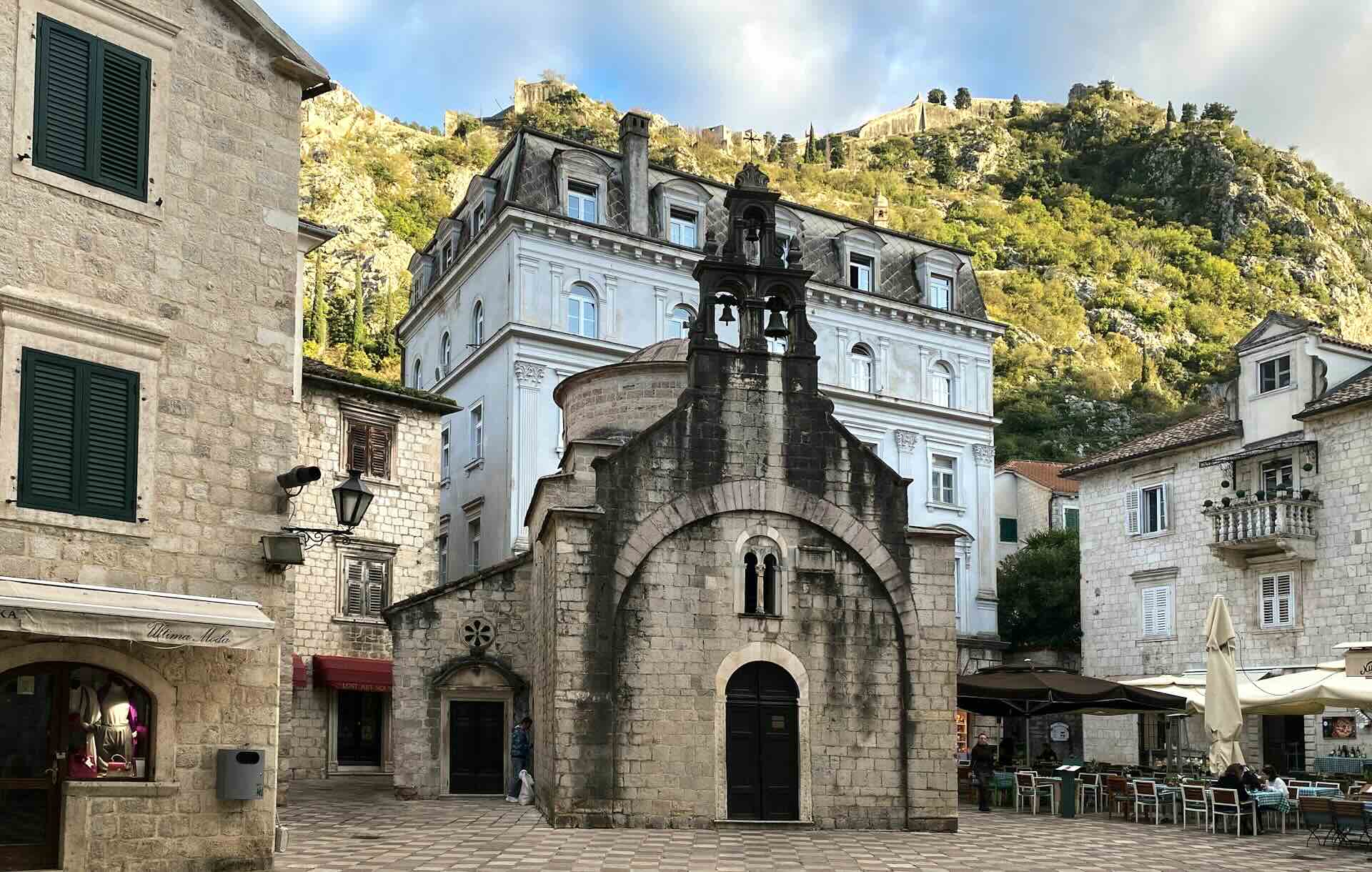
    Kotor, Montenegro between mountains and the Adriatic introduces a destination where dramatic geography shapes the entire experience. Set along the Bay of Kotor, the city sits between steep limestone mountains and calm coastal water, creating a setting that feels enclosed, protected, and visually striking.

    Kotor does not rely on size or scale. It relies on contrast. Mountains rise sharply behind a compact medieval town, while the Adriatic provides openness in front.

    A Walled Old Town That Feels Intact

    Kotor’s Old Town anchors the experience.

    Stone walls surround a maze of narrow streets, small squares, and historic buildings. Churches, cafés, and residences fill the space without feeling staged.

    You move through passageways that feel unchanged.

    The layout encourages slow exploration rather than direct navigation.

    The Bay Defines the Atmosphere

    The Bay of Kotor shapes both the landscape and the pace.

    Water remains calm, almost lake like, due to the surrounding mountains. Reflections of cliffs and buildings create a quiet visual rhythm.

    The bay softens the intensity of the terrain.

    It adds balance to the environment.

    Climbing Above the City Changes Perspective

    The climb to the fortress above Kotor offers one of the region’s defining experiences.

    Stone steps lead up the mountainside, revealing wider views with each level. From the top, the Old Town, bay, and surrounding peaks come together in a single frame.

    The climb requires effort, but the reward feels proportional.

    It shifts how you understand the city’s position within the landscape.

    Architecture Reflects a Layered History

    Kotor’s buildings reflect influences from different periods.

    Venetian architecture appears throughout the Old Town, visible in stonework, windows, and public spaces. Churches and palaces add depth to the visual experience.

    The city does not present one era.

    It shows accumulation over time.

    Small Details Define the Experience

    Kotor rewards attention to detail.

    Cats move through the streets and squares, becoming an unofficial symbol of the city. Laundry hangs between buildings. Light filters through narrow alleys.

    These elements make the city feel active and lived in.

    Nothing feels overly polished.

    Day Trips Expand the Experience

    The surrounding bay includes smaller towns that add variety.

    Perast offers a quieter, more open setting with views across the water. Boat rides provide access to nearby islands and coastal viewpoints.

    Leaving Kotor briefly adds context.

    Returning reinforces its compact intensity.

    Evenings Shift the Energy

    As cruise visitors leave, Kotor becomes quieter.

    Streets open up, and the pace slows. Restaurants and cafés feel more relaxed.

    Evening allows the city to reset.

    It becomes easier to absorb the atmosphere.

    The Landscape Feels Immediate

    In Kotor, nature feels close.

    Mountains rise directly behind the town rather than at a distance. The bay sits at the edge of the streets.

    You do not travel to see the landscape.

    You exist within it.

    Why Kotor Feels Distinct

    Kotor, Montenegro between mountains and the Adriatic stands out because the setting defines everything.

    Geography shapes architecture, movement, and atmosphere.

    The city does not separate itself from its environment.

    It integrates into it.

    How to Experience Kotor Fully

    Spend time inside the Old Town without rushing.

    Climb to the fortress for a full view of the bay.

    Take a short trip to nearby towns like Perast.

    Walk along the waterfront to see how the city meets the water.

    Stay into the evening to experience a quieter version of Kotor.

    Final Thoughts on Kotor

    Kotor offers a concentrated experience.

    The combination of mountains, water, and medieval structure creates a place that feels cohesive and grounded.

    The city does not overwhelm.

    It draws you in gradually.

    That balance makes it memorable.

    Plan a trip to Kotor today.

  • Dubrovnik and Beyond: Croatia’s Southern Gems

    Dubrovnik and Beyond: Croatia’s Southern Gems

    Dubrovnik may be Croatia’s crown jewel, but its surrounding coast and islands hold just as much magic. With sun-drenched beaches, medieval towns, and peaceful Adriatic escapes, Croatia’s southern gems invites travelers to look beyond the city walls.

    From Dubrovnik’s Old Town to nearby islands and quiet coastal villages, this region is perfect for travelers seeking culture, history, and relaxation. With Travel Pal, you can build an itinerary that captures the best of the south—without the crowds.

    Here’s how to explore Dubrovnik and the gems that lie beyond.

    Dubrovnik: The Pearl of the Adriatic

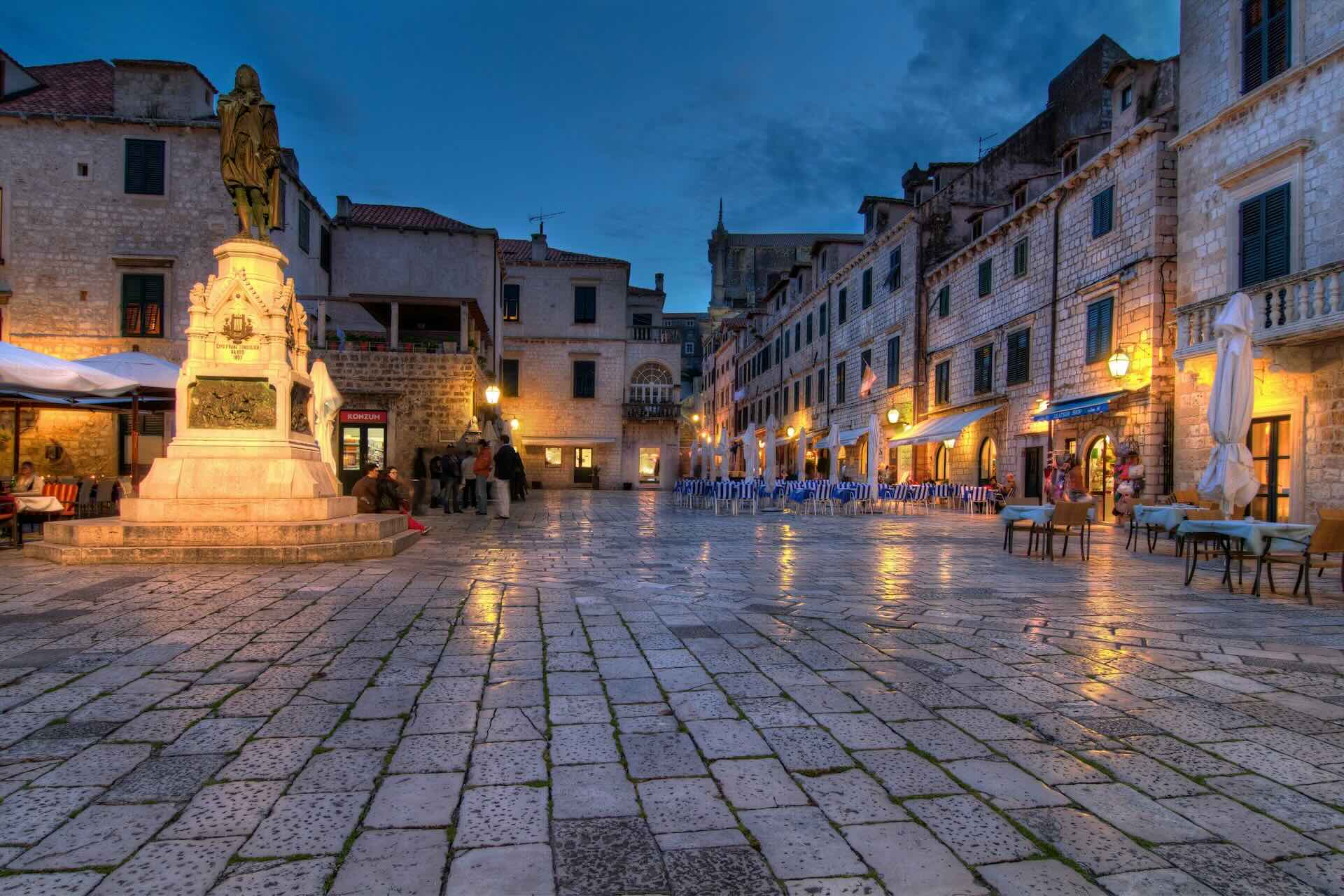
    Dubrovnik’s UNESCO-listed Old Town is one of the most picturesque cities in Europe, surrounded by massive stone walls and set against the sparkling sea.

    Must-see highlights:

    Walk the City Walls for panoramic views.
    Explore Stradun, the marble-paved main street.
    Visit the Rector’s Palace and Franciscan Monastery.
    Take the cable car to Mount Srđ for sunset over the Adriatic.
    Swim or kayak from the beaches beneath Fort Lovrijenac.

    Travel Pal helps you time visits to avoid cruise ship crowds and schedule sightseeing breaks at scenic cafes or quiet courtyards.

    Lokrum Island: Nature and Legends

    Just 15 minutes by boat from Dubrovnik’s harbor, Lokrum is a forested escape with walking trails, ruins, and sea swimming.

    What to do:

    Wander through the Botanical Garden and Benedictine Monastery.
    Climb to the Fort Royal for views back to the mainland.
    Swim in the saltwater “Dead Sea” or from rocky shorelines.
    Spot peacocks and wild rabbits throughout the island.

    Travel Pal includes ferry schedules and ideal windows for relaxing in nature after a busy morning in the city.

    Cavtat: Coastal Calm Near the Border

    South of Dubrovnik, the town of Cavtat offers a quieter seaside atmosphere with beautiful walking paths and waterfront dining.

    What to do:

    Stroll the scenic promenade lined with cafes.
    Visit the Račić Mausoleum and small local museums.
    Swim from quiet coves and sunbaked stone piers.
    Enjoy fresh seafood with a view of the marina.

    Travel Pal helps you integrate a half-day or full-day Cavtat visit into your Dubrovnik itinerary with easy transport options.

    Mljet: Tranquil Nature and Emerald Lakes

    Known for its National Park, the island of Mljet is one of Croatia’s greenest destinations and ideal for hiking, biking, and peaceful exploration.

    Highlights:

    Bike around Veliko and Malo Jezero (the Great and Small Lakes).
    Take a boat to the islet monastery of St. Mary.
    Swim in calm, warm waters.
    Enjoy the slower pace of local villages.

    Travel Pal helps arrange ferries or guided excursions to Mljet from Dubrovnik, depending on your schedule and interest in active exploration.

    Pelješac Peninsula: Wine, Oysters, and Coastal Views

    Northwest of Dubrovnik, the Pelješac Peninsula is a rugged stretch of coastline known for its vineyards, oyster farms, and quiet beaches.

    Top experiences:

    Taste local Dingač and Postup red wines in family-run cellars.
    Visit the walled town of Ston, known for its salt pans and seafood.
    Climb the Walls of Ston, among the longest fortifications in Europe.
    Try fresh oysters and mussels straight from the bay.

    Travel Pal creates wine-tasting routes and food tours, perfect for day trips or an overnight adventure.

    Korčula: Medieval Beauty on the Water

    Often called “Little Dubrovnik,” the island town of Korčula features stone streets, Venetian architecture, and a laid-back island vibe.

    What to do:

    Walk the historic town walls and narrow alleyways.
    Visit the alleged birthplace of Marco Polo.
    Swim from nearby beaches or kayak around the island.
    Taste local white wine like Grk and Pošip.

    Travel Pal can help coordinate ferry schedules or boat charters to make the most of a day or overnight on Korčula.

    Plan Your Southern Croatia Escape with Travel Pal

    From fortified towns to island retreats, southern Croatia offers much more than Dubrovnik alone. With Travel Pal, you can:

    Build a flexible itinerary that blends history, beach time, and quiet escapes.
    Plan ferries, boat trips, and scenic drives.
    Avoid tourist-heavy times and discover authentic local spots.
    Time castle visits, winery tours, and sunset lookouts with precision.
    Enjoy southern Croatia at your own pace.

    Plan a trip to Dubrovnik today at TravelPal.ai.