Tag: city travel guide

  • How to Build a City Itinerary That Does Not Feel Rushed

    How to Build a City Itinerary That Does Not Feel Rushed

    How to build a city itinerary that does not feel rushed starts with giving up the idea that a good trip must cover everything. Most rushed itineraries fail for the same reason. They try to win against the city instead of settling into it. The better approach is not to do less by accident. It is to choose better on purpose. A strong city itinerary should leave room for movement, mood changes, meals, wrong turns, and the simple reality that places take longer to enjoy than they do to list.

    Start With the Shape of the Trip, Not the Checklist

    Most people begin by collecting too many places. That is the mistake. Before choosing specific stops, decide what kind of trip you want the city to feel like. Do you want it to feel cultural, food driven, design focused, walkable, romantic, or relaxed. That decision matters more than the full list of landmarks.

    A city trip feels rushed when the activities do not belong to the same rhythm. A museum heavy day, a long shopping detour, a distant lunch reservation, and an evening rooftop plan may all sound good separately, but together they can make the day feel fragmented. Start with tone first, then choose places that support that tone.

    Choose Two Anchors Per Day, Not Six

    This is one of the easiest ways to improve a city itinerary immediately. Give each day only two real anchors, one for the first half of the day and one for the second half. Everything else should support those anchors, not compete with them.

    An anchor can be a museum, a neighborhood, a market, a long lunch, a waterfront walk, or a major landmark. Once you have two anchors, the rest of the day becomes easier to breathe inside. You stop forcing too many transitions. You also stop spending the whole day watching the clock.

    Group by Neighborhood, Not by Fame

    A rushed itinerary often happens because people organize their days by importance instead of geography. They chase famous places across the city, which turns the trip into a sequence of transit decisions. That is exhausting, even when the attractions are worth seeing.

    The smarter approach is to build around neighborhoods. Let one part of the city hold most of the day together. Walk more. Transfer less. Repetition helps a city feel legible. When you stay in one area longer, cafés, side streets, shops, and public spaces start becoming part of the trip instead of dead space between attractions.

    Build in One Slow Meal Every Day

    If every meal is treated like a gap to fill quickly, the whole trip starts feeling mechanical. A city itinerary becomes more enjoyable when at least one meal each day is allowed to be slow and properly placed.

    This does not mean every lunch must be expensive or every dinner must be a reservation. It means one meal should function as part of the day’s experience rather than as fuel management. A good long lunch can reset the pace of the trip. So can a dinner that is near where you already are instead of across town for no real reason.

    Leave White Space on Purpose

    White space is not wasted time. It is what keeps the itinerary usable. The best city trips always have open pockets that can absorb delays, weather shifts, better than expected discoveries, or simple fatigue.

    Without white space, every small disruption becomes stressful. With it, the day still works. A good rule is to leave at least one uncommitted block each afternoon or evening. That free time is often where the trip starts feeling personal instead of overmanaged.

    Stop Planning Every Hour

    Hourly itineraries look efficient and often travel terribly. Cities do not unfold in hourly units. Streets are slower than maps suggest. Museums take longer when you actually enjoy them. Neighborhoods deserve drift time. Even coffee can turn into a memorable pause if you are not already late for the next thing.

    A better approach is to plan in blocks. Morning, midday, afternoon, evening. Each block should have a purpose, not a strict schedule. That keeps the structure strong without making the day brittle.

    Accept That One Good Street Can Matter More Than One Famous Site

    This is where many people still get it wrong. They assume the trip is successful only if they hit every headline place. In reality, one beautiful street, one great meal, one market, or one hour in the right square can stay with you longer than a rushed visit to three major attractions.

    A city itinerary improves when you make room for unranked pleasures. Those are often the parts that turn a trip from efficient into memorable. A place that was not on the list may end up feeling more important than the place you thought you had to see.

    Use Mornings for Structure, Evenings for Flexibility

    Most city itineraries work better when the morning is more defined and the evening is looser. Mornings usually have better energy, clearer decision making, and fewer accumulated delays. That makes them ideal for museums, landmarks, and anything that benefits from more focus.

    Evenings tend to work better when they are lighter. A neighborhood to wander, a good dinner area, a river walk, a plaza, a wine bar, or a view. If you overprogram evenings, the whole trip can start feeling like a race. Let the city close the day instead of forcing another achievement into it.

    Do Not Overestimate Your Transit Tolerance

    People often underestimate how tiring it is to keep crossing a city. Even efficient transport systems take energy. Transfers, waiting, route decisions, and backtracking all add friction. Too much of that makes the trip feel thinner because you spend more time managing movement than absorbing place.

    This is why compact days usually feel richer than ambitious ones. Less transit often means more city, even if you technically see fewer named attractions.

    Match the Itinerary to Your Real Travel Personality

    A rushed itinerary is often a mismatch between the plan and the person. Some travelers genuinely like full days and lots of motion. Others like long walks, fewer commitments, and time to notice details. Problems begin when people build the trip they think they are supposed to take instead of the one they actually enjoy.

    Be honest about your pace. If you hate early starts, stop pretending the trip begins at 8 a.m. If you tire after one museum, stop scheduling three. If you care more about neighborhoods than landmarks, build for that. The best itinerary is not the most impressive one. It is the one you can actually inhabit.

    Give Each Day One Emotional Focus

    This is an easy way to make the trip feel more coherent. Let each day have a mood. One day may be historic. Another may be food focused. Another may be waterfront and slow. Another may be shopping and design. Once a day has an emotional focus, the decisions around it become easier.

    A city itinerary feels rushed when each day tries to be all versions of the city at once. It feels smooth when each day knows what it is trying to be.

    Keep a Short Secondary List, Not a Giant Backup Plan

    You do need flexibility, but not chaos. Keep a short list of three to five extra options nearby, things like a café, bookstore, small museum, market, viewpoint, or bar. This gives you room to adapt without having to replan the whole day on the sidewalk.

    The key is short and nearby. A giant backup list creates the same pressure as the original overplanning. A small local list gives you choice without noise.

    The Best Itinerary Usually Feels Slightly Incomplete

    This may sound wrong, but it is true. If the plan feels completely full before the trip starts, it is probably too tight. A good city itinerary should feel like it leaves something on the table. That unfinished quality is often what makes the trip feel relaxed.

    You are not trying to defeat the city. You are trying to meet it well enough that you want to come back, or at least remember it as a place rather than a task.

    What Actually Makes a City Trip Feel Good

    A city itinerary does not feel good because it is dense. It feels good because it has rhythm. There is movement, but also pause. Intention, but also surprise. Good meals, walkable stretches, and enough space to let the city behave like a city instead of a productivity exercise.

    That is the real goal. Build a trip with shape, not pressure. Choose a few things well. Stay in neighborhoods longer. Walk more. Cross town less. Let one part of the day stay open. That is how an itinerary starts feeling like travel instead of work.
    Plan a trip today.

  • How to Spend 24 Hours in Doha

    How to Spend 24 Hours in Doha

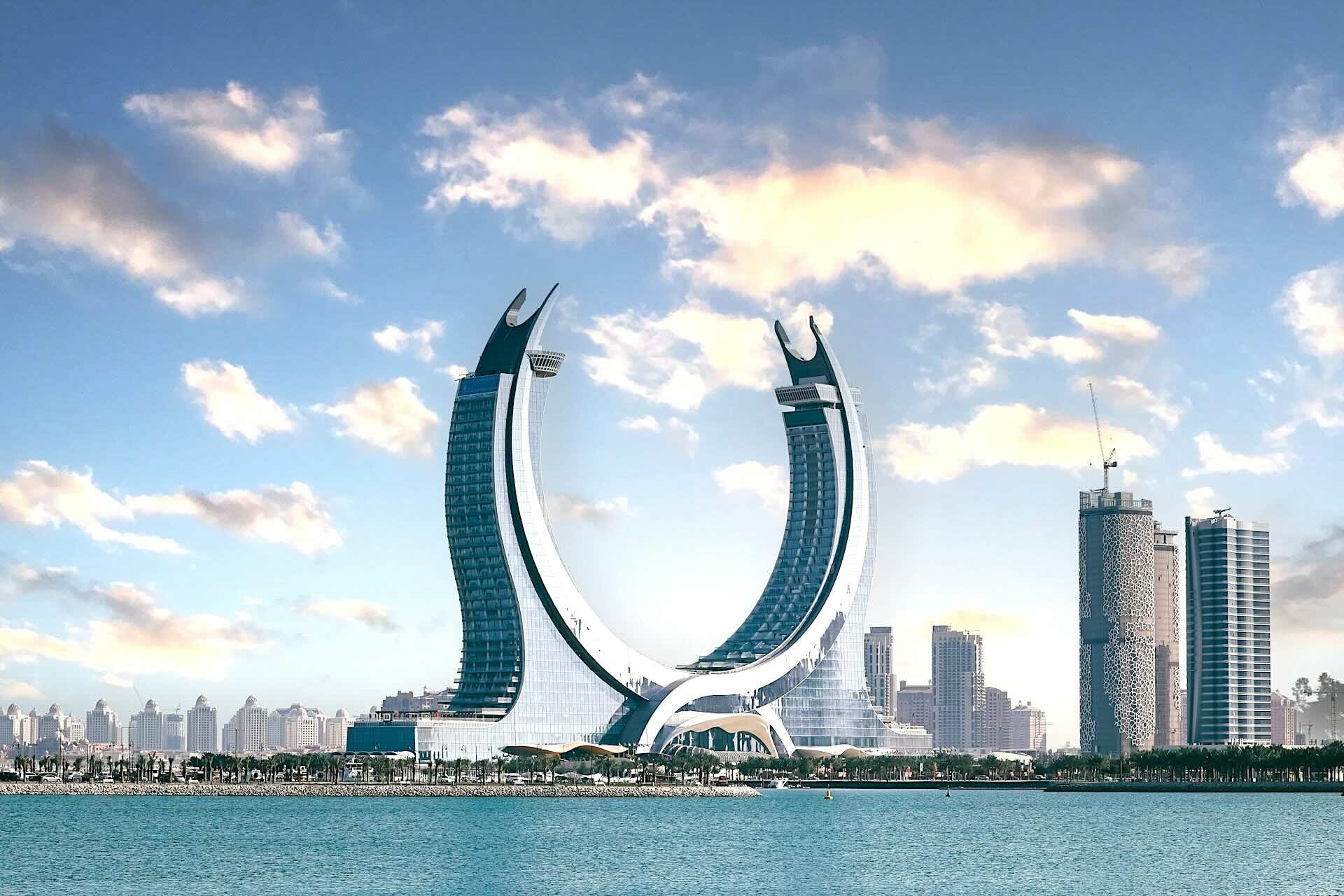
    Doha offers futuristic skylines, desert landscapes, world class museums, and coastal beauty all in one place. With only 24 hours Doha, you can still experience the highlights that show why Qatar’s capital has become one of the Middle East’s most exciting destinations. This one day guide helps you explore art, culture, food, and waterfront views at a comfortable pace. If you want mild weather and clear skies, March and April bring some of the most pleasant conditions for sightseeing.

    Morning at the Museum of Islamic Art

    Begin with Doha’s Most Iconic Cultural Landmark

    Start your day at the Museum of Islamic Art, one of the city’s most visited attractions. The building sits on its own waterfront peninsula and offers beautiful views of the skyline. Inside, you will find centuries of ceramics, jewelry, manuscripts, textiles, metalwork, and other pieces from across the Islamic world. Even if you explore only the highlights, you will get a strong sense of the region’s artistic heritage.

    Walk outside to the surrounding MIA Park, which wraps around the museum with palm trees, bike paths, and open lawns. The views of West Bay across the water make this one of the best morning photo spots in the city.

    Breakfast by the Waterfront

    Enjoy breakfast at a café inside the museum or at a nearby spot along the Corniche. Choose pastries, fresh juices, or regional dishes that give you a taste of Qatari flavors. Eating by the water sets a calm tone before you continue deeper into the city.

    Late Morning in Souq Waqif

    Explore Doha’s Most Historic Market

    Head to Souq Waqif, one of Doha’s most atmospheric neighborhoods. The narrow lanes and traditional buildings create a market filled with spice shops, fabric stalls, cafés, and artisan goods. You can wander without a set plan because every corner introduces something new, from perfumes and sweets to handcrafted souvenirs.

    If you enjoy local culture, visit the falcon souq near the main market. Falconry remains an important tradition in Qatar, and this section of Souq Waqif gives you a unique look at items used in the practice.

    Lunch in Msheireb Downtown Doha

    A Modern District with Community Energy

    Walk or take a short ride to Msheireb Downtown Doha, a modern, sustainable neighborhood filled with restaurants, museums, and shaded open spaces. Choose a lunch spot that fits your style, whether you want Middle Eastern dishes, international plates, or a light café meal.

    After lunch, stroll through the area’s pedestrian friendly streets. Many buildings combine traditional Qatari design with modern architecture, and the whole district feels clean, bright, and easy to explore.

    Afternoon in Katara Cultural Village

    Art, Beaches, and Architecture in One Stop

    Take a car to Katara Cultural Village, one of Doha’s most versatile destinations. The large complex includes art galleries, an amphitheater, cafés, a mosque, and beachfront access. You can walk the promenade, stop at an exhibition, or relax by the water.

    Katara also hosts frequent cultural events, so you may find performances, film screenings, or art installations during your visit. Even without events, the architecture alone makes this area worth exploring.

    Sunset at The Pearl Qatar

    A Waterfront Community with Beautiful Views

    Spend your late afternoon at The Pearl Qatar, a luxury island development with colorful buildings, marinas, and seaside dining. Stroll along Porto Arabia or Qanat Quartier, where pastel waterfront homes and canal inspired bridges create some of Doha’s best photography spots.

    As the sun sets, the marina lights begin to glow, and the atmosphere becomes warm and inviting. This is one of the best places in Doha to enjoy a relaxed early evening walk.

    Dinner in West Bay

    Finish the Day with Skyline Views

    End your 24 hours in Doha with dinner in West Bay, the city’s sleek commercial district. Choose from international restaurants, upscale hotel dining rooms, or casual spots with skyline views. The neighborhood offers everything from Middle Eastern grills to seafood, Asian fusion, and classic fine dining.

    After dinner, take a short walk along the Corniche to enjoy Doha’s nighttime skyline. The illuminated towers and colors reflected on the water create one of the most memorable sights in the city.

    Tips for a Perfect 24 Hours in Doha

    • Use taxis or rideshare apps for quick travel between districts
    • Dress comfortably but respectfully, especially in cultural areas
    • Carry water because the climate can feel warm even outside summer
    • Book museum tickets or dinner reservations ahead when possible
    • Visit in March or April for comfortable temperatures and fewer rainy days

    Doha rewards curiosity with its mix of culture, architecture, markets, beaches, and modern beauty. This 24 hour itinerary helps you experience the best of the city at a relaxed pace.

    Plan a trip to Doha today at TravelPal.ai.

  • Top 10 Most Visited Cities in Europe

    Top 10 Most Visited Cities in Europe

    Europe attracts millions of travelers every year with its history, architecture, food, and cultural landmarks. From romantic capitals to coastal favorites, European cities offer unforgettable experiences that blend heritage with modern energy. Whether you want museums, nightlife, scenic neighborhoods, or iconic monuments, these ten cities in Europe rank among the most visited across the continent and continue to charm travelers from around the world.

    London, United Kingdom

    A Global Capital of Culture and History

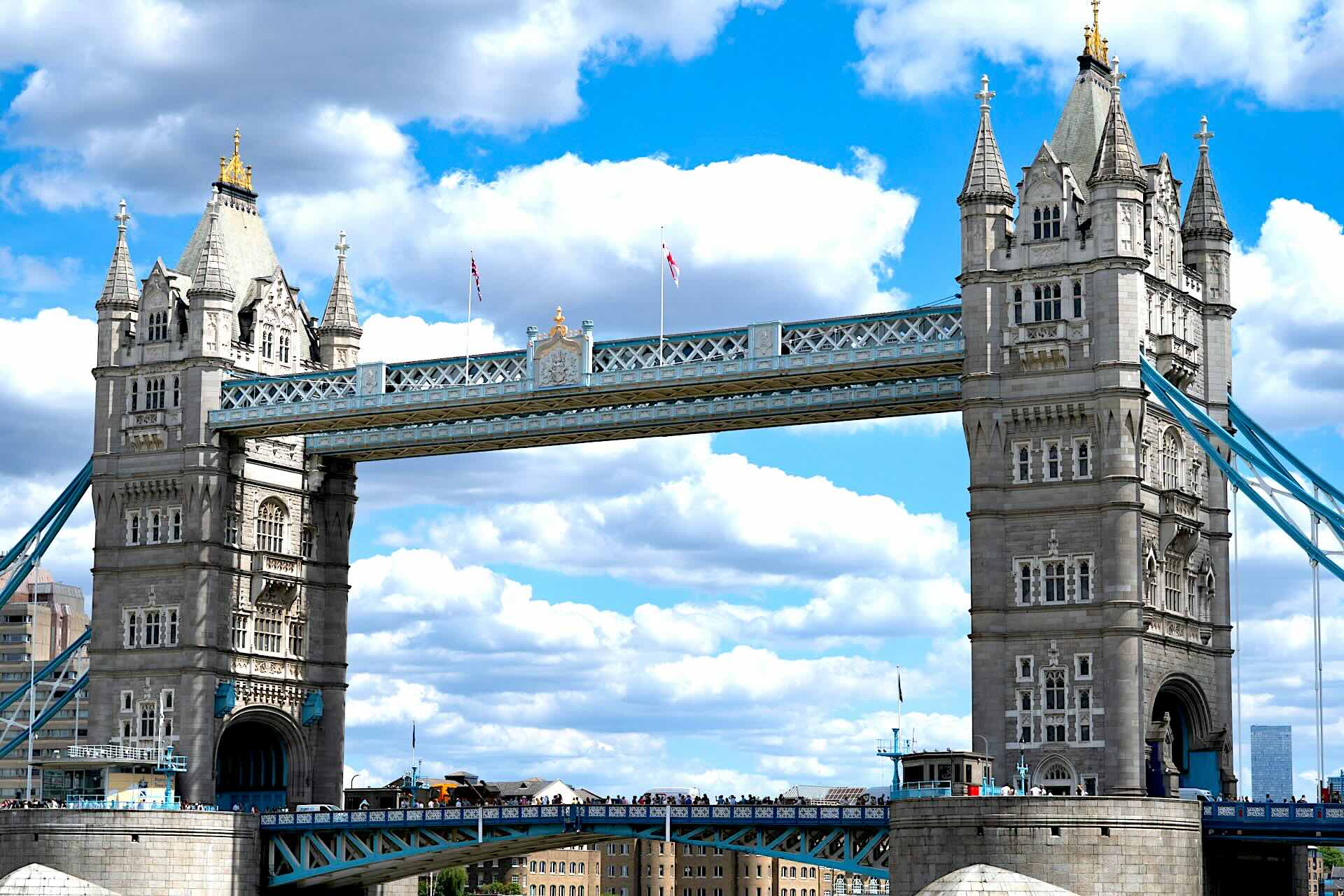
    London remains one of Europe’s most visited cities thanks to its mix of museums, parks, diverse neighborhoods, and royal landmarks. Travelers explore the British Museum, Buckingham Palace, Tower Bridge, Camden Market, and world class theater in the West End. The city’s constant reinvention makes each visit feel fresh and exciting.

    Paris, France

    Romance, Art, and Timeless Beauty

    Paris continues to draw millions with its famous monuments, elegant boulevards, and rich cultural scene. Visitors enjoy the Eiffel Tower, the Louvre, Montmartre, and the charming cafés that line every corner. The city blends romance with creativity, giving travelers endless reasons to return.

    Rome, Italy

    Living History and Vibrant Streets

    Rome attracts travelers with ancient ruins, Renaissance art, and lively piazzas. Visitors explore the Colosseum, Vatican City, Trevi Fountain, and charming neighborhoods like Trastevere. Rome’s mix of history, food, and energy creates a city that feels unforgettable with every walk through its streets.

    Istanbul, Turkey

    Where East and West Meet

    Istanbul remains one of the most visited cities in Europe and Asia. Travelers enjoy the Hagia Sophia, Blue Mosque, Grand Bazaar, and scenic Bosphorus views. The mix of old and new, along with flavorful cuisine, creates a travel experience full of depth and character.

    Barcelona, Spain

    Architecture, Beaches, and a Creative Spirit

    Barcelona combines vibrant culture with world famous architecture. Travelers explore Sagrada Família, Park Güell, Gothic Quarter lanes, and Mediterranean beaches. The city’s food scene, music, and art make it one of Europe’s most dynamic destinations.

    Amsterdam, Netherlands

    Canals, Museums, and Laid Back Charm

    Amsterdam draws visitors with scenic canals, bike friendly streets, and top museums like the Van Gogh Museum and Rijksmuseum. Travelers enjoy cozy cafés, creative boutiques, and picturesque bridges that make the city feel intimate and inviting.

    Prague, Czech Republic

    Fairy Tale Architecture and Vibrant Culture

    Prague remains one of Europe’s most photographed cities in Europe with its castle, spires, and historic Old Town Square. Visitors enjoy Charles Bridge, colorful buildings, and lively beer halls. The city offers rich culture and impressive beauty without losing its warm atmosphere.

    Vienna, Austria

    Music, Elegance, and Imperial Landmarks

    Vienna gives travelers a refined mix of classical music, baroque architecture, and café culture. Visitors explore Schönbrunn Palace, St. Stephen’s Cathedral, and museums that highlight the city’s imperial heritage. Vienna remains one of Europe’s most elegant and well preserved capitals.

    Milan, Italy

    Fashion, Design, and Historic Grandeur

    Milan attracts travelers with fashion, architecture, and a modern creative spirit. Visitors explore the Duomo, Galleria Vittorio Emanuele II, and vibrant neighborhoods filled with cafés and art galleries. The city blends style with history in a way that feels uniquely Italian.

    Athens, Greece

    Ancient Wonders and a City Full of Life

    Athens remains a major travel favorite thanks to its ancient sites, lively neighborhoods, and Mediterranean atmosphere. Visitors explore the Acropolis, Plaka, and markets filled with local flavors. The mix of modern cafés and historic landmarks creates an experience rich in culture and warmth.

    Tips for Visiting Europe’s Most Popular Cities

    • Plan ahead because peak seasons bring large crowds
    • Book major attractions early to avoid long waits
    • Explore less visited neighborhoods for more authentic experiences
    • Use public transportation to save time and money
    • Mix iconic landmarks with local dining for balance

    Europe’s most visited cities remain popular for a reason. They offer beauty, culture, food, and timeless charm that attract travelers again and again. Whether you enjoy historic streets, modern art, scenic waterways, or vibrant nightlife, these ten destinations capture the best of Europe.

    Plan a trip to Europe with TravelPal.ai.

  • Top 10 Most Visited Cities in the United States

    Top 10 Most Visited Cities in the United States

    The United States offers some of the world’s most exciting urban destinations, from cultural capitals and coastal escapes to entertainment hubs and historic centers. Travelers visit these cities for their food, art, nightlife, landmarks, and diverse neighborhoods that showcase the country’s unique character. Whether you want music, museums, beaches, or big city energy, these ten cities rank among the most visited in the country and offer something different for every type of traveler.

    New York City

    The City That Defines Urban Travel

    New York City continues to lead the country in tourism thanks to its unmatched cultural diversity, iconic landmarks, and nonstop energy. Travelers explore Times Square, Central Park, Fifth Avenue, Broadway, and neighborhoods that each feel like their own world. From world class museums to endless dining options, NYC delivers nonstop discovery.

    Los Angeles

    Sunshine, Entertainment, and Scenic Views

    Los Angeles attracts travelers with beaches, movie studios, mountain views, and global cuisine. Visitors explore Hollywood, Santa Monica, Venice Beach, and lively districts like Silver Lake and West Hollywood. The mix of outdoor beauty and entertainment culture keeps LA near the top of every travel list.

    Las Vegas

    America’s Entertainment Capital

    Las Vegas remains one of the most visited destinations thanks to its bright lights, casinos, live shows, and spectacular resorts. Travelers come for world class dining, nightlife, and entertainment options that stay active every night of the week. The city also offers outdoor escapes with quick access to Red Rock Canyon and the Grand Canyon.

    Orlando

    Theme Park Central

    Orlando attracts millions of families and international travelers who come for its theme parks, including Walt Disney World, Universal Orlando, and SeaWorld. The warm weather, resorts, and entertainment districts create a destination that offers both excitement and relaxation.

    Miami

    Beaches, Culture, and Warm Winter Weather

    Miami blends sunshine, Latin influences, art, nightlife, and scenic beaches. Visitors explore South Beach, Wynwood, Brickell, and Little Havana. The city stays vibrant all year and offers some of the best nightlife and dining in the country, making it a magnet for both domestic and international travelers.

    Chicago

    Architecture, Food, and Lakefront Views

    Chicago attracts travelers with its skyline, deep dish pizza, music culture, and lakefront attractions. Visitors enjoy Millennium Park, the Art Institute, Navy Pier, and neighborhoods filled with historic architecture and great restaurants. Chicago’s blend of art, history, and urban beauty keeps it one of the country’s most beloved cities.

    San Francisco

    Iconic Views and Creative Culture

    San Francisco brings travelers for the Golden Gate Bridge, cable cars, waterfront scenery, and innovative food scene. Neighborhoods like Chinatown, the Mission District, and North Beach offer culture and variety. The city’s hills, bay views, and creative energy make it a favorite among both first time and repeat visitors.

    Washington, DC

    History, Museums, and Monuments

    Washington, DC remains one of the most visited cities thanks to its museums, monuments, and historic landmarks. The National Mall, Smithsonian museums, and government buildings draw millions every year. DC also offers vibrant neighborhoods with great dining and cultural events.

    Boston

    Classic American History and Modern Energy

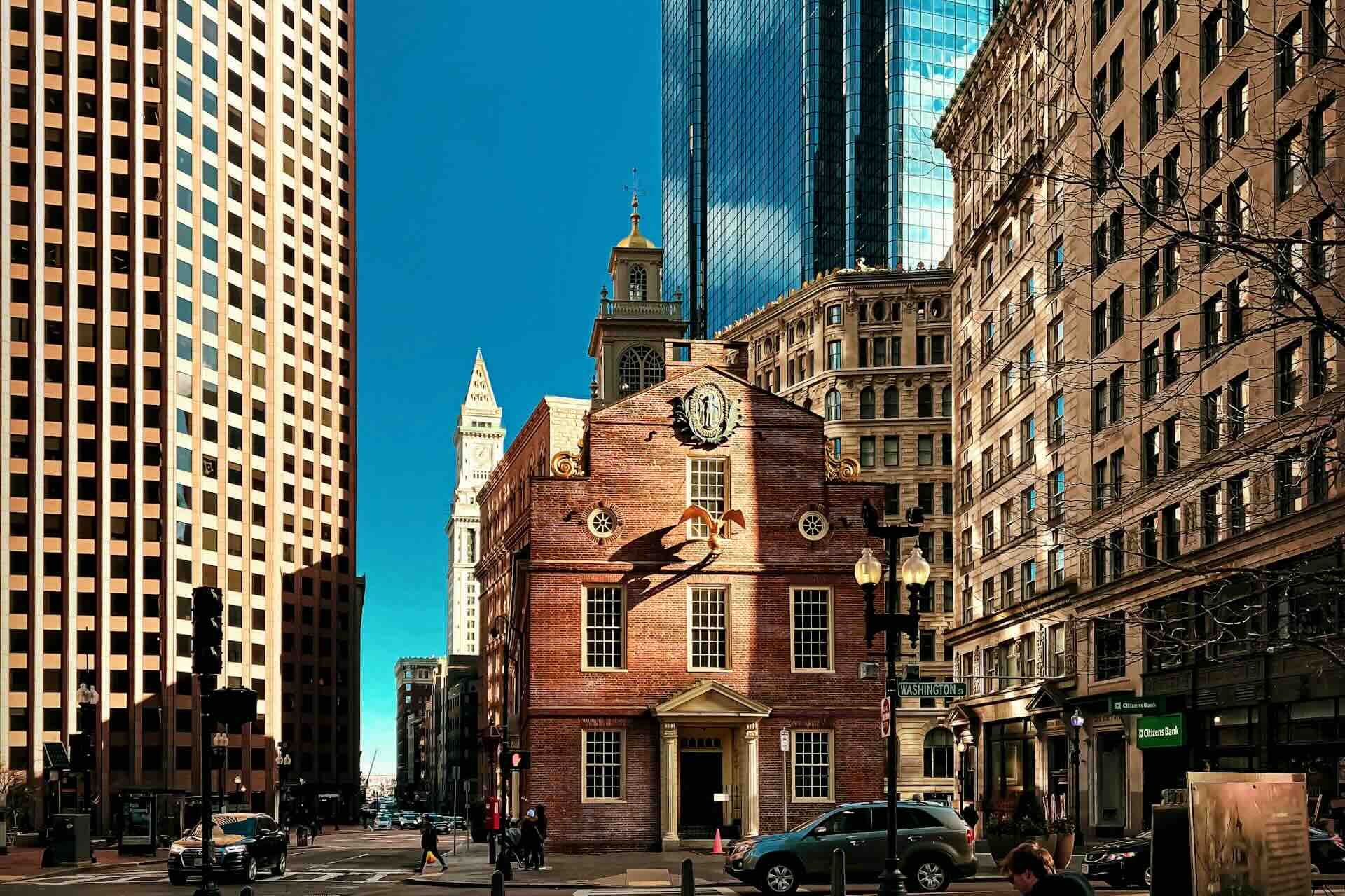
    Boston blends colonial history with modern innovation. Visitors explore Freedom Trail landmarks, Harvard Square, scenic neighborhoods, and waterfront districts. The city’s walkability, cultural institutions, and sports scene make it a year round favorite.

    Honolulu

    Tropical Scenery with Big City Comfort

    Honolulu draws travelers for its beaches, surfing, warm weather, and island culture. Waikiki offers a lively mix of hotels, shops, and entertainment, while nearby hikes and beaches provide natural beauty. Honolulu gives travelers the unique experience of enjoying Hawaiian landscapes with city conveniences.

    Tips for Visiting America’s Most Popular Cities

    • Book accommodations early during peak seasons
    • Use public transportation in major cities for convenience
    • Explore local neighborhoods beyond major attractions
    • Make restaurant reservations in advance for popular spots
    • Plan a mix of indoor and outdoor activities for flexibility

    The United States offers an incredible variety of cities that appeal to travelers of every interest. Whether you want food, culture, beaches, nightlife, or history, these ten destinations represent the best of what American cities offer.

    Plan a trip to the United States with TravelPal.ai.