
Tag: cultural travel experiences

  • Why Live Music Is the Best Way to Experience a New City

    Why Live Music Is the Best Way to Experience a New City

    When you arrive somewhere new, you can follow a map or you can follow the sound. Why live music is the best way to experience a new city comes down to access. Music pulls you into neighborhoods, conversations, and atmospheres that guidebooks rarely capture.

    Live music is not just entertainment. It is a cultural shortcut. It reveals how a city feels at night, how locals gather, and what rhythms define daily life. If you want to understand a place quickly and authentically, start with its stages.

    Live Music Connects You to Local Identity

    Every city has a soundtrack.

    In some places it is jazz spilling from small bars. In others it is electronic beats in converted warehouses or acoustic sets in intimate cafés. The style may differ, but the pattern remains the same. Music reflects history, migration, and community.

    When you attend a live show, you are not just observing culture. You are stepping inside it.

    Venues Reveal Neighborhood Character

    Where you go for music matters as much as what you hear.

    Large theaters show how a city presents itself. Underground venues reveal its experimental edge. Outdoor concerts in parks show how public space functions socially.

    Live music forces you to move beyond tourist zones. It introduces you to neighborhoods you might otherwise skip.

    In that movement, you begin to see how the city truly operates.

    Shared Energy Breaks Down Barriers

    Live music compresses social distance.

    You stand next to locals and react to the same moments. You clap at the same crescendos.

    That shared energy creates connection without needing conversation. You become part of a temporary community.

    For travelers, this kind of shared experience accelerates belonging.

    Music Anchors Memory

    Travel memories fade when they rely only on visuals.

    Sound is different. A melody or rhythm can bring you back to a specific room, a specific night, and a specific emotion.

    Live music becomes a time stamp for your trip.

    Years later, hearing a similar sound can immediately transport you back to that city.

    It Encourages You to Slow Down

    Sightseeing often encourages constant movement.

    Live music requires you to stay. You sit or stand in one place and absorb.

    That pause creates depth. You notice details. You feel the room’s atmosphere.

    Slowing down allows the city to move around you rather than you moving through it.

    Food and Music Often Intersect

    Many cities blur the line between dining and performance.

    Restaurants host musicians. Bars build menus around cultural identity. Night markets combine street food and live bands.

    When music and food intersect, you experience multiple layers of culture at once.

    These nights often become highlights of a trip.

    Music Reveals Emotional Tone

    Architecture shows you what a city looks like.

    Music shows you how it feels.

    Is it introspective, rebellious or is it celebratory. The dominant sounds often reveal underlying attitudes.

    You begin to understand the city’s emotional tone rather than just its physical layout.

    It Supports Local Artists and Spaces

    Attending live music supports the creative ecosystem of a city.

    Independent venues and musicians shape local culture. When travelers participate, they contribute to sustainability rather than only consumption.

    This adds meaning to the experience.

    You are not just passing through. You are engaging responsibly.

    It Works in Every Season

    Unlike outdoor landmarks, live music thrives year round.

    Winter nights become warmer inside crowded venues. Summer evenings extend into open air concerts.

    No matter when you travel, music remains accessible.

    This makes it one of the most reliable cultural entry points.

    You Discover Cities Beyond the Obvious

    Major cities often have famous music histories.

    But smaller or lesser known cities also have vibrant scenes waiting to be explored.

    Choosing live music over another monument can reveal a different side of a place.

    Often, it is the side locals care about most.

    How to Find Live Music While Traveling

    Ask locals for recommendations. Check neighborhood boards and venue listings.

    Look for small venues rather than only major concert halls.

    Be flexible about genre. Even unfamiliar styles can offer insight.

    The goal is immersion, not perfection.

    Why Music Creates Belonging Faster Than Sightseeing

    Sightseeing places you outside looking in.

    Live music places you inside looking around.

    That difference changes how you experience a city.

    You feel less like a visitor and more like a participant.

    Final Thoughts on Experiencing Cities Through Music

    Why live music is the best way to experience a new city becomes clear after just one meaningful show.

    It connects you to identity, community, and emotion in a way few other activities can.

    If you want to feel a place rather than simply see it, start with its music.
    Plan a trip to a new city today.

  • Cities Where Local Markets Are the Real Attraction

    Cities Where Local Markets Are the Real Attraction

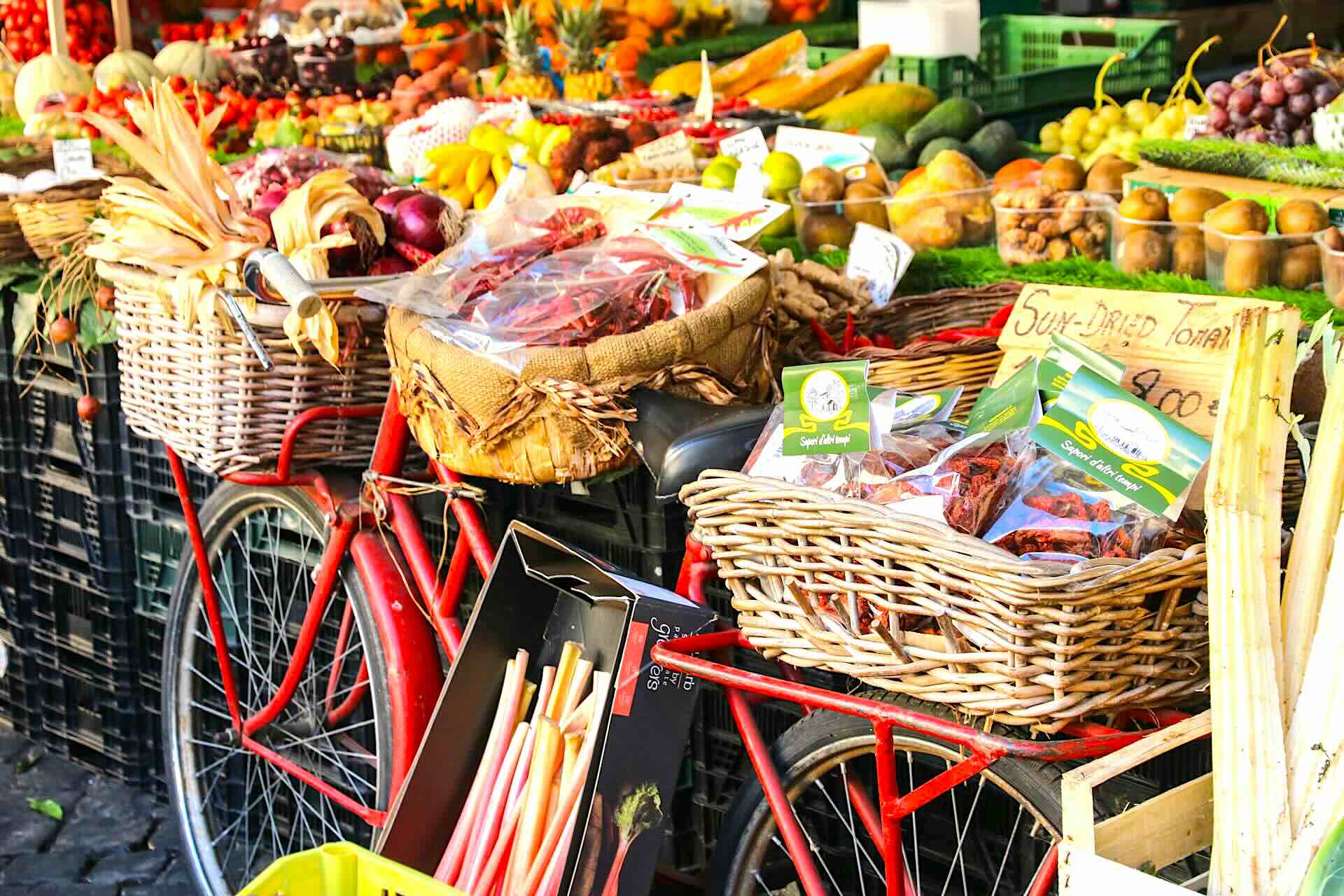
    Some cities are defined by skylines. Others are defined by streets. Cities where local markets are the real attraction invite you to understand them through conversation, color, and daily commerce. Markets reveal how people shop, eat, negotiate, and socialize. They are living reflections of culture rather than curated displays.

    If you want to experience a destination beyond landmarks, start where locals buy their produce, spices, seafood, and bread. Markets are not side attractions. In many cities, they are the main event.

    Marrakech, Morocco

    In Marrakech, markets are the city’s heartbeat.

    The medina’s souks twist through narrow alleys filled with textiles, ceramics, spices, lanterns, and fresh ingredients. Vendors call out, bargain, and move with practiced rhythm.

    The sensory intensity is immediate. Scent, sound, and color blend into one continuous experience.

    Food stalls and spice counters reveal how Moroccan cuisine builds its complexity. The market is not separate from daily life. It is daily life.

    Mexico City, Mexico

    Mexico City’s markets are diverse and deeply rooted in neighborhood identity.

    Each market feels different depending on its location. Some focus on produce and meats. Others highlight regional specialties, street food, and crafts.

    Walking through a mercado offers insight into the country’s culinary diversity. Ingredients from across Mexico converge in one place.

    You do not just shop here. You observe how families cook, eat, and connect.

    Istanbul, Turkey

    Istanbul’s markets reflect centuries of trade and exchange.

    The Grand Bazaar and Spice Bazaar draw global attention, but neighborhood markets offer a more intimate view of daily life.

    Fresh seafood, olives, cheeses, and sweets sit side by side. Merchants maintain long standing relationships with regular customers.

    Markets here tell the story of empire, geography, and migration without needing explanation.

    Bangkok, Thailand

    Bangkok’s markets blur the line between shopping and dining.

    Floating markets, night markets, and neighborhood food markets create constant movement.

    Street vendors cook in front of you. Ingredients are prepped openly. Meals are eaten immediately.

    Markets become the easiest way to understand Thai flavor profiles and eating habits.

    They are social spaces as much as commercial ones.

    Barcelona, Spain

    Barcelona’s markets combine architecture and appetite.

    Historic markets like La Boqueria sit within walking distance of daily residential markets that feel less staged.

    Fresh seafood, cured meats, and seasonal produce reflect Catalan identity.

    Markets here are bright, organized, and woven into routine life.

    They function as gathering places rather than tourist stops.

    Palermo, Italy

    Palermo’s street markets feel raw and expressive.

    Ballarò and Vucciria bring vendors, locals, and visitors together in lively, sometimes chaotic settings.

    You hear sellers shouting prices. You see ingredients that reflect Sicily’s layered history.

    The energy feels unfiltered and genuine.

    Markets here are not polished. They are alive.

    Oaxaca, Mexico

    Oaxaca’s markets are colorful, aromatic, and deeply tied to regional tradition.

    Moles, chilies, handmade tortillas, and local cheeses fill the aisles.

    Food stalls invite you to sit and eat what you just watched being prepared.

    Markets reveal how indigenous heritage shapes daily cuisine and craft.

    Every aisle feels educational without feeling staged.

    Why Markets Reveal More Than Museums

    Museums explain history.

    Markets demonstrate it.

    You see what people value by what they buy. You understand seasonality by what is available.

    Markets show you economic reality and social structure in real time.

    They are unfiltered windows into how a city functions.

    How to Experience a Market Properly

    Arrive hungry and curious.

    Walk the full perimeter before buying anything. Observe first.

    Ask vendors questions about unfamiliar ingredients.

    Eat at stalls with steady local traffic.

    Markets reward patience more than speed.

    When to Visit Local Markets

    Morning often offers the freshest selection and the strongest local presence.

    Evening markets bring a more social and food focused atmosphere.

    Each time of day offers a different perspective.

    Visiting more than once deepens understanding.

    Why Travelers Remember Markets

    Markets engage all five senses.

    They create moments of interaction rather than observation.

    A conversation with a vendor can leave a stronger impression than a monument.

    Cities where local markets are the real attraction stay memorable because they feel personal.

    Choosing Your Next Market Focused City

    If you want layered spice and texture, choose Marrakech or Istanbul.

    Or if you prefer culinary depth and vibrant color, Oaxaca and Mexico City stand out.

    If you value Mediterranean rhythm, Barcelona and Palermo deliver atmosphere.

    Each market centric city reveals itself through its ingredients and conversations.

    Final Thoughts on Market Driven Travel

    Cities where local markets are the real attraction invite you to participate rather than spectate.

    They ask you to taste, ask, and linger.

    When you explore through markets, you experience daily life rather than curated highlights.

    Markets are not just places to buy food. They are places to understand culture.

    Plan a trip to a city with a landmark local market today.