Tag: TravelPal.ai

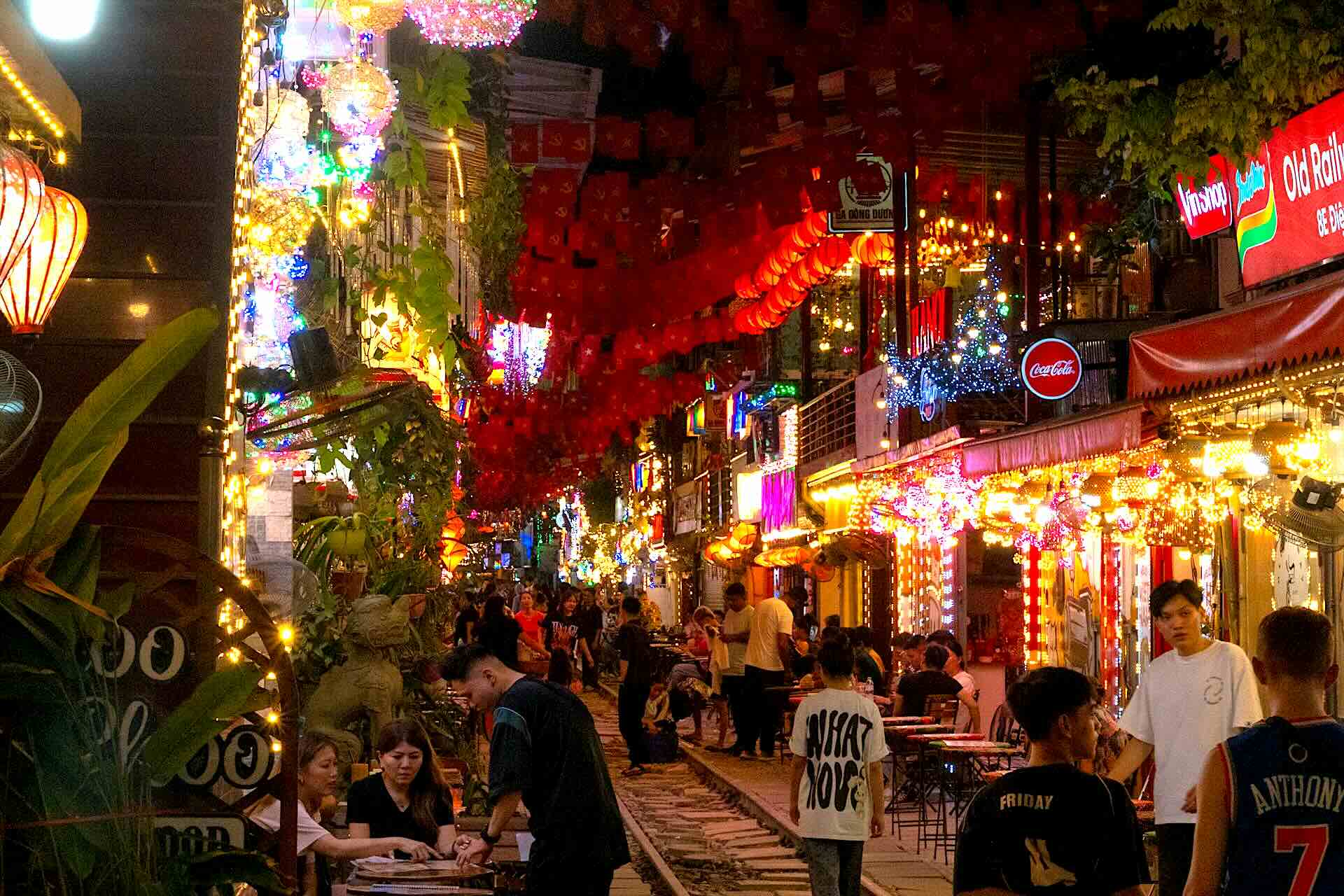
  • Where to Eat in Hanoi and Ho Chi Minh City, A TravelPal Guide

    Where to Eat in Hanoi and Ho Chi Minh City, A TravelPal Guide

    Vietnam’s food culture is deeply regional, and where to eat in Hanoi and Ho Chi Minh City becomes less about finding the best restaurant and more about understanding how each city eats. These two cities approach food differently in pace, flavor, and daily rhythm. Experiencing both offers insight into Vietnam’s culture that goes far beyond any single dish.

    For travelers who care about authenticity, routine, and local flavor, eating well in Vietnam means slowing down, observing, and following the patterns of daily life. Hanoi rewards patience and repetition. Ho Chi Minh City rewards curiosity and openness. Together, they tell a complete story.

    How Food Culture Differs Between North and South

    Before choosing where to eat, it helps to understand how Hanoi and Ho Chi Minh City differ culturally.

    Hanoi’s food culture reflects restraint, balance, and tradition. Dishes tend to be lighter, less sweet, and more subtle. Meals follow established routines. Many vendors specialize in one dish and serve it the same way every day.

    Ho Chi Minh City feels faster and more expressive. Flavors are bolder and often sweeter. Menus are broader. Experimentation feels natural. Eating happens throughout the day and late into the night.

    Neither approach is better. They simply reflect different rhythms of life.

    Where to Eat in Hanoi for Everyday Authenticity

    Hanoi is a city where routine matters. Eating well here means respecting that rhythm.

    Street Food as the Foundation

    Street food in Hanoi is not an option. It is the foundation of daily eating.

    Look for vendors who serve one dish and nothing else. These places often open early, close when they sell out, and attract regulars who come without checking menus.

    Breakfast is especially important. Early morning bowls and plates reflect habits that repeat daily. Eating where locals eat early in the day offers insight into how the city functions.

    Plastic stools, simple setups, and focused preparation are good signs. Comfort comes from familiarity, not atmosphere.

    Neighborhood Markets and Local Streets

    Markets and side streets offer some of the most reliable experiences to eat in Hanoi.

    Vendors cluster by function and time of day. Certain streets specialize in specific foods. Paying attention to crowds and repetition helps guide choices.

    Markets provide context. Even if you do not eat there, observing how ingredients are selected and prepared deepens understanding.

    These environments reward slow observation more than quick decisions.

    Cafés as Cultural Spaces

    Cafés play a central role in Hanoi’s food culture.

    Coffee is not rushed. People sit, think, talk, or remain quiet for long stretches. Cafés act as extensions of personal space.

    Choosing cafés slightly away from main tourist corridors often leads to more authentic experiences. Repetition matters here. Returning to the same café builds familiarity.

    Cafés anchor the day. They create pauses that make wandering sustainable.

    Sit Down Meals Without Formality

    Hanoi has sit down restaurants, but many still operate with simplicity.

    Menus are often short. Atmosphere is functional rather than designed. The focus remains on consistency.

    Look for places that serve local families alongside visitors. That mix often indicates reliability rather than performance.

    In Hanoi, eating well often means eating the same dish more than once, just at different places.

    Where to Eat in Ho Chi Minh City for Variety and Energy

    Ho Chi Minh City approaches food with momentum and flexibility. Eating here feels dynamic and expansive.

    Street Food With Constant Motion

    Street food in Ho Chi Minh City is everywhere and at all hours.

    Vendors appear and disappear throughout the day. Eating is less structured by time. Snacks blend into meals.

    You will find more variation in preparation and presentation. Sweetness, herbs, and textures often play larger roles.

    Following energy rather than routine works better here. Busy streets often signal opportunity.

    Markets as Social Hubs

    Markets in Ho Chi Minh City feel lively and social. They function as meeting points as much as food sources.

    You encounter variety in a single place. Vendors adapt to demand and trend more readily than in Hanoi.

    Markets reflect the city’s openness. Food evolves here, shaped by migration, trade, and innovation.

    They are ideal places to sample widely without committing to one dish or style.

    Restaurants That Encourage Exploration

    Ho Chi Minh City supports a broad range of dining experiences.

    You find traditional cooking alongside modern interpretations. Global influences blend easily with local technique.

    Menus are often larger. Sharing is common. Meals feel expressive rather than restrained.

    This flexibility allows travelers to explore more broadly while still staying grounded in local flavor.

    Cafés and Contemporary Food Culture

    Café culture in Ho Chi Minh City feels energetic and experimental.

    Spaces often double as social hubs, workspaces, and creative environments. Coffee remains important, but atmosphere and variety play larger roles.

    You see generational differences more clearly here. Younger crowds experiment with style and presentation.

    Cafés feel forward looking while still connected to daily routine.

    How to Choose Where to Eat Without a List

    In both cities, relying on rigid lists can limit experience.

    Instead, use observation as your guide.

    Look for repetition. Notice where locals return daily. Pay attention to time of day and crowd patterns.

    Smaller menus often signal confidence. Specialization usually means mastery.

    Avoid places that feel designed primarily for explanation. The best meals rarely require translation.

    Trust curiosity, but stay grounded in routine.

    Eating Slowly as a Travel Strategy

    Vietnamese food culture rewards slow travel.

    Eating the same dish multiple times reveals nuance. Small differences become meaningful.

    Allow meals to fit naturally into the day. Avoid stacking experiences back to back.

    Use food as structure rather than interruption. Let it guide walking and exploration.

    This approach builds understanding rather than novelty.

    Balancing Hanoi and Ho Chi Minh City on One Trip

    If visiting both cities, avoid comparing them directly at the table.

    Each reflects its environment and history. Expecting one to feel like the other creates friction.

    In Hanoi, lean into repetition and subtlety. In Ho Chi Minh City, lean into variety and movement.

    Adjust expectations rather than preferences.

    This mindset allows each city to reveal its strengths.

    Common Mistakes Travelers Make When Eating in Vietnam

    Many travelers chase highlights rather than habits.

    They over plan meals and under observe routine.

    Confuse atmosphere with quality.

    They expect novelty at every meal.

    Vietnamese food culture values consistency, timing, and familiarity. Respecting that leads to better experiences.

    How Food Becomes Memory in Vietnam

    Meals in Vietnam often become memories not because of presentation, but because of context.

    The same stool at the same time of day, same vendor greeting regulars. The same flavors returning.

    Food becomes part of rhythm rather than event.

    That is what stays with you.

    Using TravelPal to Plan Food Focused Days

    Food experiences work best when paired with flexible planning.

    Building days around neighborhoods rather than restaurants keeps options open.

    Allow space between meals for wandering and rest.

    Let patterns emerge rather than forcing decisions.

    This approach aligns naturally with how both cities eat.

    Why These Two Cities Tell the Full Story

    Hanoi and Ho Chi Minh City represent two ends of a shared food culture.

    One values continuity. The other values adaptation.

    Together, they show how food reflects identity, history, and daily life.

    Understanding where to eat in Hanoi and Ho Chi Minh City means understanding how each city lives.

    That understanding is the real reward.
    Plan a trip to Hanoi and Ho Chi Minh City.

  • Why Hanoi Rewards Slow, Curious Travelers

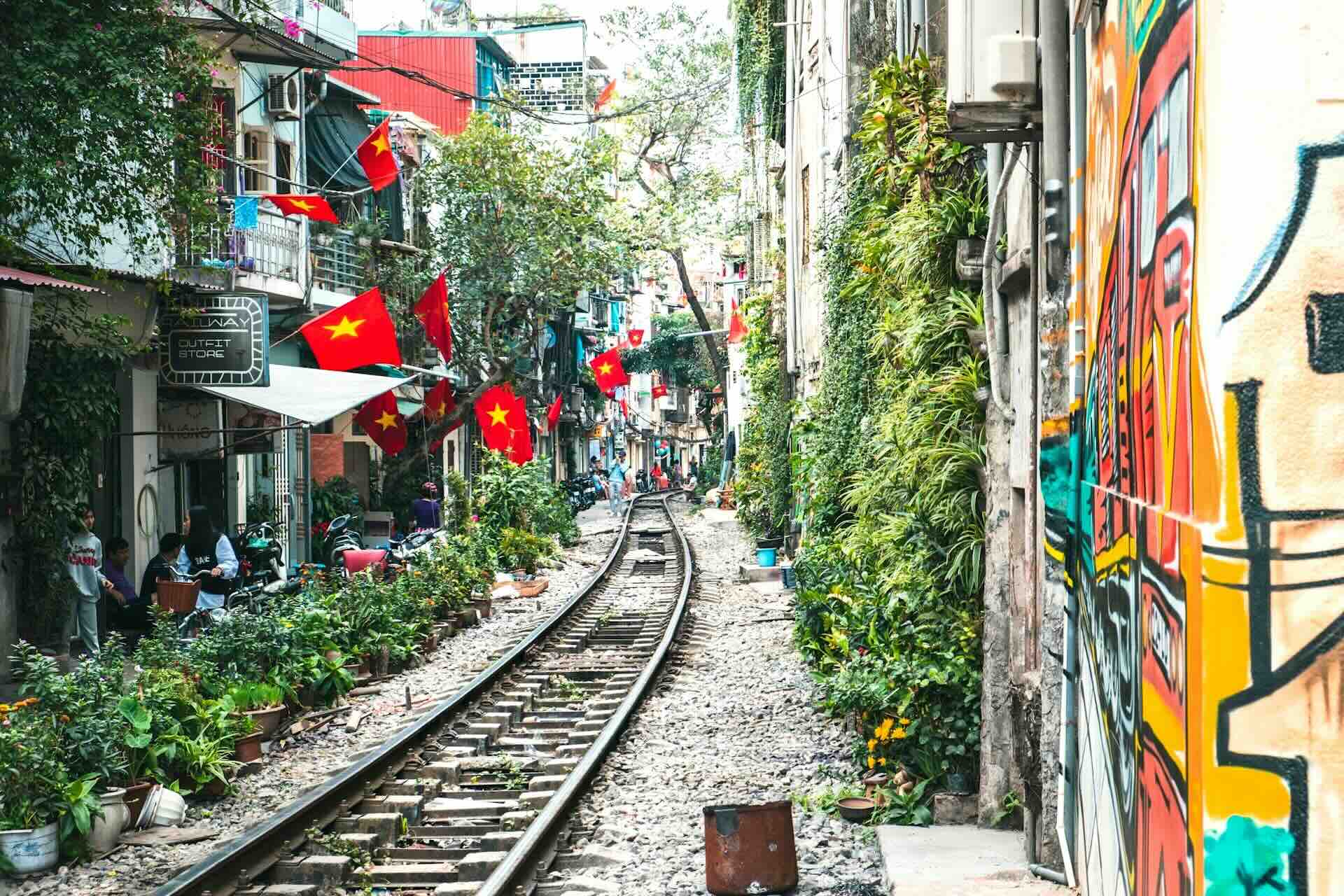
    Why Hanoi Rewards Slow, Curious Travelers

    Hanoi reveals itself best at an unhurried pace, and why Hanoi rewards slow, curious travelers becomes clear as soon as you stop trying to see everything. This is a city where daily life unfolds in layers, shaped by routine, memory, and quiet observation. Hanoi does not perform for visitors. It invites attention, patience, and presence.

    For travelers drawn to culture, food, neighborhoods, and everyday moments, Hanoi offers depth that grows with time. The city feels richer when you linger, listen, and let curiosity guide you.

    A City Built on Continuity

    Hanoi’s character comes from continuity rather than spectacle. Life here follows patterns refined over generations.

    Mornings begin early. Sidewalks fill with movement, conversation, and purpose. Afternoons soften. Evenings gather gently around food and shared space.

    History feels embedded rather than displayed. You sense it in street layouts, courtyards, and rituals that repeat daily.

    This continuity rewards travelers who watch closely. The city explains itself through repetition, not explanation.

    Neighborhoods That Invite Observation

    Hanoi is best understood through its neighborhoods, each offering a distinct rhythm.

    The Old Quarter feels dense and kinetic. Streets specialize in trades and routines. Movement feels purposeful, not chaotic.

    Ba Dinh feels spacious and reflective. Wide streets, trees, and institutions create a calmer tone.

    Tay Ho feels open and residential. Lakeside walks and cafés invite lingering and conversation.

    Moving slowly between these areas reveals how varied and cohesive the city feels. You begin to recognize patterns and preferences.

    Food as a Daily Language

    Food in Hanoi is woven into daily life, not reserved for special occasions. Eating is frequent, casual, and social.

    Meals are simple and focused. Ingredients matter. Preparation reflects habit and care rather than performance.

    Street food plays a central role. Vendors often serve one dish, refined through repetition. Eating becomes an act of trust and familiarity.

    Slow travelers learn when and where to eat by observing locals. Curiosity replaces reservations and lists.

    Cafés as Cultural Anchors

    Cafés in Hanoi offer more than coffee. They provide rhythm and reflection.

    People linger. Conversations stretch. Silence is comfortable.

    Spaces range from street level stools to tucked away rooms above shops. Each offers a different vantage point.

    Returning to the same café creates continuity. Faces become familiar. The city feels less anonymous.

    These pauses help the day breathe. They turn wandering into understanding.

    Sound, Movement, and Stillness

    Hanoi has a distinct soundscape that reveals itself over time.

    Morning brings engines, footsteps, and conversation. Afternoons soften. Evenings hum with shared meals and social life.

    Moments of stillness appear unexpectedly. Courtyards, lakes, and side streets offer quiet contrast.

    Slow travel allows you to notice these shifts. You hear the city change rather than dominate.

    Sound becomes texture rather than noise.

    History That Feels Present

    Hanoi’s history feels present without demanding attention. It exists alongside daily routines.

    Colonial buildings, traditional homes, and modern structures coexist naturally. No era overwhelms another.

    Memorials and historic sites feel integrated rather than isolated. They are part of the city’s fabric.

    Curious travelers learn by proximity. History reveals itself through context and continuity.

    Daily Life as the Main Attraction

    In Hanoi, daily life is the experience. Watching routines becomes as meaningful as visiting landmarks.

    People gather around food, conversation, and shared space. Sidewalks function as living rooms.

    Markets pulse with rhythm and repetition. Parks host quiet movement and reflection.

    Slow travelers find satisfaction in observation. The city rewards attention with understanding.

    A Different Relationship With Time

    Hanoi operates on a flexible sense of time. Schedules adapt to circumstance and connection.

    Meals happen when they happen. Conversations end when they end.

    This fluidity challenges travelers used to efficiency. It also frees them from pressure.

    Time feels generous rather than constrained. Days feel full without being rushed.

    Curiosity as the Best Guide

    Hanoi does not require a complex plan. It responds better to curiosity.

    Follow movement. Pause when something draws attention. Ask simple questions.

    Let routines guide decisions. Eat where locals eat. Walk where life feels active.

    This approach reveals the city’s deeper rhythms.

    Why Hanoi Feels Especially Rewarding Right Now

    Many travelers seek meaning over momentum. Hanoi aligns naturally with that desire.

    It offers culture without spectacle, food without performance, and connection without urgency.

    The city asks for presence rather than consumption. In return, it offers perspective.

    This exchange feels increasingly valuable.

    How to Experience Hanoi Slowly

    Choose one neighborhood as a base. Explore outward gradually.

    Balance walking with sitting. Observe more than you photograph.

    Return to places you enjoy. Repetition builds familiarity.

    Allow days to unfold. Trust that the city will provide enough.

    Why the Experience Lasts

    Travelers often remember Hanoi not for a list of sights, but for how it felt to be there.

    The warmth of routine. The comfort of familiarity. The satisfaction of understanding without explanation.

    Why Hanoi rewards slow, curious travelers comes down to one truth. The city reveals its character to those willing to wait.

    Plan a trip to Hanoi today.

  • What It’s Like to Wander Through Prague Without a Plan

    What It’s Like to Wander Through Prague Without a Plan

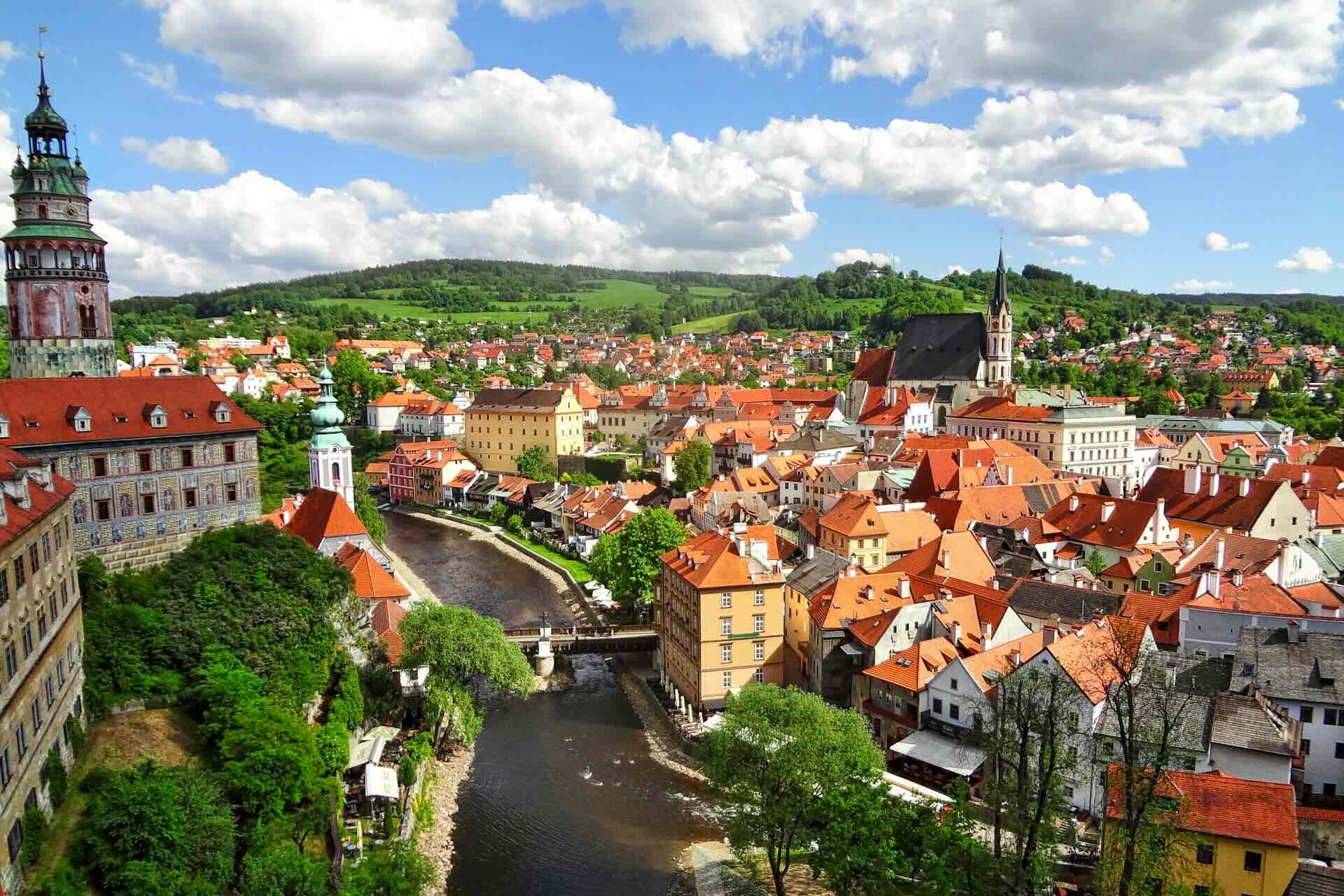
    Prague invites a different kind of travel, and what it’s like to wander through Prague without a plan quickly becomes one of the city’s greatest strengths. This is a place where structure matters less than curiosity. Streets curve unexpectedly, views open suddenly, and history appears without warning. You do not need an itinerary to experience Prague. You need time, attention, and a willingness to follow where the city leads.

    For travelers who enjoy atmosphere, culture, and discovery, Prague rewards unstructured exploration more than careful scheduling. The city feels designed for wandering, not optimizing.

    A City That Encourages Getting Lost

    Prague’s layout naturally resists rigid planning. Medieval streets twist and narrow. Neighborhoods blend into one another. Landmarks appear, disappear, and reappear from different angles.

    Maps help, but they are rarely necessary. The city is compact and walkable. Crossing bridges, climbing small hills, and moving between districts feels intuitive rather than confusing.

    Getting lost in Prague rarely feels stressful. Streets are lively but not overwhelming. There is always somewhere to pause, sit, or recalibrate. Wandering feels safe, calm, and engaging.

    This freedom allows you to experience the city at eye level, not through a checklist.

    First Impressions That Keep Changing

    Prague reveals itself gradually. Your first impression might center on historic architecture and postcard views. As you keep walking, the tone shifts.

    Grand buildings give way to quieter streets. Tourist corridors open into residential areas. The city becomes less performative and more personal.

    Without a plan, you notice details more closely. Doorways, courtyards, small cafés, and unexpected viewpoints become moments rather than stops.

    Each turn slightly redefines how the city feels. Prague does not offer a single mood. It offers layers.

    Neighborhoods That Reward Curiosity

    Wandering through Prague naturally leads you across neighborhoods, each with a distinct energy.

    Old Town feels dense and historic. Even here, stepping a block away from main squares reveals quieter streets and local routines.

    Lesser Town feels intimate and atmospheric. Slopes, stairways, and tucked away gardens create moments of calm amid history.

    Vinohrady and Žižkov feel residential and lived in. Cafés serve locals. Streets feel relaxed. Life unfolds at a slower pace.

    Letná offers space and perspective. Parks and viewpoints encourage lingering and reflection.

    Moving between these areas without an agenda reveals how varied and cohesive Prague truly is.

    Architecture as a Constant Companion

    Architecture defines the wandering experience in Prague. Styles overlap naturally, telling stories through proximity rather than explanation.

    Gothic, baroque, and art nouveau buildings coexist without hierarchy. You are not directed from one era to another. You encounter them simultaneously.

    Buildings feel close and human scaled. You look up often, not because something demands attention, but because beauty feels woven into daily surroundings.

    Without a plan, architecture becomes part of the walk rather than the destination.

    Cafés as Anchors, Not Stops

    Cafés play an important role when wandering without direction. They offer pause, warmth, and orientation without pressure.

    You might sit briefly or stay longer. You might return to the same place more than once, simply because it feels right.

    Cafés in Prague often feel timeless. Interiors are comfortable rather than trendy. Conversations linger. Time stretches naturally.

    These pauses shape the day. They help wandering feel intentional rather than aimless.

    Food That Fits the Rhythm of Exploration

    Eating without a plan in Prague works surprisingly well. The city offers many options that fit naturally into wandering days.

    Meals feel hearty and grounding. Food restores energy rather than interrupting movement.

    You eat when hunger appears, not when schedules dictate. This flexibility keeps the day fluid.

    Food becomes part of the rhythm rather than a focal point.

    Sound, Stillness, and Atmosphere

    Prague’s atmosphere shifts subtly throughout the day. Mornings feel calm and reflective. Afternoons feel social and observant. Evenings feel warm and inviting.

    Street sounds remain present but rarely overwhelming. Conversations, footsteps, and distant music create texture without noise.

    Moments of stillness appear often. Courtyards, side streets, and river paths provide quiet contrast to busier areas.

    Wandering allows you to experience these shifts organically rather than forcing them into time slots.

    Crossing the City Through Its Bridges

    Bridges in Prague are more than crossings. They are transitions between moods.

    Crossing the river changes perspective. Views widen. The city feels larger, then closer again.

    Bridges invite lingering. You stop, look, and reflect without intention.

    They help orient you emotionally rather than geographically.

    A Different Relationship With Time

    Without a plan, time in Prague feels generous. Hours pass without urgency. Days feel full without being exhausting.

    You stop measuring productivity, counting sights and focus on presence.

    This shift often becomes the most memorable part of the trip. Prague encourages slowing down without boredom.

    Time feels spent, not used.

    Why Wandering Works Especially Well in Prague

    Some cities demand planning to avoid frustration. Prague does the opposite.

    The city’s scale, safety, beauty, and cohesion make unstructured exploration rewarding.

    You rarely feel you are missing something. You feel you are discovering something.

    This creates confidence. You trust your instincts. You follow interest rather than obligation.

    Letting the City Lead the Experience

    Wandering without a plan changes how you engage with a place. You notice patterns instead of highlights, recognize streets and develop preferences. You build familiarity.

    Prague responds well to this approach. It reveals character through repetition and observation.

    The city becomes less about where you go and more about how you feel moving through it.

    Why This Experience Stays With You

    Many travelers remember Prague not for specific sights, but for how it felt to be there.

    The sense of ease. The beauty without effort. The discovery without pressure.

    Wandering through Prague without a plan creates memories rooted in atmosphere rather than accomplishment.

    That feeling stays long after details fade.

    How to Embrace Unplanned Travel in Prague

    Start walking with no destination. Cross the river without reason. Turn when something catches your attention.

    Sit often. Observe quietly. Let curiosity guide movement.

    Resist the urge to optimize. Allow repetition. Trust that the city will offer enough.

    Prague rewards openness more than efficiency.

    Why Prague Feels Made for Wandering

    What it’s like to wander through Prague without a plan comes down to one truth. The city supports exploration without demanding structure.

    It offers beauty, safety, culture, and calm in equal measure.

    You do not need to chase experiences here. They meet you where you are.

    That balance is what makes Prague unforgettable.

    Plan a trip to Prague today.

  • Why Medellín Is One of South America’s Most Surprising Cities

    Why Medellín Is One of South America’s Most Surprising Cities

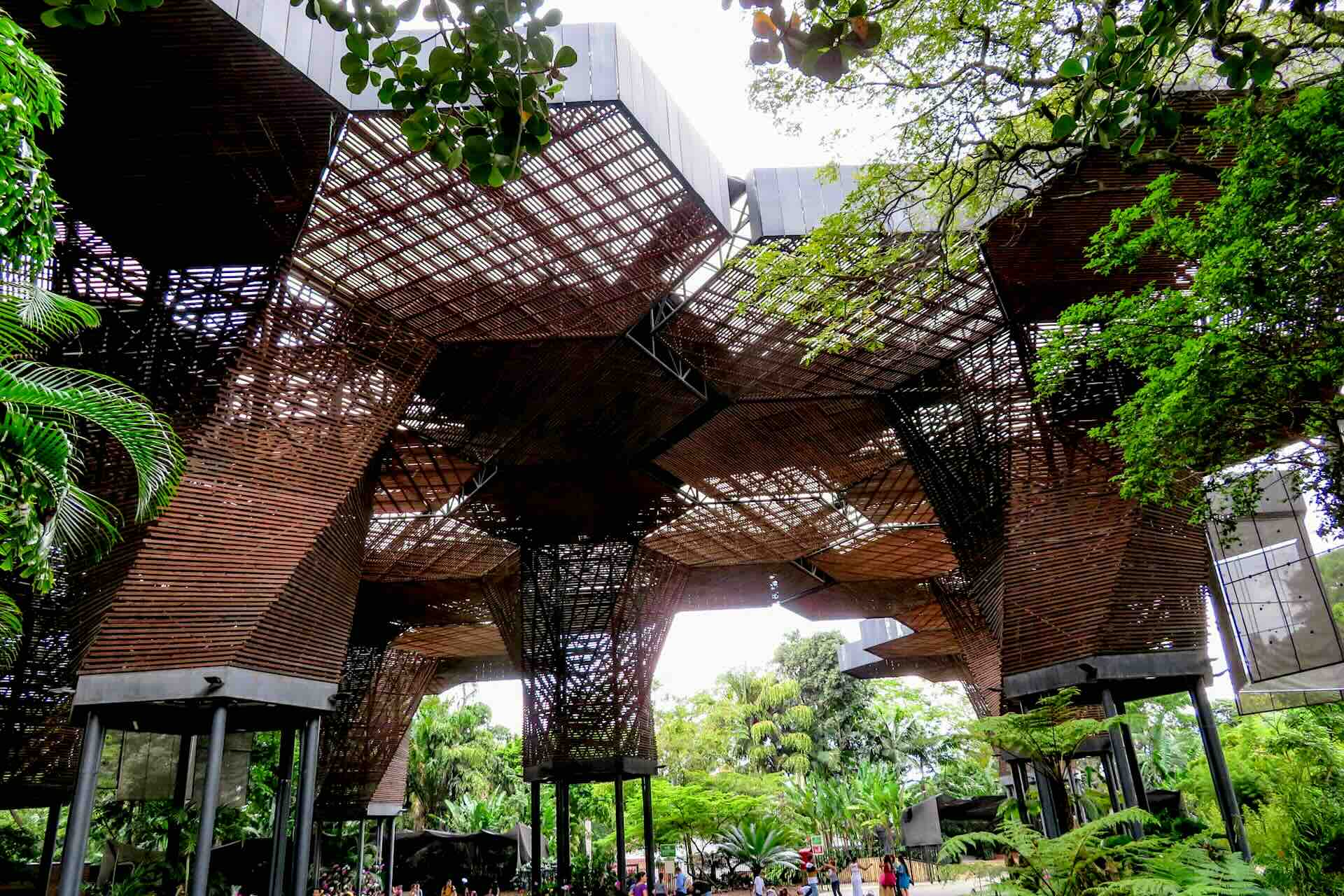
    Medellín has quietly transformed its global reputation, and why Medellín is one of South America’s most surprising cities becomes clear the moment you experience it firsthand. This is a city that defies outdated assumptions and replaces them with innovation, warmth, and a strong sense of forward momentum. Medellín feels confident without being flashy, welcoming without trying too hard, and deeply rooted in community.

    For travelers who value culture, food, neighborhoods, and meaningful city experiences, Medellín delivers perspective as much as pleasure. It is a place where change feels visible and optimism feels earned.

    A City Defined by Transformation

    Medellín’s story is central to its identity. The city does not hide its past, but it does not let it define the present.

    Over the last few decades, Medellín invested heavily in education, public space, transportation, and social infrastructure. These changes were designed to connect people rather than separate them.

    You see this transformation everywhere. Neighborhoods once isolated by geography are now linked through thoughtful urban planning. Public spaces feel purposeful and inclusive.

    This visible progress gives the city a sense of momentum. Medellín feels like a place still becoming itself, and that energy is contagious.

    Neighborhoods That Shape the Experience

    Medellín is a city of neighborhoods, each offering a different perspective on daily life.

    El Poblado feels modern and social. Cafés, restaurants, and parks make it a comfortable base for visitors while still reflecting local rhythms.

    Laureles feels residential and relaxed. Tree lined streets, local eateries, and a slower pace reveal how many residents actually live day to day.

    The hillside neighborhoods tell a powerful story of connection and resilience. Improved access and investment have brought cultural spaces, views, and community pride into focus.

    Exploring different areas helps you understand Medellín as a city built on inclusion rather than division.

    Climate That Shapes Daily Life

    Medellín’s nickname, the city of eternal spring, reflects more than weather. The climate shapes how people use space and time.

    Days feel balanced. Outdoor life feels natural. Parks, terraces, and open air cafés are used year round.

    This consistency encourages routine and social interaction. People gather easily. Conversations happen outside. Life feels less compressed.

    For visitors, this climate removes friction. You spend less time planning around weather and more time enjoying the city.

    Culture That Feels Lived In

    Culture in Medellín does not feel curated for visitors. It feels integrated into daily life.

    Art appears in public spaces, libraries, and community centers. Music, dance, and storytelling remain important forms of expression.

    Local pride is strong, but it is paired with openness. Residents are often eager to share their city’s story, not as a performance, but as lived experience.

    This authenticity creates meaningful connection. You feel welcomed into a place that values progress and memory equally.

    Food That Reflects Comfort and Creativity

    Medellín’s food culture balances tradition and adaptation. Meals feel comforting, familiar, and social.

    Local dishes emphasize simplicity and nourishment. Ingredients feel accessible rather than ornate.

    At the same time, the city’s dining scene continues to evolve. New interpretations appear alongside traditional cooking, often influenced by regional ingredients and global ideas.

    Eating in Medellín feels relaxed. Meals are about connection rather than ceremony. Food supports daily life instead of dominating it.

    Innovation and Urban Design

    One of Medellín’s most surprising qualities is how intentionally it approaches innovation.

    Public transportation, libraries, parks, and cultural centers are designed to serve communities rather than impress visitors.

    Design choices prioritize access, dignity, and function. Beauty emerges from usefulness rather than excess.

    This approach shapes how the city feels. Movement feels intuitive. Public space feels shared.

    Visitors often notice how human the city feels, even as it embraces modern solutions.

    A Strong Sense of Community

    Community is central to Medellín’s identity. Social connection feels genuine and visible.

    People greet each other warmly. Conversations start easily. Hospitality feels natural rather than transactional.

    Public events and shared spaces reinforce belonging. The city encourages participation rather than observation.

    For travelers, this sense of community makes Medellín feel approachable and emotionally engaging.

    Music, Movement, and Expression

    Music and movement play an important role in Medellín’s cultural life. Expression feels energetic and grounded.

    You encounter sound in everyday settings, from casual gatherings to organized events. Dance and rhythm feel like extensions of social life.

    This expressive culture adds texture to daily routines. It reinforces joy without spectacle.

    The city feels alive without feeling overwhelming.

    A Different Kind of Urban Energy

    Medellín’s energy is not frantic. It is optimistic.

    People take pride in progress and possibility. There is a shared belief in improvement and participation.

    This mindset shapes how the city feels to visitors. You sense intention rather than chaos.

    Medellín feels like a place where people care about where they live and where it is going.

    Why Medellín Surprises Modern Travelers

    Many travelers arrive with limited expectations and leave with expanded perspective.

    Medellín challenges assumptions about safety, development, and urban life in South America.

    It offers cultural richness without intimidation, innovation without coldness, and warmth without spectacle.

    This balance makes it especially appealing to travelers seeking meaningful experiences rather than highlights.

    How to Experience Medellín Thoughtfully

    To experience Medellín fully, allow time to settle in. Choose a neighborhood and explore it deeply before moving on.

    Balance structured activities with wandering and conversation. Spend time in parks and public spaces.

    Listen to residents. Their stories reveal the city’s character more than landmarks alone.

    This approach turns a visit into understanding.

    Why Medellín Leaves a Lasting Impression

    Medellín stays with travelers because it represents possibility. It shows how cities can evolve through intention, inclusion, and care.

    You leave with admiration rather than nostalgia. Inspiration rather than exhaustion.

    Why Medellín is one of South America’s most surprising cities comes down to one thing. It proves that change, when centered on people, can reshape not just a city, but how it feels to experience one.

    Plan a trip to Medellín today.

  • Why Amsterdam Is About More Than Canals and Bikes

    Why Amsterdam Is About More Than Canals and Bikes

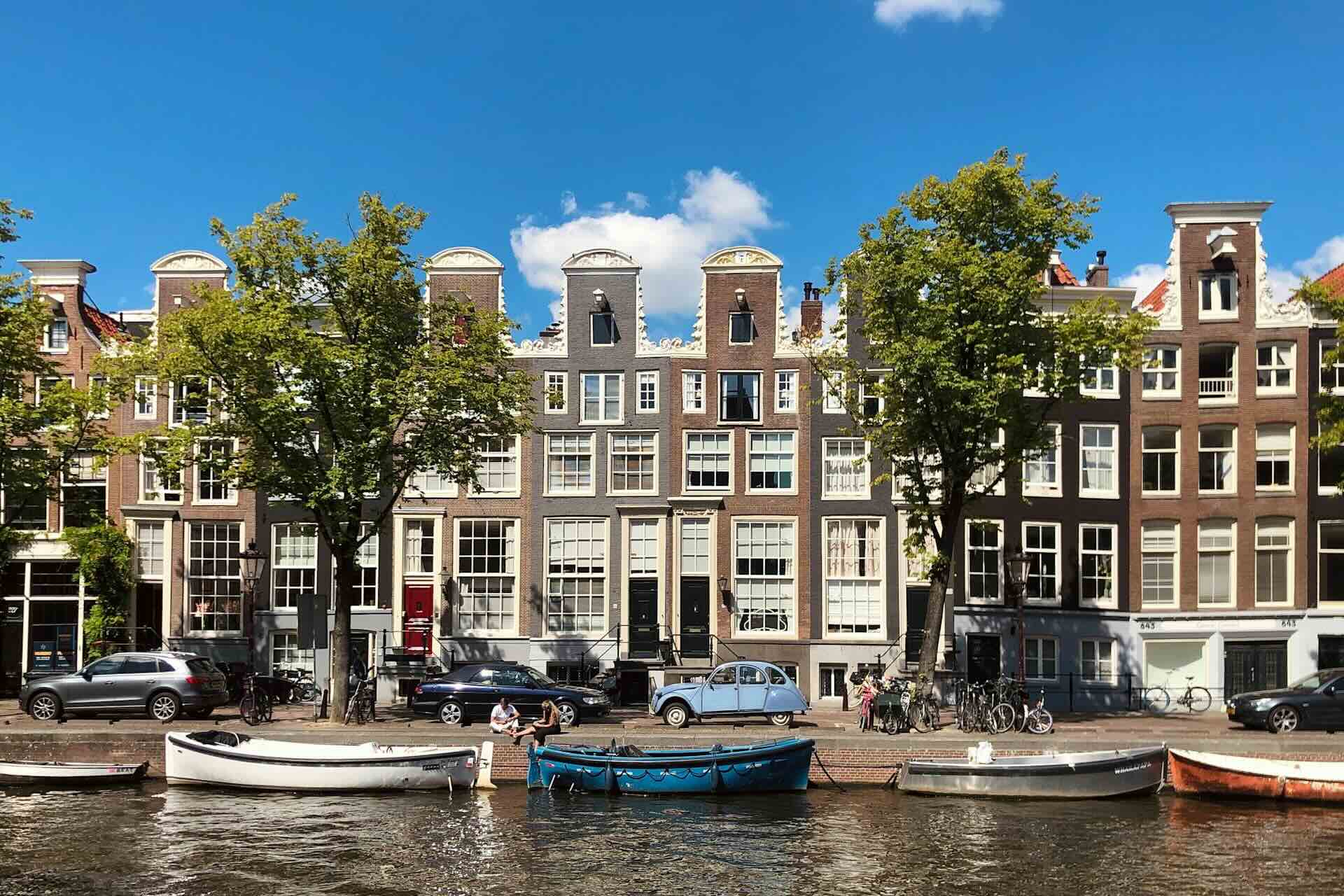
    Amsterdam is often reduced to a postcard image, and why Amsterdam is about more than canals and bikes becomes clear once you move past first impressions. The waterways and cycling culture are real, but they are only the surface of a city shaped by ideas, tolerance, design, and everyday rituals that feel quietly intentional. Amsterdam reveals itself through how people live, not just what they pass by.

    For travelers who value culture, food, neighborhoods, and lived experience, Amsterdam offers depth without drama. It feels approachable, yet layered enough to reward time and attention.

    A City Built on Ideas, Not Just Infrastructure

    Amsterdam’s identity is rooted in values as much as visuals. Openness, pragmatism, and individual freedom shape how the city functions.

    Historically, Amsterdam thrived as a trading city that welcomed different cultures, beliefs, and perspectives. That openness became a defining trait rather than a temporary strategy.

    You still feel this today. Differences are accommodated rather than spotlighted. Daily life feels designed to work for people with varied needs and lifestyles.

    This mindset explains much of what visitors notice, from urban planning to social norms. The city prioritizes coexistence over spectacle.

    Neighborhoods That Define Daily Life

    Amsterdam’s character lives in its neighborhoods. Each area carries a distinct tone that goes beyond scenery.

    The Jordaan feels intimate and lived in. Narrow streets, local cafés, and small shops create a sense of community. It is a place to slow down and observe daily routines.

    De Pijp feels energetic and multicultural. Food from around the world, busy markets, and casual social life give the area constant motion.

    Oud West blends residential calm with creative energy. Independent stores, bakeries, and green spaces make it feel balanced and practical.

    Amsterdam Noord feels experimental and evolving. Creative spaces, waterfront views, and repurposed industrial areas show how the city adapts without erasing its past.

    Spending time across neighborhoods reveals a city built around living well rather than impressing visitors.

    Food Culture Beyond Expectations

    Amsterdam’s food scene often surprises travelers who expect simplicity. While traditional dishes remain important, the city’s culinary identity reflects global influence and thoughtful execution.

    Local cafés focus on quality and consistency. Coffee culture emphasizes care and atmosphere rather than speed.

    Markets play a central role. They bring together food, conversation, and community. Walking through them offers insight into daily preferences and habits.

    Restaurants range widely in style and price, but many share an emphasis on seasonal ingredients and balance. Meals feel intentional without feeling precious.

    Food in Amsterdam supports daily life. It complements routines rather than dominating schedules.

    Design as a Way of Thinking

    Design in Amsterdam is not limited to museums or galleries. It shapes everyday experiences.

    Buildings balance form and function. Interiors feel calm and purposeful. Public spaces prioritize usability and comfort.

    This approach reflects a broader cultural value placed on practicality and restraint. Beauty emerges from usefulness rather than excess.

    Design choices support how people move, gather, and rest. You notice how naturally spaces work together.

    Spending time in the city helps you understand design as mindset rather than aesthetic.

    Culture That Feels Integrated, Not Staged

    Amsterdam’s cultural offerings feel integrated into daily life. Museums and institutions are important, but culture also exists outside formal settings.

    Art appears in public spaces, small galleries, and unexpected corners. Creativity feels accessible rather than elevated.

    Music, film, and performance often happen in intimate venues. Experiences feel personal and participatory.

    Cultural engagement does not require planning or expertise. Curiosity is enough.

    This integration makes culture feel lived rather than displayed.

    A Different Relationship With Time

    Amsterdam operates with a steady, balanced pace. The city does not rush, but it also does not linger aimlessly.

    Work and leisure coexist clearly. People make time for rest, social connection, and personal interests.

    Evenings feel relaxed. Meals are enjoyed without pressure. Conversations take precedence over schedules.

    This rhythm shapes how visitors experience the city. You feel encouraged to slow down without disengaging.

    Time feels well spent rather than filled.

    Social Norms That Shape the Experience

    Amsterdam’s social culture values directness, respect, and independence. People communicate clearly and expect personal responsibility.

    This honesty can feel refreshing. Interactions are straightforward and grounded.

    At the same time, privacy is respected. Personal space matters. Social engagement happens by choice, not obligation.

    These norms create a sense of ease. You know where you stand, and you are free to move at your own pace.

    Nature and Urban Balance

    Green space plays an important role in Amsterdam. Parks, waterways, and tree lined streets soften the urban environment.

    People use these spaces actively. Picnics, walks, and quiet reflection are common parts of daily life.

    Water shapes movement and mood. It provides calm and continuity throughout the city.

    This balance between nature and urban life contributes to Amsterdam’s livability.

    Why Amsterdam Feels Familiar Yet Distinct

    Many travelers feel comfortable in Amsterdam quickly. The city is navigable, friendly, and intuitive.

    Yet it also feels different. Values around openness, design, and balance create subtle contrasts with other cities.

    You recognize patterns, but the tone shifts. That combination makes exploration rewarding without stress.

    Amsterdam does not demand adaptation. It invites understanding.

    Moving Past the Stereotypes

    Canals and bikes are part of Amsterdam’s identity, but they are not its essence.

    Reducing the city to visuals misses its deeper character. The real experience lies in routines, values, and everyday interactions.

    When you move past stereotypes, Amsterdam feels richer and more personal.

    You stop collecting images and start noticing patterns of life.

    How to Experience Amsterdam More Fully

    To experience Amsterdam beyond the surface, allow time for routine. Return to the same café. Walk the same street at different times of day.

    Explore neighborhoods rather than landmarks alone. Sit and observe. Notice how people use space.

    Balance popular sights with unplanned wandering. Let curiosity guide choices.

    This approach reveals the city’s quieter strengths.

    Why Amsterdam Stays With You

    Amsterdam stays with travelers because it models a way of living that feels intentional and humane.

    It shows how cities can be functional without feeling cold, cultural without feeling performative, and social without feeling forced.

    Why Amsterdam is about more than canals and bikes comes down to this. The city prioritizes how life feels.

    That focus leaves a lasting impression.

    Plan a trip to Amsterdam today.

  • Why Montreal Is One of North America’s Most Underrated Cities

    Why Montreal Is One of North America’s Most Underrated Cities

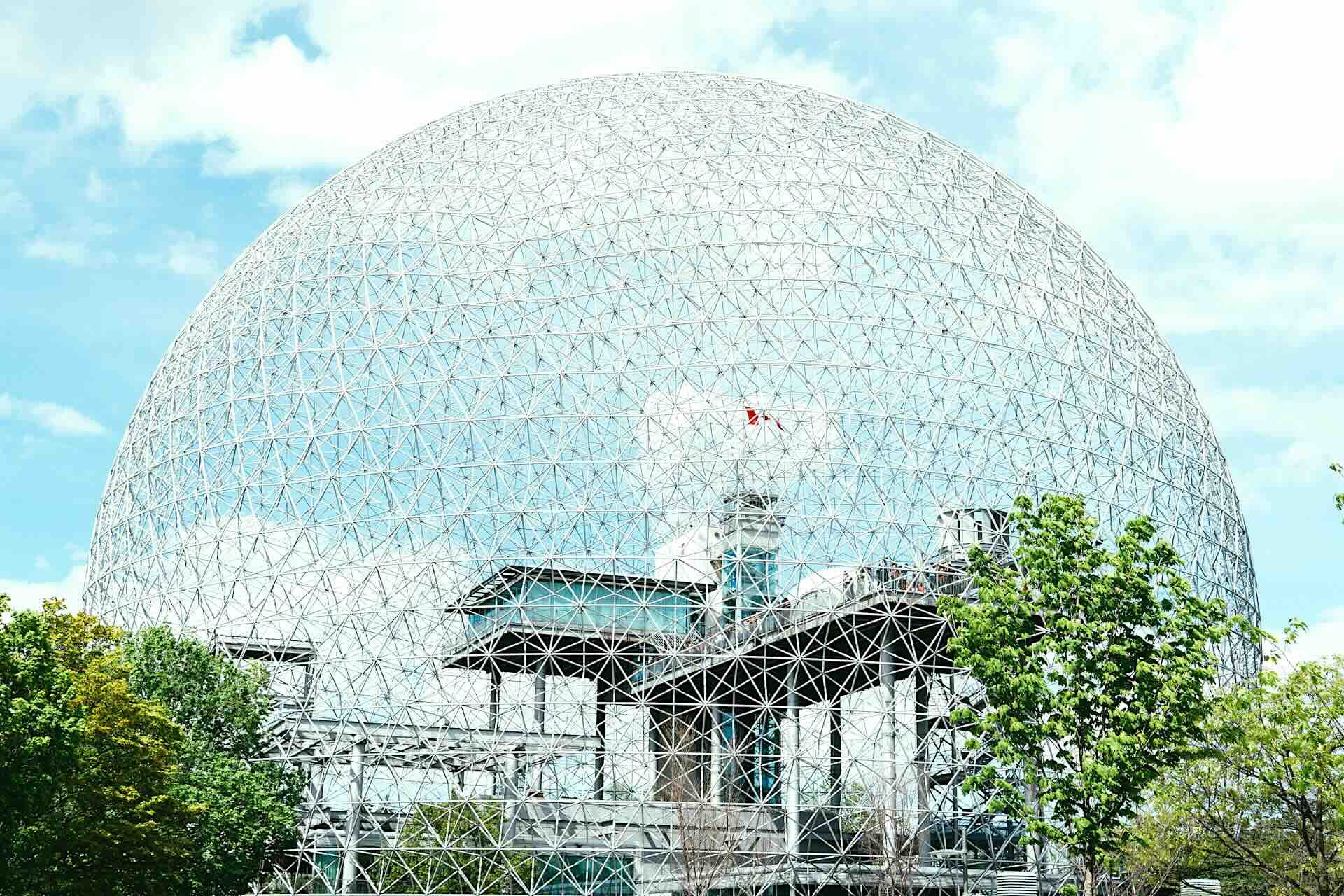
    Montreal often surprises first time visitors, and why Montreal is one of North America’s most underrated cities becomes clear once you spend time there. This is a place where European charm, North American ease, and a strong cultural identity coexist naturally. Montreal does not shout for attention. It reveals itself slowly, through neighborhoods, food, language, and everyday life that feels both familiar and refreshingly different.

    For travelers who enjoy culture, music, food, and walkable cities, Montreal offers depth without pressure. It feels approachable, yet layered enough to reward curiosity.

    A City That Feels European Without Leaving North America

    Montreal carries a European sensibility that sets it apart from most cities on the continent. Historic streets, stone buildings, cafés, and public squares create a sense of place that feels rooted and intentional.

    At the same time, the city remains unmistakably North American. Infrastructure is familiar. Navigation feels easy. Service culture feels relaxed and efficient.

    This blend allows visitors to enjoy a European atmosphere without the logistical friction that sometimes comes with international travel. You settle in quickly, which makes exploration feel natural rather than rushed.

    Language as Cultural Texture

    One of Montreal’s defining features is its bilingual nature. French and English coexist throughout the city, shaping how it sounds and feels.

    You hear French spoken daily, on the street, in shops, and at cafés. Even if you do not speak it, the language adds rhythm and character to everyday interactions.

    At the same time, English is widely understood, which lowers barriers for visitors. This balance creates a sense of immersion without intimidation.

    Language here is not just communication. It is part of the city’s identity and creative energy.

    Neighborhoods That Shape the Experience

    Montreal’s neighborhoods are central to understanding its appeal. Each area carries its own mood, pace, and personality.

    Old Montreal feels historic and atmospheric. Cobblestone streets, waterfront views, and preserved architecture create a strong sense of continuity with the past.

    The Plateau feels artistic and residential. Cafés, bookstores, murals, and tree lined streets invite slow wandering and long conversations.

    Mile End feels creative and understated. It is known for food, music, and independent culture. Daily life here feels expressive and grounded.

    Downtown blends energy and accessibility. Cultural institutions, shopping, and nightlife coexist without overwhelming the city’s rhythm.

    Exploring multiple neighborhoods reveals how varied and cohesive Montreal truly is.

    Food That Reflects Cultural Blending

    Montreal’s food scene reflects its layered identity. French technique, global influences, and local traditions intersect naturally.

    Cafés prioritize quality and atmosphere. Bakeries feel essential rather than ornamental. Meals are meant to be enjoyed rather than rushed.

    The city embraces diversity in its cuisine. You encounter influences from around the world, often adapted through a distinctly Montreal lens.

    Dining feels social and accessible. Great food exists at many price points, and discovery often comes from wandering rather than reservations.

    Food becomes a way to understand how cultures coexist here, not compete.

    Music, Arts, and Creative Confidence

    Montreal has a strong creative identity that feels organic rather than manufactured. Music, art, and performance are part of everyday life.

    Live music venues range from intimate spaces to larger stages, often featuring local talent. Genres blend freely, reflecting the city’s openness.

    Festivals play a role, but creativity does not rely on them. Art appears in neighborhoods, public spaces, and independent venues year round.

    This consistency gives Montreal cultural confidence. Creativity feels supported, not commodified.

    A City Built for Walking and Living

    Montreal feels designed for people rather than cars. Walking is easy and enjoyable. Streets invite lingering rather than rushing.

    Public transportation supports exploration without stress. Neighborhoods connect naturally, encouraging movement across the city.

    Parks and green spaces play an important role. They provide places to gather, rest, and observe daily life.

    This livability shapes how visitors experience time. Days feel balanced rather than packed.

    Seasonal Shifts That Change the City’s Mood

    Montreal transforms with the seasons, and each one brings a different personality.

    Summer feels social and open. Outdoor dining, festivals, and long evenings create a lively atmosphere.

    Fall feels reflective and beautiful. Cooler air and changing colors add intimacy to neighborhoods and parks.

    Winter is bold and unapologetic. Snow reshapes the city. Culture moves indoors, creating cozy, communal spaces.

    Spring feels hopeful and transitional. The city reawakens slowly, with renewed energy.

    These shifts give repeat visits new dimensions.

    Why Montreal Often Gets Overlooked

    Montreal is sometimes overshadowed by larger or louder cities. It does not market itself aggressively or rely on spectacle.

    Its appeal lies in subtlety. Experiences unfold gradually rather than immediately.

    For travelers focused on highlights and checklists, Montreal may seem understated. For those who value atmosphere and daily life, it feels rich and memorable.

    This quiet confidence is why the city remains underrated.

    How Montreal Fits Modern Travel Desires

    Many travelers today seek authenticity, walkability, and cultural depth without exhaustion. Montreal aligns naturally with those priorities.

    You can explore without pressure, experience culture without feeling staged and relax while staying engaged.

    The city invites you to live alongside it rather than pass through it.

    That invitation feels increasingly rare.

    Planning a Thoughtful Trip to Montreal

    A successful trip to Montreal balances structure and openness. Choose a neighborhood to anchor your stay, then explore outward.

    Mix museums and cultural sites with wandering, cafés, and parks. Let meals stretch longer than planned.

    Avoid trying to see everything. Focus on how the city feels day to day.

    This approach reveals Montreal’s true character.

    Why Montreal Leaves a Lasting Impression

    Montreal stays with travelers because it offers contrast without conflict. Familiar comforts coexist with distinct cultural identity.

    You feel welcomed, not overwhelmed. Inspired, not exhausted.

    Why Montreal is one of North America’s most underrated cities comes down to this. It delivers richness quietly, and that makes it unforgettable.

    Plan a trip to Montreal today.

  • Why Buenos Aires Feels Familiar and New at the Same Time

    Why Buenos Aires Feels Familiar and New at the Same Time

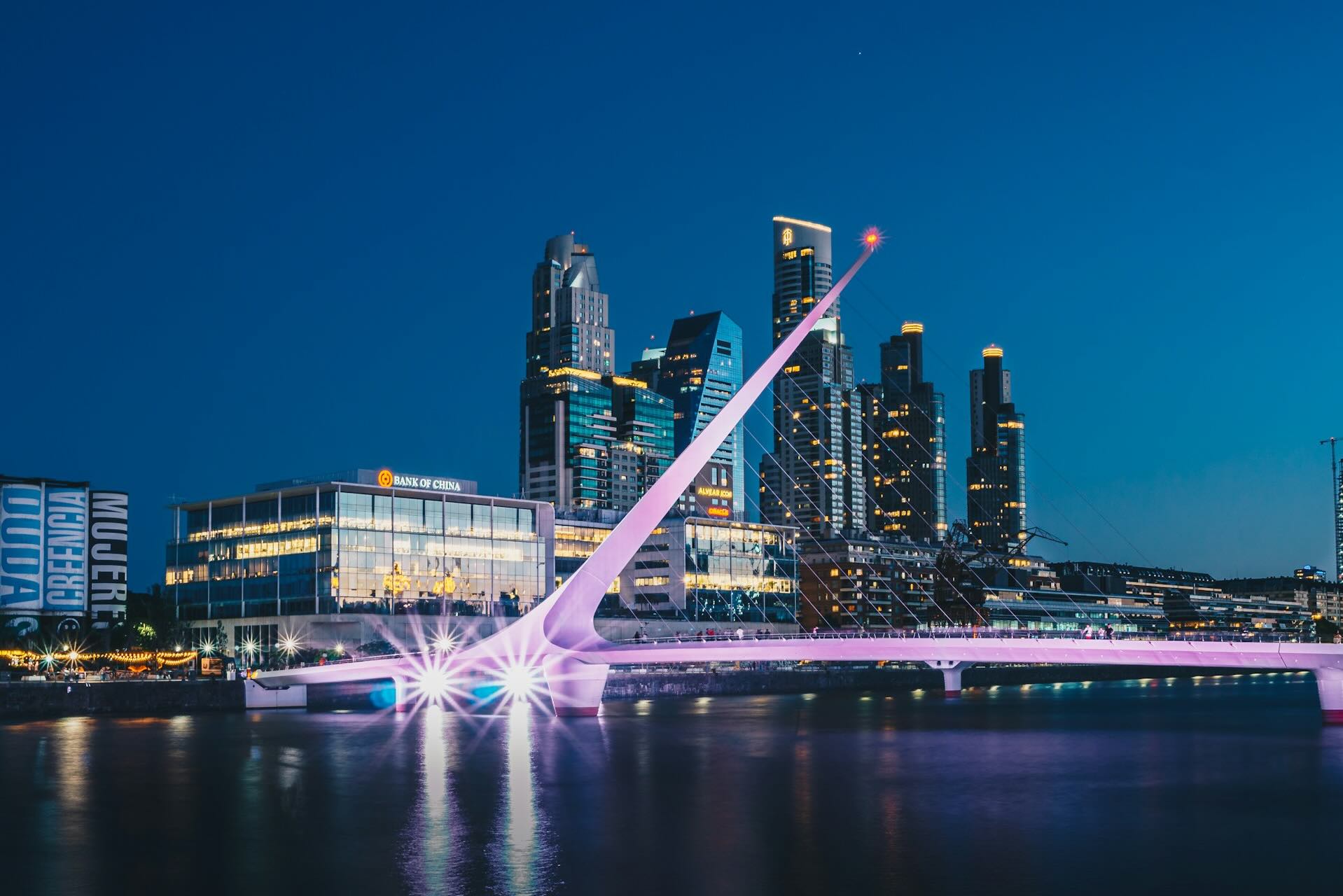
    Buenos Aires has a rare ability to feel instantly recognizable while constantly surprising you, and why Buenos Aires feels familiar and completely new at the same time becomes clear within your first few days. The city carries European influences in its architecture, cafés, and rhythms, yet its energy, emotion, and cultural expression feel unmistakably Latin American. This tension creates a place that is easy to settle into and endlessly engaging to explore.

    For travelers who enjoy culture, food, music, and everyday city life, Buenos Aires offers comfort without predictability. You feel grounded quickly, but never bored.

    A City That Feels European at First Glance

    Many first impressions of Buenos Aires feel familiar to travelers who have spent time in Europe. Wide boulevards, historic buildings, and neighborhood cafés recall cities like Paris, Madrid, or Milan.

    Sidewalk cafés spill onto tree lined streets. Elegant facades frame everyday routines. Public spaces feel designed for walking, talking, and lingering.

    This familiarity helps visitors relax. You intuitively understand how the city works. You know where to sit, how to order coffee, and how to spend an afternoon without a plan.

    Yet this surface familiarity is only the entry point.

    Latin American Energy Beneath the Surface

    As you spend more time in Buenos Aires, its distinct character reveals itself. Conversations grow animated. Emotions feel closer to the surface. Time stretches differently.

    Argentine culture values expression, debate, and connection. People speak passionately, even casually. Opinions are shared openly. Humor, irony, and intensity coexist comfortably.

    This emotional openness contrasts with the more reserved tone of many European cities. It gives Buenos Aires warmth and immediacy that feels fresh and alive.

    Neighborhoods That Shape the Experience

    Buenos Aires is best understood through its neighborhoods. Each one feels like a small city with its own rhythm, values, and aesthetic.

    Palermo feels creative and social. Cafés, bookstores, parks, and restaurants encourage long afternoons and late nights. It often becomes a base for visitors because it balances comfort with energy.

    Recoleta feels refined and historic. Architecture and public spaces reflect tradition and elegance. It offers a quieter pace without feeling distant from city life.

    San Telmo feels atmospheric and expressive. Cobblestone streets, antique shops, and street performances create a sense of layered history and everyday art.

    La Boca feels colorful and intense. Music, movement, and visual expression dominate. It reminds you that Buenos Aires embraces drama and creativity openly.

    Moving between neighborhoods highlights the city’s dual nature. Familiar patterns shift into something distinctly local.

    Food That Feels Comforting and Distinct

    Food in Buenos Aires often feels familiar at first. European influences appear in bakeries, cafés, and dining habits. Pasta, pastries, and espresso culture feel recognizable.

    Then the differences emerge. Portions are generous. Meals stretch longer. Meat plays a central role, prepared with simplicity and pride.

    Parrillas focus on quality rather than variety. Ingredients speak for themselves. Dining feels social, not rushed or transactional.

    Late dinners are normal. Conversations linger. Food becomes a reason to gather rather than just refuel.

    This blend of familiarity and difference makes eating in Buenos Aires deeply satisfying.

    Music, Movement, and Emotional Expression

    Music and movement play a visible role in Buenos Aires life. Tango is the most famous expression, but it is only one part of the city’s emotional language.

    You see music and dance practiced in public spaces, not just on stages. Performances feel participatory rather than polished.

    Live music scenes extend beyond tradition. Rock, electronic, and experimental sounds reflect the city’s evolving identity.

    Expression matters here. People sing, dance, argue, and celebrate with intensity. This openness creates moments that feel raw and memorable.

    A City That Lives Late

    Buenos Aires operates on a schedule that often surprises visitors. Days start slowly and stretch late into the night.

    Afternoons feel unhurried. Evenings begin late. Dinners often start after nine. Social gatherings extend past midnight.

    This rhythm can feel familiar to travelers used to Southern Europe, yet it carries a different emotional tone. Nights feel social and expressive rather than formal.

    Adapting to this schedule helps the city make sense. Once you do, time feels generous rather than constrained.

    Architecture That Tells a Story

    Buenos Aires architecture reflects ambition, influence, and adaptation. European styles appear prominently, but they are shaped by local context and climate.

    Grand buildings sit beside modest homes. Wear and restoration coexist. History feels visible rather than preserved behind barriers.

    This architectural mix reinforces the city’s dual identity. It honors what came before while remaining actively lived in.

    Walking through the city becomes a visual narrative rather than a checklist of landmarks.

    Cultural Confidence Without Pretension

    Buenos Aires carries cultural confidence, but it rarely feels performative. The city does not try to impress visitors with spectacle.

    Culture exists for those who live there first. Visitors are welcomed into it rather than catered to.

    This authenticity allows the city to feel familiar without being generic. You sense that life would continue unchanged if you were not there.

    That honesty makes experiences feel earned and personal.

    Daily Life That Feels Relatable

    Part of why Buenos Aires feels familiar is its emphasis on daily routines. People meet friends regularly. Cafés serve as extensions of home.

    Public spaces are used actively. Parks fill with conversation and activity. Streets feel lived in rather than purely functional.

    These patterns resonate with travelers who value everyday experiences over highlights. You recognize the importance of simple moments.

    At the same time, the emotional intensity and social openness add a layer that feels new.

    Why Buenos Aires Resonates With Modern Travelers

    Buenos Aires appeals to travelers seeking depth without discomfort. It offers cultural richness without forcing constant adjustment.

    You feel comfortable quickly, yet challenged enough to stay engaged. The city invites participation rather than observation.

    This balance feels especially meaningful now, as many travelers look for connection rather than spectacle.

    Buenos Aires delivers that connection naturally.

    How to Experience the City Fully

    To experience Buenos Aires at its best, allow time to settle in. Choose a neighborhood and return to the same places.

    Balance wandering with routine. Sit in cafés. Walk without destinations. Let conversations unfold.

    Avoid trying to see everything. Focus on how the city feels day to day.

    This approach reveals why the city feels both familiar and completely new.

    Why the Feeling Stays With You

    Buenos Aires stays with travelers because it mirrors something recognizable while expanding it. You see parts of places you know, filtered through a different emotional lens.

    The city does not ask you to reinvent yourself. It invites you to engage more fully.

    That combination creates memories that feel personal and lasting.

    Why Buenos Aires feels familiar and completely new at the same time comes down to one truth. It welcomes you in, then gently challenges you to see differently.

    Plan a trip to Buenos Aires today.

  • What Makes Berlin One of the Most Creative Cities in Europe

    What Makes Berlin One of the Most Creative Cities in Europe

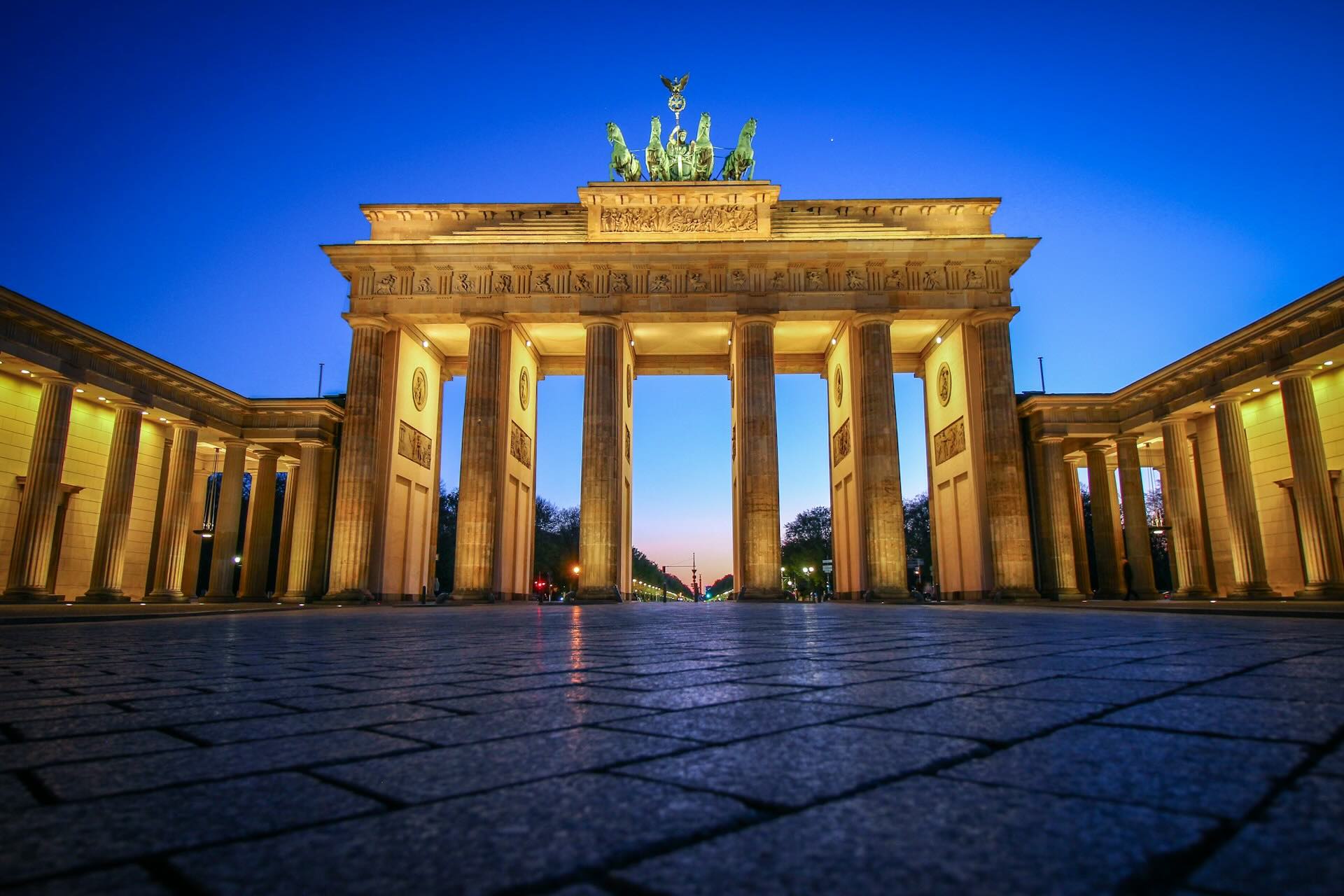
    Berlin has long attracted artists, musicians, designers, and independent thinkers, and what makes Berlin one of the most creative cities in Europe becomes clear once you spend real time there. This is a city that treats creativity as a way of living rather than a polished output. Ideas are tested in public. Culture evolves in real time. Nothing feels overly finished, and that openness fuels constant reinvention.

    For travelers drawn to art, music, history, and unconventional experiences, Berlin offers depth without pretense. It invites exploration, participation, and curiosity rather than passive consumption.

    A History That Encouraged Experimentation

    Berlin’s creative identity is inseparable from its history. Few European cities have experienced as much disruption, division, and reinvention within such a short time.

    Decades of political change reshaped neighborhoods, economies, and communities. When physical and ideological barriers fell, space opened up. Buildings, streets, and former industrial areas became laboratories for new ideas.

    This period of transition encouraged experimentation. Artists moved into empty spaces. Musicians built scenes from scratch. Designers worked without strict commercial pressure.

    That legacy remains. Berlin still values process over perfection and originality over polish. Creativity here often begins as exploration rather than execution.

    Neighborhoods as Creative Ecosystems

    Berlin’s creativity lives in its neighborhoods. Each area supports different forms of expression, and moving between them reveals the city’s range.

    Kreuzberg feels restless and expressive. Street art, independent venues, and multicultural influences shape daily life. Creativity here feels political, social, and grounded in lived experience.

    Neukölln feels raw and evolving. New ideas emerge alongside long established communities. Cafes double as studios. Bars host readings, performances, and informal exhibitions.

    Prenzlauer Berg reflects a softer, more curated creativity. Design, publishing, and family oriented cultural spaces coexist. It shows how creative energy adapts over time.

    Mitte balances history and contemporary culture. Galleries, museums, and concept spaces create a bridge between Berlin’s past and present.

    Creativity is not isolated to one district. It moves across the city, changing tone and texture as it goes.

    Art That Lives Outside Institutions

    Berlin’s art scene extends far beyond museums and galleries. Art appears on walls, sidewalks, abandoned buildings, and temporary spaces.

    Street art is not treated as decoration. It functions as commentary, experimentation, and conversation. Murals change. Installations appear and disappear. Nothing feels fixed.

    Independent galleries play a major role. Many prioritize emerging artists and unconventional formats. Exhibitions feel approachable and exploratory rather than intimidating.

    Temporary spaces encourage risk. Pop up shows, performances, and collaborative projects allow ideas to surface quickly and evolve publicly.

    This openness keeps art accessible and responsive to the city’s energy.

    Music as an Engine of Creative Life

    Music shapes Berlin’s identity as deeply as visual art. The city’s sound reflects freedom, experimentation, and community.

    Electronic music is the most visible expression, but it is only part of the story. Jazz, classical, punk, indie, and experimental genres all coexist.

    Venues range from formal concert halls to repurposed warehouses. What matters is not prestige, but atmosphere and intention.

    Music here often blurs boundaries between performer and audience. Participation matters. Long nights turn into shared experiences rather than performances to be observed.

    Music contributes to Berlin’s sense of openness. It invites people into collective moments that feel spontaneous and authentic.

    A City That Accepts Imperfection

    Berlin does not prioritize refinement. It accepts rough edges, incomplete projects, and visible process.

    Buildings show wear. Spaces evolve gradually. Nothing feels rushed to completion.

    This acceptance creates room for creativity. Without pressure to appear finished, ideas have time to develop.

    Visitors often notice this immediately. Berlin feels less staged than other European capitals. That honesty makes creative work feel grounded rather than curated.

    Imperfection here is not failure. It is part of the aesthetic and the mindset.

    Daily Life as Creative Expression

    Creativity in Berlin is not confined to art or music. It shapes daily routines and social norms.

    People dress with individuality rather than trend driven uniformity. Style feels personal and expressive.

    Cafes and public spaces function as informal workspaces. Conversations blend personal life, creative work, and political thought.

    Time feels flexible. Long afternoons turn into long evenings. Schedules adapt to ideas rather than controlling them.

    This integration of creativity into daily life gives Berlin a distinct rhythm.

    Cultural Freedom and Personal Expression

    Berlin has built a reputation for openness and personal freedom, and this environment fuels creativity.

    People feel encouraged to experiment with identity, ideas, and forms of expression. Judgment feels minimal. Exploration feels supported.

    This freedom attracts people from around the world. Berlin becomes a meeting point for diverse perspectives, which strengthens creative exchange.

    The city does not demand conformity. It values authenticity, even when it is messy or unresolved.

    That openness remains one of Berlin’s strongest creative assets.

    The Role of History in Modern Creativity

    Berlin does not separate creativity from memory. The city’s past remains visible and influential.

    Historic sites, preserved spaces, and memorials coexist with modern cultural projects. This proximity shapes how artists and creators engage with themes like identity, conflict, and change.

    Creative work often responds directly to history rather than avoiding it. This gives Berlin’s cultural output emotional depth and intellectual weight.

    The city encourages reflection alongside innovation.

    Why Berlin Attracts Creative Travelers

    Travelers drawn to Berlin often seek more than sightseeing. They want to feel part of a living cultural environment.

    Berlin rewards curiosity. Wandering leads to unexpected discoveries. Conversations turn into invitations. Even ordinary moments feel layered.

    The city does not present a single narrative. It invites visitors to build their own experience.

    This flexibility appeals to travelers who value originality over predictability.

    How to Experience Berlin Creatively

    To experience Berlin’s creative spirit, avoid rigid itineraries. Choose a few anchors, then leave space for exploration.

    Walk through neighborhoods. Follow sound, color, and movement. Spend time sitting and observing.

    Balance museums with street level experiences. Let curiosity guide decisions.

    Berlin reveals itself gradually. The less you control, the more you experience.

    Why Berlin’s Creativity Endures

    What makes Berlin one of the most creative cities in Europe is not trendiness or reputation. It is mindset.

    The city values experimentation, freedom, and participation. It allows ideas to breathe and evolve.

    Creativity here is not packaged for visitors. It exists for those willing to engage.

    Berlin continues to change, but its commitment to creative life remains constant.

    That commitment is what keeps the city relevant, inspiring, and impossible to replicate.

    Plan a trip to Berlin today.

  • Why Liverpool Still Feels Defined by Music

    Why Liverpool Still Feels Defined by Music

    Liverpool’s identity has always been intertwined with sound, and why Liverpool still feels defined by music becomes clear the longer you spend in the city. Music here is not treated as nostalgia or branding. It remains part of daily life, shaping how people gather, express themselves, and understand where they come from. Even as Liverpool continues to evolve, music remains its emotional backbone.

    For travelers who care about culture, creativity, and lived experience, Liverpool offers something rare. It is a city where music is not just remembered. It is practiced, discussed, argued about, and passed forward.

    A City Where Music Shaped Identity

    Liverpool’s relationship with music goes beyond fame or legacy. Music helped shape the city’s sense of self during periods of change, hardship, and reinvention.

    As a historic port city, Liverpool absorbed influences from around the world. Sailors brought records, rhythms, and stories that filtered into local communities. These sounds mixed with local voices and working class experiences, creating something distinct.

    Music became a form of expression and escape. It reflected ambition, frustration, humor, and pride. Over time, it became inseparable from how Liverpool presented itself to the world and to itself.

    This foundation still matters. You feel it in conversations, attitudes, and the city’s creative confidence.

    The Beatles and the Shadow They Cast

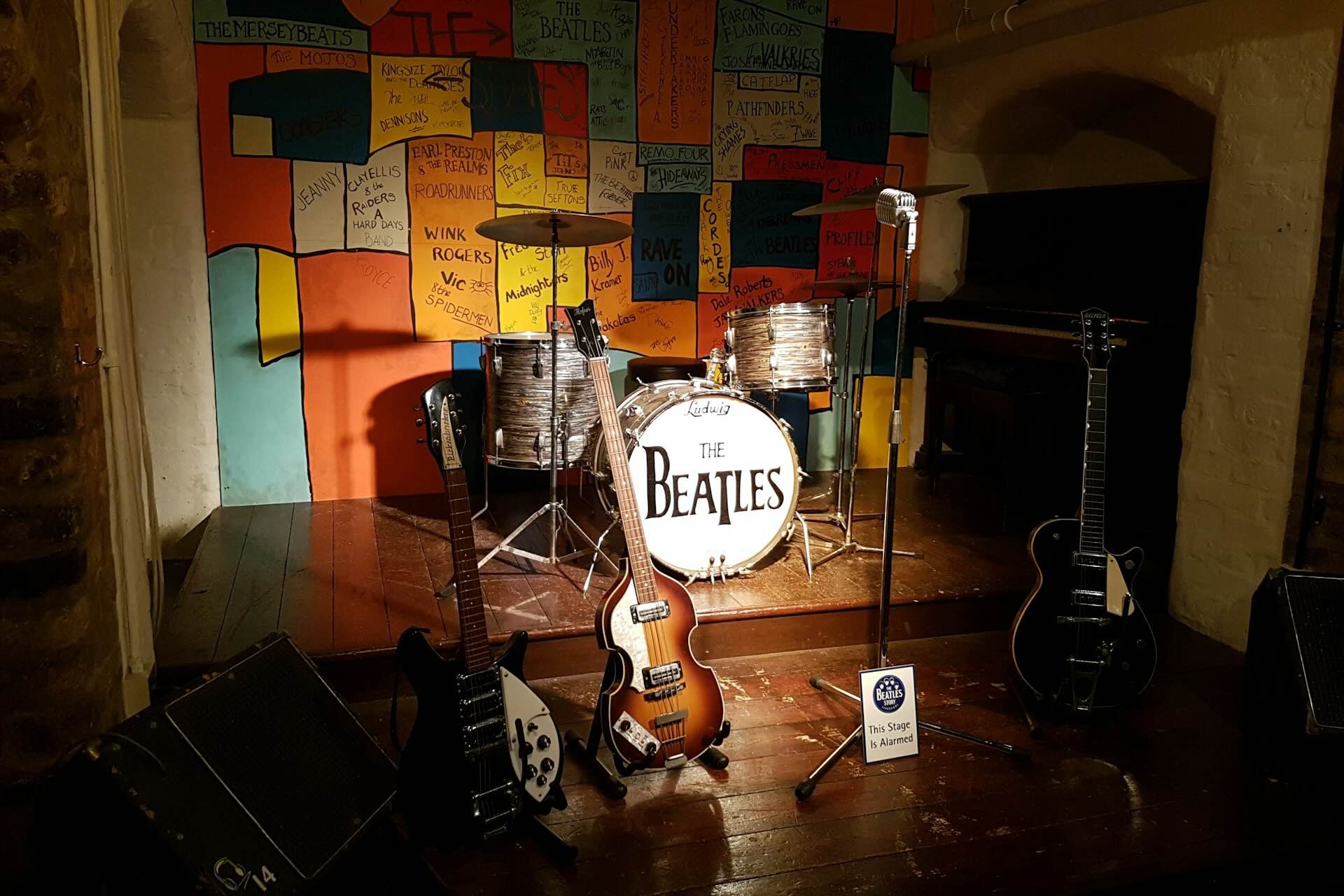
    The Beatles are impossible to separate from Liverpool, but what defines the city is how it has moved beyond them without forgetting them.

    Their story is embedded into streets, venues, and collective memory. You encounter it naturally, without feeling overwhelmed by commercialization if you look beyond the obvious stops.

    What stands out is how locals talk about The Beatles. There is pride, but also realism. They are seen as part of a much larger musical continuum rather than an isolated phenomenon.

    Liverpool does not freeze itself in one era. It treats its most famous band as a starting point, not a conclusion.

    Live Music as Part of Everyday Life

    Music in Liverpool is not reserved for major venues or events. It is woven into daily routines.

    Pubs host live performances without fanfare. Small venues showcase emerging artists alongside seasoned performers. Open mic nights feel communal rather than competitive.

    You do not need a plan to experience live music. You hear it while walking, dining, or exploring neighborhoods. The city feels tuned, as if music is always nearby, waiting to surface.

    This accessibility matters. It keeps music grounded and participatory rather than distant or exclusive.

    A City That Still Produces New Sounds

    Liverpool’s music scene is not defined by the past. It continues to produce new artists, genres, and movements.

    Local musicians draw from rock, electronic, hip hop, indie, and experimental traditions. They blend global influences with regional character, creating sounds that feel both familiar and new.

    Creative communities support each other. Venues, promoters, and audiences remain open to experimentation. Failure is tolerated. Growth is encouraged.

    This environment keeps the scene alive. Music feels like a living conversation rather than a museum exhibit.

    Neighborhoods Where Music Lives

    Different parts of Liverpool carry different musical energies, and exploring them reveals how deeply music is embedded in the city.

    The city center offers access to historic venues and contemporary stages. Music feels visible and integrated into nightlife.

    Areas like the Baltic Triangle reflect Liverpool’s creative reinvention. Former industrial spaces now house studios, performance spaces, and collaborative hubs.

    Residential neighborhoods reveal music at a more personal scale. You hear rehearsals, community events, and informal gatherings that show how music remains part of home life.

    Music does not belong to one district. It moves freely, just like the people who create it.

    Lyrics, Accents, and Local Voice

    Liverpool’s accent and sense of humor shape its music as much as melody or rhythm. Lyrics often reflect wit, honesty, and emotional directness.

    There is little pretense. Songs tend to speak plainly, even when they are poetic. This reflects a broader cultural value placed on authenticity.

    Local voice matters here. Musicians sound like where they are from, and that is seen as strength rather than limitation.

    This commitment to voice gives Liverpool’s music a recognizable character that persists across generations.

    Music as Social Glue

    Music in Liverpool functions as a social connector. It brings people together across age, background, and experience.

    Concerts feel communal rather than transactional. Audiences participate actively, singing along, responding, and engaging.

    Music supports social rituals. Celebrations, commemorations, and gatherings often include live sound as a central element.

    This shared experience reinforces belonging. Music helps people feel connected to place and to each other.

    Education, Mentorship, and Passing It On

    Liverpool invests in music education and mentorship, both formally and informally. This commitment helps sustain the city’s creative output.

    Young musicians learn not only technique, but history and context. They understand where they fit into a larger story.

    Older artists often mentor younger ones, passing on skills and perspective. This continuity strengthens the scene.

    Music is treated as something worth protecting and nurturing, not just exploiting.

    How Music Shapes the Visitor Experience

    For visitors, Liverpool’s musical identity changes how the city feels. It adds texture to everyday moments.

    You notice sound more closely. You listen for accents, melodies, and rhythms as part of your exploration.

    Museums and landmarks provide context, but it is the lived experience that leaves an impression. Hearing a band rehearse or a singer perform casually often feels more meaningful than formal exhibits.

    Music becomes part of how you remember the city.

    Why Liverpool’s Music Identity Endures

    Many cities become defined by trends and then move on. Liverpool remains defined by music because it never treated it as a phase.

    Music here is rooted in community, history, and daily practice. It adapts without losing its core.

    The city understands that identity is not preserved by repetition, but by participation. New voices are welcomed. Old stories are respected.

    This balance keeps Liverpool relevant without chasing relevance.

    Planning a Music Centered Trip to Liverpool

    To experience Liverpool through music, allow flexibility. Choose a few anchor venues or experiences, then leave room for discovery.

    Walk often. Listen closely. Talk to people about what they are hearing and loving right now.

    Spend time in both well known and lesser known areas. Let sound guide you rather than schedules.

    This approach aligns with the city’s musical spirit and reveals why it still feels defined by music.

    Why Music Remains Liverpool’s Heartbeat

    Why Liverpool still feels defined by music comes down to one truth. Music here is not something that happened. It is something that continues.

    It shapes how people express identity, build community, and relate to the world.

    Liverpool does not perform its musical history for visitors. It lives it.

    That authenticity is what makes the city resonate long after you leave.

    Plan a trip to Liverpool today.

  • What Makes New Orleans Feel Unlike Anywhere Else in the US

    What Makes New Orleans Feel Unlike Anywhere Else in the US

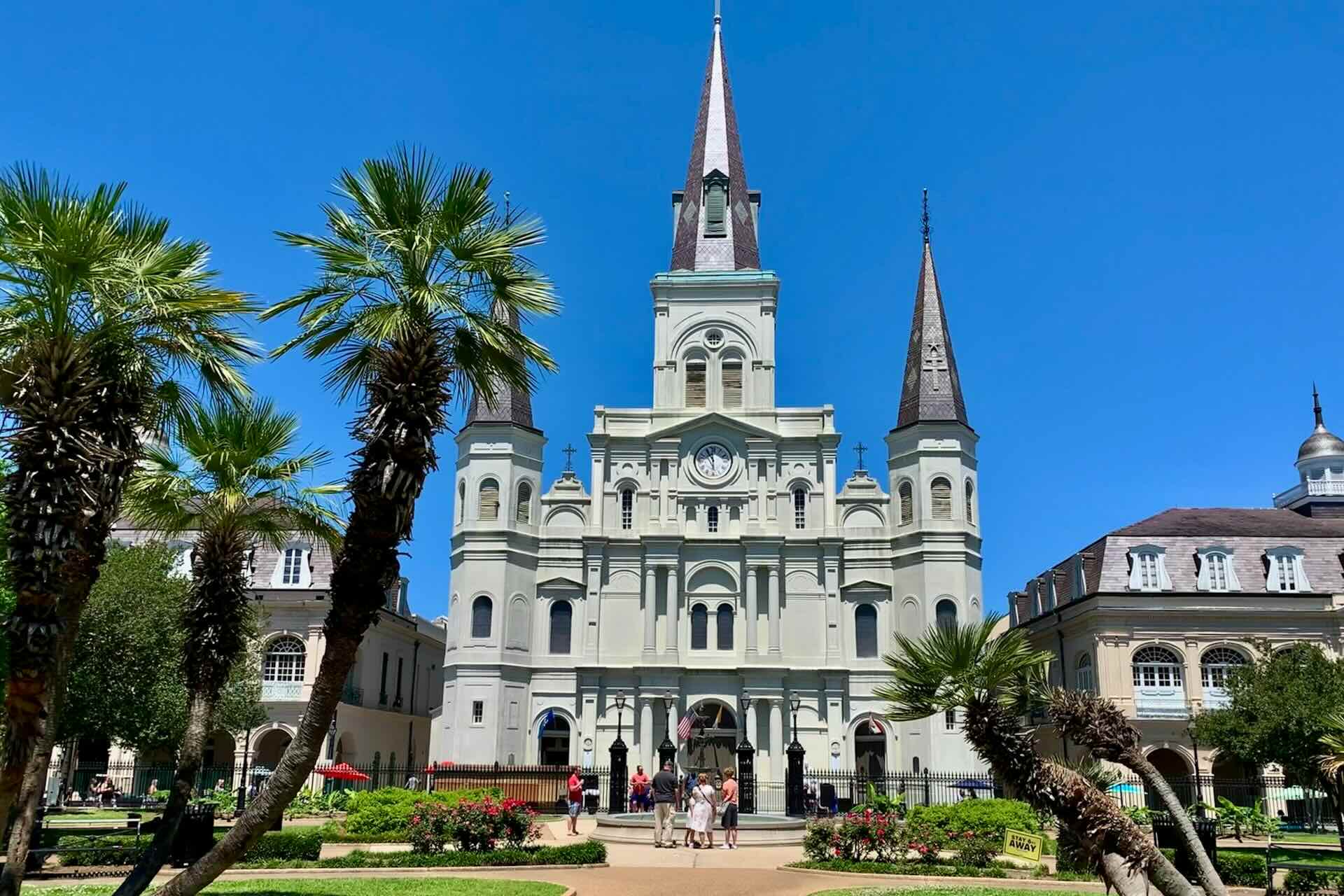
    New Orleans has a way of defying expectations, and what makes New Orleans feel unlike anywhere else in the US becomes clear the moment you arrive. This is not a city that fits neatly into American travel categories. It does not feel fully Southern, fully coastal, or fully urban in the way other US cities do. Instead, New Orleans exists in its own cultural lane, shaped by history, music, food, and a deep sense of place that resists comparison.

    For travelers who value culture over polish and experience over efficiency, New Orleans feels singular. It invites you to slow down, listen closely, and participate rather than observe.

    A City Shaped by Cultural Blending

    New Orleans was built at the crossroads of cultures, and that blending defines everything about it. French, Spanish, African, Caribbean, and American influences are not historical footnotes here. They remain active forces in daily life.

    You see this in architecture, where balconies and courtyards reflect European design adapted to a humid climate. Also, you hear it in language, accents, and expressions that feel distinct even within Louisiana.

    You feel it most clearly in how traditions are preserved and practiced. Culture in New Orleans is not curated for visitors. It is lived openly, passed down through families, neighborhoods, and rituals that continue regardless of who is watching.

    Music as a Living Presence

    Music is not entertainment in New Orleans. It is infrastructure. It shapes how people gather, celebrate, and mourn.

    Jazz is the most famous sound, but it is only one part of a much broader musical ecosystem. Brass bands, blues, funk, soul, and bounce music spill into streets, clubs, and neighborhood gatherings.

    Live music is accessible and frequent. You do not need tickets or formal venues to experience it. You might hear a band practicing behind a bar, playing at a street corner, or leading a parade through a neighborhood.

    Music connects people here. It turns public space into shared experience. That constant presence of sound gives the city a pulse that never fully quiets.

    Food That Tells a Story

    Food in New Orleans carries history in every bite. Dishes are tied to place, season, and community rather than trends.

    Creole and Cajun traditions shape the city’s culinary identity, but like the city itself, the food reflects blending and adaptation. Recipes evolved based on available ingredients, cultural exchange, and necessity.

    Meals feel social and expressive. Eating is rarely rushed. Conversations linger. Food is used to mark time, memory, and belonging.

    Markets, neighborhood restaurants, and casual spots often reveal more about the city than upscale dining. The best meals frequently come with stories, not explanations.

    Neighborhoods With Strong Identities

    New Orleans feels like a collection of neighborhoods rather than a single unified city. Each area carries its own rhythm and personality.

    The French Quarter is historic and atmospheric, but it is only one part of the city’s story. Beyond it, neighborhoods feel deeply residential and proudly local.

    The Marigny and Bywater feel artistic and expressive. You notice color, creativity, and a sense of individuality in homes and public spaces.

    Uptown feels shaded and relaxed, with tree lined streets and a slower pace. It offers a glimpse into everyday life beyond tourism.

    Tremé holds deep cultural significance, especially in music and Black history. It is a place where tradition remains central to identity.

    Spending time across neighborhoods helps you understand how layered and localized the city really is.

    A Different Relationship With Time

    New Orleans does not prioritize efficiency. It prioritizes presence.

    Schedules feel flexible. Conversations take precedence over punctuality. Moments unfold rather than progress.

    This relationship with time shapes how visitors experience the city. You learn quickly that rigid plans often fall apart, and that is part of the appeal.

    Parades, second lines, and spontaneous gatherings can interrupt a day. Instead of feeling disruptive, they often become highlights.

    New Orleans encourages you to adapt rather than control. That mindset shift is one reason the city feels transformative for many travelers.

    Celebration and Ritual as Daily Life

    Celebration in New Orleans is not limited to holidays. It is woven into everyday existence.

    Second lines, festivals, and neighborhood gatherings happen regularly. These events are not performances. They are expressions of community.

    Rituals around music, food, and movement connect people across generations. Participation matters more than observation.

    Even difficult moments are marked with ceremony. Funerals become processions. Grief and joy coexist openly.

    This openness around emotion and expression sets New Orleans apart from cities that compartmentalize experience.

    Architecture That Reflects Adaptation

    Buildings in New Orleans tell stories of adaptation. Raised homes, wide porches, courtyards, and shutters respond to climate and history.

    Nothing feels overly uniform. Wear, repair, and reinvention are visible and accepted.

    Rather than erasing age, the city embraces it. Patina is part of beauty here.

    This approach shapes how the city feels visually and emotionally. You sense continuity rather than constant replacement.

    A City That Welcomes Imperfection

    New Orleans does not present itself as flawless. It shows its cracks, scars, and contradictions openly.

    Infrastructure can feel uneven. Systems may not work as expected. Yet community fills the gaps.

    This acceptance of imperfection creates authenticity. The city feels human rather than managed.

    Visitors who expect polish may feel challenged. Those who value depth often feel at home.

    Why New Orleans Resonates Right Now

    In a time when many cities feel interchangeable, New Orleans stands firm in its identity. It does not dilute itself to appeal broadly.

    For travelers seeking meaning, connection, and originality, this matters.

    New Orleans offers experiences that cannot be replicated elsewhere in the US. It asks you to listen, taste, and feel rather than consume.

    That invitation feels especially relevant now.

    Planning a Trip That Honors the City

    To experience New Orleans fully, allow room for spontaneity. Choose a few anchor experiences, then let the rest unfold.

    Balance music, food, and wandering. Spend time sitting and observing. Talk to people.

    Do not try to see everything. Focus on how things feel.

    This approach aligns with the city’s rhythm and reveals its deeper character.

    Why No Other US City Feels Quite Like It

    What makes New Orleans feel unlike anywhere else in the US is not one thing. It is the combination of history, culture, music, food, and a distinctive approach to life.

    The city does not separate past from present or celebration from struggle. It holds everything together at once.

    You leave with more than memories. You leave with perspective.

    That is why New Orleans stays with you long after you go.

    Plan a trip to New Orleans today.