Tag: TravelPal

  • Colmar, France A Fairytale Town in Alsace

    Colmar, France A Fairytale Town in Alsace

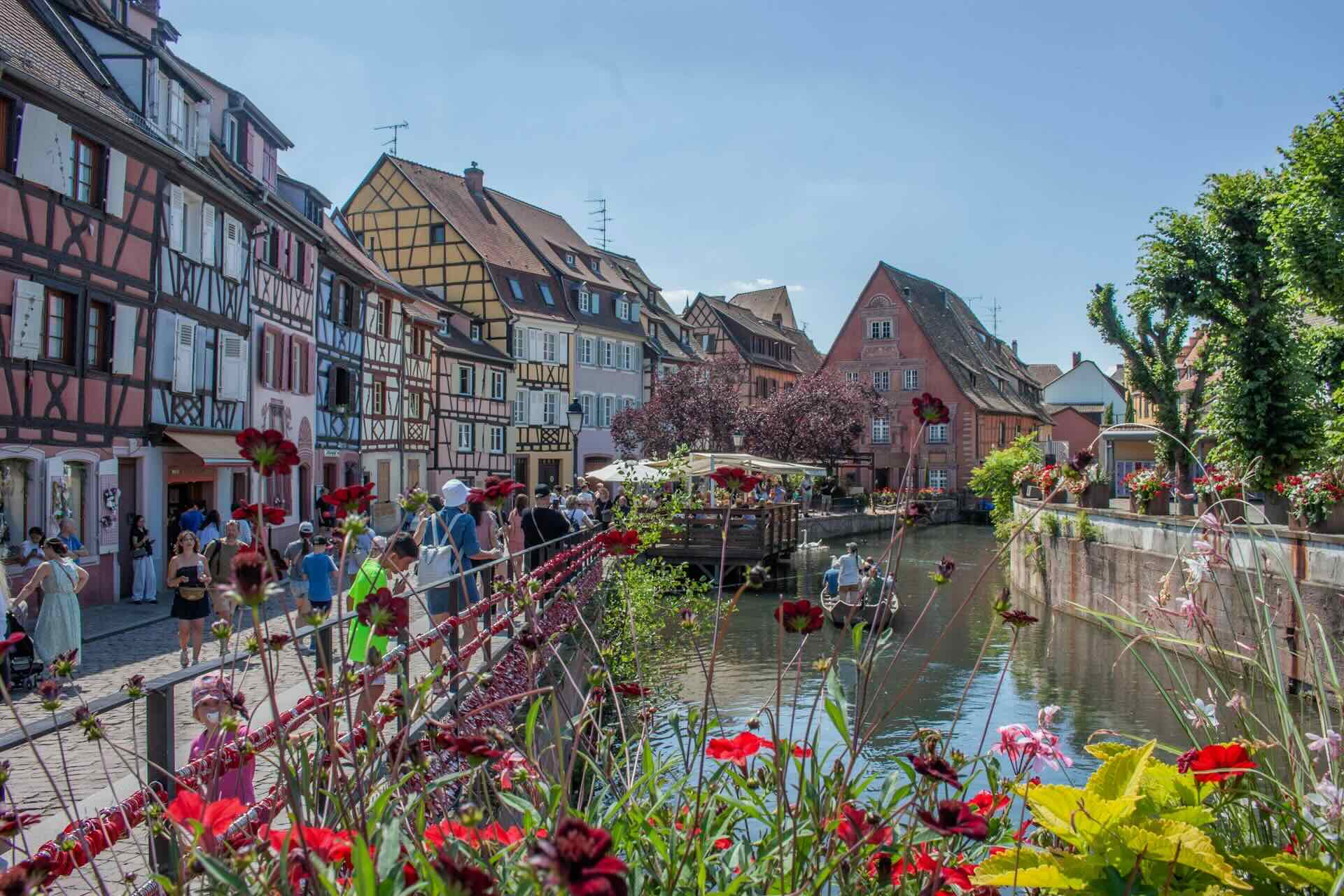
    Colmar, France a fairytale town in Alsace delivers one of the most visually cohesive travel experiences in Europe. In northeastern France near the German border, colorful half timbered houses, canals, and flower filled streets define the town. The setting feels curated, but daily life continues within it.

    Colmar does not rely on a single attraction. The entire town creates the experience.

    A Historic Center That Functions Daily

    Colmar’s old town anchors the visit.

    Buildings date back centuries, yet shops, cafés, and homes operate inside them today. Narrow streets guide you through a layout that feels consistent and easy to navigate.

    You do not walk through a preserved site.

    You move through a living environment.

    Little Venice Shapes the Identity

    The Petite Venise district defines Colmar’s most recognizable area.

    Canals run alongside rows of brightly painted homes, creating strong visual contrast. Reflections in the water add depth and symmetry to the streetscape.

    The area feels compact and accessible.

    You can experience it fully on foot.

    Architecture Reflects Dual Influence

    Colmar sits between French and German cultural traditions.

    You see this in building styles, rooflines, and decorative details. The blend creates a distinct regional identity that sets Colmar apart from other French towns.

    The architecture communicates that history clearly.

    It does not require explanation.

    Markets and Squares Keep the Town Active

    Public spaces in Colmar support daily activity.

    Markets bring together local products, food, and community interaction. Seasonal events, especially during winter, add energy to the town.

    These spaces feel functional.

    They connect visitors to local routines.

    Food Reflects Alsace Traditions

    Colmar’s cuisine reflects the broader Alsace region.

    Meals often combine French and German influences, with a focus on hearty dishes and regional wines. White wines from nearby vineyards pair naturally with local food.

    Restaurants feel warm and approachable.

    Dining becomes part of the setting.

    The Town Encourages Walking

    Colmar’s scale supports exploration on foot.

    Streets remain narrow and pedestrian friendly. You can move through the old town without relying on transportation.

    Walking reveals details.

    Doors, windows, and textures add depth to the experience.

    Seasonal Changes Add Variation

    Colmar shifts noticeably with the seasons.

    Spring and summer highlight flowers and outdoor spaces. Fall introduces muted tones. Winter brings lights and markets that transform the town.

    Each season emphasizes a different version of Colmar.

    A Slower Pace Defines the Experience

    Colmar moves at a measured pace.

    You spend time observing rather than rushing. Cafés, walkways, and small corners encourage pauses.

    The rhythm matches the scale of the town.

    It supports a more relaxed experience.

    Why Colmar Feels Like a Fairytale

    Colmar, France a fairytale town in Alsace stands out because of its consistency.

    Color, architecture, and layout align across the entire town.

    Nothing disrupts the visual flow.

    That cohesion creates a setting that feels almost unreal while remaining authentic.

    How to Experience Colmar Fully

    Walk through the old town without a strict plan.

    Spend time in the Petite Venise district.

    Visit local markets to engage with daily life.

    Sit at a café and observe the surroundings.

    Return in the evening to see how lighting changes the atmosphere.

    Final Thoughts on Colmar

    Colmar delivers a focused and immersive experience.

    The town creates impact through detail rather than scale.

    It invites you to slow down and engage with the environment.

    That approach makes it memorable.
    Plan a trip to Colmar today.

  • Kotor, Montenegro Between Mountains and the Adriatic

    Kotor, Montenegro Between Mountains and the Adriatic

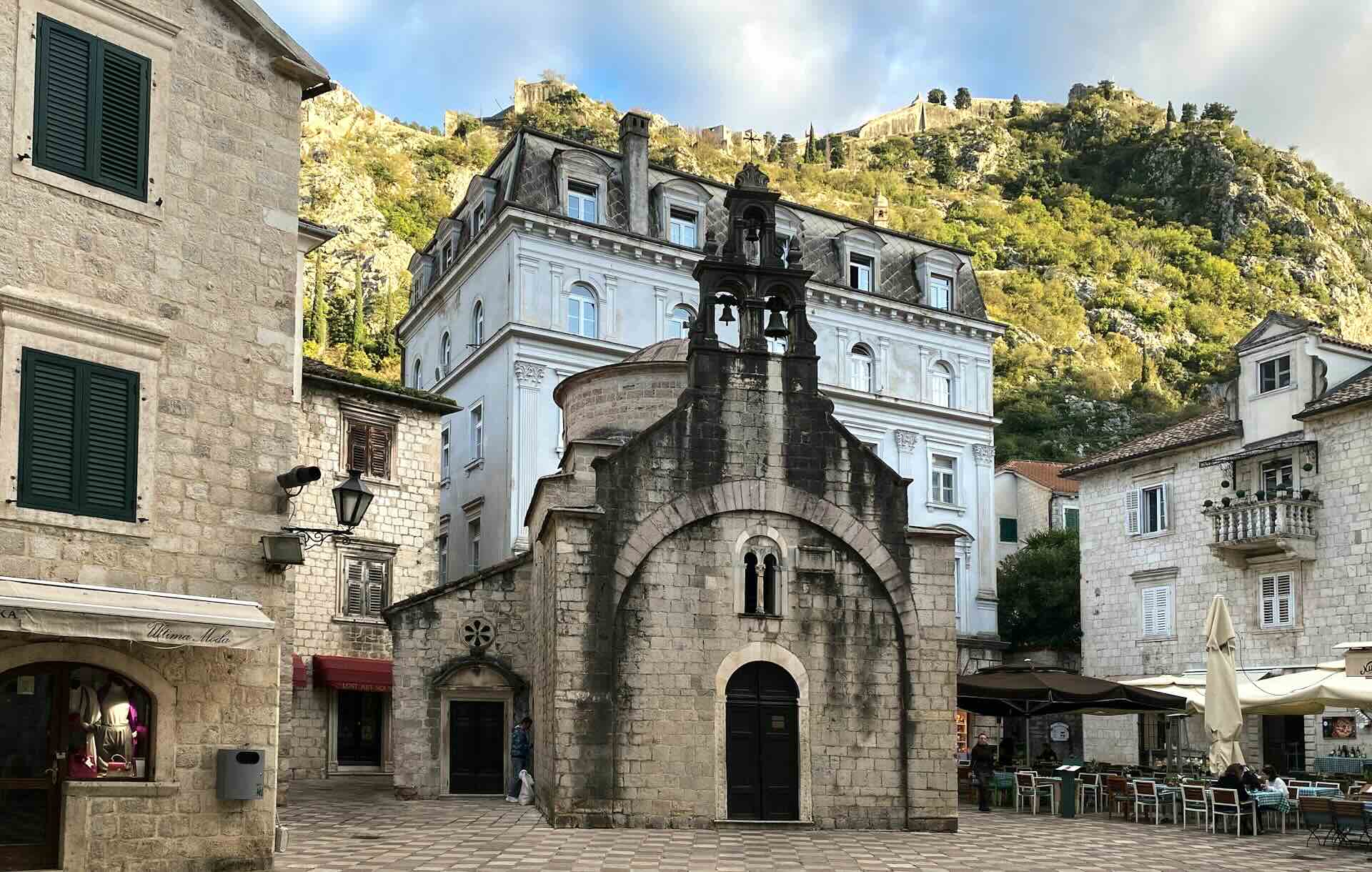
    Kotor, Montenegro between mountains and the Adriatic introduces a destination where dramatic geography shapes the entire experience. Set along the Bay of Kotor, the city sits between steep limestone mountains and calm coastal water, creating a setting that feels enclosed, protected, and visually striking.

    Kotor does not rely on size or scale. It relies on contrast. Mountains rise sharply behind a compact medieval town, while the Adriatic provides openness in front.

    A Walled Old Town That Feels Intact

    Kotor’s Old Town anchors the experience.

    Stone walls surround a maze of narrow streets, small squares, and historic buildings. Churches, cafés, and residences fill the space without feeling staged.

    You move through passageways that feel unchanged.

    The layout encourages slow exploration rather than direct navigation.

    The Bay Defines the Atmosphere

    The Bay of Kotor shapes both the landscape and the pace.

    Water remains calm, almost lake like, due to the surrounding mountains. Reflections of cliffs and buildings create a quiet visual rhythm.

    The bay softens the intensity of the terrain.

    It adds balance to the environment.

    Climbing Above the City Changes Perspective

    The climb to the fortress above Kotor offers one of the region’s defining experiences.

    Stone steps lead up the mountainside, revealing wider views with each level. From the top, the Old Town, bay, and surrounding peaks come together in a single frame.

    The climb requires effort, but the reward feels proportional.

    It shifts how you understand the city’s position within the landscape.

    Architecture Reflects a Layered History

    Kotor’s buildings reflect influences from different periods.

    Venetian architecture appears throughout the Old Town, visible in stonework, windows, and public spaces. Churches and palaces add depth to the visual experience.

    The city does not present one era.

    It shows accumulation over time.

    Small Details Define the Experience

    Kotor rewards attention to detail.

    Cats move through the streets and squares, becoming an unofficial symbol of the city. Laundry hangs between buildings. Light filters through narrow alleys.

    These elements make the city feel active and lived in.

    Nothing feels overly polished.

    Day Trips Expand the Experience

    The surrounding bay includes smaller towns that add variety.

    Perast offers a quieter, more open setting with views across the water. Boat rides provide access to nearby islands and coastal viewpoints.

    Leaving Kotor briefly adds context.

    Returning reinforces its compact intensity.

    Evenings Shift the Energy

    As cruise visitors leave, Kotor becomes quieter.

    Streets open up, and the pace slows. Restaurants and cafés feel more relaxed.

    Evening allows the city to reset.

    It becomes easier to absorb the atmosphere.

    The Landscape Feels Immediate

    In Kotor, nature feels close.

    Mountains rise directly behind the town rather than at a distance. The bay sits at the edge of the streets.

    You do not travel to see the landscape.

    You exist within it.

    Why Kotor Feels Distinct

    Kotor, Montenegro between mountains and the Adriatic stands out because the setting defines everything.

    Geography shapes architecture, movement, and atmosphere.

    The city does not separate itself from its environment.

    It integrates into it.

    How to Experience Kotor Fully

    Spend time inside the Old Town without rushing.

    Climb to the fortress for a full view of the bay.

    Take a short trip to nearby towns like Perast.

    Walk along the waterfront to see how the city meets the water.

    Stay into the evening to experience a quieter version of Kotor.

    Final Thoughts on Kotor

    Kotor offers a concentrated experience.

    The combination of mountains, water, and medieval structure creates a place that feels cohesive and grounded.

    The city does not overwhelm.

    It draws you in gradually.

    That balance makes it memorable.

    Plan a trip to Kotor today.

  • Matera, Italy and Its Timeless Cave City Living

    Matera, Italy and Its Timeless Cave City Living

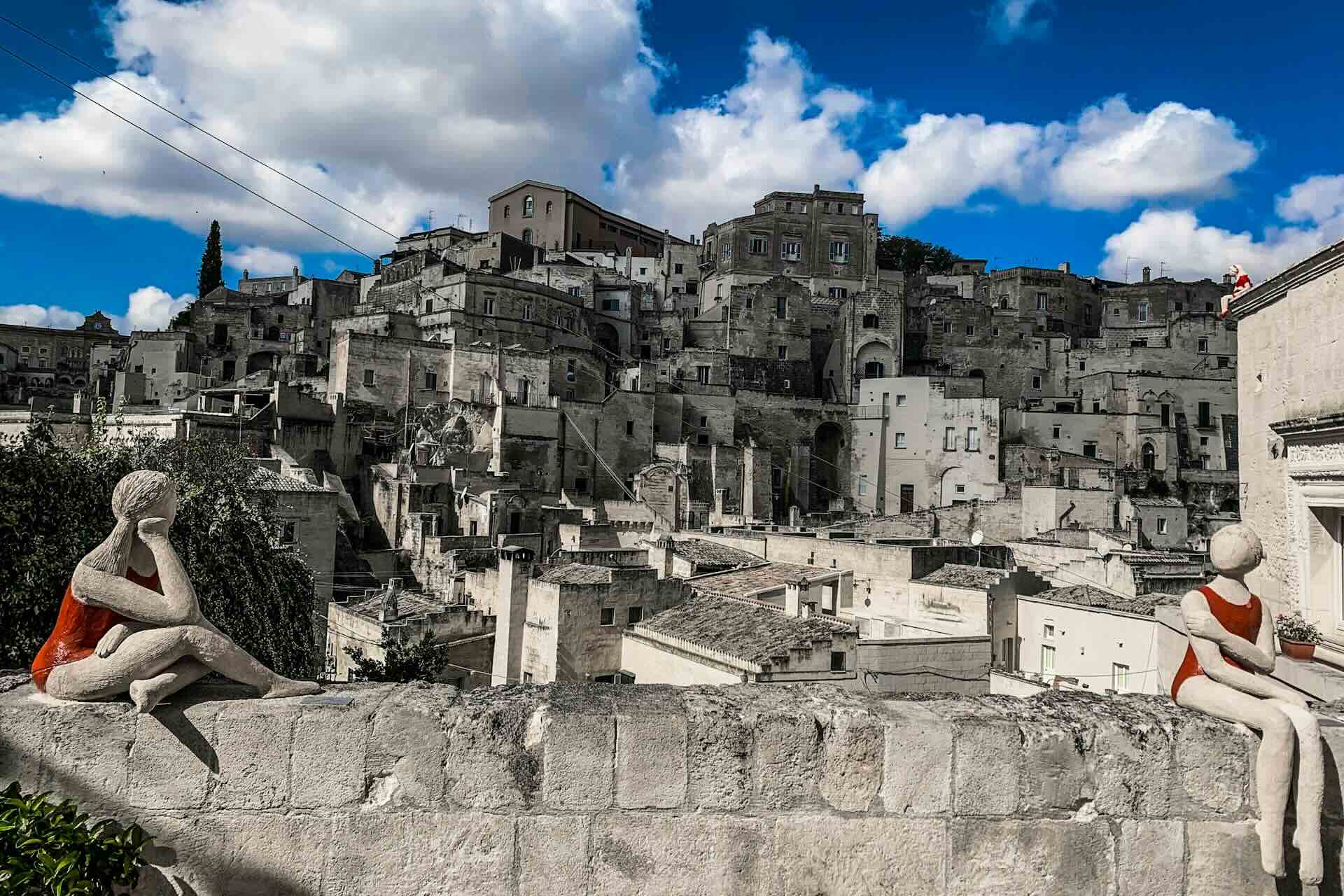
    Matera, Italy and its timeless cave city living delivers one of the most visually distinct experiences in Europe. In southern Basilicata, the Sassi define Matera as ancient cave dwellings carved directly into limestone rock. The city does not just preserve these spaces. It uses them. Homes, hotels, restaurants, and galleries operate inside caves that people have inhabited for thousands of years.

    When you walk through Matera, you move through layers of history that remain active. The city does not separate past from present. It combines them.

    The Sassi Shape Daily Life

    The Sassi districts, Sasso Caveoso and Sasso Barisano, form the core of Matera.

    These cave dwellings date back thousands of years, and residents continue to adapt them. People convert caves into living spaces, businesses, and cultural venues. Life happens inside the same stone walls that supported earlier generations.

    You do not observe history here. You move through it.

    The City Uses the Landscape Instead of Fighting It

    Matera’s layout follows the natural shape of the land.

    Builders carved homes, staircases, and churches directly into rock rather than constructing separate structures. Narrow pathways, terraces, and layered streets create a city that reveals itself gradually.

    Sunlight changes the appearance of the stone throughout the day.

    Morning light softens the edges. Evening light deepens the color.

    Cave Hotels Turn History Into Experience

    Visitors can stay inside the Sassi.

    Many cave dwellings now function as boutique hotels. Designers combine raw stone with modern comforts to create spaces that feel both historic and refined.

    These rooms stay quiet and insulated.

    Staying in a cave allows you to experience the city rather than just see it.

    Churches Carved Into Stone Add Depth

    Matera includes numerous cave churches carved directly into rock.

    Artists painted frescoes inside these spaces centuries ago, and many remain visible today. Soft lighting and compact interiors create an atmosphere that feels intimate and reflective.

    These churches show how spiritual life developed alongside daily life.

    Walking Reveals the City Best

    Matera encourages exploration on foot.

    Cars remain limited in many parts of the Sassi, so you rely on walking to move through the city. You climb staircases, pass through narrow streets, and discover viewpoints without planning them.

    Each turn reveals a new perspective.

    The experience feels immersive and physical.

    Food Reflects the Region

    Matera’s cuisine uses simple, local ingredients.

    Bread, olive oil, vegetables, and cheeses form the foundation of many dishes. Restaurants often operate inside stone spaces, reinforcing the connection between food and environment.

    Meals feel grounded and direct.

    They match the character of the city.

    Evening Transforms the Atmosphere

    At night, Matera changes tone.

    Lights illuminate the Sassi, creating layers of glowing stone across the hillside. Shadows deepen the structure of the city.

    The atmosphere becomes quieter and more reflective.

    Evening reveals details that daylight does not emphasize.

    The City Tells a Story of Renewal

    Matera has not always thrived.

    In the twentieth century, authorities considered the Sassi uninhabitable and relocated many residents. Over time, restoration efforts revived the city and reactivated these spaces.

    Today, Matera demonstrates how a place can evolve without losing its identity.

    Matera Feels Timeless Because It Never Reset

    Matera, Italy and its timeless cave city living feels continuous.

    The city did not rebuild itself in a modern format. It adapted its original structure to new uses.

    That continuity creates a sense of permanence.

    You feel connected to something that has not been interrupted.

    How to Experience Matera Fully

    Stay within the Sassi to understand the layout.

    Walk through both Sasso Caveoso and Sasso Barisano.

    Visit cave churches to see how art and architecture combine.

    Explore without a strict plan and allow the city to unfold.

    Spend time outside at night to see how light reshapes the landscape.

    Final Thoughts on Matera

    Matera offers a rare kind of experience.

    The city functions as a living environment shaped by history, not separated from it.

    Stone, light, and daily life come together in a way that feels cohesive and real.

    Matera does not present history as something distant.

    It places you inside it.

    Plan a trip to Matera today.

  • Zurich’s Quiet Luxury and Lakeside Living

    Zurich’s Quiet Luxury and Lakeside Living

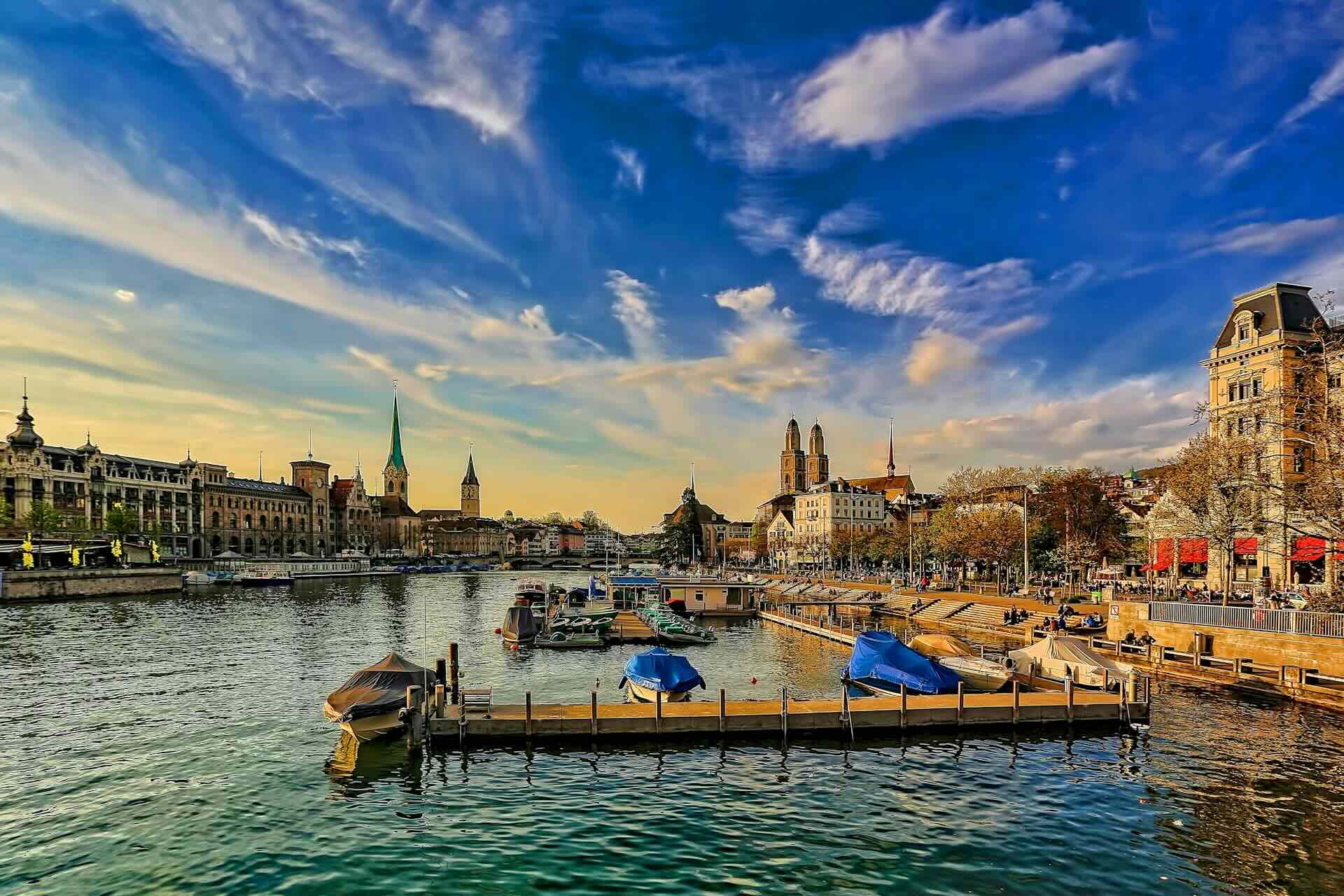
    Zurich’s quiet luxury and lakeside living defines a city that does not need to prove itself. Switzerland’s largest city moves with precision, but it never feels loud or overstated. Instead of spectacle, Zurich offers clarity, balance, and understated elegance.

    Set along Lake Zurich and framed by distant mountains, the city blends financial importance with natural calm. You notice the quality of life not through grand gestures, but through small, consistent details.

    The Lake as a Daily Anchor

    Lake Zurich shapes the city’s rhythm.

    The waterfront is integrated into everyday life. Locals walk, swim, and relax along its edges. Boats move slowly across calm water, reflecting the surrounding hills and skyline.

    Morning light feels soft and reflective. Evenings stretch along the promenade with quiet activity.

    The lake creates space within the city.

    Old Town Adds Texture and Contrast

    Zurich’s Altstadt introduces history into an otherwise modern environment.

    Narrow streets, medieval buildings, and small squares create intimacy. Churches and historic facades sit alongside cafés and boutiques.

    Walking through the old town feels layered but not crowded.

    The contrast between past and present feels balanced.

    Luxury Without Excess

    Zurich defines luxury differently.

    High end boutiques, fine dining, and well designed spaces exist, but they rarely feel showy. Quality is assumed rather than advertised.

    Materials, service, and attention to detail create the experience.

    This approach feels calm rather than competitive.

    Clean Design and Urban Order

    The city’s infrastructure reflects Swiss precision.

    Streets are organized. Public transportation runs efficiently. Public spaces are clean and well maintained.

    This order reduces stress.

    You move through Zurich with ease.

    Food Reflects Simplicity and Quality

    Dining in Zurich emphasizes ingredients over complexity.

    Traditional Swiss dishes, fresh seafood, and contemporary European cuisine all appear across the city.

    Restaurants range from casual lakeside spots to refined dining rooms.

    The focus remains on consistency and quality.

    Neighborhoods Feel Distinct but Connected

    Zurich is made up of neighborhoods that each offer a slightly different atmosphere.

    Seefeld feels residential and close to the lake. Zurich West introduces a more industrial and creative edge with galleries and modern development.

    Despite these differences, the city feels cohesive.

    Movement between neighborhoods is seamless.

    Nature Feels Close at All Times

    Zurich offers immediate access to nature.

    Within minutes, you can move from the city center to wooded trails or higher elevations with views over the lake. In winter, nearby mountains provide access to snow and alpine environments.

    This proximity enhances daily life.

    Nature is always within reach.

    The Pace Encourages Balance

    Zurich does not rush.

    Work and daily routines feel structured, but leisure is clearly valued. Afternoons by the lake, evening walks, and long meals are part of the rhythm.

    The city supports both productivity and rest.

    Why Zurich Feels Different

    Zurich’s quiet luxury and lakeside living stands out because it avoids extremes.

    It is neither overwhelming nor underwhelming.

    Instead, it delivers consistency at a high level.

    The experience feels controlled, comfortable, and refined.

    How to Experience Zurich Fully

    Start your day with a walk along the lake.

    Spend time exploring the old town without a fixed plan.

    Visit a café or restaurant that reflects the city’s understated approach to quality.

    Take a short trip outside the center to experience nearby nature.

    Observe how locals structure their day.

    Final Thoughts on Zurich

    Zurich offers a version of luxury that feels sustainable.

    It is not built on excess or spectacle.

    It is built on balance, precision, and environment.

    The lake provides calm. The city provides structure.

    Together, they create a destination that feels quietly exceptional.

    Plan a trip to Zurich today.

  • Sydney Where City Life Meets the Coast

    Sydney Where City Life Meets the Coast

    Sydney where city life meets the coast defines the experience from the moment you see the harbor. This is a city shaped by water, light, and movement. Skyscrapers rise near the shoreline. Ferries cut across open water. Beaches sit within easy reach of the urban core.

    Sydney feels expansive without losing structure. It offers the energy of a major city alongside the openness of the Pacific coast.

    The Harbor as the Centerpiece

    Sydney Harbour anchors the entire city.

    The Sydney Opera House and Harbour Bridge create one of the most recognizable skylines in the world. But beyond the landmarks, the harbor functions as a living space.

    Ferries, walkways, and waterfront parks make the water part of daily life.

    Movement across the harbor feels natural, not just scenic.

    Beaches That Shape Daily Routine

    Sydney’s beaches are not separate destinations.

    They are part of everyday life.

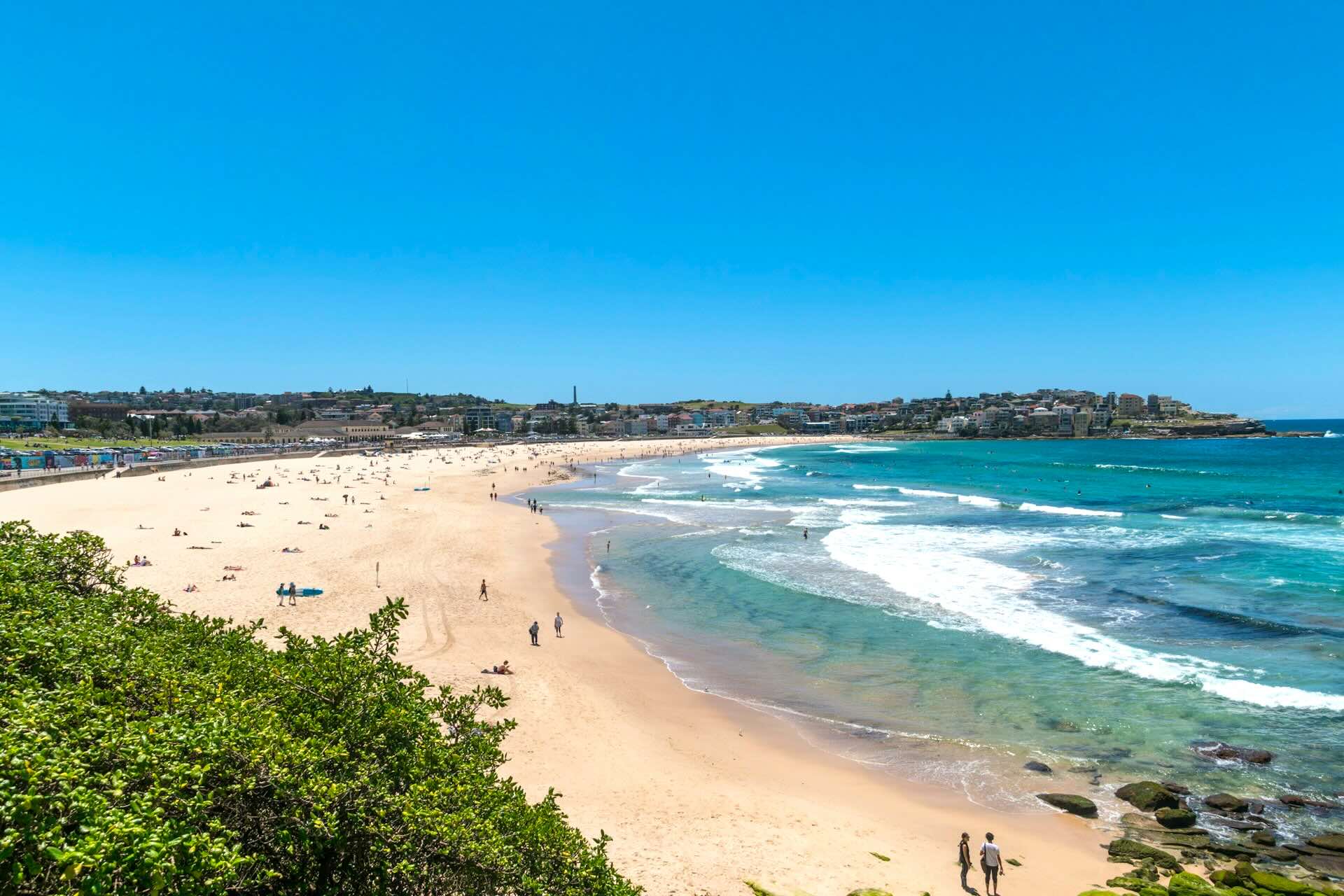
    Bondi Beach and Manly Beach offer different perspectives. Bondi feels active and social. Manly feels slightly more relaxed, with a slower rhythm.

    Surf culture, coastal walks, and outdoor cafés define the atmosphere.

    The beach becomes part of the daily schedule.

    Coastal Walks Connect City and Nature

    Sydney’s coastal paths provide a direct link between urban and natural environments.

    The Bondi to Coogee walk stands out for its views, connecting beaches, cliffs, and open ocean.

    Walking these routes reveals how closely the city is tied to its coastline.

    Nature is not distant.

    It is integrated into movement.

    Neighborhoods Offer Distinct Perspectives

    Sydney’s neighborhoods shape how you experience the city.

    The Rocks introduces historic character near the harbor. Surry Hills offers cafés and a creative atmosphere. Darlinghurst adds nightlife and dining variety.

    Each area feels connected yet distinct.

    This structure allows for layered exploration.

    Food Reflects Coastal Influence

    Sydney’s dining scene reflects its geography.

    Seafood is central, often served simply to highlight freshness. Outdoor dining is common, with patios and waterfront views shaping the experience.

    Cafés focus on quality coffee and relaxed meals.

    Food feels aligned with the environment.

    Outdoor Living as a Lifestyle

    Sydney encourages time outside.

    Parks, beaches, and waterfront spaces support an active lifestyle. Running, swimming, and walking are part of daily routines.

    The climate allows for consistent outdoor activity.

    This contributes to the city’s overall sense of balance.

    The Pace Feels Energetic but Manageable

    Sydney moves with purpose but not chaos.

    Transit systems and ferry routes create structure. Streets remain active without feeling overwhelming.

    You can experience both energy and calm within the same day.

    This balance defines the city’s appeal.

    Cultural Landmarks Add Depth

    Beyond the harbor, Sydney offers cultural experiences.

    Museums, galleries, and performance spaces provide insight into both Australian and global perspectives.

    The Opera House functions as more than an architectural icon.

    It remains an active cultural venue.

    Why Sydney Feels So Balanced

    Sydney where city life meets the coast works because neither element dominates.

    The city does not overpower the coastline. The coastline does not isolate the city.

    They operate together.

    This integration creates a lifestyle that feels both dynamic and relaxed.

    How to Experience Sydney Fully

    Use ferries to move between neighborhoods and see the harbor from different angles.

    Visit both Bondi and Manly to understand the range of beach culture.

    Walk along coastal paths to connect different parts of the city.

    Spend time in both busy districts and quieter parks.

    Let the water guide your movement.

    Final Thoughts on Sydney

    Sydney offers a rare combination.

    It provides the structure of a global city alongside the openness of a coastal destination.

    The harbor connects everything. The beaches extend the experience.

    Together, they create a place that feels complete.

    Plan a trip to Sydney today.

  • Oslo’s Balance of Nature and Modern Living

    Oslo’s Balance of Nature and Modern Living

    Oslo’s balance of nature and modern living defines the experience from the moment you arrive. Norway’s capital sits between forested hills and the Oslofjord, creating a setting where urban life and outdoor access exist side by side. The city feels organized and contemporary, yet never disconnected from its natural surroundings.

    What stands out is not just the scenery. It is how easily you move between environments. One moment you are in a design forward neighborhood. The next, you are walking through quiet forest or along open water.

    The Fjord as a Constant Presence

    The Oslofjord shapes the city’s identity.

    Waterfront areas open the landscape and create space within the urban environment. Ferries connect small islands, offering short escapes that feel far removed from the city center.

    Walking along the harbor reveals a mix of modern architecture and maritime history.

    The water provides both movement and calm.

    Forest Access Within Minutes

    Oslo is surrounded by forest.

    The Marka forest region sits just beyond the city, with trails accessible by public transit. Hiking, cycling, and even cross country skiing in winter are part of daily life.

    Nature is not a separate destination.

    It is integrated into routine.

    Modern Architecture Reflects Simplicity

    Oslo’s newer districts emphasize clean lines and functional design.

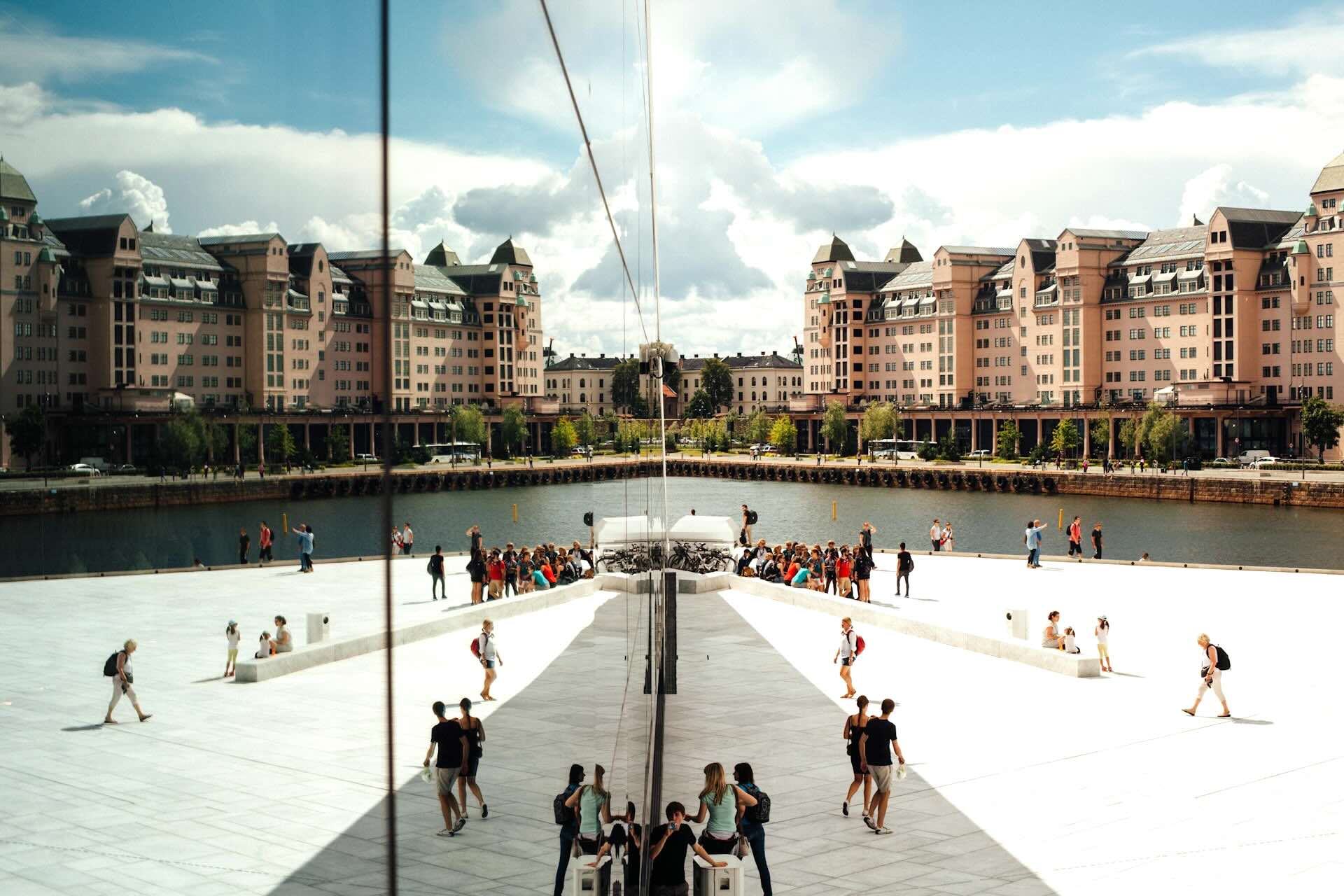
    Areas like Bjørvika feature contemporary buildings, cultural institutions, and open public spaces. The Oslo Opera House invites visitors to walk across its angled roof, blending architecture with experience.

    Design feels intentional and accessible.

    It supports movement and interaction.

    Public Spaces Encourage Use

    Oslo invests in public space.

    Parks, waterfront promenades, and plazas feel open and well maintained. Seating areas, walking paths, and green zones invite people to spend time outdoors.

    These spaces are not decorative.

    They are actively used.

    A Culture Built Around Outdoor Life

    Norwegian culture values time outdoors.

    This mindset shapes how Oslo operates. Even in colder months, residents remain active outside.

    Seasonal changes do not limit activity.

    They shift how it happens.

    Food Reflects Local Ingredients

    Oslo’s dining scene focuses on freshness and simplicity.

    Seafood, seasonal vegetables, and Nordic techniques define many menus. Restaurants range from casual cafés to refined dining rooms that highlight local sourcing.

    Food aligns with the broader lifestyle.

    It feels clean and intentional.

    Transportation Keeps the City Connected

    Oslo’s public transportation system is efficient and easy to use.

    Trams, buses, and trains connect neighborhoods and extend into surrounding nature. Movement feels seamless.

    You can transition from urban center to forest trail without complexity.

    Museums and Culture Add Depth

    Oslo offers a strong cultural presence.

    Museums dedicated to Norwegian history, art, and exploration provide context for the city’s identity. The Munch Museum and the National Museum stand out.

    Cultural experiences feel integrated rather than overwhelming.

    Seasonal Shifts Change the Experience

    Oslo evolves with the seasons.

    Summer brings long daylight hours and active waterfront life. Winter introduces snow, shorter days, and a quieter atmosphere.

    Each season highlights a different aspect of the city.

    The balance remains consistent.

    Why Oslo Feels So Livable

    Oslo’s balance of nature and modern living works because the city does not force a choice between the two.

    Urban infrastructure supports daily life.

    Nature supports well being.

    Together, they create a rhythm that feels sustainable.

    How to Experience Oslo Fully

    Walk along the waterfront to understand the city’s layout.

    Take public transit into the forest for a hike or outdoor activity.

    Visit modern districts as well as older neighborhoods.

    Allow time to sit in parks or by the water.

    Observe how residents move between environments.

    Final Thoughts on Oslo

    Oslo offers a version of city life that feels balanced and intentional.

    It is not driven by excess or intensity.

    Instead, it focuses on function, design, and connection to nature.

    That combination creates a city that feels calm, efficient, and deeply livable.

    Plan a trip to Oslo today.

  • Florence in the Details, Art, Streets, and Light

    Florence in the details, art, streets, and light is how the city reveals itself. While its landmarks are world famous, the real experience often happens in smaller moments, the way sunlight hits stone, the rhythm of footsteps on narrow streets, and the quiet presence of art woven into daily life.

    Florence does not need to impress with scale. It draws you in through texture. The more attention you give, the more it offers.

    Art That Exists Beyond Museums

    Florence is often defined by its museums, but art is not confined to galleries.

    Churches, piazzas, and even side streets hold sculptures, frescoes, and architectural details that feel part of the city’s fabric. You encounter art without planning to.

    This accessibility changes the experience.

    Art becomes part of movement rather than a scheduled stop.

    Streets That Encourage Slow Exploration

    Florence’s layout invites wandering.

    Narrow streets open into small squares, then tighten again. Shops, cafés, and workshops sit close together, creating a sense of continuity.

    Walking here feels natural.

    You are not navigating a large city. You are exploring a connected environment.

    Light That Defines the Atmosphere

    Light plays a central role in Florence.

    Morning light feels soft and quiet. Midday sharpens architectural details. Evening brings a warm glow that reflects off stone buildings and the Arno River.

    These shifts change how the city feels without altering its structure.

    Light becomes part of the experience.

    The Arno River as a Visual Anchor

    The Arno runs through Florence, providing both structure and openness.

    Bridges like Ponte Vecchio connect neighborhoods while offering views that shift throughout the day. The river reflects the city’s architecture, adding depth to the landscape.

    Walking along the river introduces a different pace.

    It creates space within the dense urban setting.

    Architecture That Feels Human Scaled

    Florence’s buildings rarely overwhelm.

    Even grand structures like the Duomo feel connected to the surrounding streets. Materials, proportions, and layout create a sense of cohesion.

    You feel close to the architecture rather than distant from it.

    This human scale makes the city approachable.

    Food That Reflects Simplicity and Tradition

    Florentine cuisine emphasizes quality ingredients and straightforward preparation.

    Dishes like ribollita, bistecca alla fiorentina, and fresh pasta highlight regional traditions. Meals feel grounded rather than elaborate.

    Restaurants range from small trattorias to refined spaces, but the focus remains consistent.

    Food supports the rhythm of the day.

    Markets and Local Life

    Markets offer insight into everyday Florence.

    Mercato Centrale provides a mix of traditional vendors and modern food stalls. Smaller neighborhood markets reflect local habits and seasonal ingredients.

    These spaces show how the city functions beyond tourism.

    They add context to the experience.

    Craft and Artisan Culture

    Florence maintains a strong tradition of craftsmanship.

    Leather goods, paper, textiles, and jewelry are often produced by small workshops. Walking into these spaces reveals techniques passed down through generations.

    Craft feels personal.

    It connects past and present.

    The Pace Encourages Observation

    Florence does not rush you.

    Distances are short, and the city’s rhythm allows for pauses. Sitting in a piazza or along a quiet street becomes part of the experience.

    Observation replaces urgency.

    You notice details that might otherwise go unseen.

    Why Florence Feels Different

    Florence in the details, art, streets, and light stands out because the city rewards attention.

    Its beauty is not only in major landmarks.

    It is in how everything connects, architecture, art, movement, and atmosphere.

    The experience feels cohesive.

    How to Experience Florence Fully

    Walk without a strict plan.

    Visit major sites early, then spend the rest of the day exploring smaller streets.

    Sit in cafés and observe the pace of life.

    Return to the same places at different times of day to see how light changes the environment.

    Let the city reveal itself gradually.

    Final Thoughts on Florence

    Florence offers more than a collection of masterpieces.

    It offers a way of seeing.

    The details, the light, and the rhythm of the streets create a layered experience that feels both historic and immediate.

    The city does not demand attention.

    It rewards it.

    Plan a trip to Florence today.

  • Valencia Where Old World Meets Modern Design

    Valencia Where Old World Meets Modern Design

    Valencia where old world meets modern design defines the experience from the moment you arrive. Spain’s third largest city blends historic streets, Mediterranean light, and forward thinking architecture in a way that feels balanced rather than forced. Gothic buildings sit minutes from futuristic structures. Traditional markets exist alongside cutting edge cultural spaces.

    Valencia does not choose between past and future. It layers them.

    The Old Town Anchors the City

    Valencia’s historic center provides structure and depth.

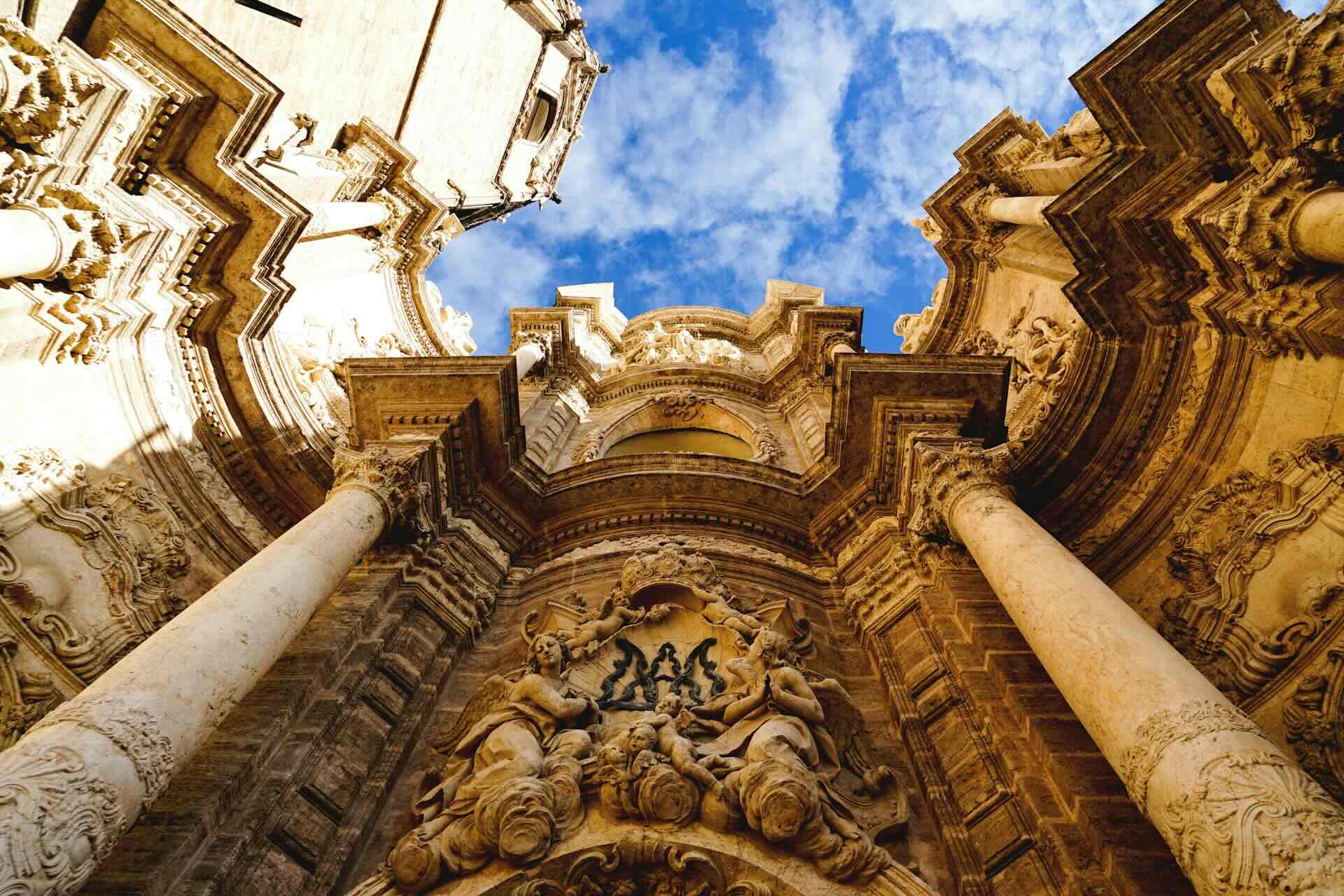
    Narrow streets, stone facades, and plazas create a walkable environment that reflects centuries of history. The Valencia Cathedral and surrounding squares offer a sense of continuity.

    You move through areas that feel preserved but still active.

    Daily life continues within historic settings.

    The City of Arts and Sciences Redefines the Skyline

    Valencia’s modern identity is most visible in the City of Arts and Sciences.

    Designed by Santiago Calatrava, this complex features sweeping white structures, reflective pools, and geometric forms that feel almost futuristic.

    The contrast with the old town is immediate.

    Yet it does not feel disconnected. It expands the city’s identity.

    Markets Connect Tradition to Daily Life

    Mercado Central is one of Europe’s largest fresh markets.

    Inside, stalls offer produce, seafood, meats, and regional specialties in an environment that feels vibrant and authentic.

    Markets here are not just attractions.

    They are part of everyday routine.

    Mediterranean Influence Shapes the Atmosphere

    Valencia sits along the Mediterranean coast.

    Beaches like Malvarrosa provide open space and light that soften the urban environment. The sea influences both climate and lifestyle.

    Outdoor dining and late evenings become part of daily rhythm.

    The city feels connected to its surroundings.

    Design Extends Beyond Major Landmarks

    Valencia’s modern design is not limited to one area.

    Contemporary architecture appears throughout the city, often integrated into existing neighborhoods. Public spaces, bridges, and cultural buildings reflect a commitment to design.

    This consistency reinforces the city’s forward thinking identity.

    Food Reflects Regional Roots

    Valencia is the birthplace of paella.

    Traditional recipes emphasize rice, saffron, and locally sourced ingredients. Restaurants range from simple establishments to more refined settings.

    Food here feels grounded in place.

    It connects directly to the surrounding landscape.

    Green Spaces Add Balance

    The Turia Gardens run through the city in a former riverbed.

    This long stretch of green space connects neighborhoods and offers walking paths, cycling routes, and open areas.

    The park adds continuity and calm.

    It also physically links historic and modern districts.

    A Pace That Feels Manageable

    Valencia moves with a steady rhythm.

    It offers the cultural depth of a larger city without the intensity of Madrid or Barcelona.

    You can explore comfortably without feeling overwhelmed.

    This makes it adaptable for different travel styles.

    Why the Contrast Works

    Valencia where old world meets modern design works because the city does not treat its eras as separate.

    Historic and contemporary elements exist side by side.

    The contrast feels intentional and cohesive.

    Each part enhances the other.

    How to Experience Valencia Fully

    Spend time in both the old town and the City of Arts and Sciences.

    Visit local markets to understand daily life.

    Walk or cycle through the Turia Gardens.

    Explore the coastline for a change of pace.

    Balance historical sites with modern spaces.

    Final Thoughts on Valencia

    Valencia offers a rare sense of balance.

    It respects its past while embracing innovation.

    The city feels complete rather than divided.

    For travelers seeking both history and design, Valencia provides a clear and cohesive experience.

    Plan a trip to Valencia today.

  • Cartagena’s Color, History, and Caribbean Air

    Cartagena’s Color, History, and Caribbean Air

    Cartagena’s color, history, and Caribbean air define the experience from the moment you step inside its old city walls. Located on Colombia’s northern coast, Cartagena blends colonial architecture, tropical climate, and coastal energy into a setting that feels both vibrant and timeless.

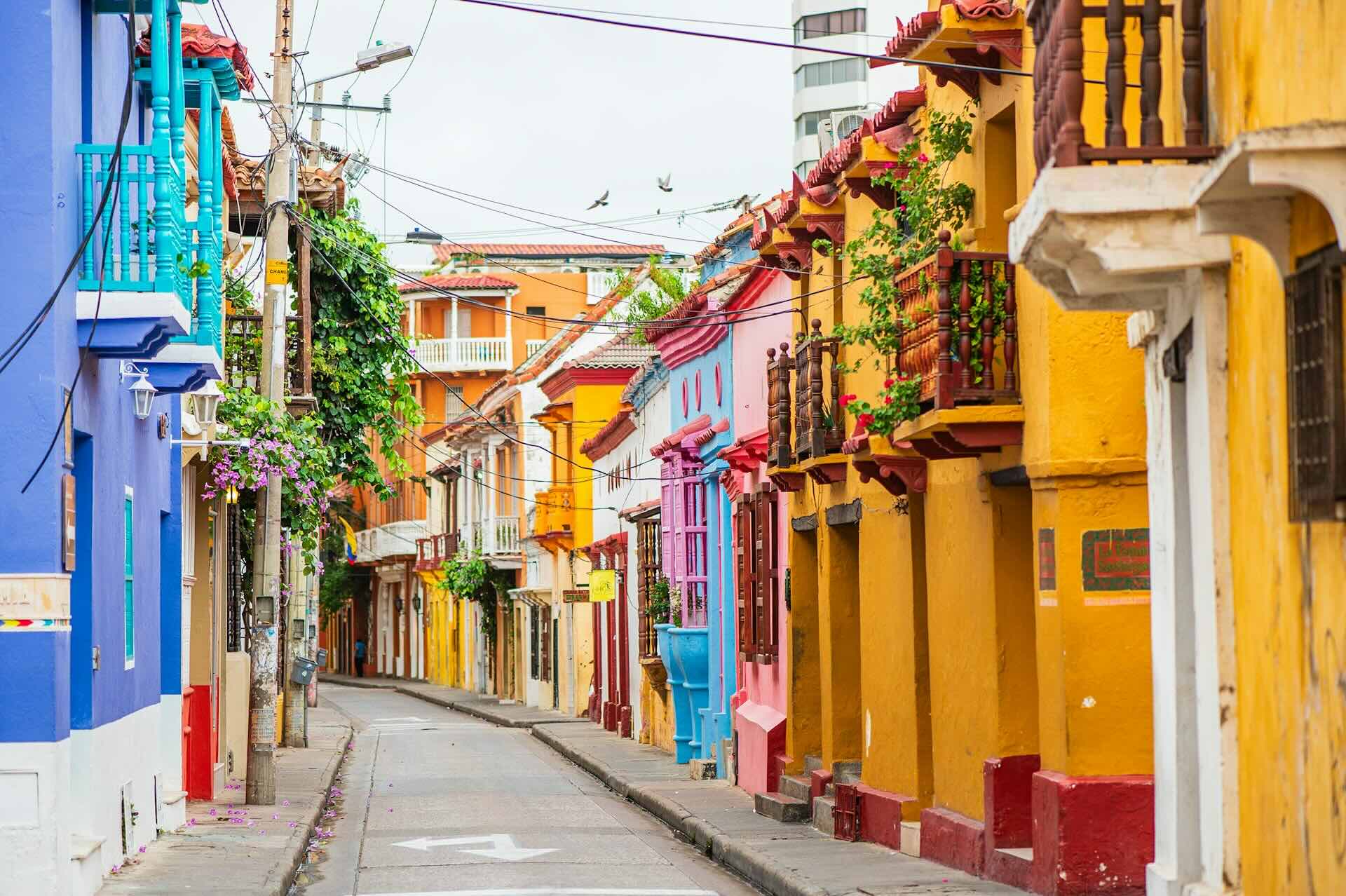
    The city does not hide its identity. Bright facades, flower covered balconies, and sunlit plazas create a visual rhythm that feels alive at every hour. Cartagena is not subtle, but it is deeply atmospheric.

    A Walled City That Holds Its Past

    Cartagena’s historic center is enclosed by centuries old stone walls.

    Built to protect the city from pirates and invasion, these walls now frame one of the most visually cohesive old towns in the Caribbean. Walking through the gates feels like stepping into another era.

    Narrow streets open into plazas. Churches anchor neighborhoods. The layout encourages exploration without a strict plan.

    History feels present, but not distant.

    Color Defines the Streets

    Cartagena’s palette is one of its most recognizable features.

    Buildings are painted in shades of yellow, blue, coral, and green. Bougainvillea spills over balconies, adding texture and contrast.

    Light amplifies everything.

    Morning sun softens the tones, while midday brightness makes colors more intense. By evening, the city glows under warm lighting.

    The visual identity is consistent without feeling repetitive.

    Caribbean Air Shapes the Pace

    The coastal climate influences how the city moves.

    Heat and humidity encourage slower mornings and later evenings. Midday often feels quieter, while nights become more active.

    Outdoor spaces remain central.

    Plazas, terraces, and sidewalks fill with conversation as temperatures ease.

    The air itself sets the rhythm.

    Food Reflects Coastal Influence

    Cartagena’s cuisine blends Caribbean and Colombian flavors.

    Seafood plays a major role, often prepared with coconut rice, plantains, and fresh herbs. Street vendors offer quick, flavorful snacks that reflect local traditions.

    Dining feels social and relaxed.

    Meals extend into long evenings with music and conversation nearby.

    Music and Sound Fill the City

    Cartagena carries a constant soundtrack.

    Live music, street performers, and ambient sound move through plazas and along streets. Salsa, vallenato, and other regional styles create a sense of movement even when you are standing still.

    Sound becomes part of the environment.

    It reinforces the city’s energy.

    Beyond the Walls, A Broader City

    While the old town draws most attention, Cartagena extends beyond it.

    Neighborhoods like Getsemaní offer a more local and creative atmosphere. Street art, small cafés, and a younger energy define the area.

    Modern districts provide additional contrast.

    The city is larger and more layered than it first appears.

    The Coastline Adds Openness

    Cartagena’s position on the Caribbean provides visual and emotional contrast.

    The sea introduces space beyond the dense historic center. Boat trips to nearby islands offer clearer water and quieter beaches.

    Water expands the experience.

    It balances the intensity of the city.

    Sunsets Along the Walls

    Evenings in Cartagena often center around the city walls.

    As the sun sets over the Caribbean, people gather to watch light shift across the water. The walls become both viewpoint and social space.

    It is one of the simplest yet most memorable experiences in the city.

    Why Cartagena Feels So Distinct

    Cartagena’s color, history, and Caribbean air work together.

    Architecture provides structure. Climate shapes pace. Culture adds movement.

    Nothing feels disconnected.

    The city presents a complete identity.

    How to Experience Cartagena Fully

    Walk through the old city without rushing.

    Spend time in plazas during the evening.

    Explore Getsemaní for a different perspective.

    Take a boat trip to nearby islands for contrast.

    Let the heat guide your schedule rather than resisting it.

    Final Thoughts on Cartagena

    Cartagena offers intensity without chaos.

    It is visually bold, historically grounded, and shaped by its coastal environment.

    The experience feels immersive from start to finish.

    It is a city you do not just see, you feel.

    Plan a trip to Cartagena today.

  • Budapest Along the Danube and Thermal Baths

    Budapest Along the Danube and Thermal Baths

    Budapest along the Danube and thermal baths defines a city shaped by water, history, and architectural contrast. Hungary’s capital is split by the Danube River into Buda and Pest, each side offering a different perspective. Bridges connect them physically, but the contrast between hillside calm and urban energy gives the city depth.

    What makes Budapest stand out is how naturally its elements come together. The river provides structure. The baths provide identity. The architecture provides atmosphere.

    The Danube as the City’s Spine

    The Danube runs directly through Budapest, shaping both its layout and its identity.

    On one side, Buda rises with hills, castles, and quieter streets. On the other, Pest stretches out with grand boulevards, cafés, and nightlife.

    Walking along the river reveals both perspectives at once.

    The water reflects Parliament, bridges, and historic facades, especially at sunset and after dark.

    Buda Offers Elevation and Perspective

    Buda feels more residential and elevated.

    Castle Hill provides sweeping views across the river to Pest. Fisherman’s Bastion and Buda Castle create a sense of history without feeling inaccessible.

    Streets feel quieter and more reflective.

    This side of the city encourages slower exploration.

    Pest Drives Energy and Culture

    Pest is where the city’s movement happens.

    Parliament, St. Stephen’s Basilica, and wide avenues define the area. Cafés, restaurants, and shops fill the streets.

    At night, ruin bars and music venues create a social atmosphere that feels creative rather than overly polished.

    Pest balances structure with spontaneity.

    Thermal Baths Define the Experience

    Budapest is known for its thermal baths, and they are central to the city’s identity.

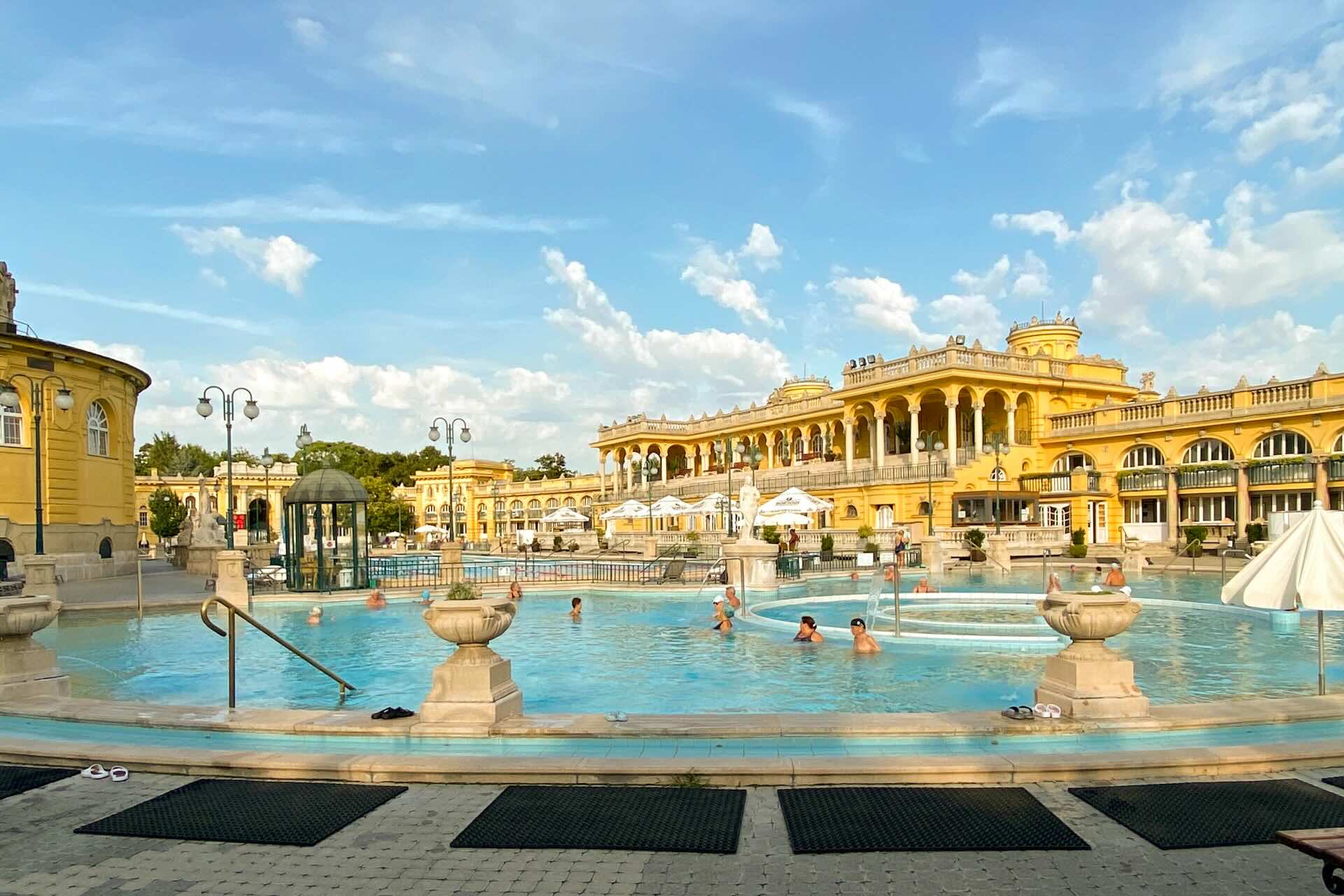
    Széchenyi Baths, with its outdoor pools, and Gellért Baths, with its ornate interiors, offer different atmospheres. The water is naturally heated, creating a year round experience.

    Bath culture here is social and routine.

    You are not just visiting a spa. You are participating in a tradition.

    Architecture Reflects Multiple Eras

    Budapest’s architecture blends Gothic, Baroque, and Art Nouveau influences.

    Parliament stands as one of the most recognizable buildings in Europe, while smaller streets reveal detailed facades and decorative elements.

    The city feels layered without feeling chaotic.

    Each era remains visible.

    Bridges Connect More Than Geography

    Budapest’s bridges are not just functional.

    The Chain Bridge, Elizabeth Bridge, and Liberty Bridge each add visual identity to the city. Crossing them provides shifting views of river, skyline, and hills.

    They reinforce the connection between Buda and Pest.

    Movement becomes part of the experience.

    Food and Café Culture Add Depth

    Hungarian cuisine brings richness and comfort.

    Dishes like goulash and paprika based specialties reflect regional flavors. Cafés provide a quieter contrast, with coffee and pastries encouraging slower moments.

    Dining feels integrated into daily life.

    Meals often extend beyond necessity into experience.

    A City That Changes With Light

    Budapest’s atmosphere shifts throughout the day.

    Morning light softens the city’s edges. Afternoon highlights architectural detail. Night brings illumination along the Danube, with bridges and buildings reflecting in the water.

    The city feels different depending on when you experience it.

    Why Budapest Feels Balanced

    Budapest along the Danube and thermal baths works because it balances contrasts.

    Historic and modern, calm and energetic, elevated and grounded all exist together.

    The city does not force one identity.

    It allows you to move between them.

    How to Experience Budapest Fully

    Walk along both sides of the Danube.

    Spend time in at least one thermal bath to understand its cultural role.

    Explore Castle Hill for views, then return to Pest for food and nightlife.

    Cross the bridges at different times of day.

    Allow the city’s contrasts to guide your experience.

    Final Thoughts on Budapest

    Budapest offers a combination of elements that feel both distinct and cohesive.

    The river provides continuity. The baths provide identity. The architecture provides context.

    Together, they create a city that feels complete.

    Budapest invites you to slow down, observe, and move between its layers.

    Plan a trip to Budapest today.