Tag: TravelPal

  • Lugano, Switzerland’s Mediterranean Escape

    Lugano, Switzerland’s Mediterranean Escape

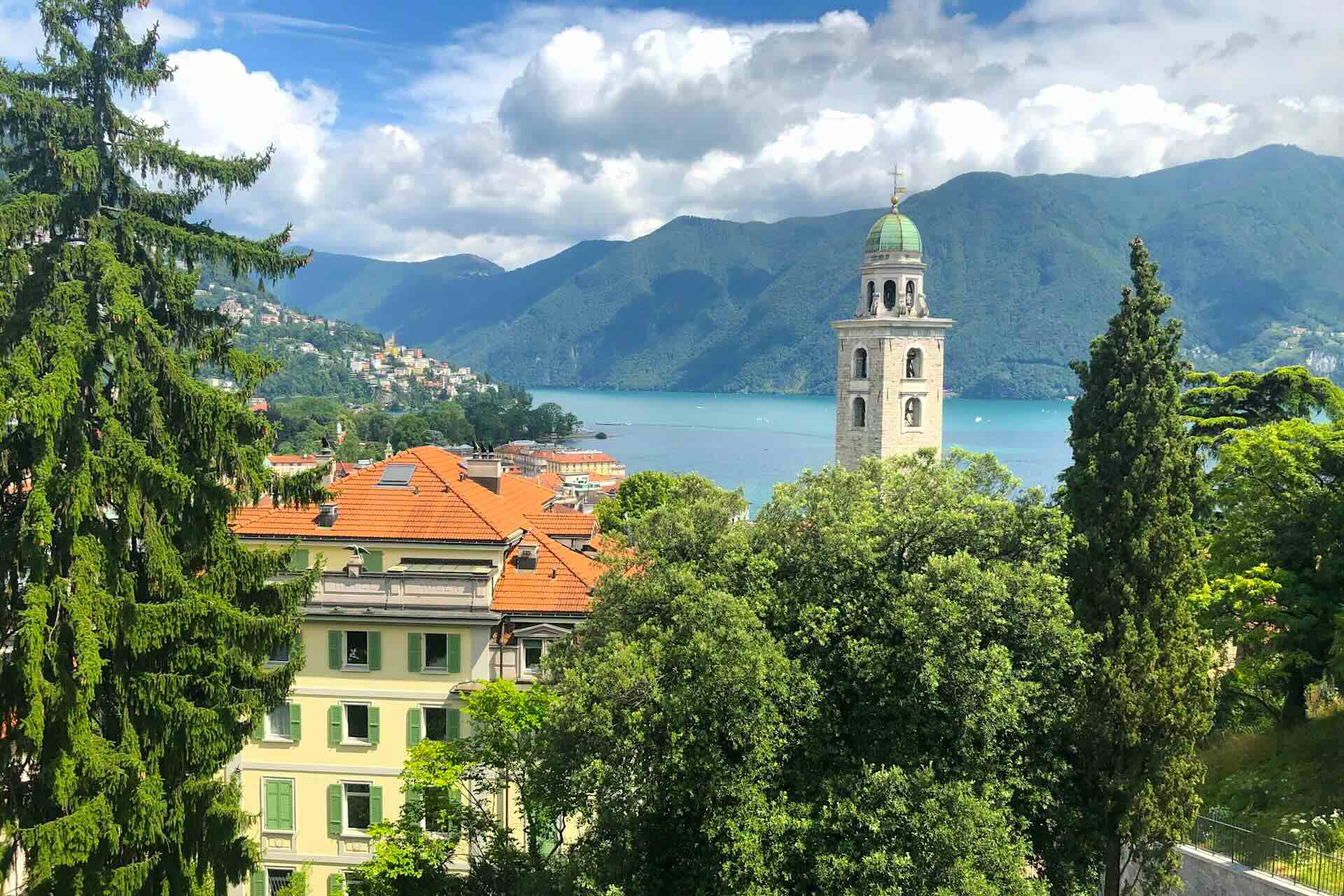
    Lugano, Switzerland’s Mediterranean escape, feels like a shift in tone the moment you arrive. Located in the Italian speaking region of Ticino, Lugano blends Swiss precision with a relaxed southern European atmosphere. Palm trees line the lake, outdoor cafés fill with conversation, and the surrounding mountains create a sense of quiet enclosure.

    This is Switzerland with a softer edge. The pace slows, the light feels warmer, and daily life moves with more ease.

    A Lake That Defines the Experience

    Lake Lugano is the center of everything.

    The water reflects nearby hills and distant peaks, creating a layered landscape that changes throughout the day. Early mornings feel calm and reflective. Afternoons bring gentle activity along the waterfront.

    Walking along the promenade offers constant views of the lake framed by architecture and greenery.

    The setting feels balanced and open.

    Mediterranean Influence in Everyday Life

    Lugano’s atmosphere leans more Mediterranean than alpine.

    Outdoor dining is common. Cafés spill into piazzas. Conversations stretch longer into the evening.

    Italian language and culture shape the city’s rhythm.

    This influence creates a sense of warmth that contrasts with the more structured feel of northern Swiss cities.

    The Old Town Adds Character

    Lugano’s historic center provides texture and depth.

    Narrow streets, arcades, and small squares create a walkable environment filled with shops and cafés. Architecture reflects both Swiss and Italian design influences.

    You move easily from open waterfront spaces into more intimate urban corners.

    The transition feels natural.

    Mountains Provide Perspective

    While the lake draws attention, the surrounding mountains complete the experience.

    Monte Brè and Monte San Salvatore offer panoramic views over the city and water. Funiculars make access easy, allowing you to reach higher elevations without difficulty.

    From above, Lugano feels both compact and expansive.

    The combination of lake and mountain creates visual balance.

    Parks and Open Spaces

    Lugano includes several well maintained parks along the waterfront.

    Parco Ciani stands out with its shaded paths, manicured gardens, and views of the lake. These spaces invite slow movement and quiet moments.

    Greenery softens the built environment and reinforces the city’s calm.

    Food Reflects Regional Identity

    Dining in Lugano highlights its position between Switzerland and Italy.

    You will find risotto, fresh pasta, and local wines alongside Swiss influences. Restaurants range from casual lakeside spots to more refined settings.

    Meals feel social and unhurried.

    Food becomes part of the atmosphere rather than a separate event.

    Culture Without Overcrowding

    Lugano offers cultural experiences without the intensity of larger European cities.

    Museums, galleries, and performance spaces provide options, but they do not dominate the experience.

    You can engage with culture at your own pace.

    The city feels accessible rather than overwhelming.

    A Lifestyle That Feels Balanced

    Lugano’s appeal comes from balance.

    Nature and urban life coexist without conflict. The lake provides openness, while the mountains create structure.

    Daily routines feel intentional.

    The city encourages you to enjoy simple moments, walking, sitting, observing.

    When to Visit Lugano

    Spring and early fall offer the most comfortable weather.

    Summer brings warmth and longer days, ideal for lake activities and outdoor dining.

    Winter feels quieter, with fewer visitors and a more reflective atmosphere.

    Each season highlights a different aspect of the city.

    How to Experience Lugano Fully

    Start your day with a walk along the lake.

    Spend time in the old town exploring smaller streets and local shops.

    Take a funicular to one of the surrounding mountains for perspective.

    Sit at a café without a fixed schedule.

    Let the city’s slower pace guide you.

    Why Lugano Feels Like an Escape

    Lugano, Switzerland’s Mediterranean escape, works because it offers contrast within a single destination.

    It combines structure and relaxation, mountains and water, Swiss precision and Italian warmth.

    This blend creates a sense of ease that is hard to replicate.

    Final Thoughts on Lugano

    Lugano does not rely on scale or intensity.

    Instead, it offers atmosphere.

    The lake provides calm. The culture provides warmth. The mountains provide perspective.

    Together, they create a destination that feels both refined and relaxed.
    Plan a trip to Lugano today.

  • Aspen Beyond Ski Season

    Aspen Beyond Ski Season

    Aspen beyond ski season reveals a different side of this well known Colorado destination. While winter brings global attention with its slopes and alpine lifestyle, the months outside of ski season offer a more relaxed, open, and often more rewarding experience. Aspen becomes less about performance and more about presence.

    Set high in the Rocky Mountains, Aspen blends natural beauty with thoughtful design, cultural depth, and outdoor access. Without the intensity of peak winter crowds, the town feels more approachable. The landscape remains just as impressive, but the pace changes.

    Summer Opens the Landscape

    When the snow melts, Aspen transforms into a green mountain environment filled with trails, wildflowers, and flowing rivers.

    Hiking becomes the main activity. Trails range from short scenic walks to longer routes that climb into alpine terrain. Maroon Bells, one of the most photographed mountain ranges in North America, becomes accessible for hiking and photography.

    The air feels crisp, the views feel expansive, and the overall experience feels less rushed.

    Outdoor Activity Without the Pressure

    Aspen’s summer and early fall seasons invite movement without competition.

    Cycling routes wind through valleys and alongside rivers. Fly fishing in nearby streams offers a slower, more meditative experience. Paddleboarding and kayaking appear in calmer waters.

    You are not chasing a lift line or a slope. You are choosing your own rhythm.

    Fall Brings Color and Quiet

    Autumn in Aspen is defined by golden aspen trees.

    Entire hillsides shift to bright yellow, creating contrast against dark evergreens and blue skies. The air cools, and the crowds thin further.

    Fall feels like a transition not just in season, but in atmosphere.

    It is one of the most peaceful times to visit.

    Culture Adds Another Layer

    Aspen is not only about nature.

    The town has a strong cultural presence that continues year round. The Aspen Music Festival and School, along with art galleries and performance spaces, bring creativity into the mountain setting.

    Events feel curated but accessible.

    Culture in Aspen complements the environment rather than competing with it.

    The Town Feels Different Without Snow

    Without winter crowds, Aspen’s downtown becomes more walkable and relaxed.

    Restaurants are easier to access. Shops feel less crowded. Streets feel open.

    You notice details more easily, architecture, design, and the way the town integrates into the surrounding landscape.

    The experience becomes more personal.

    Food Reflects a Balanced Lifestyle

    Dining in Aspen remains high quality throughout the year.

    Menus often focus on fresh ingredients, seasonal dishes, and lighter options that reflect active lifestyles.

    Patio dining becomes a highlight during warmer months, with mountain views as a backdrop.

    Meals feel like part of the day’s rhythm rather than a separate event.

    Wellness Feels Natural Here

    Aspen supports a wellness oriented lifestyle without needing to promote it heavily.

    Yoga studios, spas, and outdoor fitness opportunities blend into daily life. Hiking itself becomes a form of meditation.

    The environment encourages physical and mental balance.

    Wellness feels integrated rather than structured.

    Scenic Drives and Surrounding Areas

    Driving through the Roaring Fork Valley reveals another side of the region.

    Nearby towns like Snowmass and Basalt provide additional perspectives and quieter experiences. Scenic routes offer changing views as elevation and terrain shift.

    The journey around Aspen can be as rewarding as the destination itself.

    Why Aspen Works Year Round

    Aspen beyond ski season works because the core elements remain unchanged.

    The mountains, the air, and the design of the town stay consistent. What changes is the pace and the way people interact with the environment.

    Without the focus on skiing, other aspects come forward.

    The result feels more balanced.

    How to Experience Aspen Fully

    Visit during late summer or early fall for a mix of activity and calm.

    Combine hiking with time in town rather than focusing on one or the other.

    Attend a cultural event or performance if available.

    Take time to explore surrounding areas rather than staying only in the center.

    Let the slower pace guide your schedule.

    Final Thoughts on Aspen

    Aspen offers more than its winter reputation suggests.

    Outside of ski season, the destination becomes quieter, more reflective, and in many ways more accessible.

    The mountains remain just as powerful, but the experience feels more personal.

    Aspen invites you to engage with the environment at your own pace.

    Plan a trip to Aspen today.

  • Charleston’s Southern Charm, Reimagined

    Charleston’s Southern Charm, Reimagined

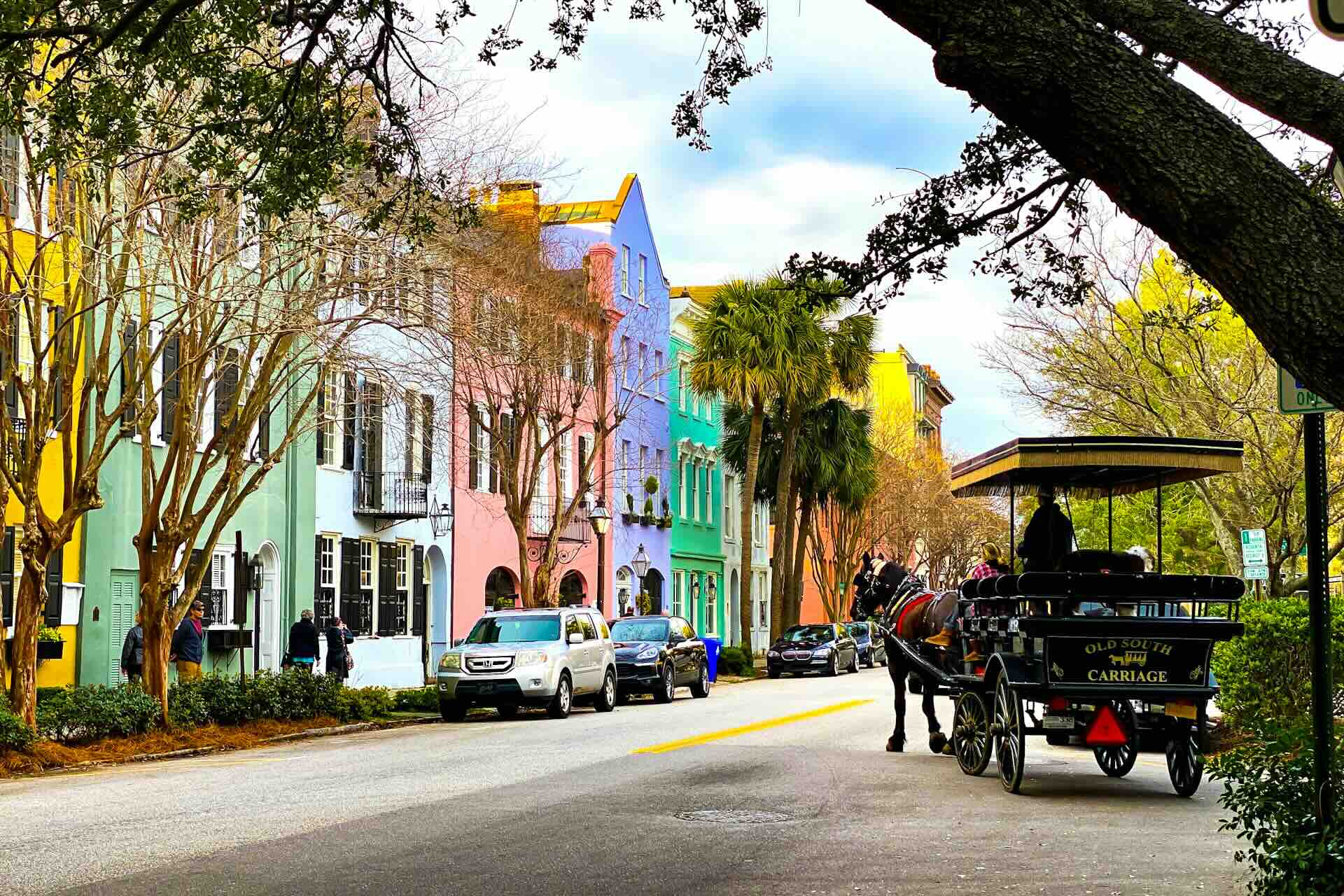
    Charleston’s southern charm, reimagined, captures how this coastal city blends history with a fresh, modern energy. Located along South Carolina’s Atlantic coastline, Charleston feels deeply rooted in tradition while evolving through food, design, and culture. It is a place where cobblestone streets meet contemporary restaurants, and historic homes sit alongside creative spaces.

    You experience Charleston through detail. The colors of pastel houses, the sound of horse drawn carriages, and the scent of coastal air all contribute to a city that feels both familiar and new.

    Historic Streets That Still Shape the City

    Charleston’s historic district defines its visual identity.

    Narrow streets lined with centuries old homes create a sense of intimacy. Wrought iron gates, window boxes, and shaded sidewalks add texture to every block.

    Walking here feels immersive rather than observational.

    The past is not hidden. It is integrated into daily life.

    Architecture That Reflects Climate and Culture

    Charleston’s homes are designed with purpose.

    Single houses, with long narrow profiles and side piazzas, allow airflow during humid summers. Large windows and elevated foundations reflect both practicality and style.

    These details show how architecture responds to environment.

    Form and function come together naturally.

    A Food Scene That Continues to Evolve

    Charleston’s culinary reputation has grown far beyond traditional southern cooking.

    Classic dishes like shrimp and grits and she-crab soup remain staples, but chefs continue to reinterpret them with modern techniques and global influence.

    Restaurants range from refined dining rooms to casual oyster bars.

    Food feels central to the city’s identity.

    Coastal Influence Shapes the Experience

    Charleston’s proximity to the water defines its rhythm.

    Nearby beaches like Sullivan’s Island and Folly Beach provide easy access to the Atlantic. The harbor and surrounding marshlands create a softer, more fluid landscape compared to inland cities.

    Water adds openness and calm to the experience.

    It also influences cuisine, culture, and daily life.

    Markets and Local Life

    The Charleston City Market offers a glimpse into local craftsmanship.

    Vendors sell handmade goods, sweetgrass baskets, and regional specialties.

    Beyond the market, neighborhoods like Cannonborough and Elliotborough introduce independent shops, cafés, and a younger creative energy.

    These areas show Charleston’s ongoing evolution.

    Culture That Acknowledges Complexity

    Charleston’s history is rich but also complex.

    Museums and historic sites provide insight into the city’s role in early American history and the legacy of slavery.

    Modern Charleston acknowledges this history while continuing to grow.

    Understanding the city requires both appreciation and awareness.

    The Pace Encourages Connection

    Charleston moves at a slower, more intentional pace.

    Meals last longer. Conversations feel more relaxed.

    The city encourages you to linger, whether on a shaded porch or along the waterfront.

    This pace reinforces the feeling of charm without feeling staged.

    Design and Aesthetic Detail

    Charleston pays attention to design.

    From boutique hotels to small shops, there is a consistent sense of style. Neutral palettes, natural materials, and coastal influences create a cohesive look.

    Even modern spaces feel connected to the city’s character.

    Seasonal Changes Add Variety

    Spring and fall offer the most comfortable weather.

    Summer brings heat and humidity, balanced by coastal breezes and beach access.

    Winter feels quieter and more reflective.

    Each season presents Charleston differently while maintaining its core identity.

    How to Experience Charleston Fully

    Start your day with a walk through the historic district.

    Spend time near the water, whether at the harbor or on a nearby beach.

    Explore both established restaurants and newer dining spots.

    Visit museums and historic sites to understand the city’s depth.

    Allow time to slow down rather than rushing between attractions.

    Why Charleston Feels Reimagined

    Charleston’s southern charm, reimagined, works because the city does not rely solely on its past.

    It builds on it.

    New ideas, creative energy, and evolving culture add layers to an already strong foundation.

    The result feels authentic rather than curated.

    Final Thoughts on Charleston

    Charleston offers a balance between preservation and progress.

    Its history provides structure. Its present brings movement.

    You can feel both at once.

    That balance is what makes Charleston stand out among American coastal cities.

    Plan a trip to Charleston today.

  • Sedona’s Red Rocks and Restorative Energy

    Sedona’s Red Rocks and Restorative Energy

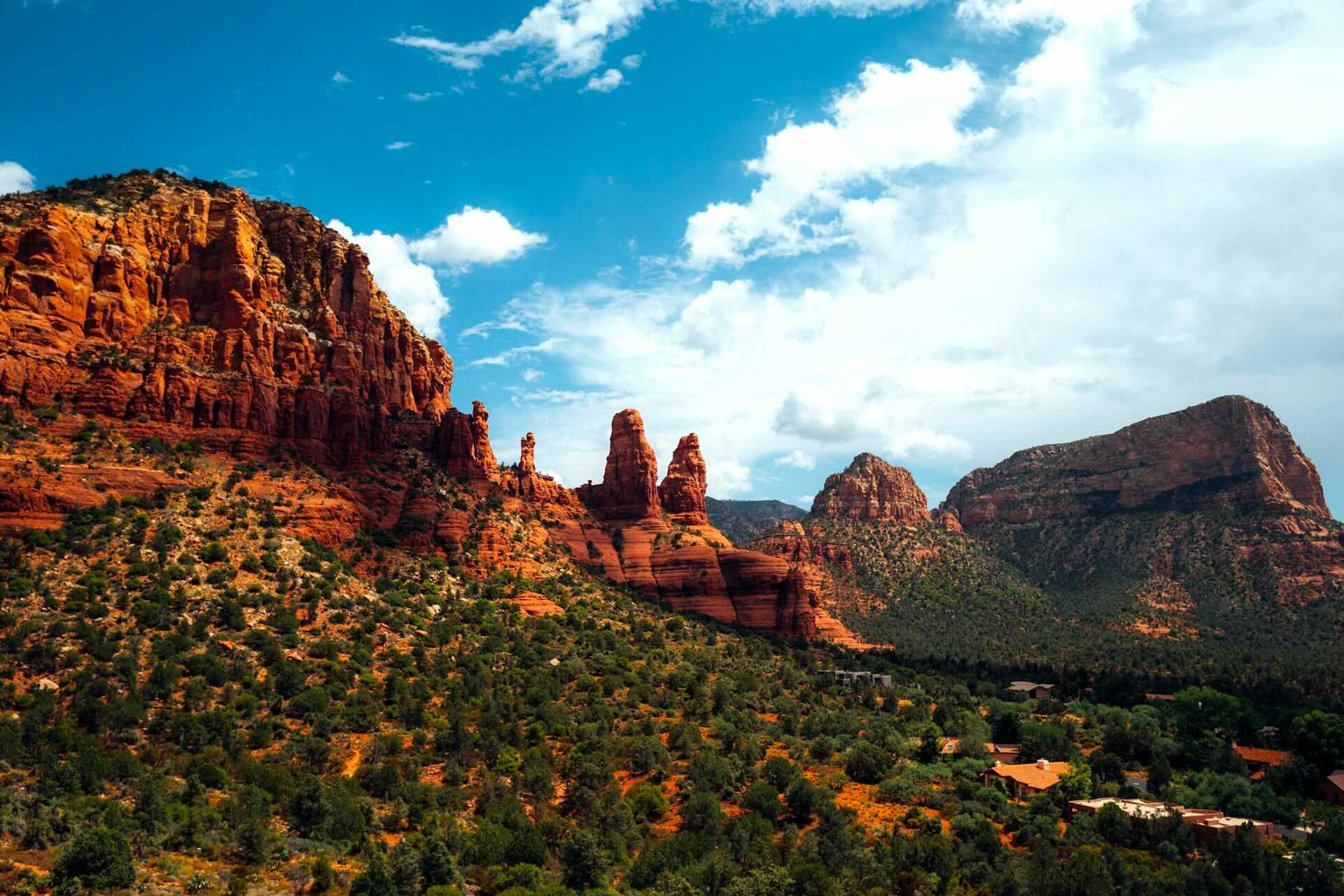
    Sedona’s red rocks and restorative energy define the experience before you even step out of your car. Rising from the desert floor in deep shades of rust and orange, the landscape feels both dramatic and calming at the same time. This northern Arizona destination is not just about scenery. It is about how that scenery makes you feel.

    Sedona invites you to slow down, breathe more deeply, and reconnect with your surroundings. Whether you arrive for hiking, wellness, or simply a change of pace, the environment shapes every moment.

    The Red Rocks as a Constant Presence

    Sedona’s rock formations are not distant landmarks.

    They surround the town on all sides. Cathedral Rock, Bell Rock, and Courthouse Butte create a visual rhythm that changes with light throughout the day.

    Sunrise softens the edges. Midday intensifies color. Sunset turns the landscape into glowing layers of red and gold.

    The rocks feel alive in their own quiet way.

    Hiking That Feels Both Accessible and Expansive

    Sedona offers a wide range of trails.

    Short walks lead to sweeping viewpoints. Longer hikes move deeper into canyons and along ridgelines.

    Popular trails like Devil’s Bridge and West Fork provide different perspectives on the terrain.

    Even casual walks reveal scale and silence that feel restorative.

    The experience is less about reaching a summit and more about being present in the landscape.

    Vortex Culture and Energy

    Sedona is known for its vortex sites, areas believed to hold concentrated energy.

    Whether you approach this concept spiritually or simply as a mindset, these locations encourage stillness and reflection.

    People come to meditate, practice yoga, or sit quietly.

    The idea of energy becomes less abstract when paired with the physical calm of the environment.

    Wellness as Part of Daily Life

    Sedona’s wellness culture feels integrated rather than commercial.

    Spas, retreats, and healing centers blend into the town’s identity. Outdoor yoga sessions and guided meditation experiences take advantage of the natural setting.

    The focus is on restoration, not performance.

    You are encouraged to slow down, not fill your schedule.

    The Pace Feels Intentional

    Sedona does not move quickly.

    Traffic may slow during peak hours, but the overall rhythm remains steady and unhurried.

    Meals stretch longer. Conversations feel more relaxed.

    There is an understanding that the environment sets the tone.

    Trying to rush through Sedona works against its purpose.

    Art and Local Expression

    Sedona has a strong creative presence.

    Galleries and studios feature Southwestern art, sculpture, and contemporary work inspired by the landscape.

    Local artists often draw directly from the colors and textures of the surrounding environment.

    Art here feels connected to place rather than detached from it.

    Food That Matches the Setting

    Dining in Sedona reflects both health conscious and comfort driven approaches.

    You can find plant forward menus alongside classic Southwestern dishes.

    Outdoor patios offer views of the red rocks, making the setting part of the meal.

    Food feels supportive rather than indulgent.

    Stargazing Adds Another Dimension

    Sedona’s relatively low light pollution creates excellent stargazing conditions.

    At night, the sky opens in a way that contrasts with the daytime landscape.

    Stars feel closer. Silence feels deeper.

    Evenings often become a continuation of the restorative experience.

    Why Sedona Feels Restorative

    Sedona’s red rocks and restorative energy come from alignment between environment and pace.

    The landscape encourages stillness. The town supports it.

    There is space to think, to walk, and to sit without distraction.

    This balance creates a sense of renewal.

    How to Experience Sedona Fully

    Wake early to experience the landscape before peak activity.

    Choose one or two hikes per day rather than over scheduling.

    Spend time sitting at viewpoints without a specific goal.

    Explore local galleries and small shops.

    Allow time for quiet, not just movement.

    Final Thoughts on Sedona

    Sedona offers more than visual beauty.

    It offers perspective.

    The red rocks remind you of scale. The quiet reminds you of presence.

    In a world that often feels fast and crowded, Sedona provides space to reset.

    That is what makes it memorable.

    Plan a trip to Sedona today.

  • Lake Tahoe for Mountain Air and Alpine Calm

    Lake Tahoe for Mountain Air and Alpine Calm

    Lake Tahoe for mountain air and alpine calm describes the experience almost perfectly. Sitting high in the Sierra Nevada mountains along the California Nevada border, Lake Tahoe offers something many travelers are looking for but rarely find, natural beauty paired with genuine stillness.

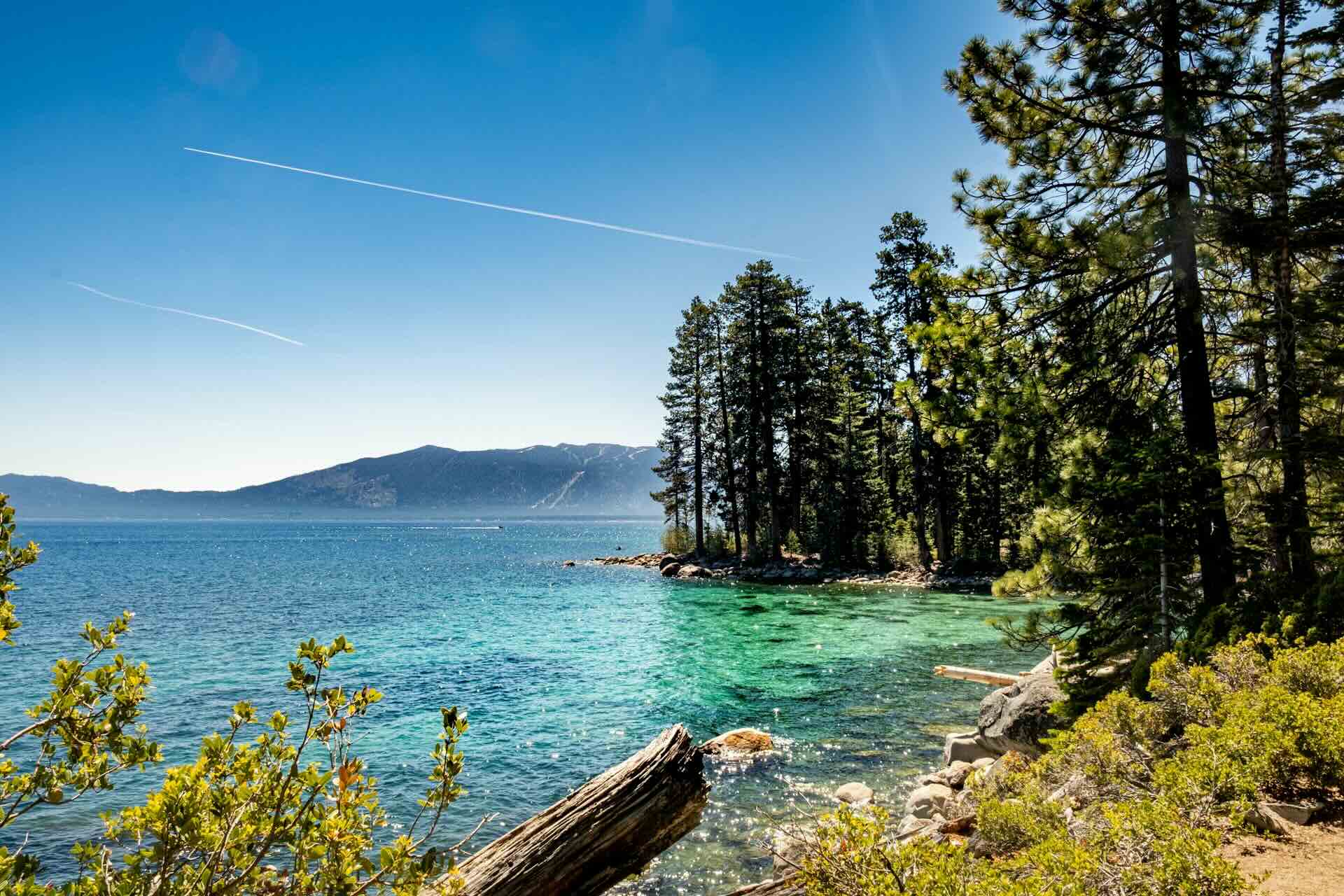
    The lake itself is the centerpiece. Its deep blue water reflects surrounding pine forests and rugged peaks. Whether you visit in winter snow or summer sunshine, Tahoe feels restorative. The pace slows. The air feels crisp. The landscape invites you to breathe differently.

    A Lake That Feels Almost Unreal

    Lake Tahoe is one of the clearest alpine lakes in the world.

    The water’s deep cobalt color shifts throughout the day as sunlight moves across the mountains. Early mornings are especially calm, with glass like reflections along the shoreline.

    Beaches such as Sand Harbor and Kings Beach provide access to the lake’s dramatic beauty.

    Standing near the water’s edge, you feel the scale of the surrounding wilderness.

    Mountain Air That Changes Your Pace

    Tahoe sits more than six thousand feet above sea level.

    The elevation and surrounding forests create remarkably clean air. Walking trails feel refreshing rather than exhausting.

    Visitors often notice the difference immediately. Breathing feels easier. The atmosphere feels quieter.

    The environment naturally slows your pace.

    Winter Turns Tahoe Into a Snow Destination

    During winter, Lake Tahoe becomes one of North America’s most popular alpine ski regions.

    Resorts like Palisades Tahoe, Heavenly, and Northstar attract skiers and snowboarders from around the world.

    Snow covered trees and mountain slopes create a postcard landscape.

    After a day outdoors, fireplaces and warm restaurants add comfort.

    Summer Reveals the Lake’s Calmer Side

    In warmer months, Tahoe’s identity shifts.

    Kayaking, paddleboarding, and swimming dominate lakefront activity. Hiking trails open through pine forests and along ridgelines.

    Cyclists ride scenic mountain routes. Boats move slowly across open water.

    Summer brings energy without losing the lake’s tranquility.

    Hiking Offers Endless Views

    Tahoe’s trail system provides options for every level.

    Short lakeside walks introduce visitors to forest and shoreline ecosystems. Longer hikes climb toward panoramic views of the lake basin.

    Trails such as Eagle Falls and Mount Tallac reward effort with dramatic scenery.

    Nature remains the main attraction.

    Small Mountain Towns Add Character

    Communities surrounding the lake maintain a relaxed alpine identity.

    South Lake Tahoe offers activity and nightlife. Tahoe City and Truckee provide quieter charm with local shops and cafés.

    These towns serve as comfortable bases for exploring the region.

    The atmosphere remains casual and welcoming.

    Sunsets Reflect the Landscape’s Calm

    Evenings in Tahoe often feel contemplative.

    As the sun sets behind mountain ridges, light softens across the lake’s surface. Colors shift from blue to gold and purple.

    Watching sunset from the shoreline becomes a ritual for many visitors.

    It reinforces the sense of calm that defines the destination.

    Wildlife and Forests Shape the Environment

    Tahoe’s surrounding wilderness remains remarkably intact.

    Black bears, deer, and birdlife move through forests that feel expansive and quiet.

    The scent of pine trees and the sound of wind moving through branches add to the sensory experience.

    Nature feels dominant rather than decorative.

    The Balance Between Adventure and Rest

    Lake Tahoe works because it offers both activity and stillness.

    You can spend the morning hiking or skiing, then shift to an afternoon on the lake or a quiet cabin deck.

    This balance attracts travelers seeking both physical adventure and mental reset.

    Few destinations combine those elements so seamlessly.

    When to Visit Lake Tahoe

    Winter appeals to skiers and snow lovers.

    Summer attracts visitors seeking water activities and hiking.

    Fall offers cooler temperatures and fewer crowds. Spring brings a quieter transition season.

    Each season reveals a different personality while maintaining the same alpine beauty.

    How to Experience Tahoe Fully

    Start mornings early to enjoy calm lake views.

    Spend time both on the water and in the surrounding mountains.

    Choose a mix of outdoor activity and relaxed afternoons.

    Take time simply to sit along the shoreline and observe.

    The environment encourages presence.

    Final Thoughts on Lake Tahoe

    Lake Tahoe for mountain air and alpine calm captures the region’s essence.

    The lake offers clarity, the forests offer quiet, and the mountains provide perspective.

    Visitors arrive for scenery but often leave remembering the feeling of calm.

    Tahoe reminds you that sometimes the most powerful travel experiences come from nature rather than spectacle.

    Plan a trip to Lake Tahoe today.

  • Tulum Where Jungle Meets the Caribbean

    Tulum Where Jungle Meets the Caribbean

    Tulum where jungle meets the Caribbean is not just a description, it is the essence of the experience. This stretch of Mexico’s Riviera Maya blends dense greenery with white sand and turquoise water in a way that feels immersive rather than decorative. The setting is dramatic, but the atmosphere remains relaxed.

    Unlike larger resort destinations, Tulum feels intentionally unpolished. The jungle presses close to boutique hotels. The sea remains the main attraction. Nature is not background scenery here, it defines the rhythm of the day.

    The Beach as the Centerpiece

    Tulum’s beaches are visually striking and remarkably accessible.

    Soft sand meets bright blue water with very little interruption. Palm trees lean naturally over shoreline paths. Many hotels sit steps from the sea rather than behind towering structures.

    The coastline feels open and organic rather than crowded with high rise development.

    Mornings often begin quietly, with yoga sessions or slow walks before the heat builds.

    The Jungle as Shelter and Statement

    Behind the beach road, dense jungle creates both privacy and atmosphere.

    Hotels and restaurants integrate wood, stone, and natural fibers into their design. Open air spaces allow breezes to circulate.

    At night, low lighting and candlelit tables emphasize connection to environment.

    The jungle softens sound and encourages slower movement.

    Ruins Above the Sea

    Tulum’s Mayan ruins add historical depth to its natural beauty.

    Perched on cliffs above the Caribbean, the archaeological site connects visitors to centuries old coastal trade routes.

    The setting feels symbolic, civilization meeting sea.

    Exploring the ruins early in the morning offers cooler air and softer light.

    History feels present but not overwhelming.

    Cenotes Offer a Different Kind of Water

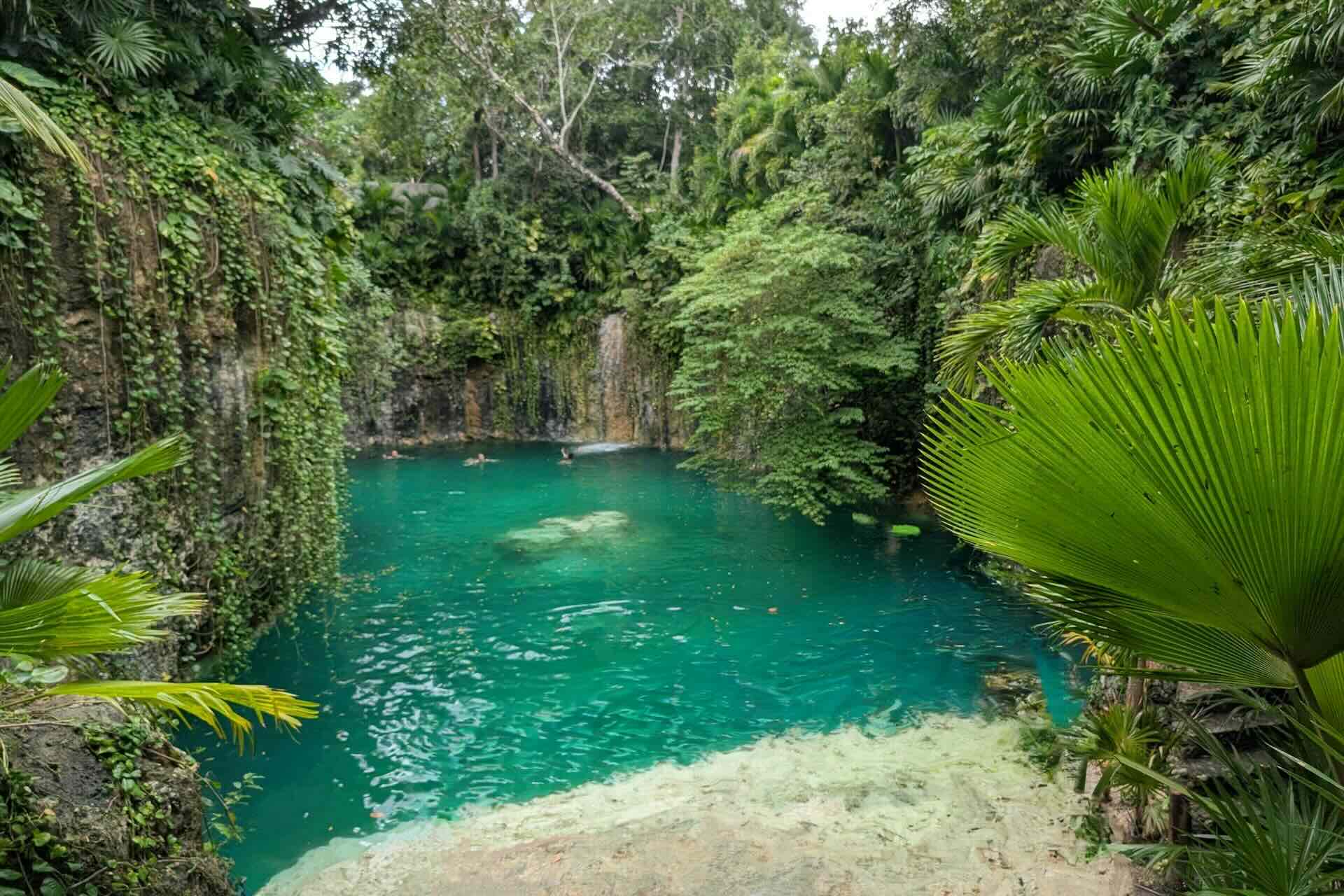
    Beyond the coastline, freshwater cenotes provide another defining experience.

    These natural sinkholes reveal underground rivers and limestone formations.

    Swimming in a cenote feels intimate and refreshing, especially after a warm day in the sun.

    The contrast between saltwater sea and freshwater cave reinforces Tulum’s environmental diversity.

    Food Reflects Global Influence

    Tulum’s dining scene blends Mexican tradition with international creativity.

    You can find authentic tacos and ceviche alongside plant forward menus and contemporary cuisine.

    Many restaurants prioritize fresh ingredients and open air settings.

    Meals often stretch into evening as live music and conversation continue.

    Wellness as Part of the Identity

    Tulum has built a reputation for wellness and mindful travel.

    Yoga studios, meditation sessions, and holistic retreats integrate naturally into daily routines.

    The environment supports restoration without feeling rigid.

    Wellness here feels optional rather than obligatory.

    Design Is Thoughtful but Minimal

    Architecture in Tulum emphasizes simplicity.

    Neutral palettes, natural textures, and indoor outdoor layouts dominate.

    Design choices often highlight sustainability and environmental awareness.

    The aesthetic feels cohesive without being overly stylized.

    The Pace Encourages Disconnection

    Tulum invites you to unplug.

    WiFi exists, but many visitors choose to limit screen time.

    Days often revolve around sunrise swims, mid day rest, and long dinners.

    The lack of urban intensity creates space for reflection.

    Balancing Popularity and Preservation

    Tulum has grown in popularity, and that growth brings visible development.

    Some areas feel busier than they once did.

    Yet pockets of quiet remain.

    Choosing accommodations thoughtfully can shape your experience.

    The balance between nature and tourism continues to evolve.

    How to Experience Tulum Fully

    Wake early to enjoy the beach before peak hours.

    Visit both the ruins and a cenote to experience different sides of the region.

    Choose restaurants that highlight local ingredients.

    Spend time walking or biking rather than relying solely on vehicles.

    Let the environment guide your schedule.

    Final Thoughts on Tulum

    Tulum where jungle meets the Caribbean succeeds because it does not separate nature from experience.

    The sea defines mornings. The jungle shapes evenings. History anchors perspective.

    Rather than overwhelming you with attractions, Tulum immerses you in setting.

    The simplicity is intentional.

    Plan a trip to Tulum today.

  • Why Porto Feels More Personal Than Other European Cities

    Why Porto Feels More Personal Than Other European Cities

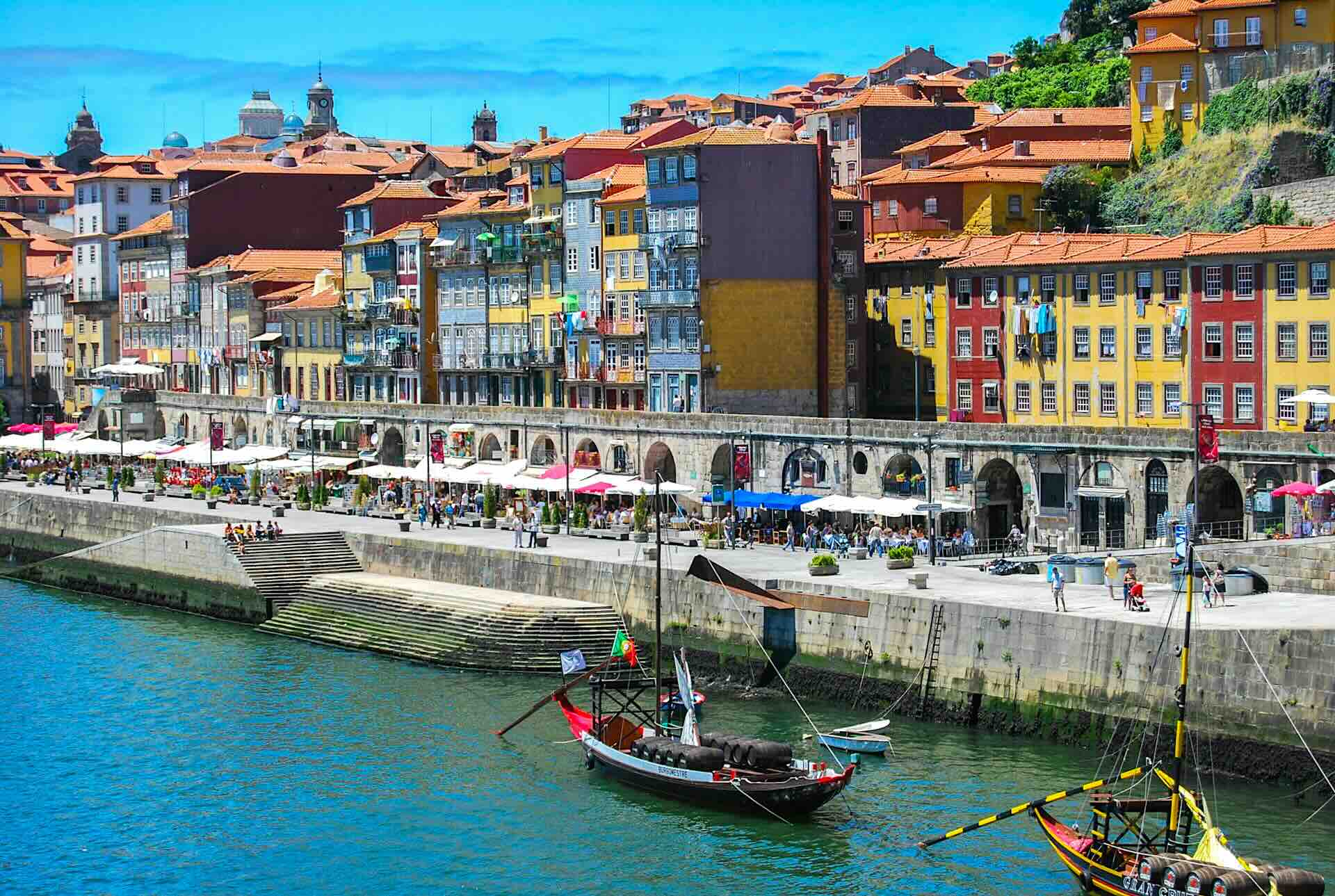
    Porto has a way of staying with you, and why Porto feels more personal than other European cities becomes clear the longer you walk its hills. Portugal’s second largest city is historic without feeling staged. It is beautiful without feeling curated. It invites you into daily life instead of placing you at a distance from it.

    Unlike larger European capitals that can feel overwhelming or polished to perfection, Porto feels intimate. The scale is manageable. The streets feel lived in. Conversations spill into sidewalks. You do not feel like you are moving through a museum. You feel like you are moving through someone’s neighborhood.

    The Scale Makes a Difference

    Porto is compact and walkable.

    The historic center wraps around the Douro River, with neighborhoods flowing naturally into one another. You can cross from Ribeira to Cedofeita without long commutes or constant transit decisions.

    This manageable scale reduces friction.

    You notice details because you are not racing between landmarks.

    Architecture Feels Weathered and Honest

    Porto’s beauty is textured rather than polished.

    Azulejo tiles decorate building facades, some vibrant, others faded by time. Balconies lean slightly. Paint peels in places.

    Instead of detracting from charm, these imperfections create depth.

    The city feels authentic because it shows its age openly.

    Daily Life Happens in Public

    In Porto, life unfolds outdoors.

    Laundry hangs above narrow streets. Neighbors talk from windows. Small groceries and bakeries anchor residential corners.

    Public squares feel local rather than dominated by tour groups.

    This visibility of everyday life makes visitors feel closer to the city’s rhythm.

    Food Feels Unpretentious and Regional

    Porto’s food scene reflects northern Portuguese identity.

    Francesinhas, grilled seafood, hearty stews, and pastries are served without ceremony. Portions are generous. Atmosphere is relaxed.

    Restaurants feel welcoming rather than theatrical.

    You eat among locals, not in isolated dining zones.

    The River Creates Connection

    The Douro River defines Porto’s visual and emotional landscape.

    Walking along the Ribeira waterfront reveals boats, wine cellars, and layered hillside architecture.

    Crossing the Dom Luís I Bridge connects you to Vila Nova de Gaia and the city’s port wine tradition.

    The river is not just scenery. It shapes movement and gathering.

    Wine Culture Feels Personal

    Port wine cellars across the river offer tastings that feel rooted in tradition.

    Many producers remain family connected, and tours often include storytelling about history and craft.

    The experience feels educational but not corporate.

    Wine becomes part of understanding place.

    Creative Energy Feels Grounded

    Porto has a growing creative scene.

    Independent bookstores, small galleries, and design shops add contemporary layers to historic streets.

    These spaces feel integrated rather than forced.

    Modern expression complements rather than replaces tradition.

    Crowds Feel Manageable

    While Porto has grown in popularity, it remains less intense than cities like Paris or Rome.

    You can still find quiet streets in the historic center.

    Cafés do not feel overwhelmed at all hours.

    This breathing room allows you to slow down and absorb the atmosphere.

    The Pace Encourages Conversation

    Porto’s pace is steady, not rushed.

    Meals stretch long. Coffee breaks extend naturally. Evenings unfold without urgency.

    You feel invited to linger.

    That invitation fosters connection.

    Locals Maintain Visible Presence

    In some major European cities, tourism dominates central districts.

    In Porto, residents still live in the historic core.

    You see school children, elderly neighbors, and shop owners going about their day.

    The city feels inhabited rather than staged.

    Why Visitors Feel Emotionally Connected

    Why Porto feels more personal than other European cities comes down to proximity.

    You are close to architecture, close to food, close to conversation.

    You are not separated from daily life by barriers or spectacle.

    That closeness creates emotional resonance.

    How to Experience Porto Fully

    Walk without strict direction.

    Spend time in neighborhood cafés rather than only waterfront restaurants.

    Visit local markets and small wine cellars.

    Cross the river at different times of day.

    Observe how light shifts across tiled facades.

    Let the city’s scale guide your pace.

    Final Thoughts on Porto

    Porto does not compete for attention with grand monuments or oversized boulevards.

    Its charm lies in texture, routine, and human scale.

    It feels personal because it remains connected to its residents and traditions.

    In Porto, beauty is not distant. It is within arm’s reach.

    Plan a trip to Porto today.

  • Vienna Between Imperial Elegance and Café Culture

    Vienna Between Imperial Elegance and Café Culture

    Vienna carries itself with quiet confidence, and Vienna between imperial elegance and café culture captures exactly what makes the city so distinctive. Grand palaces and ornate opera houses reflect centuries of Habsburg power, while intimate coffeehouses anchor daily life with warmth and conversation.

    Few cities balance monumentality and intimacy so seamlessly. In Vienna, you can move from gilded halls to marble topped café tables within minutes. The contrast does not feel forced. It feels natural.

    Imperial Architecture That Still Defines the Skyline

    Vienna’s Ringstrasse frames much of its imperial identity.

    Parliament, the State Opera, and Hofburg Palace create a visual language of symmetry and scale. Facades are detailed and imposing. Interiors reflect wealth and cultural ambition.

    Walking these boulevards feels cinematic.

    Yet despite their grandeur, these spaces remain accessible rather than distant.

    Palaces That Reflect Power and Precision

    Schönbrunn Palace and the Hofburg complex reveal how carefully curated imperial life once was.

    Rooms display ornate chandeliers, frescoed ceilings, and symmetrical gardens.

    The design communicates discipline and ceremony.

    Even as a visitor, you sense the order and hierarchy that shaped Vienna’s historical identity.

    Café Culture as Counterbalance

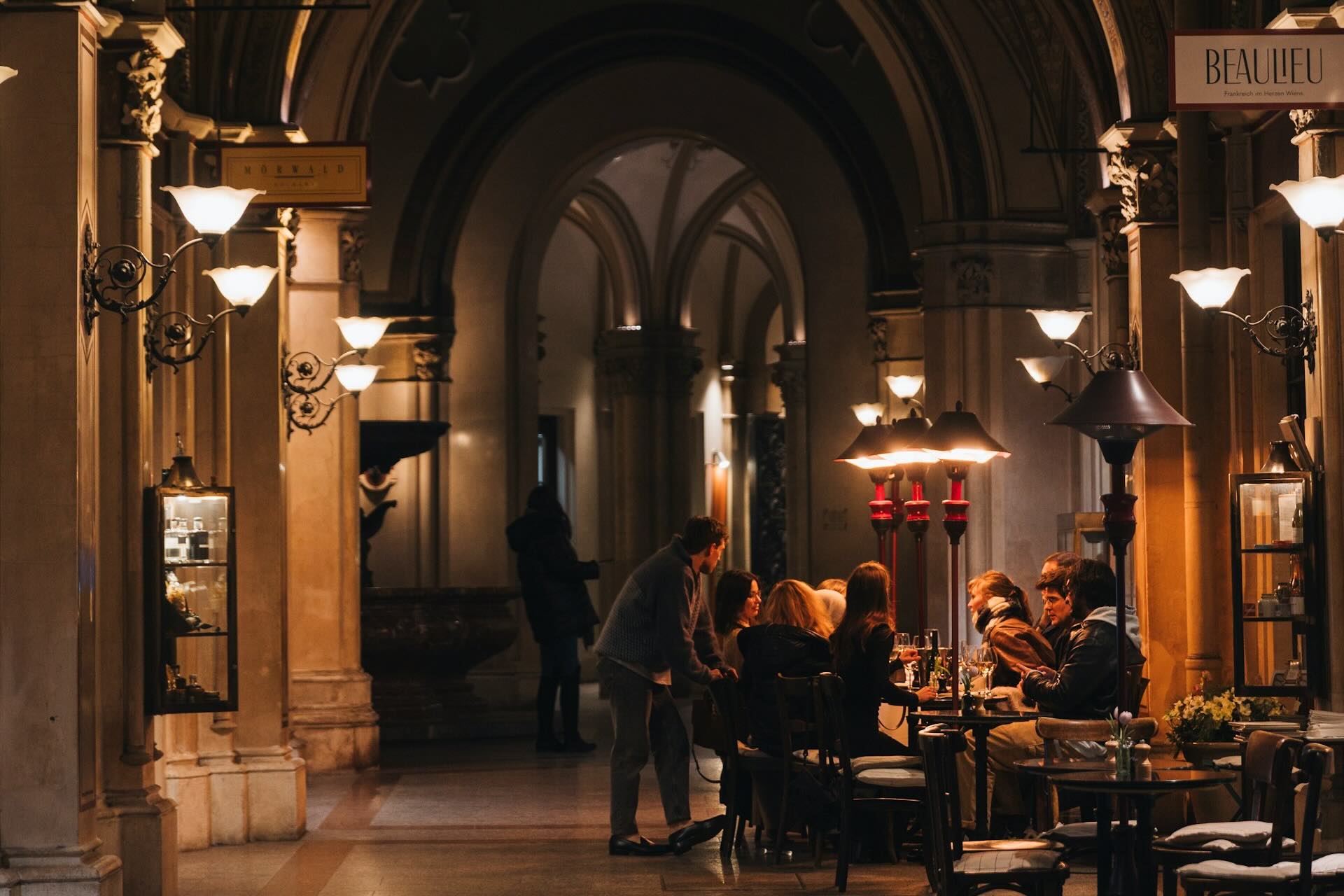
    After absorbing imperial scale, stepping into a Viennese café changes the atmosphere immediately.

    Coffeehouses like Café Central or smaller neighborhood spots invite lingering.

    Marble tables, newspapers, and soft lighting create an environment built for conversation and reflection.

    The café is not just a stop for caffeine. It is a social institution.

    Time Moves Differently in a Coffeehouse

    Viennese cafés encourage patience.

    You are not rushed out after finishing a drink. You can sit, read, write, or observe.

    This rhythm feels intentional.

    The contrast between palace grandeur and café intimacy defines the city’s emotional range.

    Music Connects Both Worlds

    Vienna’s imperial past is inseparable from classical music.

    Opera houses and concert halls continue traditions established centuries ago.

    At the same time, smaller venues and contemporary spaces support evolving musical expression.

    Music bridges historic prestige and modern creativity.

    Markets and Neighborhoods Add Texture

    Beyond imperial landmarks, neighborhoods like Neubau and Leopoldstadt introduce contemporary life.

    Naschmarkt offers produce, spices, and casual dining in a lively setting.

    Boutiques, galleries, and street art add subtle modern energy.

    Vienna feels layered rather than frozen in time.

    Food Reflects Tradition and Evolution

    Traditional dishes such as Wiener Schnitzel and Sachertorte remain staples.

    Yet modern chefs reinterpret these classics with lighter techniques and global influence.

    Dining spans ornate dining rooms and minimalist bistros.

    Cuisine reinforces Vienna’s ability to honor heritage without resisting change.

    Public Spaces Feel Thoughtfully Designed

    Vienna’s parks and plazas offer breathing room between architectural landmarks.

    The Stadtpark and Burggarten invite rest beneath statues and tree lined paths.

    Urban planning reflects balance between density and openness.

    Even the layout feels imperial yet human scaled.

    Why Vienna Feels Composed

    Vienna rarely feels chaotic.

    Transportation runs efficiently. Streets remain orderly.

    There is elegance in how daily life unfolds.

    This composure reflects centuries of structured governance and cultural investment.

    How to Experience Both Sides of Vienna

    Start your day exploring a palace or museum.

    In the afternoon, choose a café and sit without agenda.

    Attend a concert in the evening.

    Walk through residential neighborhoods the next morning.

    Let scale and intimacy alternate naturally.

    The Emotional Impact of Contrast

    Vienna between imperial elegance and café culture is more than a tagline.

    It describes how the city feels.

    You experience grandeur without losing warmth.

    You sense history without being trapped by it.

    This balance creates depth.

    Final Thoughts on Vienna

    Vienna does not force you to choose between monumentality and comfort.

    It offers both in measured doses.

    Imperial facades command attention, while café interiors invite reflection.

    The result is a city that feels refined yet approachable, structured yet relaxed.

    Plan a trip to Vienna today.

  • Mont Tremblant, A Four Season Escape in Quebec

    Mont Tremblant, A Four Season Escape in Quebec

    Mont Tremblant, a four season escape in Quebec, offers something rare in modern travel, consistency without repetition. Whether you arrive under heavy winter snow or bright summer skies, the village and surrounding Laurentian Mountains shift character without losing identity.

    Located about ninety minutes from Montreal, Mont Tremblant balances outdoor adventure with relaxed alpine charm. It feels curated but not artificial. It feels active without being overwhelming. Across every season, the rhythm remains grounded in nature.

    Winter, The Classic Mont Tremblant Experience

    Winter defines Mont Tremblant for many travelers.

    Ski slopes carve across the mountain. Gondolas move steadily above snow covered trees. The pedestrian village glows under soft lighting as evenings settle in.

    Skiing and snowboarding draw visitors from across Canada and the United States. Trails range from beginner friendly runs to advanced terrain.

    After a day on the mountain, restaurants and bars fill with relaxed conversation. The atmosphere feels social without being loud.

    Spring, A Quiet Transition

    Spring softens Mont Tremblant.

    Snow begins to melt, revealing hiking trails and lakes slowly emerging from winter.

    The pace becomes slower and more reflective. This is the season for spa visits, lakeside walks, and uncrowded afternoons in the village.

    Spring highlights the area’s calm side.

    Summer, Outdoor Energy at Full Strength

    Summer transforms Mont Tremblant into a green landscape of trails, lakes, and festivals.

    Hiking routes open across the national park. Mountain biking attracts adrenaline seekers. Golf courses sit framed by rolling hills.

    Lake Tremblant becomes a focal point for paddleboarding, kayaking, and swimming.

    The pedestrian village feels lively but breathable. Outdoor patios fill with travelers enjoying long daylight hours.

    Fall, Color and Clarity

    Autumn may be Mont Tremblant’s most visually striking season.

    The Laurentian Mountains turn vibrant shades of red, orange, and gold.

    Cool air makes hiking comfortable and scenic drives unforgettable.

    The landscape feels cinematic without requiring effort.

    The Pedestrian Village as Social Hub

    Regardless of season, the pedestrian village anchors the experience.

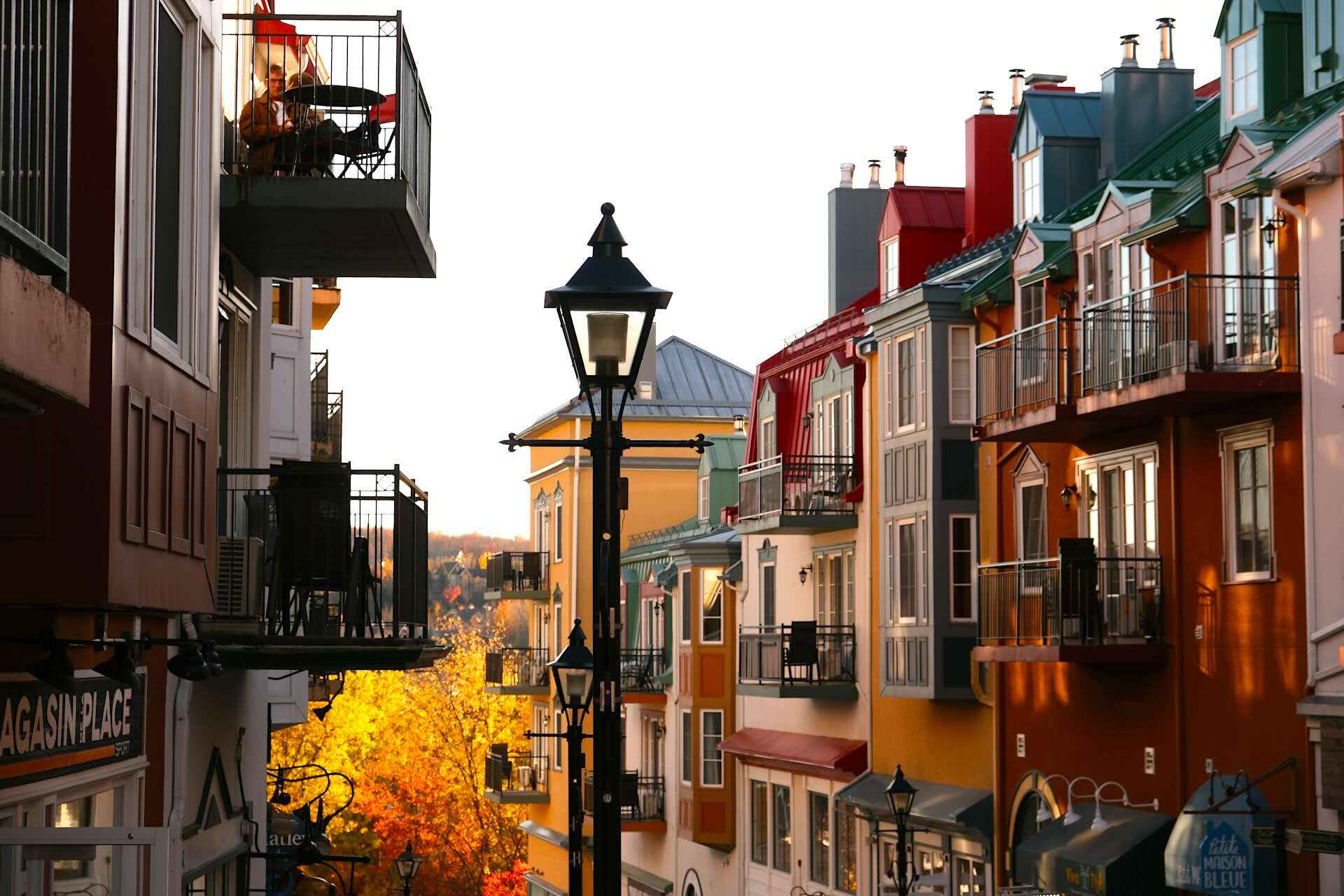
    Colorful buildings, European inspired design, and compact layout encourage walking.

    Shops, cafés, and restaurants sit within minutes of one another.

    The village feels designed for conversation and accessibility.

    Outdoor Activities Beyond the Slopes

    Mont Tremblant’s identity extends beyond skiing.

    Ziplining, trail running, lake cruises, and wildlife observation provide variety.

    The nearby national park offers deeper immersion into Quebec’s forested landscape.

    Adventure feels structured but natural.

    Food Reflects Quebec Influence

    Dining in Mont Tremblant blends comfort and regional identity.

    You will find French Canadian influences in hearty dishes and local ingredients.

    Restaurants range from casual bistros to more refined dining rooms.

    Meals often stretch into relaxed evenings after active days.

    Wellness and Relaxation

    Spas and thermal experiences add balance to outdoor activity.

    Nordic style spa circuits emphasize hot and cold immersion surrounded by forest.

    These restorative experiences reinforce the four season appeal.

    Adventure and relaxation coexist seamlessly.

    Accessibility Makes It Easy

    Mont Tremblant’s proximity to Montreal makes it practical for long weekends or extended stays.

    Travel logistics feel simple, especially compared to more remote alpine destinations.

    That accessibility broadens its appeal across different travel styles.

    Why Mont Tremblant Works Year Round

    Mont Tremblant, a four season escape in Quebec, succeeds because it adapts without reinventing itself.

    The mountain remains central. The village remains welcoming. Nature remains dominant.

    Only the details change.

    Snow gives way to greenery. Greenery gives way to color.

    Each visit feels distinct while preserving the same core identity.

    How to Experience Mont Tremblant Fully

    Choose activities aligned with the season rather than trying to replicate another time of year.

    Embrace the pedestrian layout and walk whenever possible.

    Combine physical activity with restorative downtime.

    Let the landscape guide your schedule.

    Final Thoughts on Mont Tremblant

    Mont Tremblant proves that alpine destinations do not need to be limited to winter. It is truly a four season escape.

    The region offers rhythm, balance, and variety across all four seasons.

    Whether you arrive for skiing, hiking, foliage, or lakeside calm, the experience feels cohesive.

    That consistency is what turns first time visitors into repeat travelers.

    Plan a trip to Mont Tremblant today.

  • Palm Springs and the Art of Desert Living

    Palm Springs and the Art of Desert Living

    Palm Springs and the art of desert living is less about escape and more about intention. This Southern California city does not fight its environment. It embraces sun, open space, and midcentury design in a way that feels deliberate. Mountains frame the skyline. Palm trees line wide streets. Light defines the mood.

    This city teaches you how to slow down without sacrificing style. The desert here is not empty. It is curated, architectural, and deeply personal.

    Midcentury Modern as a Way of Life

    Palm Springs is synonymous with midcentury modern architecture.

    Flat rooflines, glass walls, and geometric silhouettes create homes that feel inseparable from the desert landscape. The city’s design heritage is not hidden in museums. It is visible on residential streets.

    Even hotels and restaurants honor the aesthetic.

    Clean lines and bold color accents reflect a philosophy of simplicity and confidence.

    The Desert Landscape as Centerpiece

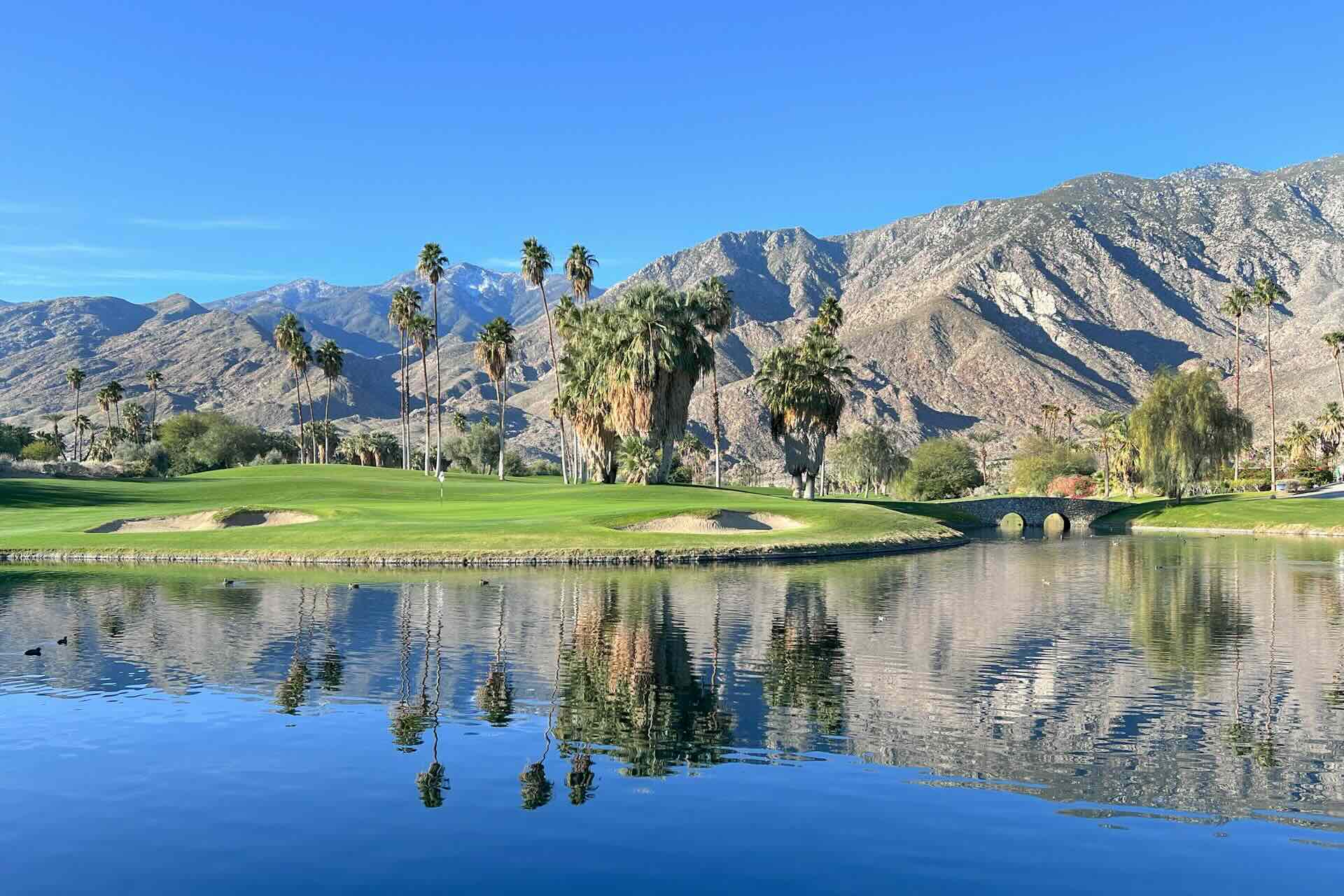
    The San Jacinto Mountains rise dramatically behind the city.

    Instead of competing with the landscape, Palm Springs frames it. Outdoor patios, pool decks, and rooftop spaces position the mountains as part of daily life.

    Sunrise and sunset transform the desert in subtle ways. Light softens concrete and amplifies texture.

    The environment shapes the rhythm of the day.

    Pools as Social Anchors

    In Palm Springs, the pool is not an accessory.

    It is the focal point.

    Hotels design entire experiences around water and sun. Poolside afternoons replace rushed itineraries. Music plays lightly. Conversations stretch longer than expected.

    Desert living here is about comfort under open sky.

    A Pace That Encourages Pause

    Palm Springs does not rush.

    Morning coffee often happens outdoors. Afternoons may include a break from the heat. Evenings return to patios and open air dining.

    The pace feels intentional rather than sleepy.

    The desert invites you to conserve energy and use it wisely.

    Wellness and Restoration

    The desert has long been associated with restoration.

    Spas, yoga studios, and wellness retreats anchor the city’s identity. The dry air and wide horizons create a sense of space, both physical and mental.

    You feel removed from coastal noise without feeling isolated.

    It supports reflection without austerity.

    Outdoor Exploration Beyond the Pool

    While relaxation defines much of the city, adventure sits nearby.

    Hiking trails wind through rocky terrain. The Palm Springs Aerial Tramway carries visitors up into cooler mountain air within minutes.

    Joshua Tree National Park lies a short drive away.

    Desert living here balances stillness with exploration.

    Food That Matches the Setting

    Palm Springs dining reflects California’s fresh, seasonal approach.

    Outdoor patios dominate. Menus favor bright flavors and clean ingredients.

    Brunch culture thrives. Evening meals feel social and relaxed.

    Restaurants often blend retro design with contemporary cuisine.

    Art and Creative Expression

    Palm Springs attracts creatives drawn to its light and space.

    Galleries and installations reflect desert inspiration. Annual events celebrate architecture and design.

    The city’s aesthetic identity feels cohesive without feeling forced.

    Art and environment support each other naturally.

    The Power of Light

    Desert light defines everything.

    Shadows sharpen lines. Colors appear more vivid. Even simple buildings take on dramatic presence.

    This relationship between light and architecture gives this city its visual identity.

    It feels designed for photography and contemplation alike.

    Why Palm Springs Feels Personal

    Palm Springs and the art of desert living comes down to relationship with environment.

    The city does not attempt to overpower its setting. It integrates seamlessly.

    Visitors often feel calmer here because the environment encourages simplicity.

    Space replaces noise. Horizon replaces clutter.

    How to Experience Palm Springs Fully

    Stay in a design forward boutique hotel.

    Schedule pool time rather than squeezing it between activities.

    Wake early to see the mountains shift color.

    Explore nearby trails in the morning and return for a slow afternoon.

    Let the desert dictate your pace.

    Final Thoughts on Desert Living

    Palm Springs proves that luxury does not require excess.

    It requires clarity.

    The art of desert living is about intention, design, and balance between stillness and movement.

    In Palm Springs, simplicity feels elevated rather than sparse.

    Plan a trip to Palm Springs today.