Category: Latest Updates & Innovations

  • Tulum Where Jungle Meets the Caribbean

    Tulum Where Jungle Meets the Caribbean

    Tulum where jungle meets the Caribbean is not just a description, it is the essence of the experience. This stretch of Mexico’s Riviera Maya blends dense greenery with white sand and turquoise water in a way that feels immersive rather than decorative. The setting is dramatic, but the atmosphere remains relaxed.

    Unlike larger resort destinations, Tulum feels intentionally unpolished. The jungle presses close to boutique hotels. The sea remains the main attraction. Nature is not background scenery here, it defines the rhythm of the day.

    The Beach as the Centerpiece

    Tulum’s beaches are visually striking and remarkably accessible.

    Soft sand meets bright blue water with very little interruption. Palm trees lean naturally over shoreline paths. Many hotels sit steps from the sea rather than behind towering structures.

    The coastline feels open and organic rather than crowded with high rise development.

    Mornings often begin quietly, with yoga sessions or slow walks before the heat builds.

    The Jungle as Shelter and Statement

    Behind the beach road, dense jungle creates both privacy and atmosphere.

    Hotels and restaurants integrate wood, stone, and natural fibers into their design. Open air spaces allow breezes to circulate.

    At night, low lighting and candlelit tables emphasize connection to environment.

    The jungle softens sound and encourages slower movement.

    Ruins Above the Sea

    Tulum’s Mayan ruins add historical depth to its natural beauty.

    Perched on cliffs above the Caribbean, the archaeological site connects visitors to centuries old coastal trade routes.

    The setting feels symbolic, civilization meeting sea.

    Exploring the ruins early in the morning offers cooler air and softer light.

    History feels present but not overwhelming.

    Cenotes Offer a Different Kind of Water

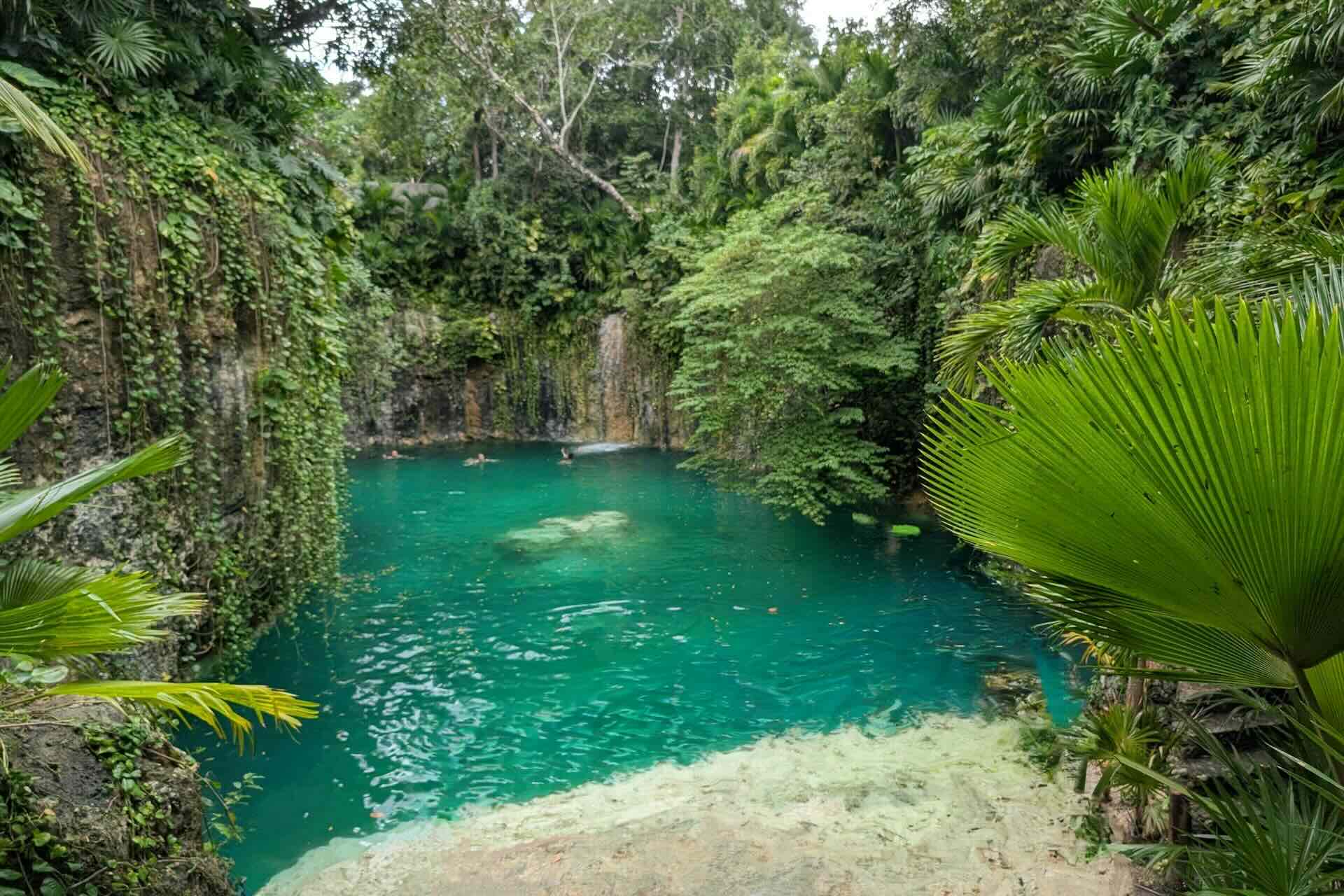
    Beyond the coastline, freshwater cenotes provide another defining experience.

    These natural sinkholes reveal underground rivers and limestone formations.

    Swimming in a cenote feels intimate and refreshing, especially after a warm day in the sun.

    The contrast between saltwater sea and freshwater cave reinforces Tulum’s environmental diversity.

    Food Reflects Global Influence

    Tulum’s dining scene blends Mexican tradition with international creativity.

    You can find authentic tacos and ceviche alongside plant forward menus and contemporary cuisine.

    Many restaurants prioritize fresh ingredients and open air settings.

    Meals often stretch into evening as live music and conversation continue.

    Wellness as Part of the Identity

    Tulum has built a reputation for wellness and mindful travel.

    Yoga studios, meditation sessions, and holistic retreats integrate naturally into daily routines.

    The environment supports restoration without feeling rigid.

    Wellness here feels optional rather than obligatory.

    Design Is Thoughtful but Minimal

    Architecture in Tulum emphasizes simplicity.

    Neutral palettes, natural textures, and indoor outdoor layouts dominate.

    Design choices often highlight sustainability and environmental awareness.

    The aesthetic feels cohesive without being overly stylized.

    The Pace Encourages Disconnection

    Tulum invites you to unplug.

    WiFi exists, but many visitors choose to limit screen time.

    Days often revolve around sunrise swims, mid day rest, and long dinners.

    The lack of urban intensity creates space for reflection.

    Balancing Popularity and Preservation

    Tulum has grown in popularity, and that growth brings visible development.

    Some areas feel busier than they once did.

    Yet pockets of quiet remain.

    Choosing accommodations thoughtfully can shape your experience.

    The balance between nature and tourism continues to evolve.

    How to Experience Tulum Fully

    Wake early to enjoy the beach before peak hours.

    Visit both the ruins and a cenote to experience different sides of the region.

    Choose restaurants that highlight local ingredients.

    Spend time walking or biking rather than relying solely on vehicles.

    Let the environment guide your schedule.

    Final Thoughts on Tulum

    Tulum where jungle meets the Caribbean succeeds because it does not separate nature from experience.

    The sea defines mornings. The jungle shapes evenings. History anchors perspective.

    Rather than overwhelming you with attractions, Tulum immerses you in setting.

    The simplicity is intentional.
    Plan a trip to Tulum today.

  • Why Porto Feels More Personal Than Other European Cities

    Why Porto Feels More Personal Than Other European Cities

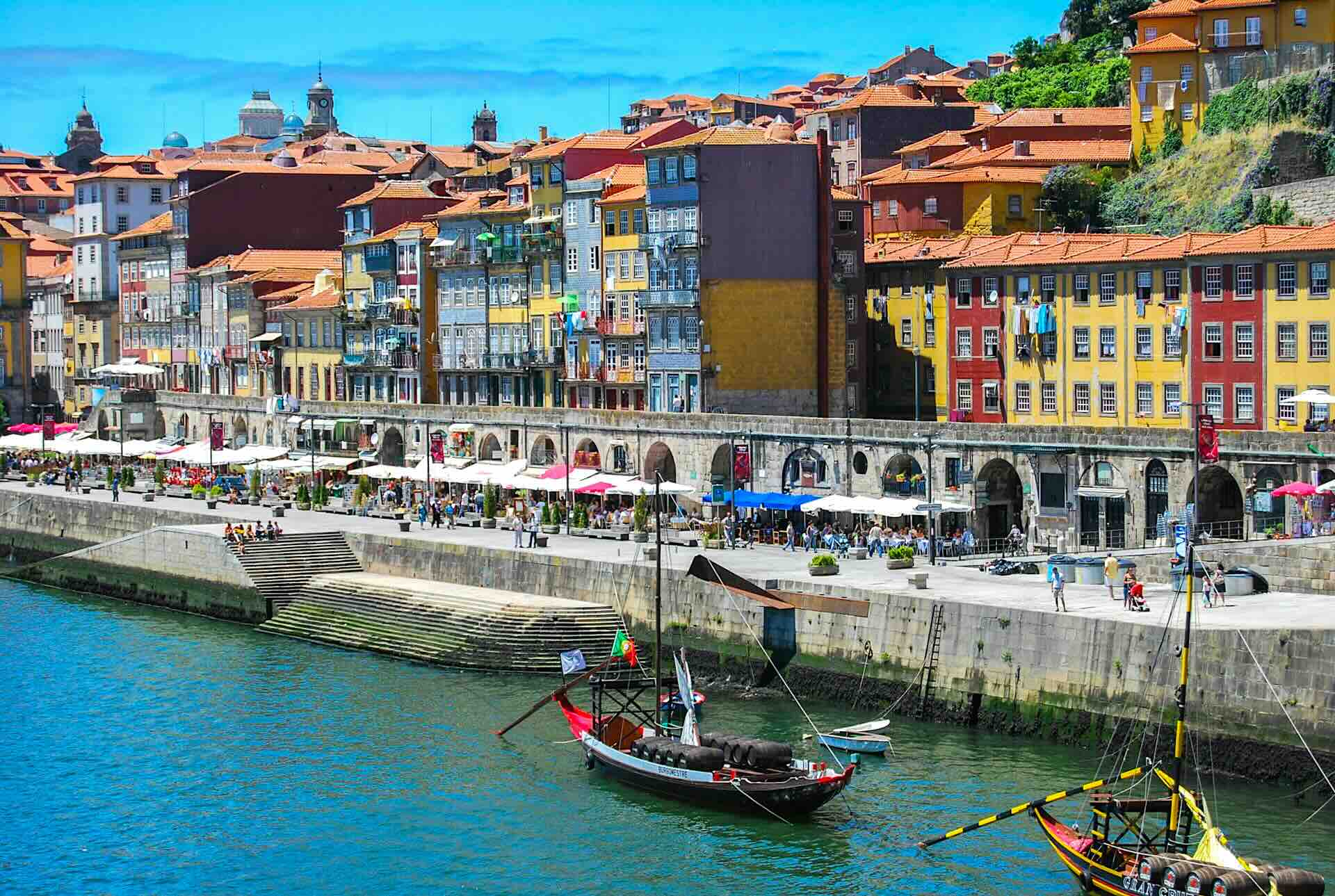
    Porto has a way of staying with you, and why Porto feels more personal than other European cities becomes clear the longer you walk its hills. Portugal’s second largest city is historic without feeling staged. It is beautiful without feeling curated. It invites you into daily life instead of placing you at a distance from it.

    Unlike larger European capitals that can feel overwhelming or polished to perfection, Porto feels intimate. The scale is manageable. The streets feel lived in. Conversations spill into sidewalks. You do not feel like you are moving through a museum. You feel like you are moving through someone’s neighborhood.

    The Scale Makes a Difference

    Porto is compact and walkable.

    The historic center wraps around the Douro River, with neighborhoods flowing naturally into one another. You can cross from Ribeira to Cedofeita without long commutes or constant transit decisions.

    This manageable scale reduces friction.

    You notice details because you are not racing between landmarks.

    Architecture Feels Weathered and Honest

    Porto’s beauty is textured rather than polished.

    Azulejo tiles decorate building facades, some vibrant, others faded by time. Balconies lean slightly. Paint peels in places.

    Instead of detracting from charm, these imperfections create depth.

    The city feels authentic because it shows its age openly.

    Daily Life Happens in Public

    In Porto, life unfolds outdoors.

    Laundry hangs above narrow streets. Neighbors talk from windows. Small groceries and bakeries anchor residential corners.

    Public squares feel local rather than dominated by tour groups.

    This visibility of everyday life makes visitors feel closer to the city’s rhythm.

    Food Feels Unpretentious and Regional

    Porto’s food scene reflects northern Portuguese identity.

    Francesinhas, grilled seafood, hearty stews, and pastries are served without ceremony. Portions are generous. Atmosphere is relaxed.

    Restaurants feel welcoming rather than theatrical.

    You eat among locals, not in isolated dining zones.

    The River Creates Connection

    The Douro River defines Porto’s visual and emotional landscape.

    Walking along the Ribeira waterfront reveals boats, wine cellars, and layered hillside architecture.

    Crossing the Dom Luís I Bridge connects you to Vila Nova de Gaia and the city’s port wine tradition.

    The river is not just scenery. It shapes movement and gathering.

    Wine Culture Feels Personal

    Port wine cellars across the river offer tastings that feel rooted in tradition.

    Many producers remain family connected, and tours often include storytelling about history and craft.

    The experience feels educational but not corporate.

    Wine becomes part of understanding place.

    Creative Energy Feels Grounded

    Porto has a growing creative scene.

    Independent bookstores, small galleries, and design shops add contemporary layers to historic streets.

    These spaces feel integrated rather than forced.

    Modern expression complements rather than replaces tradition.

    Crowds Feel Manageable

    While Porto has grown in popularity, it remains less intense than cities like Paris or Rome.

    You can still find quiet streets in the historic center.

    Cafés do not feel overwhelmed at all hours.

    This breathing room allows you to slow down and absorb the atmosphere.

    The Pace Encourages Conversation

    Porto’s pace is steady, not rushed.

    Meals stretch long. Coffee breaks extend naturally. Evenings unfold without urgency.

    You feel invited to linger.

    That invitation fosters connection.

    Locals Maintain Visible Presence

    In some major European cities, tourism dominates central districts.

    In Porto, residents still live in the historic core.

    You see school children, elderly neighbors, and shop owners going about their day.

    The city feels inhabited rather than staged.

    Why Visitors Feel Emotionally Connected

    Why Porto feels more personal than other European cities comes down to proximity.

    You are close to architecture, close to food, close to conversation.

    You are not separated from daily life by barriers or spectacle.

    That closeness creates emotional resonance.

    How to Experience Porto Fully

    Walk without strict direction.

    Spend time in neighborhood cafés rather than only waterfront restaurants.

    Visit local markets and small wine cellars.

    Cross the river at different times of day.

    Observe how light shifts across tiled facades.

    Let the city’s scale guide your pace.

    Final Thoughts on Porto

    Porto does not compete for attention with grand monuments or oversized boulevards.

    Its charm lies in texture, routine, and human scale.

    It feels personal because it remains connected to its residents and traditions.

    In Porto, beauty is not distant. It is within arm’s reach.

    Plan a trip to Porto today.

  • Vienna Between Imperial Elegance and Café Culture

    Vienna Between Imperial Elegance and Café Culture

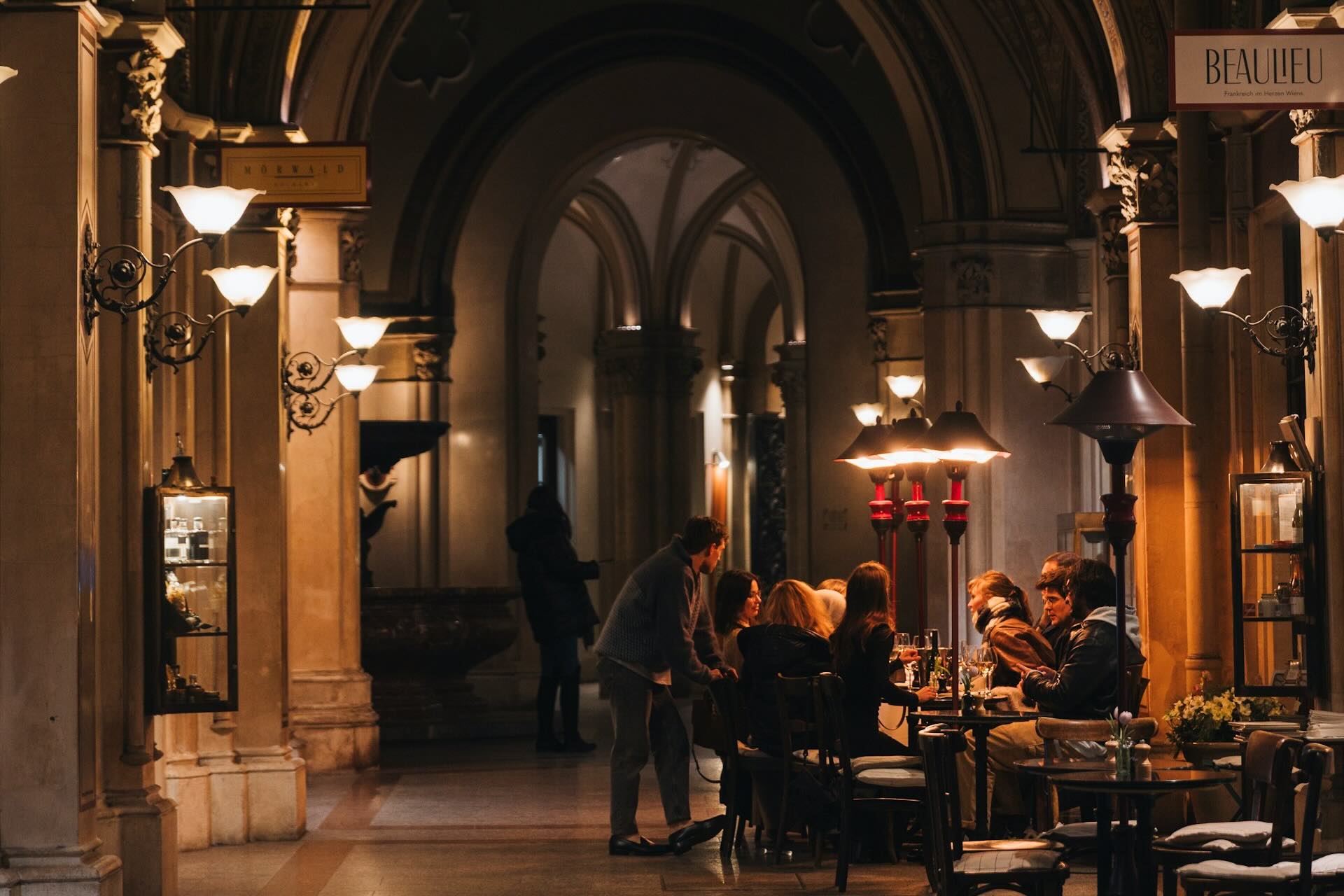
    Vienna carries itself with quiet confidence, and Vienna between imperial elegance and café culture captures exactly what makes the city so distinctive. Grand palaces and ornate opera houses reflect centuries of Habsburg power, while intimate coffeehouses anchor daily life with warmth and conversation.

    Few cities balance monumentality and intimacy so seamlessly. In Vienna, you can move from gilded halls to marble topped café tables within minutes. The contrast does not feel forced. It feels natural.

    Imperial Architecture That Still Defines the Skyline

    Vienna’s Ringstrasse frames much of its imperial identity.

    Parliament, the State Opera, and Hofburg Palace create a visual language of symmetry and scale. Facades are detailed and imposing. Interiors reflect wealth and cultural ambition.

    Walking these boulevards feels cinematic.

    Yet despite their grandeur, these spaces remain accessible rather than distant.

    Palaces That Reflect Power and Precision

    Schönbrunn Palace and the Hofburg complex reveal how carefully curated imperial life once was.

    Rooms display ornate chandeliers, frescoed ceilings, and symmetrical gardens.

    The design communicates discipline and ceremony.

    Even as a visitor, you sense the order and hierarchy that shaped Vienna’s historical identity.

    Café Culture as Counterbalance

    After absorbing imperial scale, stepping into a Viennese café changes the atmosphere immediately.

    Coffeehouses like Café Central or smaller neighborhood spots invite lingering.

    Marble tables, newspapers, and soft lighting create an environment built for conversation and reflection.

    The café is not just a stop for caffeine. It is a social institution.

    Time Moves Differently in a Coffeehouse

    Viennese cafés encourage patience.

    You are not rushed out after finishing a drink. You can sit, read, write, or observe.

    This rhythm feels intentional.

    The contrast between palace grandeur and café intimacy defines the city’s emotional range.

    Music Connects Both Worlds

    Vienna’s imperial past is inseparable from classical music.

    Opera houses and concert halls continue traditions established centuries ago.

    At the same time, smaller venues and contemporary spaces support evolving musical expression.

    Music bridges historic prestige and modern creativity.

    Markets and Neighborhoods Add Texture

    Beyond imperial landmarks, neighborhoods like Neubau and Leopoldstadt introduce contemporary life.

    Naschmarkt offers produce, spices, and casual dining in a lively setting.

    Boutiques, galleries, and street art add subtle modern energy.

    Vienna feels layered rather than frozen in time.

    Food Reflects Tradition and Evolution

    Traditional dishes such as Wiener Schnitzel and Sachertorte remain staples.

    Yet modern chefs reinterpret these classics with lighter techniques and global influence.

    Dining spans ornate dining rooms and minimalist bistros.

    Cuisine reinforces Vienna’s ability to honor heritage without resisting change.

    Public Spaces Feel Thoughtfully Designed

    Vienna’s parks and plazas offer breathing room between architectural landmarks.

    The Stadtpark and Burggarten invite rest beneath statues and tree lined paths.

    Urban planning reflects balance between density and openness.

    Even the layout feels imperial yet human scaled.

    Why Vienna Feels Composed

    Vienna rarely feels chaotic.

    Transportation runs efficiently. Streets remain orderly.

    There is elegance in how daily life unfolds.

    This composure reflects centuries of structured governance and cultural investment.

    How to Experience Both Sides of Vienna

    Start your day exploring a palace or museum.

    In the afternoon, choose a café and sit without agenda.

    Attend a concert in the evening.

    Walk through residential neighborhoods the next morning.

    Let scale and intimacy alternate naturally.

    The Emotional Impact of Contrast

    Vienna between imperial elegance and café culture is more than a tagline.

    It describes how the city feels.

    You experience grandeur without losing warmth.

    You sense history without being trapped by it.

    This balance creates depth.

    Final Thoughts on Vienna

    Vienna does not force you to choose between monumentality and comfort.

    It offers both in measured doses.

    Imperial facades command attention, while café interiors invite reflection.

    The result is a city that feels refined yet approachable, structured yet relaxed.

    Plan a trip to Vienna today.

  • Mont Tremblant, A Four Season Escape in Quebec

    Mont Tremblant, A Four Season Escape in Quebec

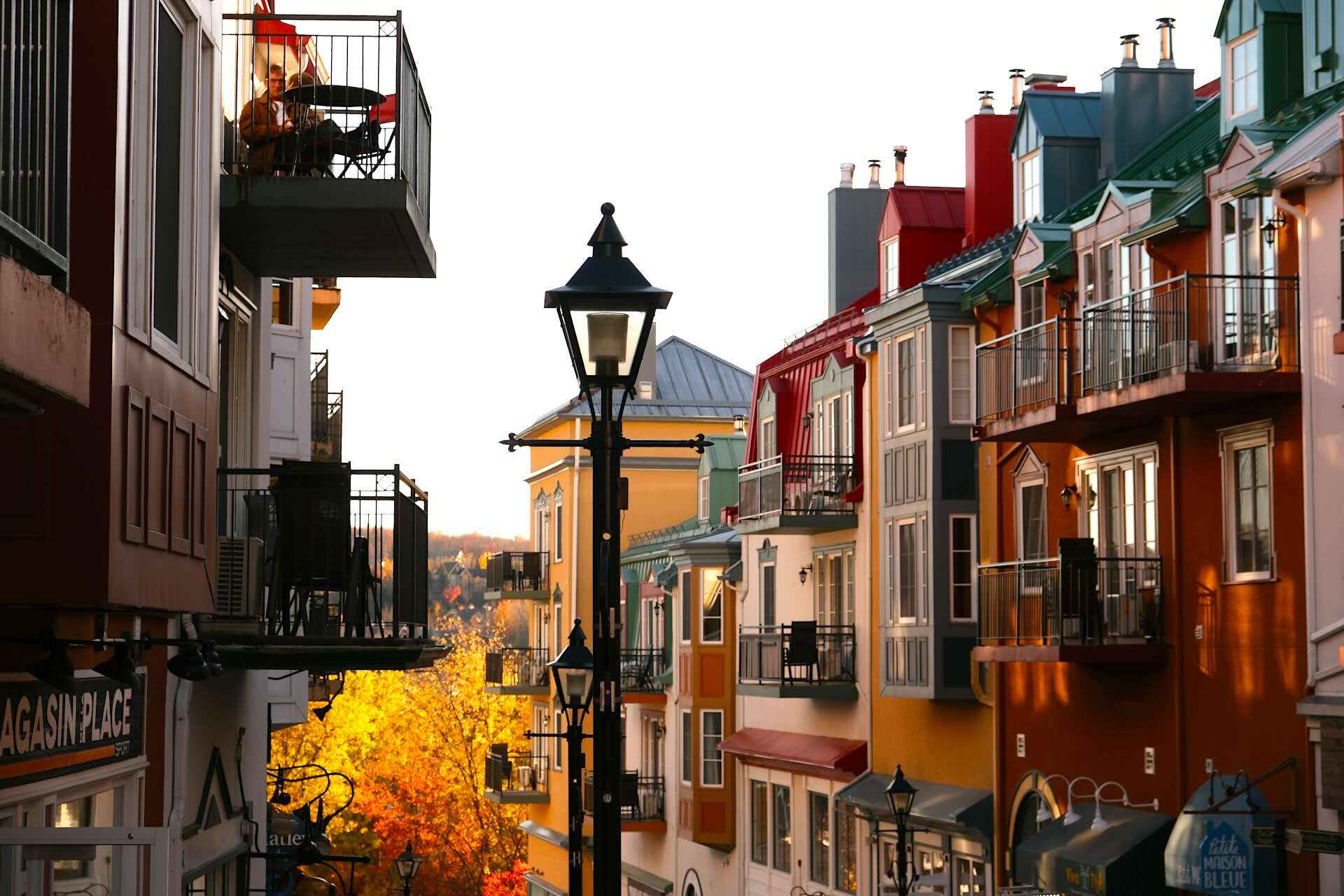
    Mont Tremblant, a four season escape in Quebec, offers something rare in modern travel, consistency without repetition. Whether you arrive under heavy winter snow or bright summer skies, the village and surrounding Laurentian Mountains shift character without losing identity.

    Located about ninety minutes from Montreal, Mont Tremblant balances outdoor adventure with relaxed alpine charm. It feels curated but not artificial. It feels active without being overwhelming. Across every season, the rhythm remains grounded in nature.

    Winter, The Classic Mont Tremblant Experience

    Winter defines Mont Tremblant for many travelers.

    Ski slopes carve across the mountain. Gondolas move steadily above snow covered trees. The pedestrian village glows under soft lighting as evenings settle in.

    Skiing and snowboarding draw visitors from across Canada and the United States. Trails range from beginner friendly runs to advanced terrain.

    After a day on the mountain, restaurants and bars fill with relaxed conversation. The atmosphere feels social without being loud.

    Spring, A Quiet Transition

    Spring softens Mont Tremblant.

    Snow begins to melt, revealing hiking trails and lakes slowly emerging from winter.

    The pace becomes slower and more reflective. This is the season for spa visits, lakeside walks, and uncrowded afternoons in the village.

    Spring highlights the area’s calm side.

    Summer, Outdoor Energy at Full Strength

    Summer transforms Mont Tremblant into a green landscape of trails, lakes, and festivals.

    Hiking routes open across the national park. Mountain biking attracts adrenaline seekers. Golf courses sit framed by rolling hills.

    Lake Tremblant becomes a focal point for paddleboarding, kayaking, and swimming.

    The pedestrian village feels lively but breathable. Outdoor patios fill with travelers enjoying long daylight hours.

    Fall, Color and Clarity

    Autumn may be Mont Tremblant’s most visually striking season.

    The Laurentian Mountains turn vibrant shades of red, orange, and gold.

    Cool air makes hiking comfortable and scenic drives unforgettable.

    The landscape feels cinematic without requiring effort.

    The Pedestrian Village as Social Hub

    Regardless of season, the pedestrian village anchors the experience.

    Colorful buildings, European inspired design, and compact layout encourage walking.

    Shops, cafés, and restaurants sit within minutes of one another.

    The village feels designed for conversation and accessibility.

    Outdoor Activities Beyond the Slopes

    Mont Tremblant’s identity extends beyond skiing.

    Ziplining, trail running, lake cruises, and wildlife observation provide variety.

    The nearby national park offers deeper immersion into Quebec’s forested landscape.

    Adventure feels structured but natural.

    Food Reflects Quebec Influence

    Dining in Mont Tremblant blends comfort and regional identity.

    You will find French Canadian influences in hearty dishes and local ingredients.

    Restaurants range from casual bistros to more refined dining rooms.

    Meals often stretch into relaxed evenings after active days.

    Wellness and Relaxation

    Spas and thermal experiences add balance to outdoor activity.

    Nordic style spa circuits emphasize hot and cold immersion surrounded by forest.

    These restorative experiences reinforce the four season appeal.

    Adventure and relaxation coexist seamlessly.

    Accessibility Makes It Easy

    Mont Tremblant’s proximity to Montreal makes it practical for long weekends or extended stays.

    Travel logistics feel simple, especially compared to more remote alpine destinations.

    That accessibility broadens its appeal across different travel styles.

    Why Mont Tremblant Works Year Round

    Mont Tremblant, a four season escape in Quebec, succeeds because it adapts without reinventing itself.

    The mountain remains central. The village remains welcoming. Nature remains dominant.

    Only the details change.

    Snow gives way to greenery. Greenery gives way to color.

    Each visit feels distinct while preserving the same core identity.

    How to Experience Mont Tremblant Fully

    Choose activities aligned with the season rather than trying to replicate another time of year.

    Embrace the pedestrian layout and walk whenever possible.

    Combine physical activity with restorative downtime.

    Let the landscape guide your schedule.

    Final Thoughts on Mont Tremblant

    Mont Tremblant proves that alpine destinations do not need to be limited to winter. It is truly a four season escape.

    The region offers rhythm, balance, and variety across all four seasons.

    Whether you arrive for skiing, hiking, foliage, or lakeside calm, the experience feels cohesive.

    That consistency is what turns first time visitors into repeat travelers.

    Plan a trip to Mont Tremblant today.

  • Palm Springs and the Art of Desert Living

    Palm Springs and the Art of Desert Living

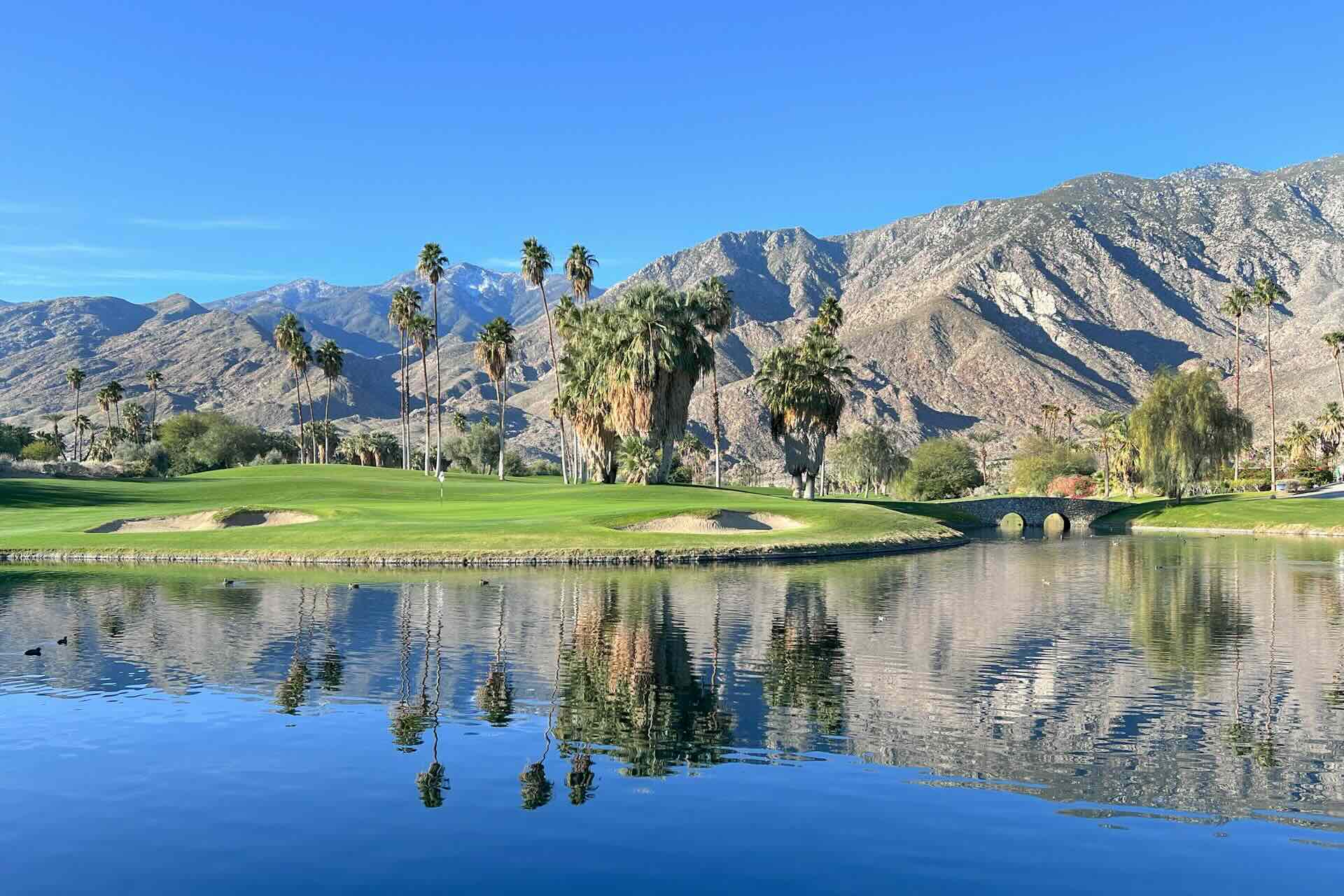
    Palm Springs and the art of desert living is less about escape and more about intention. This Southern California city does not fight its environment. It embraces sun, open space, and midcentury design in a way that feels deliberate. Mountains frame the skyline. Palm trees line wide streets. Light defines the mood.

    This city teaches you how to slow down without sacrificing style. The desert here is not empty. It is curated, architectural, and deeply personal.

    Midcentury Modern as a Way of Life

    Palm Springs is synonymous with midcentury modern architecture.

    Flat rooflines, glass walls, and geometric silhouettes create homes that feel inseparable from the desert landscape. The city’s design heritage is not hidden in museums. It is visible on residential streets.

    Even hotels and restaurants honor the aesthetic.

    Clean lines and bold color accents reflect a philosophy of simplicity and confidence.

    The Desert Landscape as Centerpiece

    The San Jacinto Mountains rise dramatically behind the city.

    Instead of competing with the landscape, Palm Springs frames it. Outdoor patios, pool decks, and rooftop spaces position the mountains as part of daily life.

    Sunrise and sunset transform the desert in subtle ways. Light softens concrete and amplifies texture.

    The environment shapes the rhythm of the day.

    Pools as Social Anchors

    In Palm Springs, the pool is not an accessory.

    It is the focal point.

    Hotels design entire experiences around water and sun. Poolside afternoons replace rushed itineraries. Music plays lightly. Conversations stretch longer than expected.

    Desert living here is about comfort under open sky.

    A Pace That Encourages Pause

    Palm Springs does not rush.

    Morning coffee often happens outdoors. Afternoons may include a break from the heat. Evenings return to patios and open air dining.

    The pace feels intentional rather than sleepy.

    The desert invites you to conserve energy and use it wisely.

    Wellness and Restoration

    The desert has long been associated with restoration.

    Spas, yoga studios, and wellness retreats anchor the city’s identity. The dry air and wide horizons create a sense of space, both physical and mental.

    You feel removed from coastal noise without feeling isolated.

    It supports reflection without austerity.

    Outdoor Exploration Beyond the Pool

    While relaxation defines much of the city, adventure sits nearby.

    Hiking trails wind through rocky terrain. The Palm Springs Aerial Tramway carries visitors up into cooler mountain air within minutes.

    Joshua Tree National Park lies a short drive away.

    Desert living here balances stillness with exploration.

    Food That Matches the Setting

    Palm Springs dining reflects California’s fresh, seasonal approach.

    Outdoor patios dominate. Menus favor bright flavors and clean ingredients.

    Brunch culture thrives. Evening meals feel social and relaxed.

    Restaurants often blend retro design with contemporary cuisine.

    Art and Creative Expression

    Palm Springs attracts creatives drawn to its light and space.

    Galleries and installations reflect desert inspiration. Annual events celebrate architecture and design.

    The city’s aesthetic identity feels cohesive without feeling forced.

    Art and environment support each other naturally.

    The Power of Light

    Desert light defines everything.

    Shadows sharpen lines. Colors appear more vivid. Even simple buildings take on dramatic presence.

    This relationship between light and architecture gives this city its visual identity.

    It feels designed for photography and contemplation alike.

    Why Palm Springs Feels Personal

    Palm Springs and the art of desert living comes down to relationship with environment.

    The city does not attempt to overpower its setting. It integrates seamlessly.

    Visitors often feel calmer here because the environment encourages simplicity.

    Space replaces noise. Horizon replaces clutter.

    How to Experience Palm Springs Fully

    Stay in a design forward boutique hotel.

    Schedule pool time rather than squeezing it between activities.

    Wake early to see the mountains shift color.

    Explore nearby trails in the morning and return for a slow afternoon.

    Let the desert dictate your pace.

    Final Thoughts on Desert Living

    Palm Springs proves that luxury does not require excess.

    It requires clarity.

    The art of desert living is about intention, design, and balance between stillness and movement.

    In Palm Springs, simplicity feels elevated rather than sparse.

    Plan a trip to Palm Springs today.

  • Why You Should Plan Early for Art Basel in Switzerland

    Why You Should Plan Early for Art Basel in Switzerland

    Art Basel in Switzerland is one of the most important events on the global art calendar, and why you should plan early for Art Basel in Switzerland becomes obvious once you understand its scale. Collectors, galleries, curators, and serious enthusiasts from around the world converge on Basel each June. Hotels sell out. Restaurants book weeks in advance. Private events fill quickly.

    If you want the experience to feel smooth rather than stressful, preparation is essential. Planning early allows you to focus on the art instead of logistics.

    Basel Becomes a Global Art Hub Overnight

    Art Basel transforms a relatively quiet Swiss city into an international center of attention.

    For one week, Basel’s streets fill with art professionals and collectors. Galleries host parallel exhibitions. Satellite fairs expand the cultural footprint beyond the main venue.

    This sudden concentration of visitors creates high demand across accommodations, transportation, and dining.

    Waiting too long to organize details limits your options.

    Hotels Sell Out Faster Than You Expect

    Basel is compact, and inventory is limited compared to larger European cities.

    Hotels within walking distance of Messe Basel, where the fair takes place, are especially competitive.

    Room rates increase as availability shrinks. Last minute bookings often mean paying premium prices or staying farther from the action.

    Booking several months in advance gives you better location choices and better rates.

    VIP Access Requires Advance Coordination

    If you qualify for VIP access through a gallery or partner, confirmations often happen well before the public opening.

    VIP preview days provide quieter access to galleries and first looks at major works.

    These hours are highly valued and carefully managed.

    Early coordination ensures you do not miss key windows.

    Restaurant Reservations Become Competitive

    Basel’s dining scene is refined but intimate.

    During Art Basel week, top restaurants fill quickly with private dinners and collector gatherings.

    If you want a memorable evening meal, especially with clients or colleagues, reservations should be secured well in advance.

    Leaving everything to chance can lead to limited options.

    Flights and Train Tickets Increase in Price

    Basel is well connected by rail and regional airports, but demand spikes during the fair.

    Flights into nearby hubs like Zurich often rise in price as June approaches.

    Train tickets across Switzerland can also fill during peak travel days.

    Booking early protects your budget and schedule.

    The Fair Itself Requires Strategy

    Art Basel is large and intense.

    Without a plan, it is easy to feel overwhelmed. Galleries span multiple sectors. Conversations require focus and energy.

    Arriving prepared with a list of priority booths, artists, and events makes the experience more productive.

    Planning ahead is not only logistical. It is strategic.

    Satellite Events Fill the Calendar

    Beyond the main fair, Basel hosts numerous parallel events.

    Smaller fairs, gallery openings, museum exhibitions, and private gatherings compete for attention.

    Many invitations circulate weeks or months in advance.

    Organizing your calendar early allows you to choose thoughtfully rather than react impulsively.

    Basel’s Size Makes Planning More Important

    Basel’s charm lies in its compact nature.

    You can walk between major areas easily. However, limited hotel capacity and dining options mean demand concentrates quickly.

    In larger cities, overflow spreads outward. In Basel, options narrow quickly.

    Early planning protects flexibility.

    You Preserve Energy and Focus

    Art Basel week is mentally demanding.

    You are absorbing new work, evaluating conversations, and navigating crowded spaces.

    When logistics are already handled, your attention remains on the art.

    Stress free planning improves your ability to engage meaningfully.

    Extending Your Trip Becomes Easier

    Planning early also allows you to extend your stay.

    You might explore other parts of Switzerland before or after the fair. Lucerne, Zurich, or the Swiss Alps offer contrast to Basel’s intensity.

    With early bookings, you can integrate leisure into a business focused trip.

    This balance enhances the overall experience.

    Why Early Planning Reflects Professionalism

    Art Basel is a serious event.

    Collectors and galleries value preparation. Arriving organized demonstrates respect for the scale of the fair.

    Securing appointments, confirming meetings, and scheduling dinners in advance creates smoother interaction.

    Preparation signals intention.

    Final Thoughts on Planning for Art Basel Switzerland

    Why you should plan early for Art Basel in Switzerland comes down to control.

    Demand rises sharply. Space is limited. Attention is divided.

    When you book accommodations, secure tickets, and coordinate events early, you remove unnecessary friction.

    The result is a trip focused on art, conversation, and opportunity rather than logistics.

    Plan a trip to Basel today.

  • What Makes Oaxaca One of Mexico’s Most Culturally Rich Cities

    What Makes Oaxaca One of Mexico’s Most Culturally Rich Cities

    Oaxaca sits in southern Mexico with a confidence that feels both grounded and expressive, and what makes Oaxaca one of Mexico’s most culturally rich cities becomes clear within hours of arrival. Color spills across colonial buildings. Markets pulse with regional ingredients. Indigenous traditions shape daily life rather than existing as museum pieces.

    This is not a city built around spectacle. It is built around continuity. Oaxaca’s richness comes from how deeply culture is embedded into routine.

    Indigenous Heritage Shapes Identity

    Oaxaca is home to numerous Indigenous communities whose traditions remain active and visible.

    Zapotec and Mixtec heritage influences language, textiles, festivals, and cuisine. You see woven patterns in markets that reflect centuries old techniques. You hear Indigenous languages spoken in public spaces.

    Cultural preservation here is not abstract. It is lived.

    That continuity gives Oaxaca depth that feels authentic rather than curated.

    Food Is a Cultural Archive

    Cuisine in Oaxaca functions as history on a plate.

    Moles, tlayudas, tamales, and regional cheeses reflect geography and ancestral knowledge. Ingredients like chilies, cacao, corn, and herbs anchor flavor profiles in tradition.

    Markets such as Mercado Benito Juárez and Mercado 20 de Noviembre offer direct access to these culinary roots.

    You can taste the city’s layered identity without stepping into a formal museum.

    Markets Anchor Daily Life

    Markets in Oaxaca are not tourist attractions first.

    They are gathering points for residents.

    Produce vendors, spice sellers, textile artisans, and street food cooks create a dense tapestry of daily commerce.

    Walking through a market reveals how agriculture, craft, and family tradition intersect.

    These spaces feel vibrant and unfiltered.

    Festivals Reinforce Cultural Continuity

    Oaxaca’s calendar includes festivals that reflect deep cultural significance.

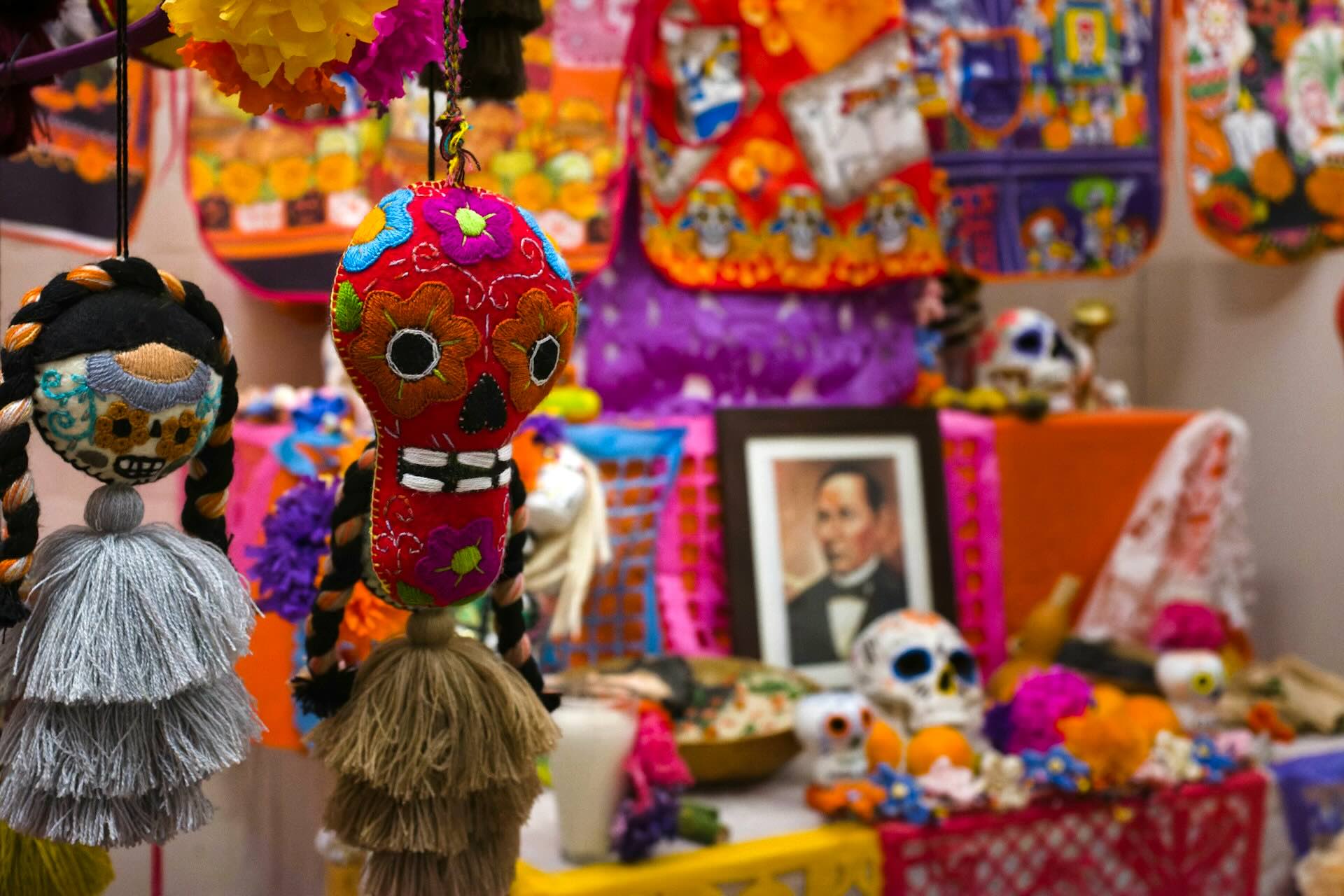
    Guelaguetza celebrates Indigenous heritage through dance, music, and regional dress. Day of the Dead transforms streets and cemeteries into spaces of remembrance and artistry.

    These events are not performances for outsiders.

    They are expressions of collective identity.

    Art Feels Rooted and Contemporary

    Oaxaca has long attracted artists.

    Traditional crafts coexist with contemporary galleries and studios. Murals decorate walls, while small art spaces showcase modern interpretation of ancestral themes.

    The city fosters creativity without abandoning its roots.

    Art here feels connected rather than detached.

    Architecture Reflects Layered History

    Oaxaca’s colonial architecture creates a visually cohesive backdrop.

    Churches built from green cantera stone anchor central plazas. Narrow streets connect courtyards and shaded walkways.

    Rather than appearing frozen in time, these structures remain integrated into daily life.

    Architecture supports the cultural rhythm rather than overpowering it.

    Mezcal Culture Reflects Place

    Mezcal production is deeply tied to Oaxaca’s landscape.

    Agave fields surround the city, and small distilleries maintain artisanal methods passed through generations.

    Tasting mezcal becomes more than sampling a spirit. It becomes an education in agriculture, technique, and regional variation.

    This connection between land and craft strengthens the city’s cultural identity.

    Language and Community Feel Interwoven

    Conversations in Oaxaca often shift between Spanish and Indigenous languages.

    Community bonds feel strong and visible in neighborhood interactions.

    Public plazas remain active meeting points for families and friends.

    This social fabric reinforces a sense of belonging and continuity.

    Nature Surrounds and Influences the City

    Oaxaca’s surrounding mountains and valleys shape its climate and agriculture.

    Markets reflect seasonal shifts. Textiles mirror natural colors. Dishes adapt to local ingredients.

    The relationship between environment and culture feels tangible.

    Landscape influences identity rather than serving as a backdrop.

    Why Oaxaca Feels Different

    What makes Oaxaca one of Mexico’s most culturally rich cities is not one attraction.

    It is the integration of heritage, food, art, and daily life.

    Tradition feels active rather than nostalgic.

    Visitors sense that culture here is ongoing and evolving.

    How to Experience Oaxaca Fully

    Spend time in markets rather than only restaurants.

    Visit small artisan workshops outside the main tourist corridor.

    Attend cultural events if your timing allows.

    Balance historic landmarks with neighborhood wandering.

    Listen as much as you look.

    Final Thoughts on Oaxaca

    Oaxaca’s richness comes from depth, not scale.

    Its culture is layered, resilient, and expressive.

    From food to festivals to craft, the city reveals identity through participation rather than performance.

    That authenticity is what leaves a lasting impression.

    Plan a trip to Oaxaca today.

  • Palermo Feels Raw, Historic, and Unpolished. Here’s Why

    Palermo Feels Raw, Historic, and Unpolished. Here’s Why

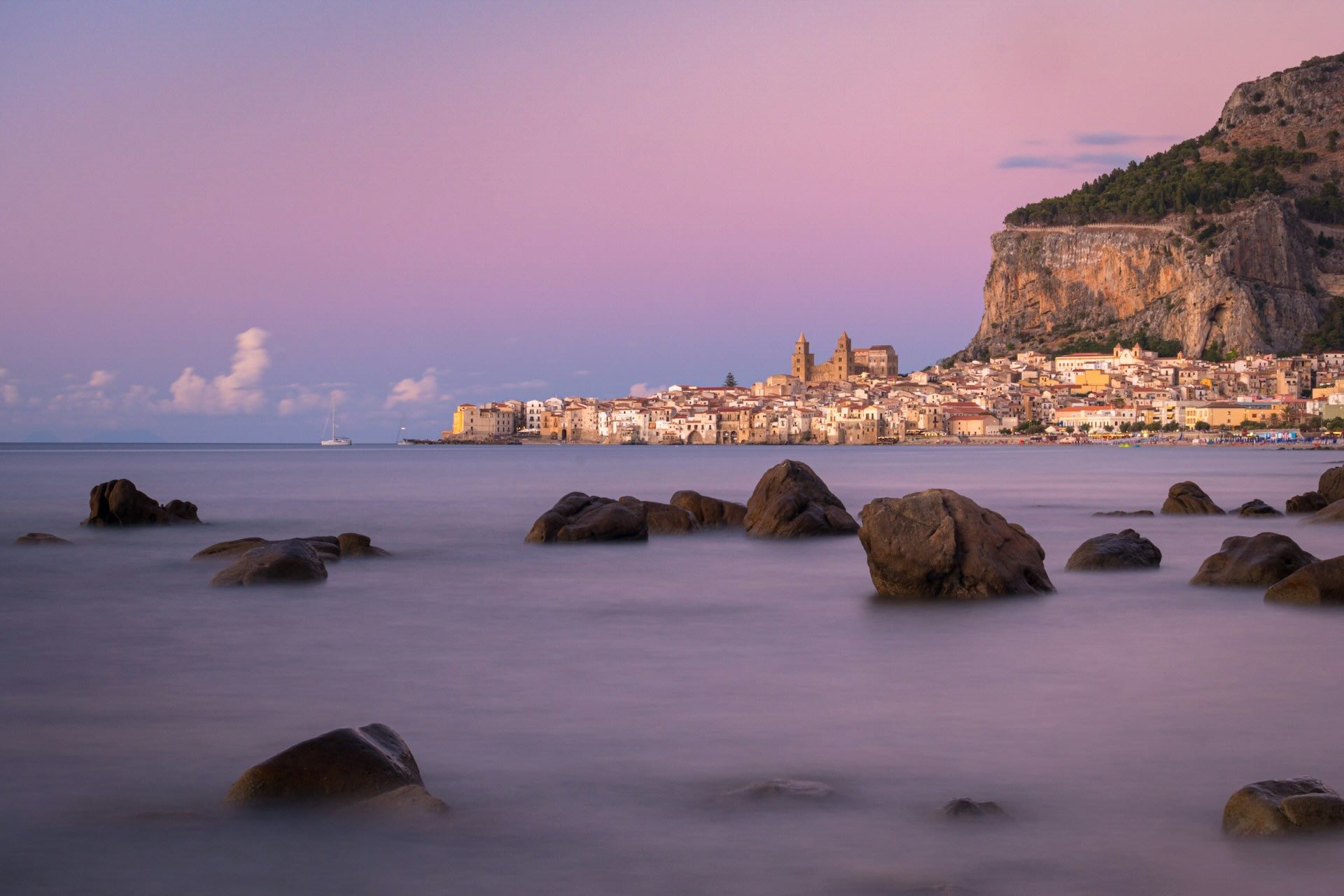
    Palermo does not try to smooth its edges, and that is exactly why it stays with you. Palermo feels raw, historic, and unpolished in a way that feels honest rather than chaotic. Sicily’s capital layers Arab, Norman, Spanish, and Italian influence into streets that show wear and resilience at the same time.

    You will see grandeur and grit in the same block. Ornate churches sit beside weathered balconies. Street markets spill into centuries old squares. Palermo does not curate itself for comfort. It invites you to engage with it as it is.

    History Is Not Preserved, It Is Lived In

    In Palermo, history is not behind glass.

    You walk through neighborhoods where medieval churches, Baroque palaces, and everyday apartments share walls. Architectural layers remain visible rather than restored to uniform perfection.

    The city shows its age openly. Cracked stone, faded paint, and ornate facades coexist.

    This honesty gives Palermo depth.

    Markets Feel Intense and Authentic

    Markets like Ballarò and Vucciria define daily rhythm.

    Vendors shout prices. Seafood glistens on metal trays. Citrus stacks high in wooden crates.

    The atmosphere feels loud and unapologetic. It is not staged for visitors.

    Markets reveal Palermo’s working heart more clearly than any monument.

    Architecture Reflects Cultural Crossroads

    Palermo’s architecture tells a complex story.

    Arab domes sit near Norman mosaics. Spanish balconies overlook narrow Sicilian alleys.

    Rather than blending into uniform style, these influences remain distinct.

    The city’s visual language reflects centuries of trade, conquest, and exchange.

    Food Feels Direct and Unfiltered

    Palermo’s cuisine matches its personality.

    Street food takes center stage. Arancini, panelle, and fresh seafood are eaten standing or at simple tables.

    Meals feel practical and rooted in daily life rather than theatrical presentation.

    Flavors are bold and grounded.

    You taste history in every bite.

    The Streets Carry Visible Imperfection

    Palermo does not hide wear.

    Buildings show cracks. Graffiti shares space with ancient stone.

    Infrastructure feels functional rather than polished.

    Yet within this imperfection lies authenticity.

    The city feels lived in, not staged.

    Churches and Palaces Still Impress

    Despite its raw edges, Palermo holds extraordinary beauty.

    Cappella Palatina’s mosaics shimmer in gold. Teatro Massimo stands grand and commanding.

    These spaces remind you of Palermo’s historical wealth and cultural ambition.

    Grandeur and grit coexist without apology.

    The Pace Feels Real Rather Than Romanticized

    Palermo moves with intensity.

    Scooters weave through traffic. Conversations spill loudly into streets.

    Daily life feels energetic and unfiltered.

    It is not romanticized in the way some Italian cities are portrayed.

    It feels grounded.

    Coastal Views Add Contrast

    Just beyond dense streets, the Mediterranean provides openness.

    The sea lightens the city’s mood. Beaches and coastal roads create moments of calm.

    This contrast enhances Palermo’s complexity.

    Urban intensity meets natural horizon.

    Why Travelers Remember Palermo

    Palermo does not present a perfect image.

    It offers texture.

    You remember the noise of markets, the contrast of crumbling walls and golden mosaics, the taste of street food eaten quickly.

    The city leaves an impression because it feels honest.

    How to Experience Palermo Fully

    Walk through markets without rushing.

    Enter churches even if you did not plan to.

    Sit at simple cafés and observe conversation.

    Explore both grand monuments and side streets.

    Let contrast guide your understanding.

    Final Thoughts on Palermo

    Palermo feels raw, historic, and unpolished because it refuses to simplify itself.

    It carries centuries of influence openly.

    The city may challenge you at first, but that challenge creates connection.

    In Palermo, beauty is not manufactured. It is revealed through layers.

    Plan a trip to Palermo today.

  • Spend a Long Weekend in Reykjavik, You’ll Be Surprised

    Spend a Long Weekend in Reykjavik, You’ll Be Surprised

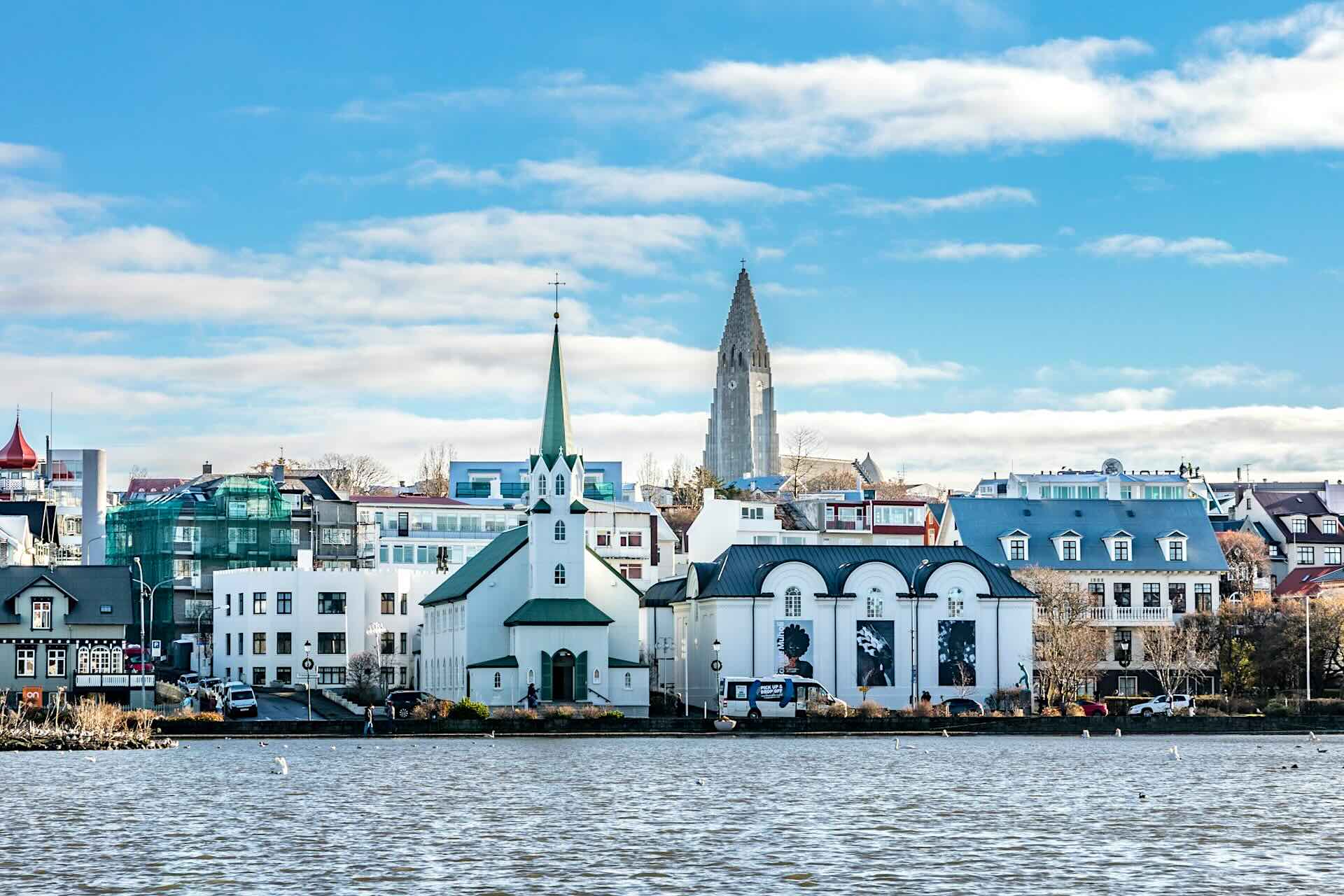
    Reykjavik is smaller than many travelers expect, yet spend a long weekend in Reykjavik, you’ll be surprised by how much it offers. Iceland’s capital blends colorful architecture, Nordic design, geothermal energy, and access to dramatic landscapes in a way that feels both intimate and expansive.

    This is not a city of overwhelming scale. It is a city of atmosphere. Over three to four days, you can experience cultural depth, natural wonder, and culinary creativity without feeling rushed.

    Why a Long Weekend Works in Reykjavik

    Reykjavik is compact and walkable.

    Major landmarks, cafés, and museums sit within easy distance of one another. The city center feels manageable without being limited.

    A long weekend gives you enough time to explore the urban core and take at least one meaningful day trip into Iceland’s surrounding landscapes.

    Reykjavik rewards thoughtful pacing rather than constant motion.

    Day One, Explore the Heart of the City

    Begin with a slow walk along Laugavegur, the main shopping street.

    Boutiques, bookstores, and independent design shops reveal the city’s creative personality. Colorful houses line nearby streets, creating a cheerful contrast against the often moody sky.

    Visit Hallgrímskirkja for panoramic views from the tower. The church’s striking architecture reflects Iceland’s volcanic landscapes.

    End your evening with dinner at a modern Nordic restaurant where local ingredients take center stage.

    Day Two, Harpa and the Harbor

    Spend your second day near the waterfront.

    Harpa Concert Hall’s geometric glass façade captures shifting light throughout the day. The design feels both futuristic and grounded in Icelandic nature.

    Walk along the harbor to see fishing boats and modern developments coexist.

    In the afternoon, visit museums that highlight Icelandic history and art. The cultural scene here feels thoughtful and understated.

    Evenings in Reykjavik often center around cozy bars and live music venues. The nightlife is energetic but intimate.

    Day Three, A Nature Focused Day Trip

    One of Reykjavik’s greatest strengths is proximity to nature.

    A Golden Circle excursion introduces you to geysers, waterfalls, and tectonic landscapes. Alternatively, visit the Blue Lagoon or Sky Lagoon for geothermal relaxation.

    Winter visitors may chase the Northern Lights. Summer travelers can experience nearly endless daylight.

    Returning to the city after a day immersed in raw landscapes deepens your appreciation for Reykjavik’s calm.

    Day Four, Slow Mornings and Local Cafés

    If you have a fourth day, use it gently.

    Visit a local bakery for fresh pastries. Icelandic coffee culture encourages lingering rather than rushing.

    Walk along the Sculpture and Shore Walk near the Sun Voyager. The steel artwork frames ocean and mountain views beautifully.

    Reykjavik invites reflection as much as exploration.

    Food in Reykjavik Surprises Many Visitors

    Despite its size, Reykjavik offers a strong culinary scene.

    Seafood is fresh and thoughtfully prepared. Traditional dishes sit alongside contemporary interpretations.

    You can find casual street food or refined tasting menus within a few blocks.

    The focus on quality ingredients makes dining memorable.

    Weather Adds Character

    Reykjavik’s weather changes quickly.

    Wind, sun, rain, and shifting clouds create dynamic skies.

    Rather than viewing weather as an inconvenience, embrace it as part of the atmosphere.

    Layered clothing allows you to adapt comfortably.

    The Pace Feels Manageable

    Reykjavik does not overwhelm.

    You can see much of the city without feeling exhausted.

    The manageable scale makes it ideal for a long weekend rather than a hurried stopover.

    You leave feeling refreshed instead of depleted.

    Why Reykjavik Feels Different

    Spend a long weekend in Reykjavik, you’ll be surprised by how seamlessly city and nature coexist.

    Volcanic landscapes sit just beyond urban streets. Modern design aligns with ancient geology.

    The city feels rooted in place rather than built over it.

    This connection gives Reykjavik quiet confidence.

    How to Make the Most of Your Weekend

    Book at least one nature excursion in advance.

    Leave space in your schedule for slow café mornings.

    Balance museum visits with outdoor walks.

    Pack layers to handle shifting conditions.

    Let the city’s rhythm guide you rather than forcing your own.

    Final Thoughts on Reykjavik

    Reykjavik may appear modest at first glance.

    Yet over a long weekend, it reveals cultural depth, culinary strength, and access to extraordinary landscapes.

    The surprise lies not in spectacle, but in balance.

    Few cities integrate modern life and natural wonder so seamlessly.

    Plan a trip to Reykjavik today.

  • Taipei Is One of Asia’s Most Livable Cities for Visitors. See Why

    Taipei Is One of Asia’s Most Livable Cities for Visitors. See Why

    Taipei is one of Asia’s most livable cities for visitors, and you feel it almost immediately. The streets are orderly but not sterile. The food is exceptional but accessible. The pace is energetic without being chaotic. Taipei balances efficiency, culture, nature, and comfort in a way that makes travel feel easy.

    Livability is not just about infrastructure. It is about how a city treats your time and energy. Taipei respects both.

    Public Transportation Makes Everything Simple

    Taipei’s MRT system is clean, intuitive, and reliable.

    Stations are clearly marked in multiple languages. Trains run frequently. Neighborhoods connect seamlessly.

    You do not need a car, and you rarely feel lost.

    Ease of movement removes friction from your day, allowing you to focus on exploration instead of logistics.

    Night Markets Turn Evenings Into Experiences

    Taipei’s night markets are social anchors.

    Shilin, Raohe, and Ningxia transform after dark into vibrant corridors of food and conversation.

    You can try dozens of small dishes without committing to a single restaurant. The atmosphere feels communal rather than rushed.

    This nightly ritual makes the city feel alive long after sunset.

    Green Space Is Always Close

    Taipei blends urban density with accessible nature.

    Elephant Mountain offers sweeping skyline views within minutes of the city center. Riverside parks provide cycling paths and walking trails.

    Even within neighborhoods, tree lined streets soften the environment.

    The balance between city life and outdoor access enhances daily comfort.

    Food Quality Is Consistently High

    Taipei’s food scene ranges from humble noodle shops to refined dining rooms.

    Street food vendors take pride in consistency. Ingredients feel fresh and seasonal.

    You can eat exceptionally well without spending heavily.

    This reliability adds to the sense of ease for visitors.

    Neighborhoods Feel Distinct Yet Connected

    Each area carries its own personality.

    Da’an feels residential and relaxed. Ximending is lively and youthful. Zhongshan blends boutiques with cafés.

    Despite these differences, transitions between neighborhoods feel seamless.

    The city maintains cohesion without uniformity.

    Safety Enhances Freedom

    Taipei is widely considered safe for travelers.

    Walking at night feels comfortable. Public spaces are well maintained.

    This sense of security encourages exploration without constant caution.

    Freedom of movement is central to livability.

    Cultural Depth Feels Accessible

    Temples, museums, and historic streets sit comfortably alongside modern shopping districts.

    You can visit Longshan Temple in the morning and explore contemporary design stores in the afternoon.

    Cultural experiences feel integrated into daily life rather than isolated.

    This accessibility makes learning about the city effortless.

    Cleanliness and Order Reduce Stress

    Taipei maintains high standards of cleanliness.

    Public areas feel organized and respected.

    Clear signage and thoughtful urban design reduce confusion.

    Small details contribute to a larger feeling of comfort.

    The Pace Feels Balanced

    Taipei moves efficiently but not aggressively.

    Commuters navigate quickly, yet cafés encourage lingering.

    Markets buzz with energy, yet parks offer calm refuge.

    This duality creates a sustainable rhythm for visitors.

    Why Visitors Feel at Home Quickly

    Livable cities lower the barrier between visitor and participant.

    In Taipei, ordering food, using transit, and navigating neighborhoods feel intuitive.

    You adjust quickly and confidently.

    That ease allows deeper engagement.

    How to Experience Taipei’s Livability

    Use the MRT rather than taxis.

    Spend an evening moving slowly through a night market.

    Visit both temples and modern districts on the same day.

    Take advantage of parks and riverside paths.

    Observe how residents structure their daily routines.

    Final Thoughts on Taipei

    Taipei is one of Asia’s most livable cities for visitors because it blends efficiency with warmth.

    Infrastructure supports exploration. Food supports curiosity. Green space supports balance.

    The city feels designed not just for function, but for comfort.

    When a place works smoothly, you notice more and stress less.

    Plan a trip to Taipei today.