Category: Latest Updates & Innovations

  • Why Amsterdam Is About More Than Canals and Bikes

    Why Amsterdam Is About More Than Canals and Bikes

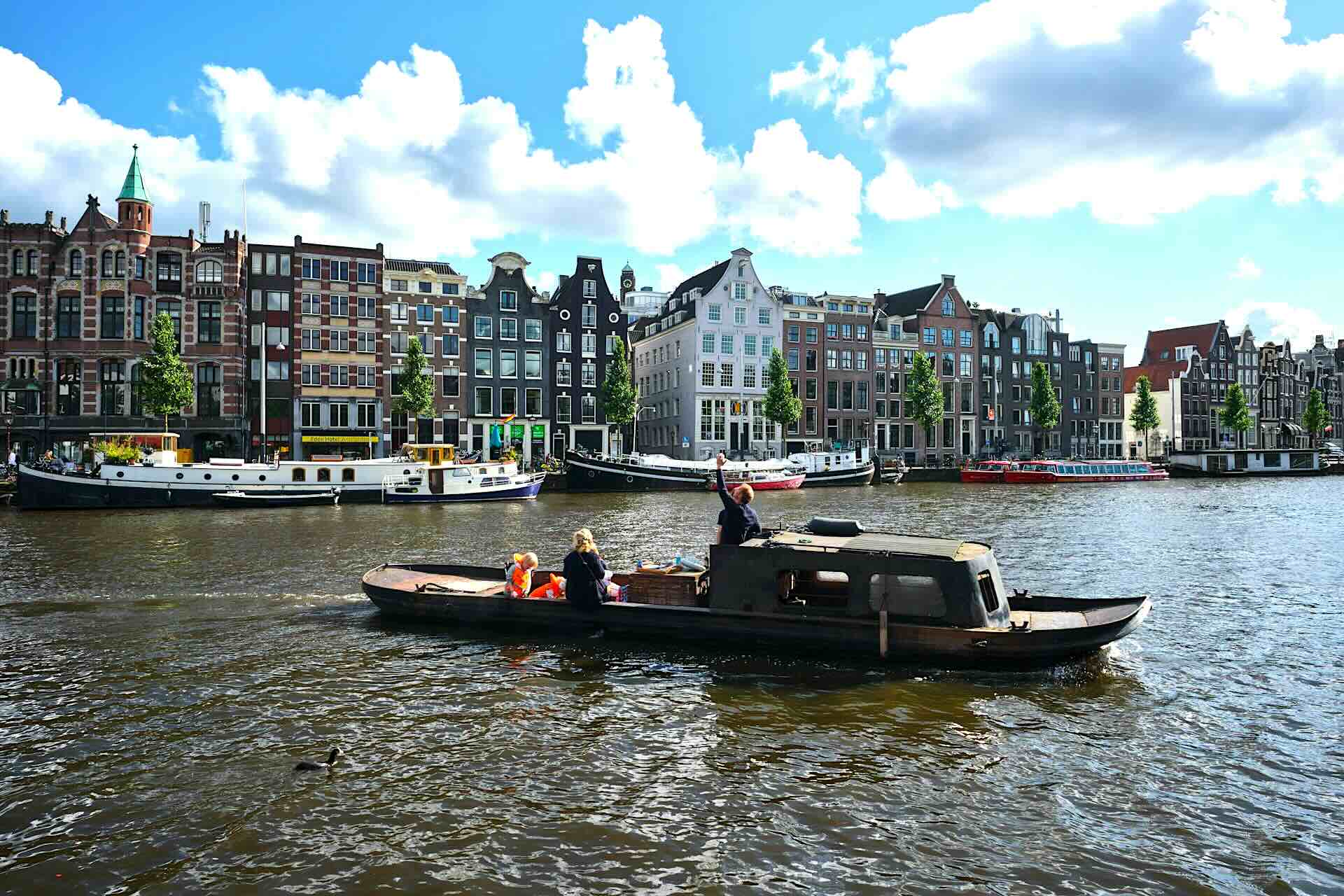
    Amsterdam is often reduced to a postcard image, and why Amsterdam is about more than canals and bikes becomes clear once you move past first impressions. The waterways and cycling culture are real, but they are only the surface of a city shaped by ideas, tolerance, design, and everyday rituals that feel quietly intentional. Amsterdam reveals itself through how people live, not just what they pass by.

    For travelers who value culture, food, neighborhoods, and lived experience, Amsterdam offers depth without drama. It feels approachable, yet layered enough to reward time and attention.

    A City Built on Ideas, Not Just Infrastructure

    Amsterdam’s identity is rooted in values as much as visuals. Openness, pragmatism, and individual freedom shape how the city functions.

    Historically, Amsterdam thrived as a trading city that welcomed different cultures, beliefs, and perspectives. That openness became a defining trait rather than a temporary strategy.

    You still feel this today. Differences are accommodated rather than spotlighted. Daily life feels designed to work for people with varied needs and lifestyles.

    This mindset explains much of what visitors notice, from urban planning to social norms. The city prioritizes coexistence over spectacle.

    Neighborhoods That Define Daily Life

    Amsterdam’s character lives in its neighborhoods. Each area carries a distinct tone that goes beyond scenery.

    The Jordaan feels intimate and lived in. Narrow streets, local cafés, and small shops create a sense of community. It is a place to slow down and observe daily routines.

    De Pijp feels energetic and multicultural. Food from around the world, busy markets, and casual social life give the area constant motion.

    Oud West blends residential calm with creative energy. Independent stores, bakeries, and green spaces make it feel balanced and practical.

    Amsterdam Noord feels experimental and evolving. Creative spaces, waterfront views, and repurposed industrial areas show how the city adapts without erasing its past.

    Spending time across neighborhoods reveals a city built around living well rather than impressing visitors.

    Food Culture Beyond Expectations

    Amsterdam’s food scene often surprises travelers who expect simplicity. While traditional dishes remain important, the city’s culinary identity reflects global influence and thoughtful execution.

    Local cafés focus on quality and consistency. Coffee culture emphasizes care and atmosphere rather than speed.

    Markets play a central role. They bring together food, conversation, and community. Walking through them offers insight into daily preferences and habits.

    Restaurants range widely in style and price, but many share an emphasis on seasonal ingredients and balance. Meals feel intentional without feeling precious.

    Food in Amsterdam supports daily life. It complements routines rather than dominating schedules.

    Design as a Way of Thinking

    Design in Amsterdam is not limited to museums or galleries. It shapes everyday experiences.

    Buildings balance form and function. Interiors feel calm and purposeful. Public spaces prioritize usability and comfort.

    This approach reflects a broader cultural value placed on practicality and restraint. Beauty emerges from usefulness rather than excess.

    Design choices support how people move, gather, and rest. You notice how naturally spaces work together.

    Spending time in the city helps you understand design as mindset rather than aesthetic.

    Culture That Feels Integrated, Not Staged

    Amsterdam’s cultural offerings feel integrated into daily life. Museums and institutions are important, but culture also exists outside formal settings.

    Art appears in public spaces, small galleries, and unexpected corners. Creativity feels accessible rather than elevated.

    Music, film, and performance often happen in intimate venues. Experiences feel personal and participatory.

    Cultural engagement does not require planning or expertise. Curiosity is enough.

    This integration makes culture feel lived rather than displayed.

    A Different Relationship With Time

    Amsterdam operates with a steady, balanced pace. The city does not rush, but it also does not linger aimlessly.

    Work and leisure coexist clearly. People make time for rest, social connection, and personal interests.

    Evenings feel relaxed. Meals are enjoyed without pressure. Conversations take precedence over schedules.

    This rhythm shapes how visitors experience the city. You feel encouraged to slow down without disengaging.

    Time feels well spent rather than filled.

    Social Norms That Shape the Experience

    Amsterdam’s social culture values directness, respect, and independence. People communicate clearly and expect personal responsibility.

    This honesty can feel refreshing. Interactions are straightforward and grounded.

    At the same time, privacy is respected. Personal space matters. Social engagement happens by choice, not obligation.

    These norms create a sense of ease. You know where you stand, and you are free to move at your own pace.

    Nature and Urban Balance

    Green space plays an important role in Amsterdam. Parks, waterways, and tree lined streets soften the urban environment.

    People use these spaces actively. Picnics, walks, and quiet reflection are common parts of daily life.

    Water shapes movement and mood. It provides calm and continuity throughout the city.

    This balance between nature and urban life contributes to Amsterdam’s livability.

    Why Amsterdam Feels Familiar Yet Distinct

    Many travelers feel comfortable in Amsterdam quickly. The city is navigable, friendly, and intuitive.

    Yet it also feels different. Values around openness, design, and balance create subtle contrasts with other cities.

    You recognize patterns, but the tone shifts. That combination makes exploration rewarding without stress.

    Amsterdam does not demand adaptation. It invites understanding.

    Moving Past the Stereotypes

    Canals and bikes are part of Amsterdam’s identity, but they are not its essence.

    Reducing the city to visuals misses its deeper character. The real experience lies in routines, values, and everyday interactions.

    When you move past stereotypes, Amsterdam feels richer and more personal.

    You stop collecting images and start noticing patterns of life.

    How to Experience Amsterdam More Fully

    To experience Amsterdam beyond the surface, allow time for routine. Return to the same café. Walk the same street at different times of day.

    Explore neighborhoods rather than landmarks alone. Sit and observe. Notice how people use space.

    Balance popular sights with unplanned wandering. Let curiosity guide choices.

    This approach reveals the city’s quieter strengths.

    Why Amsterdam Stays With You

    Amsterdam stays with travelers because it models a way of living that feels intentional and humane.

    It shows how cities can be functional without feeling cold, cultural without feeling performative, and social without feeling forced.

    Why Amsterdam is about more than canals and bikes comes down to this. The city prioritizes how life feels.

    That focus leaves a lasting impression.

    Plan a trip to Amsterdam today.

  • Why Montreal Is One of North America’s Most Underrated Cities

    Why Montreal Is One of North America’s Most Underrated Cities

    Montreal often surprises first time visitors, and why Montreal is one of North America’s most underrated cities becomes clear once you spend time there. This is a place where European charm, North American ease, and a strong cultural identity coexist naturally. Montreal does not shout for attention. It reveals itself slowly, through neighborhoods, food, language, and everyday life that feels both familiar and refreshingly different.

    For travelers who enjoy culture, music, food, and walkable cities, Montreal offers depth without pressure. It feels approachable, yet layered enough to reward curiosity.

    A City That Feels European Without Leaving North America

    Montreal carries a European sensibility that sets it apart from most cities on the continent. Historic streets, stone buildings, cafés, and public squares create a sense of place that feels rooted and intentional.

    At the same time, the city remains unmistakably North American. Infrastructure is familiar. Navigation feels easy. Service culture feels relaxed and efficient.

    This blend allows visitors to enjoy a European atmosphere without the logistical friction that sometimes comes with international travel. You settle in quickly, which makes exploration feel natural rather than rushed.

    Language as Cultural Texture

    One of Montreal’s defining features is its bilingual nature. French and English coexist throughout the city, shaping how it sounds and feels.

    You hear French spoken daily, on the street, in shops, and at cafés. Even if you do not speak it, the language adds rhythm and character to everyday interactions.

    At the same time, English is widely understood, which lowers barriers for visitors. This balance creates a sense of immersion without intimidation.

    Language here is not just communication. It is part of the city’s identity and creative energy.

    Neighborhoods That Shape the Experience

    Montreal’s neighborhoods are central to understanding its appeal. Each area carries its own mood, pace, and personality.

    Old Montreal feels historic and atmospheric. Cobblestone streets, waterfront views, and preserved architecture create a strong sense of continuity with the past.

    The Plateau feels artistic and residential. Cafés, bookstores, murals, and tree lined streets invite slow wandering and long conversations.

    Mile End feels creative and understated. It is known for food, music, and independent culture. Daily life here feels expressive and grounded.

    Downtown blends energy and accessibility. Cultural institutions, shopping, and nightlife coexist without overwhelming the city’s rhythm.

    Exploring multiple neighborhoods reveals how varied and cohesive Montreal truly is.

    Food That Reflects Cultural Blending

    Montreal’s food scene reflects its layered identity. French technique, global influences, and local traditions intersect naturally.

    Cafés prioritize quality and atmosphere. Bakeries feel essential rather than ornamental. Meals are meant to be enjoyed rather than rushed.

    The city embraces diversity in its cuisine. You encounter influences from around the world, often adapted through a distinctly Montreal lens.

    Dining feels social and accessible. Great food exists at many price points, and discovery often comes from wandering rather than reservations.

    Food becomes a way to understand how cultures coexist here, not compete.

    Music, Arts, and Creative Confidence

    Montreal has a strong creative identity that feels organic rather than manufactured. Music, art, and performance are part of everyday life.

    Live music venues range from intimate spaces to larger stages, often featuring local talent. Genres blend freely, reflecting the city’s openness.

    Festivals play a role, but creativity does not rely on them. Art appears in neighborhoods, public spaces, and independent venues year round.

    This consistency gives Montreal cultural confidence. Creativity feels supported, not commodified.

    A City Built for Walking and Living

    Montreal feels designed for people rather than cars. Walking is easy and enjoyable. Streets invite lingering rather than rushing.

    Public transportation supports exploration without stress. Neighborhoods connect naturally, encouraging movement across the city.

    Parks and green spaces play an important role. They provide places to gather, rest, and observe daily life.

    This livability shapes how visitors experience time. Days feel balanced rather than packed.

    Seasonal Shifts That Change the City’s Mood

    Montreal transforms with the seasons, and each one brings a different personality.

    Summer feels social and open. Outdoor dining, festivals, and long evenings create a lively atmosphere.

    Fall feels reflective and beautiful. Cooler air and changing colors add intimacy to neighborhoods and parks.

    Winter is bold and unapologetic. Snow reshapes the city. Culture moves indoors, creating cozy, communal spaces.

    Spring feels hopeful and transitional. The city reawakens slowly, with renewed energy.

    These shifts give repeat visits new dimensions.

    Why Montreal Often Gets Overlooked

    Montreal is sometimes overshadowed by larger or louder cities. It does not market itself aggressively or rely on spectacle.

    Its appeal lies in subtlety. Experiences unfold gradually rather than immediately.

    For travelers focused on highlights and checklists, Montreal may seem understated. For those who value atmosphere and daily life, it feels rich and memorable.

    This quiet confidence is why the city remains underrated.

    How Montreal Fits Modern Travel Desires

    Many travelers today seek authenticity, walkability, and cultural depth without exhaustion. Montreal aligns naturally with those priorities.

    You can explore without pressure, experience culture without feeling staged and relax while staying engaged.

    The city invites you to live alongside it rather than pass through it.

    That invitation feels increasingly rare.

    Planning a Thoughtful Trip to Montreal

    A successful trip to Montreal balances structure and openness. Choose a neighborhood to anchor your stay, then explore outward.

    Mix museums and cultural sites with wandering, cafés, and parks. Let meals stretch longer than planned.

    Avoid trying to see everything. Focus on how the city feels day to day.

    This approach reveals Montreal’s true character.

    Why Montreal Leaves a Lasting Impression

    Montreal stays with travelers because it offers contrast without conflict. Familiar comforts coexist with distinct cultural identity.

    You feel welcomed, not overwhelmed. Inspired, not exhausted.

    Why Montreal is one of North America’s most underrated cities comes down to this. It delivers richness quietly, and that makes it unforgettable.

    Plan a trip to Montreal today.

  • Why Buenos Aires Feels Familiar and New at the Same Time

    Why Buenos Aires Feels Familiar and New at the Same Time

    Buenos Aires has a rare ability to feel instantly recognizable while constantly surprising you, and why Buenos Aires feels familiar and completely new at the same time becomes clear within your first few days. The city carries European influences in its architecture, cafés, and rhythms, yet its energy, emotion, and cultural expression feel unmistakably Latin American. This tension creates a place that is easy to settle into and endlessly engaging to explore.

    For travelers who enjoy culture, food, music, and everyday city life, Buenos Aires offers comfort without predictability. You feel grounded quickly, but never bored.

    A City That Feels European at First Glance

    Many first impressions of Buenos Aires feel familiar to travelers who have spent time in Europe. Wide boulevards, historic buildings, and neighborhood cafés recall cities like Paris, Madrid, or Milan.

    Sidewalk cafés spill onto tree lined streets. Elegant facades frame everyday routines. Public spaces feel designed for walking, talking, and lingering.

    This familiarity helps visitors relax. You intuitively understand how the city works. You know where to sit, how to order coffee, and how to spend an afternoon without a plan.

    Yet this surface familiarity is only the entry point.

    Latin American Energy Beneath the Surface

    As you spend more time in Buenos Aires, its distinct character reveals itself. Conversations grow animated. Emotions feel closer to the surface. Time stretches differently.

    Argentine culture values expression, debate, and connection. People speak passionately, even casually. Opinions are shared openly. Humor, irony, and intensity coexist comfortably.

    This emotional openness contrasts with the more reserved tone of many European cities. It gives Buenos Aires warmth and immediacy that feels fresh and alive.

    Neighborhoods That Shape the Experience

    Buenos Aires is best understood through its neighborhoods. Each one feels like a small city with its own rhythm, values, and aesthetic.

    Palermo feels creative and social. Cafés, bookstores, parks, and restaurants encourage long afternoons and late nights. It often becomes a base for visitors because it balances comfort with energy.

    Recoleta feels refined and historic. Architecture and public spaces reflect tradition and elegance. It offers a quieter pace without feeling distant from city life.

    San Telmo feels atmospheric and expressive. Cobblestone streets, antique shops, and street performances create a sense of layered history and everyday art.

    La Boca feels colorful and intense. Music, movement, and visual expression dominate. It reminds you that Buenos Aires embraces drama and creativity openly.

    Moving between neighborhoods highlights the city’s dual nature. Familiar patterns shift into something distinctly local.

    Food That Feels Comforting and Distinct

    Food in Buenos Aires often feels familiar at first. European influences appear in bakeries, cafés, and dining habits. Pasta, pastries, and espresso culture feel recognizable.

    Then the differences emerge. Portions are generous. Meals stretch longer. Meat plays a central role, prepared with simplicity and pride.

    Parrillas focus on quality rather than variety. Ingredients speak for themselves. Dining feels social, not rushed or transactional.

    Late dinners are normal. Conversations linger. Food becomes a reason to gather rather than just refuel.

    This blend of familiarity and difference makes eating in Buenos Aires deeply satisfying.

    Music, Movement, and Emotional Expression

    Music and movement play a visible role in Buenos Aires life. Tango is the most famous expression, but it is only one part of the city’s emotional language.

    You see music and dance practiced in public spaces, not just on stages. Performances feel participatory rather than polished.

    Live music scenes extend beyond tradition. Rock, electronic, and experimental sounds reflect the city’s evolving identity.

    Expression matters here. People sing, dance, argue, and celebrate with intensity. This openness creates moments that feel raw and memorable.

    A City That Lives Late

    Buenos Aires operates on a schedule that often surprises visitors. Days start slowly and stretch late into the night.

    Afternoons feel unhurried. Evenings begin late. Dinners often start after nine. Social gatherings extend past midnight.

    This rhythm can feel familiar to travelers used to Southern Europe, yet it carries a different emotional tone. Nights feel social and expressive rather than formal.

    Adapting to this schedule helps the city make sense. Once you do, time feels generous rather than constrained.

    Architecture That Tells a Story

    Buenos Aires architecture reflects ambition, influence, and adaptation. European styles appear prominently, but they are shaped by local context and climate.

    Grand buildings sit beside modest homes. Wear and restoration coexist. History feels visible rather than preserved behind barriers.

    This architectural mix reinforces the city’s dual identity. It honors what came before while remaining actively lived in.

    Walking through the city becomes a visual narrative rather than a checklist of landmarks.

    Cultural Confidence Without Pretension

    Buenos Aires carries cultural confidence, but it rarely feels performative. The city does not try to impress visitors with spectacle.

    Culture exists for those who live there first. Visitors are welcomed into it rather than catered to.

    This authenticity allows the city to feel familiar without being generic. You sense that life would continue unchanged if you were not there.

    That honesty makes experiences feel earned and personal.

    Daily Life That Feels Relatable

    Part of why Buenos Aires feels familiar is its emphasis on daily routines. People meet friends regularly. Cafés serve as extensions of home.

    Public spaces are used actively. Parks fill with conversation and activity. Streets feel lived in rather than purely functional.

    These patterns resonate with travelers who value everyday experiences over highlights. You recognize the importance of simple moments.

    At the same time, the emotional intensity and social openness add a layer that feels new.

    Why Buenos Aires Resonates With Modern Travelers

    Buenos Aires appeals to travelers seeking depth without discomfort. It offers cultural richness without forcing constant adjustment.

    You feel comfortable quickly, yet challenged enough to stay engaged. The city invites participation rather than observation.

    This balance feels especially meaningful now, as many travelers look for connection rather than spectacle.

    Buenos Aires delivers that connection naturally.

    How to Experience the City Fully

    To experience Buenos Aires at its best, allow time to settle in. Choose a neighborhood and return to the same places.

    Balance wandering with routine. Sit in cafés. Walk without destinations. Let conversations unfold.

    Avoid trying to see everything. Focus on how the city feels day to day.

    This approach reveals why the city feels both familiar and completely new.

    Why the Feeling Stays With You

    Buenos Aires stays with travelers because it mirrors something recognizable while expanding it. You see parts of places you know, filtered through a different emotional lens.

    The city does not ask you to reinvent yourself. It invites you to engage more fully.

    That combination creates memories that feel personal and lasting.

    Why Buenos Aires feels familiar and completely new at the same time comes down to one truth. It welcomes you in, then gently challenges you to see differently.

    Plan a trip to Buenos Aires today.

  • What Makes Berlin One of the Most Creative Cities in Europe

    What Makes Berlin One of the Most Creative Cities in Europe

    Berlin has long attracted artists, musicians, designers, and independent thinkers, and what makes Berlin one of the most creative cities in Europe becomes clear once you spend real time there. This is a city that treats creativity as a way of living rather than a polished output. Ideas are tested in public. Culture evolves in real time. Nothing feels overly finished, and that openness fuels constant reinvention.

    For travelers drawn to art, music, history, and unconventional experiences, Berlin offers depth without pretense. It invites exploration, participation, and curiosity rather than passive consumption.

    A History That Encouraged Experimentation

    Berlin’s creative identity is inseparable from its history. Few European cities have experienced as much disruption, division, and reinvention within such a short time.

    Decades of political change reshaped neighborhoods, economies, and communities. When physical and ideological barriers fell, space opened up. Buildings, streets, and former industrial areas became laboratories for new ideas.

    This period of transition encouraged experimentation. Artists moved into empty spaces. Musicians built scenes from scratch. Designers worked without strict commercial pressure.

    That legacy remains. Berlin still values process over perfection and originality over polish. Creativity here often begins as exploration rather than execution.

    Neighborhoods as Creative Ecosystems

    Berlin’s creativity lives in its neighborhoods. Each area supports different forms of expression, and moving between them reveals the city’s range.

    Kreuzberg feels restless and expressive. Street art, independent venues, and multicultural influences shape daily life. Creativity here feels political, social, and grounded in lived experience.

    Neukölln feels raw and evolving. New ideas emerge alongside long established communities. Cafes double as studios. Bars host readings, performances, and informal exhibitions.

    Prenzlauer Berg reflects a softer, more curated creativity. Design, publishing, and family oriented cultural spaces coexist. It shows how creative energy adapts over time.

    Mitte balances history and contemporary culture. Galleries, museums, and concept spaces create a bridge between Berlin’s past and present.

    Creativity is not isolated to one district. It moves across the city, changing tone and texture as it goes.

    Art That Lives Outside Institutions

    Berlin’s art scene extends far beyond museums and galleries. Art appears on walls, sidewalks, abandoned buildings, and temporary spaces.

    Street art is not treated as decoration. It functions as commentary, experimentation, and conversation. Murals change. Installations appear and disappear. Nothing feels fixed.

    Independent galleries play a major role. Many prioritize emerging artists and unconventional formats. Exhibitions feel approachable and exploratory rather than intimidating.

    Temporary spaces encourage risk. Pop up shows, performances, and collaborative projects allow ideas to surface quickly and evolve publicly.

    This openness keeps art accessible and responsive to the city’s energy.

    Music as an Engine of Creative Life

    Music shapes Berlin’s identity as deeply as visual art. The city’s sound reflects freedom, experimentation, and community.

    Electronic music is the most visible expression, but it is only part of the story. Jazz, classical, punk, indie, and experimental genres all coexist.

    Venues range from formal concert halls to repurposed warehouses. What matters is not prestige, but atmosphere and intention.

    Music here often blurs boundaries between performer and audience. Participation matters. Long nights turn into shared experiences rather than performances to be observed.

    Music contributes to Berlin’s sense of openness. It invites people into collective moments that feel spontaneous and authentic.

    A City That Accepts Imperfection

    Berlin does not prioritize refinement. It accepts rough edges, incomplete projects, and visible process.

    Buildings show wear. Spaces evolve gradually. Nothing feels rushed to completion.

    This acceptance creates room for creativity. Without pressure to appear finished, ideas have time to develop.

    Visitors often notice this immediately. Berlin feels less staged than other European capitals. That honesty makes creative work feel grounded rather than curated.

    Imperfection here is not failure. It is part of the aesthetic and the mindset.

    Daily Life as Creative Expression

    Creativity in Berlin is not confined to art or music. It shapes daily routines and social norms.

    People dress with individuality rather than trend driven uniformity. Style feels personal and expressive.

    Cafes and public spaces function as informal workspaces. Conversations blend personal life, creative work, and political thought.

    Time feels flexible. Long afternoons turn into long evenings. Schedules adapt to ideas rather than controlling them.

    This integration of creativity into daily life gives Berlin a distinct rhythm.

    Cultural Freedom and Personal Expression

    Berlin has built a reputation for openness and personal freedom, and this environment fuels creativity.

    People feel encouraged to experiment with identity, ideas, and forms of expression. Judgment feels minimal. Exploration feels supported.

    This freedom attracts people from around the world. Berlin becomes a meeting point for diverse perspectives, which strengthens creative exchange.

    The city does not demand conformity. It values authenticity, even when it is messy or unresolved.

    That openness remains one of Berlin’s strongest creative assets.

    The Role of History in Modern Creativity

    Berlin does not separate creativity from memory. The city’s past remains visible and influential.

    Historic sites, preserved spaces, and memorials coexist with modern cultural projects. This proximity shapes how artists and creators engage with themes like identity, conflict, and change.

    Creative work often responds directly to history rather than avoiding it. This gives Berlin’s cultural output emotional depth and intellectual weight.

    The city encourages reflection alongside innovation.

    Why Berlin Attracts Creative Travelers

    Travelers drawn to Berlin often seek more than sightseeing. They want to feel part of a living cultural environment.

    Berlin rewards curiosity. Wandering leads to unexpected discoveries. Conversations turn into invitations. Even ordinary moments feel layered.

    The city does not present a single narrative. It invites visitors to build their own experience.

    This flexibility appeals to travelers who value originality over predictability.

    How to Experience Berlin Creatively

    To experience Berlin’s creative spirit, avoid rigid itineraries. Choose a few anchors, then leave space for exploration.

    Walk through neighborhoods. Follow sound, color, and movement. Spend time sitting and observing.

    Balance museums with street level experiences. Let curiosity guide decisions.

    Berlin reveals itself gradually. The less you control, the more you experience.

    Why Berlin’s Creativity Endures

    What makes Berlin one of the most creative cities in Europe is not trendiness or reputation. It is mindset.

    The city values experimentation, freedom, and participation. It allows ideas to breathe and evolve.

    Creativity here is not packaged for visitors. It exists for those willing to engage.

    Berlin continues to change, but its commitment to creative life remains constant.

    That commitment is what keeps the city relevant, inspiring, and impossible to replicate.

    Plan a trip to Berlin today.

  • Why Liverpool Still Feels Defined by Music

    Why Liverpool Still Feels Defined by Music

    Liverpool’s identity has always been intertwined with sound, and why Liverpool still feels defined by music becomes clear the longer you spend in the city. Music here is not treated as nostalgia or branding. It remains part of daily life, shaping how people gather, express themselves, and understand where they come from. Even as Liverpool continues to evolve, music remains its emotional backbone.

    For travelers who care about culture, creativity, and lived experience, Liverpool offers something rare. It is a city where music is not just remembered. It is practiced, discussed, argued about, and passed forward.

    A City Where Music Shaped Identity

    Liverpool’s relationship with music goes beyond fame or legacy. Music helped shape the city’s sense of self during periods of change, hardship, and reinvention.

    As a historic port city, Liverpool absorbed influences from around the world. Sailors brought records, rhythms, and stories that filtered into local communities. These sounds mixed with local voices and working class experiences, creating something distinct.

    Music became a form of expression and escape. It reflected ambition, frustration, humor, and pride. Over time, it became inseparable from how Liverpool presented itself to the world and to itself.

    This foundation still matters. You feel it in conversations, attitudes, and the city’s creative confidence.

    The Beatles and the Shadow They Cast

    The Beatles are impossible to separate from Liverpool, but what defines the city is how it has moved beyond them without forgetting them.

    Their story is embedded into streets, venues, and collective memory. You encounter it naturally, without feeling overwhelmed by commercialization if you look beyond the obvious stops.

    What stands out is how locals talk about The Beatles. There is pride, but also realism. They are seen as part of a much larger musical continuum rather than an isolated phenomenon.

    Liverpool does not freeze itself in one era. It treats its most famous band as a starting point, not a conclusion.

    Live Music as Part of Everyday Life

    Music in Liverpool is not reserved for major venues or events. It is woven into daily routines.

    Pubs host live performances without fanfare. Small venues showcase emerging artists alongside seasoned performers. Open mic nights feel communal rather than competitive.

    You do not need a plan to experience live music. You hear it while walking, dining, or exploring neighborhoods. The city feels tuned, as if music is always nearby, waiting to surface.

    This accessibility matters. It keeps music grounded and participatory rather than distant or exclusive.

    A City That Still Produces New Sounds

    Liverpool’s music scene is not defined by the past. It continues to produce new artists, genres, and movements.

    Local musicians draw from rock, electronic, hip hop, indie, and experimental traditions. They blend global influences with regional character, creating sounds that feel both familiar and new.

    Creative communities support each other. Venues, promoters, and audiences remain open to experimentation. Failure is tolerated. Growth is encouraged.

    This environment keeps the scene alive. Music feels like a living conversation rather than a museum exhibit.

    Neighborhoods Where Music Lives

    Different parts of Liverpool carry different musical energies, and exploring them reveals how deeply music is embedded in the city.

    The city center offers access to historic venues and contemporary stages. Music feels visible and integrated into nightlife.

    Areas like the Baltic Triangle reflect Liverpool’s creative reinvention. Former industrial spaces now house studios, performance spaces, and collaborative hubs.

    Residential neighborhoods reveal music at a more personal scale. You hear rehearsals, community events, and informal gatherings that show how music remains part of home life.

    Music does not belong to one district. It moves freely, just like the people who create it.

    Lyrics, Accents, and Local Voice

    Liverpool’s accent and sense of humor shape its music as much as melody or rhythm. Lyrics often reflect wit, honesty, and emotional directness.

    There is little pretense. Songs tend to speak plainly, even when they are poetic. This reflects a broader cultural value placed on authenticity.

    Local voice matters here. Musicians sound like where they are from, and that is seen as strength rather than limitation.

    This commitment to voice gives Liverpool’s music a recognizable character that persists across generations.

    Music as Social Glue

    Music in Liverpool functions as a social connector. It brings people together across age, background, and experience.

    Concerts feel communal rather than transactional. Audiences participate actively, singing along, responding, and engaging.

    Music supports social rituals. Celebrations, commemorations, and gatherings often include live sound as a central element.

    This shared experience reinforces belonging. Music helps people feel connected to place and to each other.

    Education, Mentorship, and Passing It On

    Liverpool invests in music education and mentorship, both formally and informally. This commitment helps sustain the city’s creative output.

    Young musicians learn not only technique, but history and context. They understand where they fit into a larger story.

    Older artists often mentor younger ones, passing on skills and perspective. This continuity strengthens the scene.

    Music is treated as something worth protecting and nurturing, not just exploiting.

    How Music Shapes the Visitor Experience

    For visitors, Liverpool’s musical identity changes how the city feels. It adds texture to everyday moments.

    You notice sound more closely. You listen for accents, melodies, and rhythms as part of your exploration.

    Museums and landmarks provide context, but it is the lived experience that leaves an impression. Hearing a band rehearse or a singer perform casually often feels more meaningful than formal exhibits.

    Music becomes part of how you remember the city.

    Why Liverpool’s Music Identity Endures

    Many cities become defined by trends and then move on. Liverpool remains defined by music because it never treated it as a phase.

    Music here is rooted in community, history, and daily practice. It adapts without losing its core.

    The city understands that identity is not preserved by repetition, but by participation. New voices are welcomed. Old stories are respected.

    This balance keeps Liverpool relevant without chasing relevance.

    Planning a Music Centered Trip to Liverpool

    To experience Liverpool through music, allow flexibility. Choose a few anchor venues or experiences, then leave room for discovery.

    Walk often. Listen closely. Talk to people about what they are hearing and loving right now.

    Spend time in both well known and lesser known areas. Let sound guide you rather than schedules.

    This approach aligns with the city’s musical spirit and reveals why it still feels defined by music.

    Why Music Remains Liverpool’s Heartbeat

    Why Liverpool still feels defined by music comes down to one truth. Music here is not something that happened. It is something that continues.

    It shapes how people express identity, build community, and relate to the world.

    Liverpool does not perform its musical history for visitors. It lives it.

    That authenticity is what makes the city resonate long after you leave.

    Plan a trip to Liverpool today.

  • What Makes New Orleans Feel Unlike Anywhere Else in the US

    What Makes New Orleans Feel Unlike Anywhere Else in the US

    New Orleans has a way of defying expectations, and what makes New Orleans feel unlike anywhere else in the US becomes clear the moment you arrive. This is not a city that fits neatly into American travel categories. It does not feel fully Southern, fully coastal, or fully urban in the way other US cities do. Instead, New Orleans exists in its own cultural lane, shaped by history, music, food, and a deep sense of place that resists comparison.

    For travelers who value culture over polish and experience over efficiency, New Orleans feels singular. It invites you to slow down, listen closely, and participate rather than observe.

    A City Shaped by Cultural Blending

    New Orleans was built at the crossroads of cultures, and that blending defines everything about it. French, Spanish, African, Caribbean, and American influences are not historical footnotes here. They remain active forces in daily life.

    You see this in architecture, where balconies and courtyards reflect European design adapted to a humid climate. Also, you hear it in language, accents, and expressions that feel distinct even within Louisiana.

    You feel it most clearly in how traditions are preserved and practiced. Culture in New Orleans is not curated for visitors. It is lived openly, passed down through families, neighborhoods, and rituals that continue regardless of who is watching.

    Music as a Living Presence

    Music is not entertainment in New Orleans. It is infrastructure. It shapes how people gather, celebrate, and mourn.

    Jazz is the most famous sound, but it is only one part of a much broader musical ecosystem. Brass bands, blues, funk, soul, and bounce music spill into streets, clubs, and neighborhood gatherings.

    Live music is accessible and frequent. You do not need tickets or formal venues to experience it. You might hear a band practicing behind a bar, playing at a street corner, or leading a parade through a neighborhood.

    Music connects people here. It turns public space into shared experience. That constant presence of sound gives the city a pulse that never fully quiets.

    Food That Tells a Story

    Food in New Orleans carries history in every bite. Dishes are tied to place, season, and community rather than trends.

    Creole and Cajun traditions shape the city’s culinary identity, but like the city itself, the food reflects blending and adaptation. Recipes evolved based on available ingredients, cultural exchange, and necessity.

    Meals feel social and expressive. Eating is rarely rushed. Conversations linger. Food is used to mark time, memory, and belonging.

    Markets, neighborhood restaurants, and casual spots often reveal more about the city than upscale dining. The best meals frequently come with stories, not explanations.

    Neighborhoods With Strong Identities

    New Orleans feels like a collection of neighborhoods rather than a single unified city. Each area carries its own rhythm and personality.

    The French Quarter is historic and atmospheric, but it is only one part of the city’s story. Beyond it, neighborhoods feel deeply residential and proudly local.

    The Marigny and Bywater feel artistic and expressive. You notice color, creativity, and a sense of individuality in homes and public spaces.

    Uptown feels shaded and relaxed, with tree lined streets and a slower pace. It offers a glimpse into everyday life beyond tourism.

    Tremé holds deep cultural significance, especially in music and Black history. It is a place where tradition remains central to identity.

    Spending time across neighborhoods helps you understand how layered and localized the city really is.

    A Different Relationship With Time

    New Orleans does not prioritize efficiency. It prioritizes presence.

    Schedules feel flexible. Conversations take precedence over punctuality. Moments unfold rather than progress.

    This relationship with time shapes how visitors experience the city. You learn quickly that rigid plans often fall apart, and that is part of the appeal.

    Parades, second lines, and spontaneous gatherings can interrupt a day. Instead of feeling disruptive, they often become highlights.

    New Orleans encourages you to adapt rather than control. That mindset shift is one reason the city feels transformative for many travelers.

    Celebration and Ritual as Daily Life

    Celebration in New Orleans is not limited to holidays. It is woven into everyday existence.

    Second lines, festivals, and neighborhood gatherings happen regularly. These events are not performances. They are expressions of community.

    Rituals around music, food, and movement connect people across generations. Participation matters more than observation.

    Even difficult moments are marked with ceremony. Funerals become processions. Grief and joy coexist openly.

    This openness around emotion and expression sets New Orleans apart from cities that compartmentalize experience.

    Architecture That Reflects Adaptation

    Buildings in New Orleans tell stories of adaptation. Raised homes, wide porches, courtyards, and shutters respond to climate and history.

    Nothing feels overly uniform. Wear, repair, and reinvention are visible and accepted.

    Rather than erasing age, the city embraces it. Patina is part of beauty here.

    This approach shapes how the city feels visually and emotionally. You sense continuity rather than constant replacement.

    A City That Welcomes Imperfection

    New Orleans does not present itself as flawless. It shows its cracks, scars, and contradictions openly.

    Infrastructure can feel uneven. Systems may not work as expected. Yet community fills the gaps.

    This acceptance of imperfection creates authenticity. The city feels human rather than managed.

    Visitors who expect polish may feel challenged. Those who value depth often feel at home.

    Why New Orleans Resonates Right Now

    In a time when many cities feel interchangeable, New Orleans stands firm in its identity. It does not dilute itself to appeal broadly.

    For travelers seeking meaning, connection, and originality, this matters.

    New Orleans offers experiences that cannot be replicated elsewhere in the US. It asks you to listen, taste, and feel rather than consume.

    That invitation feels especially relevant now.

    Planning a Trip That Honors the City

    To experience New Orleans fully, allow room for spontaneity. Choose a few anchor experiences, then let the rest unfold.

    Balance music, food, and wandering. Spend time sitting and observing. Talk to people.

    Do not try to see everything. Focus on how things feel.

    This approach aligns with the city’s rhythm and reveals its deeper character.

    Why No Other US City Feels Quite Like It

    What makes New Orleans feel unlike anywhere else in the US is not one thing. It is the combination of history, culture, music, food, and a distinctive approach to life.

    The city does not separate past from present or celebration from struggle. It holds everything together at once.

    You leave with more than memories. You leave with perspective.

    That is why New Orleans stays with you long after you go.

    Plan a trip to New Orleans today.

  • What to Expect on Your First Trip to Rome

    What to Expect on Your First Trip to Rome

    Rome leaves a strong first impression, and what to expect on your first trip to Rome often includes moments of awe, confusion, delight, and deep appreciation. This is a city where history is not confined to museums. It surrounds you in daily life. You walk past ruins on your way to coffee. You eat dinner beside buildings older than many countries.

    For first time visitors, Rome can feel intense at first. It is busy, layered, and unapologetically itself. With the right expectations, it becomes one of the most rewarding cities you will ever visit.

    First Impressions and the Energy of the City

    Rome feels alive from the moment you arrive. Streets buzz with movement, conversation, and sound. Scooters weave through traffic. Locals speak with expressive gestures. The city does not whisper its presence. It announces it.

    This energy can feel overwhelming initially, especially if you expect quiet order. Rome operates on rhythm rather than rules. Once you accept that, the city starts to make sense.

    The visual impact is immediate. Ancient ruins, baroque fountains, churches, and everyday buildings coexist without separation. You are rarely more than a few steps from something historically significant, even when you are not looking for it.

    Navigating a City Built Over Time

    Rome was not designed as a modern city. Streets curve, narrow, and intersect unpredictably. This is part of its charm and its challenge.

    Walking is the best way to experience Rome, but expect uneven pavement and cobblestones. Comfortable shoes are essential. Distances can look short on a map but feel longer on foot due to crowds and layout.

    Public transportation exists, but many visitors rely more on walking. Buses and metro lines are useful, but they do not reach every area easily. Taxis are available, but traffic can be slow.

    Getting lost is common and often rewarding. Some of Rome’s best moments happen when you wander off course and discover a quiet square or local café.

    The Pace of Daily Life

    Rome moves at its own pace, and adjusting to it improves your experience. Mornings start calmly. Cafés fill with locals standing at the bar for espresso. Midday brings more activity, especially around popular sites.

    Afternoons can feel slower. Many shops close briefly. This pause is part of the rhythm, not an inconvenience.

    Evenings stretch late. Dinner starts later than many visitors expect. Restaurants often fill after eight. Meals are meant to be enjoyed, not rushed.

    Understanding this flow helps you plan without frustration.

    Food and What First Time Visitors Learn Quickly

    Food in Rome is both simple and deeply traditional. The city takes pride in a small number of classic dishes, prepared well and repeated often.

    Menus may look similar from place to place, but quality varies. Restaurants focused on locals often have shorter menus and fewer flashy signs.

    Meals are structured. Courses come in sequence, and bread may arrive without butter. Water is usually bottled unless you ask otherwise.

    Coffee culture follows clear norms. Cappuccino is typically a morning drink. Espresso is quick and often consumed standing.

    Food becomes part of how you understand the city. Eating well in Rome is about respect for tradition rather than novelty.

    History That Feels Immediate

    Rome’s history does not feel distant. You interact with it constantly. Ancient ruins sit beside modern apartments. Churches house layers of art and architecture accumulated over centuries.

    Museums and landmarks are impressive, but history also appears unexpectedly. A construction site may reveal ruins. A quiet street may hide a centuries old façade.

    This proximity to the past creates perspective. You begin to feel time differently. A first trip often reshapes how visitors think about age, continuity, and legacy.

    Churches, Art, and Cultural Depth

    Churches play a major role in Rome’s cultural landscape. They are not just places of worship. They are repositories of art, architecture, and history.

    Many are free to enter, offering access to world class works without crowds or tickets. Dress modestly, as rules are enforced.

    Art in Rome spans eras. You see ancient sculptures, Renaissance paintings, and baroque masterpieces, sometimes in a single afternoon.

    The city does not curate this experience neatly. You encounter art unexpectedly, which makes it feel personal rather than academic.

    Crowds and How to Manage Them

    Crowds are part of Rome, especially on a first trip. Popular sites attract visitors year round. Timing matters.

    Early mornings and late afternoons offer quieter moments. Exploring less famous neighborhoods provides relief from busy corridors.

    A balanced itinerary helps. Pair major sights with slower experiences like wandering, sitting in a piazza, or enjoying a long meal.

    Rome rewards patience. When you stop fighting the crowds and work around them, the city opens up.

    Neighborhoods and Where Rome Feels Local

    Rome is a collection of neighborhoods, each with its own character. Spending time outside major tourist zones deepens your experience.

    Trastevere feels lively and social, especially in the evenings. Narrow streets, small restaurants, and local energy define the area.

    Testaccio offers a more residential feel. It is known for food culture and everyday life rather than landmarks.

    Monti blends history and creativity. Boutiques, cafes, and small streets create a relaxed atmosphere close to major sites.

    Choosing a neighborhood to return to each day helps Rome feel manageable and familiar.

    Practical Expectations for First Time Visitors

    Rome can be less predictable than some cities. Service may feel informal. Processes may take time. This is not inefficiency, but cultural difference.

    English is widely spoken in tourist areas, but learning basic Italian phrases is appreciated.

    Water fountains provide clean drinking water throughout the city. Carry a refillable bottle.

    Pickpocketing can occur in crowded areas. Awareness is usually enough to avoid issues.

    Accepting these realities makes your first trip smoother and more enjoyable.

    Why Rome Leaves a Lasting Impression

    Rome does not try to please everyone. It remains unapologetically complex. That honesty is why it stays with you.

    Your first trip often feels emotional. You experience beauty, chaos, history, and daily life intertwined.

    You leave with memories that feel layered rather than linear. Rome does not give you a single story. It gives you many, unfolding at once.

    Understanding what to expect on your first trip to Rome helps you appreciate the city for what it is, not what you imagined.

    Plan a trip to Rome today.

  • Why Mexico City Is One of the Best Cities to Visit Right Now

    Why Mexico City Is One of the Best Cities to Visit Right Now

    Mexico City is having a moment, and why Mexico City is one of the best cultural cities to visit right now becomes clear almost immediately. This is a place where history, creativity, food, and daily life blend naturally, without feeling staged or performative. You do not visit Mexico City to check boxes. You come to experience a living culture that feels confident, layered, and deeply human.

    For travelers who care about art, music, food, neighborhoods, and real experiences, Mexico City delivers in a way few cities can. It rewards curiosity, openness, and time. The more you explore, the more it reveals.

    A City Built on Layers of History

    Mexico City’s cultural depth comes from its layers. Ancient, colonial, and modern influences coexist, often on the same street. This is not a city that hides its past. It builds on it.

    You feel this in the architecture, where pre Hispanic ruins sit near colonial churches and modern buildings. Museums and public spaces often acknowledge multiple eras at once, creating a sense of continuity rather than nostalgia.

    This layered history shapes how the city feels. You are constantly aware that life here has unfolded over centuries, not decades. That awareness gives everyday experiences more weight and meaning.

    Neighborhoods That Define the Experience

    Culture in Mexico City lives in its neighborhoods. Each area has a distinct personality, and exploring them is essential to understanding the city.

    Roma and Condesa feel creative and relaxed. Tree lined streets, cafes, galleries, and parks invite slow wandering. These neighborhoods attract artists, designers, and travelers who want to settle into the city’s rhythm.

    Centro Histórico is dense, energetic, and historic. It is where the city’s past feels most visible. Markets, plazas, and museums sit alongside daily commerce and street life. It can feel overwhelming at first, but it rewards patience.

    Coyoacán feels intimate and reflective. Cobblestone streets, courtyards, and cultural landmarks give this area a village like atmosphere. It is a place to slow down and absorb history at a personal scale.

    Polanco feels polished and modern. Museums, restaurants, and upscale shops reflect Mexico City’s contemporary confidence. It shows how tradition and global influence coexist without conflict.

    Spending time across neighborhoods helps you see how culture is lived, not just displayed.

    Food as a Cultural Language

    Food is one of the strongest reasons Mexico City stands out culturally. Eating here is not just about flavor. It is about tradition, identity, and community.

    Street food is essential. Tacos, tamales, and snacks reflect regional histories and local preferences. Vendors often specialize in one dish, refining it over years or generations. Eating at a street stand connects you directly to daily life.

    Markets are cultural hubs. They bring together food, conversation, and commerce. Walking through a market teaches you more about the city than many museums.

    Restaurants range from humble neighborhood spots to globally recognized kitchens. What unites them is respect for ingredients and heritage. Even modern interpretations remain grounded in tradition.

    Food here invites participation. You learn by tasting, asking questions, and observing. A week of meals becomes a cultural education.

    Art, Museums, and Creative Expression

    Mexico City has one of the most vibrant art scenes in the world, and it feels accessible rather than exclusive. Museums cover history, art, design, and contemporary culture with depth and care.

    Art is not confined to institutions. Murals, installations, and street art appear throughout the city. They comment on politics, identity, and daily life. Public art feels like conversation, not decoration.

    Galleries showcase both established and emerging artists. Many focus on voices that reflect Mexico’s diversity and complexity. Visiting these spaces gives insight into how the city sees itself today.

    Creative expression extends beyond visual art. Literature, film, and performance shape cultural dialogue. Bookstores, independent cinemas, and small venues feel woven into everyday routines.

    Music, Sound, and Social Life

    Music plays a subtle but powerful role in Mexico City’s culture. You encounter it in plazas, cafes, and neighborhoods, not just venues.

    Traditional sounds coexist with contemporary genres. You might hear mariachi in one area and electronic or indie music in another. This range reflects the city’s openness to evolution.

    Live music feels communal. Performances often draw mixed audiences, creating shared experiences rather than scenes defined by age or trend.

    Nightlife exists, but it is not the city’s focus. Social life often centers on conversation, food, and connection. Evenings stretch naturally, without urgency.

    Daily Life as Cultural Experience

    One reason Mexico City feels culturally rich is that daily life itself feels meaningful. People linger. They talk. They observe.

    Public spaces play an important role. Parks, plazas, and sidewalks are places for interaction and rest. You see families, couples, and individuals sharing space comfortably.

    Mornings feel purposeful but unhurried. Afternoons invite pauses. Evenings unfold slowly. This rhythm shapes how visitors experience time.

    Spending time here often changes how you travel. You stop trying to see everything. You start noticing how things feel.

    Why Mexico City Feels Relevant Right Now

    Mexico City resonates with travelers today because it offers depth without pretense. It does not package culture for consumption. It invites engagement.

    The city feels confident in its identity. It does not chase trends. It sets them quietly, through creativity and authenticity.

    For travelers tired of superficial experiences, Mexico City offers a reset. It asks you to be present, curious, and respectful. In return, it offers connection and perspective.

    Planning a Cultural Trip That Feels Balanced

    A cultural trip to Mexico City works best when you allow space. Do not overschedule. Choose a few anchor experiences and let the rest unfold.

    Balance museums with wandering. Mix structured meals with spontaneous eating. Spend time sitting in parks or cafes, watching life move around you.

    Staying in one neighborhood and exploring others gradually helps the city feel cohesive rather than fragmented.

    This approach turns a visit into an experience rather than a checklist.

    Why Travelers Leave Changed

    Many travelers leave Mexico City with a sense of inspiration. The city shows how culture can be lived fully, without spectacle.

    You return home with new perspectives on food, art, community, and pace. Mexico City does not overwhelm. It expands.

    That is why Mexico City is one of the best cultural cities to visit right now. It offers richness without noise, depth without distance, and culture without filters.

    Plan a trip to Mexico City today.

  • What It’s Like to Spend a Week in Copenhagen

    What It’s Like to Spend a Week in Copenhagen

    Copenhagen surprises many first time visitors, and what it’s like to spend a week in Copenhagen often feels calmer, richer, and more human than expected. This city blends design, food, history, and daily life in a way that feels effortless. You are not rushing from attraction to attraction. You are settling into a rhythm that values quality, balance, and presence.

    A week is an ideal amount of time here. It gives you space to explore neighborhoods, enjoy long meals, and experience the city beyond highlights. Copenhagen rewards curiosity and patience. The more time you give it, the more it gives back.

    First Impressions and Getting Oriented

    Copenhagen feels immediately livable. The city is clean, compact, and intuitive. You notice bikes everywhere, wide sidewalks, and people moving at an unhurried pace. Even central areas feel calm compared to other European capitals.

    Most visitors base themselves near the city center or in nearby neighborhoods like Vesterbro or Nørrebro. No matter where you stay, getting around is simple. Public transportation is efficient, but walking and biking often feel easier and more enjoyable.

    English is widely spoken, which lowers stress on arrival. Locals are polite and helpful, though not overly chatty. There is a quiet respect for personal space that makes navigating the city comfortable.

    Exploring Neighborhoods, Not Just Attractions

    One of the best parts of spending a week in Copenhagen is exploring its neighborhoods. Each area has a distinct personality, and none feel overly touristy when you step a few streets away from main corridors.

    Indre By, the historic center, is where you find classic landmarks, canals, and older architecture. It is lively during the day and calmer at night. This is where many first time visitors spend their first day or two.

    Vesterbro feels creative and relaxed. Formerly industrial, it now mixes cafes, bakeries, galleries, and local shops. It is a great place to wander without a plan and stop when something catches your eye.

    Nørrebro feels youthful and multicultural. You find vintage stores, global food, and green spaces filled with locals. This area shows a more everyday side of Copenhagen that many visitors miss.

    Østerbro feels residential and polished. It is quieter, with parks, waterfront paths, and cafes that cater to locals. It is ideal for slow mornings and long walks.

    Food Culture and How It Shapes the Week

    Food plays a central role in daily life here, but not in a flashy way. Copenhagen’s food culture values ingredients, simplicity, and intention. Meals are experiences, even when they are casual.

    Breakfast often starts with strong coffee and fresh baked bread. Bakeries are everywhere, and quality is consistently high. You might find yourself returning to the same place several mornings in a row.

    Lunch tends to be lighter. Open faced sandwiches, soups, or simple plates are common. Many people eat slowly, even on workdays, which changes how the city feels midday.

    Dinner is where Copenhagen really shines. Restaurants range from neighborhood bistros to globally recognized kitchens. Even simple places focus on seasonal ingredients and thoughtful preparation. Reservations are common, especially on weekends.

    A week gives you time to mix styles. You can enjoy a few standout dinners while also discovering casual spots that feel personal and local.

    Daily Pace and How the City Feels Over Time

    Copenhagen does not overwhelm you on day one. It unfolds gradually. The longer you stay, the more you notice small details that shape the experience.

    Days tend to start calmly. People walk or bike to work, stop for coffee, and greet each other quietly. Mornings feel purposeful but not rushed.

    Afternoons invite wandering. You might visit a museum, stroll along the water, or sit in a park. Even busy areas have pockets of calm.

    Evenings feel social but grounded. People gather with friends, share meals, and enjoy long conversations. Nightlife exists, but it rarely feels chaotic or excessive.

    By midweek, many visitors feel less like tourists and more like temporary residents. You recognize streets, favorite cafes, and familiar faces. That sense of belonging is part of Copenhagen’s appeal.

    Design, Architecture, and Everyday Beauty

    Design is not just something you see in museums here. It is woven into everyday life. Buildings, furniture, signage, and public spaces reflect a focus on function and beauty.

    Architecture ranges from historic structures to modern buildings with clean lines. Nothing feels out of place. Old and new coexist comfortably.

    Public spaces are thoughtfully designed. Parks, waterfronts, and plazas invite people to linger. Seating, lighting, and layout feel intentional.

    Inside cafes and shops, design is warm and understated. Natural materials, soft lighting, and simple forms create spaces that feel welcoming without trying too hard.

    Spending a week allows you to notice how design shapes daily experiences, not just visual impressions.

    Culture, Museums, and Creative Energy

    Copenhagen has a strong cultural scene, but it never feels overwhelming. Museums are well curated and approachable. You can visit a few without feeling museum fatigue.

    Art, design, and history are presented in ways that connect past and present. Exhibits often emphasize context and storytelling rather than spectacle.

    Live music, theater, and small performances are common. You might stumble into a show without planning, which often becomes a highlight.

    Creative energy shows up in unexpected places. Bookstores, record shops, and independent galleries feel like extensions of daily life rather than tourist stops.

    Weather, Seasons, and What to Expect

    Weather plays a role in how the city feels. Summers are mild and bright, with long daylight hours that stretch evenings well past dinner. This is when outdoor cafes and waterfront areas feel most alive.

    Spring and fall bring cooler temperatures and fewer crowds. These seasons feel intimate and reflective, ideal for slow exploration.

    Winter is colder and darker, but still appealing. Indoor spaces become cozier, and the city leans into warmth and comfort. If you enjoy atmosphere over activity, winter can feel special.

    A week gives you time to adapt to the season rather than fight it.

    Costs and Practical Considerations

    Copenhagen is known for being expensive, and that reputation is not entirely wrong. Food, accommodations, and transportation cost more than in many cities.

    That said, quality often matches price. Portions are fair, service is strong, and experiences feel intentional.

    You can balance costs by mixing experiences. Enjoy a few special meals, then balance them with bakeries and casual spots. Walk or bike instead of relying on taxis.

    Planning ahead helps, but flexibility matters more. Copenhagen rewards thoughtful choices over packed schedules.

    Why a Week Feels Just Right

    Spending a week in Copenhagen gives you time to settle in. You are not rushing through highlights or checking boxes. You are experiencing a city that values balance, quality, and everyday joy.

    By the end of the week, many visitors feel reluctant to leave. The city does not exhaust you. It leaves you feeling refreshed and inspired.

    If you want a trip that blends culture, food, design, and daily life without pressure, Copenhagen delivers.

    Plan a trip to Copenhagen today.

  • America’s Best Hidden Beach Destinations

    America’s Best Hidden Beach Destinations

    America’s best hidden beach destinations show a quieter, more surprising side of the coastline. While many travelers flock to famous shores, the United States still offers beaches that feel wild, peaceful, and refreshingly under the radar. These places reward curiosity with dramatic scenery, fewer crowds, and deeper connection to nature. From rugged Pacific coves to freshwater dunes and forgotten Atlantic stretches, these hidden beaches redefine what a beach trip can feel like.

    Why Seek Out Hidden Beaches

    Crowds change the experience

    Popular beaches often feel rushed and noisy. Hidden beaches offer space to slow down and stay present.

    Silence enhances connection.

    Nature feels less curated

    Underrated beaches retain raw edges. Wind, tides, and terrain shape each visit naturally.

    Imperfection adds character.

    Travel feels more intentional

    Reaching lesser known beaches often requires effort. That effort makes the experience feel earned.

    Discovery improves memory.

    Hole in the Wall Beach, Washington

    A dramatic coastal landscape

    Hole in the Wall Beach sits within Olympic National Park and features sea stacks, tide pools, and rugged cliffs.

    The setting feels cinematic.

    Best explored at low tide

    During low tide, visitors can walk through rock formations and explore marine life.

    Timing shapes the experience.

    Why it stays hidden

    Remote access and changing tides deter casual visitors.

    Effort protects solitude.

    Ideal for reflective travelers

    Those who enjoy walking, photography, and quiet moments find this beach rewarding.

    Stillness dominates the mood.

    Lanikai Beach, Hawaii

    A calm alternative to busier shores

    Lanikai Beach offers soft sand, turquoise water, and gentle waves without the scale of Waikiki.

    The atmosphere feels residential.

    Early mornings feel magical

    Sunrise light and fewer visitors create a peaceful start to the day.

    Timing defines tranquility.

    Why it feels secretive

    Limited parking and local surroundings discourage large crowds.

    Scale preserves intimacy.

    Best for relaxed beach days

    Swimming, kayaking, and lounging feel effortless here.

    Ease shapes enjoyment.

    Wildcat Beach, California

    A remote Pacific escape

    Wildcat Beach sits within Point Reyes National Seashore and requires a hike to reach.

    Distance creates separation.

    Expansive and uncrowded

    Miles of sand stretch alongside crashing waves. Visitors often see more birds than people.

    Space feels liberating.

    Weather adds drama

    Fog and wind change conditions quickly, creating mood shifts throughout the day.

    Nature stays unpredictable.

    Who will love it

    Hikers, photographers, and solitude seekers appreciate this beach.

    Effort rewards patience.

    Sandbridge Beach, Virginia

    A quieter Atlantic coastline

    Sandbridge Beach lies south of Virginia Beach and offers wide shores with residential surroundings.

    Calm replaces chaos.

    Family friendly but peaceful

    Despite accessibility, the beach retains a relaxed pace.

    Balance feels natural.

    Wildlife nearby

    The area sits near Back Bay National Wildlife Refuge, adding scenic value.

    Nature frames the visit.

    Why it stays under the radar

    Lack of commercial development keeps crowds smaller.

    Simplicity preserves charm.

    Boneyard Beach, Florida

    A hauntingly beautiful shoreline

    Boneyard Beach features fallen trees scattered along the sand, creating striking visuals.

    The scene feels surreal.

    Ever changing landscape

    Erosion and tides continually reshape the beach.

    Transformation feels constant.

    A photographer’s dream

    Light filters through twisted branches at sunrise and sunset.

    Contrast creates drama.

    Best for slow exploration

    Walking and observing suit this environment best.

    Movement feels meditative.

    Sleeping Bear Dunes Beach, Michigan

    Freshwater beach surprise

    Sleeping Bear Dunes Beach offers clear water and towering dunes along Lake Michigan.

    Scale feels unexpected.

    Climbing becomes part of the visit

    Dune hikes challenge legs and reward views.

    Effort enhances perspective.

    Seasonal beauty

    Summer brings warmth and swimming. Fall adds color and cooler air.

    Change defines appeal.

    Why it feels hidden

    Many travelers overlook inland beaches.

    Freshwater surprises visitors.

    Cumberland Island Beaches, Georgia

    Wild and undeveloped

    Cumberland Island offers untouched beaches framed by maritime forests.

    Nature dominates every view.

    Wildlife encounters feel possible

    Wild horses and coastal animals roam freely.

    Presence feels rare.

    Limited daily visitors

    Access restrictions protect the island’s quiet character.

    Scarcity preserves calm.

    Ideal for immersive trips

    Those willing to commit time experience deep isolation.

    Commitment shapes reward.

    Assateague Island, Maryland and Virginia

    Windswept and open

    Assateague Island stretches across state lines with wide beaches and natural dunes.

    Openness defines the setting.

    Famous wild horses

    Horses roam freely, adding unpredictability to visits.

    Wildlife adds magic.

    Minimal development

    Facilities remain sparse, reinforcing the island’s natural feel.

    Simplicity feels intentional.

    Best for nature lovers

    Those who enjoy camping, bird watching, and walking thrive here.

    Engagement matters.

    Pfeiffer Beach, California

    A hidden Big Sur gem

    Pfeiffer Beach sits off the main road and surprises first time visitors.

    Seclusion begins with access.

    Purple sand and rock arches

    Mineral rich sand creates subtle purple tones.

    Visual interest stands out.

    Dramatic sunsets

    Rock formations frame evening light beautifully.

    Timing enhances emotion.

    Why it stays quiet

    Confusing access keeps crowds limited.

    Discovery rewards curiosity.

    Padre Island National Seashore, Texas

    One of the longest undeveloped beaches

    Padre Island stretches for miles without interruption.

    Scale encourages solitude.

    Strong coastal winds

    Conditions suit kite surfers and anglers.

    Activity shapes identity.

    Remote feeling despite size

    Visitors can drive long distances without seeing others.

    Isolation feels expansive.

    Best for adventurous travelers

    Those comfortable with exposure enjoy this setting.

    Freedom defines appeal.

    Why These Beaches Are Becoming Sought After

    Travelers value space

    Post crowd travel preferences favor open environments.

    Space feels restorative.

    Social media spreads awareness

    Images highlight beauty quickly.

    Exposure increases interest.

    Outdoor travel remains appealing

    Nature focused trips continue gaining popularity.

    Trend supports discovery.

    How to Visit Without Spoiling the Experience

    Respect access rules

    Follow parking, tide, and trail guidelines.

    Responsibility preserves sites.

    Leave no trace

    Pack out waste and respect wildlife.

    Care sustains beauty.

    Visit during off peak times

    Weekdays and early mornings reduce impact.

    Timing protects solitude.

    Best Seasons for Hidden Beaches

    Shoulder seasons feel ideal

    Spring and fall balance weather and crowd levels.

    Comfort improves enjoyment.

    Summer suits northern beaches

    Cooler climates shine during warm months.

    Location matters.

    Winter adds mood

    Stormy coastlines feel dramatic and quiet.

    Atmosphere shifts experience.

    Who Hidden Beaches Are Best For

    Slow travelers

    Those who value presence over activity lists thrive here.

    Mindset matters.

    Couples and solo travelers

    Quiet settings support connection and reflection.

    Stillness strengthens focus.

    Repeat destination travelers

    Those seeking something new appreciate hidden coastlines.

    Curiosity drives satisfaction.

    Common Mistakes to Avoid

    Underestimating conditions

    Weather and tides affect safety.

    Preparation matters.

    Expecting amenities

    Many hidden beaches lack services.

    Self reliance improves comfort.

    Rushing the visit

    Hidden beaches reward lingering.

    Time enhances connection.

    Why These Beaches Matter

    Hidden beaches protect the idea that not every beautiful place must become crowded. They remind travelers that discovery still exists.

    Preservation begins with intention.

    Final Thoughts

    America’s best hidden beach destinations offer contrast, calm, and authenticity. From Hole in the Wall Beach to Sleeping Bear Dunes Beach, these shores prove that some of the most memorable coastal experiences remain quietly tucked away.

    Travelers willing to explore gently find beauty that feels personal and rare.

    Plan a trip to the United States today at TravelPal.ai.