Category: Latest Updates & Innovations

  • Book Lovers’ Trip Guide: 5 Places That Inspired Great Writers

    Book Lovers’ Trip Guide: 5 Places That Inspired Great Writers

    For book lovers, travel is more than sightseeing—it’s a chance to walk through the worlds that inspired great writers. From Parisian cafés to tropical retreats, many authors found their best ideas in these remarkable places. These locations didn’t just serve as backdrops; they shaped entire novels, poems, and literary movements.

    Whether you’re seeking inspiration, peaceful reading spots, or a literary journey, these five destinations bring literature to life.

    Paris, France — The City of Literary Revolution

    Few cities have inspired as many writers as Paris. For centuries, it has been the heartbeat of art, philosophy, and literature. From Hemingway’s cafés to Victor Hugo’s shadowy streets, Paris is a city that feeds creativity.

    Why Paris Inspires Writers

    Paris embodies romance, rebellion, and reinvention. Writers such as Ernest Hemingway, F. Scott Fitzgerald, and Gertrude Stein found their voices here in the 1920s, forming a literary community known as the “Lost Generation.” Even today, writers flock to the city to find that same spark of freedom and introspection.

    Must-See Literary Spots

    • Shakespeare and Company: This iconic bookstore along the Seine remains a sanctuary for readers and writers alike. It offers cozy reading nooks and even beds for traveling writers who volunteer in the shop.
    • Café de Flore and Les Deux Magots: Hemingway, Sartre, and Simone de Beauvoir spent countless hours here, discussing art and politics over espresso.
    • Victor Hugo’s House: Visit the writer’s preserved home in Place des Vosges, where he wrote parts of Les Misérables.
    • The Left Bank: Walk the narrow streets of the Latin Quarter to feel the intellectual pulse that still defines Paris today.

    Paris continues to remind travelers that great ideas are often born in the company of good coffee and conversation.

    Havana, Cuba — Hemingway’s Island of Escape

    Ernest Hemingway didn’t just write about adventure—he lived it. For more than 20 years, the Nobel Prize-winning author called Cuba home. The island’s vibrant energy, ocean breezes, and spirited people inspired some of his most enduring works.

    Why Havana Inspires Writers

    Hemingway once said, “In Cuba, I found the rhythm of life.” The simplicity and sincerity of daily life in Havana influenced his writing style and themes. His time here produced The Old Man and the Sea, Islands in the Stream, and parts of For Whom the Bell Tolls.

    Must-See Literary Spots

    • Finca Vigía: Hemingway’s former home, preserved exactly as he left it, sits just outside Havana. Visitors can peer through the windows to see his writing desk, typewriter, and thousands of books.
    • El Floridita and La Bodeguita del Medio: These two bars were Hemingway’s favorites and still serve his signature daiquiris and mojitos.
    • Cojímar Village: This small fishing town inspired The Old Man and the Sea. Locals still share stories about the author’s visits and his love for the people there.

    Today, Havana remains a city where creativity thrives amid music, art, and timeless charm—a reminder that inspiration can come from simplicity.

    Edinburgh, Scotland — The Birthplace of Imagination

    Edinburgh’s cobblestone streets, historic architecture, and misty atmosphere have inspired writers for centuries. From classic authors like Sir Walter Scott and Robert Louis Stevenson to modern icons like J.K. Rowling, the city has long been a literary treasure.

    Why Edinburgh Inspires Writers

    Scotland’s capital is a place where old and new worlds collide. The Gothic architecture, unpredictable weather, and layered history create an atmosphere ripe for storytelling. Writers often describe Edinburgh as both haunting and enchanting—an ideal mix for imagination.

    Must-See Literary Spots

    • The Elephant House Café: Often referred to as the birthplace of Harry Potter, this café overlooks Edinburgh Castle and is where Rowling began writing her first drafts.
    • The Writers’ Museum: Dedicated to Robert Burns, Sir Walter Scott, and Robert Louis Stevenson, it showcases manuscripts, portraits, and personal belongings.
    • Greyfriars Kirkyard: A beautifully eerie cemetery said to have inspired several Harry Potter character names.
    • The Royal Mile: Walk this historic stretch between Edinburgh Castle and Holyrood Palace to absorb the city’s literary energy.

    With its mix of folklore, fantasy, and intellect, Edinburgh continues to be a city where stories come alive on every corner.

    Key West, Florida — A Writer’s Paradise in the Sun

    Long before social media retreats and remote work trends, writers sought refuge in Key West. This tropical island at the southern tip of the United States became a creative escape for artists, poets, and authors looking for sunshine and solitude.

    Why Key West Inspires Writers

    Key West’s laid-back atmosphere and natural beauty create a perfect balance between focus and freedom. Ernest Hemingway, Tennessee Williams, and Elizabeth Bishop all lived or worked here, drawn by the island’s light, calm pace, and colorful community.

    Must-See Literary Spots

    • Ernest Hemingway Home and Museum: Hemingway’s Key West house remains one of the island’s most visited landmarks. The property, filled with six-toed cats and writing memorabilia, is where he wrote A Farewell to Armsand For Whom the Bell Tolls.
    • Tennessee Williams Museum: A tribute to one of America’s greatest playwrights, the museum features personal items, letters, and photos from his years in Key West.
    • Duval Street: Stroll through the heart of Key West to see the cafés and bars that once hosted literary debates and late-night storytelling.

    Key West’s tropical setting and creative spirit remind travelers that inspiration often thrives where the sun meets the sea.

    Kyoto, Japan — Poetry in Stillness

    Though not a tropical destination in the traditional sense, Kyoto’s serene gardens, temples, and timeless traditions offer a different kind of warmth—a spiritual one. For centuries, this ancient city has inspired poets and novelists to reflect on the beauty of simplicity.

    Why Kyoto Inspires Writers

    Writers like Yasunari Kawabata and Murasaki Shikibu captured Japan’s delicate balance of nature and culture. Kyoto’s emphasis on mindfulness, precision, and harmony gives writers space to think deeply and write meaningfully. It’s a destination that fosters creativity through stillness.

    Must-See Literary Spots

    • The Philosopher’s Path: Named after the philosopher Nishida Kitarō, this scenic canal walk inspired countless poems and essays.
    • The Golden Pavilion (Kinkaku-ji): Its shimmering reflection in the lake has influenced generations of artists and writers.
    • Gion District: Strolling through Kyoto’s old streets, you can imagine the world of The Tale of Genji, one of the earliest and most celebrated novels ever written.
    • Kyoto International Manga Museum: A modern nod to Japan’s literary evolution, blending traditional and contemporary storytelling.

    Kyoto teaches travelers that inspiration doesn’t always come from movement—it often comes from stillness, contemplation, and the quiet rhythm of nature.

    Why Literary Travel Enriches the Soul

    Visiting the places that inspired great writers allows travelers to connect deeply with creativity itself. You’re not just seeing landmarks—you’re experiencing the same light, air, and atmosphere that shaped some of history’s greatest works. Literary travel slows you down, deepens understanding, and awakens imagination.

    TravelPal makes it easier than ever to plan such journeys. With personalized itineraries, curated cultural experiences, and local recommendations, TravelPal helps readers transform inspiration into adventure. Whether you’re walking Hemingway’s Havana streets or reading poetry in a Kyoto garden, TravelPal ensures every moment feels like a story worth telling.

    Plan a trip to these literary destinations at TravelPal.ai

  • 10 Most Walkable U.S. Cities to Explore on Foot

    10 Most Walkable U.S. Cities to Explore on Foot

    Walking through a city reveals its true rhythm—the smells from local cafés, the chatter of street performers, the way neighborhoods blend into one another. Some cities invite exploration on foot better than others, offering accessible attractions, vibrant pedestrian districts, and safe, scenic streets. From coastal boardwalks to historic squares, these are the 10 most walkable U.S. cities to explore on foot.

    New York City, New York

    Few cities in the world can rival the walkability of New York. With a grid-based layout, endless sidewalks, and an iconic mix of landmarks, the city is best experienced by walking.

    Why It’s Great for Walking

    Every neighborhood feels like its own world. Stroll through Central Park in the morning, explore SoHo’s boutiques in the afternoon, and end the day walking across the Brooklyn Bridge as the skyline glows at sunset. The subway connects everything, so you can cover long distances quickly and spend the rest of the day discovering each area at street level.

    Must-See Walking Routes

    • Fifth Avenue for window shopping and architecture.
    • The High Line, an elevated park that winds above Manhattan’s west side.
    • Brooklyn Heights Promenade for stunning skyline views.
    • Greenwich Village for cozy cafés and old-world charm.

    San Francisco, California

    With its mix of hills, history, and waterfront views, San Francisco is made for walking—if you don’t mind a little climb. Its compact size and diverse neighborhoods make it easy to explore without a car.

    Why It’s Great for Walking

    The city’s steep streets offer some of the best urban views in America. You can wander from Chinatown to North Beach in minutes, passing through colorful murals, independent shops, and delicious food stops. Walking here feels like traveling through several countries in one afternoon.

    Must-See Walking Routes

    • Fisherman’s Wharf to the Golden Gate Bridge.
    • The Mission District for street art and culture.
    • Lombard Street, the “crookedest street in the world.”
    • Golden Gate Park for gardens, lakes, and museums.

    Boston, Massachusetts

    Boston’s compact size and historic layout make it one of the most pedestrian-friendly cities in the U.S. Founded in the 1600s, its winding streets connect centuries of American history.

    Why It’s Great for Walking

    Boston feels like a European city, with narrow lanes and cobblestone paths that encourage slow exploration. Most major attractions, from Harvard Square to the Freedom Trail, are within walking distance or accessible by the “T,” the city’s public transit system.

    Must-See Walking Routes

    • The Freedom Trail, a 2.5-mile route linking 16 historic sites.
    • Beacon Hill for charming brownstones and gas-lit streets.
    • Boston Common and the Public Garden for peaceful strolls.
    • The Seaport District for waterfront views and modern architecture.

    Chicago, Illinois

    Chicago combines city energy with scenic beauty. Its downtown streets and lakefront paths make it one of the most walkable big cities in the Midwest.

    Why It’s Great for Walking

    The sidewalks are wide, the neighborhoods are distinct, and Lake Michigan is never far away. Walking in Chicago gives you easy access to world-class architecture, music, and food. From skyscrapers to sandy beaches, everything feels within reach.

    Must-See Walking Routes

    • The Chicago Riverwalk, lined with cafés and public art.
    • Michigan Avenue’s Magnificent Mile for shopping and people-watching.
    • Millennium Park to see “The Bean” and outdoor concerts.
    • The Lakefront Trail, stretching for 18 miles along the water.

    Washington, D.C.

    The nation’s capital was designed for walking. Wide boulevards, open green spaces, and monuments make it easy to explore without needing transportation.

    Why It’s Great for Walking

    Washington, D.C., combines history and beauty in a way that few cities can match. The National Mall links iconic sites like the Lincoln Memorial, Capitol Building, and Smithsonian museums—all within a few miles. The city’s neighborhoods, from Georgetown to Dupont Circle, offer charming cafés and architecture that make every walk enjoyable.

    Must-See Walking Routes

    • The National Mall for monuments and museums.
    • Georgetown Waterfront for scenic river views.
    • Capitol Hill for tree-lined streets and markets.
    • Embassy Row for international architecture and embassies.

    Seattle, Washington

    Seattle’s urban design encourages walking, especially around its downtown, waterfront, and artsy neighborhoods. The city’s mix of nature and innovation gives walkers the best of both worlds.

    Why It’s Great for Walking

    Seattle’s moderate climate means year-round walking weather, and the city’s compact downtown makes it easy to explore attractions like Pike Place Market, the Space Needle, and the waterfront without driving. You’ll also find plenty of green spaces and trails connecting neighborhoods.

    Must-See Walking Routes

    • Pike Place Market and the Seattle Waterfront.
    • Discovery Park for forested trails and Puget Sound views.
    • Capitol Hill for cafés, nightlife, and culture.
    • Kerry Park for one of the best views of the city skyline.

    Portland, Oregon

    Portland is known for its creative culture, bike paths, and tree-lined streets that invite walking. It’s a city built for sustainability, with compact neighborhoods filled with local flavor.

    Why It’s Great for Walking

    Every block feels like a new discovery. Food carts, bookstores, breweries, and parks are always nearby. Portland’s strong pedestrian infrastructure and friendly atmosphere make it easy to wander without a plan.

    Must-See Walking Routes

    • The Pearl District for art galleries and cafés.
    • Washington Park for gardens and trails.
    • Hawthorne Boulevard for vintage shops and restaurants.
    • Tom McCall Waterfront Park along the Willamette River.

    Savannah, Georgia

    Savannah’s beauty lies in its walkability. The city’s grid layout, shaded squares, and historical charm make it a walker’s paradise.

    Why It’s Great for Walking

    Every few blocks, you’ll come across one of Savannah’s 22 picturesque squares, each surrounded by oak trees draped in Spanish moss. The city feels timeless, and its slow pace invites visitors to linger.

    Must-See Walking Routes

    • The Historic District for architecture and gardens.
    • Forsyth Park for its fountain and canopy of trees.
    • River Street for cobblestone charm and local shops.
    • Jones Street, often called the most beautiful street in America.

    Charleston, South Carolina

    Charleston blends Southern charm with seaside elegance, and the best way to experience it is on foot. Narrow streets, pastel homes, and ocean breezes make every stroll feel cinematic.

    Why It’s Great for Walking

    Charleston’s small size makes it perfect for pedestrians. The city’s mix of colonial buildings, coastal views, and culinary treasures make walking not only easy but irresistible.

    Must-See Walking Routes

    • The Battery promenade along the harbor.
    • Rainbow Row for colorful historic homes.
    • King Street for boutiques and local dining.
    • Waterfront Park and its famous Pineapple Fountain.

    Miami Beach, Florida

    Miami Beach combines tropical weather, art deco architecture, and beachside walkways that make exploring on foot both scenic and stylish.

    Why It’s Great for Walking

    The entire city encourages outdoor living. Ocean Drive and Lincoln Road are lined with shops, restaurants, and galleries, while the Miami Beach Boardwalk stretches for miles along the Atlantic. You can spend an entire day exploring by foot while enjoying the warm sea breeze.

    Must-See Walking Routes

    • Ocean Drive for classic Art Deco buildings.
    • Lincoln Road Mall for open-air shopping.
    • Miami Beach Boardwalk for sunrise or sunset walks.
    • South Pointe Park for panoramic ocean views.

    Why Walking Makes Travel More Meaningful

    Walking turns travel into connection. You notice the details—a local greeting, the smell of fresh bread, the sound of street music. It’s slower, more personal, and far more rewarding than simply moving from one attraction to another.

    Each of these cities invites travelers to slow down, discover neighborhoods up close, and feel the rhythm of local life. With TravelPal, planning a walking-friendly itinerary becomes simple. From pedestrian zones to scenic trails, TravelPal helps travelers design routes that bring each city to life, step by step.

    Plan a trip to America’s most walkable cities at TravelPal.ai

  • Explore More, Drive Less: The 10 Most Walkable Cities Worldwide

    Explore More, Drive Less: The 10 Most Walkable Cities Worldwide

    The best way to truly explore a city is on foot. When you walk, you see the details—the architecture, the markets, the local life—that you’d miss behind the wheel. Around the world, some cities have designed their streets for people, not just cars. They invite travelers to wander, discover, and connect at their own pace.

    From historic capitals to modern waterfronts, these are the 10 most walkable cities worldwide—places where the best adventures start with a good pair of shoes and an open mind.

    Paris, France

    Paris is one of the most walkable cities on Earth. Its wide boulevards, cobblestone lanes, and scenic riverbanks make exploring on foot a joy.

    Why It’s Great for Walking

    Each arrondissement offers its own rhythm. The city’s design encourages wandering—whether it’s through the markets of Montmartre, the bookstalls along the Seine, or the quiet courtyards hidden behind grand façades. Paris rewards curiosity at every turn.

    Must-See Walking Routes

    • The Seine’s Left Bank for culture and romance.
    • Montmartre’s winding streets and artist squares.
    • The Marais for cafés, boutiques, and history.
    • Jardin du Luxembourg for a peaceful stroll among locals.

    Kyoto, Japan

    Kyoto blends serenity, tradition, and beauty, creating one of the world’s most tranquil walking destinations. Its temples, gardens, and narrow streets encourage slow exploration and reflection.

    Why It’s Great for Walking

    Kyoto’s atmosphere invites mindfulness. You can move easily between neighborhoods, stopping for green tea or admiring the craftsmanship of local artisans. Walking here feels like meditation in motion.

    Must-See Walking Routes

    • The Philosopher’s Path for cherry blossoms and temples.
    • Arashiyama Bamboo Grove for nature and stillness.
    • Gion District for geisha culture and evening lanterns.
    • Nishiki Market for food stalls and Kyoto specialties.

    Florence, Italy

    In Florence, history is everywhere you walk. The city’s compact Renaissance core makes it ideal for exploring without a car.

    Why It’s Great for Walking

    Florence is an open-air museum where every step connects you to art and architecture. Traffic is limited in the historic center, so pedestrians can move freely through piazzas, bridges, and courtyards.

    Must-See Walking Routes

    • Piazza del Duomo for the cathedral and bell tower.
    • Ponte Vecchio for river views and local shops.
    • Piazza della Signoria for sculptures and energy.
    • Boboli Gardens for panoramic city views.

    Amsterdam, Netherlands

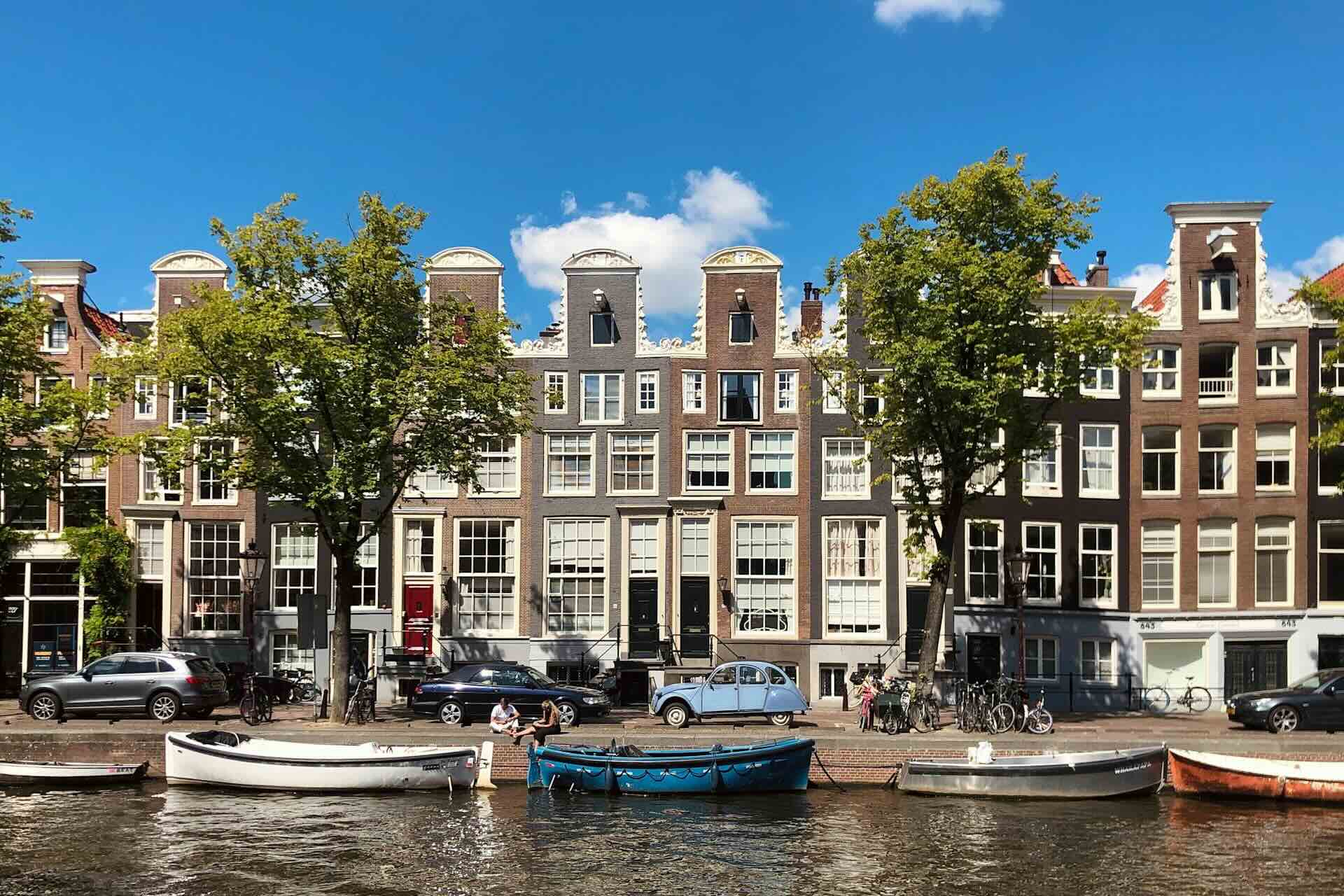
    Amsterdam’s charm lies in its canals, bridges, and cozy neighborhoods. While bikes dominate the city, it’s just as rewarding to explore by foot.

    Why It’s Great for Walking

    The flat landscape and compact design make getting around easy. As you walk, you’ll pass historic homes, tulip markets, and charming cafés. Every canal crossing offers a postcard-perfect view.

    Must-See Walking Routes

    • The Canal Belt (Grachtengordel) for iconic architecture.
    • Jordaan District for galleries and boutiques.
    • Vondelpark for peaceful green spaces.
    • De Pijp for multicultural dining and local life.

    Buenos Aires, Argentina

    Buenos Aires combines elegance and energy, making it a thrilling city to explore on foot. Its grand boulevards and artistic neighborhoods invite endless wandering.

    Why It’s Great for Walking

    Walking through Buenos Aires connects you with its rhythm—tango music drifting from open doors, lively plazas, and historic architecture that reflects its European roots.

    Must-See Walking Routes

    • San Telmo for markets and tango culture.
    • Palermo Soho for street art and fashion.
    • La Boca for colorful houses and murals.
    • Recoleta Cemetery for history and artistry.

    Vancouver, Canada

    Vancouver offers a rare mix of urban design and natural beauty. Framed by ocean and mountains, it’s one of the most scenic cities to explore on foot.

    Why It’s Great for Walking

    Everything feels close in Vancouver. Sidewalks are wide, parks are plentiful, and the air is fresh. You can walk from downtown to the beach or forest trails in minutes.

    Must-See Walking Routes

    • The Stanley Park Seawall for oceanfront views.
    • Gastown for cobblestone charm and local shops.
    • Granville Island for food markets and art studios.
    • English Bay for sunset walks by the water.

    Barcelona, Spain

    Barcelona is a masterpiece of walkable design, blending modernist architecture, Mediterranean light, and lively street life.

    Why It’s Great for Walking

    Walking through Barcelona connects you to its energy. The Gothic Quarter’s narrow lanes contrast with the wide boulevards of the Eixample district, and every turn reveals a new Gaudí creation or hidden plaza.

    Must-See Walking Routes

    • Las Ramblas for vibrant culture and street performers.
    • Passeig de Gràcia for Gaudí’s architectural gems.
    • Barceloneta Beach for coastal relaxation.
    • Park Güell for panoramic city views.

    Lisbon, Portugal

    Lisbon’s hills and tiled facades make it one of Europe’s most picturesque walking cities. Each neighborhood offers history, charm, and stunning views.

    Why It’s Great for Walking

    Lisbon rewards explorers who don’t mind a climb. Its narrow streets, tram routes, and scenic overlooks create a sense of adventure. Walking here is a sensory experience—filled with music, color, and the smell of fresh pastries.

    Must-See Walking Routes

    • Alfama for ancient charm and Fado music.
    • Bairro Alto for nightlife and terraces.
    • Belém for monuments and waterfront walks.
    • The Tagus River promenade for ocean views.

    Sydney, Australia

    Sydney’s combination of beaches, harbors, and urban parks makes it one of the world’s most walkable coastal cities.

    Why It’s Great for Walking

    The city’s warm climate and scenic coastal trails encourage outdoor exploration. Every route seems to end with a view of the ocean or skyline. Sydney’s neighborhoods blend culture, cuisine, and creativity in a way that rewards slow discovery.

    Must-See Walking Routes

    • Bondi to Coogee coastal walk for iconic beaches.
    • Circular Quay to the Opera House for harbor views.
    • The Rocks for colonial history and markets.
    • Darling Harbour for dining and family attractions.

    Singapore

    Singapore has mastered the art of urban design. Its streets are clean, shaded, and easy to navigate, with green spaces woven throughout the city.

    Why It’s Great for Walking

    Despite its futuristic skyline, Singapore remains remarkably pedestrian-friendly. The city’s efficient planning, safety, and tropical scenery make walking both comfortable and inspiring.

    Must-See Walking Routes

    • Gardens by the Bay for lush landscapes and architecture.
    • Marina Bay for waterfront views and city lights.
    • Chinatown and Little India for cultural immersion.
    • Botanic Gardens, a UNESCO World Heritage Site.

    Why Walking Is the Best Way to See the World

    Walking transforms travel from sightseeing into connection. It slows you down, allowing you to notice details—the smell of a bakery, the chatter of a market, the warmth of a sunset. It’s sustainable, healthy, and deeply human.

    These cities show that some of the world’s greatest adventures don’t require traffic or timetables—just curiosity and comfortable shoes. Each destination encourages travelers to explore more and drive less, turning every journey into a personal story written one step at a time.

    With TravelPal, planning walkable adventures becomes effortless. The platform helps you find pedestrian-friendly neighborhoods, scenic routes, and unique local experiences, so you can see the world the way it’s meant to be seen—up close and on foot.

    Plan a trip to the world’s most walkable cities at TravelPal.ai

  • 9 Historic Hotels Every Traveler Should Visit

    9 Historic Hotels Every Traveler Should Visit

    Some hotels don’t just provide a place to rest—they tell stories. From grand halls where presidents once stayed to seaside resorts that inspired Hollywood legends, these 9 historic hotels capture the essence of a different era while continuing to offer world-class comfort. Whether you’re drawn to old-world luxury, architectural beauty, or the whispers of history echoing through elegant lobbies, these nine historic hotels are destinations every traveler should experience at least once.

    The Plaza — New York City, New York

    Since opening its doors in 1907, The Plaza has become a symbol of New York sophistication. Overlooking Central Park, this legendary hotel has hosted royalty, movie stars, and literary icons for more than a century.

    Why It’s a Must-Visit

    The Plaza embodies the glamour of early 20th-century Manhattan, yet it feels timeless. From its gilded lobby to its marble staircases, every detail reflects a bygone era of elegance. It has appeared in countless films, including The Great Gatsby and Home Alone 2, cementing its place in pop culture.

    Don’t Miss

    • Afternoon tea under the glass dome of The Palm Court.
    • A walk through Central Park, just steps away.
    • The hotel’s in-house boutiques for luxury shopping.

    The Breakers — Palm Beach, Florida

    Built in 1896 by Henry Flagler, The Breakers is one of America’s most iconic oceanfront resorts. Designed in the Italian Renaissance style, the hotel combines grandeur with tropical beauty.

    Why It’s a Must-Visit

    The Breakers feels more like a palace than a hotel. Its hand-painted ceilings, imported marble, and ocean views make every corner breathtaking. Despite its historic charm, it offers modern amenities, private beaches, and fine dining that rival the best contemporary resorts.

    Don’t Miss

    • The elegant seafood at The Seafood Bar overlooking the ocean.
    • A walk through the ornate main lobby modeled after a Roman palace.
    • Exploring Palm Beach’s Worth Avenue for boutique shopping and art.

    Hotel del Coronado — Coronado, California

    With its red turrets, sprawling verandas, and oceanfront views, the Hotel del Coronado has been captivating guests since 1888. Known simply as “The Del,” it’s a masterpiece of Victorian architecture and one of California’s most beloved landmarks.

    Why It’s a Must-Visit

    Few hotels have such a fascinating mix of glamour and legend. Some Like It Hot, starring Marilyn Monroe, was filmed here, and stories of celebrity guests, presidents, and even a resident ghost add to its allure. Despite its fame, The Del maintains a warm, family-friendly atmosphere.

    Don’t Miss

    • Sunset dining on the beachfront terrace.
    • The guided history tour of the property.
    • A morning walk along Coronado Beach, one of the most beautiful in the U.S.

    The Greenbrier — White Sulphur Springs, West Virginia

    Known as “America’s Resort,” The Greenbrier is a grand estate that has hosted guests since 1778. Nestled in the Allegheny Mountains, it combines natural beauty, architectural splendor, and a touch of mystery.

    Why It’s a Must-Visit

    The Greenbrier is famous for its colorful interiors designed by Dorothy Draper and for its Cold War-era secret bunker, once meant to house members of Congress. The property spans 11,000 acres and offers everything from golf and spa treatments to falconry and horseback riding.

    Don’t Miss

    • The bunker tour beneath the hotel.
    • Afternoon tea in the Upper Lobby.
    • Exploring the resort’s lush gardens and walking trails.

    The Biltmore — Coral Gables, Florida

    When The Biltmore opened in 1926, it was the tallest building in Florida and the centerpiece of Coral Gables’ luxury lifestyle. Its Mediterranean Revival design, complete with a soaring bell tower and a massive swimming pool, continues to impress guests nearly a century later.

    Why It’s a Must-Visit

    The Biltmore blends tropical relaxation with European sophistication. Its guest list includes presidents, movie stars, and even gangster legends from the Jazz Age. Today, it remains one of America’s most beautiful historic hotels.

    Don’t Miss

    • The famous Sunday brunch in the grand ballroom.
    • A swim in the historic pool once graced by Esther Williams.
    • A round of golf on the adjacent 18-hole championship course.

    The Brown Palace — Denver, Colorado

    Opened in 1892, The Brown Palace is one of Denver’s most cherished landmarks. Its stunning atrium, triangular shape, and handcrafted details make it an architectural masterpiece.

    Why It’s a Must-Visit

    The Brown Palace captures the grandeur of the Gilded Age while offering modern luxury. Its long list of guests includes U.S. presidents, The Beatles, and countless dignitaries. The atmosphere feels both historic and vibrant, with live jazz and fine dining adding to its timeless appeal.

    Don’t Miss

    • Afternoon tea in the atrium accompanied by live harp music.
    • The guided historical tour of the property.
    • Cocktails at Churchill Bar, a favorite among locals.

    The Peabody — Memphis, Tennessee

    Known as the “South’s Grand Hotel,” The Peabody has been welcoming guests since 1869. Beyond its beauty and Southern charm, it’s best known for a one-of-a-kind tradition—the Peabody Ducks.

    Why It’s a Must-Visit

    Every morning and evening, a parade of trained ducks marches through the lobby to the hotel fountain, delighting guests of all ages. But beyond the novelty, The Peabody represents Southern hospitality at its finest, with impeccable service, history, and elegance.

    Don’t Miss

    • The daily Peabody Duck March at 11 a.m. and 5 p.m.
    • Live music and cocktails in the lobby lounge.
    • A short walk to Beale Street for Memphis barbecue and blues.

    The Stanley Hotel — Estes Park, Colorado

    Estes Park is nestled in the Rocky Mountains, The Stanley Hotel is a grand Colonial Revival property built in 1909. Its stately architecture and breathtaking mountain views make it one of the most memorable stays in the U.S.

    Why It’s a Must-Visit

    The Stanley is famous for inspiring Stephen King’s The Shining. While some guests come for its spooky reputation, most stay for its natural beauty, classic design, and elegant atmosphere. It’s the perfect mix of mountain serenity and literary intrigue.

    Don’t Miss

    • The ghost tour exploring its paranormal legends.
    • Scenic hikes in nearby Rocky Mountain National Park.
    • Dinner at the Cascades Restaurant featuring local ingredients.

    The Royal Hawaiian — Honolulu, Hawaii

    Known as the “Pink Palace of the Pacific,” The Royal Hawaiian in Honolulu, opened in 1927 and remains a symbol of Waikiki’s golden age. Its pastel façade and Spanish-Moorish design evoke a tropical fantasy brought to life.

    Why It’s a Must-Visit

    Few hotels blend history and paradise as seamlessly as The Royal Hawaiian. It once hosted Hawaiian royalty and early Hollywood stars, and today it continues to represent timeless island luxury. Its location on Waikiki Beach places you steps from sun, surf, and world-class dining.

    Don’t Miss

    • A beachfront luau under the stars.
    • Signature pink-hued pastries at The Royal Hawaiian Bakery.
    • Paddleboarding or sailing directly from the hotel’s private beach.

    Why Historic Hotels Still Matter

    Historic hotels are living works of art. They preserve craftsmanship, culture, and the stories that shaped travel across generations. Staying in one feels like walking through history while enjoying every modern comfort. Each lobby holds echoes of music, laughter, and conversations from travelers who came before—and each visit adds another chapter to that legacy.

    TravelPal helps travelers find these timeless stays effortlessly. Whether you’re drawn to the elegance of The Plaza, the ocean views of The Del, or the mountain mystique of The Stanley, TravelPal makes it simple to plan an unforgettable journey through history, architecture, and style.

    Plan a trip to one of these historic hotels at TravelPal.ai

  • 10 Amazing Tourist Spots with a Waitlist

    10 Amazing Tourist Spots with a Waitlist

    The world’s most extraordinary destinations don’t always come easy. Some places are so breathtaking, exclusive, or environmentally protected that getting in requires advance planning—and sometimes, a bit of patience. These incredible tourist spots have waitlists not because they’re inaccessible, but because they’re so in demand that travelers must plan months or even years in advance. From ancient wonders and remote islands to culinary experiences and national treasures, here are 10 amazing destinations where waiting your turn is more than worth it.

    Machu Picchu — Peru

    Hidden high in the Andes Mountains, Machu Picchu remains one of the most awe-inspiring archaeological sites in the world. Its misty terraces and mysterious temples continue to captivate travelers and historians alike.

    Why There’s a Waitlist

    To protect this UNESCO World Heritage Site from over-tourism, the Peruvian government limits daily visitors. Only a few thousand permits are available each day, and those trekking the famous Inca Trail must book several months ahead.

    What Makes It Worth the Wait

    Standing among the ancient stone ruins as the morning mist clears feels like stepping into another world. The surrounding peaks and deep valleys create a view that no photograph can fully capture.

    The Wave — Arizona, United States

    Carved into the sandstone of the Coyote Buttes North wilderness, The Wave is one of the most surreal landscapes in the American Southwest. Its swirling patterns of red and gold look like brushstrokes across the desert.

    Why There’s a Waitlist

    To preserve its fragile geology, only 64 visitors per day are allowed access through a strict lottery system. Thousands apply each month for a chance to hike the 6-mile round trip to see it in person.

    What Makes It Worth the Wait

    The sense of solitude and the dreamlike beauty make this one of the most rewarding hikes in North America. It’s a natural wonder that feels both ancient and otherworldly.

    The Galápagos Islands — Ecuador

    The Galápagos Islands are a living museum of evolution. Home to giant tortoises, marine iguanas, and blue-footed boobies, this volcanic archipelago inspired Charles Darwin’s groundbreaking theories.

    Why There’s a Waitlist

    Strict regulations limit how many visitors can arrive each year to protect the islands’ fragile ecosystems. Cruises and guided tours often sell out more than a year in advance.

    What Makes It Worth the Wait

    Few destinations offer such intimate encounters with wildlife. Swimming alongside sea lions or walking among nesting seabirds feels like entering a world untouched by time.

    Antelope Canyon — Arizona, United States

    This narrow slot canyon near Page, Arizona, has become one of the most photographed places in the U.S. Its sculpted sandstone walls glow in shades of red, pink, and orange as sunlight filters through.

    Why There’s a Waitlist

    Access is only possible with an authorized Navajo guide, and daily visitor numbers are restricted to protect the delicate formations. During peak season, tours can sell out weeks in advance.

    What Makes It Worth the Wait

    The play of light and shadow creates a constantly changing masterpiece. Each turn reveals a new curve or color that feels like walking through a living painting.

    Ghibli Park — Nagoya, Japan

    Dedicated to the beloved films of Studio Ghibli, this whimsical park brings the world of My Neighbor Totoro and Spirited Away to life. It’s one of Japan’s newest and most in-demand attractions.

    Why There’s a Waitlist

    Since opening, tickets to Ghibli Park have sold out months ahead. Visitor numbers are intentionally limited to preserve the calm, storybook atmosphere fans expect from Ghibli’s worlds.

    What Makes It Worth the Wait

    Each section recreates scenes from Studio Ghibli classics, from hand-crafted architecture to detailed sets. Walking through the park feels like stepping directly into an animated dream.

    Hạ Long Bay — Vietnam

    With its emerald waters and limestone karsts rising dramatically from the sea, Hạ Long Bay is one of Asia’s most breathtaking natural wonders. It’s a UNESCO World Heritage Site and one of Vietnam’s most popular destinations.

    Why There’s a Waitlist

    While visitors can book standard cruises easily, overnight luxury or eco-certified cruises often fill up far in advance due to limited permits and boat capacity regulations.

    What Makes It Worth the Wait

    Waking up to sunrise over Hạ Long Bay is an unforgettable experience. The mist, the quiet, and the towering limestone islands make it one of the most peaceful places on Earth.

    Yosemite’s Half Dome — California, United States

    Climbing Yosemite’s Half Dome is on many hikers’ bucket lists. The granite monolith rises nearly 5,000 feet above the valley floor, offering one of the most stunning views in the national park system.

    Why There’s a Waitlist

    Because of its difficulty and popularity, a permit system restricts the number of hikers allowed to use the cable route to the summit each day. Permits are distributed through an online lottery months in advance.

    What Makes It Worth the Wait

    Reaching the summit is an emotional and physical triumph. The panoramic view from the top captures the full grandeur of Yosemite Valley, rewarding every step of the climb.

    The Palace of Versailles — France

    One of the most visited cultural landmarks in Europe, the Palace of Versailles dazzles with opulence. Once home to Louis XIV, it showcases 17th-century French art, architecture, and royal extravagance.

    Why There’s a Waitlist

    Versailles doesn’t have a strict visitor cap, but guided tours of restricted areas—like the private apartments of the king and queen—require advanced reservations, often booked months ahead.

    What Makes It Worth the Wait

    Walking through the Hall of Mirrors or the manicured gardens feels like stepping into the height of European royal history. Every chandelier and fresco tells a story of power and beauty.

    Patagonia National Park — Chile

    Patagonia’s wild landscapes are among the most pristine on the planet. Towering peaks, turquoise lakes, and endless trails draw adventurers from around the world.

    Why There’s a Waitlist

    The Chilean government restricts the number of overnight stays in certain areas to protect fragile ecosystems. Lodges and campsites fill up quickly, particularly during the Southern Hemisphere summer.

    What Makes It Worth the Wait

    Patagonia rewards patience with its untamed beauty. Watching the sunrise over Torres del Paine or kayaking through glacial waters reminds travelers why preservation is so essential.

    Waitomo Glowworm Caves — New Zealand

    Deep beneath New Zealand’s North Island lies a network of limestone caves illuminated by thousands of tiny glowworms. The soft blue-green light transforms the darkness into a natural cathedral of wonder.

    Why There’s a Waitlist

    Tours are limited to small groups to preserve the fragile ecosystem and prevent overcrowding. Popular evening tours, which showcase the glowworms at their brightest, often sell out months in advance.

    What Makes It Worth the Wait

    Drifting silently through the cave by boat, surrounded by bioluminescent light, feels like entering another realm. It’s a peaceful, surreal experience unlike anything else in the world.

    Why Waiting Makes Travel More Meaningful

    In a world of instant gratification, destinations with waitlists remind us that anticipation can be part of the adventure. These places remain extraordinary precisely because they’re protected, cherished, and shared responsibly.

    Waiting also deepens appreciation. The time spent planning and anticipating builds a sense of respect for what you’re about to experience. When you finally stand before a place like Machu Picchu or gaze up at The Wave, the wait feels less like an obstacle and more like a privilege.

    TravelPal makes it easier to plan these dream experiences in advance. With personalized itineraries, alerts for ticket openings, and sustainable travel recommendations, TravelPal ensures that every trip—no matter how exclusive—is worth the wait.

    Plan a trip to one of these amazing destinations at TravelPal.ai

  • 10 Must-Pack Items for Your Carry-On

    10 Must-Pack Items for Your Carry-On

    A well-packed carry-on can make the difference between a stressful travel day and a smooth, comfortable journey. Whether you’re flying across the country or halfway around the world, what you bring in your carry-on can determine how relaxed, refreshed, and ready you feel when you land. Beyond passports and boarding passes, there are a few key essentials that every traveler should have within easy reach. Here are 10 must-pack items to include in your carry-on for your next trip.

    1. Travel Documents and Identification

    It sounds obvious, but travel documents are the most important items in your carry-on. Always keep your passport, ID, flight itinerary, and boarding passes organized and easily accessible.

    Why It Matters

    Airports can be hectic, and the last thing you want is to dig through your bag at the security line. A compact travel wallet or passport organizer can keep everything in one place, including travel insurance details and emergency contacts.

    Pro Tip

    Take digital photos of all your important documents and store them securely on your phone or cloud storage as a backup in case anything gets misplaced.

    2. Medications and Health Essentials

    Never pack medication in checked luggage. Whether it’s prescription medicine, allergy relief, or over-the-counter pain relievers, these should always stay in your carry-on.

    Why It Matters

    Unexpected delays and lost luggage happen more often than travelers realize. Keeping medications with you ensures you never miss a dose. Include a small first-aid kit with bandages, motion sickness tablets, and hand sanitizer for extra peace of mind.

    Pro Tip

    If you’re traveling internationally, keep medications in their original labeled containers and bring a copy of your prescription to avoid customs issues.

    3. Reusable Water Bottle

    Air travel can be dehydrating, and buying bottled water at airports is both expensive and wasteful. A reusable water bottle keeps you hydrated and reduces plastic use.

    Why It Matters

    Most airports now have refill stations beyond security checkpoints. Staying hydrated during flights helps fight fatigue, jet lag, and dry skin.

    Pro Tip

    Choose a collapsible or insulated bottle that fits easily into your bag. Fill it after clearing security so you have water for the flight.

    4. Snacks and Energy Boosters

    Airplane food doesn’t always hit the spot—or arrive when you need it. Bringing your own snacks ensures you have something healthy and satisfying on hand.

    Why It Matters

    Long flights and layovers can make mealtimes unpredictable. A mix of protein and carbs helps maintain energy and mood during travel.

    Pro Tip

    Pack non-perishable items like nuts, dried fruit, granola bars, or crackers. Avoid messy or strong-smelling foods that could bother fellow passengers.

    5. Noise-Canceling Headphones or Earplugs

    Airplanes can be noisy—from engine hum to crying babies—and a little peace and quiet can go a long way. Noise-canceling headphones or comfortable earplugs make all the difference on long journeys.

    Why It Matters

    Reducing background noise can lower stress and help you sleep or focus. Whether you’re watching a movie or meditating midair, good headphones create a personal oasis in the sky.

    Pro Tip

    If you prefer traveling light, soft foam earplugs take up almost no space and can be lifesavers in airports, buses, and hotels too.

    6. Portable Charger and Charging Cables

    Few things cause more panic than a dying phone battery when you’re relying on digital boarding passes or maps. Keep a fully charged power bank in your carry-on to stay connected.

    Why It Matters

    Not every airport or airplane seat has an available charging port. A power bank ensures your phone, tablet, or e-reader stays charged from takeoff to landing.

    Pro Tip

    Bring cables for all your devices, ideally stored in a small zip pouch or tech organizer. A multi-USB cable can reduce clutter.

    7. Travel-Sized Toiletries and Comfort Items

    Flights can leave you feeling less than fresh. A few travel-sized toiletries help you arrive feeling refreshed and ready to go.

    Why It Matters

    Cabin air is dry, and long-haul flights can take a toll on your skin and comfort. Bringing small essentials helps you look and feel better when you land.

    Pro Tip

    Pack a small zip bag with these items:

    • Toothbrush and toothpaste
    • Face wipes and moisturizer
    • Lip balm
    • Hand sanitizer and tissues
    • Deodorant and a small hairbrush

    Just remember to follow TSA’s 3.4-ounce liquid rule.

    8. Change of Clothes

    Even the most careful travelers experience flight delays or lost luggage. Having a clean set of clothes in your carry-on can make an unexpected layover much more comfortable.

    Why It Matters

    Spills, temperature changes, and delayed baggage are all common travel frustrations. A light outfit ensures you can freshen up anytime.

    Pro Tip

    Pack lightweight, wrinkle-resistant pieces like leggings, a T-shirt, and a pullover. Include a spare pair of socks and underwear in a small compression cube for easy storage.

    9. Travel Pillow and Sleep Mask

    Good rest is essential for long flights or overnight journeys. A compact travel pillow and sleep mask help you block out distractions and get some much-needed sleep.

    Why It Matters

    Sleeping upright isn’t easy, but ergonomic travel pillows support your neck and prevent stiffness. A sleep mask helps your body adjust to new time zones faster by blocking light.

    Pro Tip

    Inflatable pillows save space and can be adjusted for firmness. Choose a breathable fabric mask for comfort and pair it with noise-canceling headphones for better rest.

    10. Entertainment and Reading Material

    Even the best in-flight entertainment can’t replace having something personal to enjoy. Books, magazines, podcasts, or downloaded shows make time in the air more enjoyable.

    Why It Matters

    Flight delays, long layovers, and hours without Wi-Fi are all easier to handle when you have your own entertainment. Bringing a good novel or travel journal can make travel feel more personal and productive.

    Pro Tip

    Download playlists, movies, and audiobooks before your flight to avoid relying on inflight Wi-Fi. For inspiration, use TravelPal to discover books set in your upcoming destination.

    The Art of Packing Smart

    Packing your carry-on isn’t just about convenience—it’s about being prepared for anything. A thoughtfully packed bag keeps essentials close, helps you stay comfortable, and reduces stress when plans change. Every item should earn its place by offering function or comfort, not clutter.

    TravelPal makes it easy to stay organized before every trip. With customized packing lists, destination insights, and real-time travel updates, TravelPal ensures you’re always prepared for whatever your journey brings.

    Plan a trip and pack smart with TravelPal.ai

  • The Next Big Things in Travel: What to Look Out For

    The Next Big Things in Travel: What to Look Out For

    The world of travel is constantly evolving. What once defined the perfect getaway—a beautiful beach, a luxury hotel, a famous landmark—has expanded to include experiences shaped by technology, sustainability, and personalization. The modern traveler wants more than just a trip; they want connection, meaning, and discovery. As we move further into 2025, the next big things are reshaping the way we plan, book, and experience travel. Here’s a look at what’s next.

    AI-Powered Trip Planning

    Artificial intelligence has changed how travelers discover and organize their journeys. Instead of spending hours researching destinations, comparing flight options, or building day-by-day itineraries, AI-powered platforms like TravelPal make it all seamless.

    Why It Matters

    AI tools can analyze your travel history, preferences, and even mood to create personalized itineraries in seconds. These tools also adapt in real-time—updating your plans when weather changes, flights are delayed, or new opportunities arise.

    What to Expect

    Imagine receiving a complete itinerary tailored to your style, including restaurant reservations, music events, and scenic stops along your route. AI is turning trip planning into a stress-free, dynamic process that evolves as you travel.

    Sustainable and Regenerative Travel

    Sustainability has moved beyond buzzword status—it’s now a cornerstone of modern tourism. Travelers are prioritizing eco-friendly accommodations, low-impact transportation, and destinations that actively preserve their natural and cultural heritage.

    Why It Matters

    The goal is not just to minimize harm, but to give back. Regenerative travel encourages visitors to support local communities, protect wildlife, and leave destinations better than they found them.

    What to Expect

    Eco-lodges powered by renewable energy, community-led tours, and national parks adopting carbon-offset programs are becoming standard. Even luxury brands are joining the movement, proving that sustainability and comfort can coexist.

    Space Tourism Takes Flight

    It might sound like science fiction, but space tourism is quickly becoming reality. Companies like SpaceX, Blue Origin, and Virgin Galactic are racing to offer suborbital and orbital experiences for private travelers.

    Why It Matters

    While still reserved for the wealthy few, space tourism marks a historic shift in human exploration. It’s expanding the definition of travel beyond Earth’s borders and paving the way for future generations to experience life beyond our planet.

    What to Expect

    The next few years will bring more accessible options for viewing the curvature of Earth or floating in zero gravity—experiences once limited to astronauts. Eventually, shorter, more affordable trips could make space travel the ultimate bucket-list experience.

    The Rise of “Bleisure” Travel

    The line between work and vacation has blurred. With remote work becoming the norm, many professionals are extending business trips or working from destinations that double as vacation spots.

    Why It Matters

    “Bleisure”—a blend of business and leisure—allows travelers to balance productivity with exploration. It’s transforming hotels, coworking spaces, and travel infrastructure worldwide.

    What to Expect

    Cities like Lisbon, Bali, and Mexico City are creating incentives for digital nomads through extended visas and remote work programs. Travelers can now enjoy morning meetings with ocean views and evening strolls through vibrant city streets.

    Personalized Wellness Retreats

    Wellness travel is no longer about generic spa packages—it’s about hyper-personalized health experiences. From emotional healing to sleep optimization, travelers are seeking destinations that restore mind and body on a deeper level.

    Why It Matters

    The demand for meaningful wellness escapes has exploded since the pandemic. People want to disconnect, recharge, and return home genuinely transformed.

    What to Expect

    Expect retreats with biometric tracking, custom meal plans, sound therapy, and guided meditations tailored to your physical and emotional needs. Places like Costa Rica, Iceland, and Thailand are leading this movement with immersive, data-driven programs.

    Slow Travel and Micro Adventures

    In contrast to whirlwind itineraries, slow travel emphasizes depth over speed. It’s about connecting with places and people instead of rushing through attractions. Micro adventures—short, meaningful trips close to home—also appeal to travelers looking for sustainability and spontaneity.

    Why It Matters

    Slow travel reduces environmental impact while increasing cultural understanding. It encourages travelers to experience destinations as locals do, savoring food, landscapes, and traditions at a relaxed pace.

    What to Expect

    Expect fewer “checklist vacations” and more long stays in fewer destinations. Scenic train rides, rural homestays, and countryside cycling routes are defining this trend.

    Smart Airports and Seamless Security

    Airports are getting smarter, faster, and more efficient. Biometric check-ins, touchless boarding, and AI-driven crowd management are reshaping the travel experience from the moment you arrive.

    Why It Matters

    After years of travel delays and long queues, innovation is focusing on reducing friction. AI and automation are helping airports become more sustainable and user-friendly, cutting wait times and improving passenger comfort.

    What to Expect

    In the near future, your face could be your passport. Personalized updates, AI-powered translation tools, and predictive flight alerts will make air travel smoother than ever before.

    Experiential Luxury

    Luxury travel is evolving from opulence to authenticity. Instead of marble lobbies and chandeliers, travelers now crave experiences—private cooking classes, wildlife encounters, and art-inspired stays.

    Why It Matters

    Modern luxury is about personalization and emotional connection. Today’s travelers want memories, not just amenities.

    What to Expect

    High-end resorts are curating immersive itineraries—like dining in vineyards, participating in local art workshops, or sailing to hidden coves. Luxury has become less about status and more about meaning.

    The Return of Train Travel

    Trains are making a stylish comeback. Once overshadowed by air travel, rail journeys are now being rediscovered for their comfort, sustainability, and romance.

    Why It Matters

    Train travel offers scenic routes, minimal carbon emissions, and a slower pace that aligns with the global shift toward mindful travel. It’s also being reimagined with high-speed technology and elevated design.

    What to Expect

    Europe’s overnight trains, Japan’s luxury rail lines, and cross-country routes in the U.S. are transforming the way travelers experience movement itself. It’s no longer just about reaching your destination—it’s about enjoying the ride.

    The Future of Travel Is Human

    Technology is making travel smarter, but it’s still people who make it meaningful. The next big things in travel aren’t just about innovation; they’re about rediscovering connection—to culture, nature, and each other.

    As new frontiers open, from space to sustainability, one thing remains timeless: the human desire to explore. Whether through AI-powered planning or mindful slow travel, the future of exploration is both intelligent and emotional—a perfect balance of innovation and soul.

    Plan a trip to the future of travel with TravelPal.ai

  • From Tokyo to LA: TikTok’s Top-Rated Matcha Cafés

    From Tokyo to LA: TikTok’s Top-Rated Matcha Cafés

    Matcha isn’t just a drink—it’s a global obsession. Once rooted in Japanese tea ceremonies, matcha has evolved into a worldwide trend celebrated for its earthy flavor, vibrant green color, and health benefits. But in the age of TikTok, it’s also become a visual phenomenon. From minimalist cafés in Tokyo to coastal hangouts in Los Angeles, TikTok creators are spotlighting the top-rated matcha cafés and spots across the globe.

    Whether you love a classic whisked matcha or a modern twist like matcha lemonade, these viral cafés are redefining what it means to sip green.

    Tokyo, Japan

    No city embodies matcha’s heritage like Tokyo. The Japanese capital remains the epicenter of matcha innovation, blending centuries-old techniques with sleek modern aesthetics.

    Where to Go

    Matcha Tokyo (Omotesando and Shibuya): A TikTok favorite, Matcha Tokyo focuses on purity and sustainability, using 100% organic leaves from Uji. The minimalist space and ceremonial-grade drinks make it both traditional and trendy.

    Nana’s Green Tea: With over 70 locations in Japan, this café chain takes matcha to new heights, offering lattes, parfaits, and even matcha soba noodles.

    Saryo Tsujiri: Located in Ginza, this elegant tearoom serves matcha the traditional way, complete with wagashi (Japanese sweets) and a calm, zen-like setting.

    Why It’s Trending

    TikTok creators love the contrast between Tokyo’s fast-paced city life and the serene artistry of its matcha cafés. The preparation videos—slow whisking, glossy green foam, and quiet moments—are as mesmerizing as they are delicious.

    Seoul, South Korea

    Seoul’s café culture thrives on aesthetics, and matcha has become a social media superstar. The city’s matcha scene blends traditional Japanese influences with Korean design and flair.

    Where to Go

    O’sulloc Tea House (Insadong): Originating from Jeju Island, O’sulloc is one of the most recognized names in Korean tea culture. Their matcha desserts and lattes consistently go viral.

    Namusairo: Housed in a century-old hanok, Namusairo combines history and design with smooth, velvety matcha that appeals to both purists and newcomers.

    Cafe Layered (Anguk): Famous for its European-inspired pastries and matcha cream cakes, this pastel café looks straight out of a K-drama.

    Why It’s Trending

    Seoul’s matcha spots are tailor-made for TikTok—beautiful interiors, artistic plating, and pastel hues that make every post pop. Creators rave about the combination of traditional flavors and contemporary design.

    Los Angeles, United States

    Los Angeles has embraced matcha with open arms. Health-conscious and trend-driven, the city’s cafés have turned the Japanese classic into a California lifestyle staple.

    Where to Go

    Cha Cha Matcha: With its pink-and-green branding, neon signs, and signature iced matcha drinks, Cha Cha Matcha has become an LA icon. TikTokers can’t resist filming their vibrant drinks against palm tree backdrops.

    MatchaBar: Founded by two brothers who brought ceremonial-grade matcha to the U.S., this café’s “Hustle” matcha energy drink is a viral favorite.

    Urth Caffé: Known for organic ingredients and West Coast charm, Urth’s matcha lattes and desserts have earned cult status among influencers.

    Why It’s Trending

    LA’s matcha cafés blend wellness and aesthetics—two things that define the city’s culture. From beachside sips in Santa Monica to luxury lattes in West Hollywood, every spot feels like a mini getaway.

    London, England

    London’s café scene has undergone a matcha revolution. Once known primarily for black tea, the city now boasts some of Europe’s best matcha bars and creative latte artists.

    Where to Go

    Tombo Café: One of London’s pioneers in matcha, Tombo offers matcha pancakes, soft serve, and beautifully crafted lattes. It’s both authentic and Instagram-ready.

    EL&N Café: Possibly the most photographed café in London, EL&N’s pastel walls and floral decor make it a TikTok favorite. Their rose matcha latte is as visually stunning as it is tasty.

    Pressed Juicery London: A go-to for wellness enthusiasts, this café keeps matcha pure and nutrient-packed with plant-based blends.

    Why It’s Trending

    TikTok creators love London’s fusion of Japanese precision and British indulgence. The city’s matcha cafés balance elegance with creativity, offering everything from matcha tiramisu to oat milk soft serve.

    New York City, United States

    The Big Apple’s café culture is as dynamic as its skyline. In recent years, NYC has seen an explosion of matcha-focused cafés that combine high-end sourcing with artistic presentation.

    Where to Go

    Matchaful: A favorite among TikTok wellness creators, Matchaful sources sustainably from small Japanese farms. Their signature drink, the “Uji Matcha Latte,” pairs perfectly with vegan treats.

    Cha-An Teahouse: This East Village gem is a tranquil escape from the city’s chaos, offering handcrafted matcha and Japanese desserts in a quiet, traditional setting.

    Remi Flower & Coffee: A combination flower shop and café, Remi’s floral matcha creations—complete with edible petals—are made for the camera.

    Why It’s Trending

    NYC’s matcha culture mirrors its diversity—global, creative, and fast-paced. From minimalist teahouses to art-filled cafés, every spot tells a story through color and flavor.

    Paris, France

    In the city of romance, matcha has found a chic new home. Paris cafés are elevating green tea into high fashion, pairing it with pastries that look straight out of a magazine.

    Where to Go

    Umami Matcha Café: Paris’s first café entirely dedicated to matcha, Umami serves ceremonial-grade drinks alongside fusion dishes like matcha avocado toast.

    Café Kitsuné: A collaboration between fashion brand Maison Kitsuné and Japanese tea culture, Café Kitsuné has become a global favorite. Its matcha latte is the epitome of understated luxury.

    Toraya: One of the oldest Japanese tea houses in the world, Toraya’s Paris location combines centuries of Kyoto craftsmanship with French elegance.

    Why It’s Trending

    Parisian matcha culture is refined yet playful. TikTokers love the combination of fashion, food, and minimalism—especially when every cup looks like art.

    Singapore

    Singapore’s matcha cafés are taking Asia by storm, blending Japanese roots with Southeast Asian creativity. Here, matcha meets coconut, pandan, and tropical flavors that create a unique twist on tradition.

    Where to Go

    Hvala: With sleek interiors and handcrafted drinks, Hvala is a minimalist paradise for matcha purists. Their hojicha and matcha pairings often trend on TikTok for their clean aesthetic.

    Matchaya: Known for innovative matcha soft serve and seasonal drinks, Matchaya combines artistry and fun in every cup.

    The Matcha Project: A new hotspot where TikTok creators film gradient matcha lattes with coconut milk swirls and edible flowers.

    Why It’s Trending

    Singapore’s cafés are redefining matcha’s boundaries. Their tropical touches and elegant presentation make each sip a blend of culture and creativity.

    Why Matcha Has Gone Global

    From ceremonial bowls in Kyoto to oat milk lattes in Los Angeles, matcha has become a symbol of global connection. It’s healthy, beautiful, and endlessly adaptable. TikTok has amplified that appeal, transforming matcha from a niche tradition into a worldwide experience.

    Each city tells its own story through matcha: Japan’s reverence, LA’s wellness glow, Paris’s elegance, and Seoul’s design-forward flair. Together, they form a world map for matcha lovers ready to explore one sip at a time.

    Plan a trip to the world’s best matcha cafés with TravelPal.ai

  • Jet-Set for Java: The Best Coffee Cities on Earth

    Jet-Set for Java: The Best Coffee Cities on Earth

    Coffee isn’t just a drink—it’s a passport to culture, conversation, and creativity. Around the world, cities have turned their coffee scenes into art forms, blending centuries-old traditions with modern innovation. From Ethiopian origins to Japanese precision, each destination offers its own take on the perfect cup. Whether you prefer espresso, pour-over, or flat white, here are some of the best coffee cities on Earth worth flying for.

    Addis Ababa, Ethiopia

    Ethiopia is the birthplace of coffee, and its capital, Addis Ababa, still celebrates that heritage with pride. The country’s high-altitude farms and heirloom beans produce flavors unmatched anywhere else in the world.

    Why It’s a Coffee Capital

    Coffee isn’t a quick caffeine fix here—it’s a ritual. The traditional Ethiopian coffee ceremony involves roasting beans over an open flame, grinding them by hand, and brewing them in a clay pot called a jebena. The aroma fills the air as friends and family gather to sip slowly and share stories.

    Where to Try It

    Local cafés like Tomoca Coffee have been serving traditional Ethiopian coffee since 1953. Order a macchiato and experience how coffee is meant to be savored: strong, rich, and deeply social.

    Melbourne, Australia

    Melbourne takes its coffee seriously. Often called the world’s coffee capital, this Australian city has built a culture around precision, quality, and creativity.

    Why It’s a Coffee Capital

    Baristas in Melbourne are craftsmen, not just servers. The city’s obsession with espresso has shaped global coffee trends, from latte art to single-origin sourcing. Whether you’re exploring a hidden laneway café or a minimalist roastery, every cup is made with passion.

    Where to Try It

    Head to Brother Baba Budan, Proud Mary, or Industry Beans. Each represents Melbourne’s devotion to innovation and its belief that coffee is both art and science.

    Rome, Italy

    In Rome, coffee is a ritualized part of daily life. Italians have perfected espresso, turning it into a national symbol of elegance and simplicity.

    Why It’s a Coffee Capital

    Rome’s café culture thrives on rhythm and respect for tradition. Locals sip espresso standing at the bar, chatting briefly before continuing their day. Cappuccino is a morning indulgence—never ordered after 11 a.m.—while macchiato reigns in the afternoon.

    Where to Try It

    Stop by Sant’Eustachio Il Caffè near the Pantheon for a classic Roman espresso or Tazza d’Oro for a rich granita di caffè. Every sip carries decades of craftsmanship and pride.

    Tokyo, Japan

    Tokyo’s coffee scene blends Japanese precision with global flair. What started as a trend has evolved into one of the most respected specialty coffee cultures in the world.

    Why It’s a Coffee Capital

    In Japan, coffee preparation borders on meditation. From hand-dripped pour-overs to meticulously weighed beans, every detail matters. Tokyo’s cafés combine minimalist aesthetics with technical perfection, resulting in a calm, sensory experience.

    Where to Try It

    Visit Omotesando Koffee for a serene, Japanese-inspired brew, or Koffee Mameya, where baristas act as coffee sommeliers, guiding you through bean origins and flavor notes.

    Seattle, United States

    Seattle is synonymous with coffee. The birthplace of Starbucks and countless independent roasters, it’s the city that defined America’s modern coffee culture.

    Why It’s a Coffee Capital

    Rainy days and a love for cozy spaces have made coffee an essential part of Seattle’s identity. The city’s focus on sustainability and quality sourcing has helped shape the global third-wave coffee movement.

    Where to Try It

    Skip the Starbucks flagship and head to Victrola Coffee Roasters or Elm Coffee Roasters. You’ll find passionate baristas and beans roasted to perfection—Seattle-style.

    Istanbul, Turkey

    Coffee has been part of Istanbul’s soul for centuries. Turkish coffee is strong, thick, and symbolic, prepared in a small copper pot called a cezve and served unfiltered in tiny porcelain cups.

    Why It’s a Coffee Capital

    Coffeehouses here are more than cafés—they’re cultural institutions. Since the Ottoman Empire, they’ve been meeting places for poets, politicians, and thinkers. Each cup carries history and hospitality in equal measure.

    Where to Try It

    Order a traditional Turkish coffee at Mandabatmaz near Istiklal Avenue. Let the grounds settle, sip slowly, and let the experience transport you through centuries of tradition.

    Vienna, Austria

    Vienna’s coffeehouse culture is so rich it’s listed by UNESCO as part of the city’s “Intangible Cultural Heritage.” Elegant and intellectual, these cafés have been gathering spots for artists and philosophers for over 300 years.

    Why It’s a Coffee Capital

    Vienna combines grandeur with comfort. You’ll find marble tables, chandeliers, and the soft rustle of newspapers as locals enjoy melange—a creamy, local twist on cappuccino.

    Where to Try It

    Café Central is the crown jewel, once frequented by Freud, Trotsky, and writers like Stefan Zweig. Café Sperl and Café Landtmann offer equally nostalgic settings.

    Bogotá, Colombia

    Colombia’s coffee is world-famous, but Bogotá is where you’ll taste it at its freshest and most diverse. The city has embraced specialty roasting and direct trade, transforming the way Colombian coffee is enjoyed domestically.

    Why It’s a Coffee Capital

    From traditional tinto (a small, strong black coffee) to single-origin pour-overs, Bogotá’s cafés showcase the complexity of Colombian beans. Baristas are passionate about education, often explaining the altitude, flavor profile, and region of every cup.

    Where to Try It

    Visit Café San Alberto or Devoción Bogotá for modern interpretations of Colombia’s finest beans. Each sip tells the story of the land, the farmers, and the craft.

    São Paulo, Brazil

    As the largest coffee-producing country in the world, Brazil has turned coffee into an art form. São Paulo’s café scene is booming, blending heritage with a new wave of creative roasting.

    Why It’s a Coffee Capital

    Here, coffee isn’t just exported—it’s celebrated. São Paulo’s baristas are elevating local beans into world-class brews. Whether you like your coffee smooth, bold, or fruity, you’ll find it here.

    Where to Try It

    Stop by Coffee Lab in Vila Madalena for an interactive tasting session or Isso é Café for expertly roasted Brazilian beans.

    Reykjavik, Iceland

    Despite its small size, Reykjavik has a surprisingly strong coffee culture. Icelanders drink more coffee per capita than almost any other country, and they take it seriously.

    Why It’s a Coffee Capital

    Coffee shops here are cozy havens from the cold, designed for conversation and community. Reykjavik’s commitment to quality and comfort makes it one of the world’s most underrated coffee destinations.

    Where to Try It

    Try Reykjavík Roasters or Kaffitár, both known for sustainable sourcing and smooth, rich blends. Pair your cup with a slice of homemade cake and a view of the North Atlantic.

    The Global Language of Coffee

    From the highlands of Ethiopia to the modern streets of Tokyo, coffee connects us all. It’s a shared ritual—part daily necessity, part cultural celebration. Each city offers not just a beverage but an experience shaped by history, geography, and community.

    Whether your next trip is for work or adventure, let coffee guide your travels. With TravelPal, you can plan itineraries that go beyond sightseeing—exploring cafés, roasteries, and traditions that define each destination’s character.

    Plan a trip to the world’s best coffee cities with TravelPal.ai

  • Traveling on a Budget: 5 Surprisingly Affordable U.S. Cities Part 1

    Traveling on a Budget: 5 Surprisingly Affordable U.S. Cities Part 1

    Traveling doesn’t have to drain your savings. Across the United States, there are cities filled with culture, great food, and adventure that don’t come with luxury price tags. Whether you’re seeking art, history, or a vibrant food scene, affordable U.S. cities deliver memorable experiences without breaking the bank.

    From charming Southern cities to lively Midwestern gems, here are five surprisingly affordable U.S. destinations worth adding to your travel list—starting with one that’s rich in history and hospitality: San Antonio, Texas.

    San Antonio, Texas

    San Antonio blends history, culture, and value better than almost any city in America. It’s home to the legendary Alamo, the picturesque River Walk, and one of the most authentic food scenes in Texas—all at a fraction of the cost of nearby Austin or Dallas.

    Why It’s Affordable

    San Antonio’s cost of living is lower than most major U.S. cities, meaning hotels, dining, and attractions are more budget-friendly. You can stay in charming boutique hotels or family-run inns near downtown without overspending. Many of the city’s top attractions, including the Alamo and the historic missions, are free to visit.

    What to Do

    • Walk the River Walk: Stretching along the San Antonio River, this scenic walkway is lined with cafés, shops, and mariachi bands. Strolling it at sunset is a local favorite.
    • Visit The Alamo: One of the most famous historical sites in the U.S., it’s free to enter and offers a glimpse into Texas’ fight for independence.
    • Explore the Pearl District: This revitalized area blends history with hip dining and shopping, perfect for people-watching and enjoying a craft coffee.

    San Antonio’s blend of affordability and authenticity makes it a perfect destination for travelers seeking rich culture on a modest budget.

    Kansas City, Missouri

    Kansas City might surprise you with how much it offers for so little. Known for its barbecue, jazz music, and friendly locals, it’s one of the most wallet-friendly destinations in the Midwest.

    Why It’s Affordable

    Accommodations and attractions are generally less expensive than in coastal cities. You’ll find hotels downtown for under $150 a night and plenty of free or low-cost experiences. Food is another major draw—some of the best barbecue in the world costs less than a fast-food meal.

    What to Do

    • Tour the American Jazz Museum: Learn how jazz shaped the city and listen to live performances nearby in the historic 18th & Vine district.
    • Feast on BBQ: Grab a plate at Joe’s Kansas City Bar-B-Que or Gates Bar-B-Q for iconic ribs and burnt ends.
    • Stroll the Country Club Plaza: Modeled after Seville, Spain, this outdoor shopping district offers great architecture, fountains, and window shopping.

    Kansas City is ideal for travelers who want an authentic cultural experience that feels both relaxing and rewarding for the price.

    Albuquerque, New Mexico

    Albuquerque offers colorful culture, outdoor adventure, and a dose of Southwestern charm—all for an impressively low cost. From hot air balloon rides to historic adobe architecture, this city delivers big on experiences without big spending.

    Why It’s Affordable

    Hotels and short-term rentals are cheaper than in nearby Santa Fe, and dining is refreshingly reasonable. Visitors can enjoy local cuisine like green chile enchiladas or sopapillas for under $10 a meal. The city also boasts plenty of free attractions, including hiking trails and art walks.

    What to Do

    • Ride the Sandia Peak Tramway: One of the world’s longest aerial tram rides offers panoramic views of the desert for under $30.
    • Explore Old Town: Filled with adobe buildings, artisan shops, and historic landmarks, it’s free to wander and rich in local culture.
    • Attend the Albuquerque International Balloon Fiesta: Even as a spectator, the sight of hundreds of colorful balloons rising at dawn is unforgettable.

    Albuquerque’s combination of natural beauty, deep culture, and low prices makes it one of the Southwest’s best-kept secrets.

    Pittsburgh, Pennsylvania

    Pittsburgh has reinvented itself from a steel city to a hub of art, innovation, and outdoor beauty—without losing its affordability. With its bridges, museums, and emerging food scene, it’s one of the East Coast’s best-value destinations.

    Why It’s Affordable

    You can find centrally located hotels for less than $150 per night, and many attractions—such as the Carnegie museums—offer affordable entry fees. The city’s walkable neighborhoods and reliable public transit also make exploring inexpensive and easy.

    What to Do

    • Ride the Duquesne Incline: For just a few dollars, this century-old funicular offers one of the best skyline views in America.
    • Visit the Andy Warhol Museum: Explore the life and work of the pop art icon born in Pittsburgh.
    • Walk Across the Bridges: With more bridges than Venice, Pittsburgh’s riverside views are as photogenic as they are free.

    Pittsburgh’s mix of industrial charm and cultural sophistication makes it a destination that surprises and delights at every turn.

    Memphis, Tennessee

    Memphis is the birthplace of blues, rock ‘n’ roll, and some of the best Southern food you’ll ever taste. Despite its legendary status, it remains one of the most affordable cultural cities in the U.S.

    Why It’s Affordable

    Hotels, food, and attractions cost significantly less than in Nashville or New Orleans. You can enjoy world-class music, history, and cuisine at a fraction of the price. Many of the city’s best experiences—like walking Beale Street—are completely free.

    What to Do

    • Tour Sun Studio: See where Elvis Presley, Johnny Cash, and B.B. King recorded some of their greatest hits.
    • Visit the National Civil Rights Museum: A deeply moving experience located at the former Lorraine Motel.
    • Eat Your Way Through the South: From ribs at Central BBQ to soul food at The Four Way, every meal feels like part of Memphis’ story.

    Memphis delivers big on music, flavor, and history while staying easy on the wallet—making it one of the most rewarding budget destinations in the country.

    Why Budget Travel Is Back in Style

    In today’s world, travelers value experiences over extravagance. Affordable cities like these prove that you don’t need a massive budget to explore, learn, and connect. With a little creativity and planning, even a weekend getaway can feel like a grand adventure.

    The key is to focus on cities that prioritize culture, walkability, and community over luxury tourism. Whether you’re eating tacos on the River Walk in San Antonio or catching live blues in Memphis, these destinations remind us that travel is about joy, not price tags.

    Plan a trip to America’s most affordable travel cities with TravelPal.ai