Category: Latest Updates & Innovations

  • 7 of the Most Instagrammable Restaurants in the World, Part 3

    7 of the Most Instagrammable Restaurants in the World, Part 3

    Dining has become one of the most visual parts of travel, and 7 of the most Instagrammable restaurants in the world, Part 3 explores spaces where architecture, setting, and atmosphere elevate the entire experience. These are not just restaurants with pretty plates. They are environments designed to immerse you.

    From desert backdrops to skyline rooftops, these restaurants turn a meal into a moment. If you plan trips around aesthetics and ambiance as much as cuisine, these destinations deserve attention.

    Treepod Dining, Koh Kood, Thailand

    Treepod Dining offers one of the most unique restaurant settings in the world.

    Guests sit inside woven pods suspended above lush tropical landscape and ocean views. Meals are delivered by zip line, adding theatrical flair without overwhelming the experience.

    The natural setting dominates visually. The design feels organic rather than artificial.

    This is ideal for travelers who want nature driven drama.

    Le Train Bleu, Paris, France

    Le Train Bleu feels like dining inside a historic gallery.

    Located within the Gare de Lyon station, the restaurant features ornate ceilings, chandeliers, and large scale murals. Gold accents and classical artwork create a sense of grandeur.

    The space feels cinematic and nostalgic at the same time.

    For travelers who appreciate architectural opulence, this setting delivers timeless visual impact.

    Rock Restaurant, Zanzibar, Tanzania

    Rock Restaurant sits dramatically on a small rock in the Indian Ocean.

    At high tide, the building appears to float above turquoise water. At low tide, you can walk directly to it.

    The simplicity of the structure contrasts with the surrounding seascape, creating natural visual drama.

    This is an example of location defining the entire aesthetic.

    Salvaje, Dubai, United Arab Emirates

    Salvaje blends bold lighting with theatrical interior design.

    Large art installations, sculptural elements, and dramatic color contrasts create an environment built for visual storytelling and makes it one of the most Instagrammable restaurants.

    The atmosphere feels energetic and immersive rather than subtle.

    Travelers who enjoy high contrast, high energy dining spaces will appreciate this style.

    The Jane, Antwerp, Belgium

    The Jane is housed inside a former chapel.

    Stained glass windows, vaulted ceilings, and a suspended chandelier installation create a striking fusion of history and contemporary design.

    The contrast between sacred architecture and modern plating produces a memorable visual experience.

    It is immersive without being overwhelming.

    La Muralla Roja Rooftop Dining, Calpe, Spain

    Dining near La Muralla Roja offers a backdrop of geometric architecture in vivid colors.

    The building’s bold pink and red facades create dramatic photo opportunities at different times of day.

    Combined with Mediterranean sea views, the setting feels surreal yet grounded.

    This location appeals to travelers who seek strong architectural identity.

    1826 Restaurant, Tasmania, Australia

    1826 Restaurant in Tasmania combines historic stone walls with contemporary minimalist interiors.

    The contrast between rugged structure and refined design creates visual balance.

    Soft lighting enhances texture and atmosphere.

    This space demonstrates that Instagrammable does not have to mean loud. Subtle design can be equally compelling.

    What Makes a Restaurant Instagrammable

    An Instagrammable restaurant has a cohesive visual story.

    Lighting, architecture, and environment align naturally.

    The setting enhances the dining experience instead of competing with it.

    Strong visual identity creates emotional memory.

    Why Travelers Seek Visually Driven Dining

    Restaurants often become evening anchors during a trip.

    Choosing a visually striking venue elevates the entire day.

    Photos capture only part of the experience. The atmosphere shapes mood and conversation.

    Design amplifies how you remember the moment.

    Choosing the Right Aesthetic

    Some travelers prefer natural landscapes and open air settings.

    Others gravitate toward dramatic interiors or historic architecture.

    Matching restaurant style to your travel mood makes the experience feel intentional rather than performative.

    Instagrammable should mean immersive, not artificial.

    Final Thoughts on Instagrammable Dining

    7 of the most Instagrammable restaurants in the world, Part 3 highlights how setting can define a meal.

    Whether suspended above jungle, perched on the ocean, or housed in a former chapel, these restaurants offer more than cuisine.

    They create environments that feel transportive.

    Plan a trip to a unique restaurant today.

  • When Is the Best Time to Visit Paris and Why It Depends on You

    When Is the Best Time to Visit Paris and Why It Depends on You

    Paris changes with the seasons, and when is the best time to visit Paris depends less on the calendar and more on what kind of experience you want. The city offers beauty year round, but atmosphere, pricing, crowd levels, and energy shift noticeably from one season to the next.

    Some travelers want long daylight and lively terraces. Others prefer fewer crowds and lower prices. Understanding how your priorities align with the season makes the difference between a good trip and a great one.

    Spring in Paris, Energy and Renewal

    Spring brings visible transformation.

    Cherry blossoms appear. Parks reopen fully. Sidewalk cafés begin to fill again.

    From April through early June, temperatures are generally comfortable. Walking between neighborhoods feels pleasant rather than exhausting.

    Crowds increase as the season progresses, especially near major landmarks. Prices begin rising as well.

    Spring works best for travelers who want balance. The city feels active but not yet at peak intensity.

    Summer in Paris, Light and Liveliness

    Summer offers the longest days.

    Sunset can stretch late into the evening, which makes outdoor dining and riverside walks especially appealing.

    Festivals and open air events become more common. Parks fill with locals enjoying the warmth.

    However, July and August bring higher prices and heavier tourist traffic. Some local businesses close temporarily during peak holiday periods.

    Summer suits travelers who thrive on movement and extended daylight, and who do not mind crowds.

    Fall in Paris, Texture and Calm

    Fall delivers a quieter elegance.

    September retains some summer warmth, but October and November introduce cooler air and softer light.

    Tree lined streets shift in color. Cafés feel cozier. Museums feel less rushed.

    Crowds decrease gradually after early September, and pricing becomes more reasonable.

    Fall appeals to travelers who value atmosphere over volume.

    Winter in Paris, Intimate and Reflective

    Winter changes the emotional tone.

    Shorter days and cooler temperatures encourage museum visits, bookstore browsing, and lingering meals.

    Holiday markets and seasonal decorations add charm in December.

    January and February are typically the least crowded months. Prices often reflect this shift.

    Winter works well for travelers who prioritize culture, intimacy, and lower costs over outdoor activity.

    If You Care Most About Food

    Paris is a food focused city year round.

    Spring and fall often provide the most comfortable temperatures for market visits and terrace dining.

    Winter emphasizes rich dishes and warm interiors.

    Summer encourages picnics along the Seine and open air dining.

    If cuisine is your primary focus, any season can work. The mood simply shifts.

    If You Care Most About Photography

    Light quality matters.

    Spring offers soft blooms and clear skies. Summer provides long golden evenings. Fall creates textured color and contrast. Winter introduces dramatic gray tones and moody streets.

    Photographers often prefer spring or fall for balanced light and manageable crowds.

    If You Care Most About Budget

    Winter generally offers the best pricing on flights and accommodations.

    Late fall and early spring can also provide value before peak demand.

    Summer tends to be the most expensive period.

    Budget conscious travelers often benefit from shoulder seasons.

    If You Care Most About Crowd Levels

    January, February, and early November typically feel the calmest.

    Late June through August sees the highest concentration of visitors.

    Spring and early fall strike a middle ground.

    Crowd tolerance varies by traveler. Knowing your comfort level is essential.

    If You Care Most About Weather

    Paris rarely experiences extreme temperatures compared to other European capitals.

    Summer can be warm but manageable. Winter can be chilly but rarely severe.

    Spring and fall provide the most moderate conditions overall.

    If you prefer mild walking weather, aim for late April through early June or September.

    Why There Is No Universal Best Time

    When is the best time to visit Paris depends entirely on your priorities.

    Some travelers seek high energy and full terraces. Others prefer quiet museums and lower prices.

    Paris remains culturally rich and architecturally stunning in every season.

    Your best time is the one that matches your expectations.

    How to Decide

    List your top three priorities.

    Weather. Budget. Crowd level. Cultural events. Food experiences.

    Rank them honestly.

    Once you know what matters most, the right season becomes clearer.

    Final Thoughts on Visiting Paris

    Paris does not lose its identity when the season changes.

    It simply expresses itself differently.

    Whether you prefer vibrant summer evenings or quiet winter mornings, the city adapts to your pace.

    Choosing the right season allows you to experience Paris in a way that feels personal rather than generic.

    Plan a trip to Paris today.

  • Why Slow Travel Creates Better Experiences

    Why Slow Travel Creates Better Experiences

    Modern travel often feels compressed. Flights are faster, itineraries are tighter, and expectations are higher. Why slow travel creates better experiences comes down to presence. When you move more slowly, you absorb more. You notice details that rushed travelers miss. You build connection instead of collecting highlights.

    Slow travel is not about doing less. It is about experiencing more deeply.

    You Notice the Layers of a Place

    When you stay longer in one destination, the obvious attractions stop dominating your attention.

    On the first day, you see landmarks. By the third day, you notice how neighborhoods change block by block. By the fifth day, you recognize patterns in daily life.

    You begin to understand a place as a living environment rather than a backdrop.

    Depth replaces novelty.

    You Reduce Travel Fatigue

    Constant transit drains energy.

    Packing, unpacking, airport transfers, and check in routines consume mental bandwidth. When you limit how often you move, you preserve that energy.

    With fewer logistical interruptions, you feel calmer and more focused.

    This clarity improves every experience, from museum visits to evening dinners.

    Food Becomes More Meaningful

    Slow travel gives you time to explore food beyond one headline restaurant.

    You can revisit a favorite café and explore neighborhood markets. You can try dishes that are unfamiliar without feeling rushed.

    Repeated visits deepen understanding.

    Food becomes part of your routine rather than a single event.

    You Build Familiarity

    Familiarity changes perspective.

    Recognizing a barista, understanding transit routes, or knowing which streets feel lively at night creates subtle comfort.

    That comfort encourages confidence.

    You move from outsider to engaged participant, even if only temporarily.

    You Leave Space for Serendipity

    When every hour is scheduled, there is no room for surprise.

    Slow travel creates open time.

    You may stumble upon live music in a plaza, a neighborhood festival, or a conversation that leads to unexpected insight.

    Unplanned moments often become the strongest memories.

    You Engage With Culture More Thoughtfully

    Cultural experiences require attention.

    Rushing through museums or historic districts limits retention.

    Spending more time in fewer places allows you to revisit themes and ideas.

    You begin to connect history, architecture, and food into a coherent narrative.

    That narrative makes the trip feel richer.

    You Travel More Sustainably

    Moving less frequently reduces environmental impact.

    Fewer flights and shorter transfers lower your travel footprint.

    Supporting local businesses over a longer stay also spreads economic benefit more evenly.

    Slow travel aligns better with long term sustainability.

    You Experience Daily Rhythm

    Cities have cadence.

    Morning markets, afternoon quiet, evening gatherings all follow patterns.

    When you stay longer, you see these cycles repeat.

    Understanding rhythm helps you align your schedule with local flow.

    This creates a smoother, more integrated experience.

    You Form Stronger Emotional Connections

    Emotional connection requires time.

    Repeated exposure builds familiarity and comfort.

    You may find yourself returning to the same street corner or viewpoint simply because it feels good.

    These attachments transform destinations into places you remember personally rather than abstractly.

    You Avoid Checklist Travel

    Checklist travel focuses on volume.

    Slow travel focuses on value.

    Instead of measuring success by how many sites you visited, you measure it by how deeply you engaged.

    Quality becomes the metric.

    You Protect Mental Space

    Travel should expand your perspective, not overwhelm it.

    When you slow down, you allow your thoughts to settle.

    Reflection happens naturally.

    You process experiences rather than stacking them.

    This mental space enhances creativity and clarity.

    How to Practice Slow Travel

    Choose fewer destinations per trip.

    Stay at least three to five nights in one location when possible.

    Limit major activities to one or two per day.

    Schedule unstructured time intentionally.

    Let neighborhoods guide you instead of strict itineraries.

    Why Slow Travel Feels More Human

    Why slow travel creates better experiences becomes clear when you compare memory quality.

    Trips defined by movement blur together.

    Trips defined by presence stand apart.

    Slowing down restores travel to its original purpose, exploration rather than accumulation.

    Final Thoughts on Traveling Slowly

    Slow travel is not a trend. It is a mindset.

    It invites you to stay longer, notice more, and consume less.

    When you allow time to shape your experience, destinations reveal themselves gradually.

    The result is not fewer memories, but stronger ones.

    Plan a trip to a great city today.

  • Why Live Music Is the Best Way to Experience a New City

    Why Live Music Is the Best Way to Experience a New City

    When you arrive somewhere new, you can follow a map or you can follow the sound. Why live music is the best way to experience a new city comes down to access. Music pulls you into neighborhoods, conversations, and atmospheres that guidebooks rarely capture.

    Live music is not just entertainment. It is a cultural shortcut. It reveals how a city feels at night, how locals gather, and what rhythms define daily life. If you want to understand a place quickly and authentically, start with its stages.

    Live Music Connects You to Local Identity

    Every city has a soundtrack.

    In some places it is jazz spilling from small bars. In others it is electronic beats in converted warehouses or acoustic sets in intimate cafés. The style may differ, but the pattern remains the same. Music reflects history, migration, and community.

    When you attend a live show, you are not just observing culture. You are stepping inside it.

    Venues Reveal Neighborhood Character

    Where you go for music matters as much as what you hear.

    Large theaters show how a city presents itself. Underground venues reveal its experimental edge. Outdoor concerts in parks show how public space functions socially.

    Live music forces you to move beyond tourist zones. It introduces you to neighborhoods you might otherwise skip.

    In that movement, you begin to see how the city truly operates.

    Shared Energy Breaks Down Barriers

    Live music compresses social distance.

    You stand next to locals and react to the same moments. You clap at the same crescendos.

    That shared energy creates connection without needing conversation. You become part of a temporary community.

    For travelers, this kind of shared experience accelerates belonging.

    Music Anchors Memory

    Travel memories fade when they rely only on visuals.

    Sound is different. A melody or rhythm can bring you back to a specific room, a specific night, and a specific emotion.

    Live music becomes a time stamp for your trip.

    Years later, hearing a similar sound can immediately transport you back to that city.

    It Encourages You to Slow Down

    Sightseeing often encourages constant movement.

    Live music requires you to stay. You sit or stand in one place and absorb.

    That pause creates depth. You notice details. You feel the room’s atmosphere.

    Slowing down allows the city to move around you rather than you moving through it.

    Food and Music Often Intersect

    Many cities blur the line between dining and performance.

    Restaurants host musicians. Bars build menus around cultural identity. Night markets combine street food and live bands.

    When music and food intersect, you experience multiple layers of culture at once.

    These nights often become highlights of a trip.

    Music Reveals Emotional Tone

    Architecture shows you what a city looks like.

    Music shows you how it feels.

    Is it introspective, rebellious or is it celebratory. The dominant sounds often reveal underlying attitudes.

    You begin to understand the city’s emotional tone rather than just its physical layout.

    It Supports Local Artists and Spaces

    Attending live music supports the creative ecosystem of a city.

    Independent venues and musicians shape local culture. When travelers participate, they contribute to sustainability rather than only consumption.

    This adds meaning to the experience.

    You are not just passing through. You are engaging responsibly.

    It Works in Every Season

    Unlike outdoor landmarks, live music thrives year round.

    Winter nights become warmer inside crowded venues. Summer evenings extend into open air concerts.

    No matter when you travel, music remains accessible.

    This makes it one of the most reliable cultural entry points.

    You Discover Cities Beyond the Obvious

    Major cities often have famous music histories.

    But smaller or lesser known cities also have vibrant scenes waiting to be explored.

    Choosing live music over another monument can reveal a different side of a place.

    Often, it is the side locals care about most.

    How to Find Live Music While Traveling

    Ask locals for recommendations. Check neighborhood boards and venue listings.

    Look for small venues rather than only major concert halls.

    Be flexible about genre. Even unfamiliar styles can offer insight.

    The goal is immersion, not perfection.

    Why Music Creates Belonging Faster Than Sightseeing

    Sightseeing places you outside looking in.

    Live music places you inside looking around.

    That difference changes how you experience a city.

    You feel less like a visitor and more like a participant.

    Final Thoughts on Experiencing Cities Through Music

    Why live music is the best way to experience a new city becomes clear after just one meaningful show.

    It connects you to identity, community, and emotion in a way few other activities can.

    If you want to feel a place rather than simply see it, start with its music.

    Plan a trip to a new city today.

  • 7 of the Most Instagrammable Restaurants in the World, Part 2

    7 of the Most Instagrammable Restaurants in the World, Part 2

    Dining has evolved into a full sensory experience, and 7 of the most Instagrammable restaurants in the world, Part 2 highlights destinations where design, setting, and atmosphere are just as memorable as the food. These restaurants do more than plate beautiful dishes. They create immersive spaces that feel cinematic, theatrical, or transportive.

    For travelers who value aesthetics and ambiance alongside flavor, these restaurants offer experiences that linger long after the last course.

    Ithaa Undersea Restaurant, Maldives

    Dining five meters below the ocean surface feels surreal from the first step inside.

    Ithaa Undersea Restaurant surrounds guests with panoramic views of coral reefs and marine life. The transparent arched ceiling creates a fully immersive underwater experience.

    Natural light filters through turquoise water during the day. At night, the ocean becomes darker and more dramatic.

    Few dining rooms in the world feel this visually extraordinary.

    Clos Maggiore, London

    Clos Maggiore delivers romance in an intentionally curated space.

    Its conservatory style dining room features cascading blossoms across the ceiling and soft, glowing light. The floral canopy changes with the seasons, maintaining freshness throughout the year.

    The atmosphere feels intimate and cinematic without feeling staged.

    It is ideal for travelers seeking classic elegance with visual charm.

    Pierchic, Dubai

    Pierchic stretches over the water at the end of a wooden pier.

    The setting feels suspended between sea and skyline. Floor to ceiling windows frame endless water views, especially striking at sunset.

    Evening lighting enhances the sense of isolation and luxury.

    For travelers who want oceanfront drama combined with refined design, Pierchic stands out.

    Odette, Singapore

    Odette combines modern minimalism with artistic subtlety.

    Located within a heritage building, the restaurant pairs soft lighting with curated artwork and elegant plating.

    The aesthetic is refined rather than loud. Every detail feels intentional.

    Odette works best for travelers who appreciate understated beauty and balance.

    La Guérite, Cannes

    La Guérite blends Mediterranean scenery with vibrant social energy.

    Set on a small island off the coast of Cannes, the restaurant feels like a coastal escape. White linens, bright sun, and turquoise water create effortless visual appeal.

    Lunch often transitions into lively afternoons with music and movement.

    The setting feels carefree yet polished.

    Nobu, Malibu

    Nobu Malibu sits directly above the Pacific Ocean.

    Glass walls and open terraces blur the line between indoor and outdoor dining. Sunsets create dramatic light shifts that change the mood throughout the evening.

    The minimalist interior allows the ocean backdrop to dominate visually.

    This location suits travelers who want modern design paired with natural beauty.

    360 Istanbul, Turkey

    360 Istanbul lives up to its name with panoramic city views.

    Located atop a historic building, the restaurant offers sweeping perspectives across rooftops, waterways, and skyline.

    The interior combines contemporary design with dramatic lighting.

    Dining here feels expansive and elevated, both literally and visually.

    What Makes a Restaurant Truly Instagrammable

    An Instagrammable restaurant is not just photogenic.

    It has a cohesive identity. Lighting, architecture, and atmosphere align naturally.

    The setting enhances the meal rather than distracting from it.

    The most memorable spaces feel immersive rather than decorative.

    Why Travelers Seek Visually Striking Restaurants

    Restaurants have become destinations in their own right.

    Travelers plan evenings around atmosphere as much as cuisine.

    Visual appeal amplifies emotion. The setting frames conversations and celebrations.

    When done well, design deepens the overall experience.

    Choosing the Right Restaurant for Your Style

    Some travelers prefer dramatic environments with sweeping views.

    Others lean toward intimate, romantic spaces with layered detail.

    Understanding your travel mood helps narrow the right choice.

    A visually striking restaurant should complement your trip rather than overwhelm it.

    Final Thoughts on Instagrammable Dining

    7 of the most Instagrammable restaurants in the world, proves that dining can be architectural, emotional, and immersive.

    These restaurants offer more than a photo opportunity.

    They create atmosphere that becomes part of your travel story.

    Plan a trip to a city with an instagrammable restaurant today.

  • How to Plan a Trip That Balances Culture, Food, and Downtime

    How to Plan a Trip That Balances Culture, Food, and Downtime

    Travel is most rewarding when it feels layered, not rushed. How to plan a trip that balances culture, food, and downtime is about pacing and intention. Many travelers overfill their schedules with landmarks and reservations, only to return home more exhausted than inspired.

    A well balanced trip blends meaningful exploration with unstructured time. It creates room for discovery while protecting your energy. When culture, food, and rest support each other, your experience deepens instead of becoming overwhelming.

    Start With a Clear Travel Priority

    Before building your itinerary, define what matters most.

    Are you traveling primarily for museums and history. Is food the main driver. Do you need genuine rest.

    You can have all three, but clarity about your top priority helps shape daily rhythm.

    Without intention, trips default to over scheduling.

    Build Your Days Around One Cultural Anchor

    Cultural experiences are essential, but too many in one day reduce impact.

    Choose one major cultural anchor per day. This could be a museum, historical site, performance, or guided walking tour.

    Let that anchor shape the rest of the day.

    When culture becomes the focal point rather than a checklist, it feels immersive instead of rushed.

    Use Food as Both Structure and Flexibility

    Food should not feel like an afterthought.

    Plan one intentional meal per day. This could be a highly rated restaurant, a market visit, or a cooking class.

    Leave the second meal more spontaneous. Wander. Follow recommendations. Sit where locals sit.

    This balance allows you to experience both curated and organic dining.

    Schedule Downtime on Purpose

    Downtime rarely happens accidentally.

    Block time in your itinerary for rest. This could mean an afternoon café stop, a park visit, or returning to your accommodation before dinner.

    Downtime is not wasted time. It allows your mind to absorb what you have seen and tasted.

    Energy management determines how much you truly enjoy the evening.

    Choose Walkable Neighborhoods

    Neighborhood choice directly affects balance.

    Staying in a walkable area reduces transit stress and encourages spontaneous exploration.

    You naturally encounter cafés, small galleries, and local shops without planning every step.

    Walkable neighborhoods support both culture and relaxation.

    Avoid Stacking High Intensity Experiences

    Some activities demand full attention.

    Visiting a major museum and attending a long evening performance on the same day can drain your focus.

    Pair high intensity experiences with lighter ones. After a museum morning, consider a relaxed lunch and open afternoon.

    Balance preserves enjoyment.

    Embrace Slow Mornings or Evenings

    Every day does not need to start early.

    Slow mornings allow you to enjoy breakfast fully and step into the day calmly.

    Alternatively, schedule a quiet evening after a busy day. Sit in a plaza. Take a gentle walk.

    Moments of stillness enhance overall experience.

    Leave Space for Serendipity

    Some of the most memorable travel moments are unplanned.

    When you over structure your schedule, you eliminate room for discovery.

    Leave open blocks of time to explore neighborhoods without a goal.

    You may stumble into a market, live music performance, or conversation that becomes a highlight.

    Match Activity Level to Trip Length

    Short trips require more structure.

    Longer trips allow for natural ebb and flow.

    If you have five days, do not treat each day like a race. Spread major attractions across the week.

    Longer stays support deeper engagement and more meaningful rest.

    Use Food to Understand Culture

    Food can be a cultural experience in itself.

    Markets reveal daily habits. Cooking classes provide historical context. Neighborhood cafés show social rhythms.

    Instead of separating culture and cuisine, combine them.

    Eating thoughtfully often teaches more than an audio guide.

    Protect One Half Day Completely

    Choose one half day with no scheduled activities.

    Sleep in. Wander aimlessly. Sit somewhere beautiful.

    This mental reset prevents travel fatigue and improves your appreciation for the rest of the trip.

    Downtime is what allows culture and food to resonate.

    Plan Evenings Strategically

    Evenings define emotional memory.

    Avoid booking every night in advance.

    Alternate between lively nights and quiet ones.

    This keeps energy steady and prevents burnout.

    Recognize When to Say No

    Every destination offers more than you can experience.

    Choosing not to do something preserves quality over quantity.

    Missing one attraction rarely diminishes a trip.

    Exhaustion, however, can overshadow everything.

    Why Balance Matters More Than Volume

    A balanced trip feels intentional rather than chaotic.

    You remember how a place made you feel, not just what you saw.

    Culture stimulates the mind. Food engages the senses. Downtime restores perspective.

    When these elements support each other, travel becomes restorative rather than draining.

    Final Thoughts on Planning With Intention

    How to plan a trip that balances culture, food, and downtime comes down to rhythm.

    Structure enough to feel purposeful. Leave enough space to feel present.

    The goal is not to do more. The goal is to experience more deeply.

    Plan a trip to a cultural city today.

  • Cities Where Local Markets Are the Real Attraction

    Cities Where Local Markets Are the Real Attraction

    Some cities are defined by skylines. Others are defined by streets. Cities where local markets are the real attraction invite you to understand them through conversation, color, and daily commerce. Markets reveal how people shop, eat, negotiate, and socialize. They are living reflections of culture rather than curated displays.

    If you want to experience a destination beyond landmarks, start where locals buy their produce, spices, seafood, and bread. Markets are not side attractions. In many cities, they are the main event.

    Marrakech, Morocco

    In Marrakech, markets are the city’s heartbeat.

    The medina’s souks twist through narrow alleys filled with textiles, ceramics, spices, lanterns, and fresh ingredients. Vendors call out, bargain, and move with practiced rhythm.

    The sensory intensity is immediate. Scent, sound, and color blend into one continuous experience.

    Food stalls and spice counters reveal how Moroccan cuisine builds its complexity. The market is not separate from daily life. It is daily life.

    Mexico City, Mexico

    Mexico City’s markets are diverse and deeply rooted in neighborhood identity.

    Each market feels different depending on its location. Some focus on produce and meats. Others highlight regional specialties, street food, and crafts.

    Walking through a mercado offers insight into the country’s culinary diversity. Ingredients from across Mexico converge in one place.

    You do not just shop here. You observe how families cook, eat, and connect.

    Istanbul, Turkey

    Istanbul’s markets reflect centuries of trade and exchange.

    The Grand Bazaar and Spice Bazaar draw global attention, but neighborhood markets offer a more intimate view of daily life.

    Fresh seafood, olives, cheeses, and sweets sit side by side. Merchants maintain long standing relationships with regular customers.

    Markets here tell the story of empire, geography, and migration without needing explanation.

    Bangkok, Thailand

    Bangkok’s markets blur the line between shopping and dining.

    Floating markets, night markets, and neighborhood food markets create constant movement.

    Street vendors cook in front of you. Ingredients are prepped openly. Meals are eaten immediately.

    Markets become the easiest way to understand Thai flavor profiles and eating habits.

    They are social spaces as much as commercial ones.

    Barcelona, Spain

    Barcelona’s markets combine architecture and appetite.

    Historic markets like La Boqueria sit within walking distance of daily residential markets that feel less staged.

    Fresh seafood, cured meats, and seasonal produce reflect Catalan identity.

    Markets here are bright, organized, and woven into routine life.

    They function as gathering places rather than tourist stops.

    Palermo, Italy

    Palermo’s street markets feel raw and expressive.

    Ballarò and Vucciria bring vendors, locals, and visitors together in lively, sometimes chaotic settings.

    You hear sellers shouting prices. You see ingredients that reflect Sicily’s layered history.

    The energy feels unfiltered and genuine.

    Markets here are not polished. They are alive.

    Oaxaca, Mexico

    Oaxaca’s markets are colorful, aromatic, and deeply tied to regional tradition.

    Moles, chilies, handmade tortillas, and local cheeses fill the aisles.

    Food stalls invite you to sit and eat what you just watched being prepared.

    Markets reveal how indigenous heritage shapes daily cuisine and craft.

    Every aisle feels educational without feeling staged.

    Why Markets Reveal More Than Museums

    Museums explain history.

    Markets demonstrate it.

    You see what people value by what they buy. You understand seasonality by what is available.

    Markets show you economic reality and social structure in real time.

    They are unfiltered windows into how a city functions.

    How to Experience a Market Properly

    Arrive hungry and curious.

    Walk the full perimeter before buying anything. Observe first.

    Ask vendors questions about unfamiliar ingredients.

    Eat at stalls with steady local traffic.

    Markets reward patience more than speed.

    When to Visit Local Markets

    Morning often offers the freshest selection and the strongest local presence.

    Evening markets bring a more social and food focused atmosphere.

    Each time of day offers a different perspective.

    Visiting more than once deepens understanding.

    Why Travelers Remember Markets

    Markets engage all five senses.

    They create moments of interaction rather than observation.

    A conversation with a vendor can leave a stronger impression than a monument.

    Cities where local markets are the real attraction stay memorable because they feel personal.

    Choosing Your Next Market Focused City

    If you want layered spice and texture, choose Marrakech or Istanbul.

    Or if you prefer culinary depth and vibrant color, Oaxaca and Mexico City stand out.

    If you value Mediterranean rhythm, Barcelona and Palermo deliver atmosphere.

    Each market centric city reveals itself through its ingredients and conversations.

    Final Thoughts on Market Driven Travel

    Cities where local markets are the real attraction invite you to participate rather than spectate.

    They ask you to taste, ask, and linger.

    When you explore through markets, you experience daily life rather than curated highlights.

    Markets are not just places to buy food. They are places to understand culture.

    Plan a trip to a city with a landmark local market today.

  • Cities That Are Best Explored Through Food

    Cities That Are Best Explored Through Food

    Some destinations are defined by monuments. Others are defined by mood. Cities that are best explored through food invite you to understand them bite by bite. Markets replace museums as your starting point. Neighborhood restaurants become cultural classrooms. Street vendors tell stories without saying a word.

    Food is not just sustenance in these cities. It is identity, history, migration, pride, and innovation layered onto a plate. If you want to move beyond surface level tourism, follow the flavors.

    Mexico City, Mexico

    Mexico City reveals itself most clearly at the table.

    From early morning tamales to late night tacos, food shapes daily rhythm. Markets like Mercado de San Juan showcase regional diversity, while neighborhood taquerías anchor local life.

    High end restaurants sit comfortably beside street stands. Both are equally essential to understanding the city.

    Here, cuisine reflects geography, colonial history, and modern creativity all at once.

    Bangkok, Thailand

    Bangkok’s energy pulses through its street food.

    Sidewalk grills, floating markets, and night bazaars create a living dining room across the city. You eat while walking, sitting on plastic stools, or standing shoulder to shoulder with locals.

    Spice, sweetness, heat, and freshness combine in dishes that feel immediate and expressive.

    Bangkok teaches you that food can be both everyday and extraordinary at the same time.

    Bologna, Italy

    Bologna feels like a city built around appetite.

    Fresh pasta shops, traditional trattorias, and neighborhood markets define the experience. Meals stretch long and conversations follow naturally.

    This is not flashy dining. It is grounded, regional, and deeply rooted in tradition.

    Walking through Bologna means noticing what is hanging in windows and simmering behind doors.

    Istanbul, Turkey

    Istanbul’s food tells the story of empire and exchange.

    Markets overflow with spices, sweets, and fresh seafood. Street vendors serve simit, grilled meats, and pastries that reflect centuries of influence.

    Dining spans continents just like the city itself.

    Every meal feels like a conversation between past and present.

    Tokyo, Japan

    Tokyo’s culinary landscape is precise and layered.

    Tiny ramen shops, sushi counters, and neighborhood izakayas sit within a city that respects craft at every level.

    You do not need luxury reservations to eat well. Even simple meals are executed with discipline and pride.

    Tokyo rewards curiosity and attentiveness more than extravagance.

    Lima, Peru

    Lima has transformed into one of the world’s most exciting food cities.

    Indigenous ingredients, coastal seafood, and global influences combine in a cuisine that feels confident and evolving.

    Markets and cevicherías offer insight into how geography shapes flavor.

    Lima’s dining culture reflects both tradition and experimentation.

    New Orleans, United States

    New Orleans blends music and food into a single identity.

    Creole and Cajun traditions anchor the city’s flavor profile. Restaurants feel lived in rather than staged.

    Meals are social and often spontaneous. You might move from a restaurant to a bar without noticing the shift.

    In New Orleans, food feels inseparable from rhythm and celebration.

    Marrakech, Morocco

    Marrakech invites you to explore through scent and texture.

    Spice markets, tagines, and rooftop dining create sensory immersion.

    Meals are often slow and communal, allowing time to appreciate layers of flavor.

    The medina becomes more navigable when you follow the aroma of grilled meats and fresh bread.

    Why Food Is the Fastest Way to Understand a City

    Food reveals daily habits.

    Where people eat, how long they linger, what they order, and how they share tells you more than a monument ever could.

    Markets show you what grows locally. Restaurants show you what people value.

    Cuisine reflects climate, trade routes, religion, and social structure.

    In food focused cities, eating becomes the primary form of sightseeing.

    How to Explore a City Through Food

    Start in markets rather than restaurants.

    Eat where locals eat, even if the setting feels simple.

    Try regional specialties instead of defaulting to familiar dishes.

    Ask questions. Most vendors and servers take pride in explaining their cuisine.

    Balance street food with sit down meals to understand different layers of dining culture.

    Why Food Creates Stronger Travel Memories

    Taste anchors memory differently than visuals.

    A specific dish can instantly transport you back to a city years later.

    Food engages multiple senses at once. Texture, aroma, and flavor create emotional recall.

    Cities that are best explored through food stay with you because they engage you fully.

    Choosing Your Next Food Focused Destination

    If you want high energy and variety, cities like Bangkok or Mexico City deliver abundance.

    Or if you prefer tradition and ritual, Bologna or Marrakech provide depth.

    If you enjoy precision and refinement, Tokyo offers endless layers.

    Each city teaches something different about how culture is expressed through cuisine.

    Final Thoughts on Exploring Cities Through Food

    Cities that are best explored through food reward curiosity and openness.

    They ask you to taste before you judge and to linger before you move on.

    When you travel through flavor, you move closer to understanding how people actually live.

    Food becomes your guide, and the city becomes more personal.

    Plan a trip to a food destination today.

  • 5 Days in Seville, Spain

    5 Days in Seville, Spain

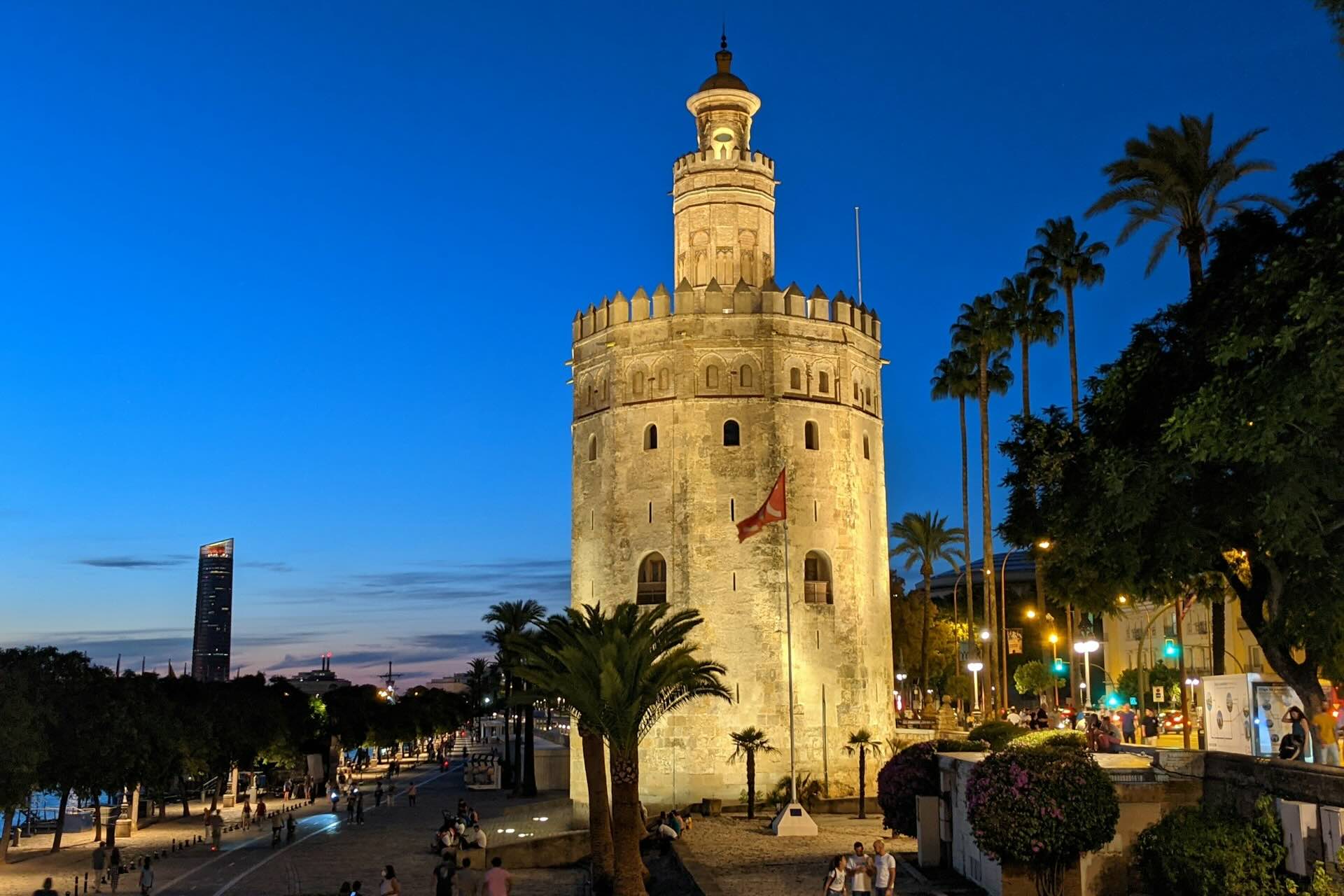
    Seville moves to its own rhythm, and 5 days in Seville, Spain gives you time to feel it rather than rush it. This Andalusian capital blends Moorish architecture, flamenco tradition, late night dining, and sun washed plazas into a city that feels both intimate and theatrical.

    You do not come to Seville to check off sights quickly. You come to wander shaded streets, linger over tapas, and let evenings stretch long past midnight. Five days allows you to balance landmarks with local life and experience the city at the right pace.

    Why Five Days Works Perfectly in Seville

    Seville is compact but layered.

    Major landmarks sit within walking distance, yet each neighborhood has its own personality. Afternoon heat encourages rest, which naturally slows your itinerary.

    Five days lets you adapt to the Andalusian schedule. Mornings start gently, afternoons pause, and nights unfold slowly.

    This rhythm is part of the experience.

    Day One, The Historic Core and First Impressions

    Begin in the heart of the city.

    Visit the Seville Cathedral and climb La Giralda for panoramic views. The scale of the cathedral sets the tone for the city’s architectural ambition.

    Walk through the Santa Cruz neighborhood, where narrow lanes and hidden courtyards create shade and intimacy.

    Stop often. Seville rewards observation more than speed.

    End the evening with simple tapas near Plaza Nueva. Let your first night be relaxed and unhurried.

    Day Two, Real Alcázar and Garden Exploration

    Dedicate your second day to the Real Alcázar.

    Its intricate tile work, arches, and gardens reveal centuries of layered history. The blend of Islamic and Christian design reflects Andalusia’s complex past.

    Afterward, wander through nearby gardens and plazas. Seville’s orange trees and tiled benches create natural resting points.

    In the evening, attend a flamenco performance in a small venue. Flamenco feels most powerful in intimate settings where emotion is visible and immediate.

    Day Three, Triana and Local Culture

    Cross the Guadalquivir River into Triana.

    This neighborhood carries strong artisan traditions and a more local energy. Ceramic shops, small bars, and residential streets create contrast with the historic center.

    Have lunch along the river and watch daily life unfold.

    In the afternoon, explore contemporary art spaces or small galleries that highlight Seville’s evolving creative scene.

    Evening is for slow dining. Choose a place where conversation and shared plates take priority over speed.

    Day Four, Parks and Palaces

    Spend your fourth day exploring beyond the obvious landmarks.

    Visit Palacio de las Dueñas or Casa de Pilatos to see noble residences that reveal another side of Seville’s architectural story.

    Walk through Parque de María Luisa and Plaza de España. The scale and symmetry of Plaza de España feel cinematic, yet locals use the park for daily life.

    This balance between grandeur and normalcy defines Seville.

    Stay out for sunset. Warm light transforms facades and plazas into glowing backdrops.

    Day Five, Markets and Unstructured Wandering

    Your final day should feel flexible.

    Visit Mercado de Triana or another local market to experience everyday commerce. Fresh produce, cured meats, and regional specialties reflect Andalusian identity.

    Spend the afternoon wandering without direction. Sit in a shaded plaza. Order coffee. Observe the rhythm of conversation.

    Revisit a favorite street or café.

    Seville becomes more meaningful when you recognize familiar corners.

    What to Expect From Seville’s Pace

    Seville runs on a late schedule.

    Lunch stretches into mid afternoon. Dinner rarely begins before nine in the evening.

    Shops may close during the hottest hours.

    Adjusting to this timing improves the experience. Trying to impose a rigid schedule works against the city’s natural flow.

    Getting Around Seville

    Seville is highly walkable.

    Most major attractions sit within a compact radius. Streets are pedestrian friendly and filled with detail.

    Bicycles and trams supplement walking if needed, but much of the city is best experienced on foot.

    Walking reveals hidden courtyards and quiet corners you might otherwise miss.

    Best Time to Visit

    Spring and fall offer the most comfortable temperatures.

    Summer brings intense heat, which requires slower pacing and midday breaks.

    Winter remains mild compared to much of Europe and offers fewer crowds.

    Each season shifts the atmosphere slightly, but the city’s character remains consistent.

    Why Seville Feels Distinct

    Seville feels theatrical without feeling artificial.

    Architecture is ornate but lived in. Music and conversation spill into streets naturally.

    There is confidence in how the city presents itself. It does not try to impress. It simply exists fully in its identity.

    That authenticity is part of its appeal.

    How to Make the Most of Five Days

    Do not overschedule.

    Leave room for extended meals, unexpected conversations, and spontaneous detours.

    Choose quality over quantity.

    Five days in Seville is about immersion rather than intensity.

    Final Thoughts on 5 Days in Seville

    5 days in Seville, Spain offers enough time to move beyond sightseeing and into understanding.

    The city invites you to slow down, notice texture, and embrace warmth, both literal and social.

    When you align with its rhythm, Seville becomes less a destination and more a feeling.

    Plan a trip to Seville today.