Category: Latest Updates & Innovations

  • Why Food Is the Fastest Way to Understand a New Culture

    Why Food Is the Fastest Way to Understand a New Culture

    Why food is the fastest way to understand a new culture comes down to one simple fact. People may explain themselves in words, but food shows what daily life actually values. It reveals habits, climate, family structure, trade, religion, class, celebration, scarcity, abundance, and even the rhythm of the day. You can learn a great deal from museums, architecture, and history books, but a meal often gives you something faster and more immediate. It lets you experience a culture through taste, timing, texture, and social behavior all at once.

    Food Shows What a Place Depends On

    One of the quickest ways to understand a culture is to look at what grows there, what survives there, and what people have learned to make from what the land or sea provides. Food reflects geography in a way few other things do. Coastal places tend to cook differently from mountain regions. Dry climates produce different staples than fertile river valleys. Cold places often value preservation, richness, and warmth in a different way than tropical ones.

    This matters because the plate becomes a map. A meal tells you what a place has had access to for generations, and what it had to do without. That kind of information is not abstract. You can taste it immediately.

    Food Reveals Daily Life Faster Than Formal History

    History often gets presented through major events, wars, leaders, and turning points. Food gets closer to ordinary life. It shows how people actually live from one day to the next. What time they eat. Whether meals are rushed or stretched out. Whether breakfast matters. Whether lunch is social or functional. Whether dinner is the center of the day or just a late obligation.

    This is one reason food gives such fast cultural insight. It moves past official identity and into practiced identity. You begin to understand not just what a culture says it is, but how it behaves when everyone is hungry and the table is set.

    The Table Explains Social Structure

    Food is never just about ingredients. It is also about who cooks, who serves, who hosts, who speaks first, who pours, who pays, who waits, and who starts eating. All of this reveals social rules very quickly.

    Some cultures treat the meal as collective and lingering. Others move through it more privately or more efficiently. Some put great emphasis on hospitality and abundance. Others express care through precision, restraint, or ritual. Even the smallest dining habits can tell you how people think about family, respect, time, and social closeness.

    You Learn What a Culture Celebrates

    Festive food often reveals cultural priorities even more clearly than everyday meals. The dishes people make for holidays, weddings, mourning, harvest, or religious events show what matters enough to preserve and repeat. A culture’s most important foods are rarely random. They are tied to memory, identity, and meaning.

    That is why food becomes such a powerful shortcut to understanding. You do not need to read a long explanation to grasp that a certain bread, stew, sweet, or shared dish carries importance. The fact that it appears at specific moments already tells you it holds emotional and cultural weight.

    Food Carries Religion and Tradition in Plain Sight

    Dietary rules, fasting periods, feast days, and cooking methods often come directly from religious and cultural traditions. Sometimes travelers notice this right away. Sometimes they miss it because they are focused only on flavor. But food often preserves older beliefs long after other parts of life have modernized.

    This gives food a kind of cultural durability. Recipes and meal structures often outlast political systems, economic shifts, and changing fashions. You can sit down to a dish and be tasting something shaped by centuries of belief and continuity without anyone needing to lecture you about it first.

    Markets Teach You More Than Menus Alone

    Restaurants are important, but markets may teach you even faster. Markets show what people buy when they are not performing for visitors. You see what is abundant, what is seasonal, what is cheap, what is prized, and what appears in ordinary daily life. You also see how people shop, how they ask questions, how long they linger, and what looks familiar to them.

    That kind of observation can teach a traveler a lot in a short amount of time. Markets bring culture into view in raw form. They show food before it has been translated into a polished experience.

    Taste Creates Emotional Understanding

    One reason food works so quickly is that it is sensory. You are not only learning intellectually. You are feeling your way into a culture through smell, heat, texture, sweetness, acidity, smoke, bitterness, and spice. That creates a stronger memory than information alone.

    A museum may teach you something important, but a meal can attach that understanding to emotion. You remember how it felt to sit there, what the room sounded like, what people ordered, and how the flavors seemed to match the place around you. Food creates memory with more force because it enters through the body, not only the mind.

    Food Shows the Balance Between Scarcity and Luxury

    Cuisines often reveal what a culture learned from hardship as well as what it prizes in abundance. Many great dishes come from constraint, preserving scraps, stretching ingredients, making use of what was available, and turning necessity into identity. Other dishes show ceremony, wealth, and status. Often the two sit side by side in the same culture.

    This is important because it helps you understand not only taste, but historical survival. Food shows how people adapted. It shows what they elevated, what they saved, and what they refused to waste. That tells you a great deal about the values beneath the cuisine.

    Meals Teach You Pace

    Different cultures move through meals at different speeds, and that pace tells you a lot. In some places, eating is tightly folded into work and efficiency. In others, meals are protected social time. In some cultures, coffee is a quick routine. In others, it is almost a structure for conversation.

    This matters because travel often becomes more meaningful when you stop forcing your own pace onto a place. Food teaches you how time feels locally. If you pay attention to the meal, you start to understand the broader rhythm of the culture around it.

    Food Builds Access Quickly

    One of the most practical reasons food is such a fast cultural bridge is that it creates access. You do not always need perfect language skills to order something, ask a question about a dish, or sit in a room where local life is happening around you. Food lets travelers enter a culture in a way that feels natural rather than intrusive.

    This is especially true when travelers go beyond the most obvious tourist spaces. A neighborhood bakery, market stall, lunch counter, or family run restaurant often offers more cultural understanding than a highly staged experience built only for visitors.

    The Fastest Insight Comes From Eating What Locals Actually Eat

    The biggest mistake travelers make is assuming any meal in a destination automatically teaches them about the place. It does not. Food becomes culturally revealing when it is connected to real local habit. That is why a busy neighborhood restaurant can teach more than a famous global luxury dining room.

    The closer the food is to local routine, the more it tends to reveal. What people eat every week often says more about a culture than what they serve to impress outsiders once in a while.

    Food Makes Culture Personal

    Culture can sometimes feel abstract until it shows up in a form you can participate in. Food changes that. Once you sit down, order, taste, wait, watch, and share, the culture stops being distant. It becomes immediate. You are no longer studying it from the outside. You are entering one of the most ordinary and meaningful parts of life within it.

    That is why food is so fast as a tool of understanding. It does not only explain culture. It places you inside it for a moment.

    The Best Food Travel Is About Attention, Not Just Appetite

    To really understand a culture through food, you do not need to eat extravagantly. You need to pay attention. Notice who is dining together. Notice how long people stay. Notice what is on every table. Notice what changes by time of day. Notice what feels ceremonial and what feels routine.

    That kind of attention turns meals into cultural learning very quickly. The food matters, but the context matters just as much. A simple dish in the right setting can teach more than a long tasting menu with no local soul behind it.

    Why Food Gets You There Faster

    Food is the fastest way to understand a new culture because it combines history, geography, religion, class, ritual, emotion, and daily life in one experience. It is immediate, accessible, and difficult to fake when you are paying attention. It tells you what a place grows, what it values, how it gathers, how it spends time, and how it remembers.

    That is what makes it such a powerful lens for travel. You can read about a culture for weeks, and you should. But one good meal in the right place can make that culture feel real in a matter of minutes.

    Plan a trip today.

  • Punta del Este, Uruguay A Coastal Escape With Style

    Punta del Este, Uruguay A Coastal Escape With Style

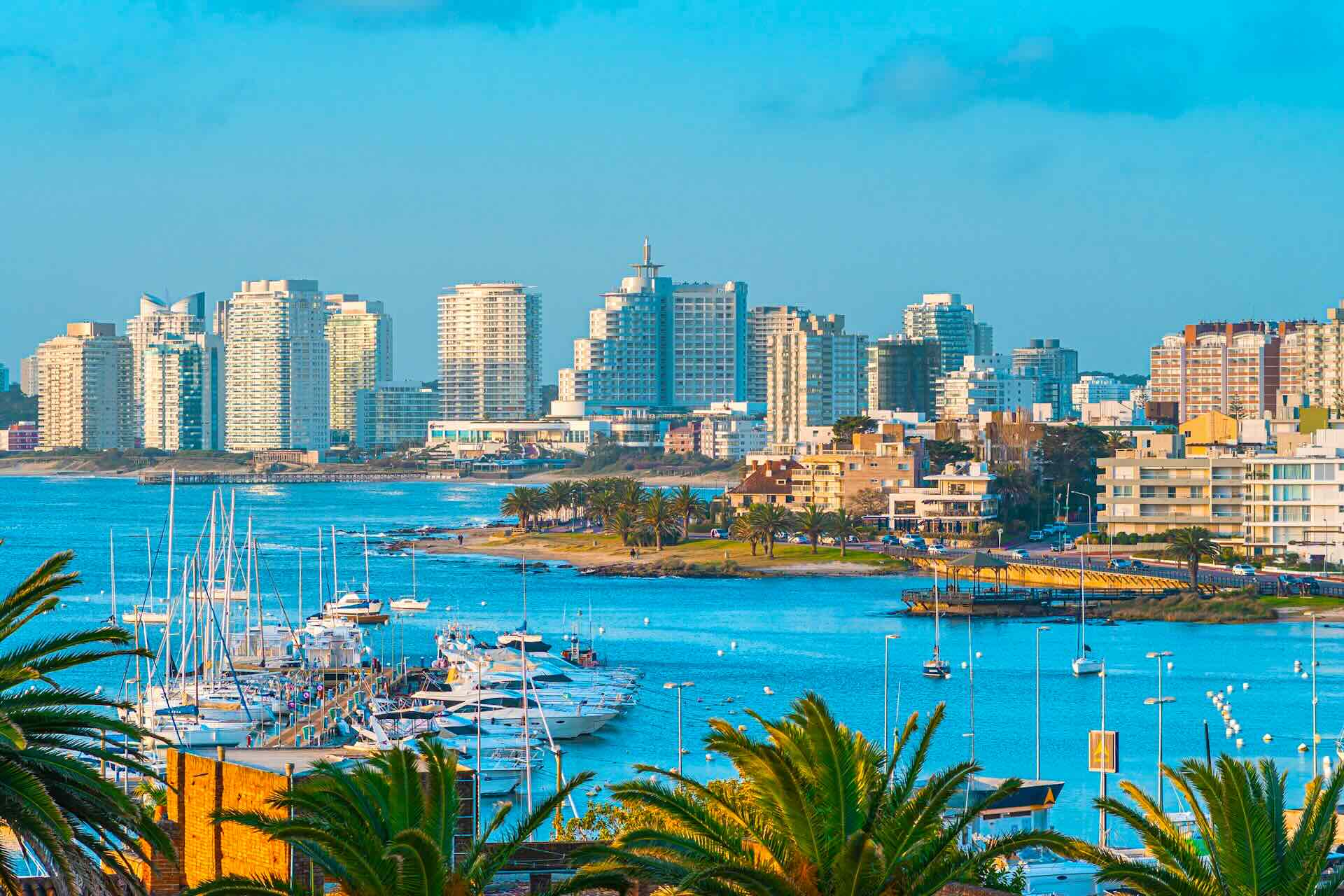
    Punta del Este, Uruguay a coastal escape with style feels polished, breezy, and effortlessly social from the moment you arrive. Set where the Río de la Plata opens into the Atlantic, the city combines beaches, marina life, design minded hotels, and a strong summer energy with a more refined and understated kind of glamour than some flashier resort destinations. Punta del Este is beautiful, clearly, but its real strength is balance. It offers coastal ease and nightlife, but also calm mornings, elegant neighborhoods, and enough breathing room to keep the experience from feeling overdone.

    Why Punta del Este Feels So Distinct

    Some beach destinations lean heavily on spectacle. Punta del Este works through atmosphere, setting, and social polish. It feels upscale, but not aggressively performative. The city has style, but it usually wears it lightly. That gives it a different appeal from destinations built entirely around being seen.

    This balance is part of what makes Punta del Este so memorable. You can have a glamorous evening, then wake up to a quieter beach walk or a slow breakfast with sea views. The destination gives travelers more than one version of coastal luxury, and that flexibility is one of its biggest strengths.

    A Meeting Point of Two Waters

    Punta del Este’s geography shapes the mood of the trip in an important way. The city sits between calmer waters on one side and a more open Atlantic energy on the other. That gives the coastline variation and helps explain why the destination feels broader than a single beach town.

    This setting adds to Punta del Este’s appeal because it lets travelers choose their rhythm. One side can feel smoother and more relaxed, while the other brings more movement and a stronger ocean presence. The city benefits from this contrast. It makes the whole destination feel more dynamic and complete.

    Coastal Beauty With a More Refined Edge

    Punta del Este is attractive in an immediate way, but its beauty is not only about sand and water. The city’s visual appeal also comes from its clean coastal lines, marina views, modern residences, low rise elegance, and a built environment that often feels curated without becoming sterile.

    That refined edge matters because it gives Punta del Este a stronger identity than many beach destinations that rely on scenery alone. Here, the coastline and the urban texture support one another. The result is a place that feels both scenic and socially composed.

    The Beaches and the Rhythm of the Day

    Beach life is central to Punta del Este, but it unfolds in a way that changes noticeably throughout the day. Mornings can feel quieter and more spacious. Afternoons bring more movement and social energy. By evening, the coast becomes part of a broader atmosphere of dining, drinks, and lingering outdoors.

    This shifting rhythm is part of what makes the destination so enjoyable. Punta del Este is not one note. It allows for both stillness and momentum. Travelers who like beach destinations with a little more structure and variety often find this especially appealing.

    A Marina Culture That Shapes the Mood

    The marina adds another layer to Punta del Este’s identity. Boats, waterfront promenades, and harbor views all help create the sense that this is not just a beach escape, but a broader coastal lifestyle destination. The marina gives the city movement and polish without pushing it too far into excess.

    That atmosphere matters because it changes how luxury feels here. Punta del Este often suggests leisure through space, setting, and access rather than through obvious display alone. The marina is part of that language. It helps the destination feel established and quietly glamorous.

    Style Without Too Much Noise

    One of Punta del Este’s strongest qualities is that it can feel stylish without becoming exhausting. There are plenty of places where beach luxury turns into constant performance. Punta del Este usually feels more balanced than that. It attracts people who appreciate good settings, good design, and a well put together social scene, but who do not necessarily want every part of the trip to feel loud.

    This gives the city staying power. Style here often feels tied to confidence rather than excess. That distinction makes the destination more attractive to travelers who want refinement, but not chaos.

    More Than a Summer Party Destination

    Punta del Este is often associated with summer energy, and that reputation is understandable. But reducing the city to nightlife or party culture would miss what gives it depth. The destination also has residential elegance, calmer corners, and a slower side that becomes visible once you move beyond the most obvious scenes.

    This is important because it shows why the city appeals to more than one kind of traveler. Punta del Este can deliver social momentum, but it can also support rest, privacy, and a more relaxed coastal experience. That range is part of its value.

    Neighborhoods, Design, and Coastal Living

    Punta del Este often feels strongest when you notice how the pieces fit together, beach stretches, residential pockets, marina zones, stylish restaurants, and quieter streets that still hold onto the broader atmosphere of the coast. The destination is not only about one beach or one nightlife district. It works as a fuller coastal environment.

    This layered feeling makes the city more satisfying over several days. Travelers can move between different moods without ever feeling they have left the identity of the place behind. Punta del Este stays coherent even when the experience shifts.

    Food, Evenings, and the Social Side of the Coast

    Dining is part of the destination’s appeal because Punta del Este lends itself naturally to long meals, late evenings, and a more open air style of social life. Restaurants and bars often feel like extensions of the coastal setting rather than separate urban experiences. That helps the city keep its mood intact after dark.

    This is one of the reasons Punta del Este feels so complete. The trip does not divide neatly into beach time and then everything else. The social life, the meals, the water, and the style all connect. That gives the destination a stronger and more seamless identity.

    A Place That Balances Energy and Ease

    Punta del Este’s real success lies in its balance. It can feel active, but not frantic. Luxurious, but not always loud. Beautiful, but not too soft to have character. Very few coastal destinations manage to combine these things without tipping too far in one direction.

    That balance is especially appealing to travelers who want the option of excitement without the obligation of it. Punta del Este lets you have a fuller social trip or a quieter coastal one, and both can make sense there.

    When Punta del Este Feels Best

    Punta del Este is especially appealing when the weather supports beach time, waterfront walks, and long evenings outside. In those conditions, the destination’s social and scenic qualities come together most clearly. The coast feels more animated, the marina atmosphere becomes more visible, and the city’s stylish side feels easier to enjoy.

    Still, the destination’s deeper appeal is not only about one perfect beach day. Its strongest qualities, setting, polish, and rhythm, hold up because they are built into the place itself.

    Who Punta del Este Is Best For

    Punta del Este suits travelers who appreciate beaches, coastal design, and destinations with a more refined social atmosphere. It works especially well for couples, groups of friends, and travelers who want a stylish getaway without the heaviness or intensity of a larger city. It is also a strong fit for people who want coastal luxury with more flexibility in pace.

    This is not a destination that depends on one kind of traveler. It works because it offers more than one way to enjoy it, while still keeping a clear identity.

    The Lasting Appeal of Punta del Este

    Punta del Este stays with people because it feels composed. The beaches give it ease. The marina gives it polish. The social scene gives it movement. The quieter corners give it room to breathe. Nothing feels entirely separate from the larger coastal mood.

    That is what makes Punta del Este more than simply a resort city in Uruguay. It feels like a place where coastal beauty and understated style continue to support one another naturally. For travelers who want sea air, social energy, and a destination with real elegance, Punta del Este remains one of South America’s most appealing beach escapes.

    Plan a trip to Punta del Este today.

  • Sedona, Arizona Red Rocks and Desert Calm

    Sedona, Arizona Red Rocks and Desert Calm

    Sedona, Arizona red rocks and desert calm come together in a place that feels spacious, striking, and emotionally quiet in a way few destinations do. The first impression is visual, towering red formations, open desert light, and a landscape that seems to shift color as the day moves. But Sedona’s appeal goes beyond scenery. It is also about pace, air, silence, and the feeling that the environment itself is asking you to slow down. Sedona is beautiful, clearly, but its deeper power comes from how it changes your rhythm once you are there.

    Why Sedona Feels So Distinct

    Some destinations are memorable because they overwhelm you with activity. Sedona works differently. It feels calm, but not empty. The landscape is dramatic, but the mood is quiet. That combination is what makes the place so effective. The city itself remains relatively small in feel, while the natural setting gives it scale far beyond its size.

    This matters because Sedona does not force a single kind of trip. It can feel active, restorative, scenic, spiritual, or simply beautiful, depending on how you move through it. Travelers who want a destination with strong visual identity and a more grounded pace often connect with Sedona very quickly.

    The Red Rocks Do Most of the Talking

    Sedona’s red rock formations are the center of the experience. They shape the skyline, the roads, the trails, and the emotional tone of the place. These are not distant mountain views you admire once and forget. They stay with you constantly, changing with the sun and making even a short drive or walk feel cinematic.

    What makes the red rocks so powerful is not only their size. It is their presence. They make Sedona feel elemental. The landscape carries a kind of stillness and force at the same time, and that gives the destination more depth than a simple scenic stop. Sedona feels shaped by the rocks in every sense.

    Desert Calm as a Real Travel Experience

    The phrase desert calm fits Sedona because the place genuinely affects pace and mood. The air feels drier, the light feels cleaner, and the overall atmosphere encourages a different kind of attention. This is not the kind of destination that works best when rushed.

    That calm is one of Sedona’s greatest strengths. It allows the trip to feel restorative without becoming dull. Even active travelers often find themselves slowing down here, not because there is nothing to do, but because the environment makes doing less feel more satisfying. Sedona rewards stillness in a way many destinations cannot.

    A Landscape Made for Looking Out

    One of Sedona’s main pleasures is how often it invites you to stop and look outward. Roads, overlooks, trails, and even casual parking areas can open into broad views of red rock formations and desert space. The scenery does not feel locked away in one national park entrance or one official viewpoint. It is woven into the region.

    That gives Sedona a different kind of visual generosity. You do not have to earn every beautiful moment through a difficult hike. The landscape offers itself often, which helps make the entire stay feel more immersive. The views become part of the rhythm of the trip.

    Trails, Movement, and Outdoor Life

    Sedona is also deeply tied to outdoor activity. Hiking is one of the clearest ways to experience the landscape, and the trail culture adds another layer to the city’s identity. Outdoor life here feels central, not secondary. The environment encourages movement, but the movement tends to feel integrated with the place rather than separate from it.

    This is one reason Sedona appeals to a wide range of travelers. You do not need to be an extreme adventurer to enjoy the outdoors here. A shorter trail, a scenic walk, or even a slow drive through the landscape can still feel meaningful. Sedona makes outdoor experience feel accessible without flattening the grandeur of the setting.

    More Than a Scenic Stop

    It would be easy to reduce Sedona to red rocks and viewpoints, but that would miss what gives the destination its staying power. Sedona also has a particular atmosphere, one that blends nature, wellness, art, and a quieter kind of tourism. The town itself supports the landscape rather than competing with it.

    That balance matters. Sedona does not feel like a place that only works in photographs. It feels like a destination people actually use to reset, reflect, and spend time differently. That gives it more emotional depth than some equally scenic places.

    Light, Color, and the Feeling of Time Slowing Down

    Sedona changes throughout the day in ways that make time feel more visible. Morning light can make the landscape feel soft and open. Midday sharpens the reds and the edges. Late afternoon and sunset often bring the kind of glow that makes the whole place seem more vivid and more still at the same time.

    This changing light is part of what makes Sedona so memorable. It rewards repeat views. The same rock formation can feel different in the morning and in the evening. That helps turn the destination into an experience of observation, not just movement.

    A Strong Wellness and Reflective Side

    Sedona is also known for a more reflective and wellness oriented identity, and whether or not a traveler comes specifically for that reason, the atmosphere supports it. The destination naturally lends itself to slower mornings, restorative afternoons, and trips built around feeling better rather than doing more.

    This does not mean the place feels overly serious or self important. In its best form, Sedona’s reflective side simply adds to the sense that the destination is about more than activity. It gives travelers permission to let the trip be quieter, and for many people that becomes one of the main reasons the place feels so valuable.

    The Town and the Landscape Stay Connected

    One of Sedona’s strongest qualities is that the developed parts of town still feel tied to the land around them. Shops, cafés, hotels, and roads all sit within the larger visual experience of the desert and rock formations. That keeps the destination from feeling split into separate zones of nature and commerce.

    This is important because it gives the whole place coherence. Even when you are not on a trail, Sedona still feels like Sedona. The setting remains visible, and the town remains secondary to the landscape in a way that works strongly in its favor.

    When Sedona Feels Best

    Sedona can be rewarding in several seasons, but it is especially appealing when the weather supports time outdoors and longer stretches spent moving between viewpoints, walks, and open air meals. In these conditions, the relationship between red rocks, sky, and desert light becomes even more vivid.

    Still, Sedona’s deeper appeal is not limited to one perfect moment on the calendar. Its strength comes from landscape, mood, and the way it affects pace. Those qualities remain strong even when the exact feel of the trip changes with the season.

    Who Sedona Is Best For

    Sedona suits travelers who appreciate scenery, slower travel, and destinations that feel emotionally distinct. It works especially well for couples, solo travelers, wellness minded travelers, and anyone who wants nature without sacrificing comfort. It is also a strong fit for people who like outdoor access but do not want the trip to feel overly rugged.

    This is not a destination built around nonstop urban stimulation. It is built around atmosphere, landscape, and the feeling of being slightly removed from ordinary pace. For the right traveler, that is exactly the point.

    The Lasting Appeal of Sedona

    Sedona stays with people because it feels balanced in a rare way. The red rocks give it visual power. The desert gives it calm. The trails give it purpose. The town gives it enough comfort to make the whole experience easy to settle into. Nothing feels disconnected from the landscape.

    That is what makes Sedona more than simply a beautiful part of Arizona. It feels like a place where nature, light, and pace all work together to create a deeper kind of travel experience. For travelers who want scenery with emotional presence and a destination that encourages real exhale, Sedona remains one of the most rewarding escapes in the American Southwest.

    Plan a trip to Sedona today.

  • Riga, Latvia Art Nouveau and Baltic Identity

    Riga, Latvia Art Nouveau and Baltic Identity

    Riga, Latvia art nouveau and Baltic identity come together in a city that feels elegant, layered, and far more expressive than many first time visitors expect. Riga is known for its historic center and for one of Europe’s strongest concentrations of Art Nouveau architecture, but what makes the city memorable is not just the beauty of its façades. It is the way old merchant city gravity, Baltic restraint, and a more contemporary urban energy all hold together in one place. The result is a capital that feels cultured without stiffness, and visually rich without becoming overwhelming.

    Why Riga Feels So Distinct

    Some European capitals make their impression through monumentality. Riga works through texture and atmosphere. The city can feel grand in parts, especially around its older core and major boulevards, but it also feels walkable and human in scale. That balance is one of its biggest strengths.

    Riga also carries a strong sense of regional identity. It does not feel like a copy of a larger European capital. It feels Baltic in temperament, measured, design conscious, and slightly more reserved on the surface, but with a deeper artistic and historical richness underneath. That combination is what gives the city its staying power.

    A Historic Center With Real Presence

    Riga’s old center gives the city much of its structure and emotional weight. The medieval street pattern, church towers, squares, and older civic buildings create a historic core that still feels immersive rather than symbolic. This is not a city with one old district surrounded by total disconnection. The historic center still shapes how the city is understood and experienced.

    What makes this especially effective is that the old city still feels active. Cafés, shops, bars, and ordinary movement keep the area alive. Riga’s history remains visible, but it is not trapped behind glass. That gives the city more warmth and more credibility.

    Art Nouveau as Everyday Urban Beauty

    Art Nouveau is one of Riga’s defining pleasures, and it is central to why the city feels so visually memorable. This matters because Art Nouveau in Riga is not limited to one isolated landmark. It shapes entire streets and whole stretches of the city. Decorative faces, floral motifs, sculptural details, balconies, and expressive façades make walking feel unusually rewarding.

    The architecture gives Riga elegance, but also personality. It never feels neutral. Even when you are simply moving from one neighborhood to another, the buildings do part of the work of keeping the city interesting.

    The Quiet Centre and the City’s Refined Side

    One of the best expressions of Riga’s architectural identity is the Quiet Centre, where many of the city’s most celebrated Art Nouveau buildings are concentrated. This part of the city shows how bold and theatrical Riga’s architecture can be without losing urban coherence.

    What makes this area so satisfying is not just its beauty, but its rhythm. The buildings do not feel random. They create a district with its own mood, quieter, more composed, and slightly more refined than the medieval heart of the city. This contrast gives Riga range.

    A Baltic Capital With More Than One Layer

    Riga is not only about Art Nouveau. Its appeal comes from layering. Medieval structures, 19th century wooden architecture, broad boulevards, and early 20th century design all contribute to the city’s identity.

    That layered quality keeps Riga from feeling too easy to summarize. It has gravity, but also movement. It has history, but also a more modern urban polish. Travelers who enjoy cities that reveal themselves gradually often find Riga especially rewarding.

    Streets Made for Walking

    Riga works very well on foot. The Old Town encourages slow exploration, while the walk from the historic center into the Art Nouveau district is short enough to feel natural rather than demanding.

    This walkability changes the trip in a meaningful way. You can move between distinct moods, medieval streets, elegant boulevards, quieter architectural zones, without losing the feeling of one coherent city. That makes Riga especially attractive for travelers who care about atmosphere as much as individual sights.

    Riga’s Identity Feels Baltic, Not Generic

    The phrase Baltic identity matters here because Riga feels rooted in its region. The city has beauty, but not in an overly sentimental way. It has style, but also restraint. There is a certain seriousness to the place that makes the elegance feel more convincing.

    That is part of why Riga often appeals so strongly to travelers who prefer cities with a clear local character. It does not flatten itself into a generic European city break. It feels like Riga, and that is a major part of its value.

    More Than an Architecture Destination

    It would be easy to market Riga only through architecture, but that would undersell it. The city also has social energy, cafés, museums, bars, and a contemporary cultural layer that keeps it from becoming a destination only for design enthusiasts.

    That broader urban life matters. It gives the city flexibility. You can come for the buildings and still leave remembering the pace, the atmosphere, and the ease of moving through the city. Riga works because it offers more than one kind of reward.

    When Riga Feels Best

    Riga can work across multiple seasons, but it is especially appealing when the city’s walkable structure and architectural detail can be enjoyed at a slower pace outdoors. In milder weather, the contrast between the Old Town and the Quiet Centre becomes even more enjoyable, and the city’s broader streets and façades have more room to register visually.

    Still, Riga’s appeal is not only seasonal. Its deeper strengths, architecture, scale, and identity, remain strong beyond any one time of year. The city has enough structure and mood to carry itself well in different conditions.

    Who Riga Is Best For

    Riga suits travelers who appreciate architecture, history, and cities that still feel manageable on foot. It works especially well for people who want a European capital with cultural substance, but without the constant pressure and scale of a much larger destination. Couples, solo travelers, and culturally curious visitors can all do very well here.

    It is also a strong fit for travelers who value cities with a clear design language. Riga does not just contain beautiful buildings. It feels shaped by them.

    The Lasting Appeal of Riga

    Riga stays with people because it feels complete. The historic core gives it continuity. The Art Nouveau district gives it visual force. The Baltic character gives it emotional clarity. Very few cities combine those elements so comfortably.

    That is what makes Riga more than simply a beautiful capital in northern Europe. It feels like a city where architecture and identity still support one another in everyday life. For travelers who want elegance, atmosphere, and a place with strong regional character, Riga remains one of the most rewarding city experiences in the Baltics.

    Plan a trip to Riga today.

  • Valparaíso, Chile Hillside Art and Coastal Energy

    Valparaíso, Chile Hillside Art and Coastal Energy

    Valparaíso, Chile hillside art and coastal energy come together in a city that feels unruly, expressive, and completely unlike anywhere else on the Pacific coast. Built across steep hills above the sea, Valparaíso is a place of stairways, painted walls, old funiculars, and shifting views that turn everyday movement into part of the experience. The city does not try to appear polished in a conventional way. Its appeal comes from texture, character, and the sense that creativity and history are still colliding in plain sight.

    Why Valparaíso Feels So Distinct

    Some coastal cities are defined by beaches. Valparaíso works through atmosphere. The port, the hills, the murals, and the older urban fabric all create a city that feels layered and alive. It is visually intense, but not in a neat or overly arranged way. Valparaíso makes its impression through contrast, sea and slope, faded facades and vivid street art, old structures and new energy.

    That is what gives the city its power. It feels spontaneous, but not random. Historic, but not frozen. Travelers who like places with personality, imperfection, and a strong cultural pulse often connect with Valparaíso immediately.

    A City Shaped by the Hills

    Valparaíso’s hills are central to everything. They do not just frame the city. They define it. The steep topography changes how people move, how neighborhoods feel, and how the city reveals itself. One street can lead to a staircase, then a terrace, then a sudden view over rooftops and water.

    This creates a very different urban experience from flatter port cities. Valparaíso does not unfold in a straight line. It rises, bends, and surprises. That sense of vertical movement gives the city more drama and makes wandering feel especially rewarding.

    The Coastal Energy of a Working Port

    The sea is always part of Valparaíso’s mood. This is not only a scenic coastline. It is a port city, and that matters. There is a working edge to Valparaíso that keeps it from feeling too delicate or overly romantic. The harbor gives the city movement, grit, and a broader sense of exchange.

    That coastal energy helps explain why Valparaíso feels so alive. The city is not simply overlooking the Pacific. It has grown in direct conversation with it. The result is a place where maritime history still shapes the atmosphere, even as the city’s creative identity has become one of its strongest attractions.

    Hillside Art That Feels Embedded in the City

    Street art is one of the clearest expressions of Valparaíso’s identity. Murals, painted staircases, and colorful walls appear throughout the hills, but what makes them so effective is that they do not feel separate from the city. They feel built into it.

    This matters because Valparaíso’s visual culture does not come across as a superficial layer added for visitors. It feels more organic than that. The art reflects the city’s personality, expressive, slightly rebellious, and unafraid of irregular beauty. Walking through Valparaíso often feels like moving through an open air visual conversation.

    A City That Rewards Wandering

    Valparaíso is best experienced on foot, even if the hills make that more demanding. In fact, the walking is part of the point. Narrow streets, stairways, viewpoints, and passages reveal the city gradually. You do not fully understand Valparaíso from one lookout or one district. The city becomes legible through movement.

    That is one reason the place stays with people. A day here does not feel like a sequence of major attractions. It feels like accumulation. A mural, a funicular, a café, a balcony, a hillside turn, a harbor view. Together they create a city that feels immersive rather than checklist driven.

    Old Funiculars and Everyday Character

    Valparaíso’s historic lifts and funiculars add another layer to the city’s charm and identity. They are practical, but they also express something essential about the way the city has adapted to its terrain. Very few places are shaped by elevation in such a visible and memorable way.

    These systems also contribute to the city’s emotional texture. They connect the lower and upper parts of Valparaíso in a way that feels both useful and atmospheric. They remind you that this is a place where geography has always influenced daily life.

    Beauty With Rough Edges

    Valparaíso is not the kind of city that tries to hide every flaw. In fact, part of its appeal comes from the fact that it still feels rough around the edges. That roughness gives the beauty more force. Color matters more against weathered walls. A great view feels stronger after a steep climb. A quiet café feels better because the city outside it still feels slightly unpredictable.

    This is important because it separates Valparaíso from destinations that feel too carefully managed. It has beauty, but it also has tension and irregularity. For many travelers, that makes the city feel more real and more memorable.

    Neighborhoods With Their Own Mood

    Valparaíso’s hills do not all feel the same. Different areas carry different tones, some more artistic, some more residential, some more open to the sea, some more intimate and tucked into the slope. This variation gives the city depth and keeps it from feeling visually repetitive.

    It also helps travelers find their own version of Valparaíso. Some will connect most with the art and energy, others with the architecture and views, and others with the slower pleasure of finding a quiet corner above the harbor. The city supports all of those experiences at once.

    More Than a Pretty Port City

    It would be easy to describe Valparaíso only through color and views, but that would miss what gives it weight. This is a city with history, labor, culture, and a long relationship to movement and exchange. Its artistic identity is powerful, but it sits on top of something older and more substantial.

    That deeper structure is part of what makes Valparaíso so compelling. The city does not feel like a decorative stop. It feels like a place with memory, struggle, adaptation, and ongoing creative life. That makes the experience richer and less disposable.

    Food, Cafés, and the Pleasure of Looking Out

    Valparaíso also works well as a city of pauses. A coffee above the harbor, a meal with a hillside view, or a late afternoon stop after climbing through the streets can become part of the rhythm of the trip. The city rewards sitting down almost as much as it rewards walking.

    This balance matters because Valparaíso can be visually intense. Slowing down helps the city settle into focus. From a terrace or café, you begin to see how the colors, roofs, port, and hills all fit together. The city becomes less chaotic and more coherent the longer you stay with it.

    When Valparaíso Feels Best

    Valparaíso works especially well when the weather supports long walks, time outdoors, and lingering at viewpoints. In those conditions, the city’s relationship to the hills and the sea becomes even more enjoyable. Clearer days help the harbor and layered rooftops show themselves more fully.

    At the same time, Valparaíso’s appeal is not only about ideal conditions. Its character comes from urban texture, visual energy, and creative identity as much as from sunshine. Even when the skies turn softer or moodier, the city still holds attention.

    Who Valparaíso Is Best For

    Valparaíso suits travelers who appreciate street art, walkable neighborhoods, layered urban character, and destinations that do not feel overly polished. It works especially well for couples, solo travelers, photographers, and culturally curious visitors who want a city with real personality.

    It is also a strong fit for travelers who value atmosphere more than perfection. Valparaíso is not about smooth luxury or conventional prettiness. It is about color, motion, and emotional texture. For the right traveler, that is far more rewarding.

    The Lasting Appeal of Valparaíso

    Valparaíso stays with people because it feels alive in multiple directions at once. The hills give it drama. The port gives it energy. The street art gives it voice. The older buildings give it memory. Nothing about the city feels overly controlled, and that is part of its strength.

    That is what makes Valparaíso more than simply a colorful city in Chile. It feels like a place where geography, creativity, and coastal life still shape one another every day. For travelers who want visual intensity, cultural depth, and a city that resists flattening into one easy image, Valparaíso remains one of South America’s most distinctive urban experiences.

    Plan a trip to Valparaíso today.

  • How to Build a City Itinerary That Does Not Feel Rushed

    How to Build a City Itinerary That Does Not Feel Rushed

    How to build a city itinerary that does not feel rushed starts with giving up the idea that a good trip must cover everything. Most rushed itineraries fail for the same reason. They try to win against the city instead of settling into it. The better approach is not to do less by accident. It is to choose better on purpose. A strong city itinerary should leave room for movement, mood changes, meals, wrong turns, and the simple reality that places take longer to enjoy than they do to list.

    Start With the Shape of the Trip, Not the Checklist

    Most people begin by collecting too many places. That is the mistake. Before choosing specific stops, decide what kind of trip you want the city to feel like. Do you want it to feel cultural, food driven, design focused, walkable, romantic, or relaxed. That decision matters more than the full list of landmarks.

    A city trip feels rushed when the activities do not belong to the same rhythm. A museum heavy day, a long shopping detour, a distant lunch reservation, and an evening rooftop plan may all sound good separately, but together they can make the day feel fragmented. Start with tone first, then choose places that support that tone.

    Choose Two Anchors Per Day, Not Six

    This is one of the easiest ways to improve a city itinerary immediately. Give each day only two real anchors, one for the first half of the day and one for the second half. Everything else should support those anchors, not compete with them.

    An anchor can be a museum, a neighborhood, a market, a long lunch, a waterfront walk, or a major landmark. Once you have two anchors, the rest of the day becomes easier to breathe inside. You stop forcing too many transitions. You also stop spending the whole day watching the clock.

    Group by Neighborhood, Not by Fame

    A rushed itinerary often happens because people organize their days by importance instead of geography. They chase famous places across the city, which turns the trip into a sequence of transit decisions. That is exhausting, even when the attractions are worth seeing.

    The smarter approach is to build around neighborhoods. Let one part of the city hold most of the day together. Walk more. Transfer less. Repetition helps a city feel legible. When you stay in one area longer, cafés, side streets, shops, and public spaces start becoming part of the trip instead of dead space between attractions.

    Build in One Slow Meal Every Day

    If every meal is treated like a gap to fill quickly, the whole trip starts feeling mechanical. A city itinerary becomes more enjoyable when at least one meal each day is allowed to be slow and properly placed.

    This does not mean every lunch must be expensive or every dinner must be a reservation. It means one meal should function as part of the day’s experience rather than as fuel management. A good long lunch can reset the pace of the trip. So can a dinner that is near where you already are instead of across town for no real reason.

    Leave White Space on Purpose

    White space is not wasted time. It is what keeps the itinerary usable. The best city trips always have open pockets that can absorb delays, weather shifts, better than expected discoveries, or simple fatigue.

    Without white space, every small disruption becomes stressful. With it, the day still works. A good rule is to leave at least one uncommitted block each afternoon or evening. That free time is often where the trip starts feeling personal instead of overmanaged.

    Stop Planning Every Hour

    Hourly itineraries look efficient and often travel terribly. Cities do not unfold in hourly units. Streets are slower than maps suggest. Museums take longer when you actually enjoy them. Neighborhoods deserve drift time. Even coffee can turn into a memorable pause if you are not already late for the next thing.

    A better approach is to plan in blocks. Morning, midday, afternoon, evening. Each block should have a purpose, not a strict schedule. That keeps the structure strong without making the day brittle.

    Accept That One Good Street Can Matter More Than One Famous Site

    This is where many people still get it wrong. They assume the trip is successful only if they hit every headline place. In reality, one beautiful street, one great meal, one market, or one hour in the right square can stay with you longer than a rushed visit to three major attractions.

    A city itinerary improves when you make room for unranked pleasures. Those are often the parts that turn a trip from efficient into memorable. A place that was not on the list may end up feeling more important than the place you thought you had to see.

    Use Mornings for Structure, Evenings for Flexibility

    Most city itineraries work better when the morning is more defined and the evening is looser. Mornings usually have better energy, clearer decision making, and fewer accumulated delays. That makes them ideal for museums, landmarks, and anything that benefits from more focus.

    Evenings tend to work better when they are lighter. A neighborhood to wander, a good dinner area, a river walk, a plaza, a wine bar, or a view. If you overprogram evenings, the whole trip can start feeling like a race. Let the city close the day instead of forcing another achievement into it.

    Do Not Overestimate Your Transit Tolerance

    People often underestimate how tiring it is to keep crossing a city. Even efficient transport systems take energy. Transfers, waiting, route decisions, and backtracking all add friction. Too much of that makes the trip feel thinner because you spend more time managing movement than absorbing place.

    This is why compact days usually feel richer than ambitious ones. Less transit often means more city, even if you technically see fewer named attractions.

    Match the Itinerary to Your Real Travel Personality

    A rushed itinerary is often a mismatch between the plan and the person. Some travelers genuinely like full days and lots of motion. Others like long walks, fewer commitments, and time to notice details. Problems begin when people build the trip they think they are supposed to take instead of the one they actually enjoy.

    Be honest about your pace. If you hate early starts, stop pretending the trip begins at 8 a.m. If you tire after one museum, stop scheduling three. If you care more about neighborhoods than landmarks, build for that. The best itinerary is not the most impressive one. It is the one you can actually inhabit.

    Give Each Day One Emotional Focus

    This is an easy way to make the trip feel more coherent. Let each day have a mood. One day may be historic. Another may be food focused. Another may be waterfront and slow. Another may be shopping and design. Once a day has an emotional focus, the decisions around it become easier.

    A city itinerary feels rushed when each day tries to be all versions of the city at once. It feels smooth when each day knows what it is trying to be.

    Keep a Short Secondary List, Not a Giant Backup Plan

    You do need flexibility, but not chaos. Keep a short list of three to five extra options nearby, things like a café, bookstore, small museum, market, viewpoint, or bar. This gives you room to adapt without having to replan the whole day on the sidewalk.

    The key is short and nearby. A giant backup list creates the same pressure as the original overplanning. A small local list gives you choice without noise.

    The Best Itinerary Usually Feels Slightly Incomplete

    This may sound wrong, but it is true. If the plan feels completely full before the trip starts, it is probably too tight. A good city itinerary should feel like it leaves something on the table. That unfinished quality is often what makes the trip feel relaxed.

    You are not trying to defeat the city. You are trying to meet it well enough that you want to come back, or at least remember it as a place rather than a task.

    What Actually Makes a City Trip Feel Good

    A city itinerary does not feel good because it is dense. It feels good because it has rhythm. There is movement, but also pause. Intention, but also surprise. Good meals, walkable stretches, and enough space to let the city behave like a city instead of a productivity exercise.

    That is the real goal. Build a trip with shape, not pressure. Choose a few things well. Stay in neighborhoods longer. Walk more. Cross town less. Let one part of the day stay open. That is how an itinerary starts feeling like travel instead of work.

    Plan a trip today.

  • Boulder, Colorado Outdoor Living at the Base of the Rockies

    Boulder, Colorado Outdoor Living at the Base of the Rockies

    Boulder, Colorado outdoor living at the base of the Rockies feels immediate, active, and unusually easy to understand from the moment you arrive. The city sits where the plains meet the foothills, and that setting shapes everything about its identity. Boulder is not a place where nature sits somewhere outside the city. It presses right up against it. Trails begin close to downtown, the Flatirons dominate the skyline, and daily life feels built around movement, air, and access to the outdoors. At the same time, Boulder still has a lively downtown, a strong food scene, and enough urban energy to keep it from feeling like a mountain town with a few extra shops.

    Why Boulder Feels So Distinct

    Some places market themselves as active, but Boulder actually lives that way. The city’s appeal is not only about scenery. It is about how tightly outdoor life and urban life are connected. You can spend part of the day on a trail, then move straight into coffee, shopping, dinner, or a casual evening downtown without feeling any break in identity.

    That is what makes Boulder so memorable. It feels healthy and energetic without becoming joyless. It feels outdoorsy, but not remote. Travelers who want a destination where lifestyle is as important as landmarks often connect with Boulder very quickly.

    The Power of the Flatirons

    The Flatirons are central to Boulder’s identity. These slanted sandstone formations do more than provide a beautiful backdrop. They give the city its most recognizable shape and help explain why Boulder feels so visually grounded. The mountains are not abstract from here. They are right there, defining the western edge of town and giving the whole city a stronger sense of place.

    This matters because the landscape changes the emotional tone of the trip. Boulder feels open, but also held in place by the foothills. That combination gives it more visual force than many smaller American cities. Even when you are downtown, the setting is still doing part of the work.

    Outdoor Living Is Not a Slogan Here

    In Boulder, outdoor living feels like ordinary life rather than a tourism concept. Hiking, biking, climbing, trail running, creek walks, and time outside all seem woven into the city’s daily rhythm. That makes Boulder especially attractive to travelers who want a trip built around activity without sacrificing comfort or atmosphere.

    This is also one reason the city feels so coherent. The outdoor culture is not separate from the restaurants, the downtown, or the university energy. Everything reinforces the same basic idea, that being outside is not a side activity here. It is part of how the city understands itself.

    Pearl Street and the Social Side of Boulder

    Pearl Street gives Boulder much of its social and urban energy. It adds contrast to the mountain setting and helps keep the city from feeling one dimensional. Shops, restaurants, cafés, street activity, and a walkable downtown atmosphere make Pearl Street one of the clearest expressions of Boulder’s balance between outdoors and city life.

    What makes this work so well is that downtown Boulder does not feel disconnected from the landscape around it. The mountains remain visible, Boulder Creek is close by, and the city still feels bright and breathable. Pearl Street gives Boulder personality beyond its trails, which is important. Without it, the city might feel too purely recreational. With it, Boulder feels more complete.

    A City That Rewards Movement

    Boulder works especially well for travelers who like to move. Walking downtown, biking between neighborhoods, heading out on a morning trail, or spending time in one of the city’s parks all feel natural here. The city encourages a more active kind of travel without making the trip feel overly scheduled.

    That quality can make Boulder especially satisfying for people who do not want a vacation built entirely around museums, shopping, or sitting still. The city invites participation. Even a simple day can feel fuller because the environment keeps pulling you outward.

    The University Adds Energy

    The presence of the University of Colorado helps give Boulder another layer of life. It adds youth, movement, sports culture, and a broader social energy that keeps the city from becoming too calm or too polished. Boulder has a serious outdoor identity, but the university helps prevent it from feeling overly serene or self satisfied.

    This is part of what makes the city feel current. Boulder is not only beautiful and active. It also feels engaged and alive. There is enough student and campus energy in the mix to keep the city moving.

    Boulder Balances Nature and Design Better Than Most Cities

    A lot of outdoor oriented cities feel scattered. Boulder feels more intentional than that. The downtown, the parks, the trails, and the surrounding foothills connect in a way that makes the city easier to absorb. There is a design minded quality to the place, even if that quality does not always announce itself loudly.

    This helps explain why Boulder appeals to more than just hardcore outdoor travelers. The city has visual order, a strong sense of livability, and an atmosphere that feels clean without feeling sterile. For travelers who care about both aesthetics and access, that balance matters.

    More Than Just a Trail Town

    It would be easy to reduce Boulder to hiking and mountain views, but that would miss what gives the city its staying power. Boulder also has restaurants, local shops, cultural energy, and enough urban comfort to support a full trip. The best version of Boulder is not only athletic. It is also social and a little indulgent in the right ways.

    That distinction matters because it keeps the city from becoming narrow. You can come to Boulder for the trails and still end up remembering the downtown rhythm, the food, the views from a restaurant patio, or the easy way the whole place holds together.

    A Place Where the Pace Feels Better

    Boulder’s pace is one of its strongest assets. The city feels active, but not frantic. It has energy, but not the kind that drains you. That makes it especially appealing to travelers who want movement and stimulation without the pressure of a larger city.

    This pace also gives the city emotional clarity. Boulder does not try to be everything. It knows its strengths and leans into them. That confidence makes the trip feel cleaner and more focused.

    When Boulder Feels Best

    Boulder can be rewarding in multiple seasons, but it is especially appealing when the weather supports time outside and the foothills feel easy to access. In those periods, the city’s central promise becomes clearest. You can move smoothly between trail time, creekside walks, downtown stops, and mountain views without much friction.

    Still, Boulder’s appeal does not depend entirely on one season. Its core strengths, the setting, the lifestyle, the walkable center, and the connection between city and nature, remain strong throughout the year. The mood changes, but the identity stays consistent.

    Who Boulder Is Best For

    Boulder suits travelers who care about scenery, activity, walkability, and cities that feel strongly tied to lifestyle. It works especially well for couples, solo travelers, food minded travelers, and anyone who wants a destination that feels outdoorsy without becoming isolated.

    It is also a strong fit for travelers who want nature access, but still want good coffee, a lively downtown, and a city that feels polished enough to spend real time in. Boulder offers that combination unusually well.

    The Lasting Appeal of Boulder

    Boulder stays with people because it feels integrated. The Flatirons give it shape. The trails give it purpose. Pearl Street gives it social energy. The university gives it movement. Very few cities combine those elements so comfortably.

    That is what makes Boulder more than simply a pretty Colorado destination. It feels like a place where outdoor life and city life genuinely support one another. For travelers who want mountain access, clean design, and a city that feels alive in all the right ways, Boulder remains one of the most rewarding places in the American West.

    Plan a trip to Boulder today.

  • Split, Croatia Roman History and Coastal Living

    Split, Croatia Roman History and Coastal Living

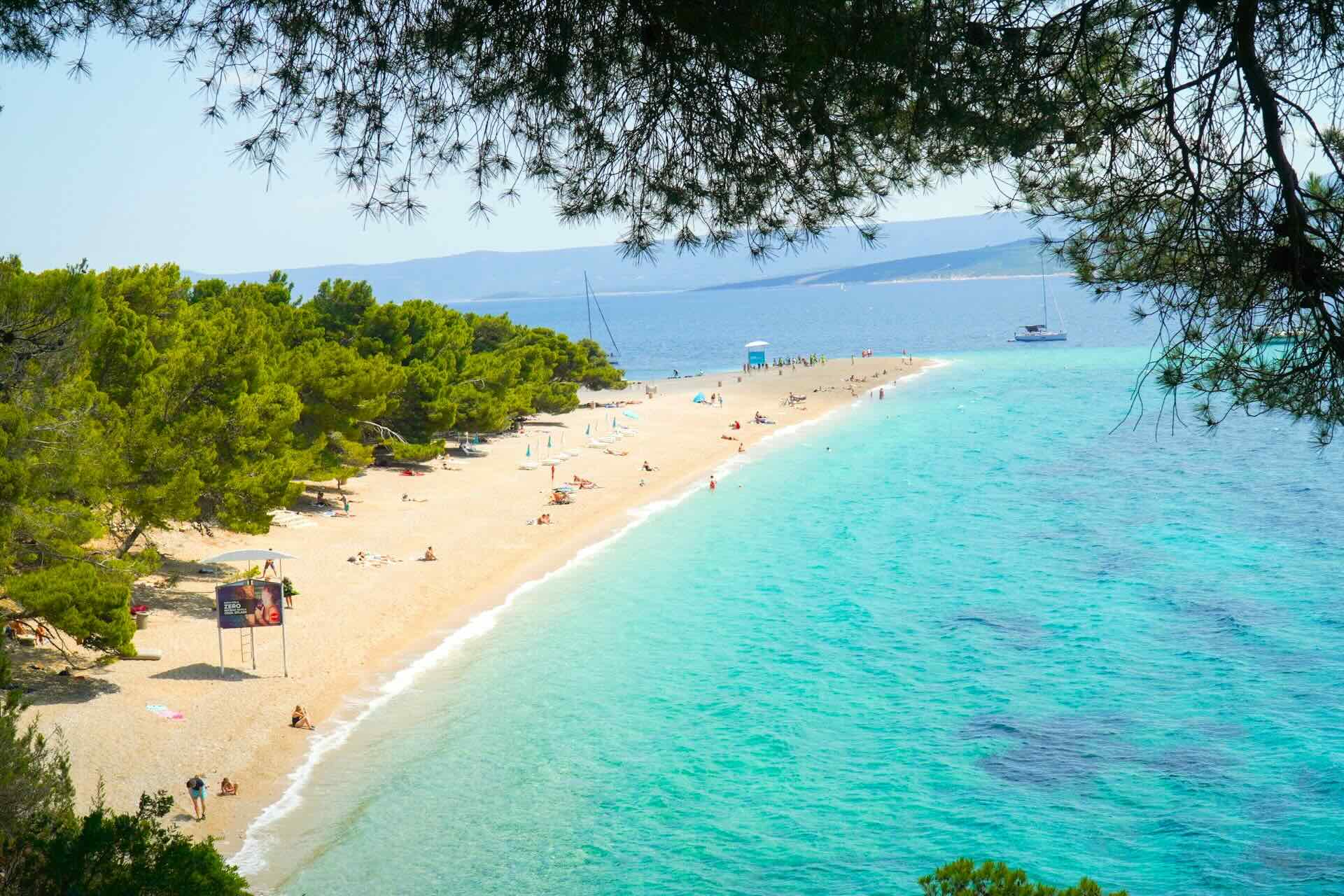
    Split, Croatia Roman history and coastal living come together in a city that feels ancient, social, and remarkably alive. Few places blend historical depth and everyday Mediterranean rhythm as naturally as Split. At the center of the city, Roman stone still shapes the streets, the squares, and the flow of daily life. Around it, cafés fill, ferries come and go, waterfront walks stretch into the evening, and the Adriatic keeps everything feeling open and bright. Split is not a city where history sits apart from the present. It is a place where the past still functions inside ordinary life.

    Why Split Feels So Distinct

    Some coastal cities are mostly about views. Some historic cities are mostly about monuments. Split is more interesting because it does both at once. The city gives you real archaeological weight, but it also feels lived in, informal, and social. You can spend the morning walking through Roman remains and the evening by the water with no sense of transition. That is part of its strength.

    This balance gives Split unusual energy. It feels grounded in history, but never static. It feels Mediterranean, but not sleepy. Travelers who want both atmosphere and movement often connect with Split very quickly because the city feels active from the start without losing its deeper identity.

    A Roman Core That Still Shapes the City

    The defining fact about Split is that its historic center is not simply near a Roman site. It is built through one. The old core grew around the remains of Diocletian’s Palace, and that gives the city a structure unlike almost anywhere else in Europe. The palace is not a separated attraction you visit once and leave behind. It remains part of the city’s daily urban fabric.

    That is what makes Split so memorable. Roman walls, courtyards, passages, and stone surfaces do not feel remote or ceremonial. They are still part of how people move, gather, shop, eat, and live. History here is not staged. It is occupied.

    Diocletian’s Palace and Everyday Life

    Diocletian’s Palace is the heart of Split, but the most impressive thing about it is how alive it feels. The architecture carries real gravity, but the space around it is full of cafés, apartments, shops, and constant movement. This makes the palace feel less like a ruin and more like a framework for the modern city.

    That creates a very different experience from the one travelers get in places where ancient sites are preserved at a distance. In Split, the old stone is still woven into ordinary routines. That closeness gives the city a kind of depth that is hard to fake. It also means that wandering becomes more rewarding than checklist sightseeing.

    Streets Made for Wandering

    Split is best experienced on foot, especially in and around the old center. Narrow stone lanes, small squares, arches, courtyards, and sudden openings toward the sea all create a city that reveals itself through movement. You do not need a rigid plan to enjoy Split. In fact, the city often feels better when you let it unfold gradually.

    This matters because Split’s charm comes not only from major sites, but from the spaces between them. A side street inside the old core, a staircase with worn stone, a quiet church wall, or a shaded square can leave as strong an impression as any formal landmark. The city’s texture does much of the work.

    Coastal Living as Part of the Identity

    Split’s Adriatic setting shapes the whole mood of the city. The water is not just a scenic edge. It is central to the city’s identity and daily rhythm. Ferries, boats, harbor movement, and the broad waterfront all keep Split feeling open and connected.

    This coastal side gives the city a lighter emotional tone than some historic destinations. The Roman core brings weight, but the sea keeps the city from feeling too enclosed by its own past. That contrast is one of Split’s best qualities. It can feel ancient and easygoing at the same time.

    The Riva and the Social Face of Split

    The Riva, Split’s waterfront promenade, is one of the clearest expressions of the city’s character. This is where coastal living becomes visible. People gather, walk, sit, talk, and linger here in a way that makes the city feel social and confident. The promenade is open, bright, and full of movement, but it rarely feels rushed.

    What makes the Riva so important is that it balances the tighter, older streets of the historic core. After moving through stone lanes and palace walls, the waterfront gives the city air and space. It also reinforces the idea that Split is not only about history. It is also about public life, ease, and time spent outside.

    Mediterranean Rhythm Without Too Much Performance

    Split has a strong coastal rhythm, but it does not feel overly curated. That helps the city. Meals stretch longer, evenings begin later, and the waterfront atmosphere feels natural rather than manufactured. The city supports the slower pleasures of Mediterranean life without turning them into a performance.

    This gives Split real appeal for travelers who want to experience the coast without losing the sense of a functioning city. It feels active, but not too polished. Stylish, but not self conscious. The result is a place that feels welcoming without trying too hard.

    More Than a Historic Stop on the Adriatic

    It would be easy to treat Split as a gateway to islands or a useful stop along the Croatian coast, but that would undersell it. Split has enough identity, beauty, and urban energy to stand on its own. The combination of Roman history and coastal life gives it a stronger personality than many cities that might look more polished at first glance.

    This is one reason Split tends to surprise people. It is not only visually interesting. It also feels complete. The old core, the harbor, the promenade, and the everyday social life all reinforce one another in a way that makes the city feel coherent.

    A City With Real Range

    Split can appeal to very different travelers because it offers more than one version of itself. History focused visitors can spend time in the old core and still feel challenged by its complexity. Food minded travelers can settle into the city’s restaurants, cafés, and slower rhythm. Coastal travelers can enjoy the waterfront and the broader Adriatic setting. Few of these experiences feel disconnected from one another.

    That range is one of Split’s biggest strengths. It allows the trip to have texture without losing focus. The city is layered, but not scattered. That makes it easy to enjoy over several days.

    When Split Feels Best

    Split works especially well when the weather supports walking, outdoor dining, and time on the waterfront. In these conditions, the city’s Roman stone, sea light, and public spaces feel especially vivid. The old center becomes more atmospheric, and the coastal side becomes more central to the experience.

    At the same time, Split’s appeal is not only seasonal. Its deeper strengths, urban form, historical weight, and relationship to the sea, remain visible beyond peak summer conditions. The mood may change, but the city still holds together.

    Who Split Is Best For

    Split suits travelers who appreciate walkability, layered history, and coastal cities that still feel like real cities. It works especially well for couples, solo travelers, and culturally curious visitors who want beauty and atmosphere without having to choose between archaeology and everyday pleasure.

    It is also a strong fit for travelers who want Croatia with more substance than a straightforward beach destination. Split offers sea, yes, but it also offers structure, memory, and a city that continues to live inside its own past.

    The Lasting Appeal of Split

    Split stays with people because it feels integrated. The Roman core gives it depth. The waterfront gives it openness. The old streets give it texture. The Mediterranean pace gives it ease. Nothing feels separated from the rest.

    That is what makes Split more than simply another beautiful city on the Adriatic. It feels like a place where ancient architecture and modern coastal life still support one another every day. For travelers who want history, sea air, and a city with genuine character, Split remains one of the most rewarding destinations in Croatia.

    Plan a trip to Split today.

  • San Miguel de Allende, Mexico Colorful Streets and Cultural Depth

    San Miguel de Allende, Mexico Colorful Streets and Cultural Depth

    San Miguel de Allende, Mexico colorful streets and cultural depth come together in a city that feels artistic, elegant, and deeply rooted in its own identity. The first impression is visual, cobblestone streets, warm facades, church spires, and a palette of colors that seems to glow differently throughout the day. But the city’s real strength is not just how it looks. San Miguel de Allende also has emotional and cultural substance, which is what gives it staying power long after the photographs are gone.

    Why San Miguel de Allende Feels So Distinct

    Some beautiful cities win people over through charm alone. San Miguel de Allende does something more layered. It combines colonial architecture, creative energy, strong local culture, and a slower pace that makes the city feel immersive rather than performative. It has beauty, clearly, but it also has structure and character.

    That balance is a big part of why so many travelers connect with it. The city feels carefully preserved, yet it does not feel frozen. It remains active, social, and lived in. Travelers who want atmosphere without losing access to real urban life often find San Miguel especially satisfying.

    A City Defined by Color and Light

    The visual identity of San Miguel de Allende is one of its most immediate pleasures. The streets are lined with warm reds, ochres, pinks, and earthy tones that give the city both softness and intensity. Light changes everything here. Morning makes the facades feel fresh and quiet, while late afternoon often gives them a richer, more dramatic glow.

    This matters because San Miguel is not beautiful in one narrow way. It changes with the hour, with the angle of the street, and with how much time you give it. The city rewards attention. Even a short walk can feel visually full because the textures, colors, and architectural details remain so consistent.

    The Streets Make the Experience

    San Miguel de Allende is one of those cities best understood on foot. Its streets are not simply routes between attractions. They are part of the attraction. Narrow lanes, stone surfaces, balconies, courtyards, and changing views all create a city that reveals itself through movement.

    That is one reason the place feels so memorable. It does not rely only on one square or one church. The whole urban fabric contributes to the experience. You may turn a corner and find a quiet residential street, then a few minutes later arrive at a lively plaza or a cluster of galleries and cafés. The city feels coherent, but never repetitive.

    Cultural Depth Beyond the Postcard View

    San Miguel’s beauty is easy to notice. Its cultural depth takes a little more time, but it is what makes the city feel substantial rather than merely picturesque. Art, design, music, workshops, galleries, and long standing traditions all contribute to an atmosphere that feels culturally engaged.

    This gives the city a different kind of energy from destinations that depend mostly on scenery. San Miguel does not feel passive. It feels like a place where people make things, study things, show things, and care about beauty as part of daily life. That makes the city especially appealing to travelers who want more than a pretty weekend backdrop.

    Art and Creativity as Part of Daily Life

    San Miguel de Allende has a creative pulse that feels woven into the city rather than isolated in one district. Art spaces, studios, design shops, and smaller cultural venues all reinforce the sense that creativity here is not an accessory. It is part of the place.

    That makes a difference to the travel experience. You are not only looking at old buildings. You are moving through a city that still produces style, conversation, and visual ideas in the present. The city’s artistic reputation feels believable because it shows up in so many ordinary moments, from interiors and storefronts to exhibitions and public spaces.

    Architecture With Real Warmth

    The architecture in San Miguel de Allende is one of the main reasons people come, but what makes it so satisfying is that it feels warm rather than severe. Churches, courtyards, colonial facades, and historic homes all contribute to a strong visual identity, yet the city never feels overly formal.

    This warmth matters. It gives San Miguel elegance without stiffness. The built environment feels refined, but still welcoming. That balance helps explain why the city attracts both travelers looking for beauty and people who want to stay longer and actually settle into the rhythm of the place.

    The Plaza and the Social Heart of the City

    Like many memorable cities, San Miguel has a social core where its identity becomes easiest to feel. Around the main plaza and surrounding streets, the city’s visual beauty and social energy come together. People gather, walk, meet, sit, and move through the area in ways that make the city feel fully alive.

    This is where San Miguel becomes more than architecture. The plazas and shared public spaces give the city its pulse. They help transform preserved beauty into something active and human. That public rhythm is one of the strongest reasons the city does not feel staged.

    A Slower Pace That Works in Its Favor

    San Miguel de Allende rewards slower travel. It is not a city that should be rushed if you want to get the best out of it. The pleasure here comes through walking, lingering, returning to the same streets, sitting in a café, and allowing the city’s atmosphere to settle in gradually.

    This slower rhythm is not a weakness. It is part of the city’s luxury. Even travelers who usually prefer more movement often find themselves adjusting naturally to the pace. San Miguel invites you to notice things, and that invitation is one of its strongest qualities.

    Food, Courtyards, and the Pleasure of Staying Out

    The dining scene in San Miguel fits the city’s mood well. Courtyard restaurants, long lunches, evening meals, and cafés that open naturally into the street all support the sense that this is a city for enjoying time, not just filling it. Meals here often feel like part of the setting rather than an interruption from sightseeing.

    That is another reason San Miguel works so well for travelers who value atmosphere. The city makes it easy to enjoy ordinary pleasures at a high level. Coffee, conversation, light, music, and architecture all seem to cooperate.

    More Than a Pretty Colonial City

    It would be easy to describe San Miguel only through beauty and color, but that would undersell it. The city also has identity, discipline, and cultural seriousness. Its appeal holds because the aesthetics are supported by real texture and meaning.

    This is why San Miguel tends to stay with people longer than expected. It does not just photograph well. It feels complete. The architecture, the pace, the creativity, and the public life all reinforce one another in a way that gives the city genuine depth.

    When San Miguel de Allende Feels Best

    San Miguel can be appealing in multiple seasons, but it works especially well when the weather supports walking, outdoor dining, and long evenings in public spaces. In those conditions, the city’s color, light, and social rhythm become even more vivid.

    Still, the city’s appeal is not only seasonal. Its deeper strengths, architecture, walkability, and cultural life, remain strong throughout the year. That makes it more durable than destinations that depend too heavily on one kind of weather or one narrow version of themselves.

    Who San Miguel de Allende Is Best For

    San Miguel suits travelers who appreciate architecture, art, walkability, and places with a strong visual identity. It works especially well for couples, solo travelers, and culturally curious visitors who want beauty, but also want a city with depth behind it.

    It is also a strong fit for travelers who care about how a destination feels from hour to hour. San Miguel is less about nonstop spectacle and more about sustained atmosphere. For the right traveler, that can be far more memorable.

    The Lasting Appeal of San Miguel de Allende

    San Miguel de Allende stays with people because it feels whole. The colorful streets give it warmth. The architecture gives it grace. The cultural life gives it depth. The slower pace gives it emotional room to breathe. Very few cities hold those qualities together so naturally.

    That is what makes San Miguel de Allende more than simply one of Mexico’s prettiest cities. It feels like a place where beauty and meaning still support one another in everyday life. For travelers who want color, character, and a destination with real cultural presence, San Miguel remains one of the most rewarding city escapes in Mexico.

    Plan a trip to San Miguel de Allende today.

  • Victoria, Canada Coastal Beauty and British Influence

    Victoria, Canada Coastal Beauty and British Influence

    Victoria, Canada coastal beauty and British influence come together in a city that feels polished, walkable, and quietly distinctive from the moment you arrive. Set at the southern tip of Vancouver Island, Victoria combines waterfront views, heritage architecture, gardens, and a slower urban rhythm that makes it feel different from many other North American cities. The city has an undeniable British imprint, but it does not feel like a copy of somewhere else. It feels like its own version of coastal elegance, shaped by the Pacific, by history, and by a way of life that values charm without excess.

    Why Victoria Feels So Distinct

    Some cities are memorable because they overwhelm you. Victoria works through ease and coherence. The harbor, the historic core, the public buildings, and the broader coastal setting all fit together naturally. That gives the city a strong identity without making it feel heavy.

    This is one reason Victoria appeals to so many different kinds of travelers. It offers enough history and atmosphere to feel substantial, but it remains relaxed enough to enjoy without strain. The city feels composed rather than restless. For travelers who want beauty, walkability, and a calmer pace, that can be a major strength.

    A Coastal City With Real Grace

    Victoria’s relationship to the water shapes nearly everything about the experience. The harbor is not just a scenic edge to the city. It is central to how the city presents itself and how visitors understand it. Boats, seaplanes, promenades, and harbor facing landmarks all reinforce the sense that Victoria is a coastal city first.

    That coastal setting gives Victoria openness and softness. Even when you are in the historic center, the city rarely feels boxed in. Light reflects off the water, the air feels maritime, and the whole downtown core carries a sense of space that makes it easy to settle into. Victoria feels urban, but never overly compressed.

    The Inner Harbour and the City’s Public Face

    The Inner Harbour is where Victoria becomes most legible. It gathers together many of the features that define the city, the waterfront, the parliament buildings, the grand hotel presence, and the walkable core. This area gives Victoria its civic and visual center.

    What makes the harbor so effective is that it feels both beautiful and usable. It is not only something to look at. It is somewhere people walk, gather, depart from, and return to. The waterfront gives the city movement, but also a sense of order. It helps Victoria feel elegant without becoming formal in an intimidating way.

    British Influence Without Feeling Staged

    Victoria’s British influence is obvious, but it works best because it feels woven into the city rather than pasted onto it. You notice it in the architecture, in garden culture, in traditions around tea and public formality, and in the general civility of the urban atmosphere. The city carries these elements naturally.

    That distinction matters. Victoria does not feel like a themed version of Britain on the Pacific coast. It feels like a Canadian city whose history left behind a particular urban character, one that still shapes the look and rhythm of the place today. That makes the British influence feel more believable and more appealing.

    Heritage Architecture and a Strong Sense of Place

    Victoria’s built environment helps give the city much of its personality. Heritage buildings, older storefronts, and grand public architecture create a setting that feels established and visually coherent. The city’s most recognizable buildings do not overpower the downtown. Instead, they anchor it.

    This helps Victoria feel more complete than cities where the historical elements have been reduced to a few isolated landmarks. Here, the older architecture still contributes to the mood of ordinary walking. It is not just there for photographs. It shapes the city’s identity at street level.

    Gardens, Green Space, and Soft Urban Beauty

    Victoria is also known for its gardens and green spaces, and that contributes significantly to its appeal. The city does not feel hard edged. Public parks, landscaped areas, and floral detail soften the built environment and make the city feel more welcoming.

    This greener quality matters because it changes how the city is experienced. Victoria feels less about rushing between attractions and more about enjoying the spaces in between. A walk through a park, a garden stop, or even a tree lined street can become part of the reason the city stays with people. The beauty here is not only architectural. It is also cultivated and seasonal.

    A City That Rewards Walking

    Victoria is especially satisfying on foot. The downtown and harbor areas connect naturally, and the city’s scale makes it easy to move from landmark spaces to quieter streets without much friction. Walking here does not feel like a logistical compromise. It feels like the proper way to understand the city.

    That walkability changes the tone of a trip. You can notice transitions more clearly, from harbor openness to heritage streets, from civic grandeur to smaller local corners. The city reveals itself gently. That is often where Victoria is at its best.

    More Than a Pretty Harbour City

    It would be easy to reduce Victoria to scenery and charm, but that would miss what gives it depth. The city also carries historical weight, a strong civic identity, and a broader regional importance that prevent it from feeling merely decorative. It is attractive, yes, but it also feels rooted.

    This is part of what makes Victoria more satisfying over several days than some visitors expect. The city has enough texture to support slower discovery. It is not only a pretty first impression. It also has continuity, structure, and a more layered urban life beneath its polished surface.

    Coastal Ease and Everyday Pleasure

    Victoria works particularly well for travelers who enjoy the quieter pleasures of a city. Coffee near the harbor, a long walk through the center, an unhurried meal, or an afternoon in a garden all feel especially natural here. The city supports that kind of travel because its pace encourages presence rather than urgency.

    That makes Victoria attractive to travelers who are less interested in nonstop spectacle and more interested in atmosphere. The city does not need to exhaust itself to keep attention. Its strength lies in how comfortable it feels to inhabit, even briefly.

    When Victoria Feels Best

    Victoria can work across much of the year, but it is especially appealing when the weather encourages time outdoors and longer waterfront walks. In these conditions, the relationship between harbor, gardens, and historic core becomes even clearer. The city feels brighter, softer, and more open.

    At the same time, Victoria’s appeal is not entirely seasonal. Its architectural character and coastal setting give it enough shape to remain attractive even when the skies turn grayer. The mood changes, but the city still holds together.

    Who Victoria Is Best For

    Victoria suits travelers who care about walkability, atmosphere, gardens, and cities that feel elegant without becoming overwhelming. It works especially well for couples, solo travelers, and culturally curious visitors who want a destination with beauty, history, and a strong sense of place.

    It is also a very good fit for travelers who want a coastal city with refinement, but without the pace and scale of a much larger urban center. Victoria offers presence without pressure, which is not as common as it should be.

    The Lasting Appeal of Victoria

    Victoria stays with people because it feels balanced. The harbor gives it openness. The British influence gives it character. The gardens give it softness. The heritage core gives it continuity. Nothing feels disconnected from the rest.

    That is what makes Victoria more than simply a charming city in Canada. It feels like a place where coastal beauty and historical influence have settled into one coherent urban experience. For travelers who want grace, scenery, and a city that feels both polished and personal, Victoria remains one of the strongest destinations on the Pacific coast.

    Plan a trip to Victoria today.