Tag: budget travel

  • The Most Underrated U.S. National Parks

    The Most Underrated U.S. National Parks

    When travelers think of America’s national parks, places like Yellowstone, Yosemite, and the Grand Canyon usually come to mind. But beyond these icons lie dozens of underrated U.S. National Parks that rival them in beauty, solitude, and adventure. These underrated gems often offer the same breathtaking landscapes and wildlife without the crowds, traffic, or high costs that come with the more famous ones.

    From desert canyons and volcanic craters to alpine lakes and coastal forests, here are some of the most underrated national parks in the United States worth adding to your travel list.

    Great Basin National Park, Nevada

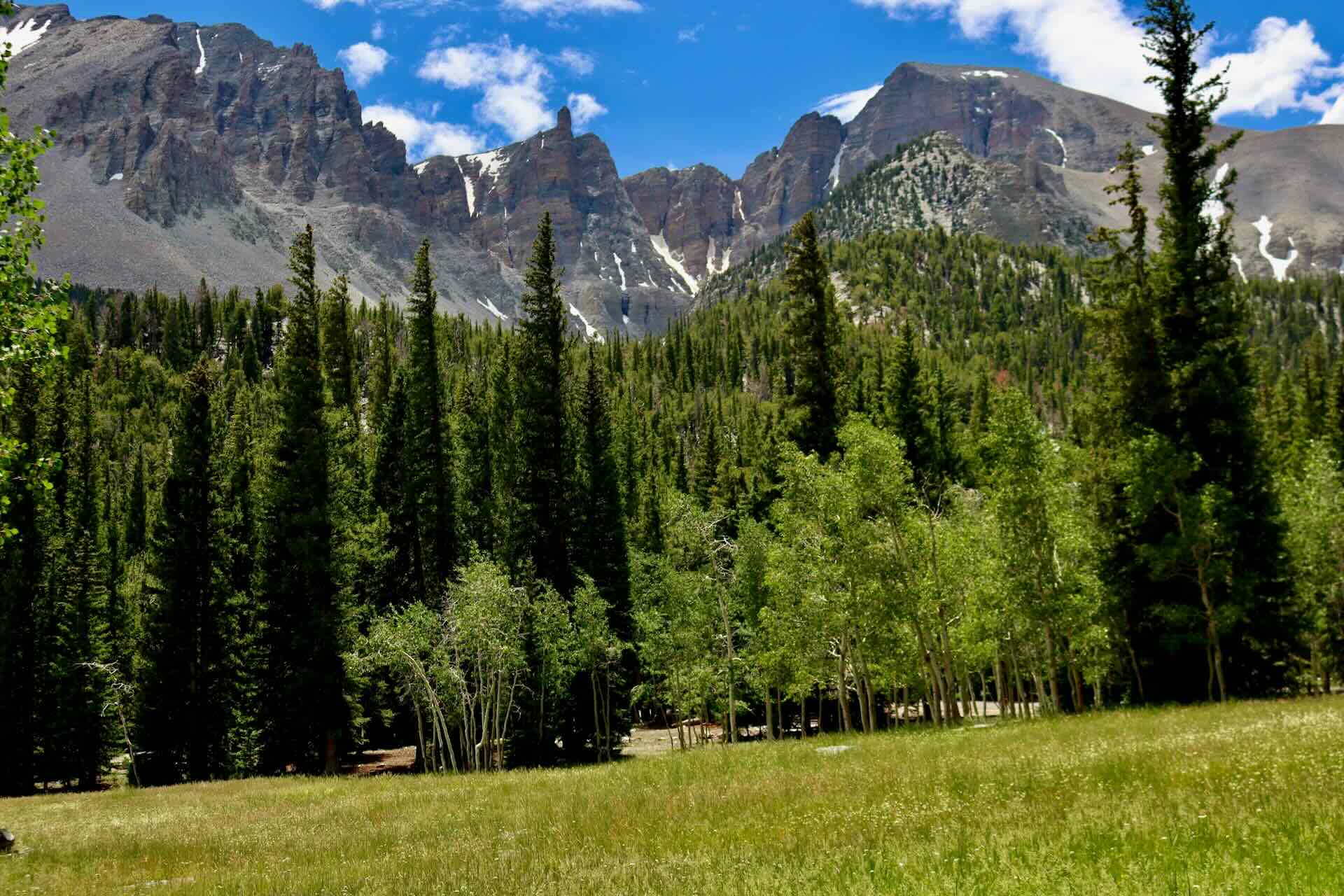
    Few people visit Great Basin National Park, and that rarity makes it truly special. Located near the Utah border, this park offers a fascinating mix of alpine forests, desert valleys, and ancient caves.

    What Makes It Underrated

    Most people associate Nevada with Las Vegas, not mountain peaks and glaciers, but Great Basin transforms that perception. The park’s remote location means you’ll find quiet trails, star-filled skies, and pristine wilderness without the crowds.

    What to See

    • Lehman Caves: A stunning marble cave system filled with stalactites and stalagmites.
    • Wheeler Peak Scenic Drive: Take in breathtaking views of the Snake Range.
    • Stargazing: Great Basin is an International Dark Sky Park, offering some of the best stargazing in North America.

    Great Basin proves that Nevada’s natural beauty is every bit as dazzling as its city lights.

    North Cascades National Park, Washington

    Travelers call North Cascades National Park the “American Alps,” yet far fewer people visit it than Mount Rainier or Olympic National Park. Its jagged peaks, turquoise lakes, and endless trails make it a paradise for hikers and photographers.

    What Makes It Underrated

    Despite being only a few hours from Seattle, North Cascades remains wonderfully uncrowded. Much of the park is wilderness, making it perfect for travelers seeking peace and isolation.

    What to See

    • Diablo Lake: Its surreal blue-green color comes from glacial minerals and is a must-see.
    • Cascade Pass Trail: One of the park’s best hikes, offering sweeping alpine views.
    • Ross Lake: Ideal for kayaking, camping, and spotting bald eagles.

    If you love dramatic landscapes without the rush of tourist traffic, North Cascades is a hidden gem waiting to be explored.

    Guadalupe Mountains National Park, Texas

    In far West Texas, near the New Mexico border, lies Guadalupe Mountains National Park, home to rugged peaks, canyons, and one of the best-preserved fossil reefs on Earth.

    What Makes It Underrated

    Guadalupe Mountains National Park is overshadowed by nearby Carlsbad Caverns, yet it offers incredible hiking and solitude. Its dry desert landscape hides lush canyons, forests, and wildlife, making it one of the most diverse ecosystems in Texas.

    What to See

    • Guadalupe Peak: The highest point in Texas, offering panoramic desert views.
    • McKittrick Canyon: Famous for its fall colors, a rarity in the desert Southwest.
    • Devil’s Hall Trail: A moderate hike through narrow limestone canyons and natural rock formations.

    Guadalupe Mountains is a quiet, powerful reminder of the Southwest’s geological and natural beauty.

    Lassen Volcanic National Park, California

    Lassen Volcanic is one of California’s best-kept secrets. While Yosemite and Sequoia get most of the attention, Lassen offers a surreal landscape of steaming fumaroles, alpine lakes, and wildflower meadows.

    What Makes It Underrated

    Lassen Volcanic sits off the beaten path in Northern California, which keeps its crowds low. Yet it’s one of the few places in the world where you can see all four types of volcanoes, shield, plug dome, cinder cone, and composite in one park.

    What to See

    • Bumpass Hell: A geothermal area with bubbling mud pots and steaming vents.
    • Manzanita Lake: A serene spot for kayaking and reflection photography.
    • Cinder Cone Trail: A steep but unforgettable hike up a volcanic cone with panoramic views of the Painted Dunes.

    Lassen is perfect for travelers who want the drama of Yellowstone without the congestion.

    Congaree National Park, South Carolina

    Located just outside Columbia, Congaree National Park is a lush, mysterious swamp unlike any other park in the country. It’s home to one of the largest intact old-growth bottomland hardwood forests in North America.

    What Makes It Underrated

    Congaree doesn’t have mountains or geysers, which makes it easy to overlook. But this quiet park is rich in biodiversity and offers a completely different kind of wilderness experience, peaceful, humid, and hauntingly beautiful.

    What to See

    • Boardwalk Loop Trail: A 2.4-mile raised boardwalk through ancient cypress trees and still waters.
    • Kayaking or Canoeing: Paddle through the slow-moving Cedar Creek and watch for turtles, owls, and herons.
    • Firefly Season: Each spring, synchronized fireflies light up the forest in one of nature’s most magical displays.

    Congaree’s otherworldly stillness offers a kind of serenity few parks can match.

    Theodore Roosevelt National Park, North Dakota

    Named after the conservation-minded president, Theodore Roosevelt National Park is a testament to the wild spirit of the American West. With its colorful badlands, wild bison, and star-filled nights, it’s one of the country’s most photogenic yet least-visited parks.

    What Makes It Underrated

    Its remote location in western North Dakota keeps visitor numbers low, but those who make the journey are rewarded with breathtaking scenery and solitude.

    What to See

    • Painted Canyon Overlook: A sweeping view of layered rock formations.
    • Wildlife Watching: Expect bison, wild horses, prairie dogs, and golden eagles.
    • Scenic Loop Drive: Perfect for a relaxed day of sightseeing and photography.

    For anyone seeking a true American frontier experience, this park delivers authenticity in spades.

    Isle Royale National Park, Michigan

    This remote island park in Lake Superior is one of the least visited in the U.S., not because it lacks beauty, but because it’s only accessible by boat or seaplane.

    What Makes It Underrated

    Isle Royale’s isolation is part of its charm. Once you arrive, you’re surrounded by rugged wilderness, crystal-clear waters, and an eerie, peaceful quiet that feels far removed from civilization.

    What to See

    • Greenstone Ridge Trail: A 40-mile backpacking route across the island’s ridges and forests.
    • Scuba Diving: The cold waters preserve historic shipwrecks that divers can explore.
    • Wildlife: Moose and wolves roam freely, making for one of the most unique ecosystems in the country.

    Isle Royale is not for casual tourists, it’s for travelers seeking solitude, challenge, and connection to nature.

    Why These Parks Deserve More Love

    Each of these parks offers something rare in today’s world: space, silence, and authenticity. They remind us that adventure doesn’t require standing in line or jostling for the perfect photo spot.

    Underrated parks also give travelers a chance to support smaller communities and experience America’s natural beauty more sustainably. They encourage slower travel and deeper appreciation, values that align perfectly with the future of exploration.

    So before you book that trip to the usual tourist hotspots, consider taking the road less traveled. You might just find your new favorite place in one of these hidden natural treasures.

    Plan a trip to America’s most underrated national parks with TravelPal.ai
  • Place of the Week: Explore Sunriver, Oregon

    Place of the Week: Explore Sunriver, Oregon

    Tucked away in central Oregon’s high desert, Sunriver is the kind of destination that feels like a secret, an outdoorsy paradise where pine forests meet volcanic landscapes, and adventure pairs perfectly with peace. Just 20 minutes south of Bend, this resort-style community offers year-round beauty, family-friendly activities, and a calm, luxurious energy without the steep prices of bigger mountain towns.

    Whether you’re drawn to snow-capped peaks, scenic cycling trails, or relaxing by the river, Sunriver delivers a little bit of everything, making it one of the most underrated places to visit in the Pacific Northwest.

    A Scenic Playground for All Seasons

    Few places in Oregon balance nature and recreation as effortlessly as Sunriver. At an elevation of about 4,200 feet, the area experiences all four seasons, each offering something special.

    Spring and Summer

    When the snow melts, Sunriver becomes a playground for outdoor lovers. More than 40 miles of paved bike paths wind through meadows, pine groves, and along the Deschutes River. Kayakers and paddleboarders can spend hours gliding across calm stretches of water, while fly fishers try their luck at rainbow trout.

    Nearby, Lava Lands Visitor Center and Newberry National Volcanic Monument showcase the region’s ancient geology. You can hike across lava fields, explore underground caves, and stand atop Lava Butte for panoramic views of the Cascades.

    Fall and Winter

    Autumn paints the landscape in gold and crimson, making it ideal for photographers and hikers. As winter arrives, the scenery transforms into a snowy wonderland. Just 25 minutes away, Mt. Bachelor Ski Resort offers some of the best skiing and snowboarding in the Pacific Northwest.

    Back in Sunriver, families can enjoy snowshoeing, sledding, or simply cozying up by the fire in a cabin. It’s a perfect balance of adventure and relaxation, ideal for couples, families, and solo travelers alike.

    What Makes Sunriver Unique

    Sunriver is more than just another mountain destination, it’s a meticulously designed resort community that still feels deeply connected to nature. The town’s layout encourages exploration on foot or by bike, making cars almost optional once you arrive.

    There’s also a peaceful rhythm here that sets it apart from busier destinations like Bend or Lake Tahoe. It’s a place where mornings start with coffee on the deck, afternoons are spent outdoors, and evenings end under an endless canopy of stars.

    The Deschutes River

    The Deschutes River is the heart of Sunriver life. Whether you’re floating lazily downstream on an inner tube or watching the sunset reflect on its glassy surface, the river is a constant presence.

    Rent a kayak or join a guided float tour to see the best of the area’s wildlife, bald eagles, deer, and river otters are frequent visitors. For those seeking serenity, early morning paddles are particularly magical, with mist rising off the water and pine scent hanging in the air.

    Stargazing at the Sunriver Observatory

    Sunriver is home to the Oregon Observatory, one of the largest publicly accessible observatories in the United States. Thanks to the region’s low light pollution, visitors can see planets, nebulae, and star clusters in remarkable detail. Evening viewing sessions are open most nights during the summer and are a must for families and astronomy enthusiasts.

    The Village at Sunriver

    Every great vacation spot needs a hub, and in Sunriver, that’s The Village. This charming central plaza features boutique shops, local eateries, art galleries, and seasonal events. You can grab breakfast at Hot Lava Bakery, rent bikes, and then return for dinner at South Bend Bistro or Marcello’s Cucina Italiana.

    In winter, the village transforms into a holiday wonderland, complete with an ice skating rink and festive lights that make evening strolls feel straight out of a postcard.

    Outdoor Adventures Beyond Sunriver

    Part of Sunriver’s charm is its proximity to some of Oregon’s best natural landmarks. Within a short drive, you can reach high alpine lakes, rugged trails, and volcanic wonders that define the region’s landscape.

    Newberry National Volcanic Monument

    Only 15 miles from Sunriver, this vast volcanic preserve is home to crater lakes, lava flows, and waterfalls. Paulina Lakeand East Lake are favorites for boating and fishing, while the Big Obsidian Flow Trail offers an easy yet fascinating hike through glittering black lava glass.

    Smith Rock State Park

    About an hour north, Smith Rock is one of the most famous climbing destinations in the world. Even if you’re not a climber, the park’s canyon views and scenic trails make it worth the trip. The Misery Ridge Trail is a challenging but rewarding hike, offering panoramic views of the Crooked River below.

    Cascade Lakes Scenic Byway

    This 66-mile route winds past pristine alpine lakes, snow-capped peaks, and lush forests. It’s one of Oregon’s most beautiful drives, especially in late spring and summer. Stop at Sparks Lake or Elk Lake for a picnic, a swim, or simply to take in the view.

    Affordable Luxury and Comfortable Stays

    Sunriver’s lodging options range from family-friendly condos to luxurious homes with private hot tubs. Prices tend to be lower than similar destinations in Colorado or California, especially outside of peak holiday weeks.

    Where to Stay

    • Sunriver Resort: The heart of the community, offering hotel rooms, cabins, and vacation rentals with direct access to golf courses and bike paths.
    • Vacation Rentals: Many private homes in the area are available for short-term stays, ideal for families or groups.
    • Nearby Bend: For those wanting a bit more nightlife, Bend is just 20 minutes away with breweries, live music, and boutique hotels.

    With so many options, it’s easy to find accommodations that fit your budget without sacrificing comfort or location.

    Dining and Local Flavors

    Sunriver’s food scene is casual yet high-quality, focusing on local ingredients and fresh flavors. Whether you’re dining riverside or grabbing a quick bite in the village, the atmosphere is always relaxed.

    Where to Eat

    • Hola! Sunriver: A local favorite blending Peruvian and Mexican cuisine, famous for its margaritas and river views.
    • Blondie’s Pizza: Ideal for families after a long day outdoors.
    • The Lodge Kitchen: For a more upscale dinner featuring local ingredients and stunning sunset views.

    Nearby Bend also offers an incredible brewery scene, with dozens of craft breweries and taprooms within easy reach.

    Why Sunriver Should Be on Your List

    Sunriver combines the best of Oregon mountain views, river adventures, starry skies, and warm hospitality. It’s peaceful but never dull, upscale yet approachable, and perfect for travelers who want nature without sacrificing comfort.

    Whether you’re planning a romantic getaway, a family trip, or an outdoor escape with friends, Sunriver delivers value, variety, and unforgettable beauty.

    Plan a trip to Sunriver, Oregon with TravelPal.ai

  • The Most Underrated National Parks in the World

    The Most Underrated National Parks in the World

    When most people think of national parks, places like Yellowstone, Kruger, or Banff usually come to mind. These world-famous reserves attract millions of visitors each year. But beyond the crowds, there are dozens of extraordinary underrated national parks that remain off the radar, just as beautiful, often more peaceful, and just waiting to be explored.

    These hidden natural treasures stretch across every continent, from Iceland’s volcanic plains to Madagascar’s rainforests. They prove that nature’s most breathtaking wonders don’t always make the headlines. Here are some of the world’s most underrated national parks to add to your future travel list.

    Torres del Paine National Park, Chile

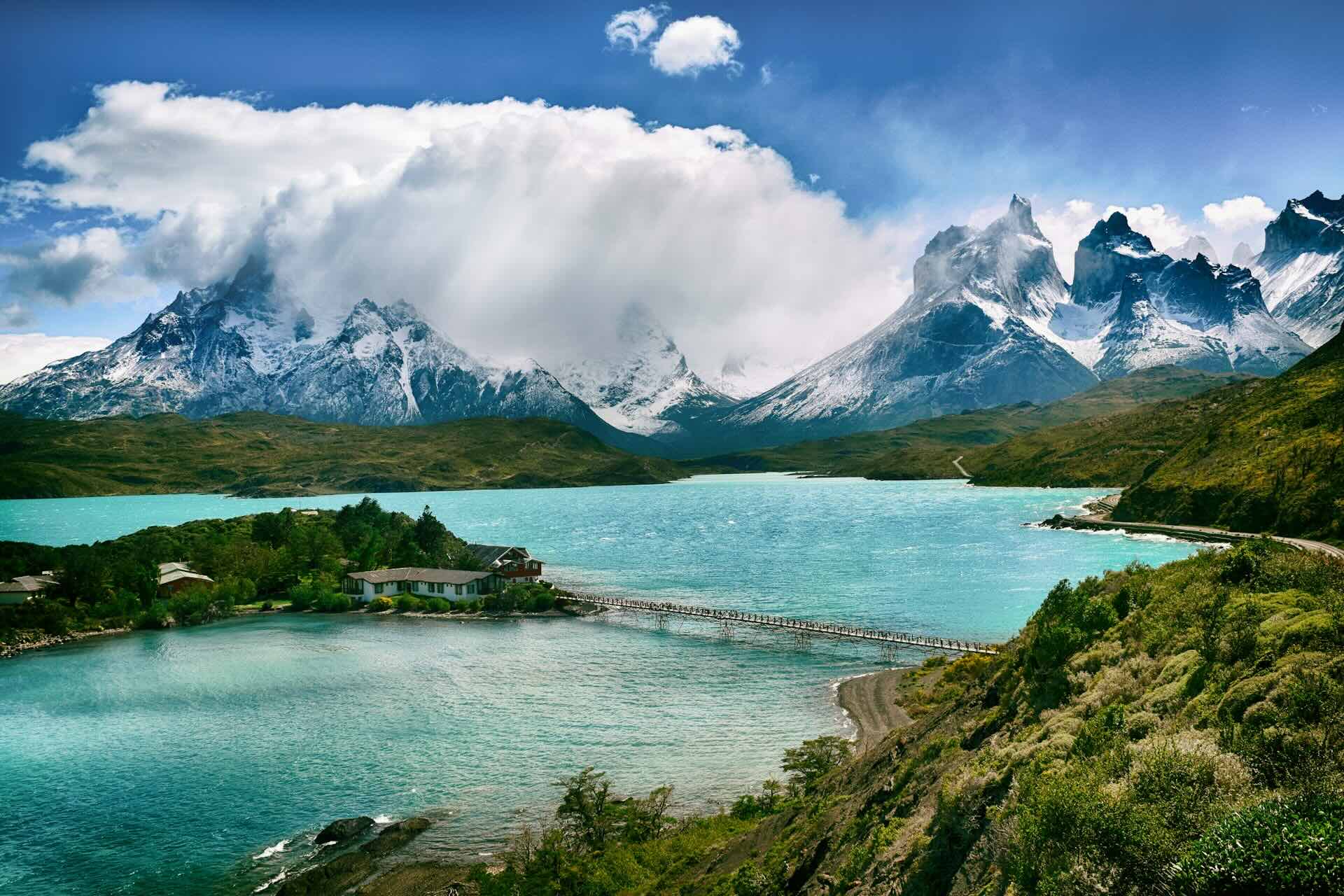
    Tucked deep in Chilean Patagonia, Torres del Paine is a place of sheer drama. Its granite towers, blue glaciers, and turquoise lakes make it one of the most photogenic landscapes on Earth. Yet despite its beauty, it still sees far fewer visitors than parks in North America or Europe.

    What Makes It Special

    Torres del Paine offers wild, untouched wilderness that feels truly remote. You can hike for days without encountering another traveler. The W Trek and O Circuit are two of the most scenic long-distance trails in the world, passing through valleys, glaciers, and windswept plains dotted with guanacos and condors.

    Why It’s Underrated

    Patagonia’s remoteness keeps crowds away. Getting here takes effort, several flights, bus rides, or even ferries, but that isolation is exactly what makes the experience unforgettable.

    Aoraki / Mount Cook National Park, New Zealand

    New Zealand’s South Island is home to some of the world’s most striking alpine scenery, and Aoraki / Mount Cook National Park sits at its heart. The park’s namesake peak, Aoraki, is the tallest mountain in New Zealand and a symbol of natural beauty and Māori heritage.

    What Makes It Special

    Aoraki offers endless opportunities for hiking, mountaineering, and stargazing. The Hooker Valley Track is an easy trail that delivers glacier views and suspension bridge crossings. After sunset, the park becomes one of the best stargazing locations on the planet, part of the Aoraki Mackenzie International Dark Sky Reserve.

    Why It’s Underrated

    Many travelers visit New Zealand for adventure tourism or Lord of the Rings locations but overlook Mount Cook’s pristine wilderness. Its accessibility and beauty make it one of the most rewarding parks to explore with minimal crowds.

    Daintree National Park, Australia

    Few places on Earth can match the biodiversity of Daintree National Park in northern Queensland. This lush rainforest, older than the Amazon, is home to unique species found nowhere else, from cassowaries to ancient ferns that predate human civilization.

    What Makes It Special

    Daintree blends tropical rainforest with coral reef ecosystems. You can explore forest boardwalks in the morning, cruise the Daintree River spotting crocodiles in the afternoon, and snorkel at the edge of the Great Barrier Reef by sunset.

    Why It’s Underrated

    Most travelers focus on Australia’s big icons like Uluru or the Great Barrier Reef itself. Daintree offers a quieter, more immersive nature experience, allowing visitors to witness the world’s oldest tropical rainforest without mass tourism.

    Vatnajökull National Park, Iceland

    Vatnajökull National Park covers nearly 15 percent of Iceland and protects Europe’s largest glacier. It’s a world of ice caves, volcanoes, and thundering waterfalls, all combining into one of the most dramatic landscapes on the planet.

    What Makes It Special

    Visitors can explore glacial lagoons, hike beneath active volcanoes, and even venture into blue ice caves formed within the glacier. The park also includes Dettifoss, one of Europe’s most powerful waterfalls, and Skaftafell, a hiker’s paradise with accessible trails.

    Why It’s Underrated

    While Iceland has become a global travel hotspot, many visitors limit themselves to the Golden Circle or Reykjavik. Vatnajökull requires a bit more effort but rewards travelers with silence, space, and otherworldly beauty that feels untouched by time.

    Andasibe-Mantadia National Park, Madagascar

    Madagascar’s national parks are unlike anywhere else on Earth, and Andasibe-Mantadia is one of the country’s most enchanting. Located just a few hours from Antananarivo, it’s home to dense rainforests filled with lemurs, chameleons, and exotic orchids.

    What Makes It Special

    The park is famous for the Indri, the largest living lemur, known for its haunting song that echoes through the forest. Guided night walks reveal colorful frogs, leaf-tailed geckos, and glowing insects that make the park feel almost magical.

    Why It’s Underrated

    Madagascar remains under-visited due to limited infrastructure, but those who make the trip experience a biodiversity found nowhere else on Earth. Every hike feels like stepping into a living documentary.

    Triglav National Park, Slovenia

    Nestled in the Julian Alps, Triglav National Park is Slovenia’s only national park, yet it remains one of Europe’s best-kept secrets. It’s centered around Mount Triglav, the country’s highest peak, and offers everything from alpine lakes to limestone caves.

    What Makes It Special

    Triglav is a hiker’s dream, with scenic routes through meadows and mountains. Lake Bohinj, a pristine glacial lake surrounded by forested peaks, rivals the beauty of nearby Lake Bled but sees far fewer visitors.

    Why It’s Underrated

    Most European travelers focus on Switzerland or Austria for alpine adventures, overlooking Slovenia’s equally stunning landscapes. Affordable accommodations and fewer crowds make Triglav a smart and serene alternative.

    Rapa Nui National Park, Chile (Easter Island)

    Rapa Nui National Park, located on Easter Island, is both a natural wonder and an open-air archaeological museum. Its windswept plains and volcanic hills are dotted with the mysterious moai statues carved by the island’s ancient inhabitants.

    What Makes It Special

    Rapa Nui offers a rare fusion of nature and culture. Visitors can hike to volcanic craters, explore lava tubes, and watch the sunrise over rows of moai facing the Pacific Ocean.

    Why It’s Underrated

    Its remote location in the South Pacific limits access, but that isolation adds to its magic. Visiting Rapa Nui feels like traveling to another world, one that preserves a culture and landscape unlike anywhere else.

    Kluane National Park and Reserve, Canada

    Located in the Yukon, Kluane National Park protects Canada’s highest peak, Mount Logan, and some of the largest ice fields outside the polar regions. It’s a land of rugged mountains, glaciers, and grizzly bears.

    What Makes It Special

    Kluane offers jaw-dropping scenery, from glacial valleys to alpine tundra. Few experiences compare to a scenic flight over the ice fields or kayaking on Kathleen Lake under the midnight sun.

    Why It’s Underrated

    Its northern location makes it less accessible than Banff or Jasper, but the solitude and scale of the wilderness make Kluane one of the most awe-inspiring national parks in North America.

    Namib-Naukluft National Park, Namibia

    Stretching across vast desert landscapes, Namib-Naukluft is one of the world’s largest national parks. Its red sand dunes, some of the tallest on Earth, shift in color with the sunrise and sunset, creating surreal photographic scenes.

    What Makes It Special

    The park’s highlight is Sossusvlei, where ancient camel thorn trees stand on cracked white clay against a backdrop of orange dunes. The contrast feels otherworldly, especially at dawn.

    Why It’s Underrated

    Namibia is a stable and safe country with stunning scenery, yet it remains under-visited. The Namib Desert’s remote setting makes every moment there feel like an encounter with infinity.

    Why These Parks Belong on Your Travel List

    What makes these parks special isn’t just their landscapes, it’s their authenticity. They haven’t been commercialized or overwhelmed by mass tourism. Instead, they invite travelers to slow down, disconnect, and rediscover what exploration truly means.

    From the glaciers of Iceland to the deserts of Namibia, these underrated parks reveal the diversity and wonder of our planet. They remind us that even in a world mapped by satellites, there are still wild, quiet places waiting to be found.

    Plan a trip to the world’s most underrated national parks with TravelPal.ai
  • How to Travel Sustainably in the Tropics

    How to Travel Sustainably in the Tropics

    The tropics have long been a dream destination for travelers seeking white-sand beaches, turquoise waters, and lush rainforests. From the Maldives and Bali to Costa Rica and the Caribbean, tropical destinations promise warmth, beauty, and adventure. Yet as tourism grows, these fragile ecosystems face increasing pressure. Learning how to travel sustainably in the tropics ensures that paradise remains intact, not only for visitors today but for generations to come.

    Sustainable travel isn’t about giving up comfort or luxury. It’s about making mindful choices that support local communities, protect natural resources, and minimize environmental impact. Whether you’re planning a beach vacation, a rainforest trek, or an island-hopping journey, here’s how to make your tropical travels both meaningful and responsible.

    Choose Eco-Friendly Destinations

    Not all tropical destinations approach sustainability the same way. Some countries have made major commitments to environmental protection, while others are just beginning. When planning your trip, research which destinations invest in conservation and eco-tourism initiatives.

    Countries Leading in Sustainability

    • Costa Rica: Known as one of the world’s most sustainable destinations, Costa Rica protects more than a quarter of its land through national parks and reserves. The country runs on over 98% renewable energy.
    • The Seychelles: This Indian Ocean paradise limits resort development to preserve coral reefs and marine life. Local organizations promote reef restoration and marine sanctuaries.
    • Bali, Indonesia: Bali’s eco-tourism movement continues to grow, with green hotels, organic farms, and yoga retreats supporting sustainable practices.
    • Belize: With vast coral reefs, jungles, and Mayan ruins, Belize promotes low-impact tourism through eco-lodges and strict environmental standards.

    Choosing destinations that prioritize sustainability amplifies your impact as a traveler and helps local governments continue protecting their environments.

    Stay at Eco-Conscious Accommodations

    Accommodations play a major role in reducing tourism’s footprint. Eco-lodges, boutique resorts, and certified green hotels minimize waste, conserve energy, and employ local staff.

    What to Look For

    • Certifications: Look for certifications such as Green Globe, EarthCheck, or LEED. These recognize hotels and resorts meeting global sustainability standards.
    • Energy and Water Efficiency: Many eco-resorts use solar panels, rainwater collection systems, and low-energy appliances.
    • Local Materials: Properties built with natural or locally sourced materials reduce transportation emissions and support local artisans.
    • Waste Reduction: Resorts that compost, recycle, and minimize plastic use set the standard for sustainable hospitality.

    By choosing such accommodations, you support a travel industry that values both comfort and conservation.

    Support Local Communities

    Sustainable travel isn’t just about the environment, it’s also about people. Spending money with local businesses ensures that tourism directly benefits the communities who make these destinations special.

    How to Contribute Positively

    • Eat Local: Choose locally owned restaurants serving regional dishes made with local ingredients.
    • Book Local Tours: Hire guides from the community who can share authentic stories and knowledge.
    • Shop Responsibly: Buy crafts and souvenirs made by local artisans rather than imported factory goods.
    • Stay Longer: Slow travel reduces frequent flights and allows you to contribute more meaningfully to the local economy.

    Supporting communities keeps traditions alive while encouraging sustainable growth that benefits both residents and visitors.

    Respect Wildlife and Marine Life

    Many tropical destinations thrive on wildlife tourism, from snorkeling with sea turtles to birdwatching in rainforests. However, not all encounters are ethical. Responsible travelers prioritize animal welfare and ecological balance.

    Best Practices

    • Avoid Touching Animals: Even gentle contact can harm delicate species like coral or disrupt animal behavior.
    • Say No to Captive Attractions: Avoid venues that exploit animals for entertainment, such as dolphin shows or wildlife selfies.
    • Use Reef-Safe Sunscreen: Standard sunscreen contains chemicals that damage coral reefs. Choose reef-safe brands labeled “oxybenzone- and octinoxate-free.”
    • Respect Protected Areas: Always follow park guidelines, stick to marked trails, and never remove shells, coral, or plants.

    Protecting wildlife ensures that natural ecosystems remain healthy and thriving for generations of travelers to come.

    Minimize Plastic and Waste

    Plastic pollution poses one of the greatest threats to tropical environments. Many islands struggle with waste management, and single-use plastics often end up in the ocean. Reducing plastic use is one of the simplest and most impactful ways to travel sustainably.

    Smart Swaps

    • Carry a reusable water bottle with a built-in filter.
    • Bring a reusable shopping bag for markets and groceries.
    • Use bamboo or metal straws instead of plastic ones.
    • Choose rechargeable batteries and eco-friendly toiletries packaged in biodegradable or refillable containers.

    Even small changes add up when multiplied by millions of travelers each year.

    Choose Low-Impact Transportation

    Getting around tropical regions often means boats, planes, and cars, but travelers can make more sustainable choices.

    • Opt for Ferries Over Flights: When island hopping, ferries are far more fuel-efficient than short flights.
    • Use Public Transportation: Many tropical destinations offer buses, tuk-tuks, and shuttles.
    • Rent Bicycles or E-Bikes: For short distances, these reduce emissions while giving you a better view of your surroundings.
    • Offset Flights: Some airlines and platforms let you offset carbon emissions by supporting reforestation or renewable energy projects.

    TravelPal helps simplify transportation planning by recommending the most sustainable routes and local transport options available for your itinerary.

    Conserve Energy and Water

    In tropical regions, resources like water and electricity are often limited, especially on small islands. Conserving these resources is crucial.

    Easy Ways to Help

    • Turn off lights, fans, and air conditioning when leaving your room.
    • Take shorter showers and reuse towels.
    • Choose accommodations with renewable energy sources.
    • Report leaks or wasteful practices when you see them.

    Simple habits practiced by many travelers can make a significant difference.

    Experience Nature Mindfully

    The tropics are a sensory paradise, but they’re also fragile ecosystems. Practicing mindfulness in nature enhances both your experience and the environment’s wellbeing.

    • Take Only Memories: Avoid collecting shells, coral, or plants as souvenirs.
    • Keep Noise Low: Wildlife and locals both appreciate a peaceful atmosphere.
    • Leave No Trace: Dispose of trash properly and leave destinations cleaner than you found them.
    • Educate Others: Share sustainable practices with fellow travelers to inspire broader change.

    How TravelPal Encourages Sustainable Travel

    TravelPal isn’t just about convenience, it’s about responsible exploration. The platform helps travelers find eco-friendly accommodations, sustainable transport options, and activities that respect both culture and environment.

    TravelPal’s itinerary builder can identify green-certified hotels, recommend local experiences, and even calculate lower-emission routes for multi-destination trips. For tropical travelers, it simplifies responsible planning by connecting you directly to businesses and experiences that prioritize sustainability.

    With just a few taps, you can ensure your tropical getaway aligns with your values, supporting conservation while still enjoying the beauty of the islands, beaches, and rainforests that define the region.

    Why Sustainable Travel in the Tropics Matters

    The tropics are among the most biodiverse regions on Earth, yet they’re also the most vulnerable to climate change, pollution, and overdevelopment. Every traveler has the power to protect them. Sustainable tourism isn’t just a trend, it’s a movement that balances exploration with respect.

    By choosing local over luxury, conservation over convenience, and mindfulness over excess, travelers help preserve what makes the tropics extraordinary. Responsible choices, guided by intention and platforms like TravelPal, ensure that the beauty of these destinations remains as vibrant as ever.

    Plan a trip to the tropics at TravelPal.ai

  • Traveling on a Budget: 5 Surprisingly Affordable U.S. Cities Part 1

    Traveling on a Budget: 5 Surprisingly Affordable U.S. Cities Part 1

    Traveling doesn’t have to drain your savings. Across the United States, there are cities filled with culture, great food, and adventure that don’t come with luxury price tags. Whether you’re seeking art, history, or a vibrant food scene, affordable U.S. cities deliver memorable experiences without breaking the bank.

    From charming Southern cities to lively Midwestern gems, here are five surprisingly affordable U.S. destinations worth adding to your travel list—starting with one that’s rich in history and hospitality: San Antonio, Texas.

    San Antonio, Texas

    San Antonio blends history, culture, and value better than almost any city in America. It’s home to the legendary Alamo, the picturesque River Walk, and one of the most authentic food scenes in Texas—all at a fraction of the cost of nearby Austin or Dallas.

    Why It’s Affordable

    San Antonio’s cost of living is lower than most major U.S. cities, meaning hotels, dining, and attractions are more budget-friendly. You can stay in charming boutique hotels or family-run inns near downtown without overspending. Many of the city’s top attractions, including the Alamo and the historic missions, are free to visit.

    What to Do

    • Walk the River Walk: Stretching along the San Antonio River, this scenic walkway is lined with cafés, shops, and mariachi bands. Strolling it at sunset is a local favorite.
    • Visit The Alamo: One of the most famous historical sites in the U.S., it’s free to enter and offers a glimpse into Texas’ fight for independence.
    • Explore the Pearl District: This revitalized area blends history with hip dining and shopping, perfect for people-watching and enjoying a craft coffee.

    San Antonio’s blend of affordability and authenticity makes it a perfect destination for travelers seeking rich culture on a modest budget.

    Kansas City, Missouri

    Kansas City might surprise you with how much it offers for so little. Known for its barbecue, jazz music, and friendly locals, it’s one of the most wallet-friendly destinations in the Midwest.

    Why It’s Affordable

    Accommodations and attractions are generally less expensive than in coastal cities. You’ll find hotels downtown for under $150 a night and plenty of free or low-cost experiences. Food is another major draw—some of the best barbecue in the world costs less than a fast-food meal.

    What to Do

    • Tour the American Jazz Museum: Learn how jazz shaped the city and listen to live performances nearby in the historic 18th & Vine district.
    • Feast on BBQ: Grab a plate at Joe’s Kansas City Bar-B-Que or Gates Bar-B-Q for iconic ribs and burnt ends.
    • Stroll the Country Club Plaza: Modeled after Seville, Spain, this outdoor shopping district offers great architecture, fountains, and window shopping.

    Kansas City is ideal for travelers who want an authentic cultural experience that feels both relaxing and rewarding for the price.

    Albuquerque, New Mexico

    Albuquerque offers colorful culture, outdoor adventure, and a dose of Southwestern charm—all for an impressively low cost. From hot air balloon rides to historic adobe architecture, this city delivers big on experiences without big spending.

    Why It’s Affordable

    Hotels and short-term rentals are cheaper than in nearby Santa Fe, and dining is refreshingly reasonable. Visitors can enjoy local cuisine like green chile enchiladas or sopapillas for under $10 a meal. The city also boasts plenty of free attractions, including hiking trails and art walks.

    What to Do

    • Ride the Sandia Peak Tramway: One of the world’s longest aerial tram rides offers panoramic views of the desert for under $30.
    • Explore Old Town: Filled with adobe buildings, artisan shops, and historic landmarks, it’s free to wander and rich in local culture.
    • Attend the Albuquerque International Balloon Fiesta: Even as a spectator, the sight of hundreds of colorful balloons rising at dawn is unforgettable.

    Albuquerque’s combination of natural beauty, deep culture, and low prices makes it one of the Southwest’s best-kept secrets.

    Pittsburgh, Pennsylvania

    Pittsburgh has reinvented itself from a steel city to a hub of art, innovation, and outdoor beauty—without losing its affordability. With its bridges, museums, and emerging food scene, it’s one of the East Coast’s best-value destinations.

    Why It’s Affordable

    You can find centrally located hotels for less than $150 per night, and many attractions—such as the Carnegie museums—offer affordable entry fees. The city’s walkable neighborhoods and reliable public transit also make exploring inexpensive and easy.

    What to Do

    • Ride the Duquesne Incline: For just a few dollars, this century-old funicular offers one of the best skyline views in America.
    • Visit the Andy Warhol Museum: Explore the life and work of the pop art icon born in Pittsburgh.
    • Walk Across the Bridges: With more bridges than Venice, Pittsburgh’s riverside views are as photogenic as they are free.

    Pittsburgh’s mix of industrial charm and cultural sophistication makes it a destination that surprises and delights at every turn.

    Memphis, Tennessee

    Memphis is the birthplace of blues, rock ‘n’ roll, and some of the best Southern food you’ll ever taste. Despite its legendary status, it remains one of the most affordable cultural cities in the U.S.

    Why It’s Affordable

    Hotels, food, and attractions cost significantly less than in Nashville or New Orleans. You can enjoy world-class music, history, and cuisine at a fraction of the price. Many of the city’s best experiences—like walking Beale Street—are completely free.

    What to Do

    • Tour Sun Studio: See where Elvis Presley, Johnny Cash, and B.B. King recorded some of their greatest hits.
    • Visit the National Civil Rights Museum: A deeply moving experience located at the former Lorraine Motel.
    • Eat Your Way Through the South: From ribs at Central BBQ to soul food at The Four Way, every meal feels like part of Memphis’ story.

    Memphis delivers big on music, flavor, and history while staying easy on the wallet—making it one of the most rewarding budget destinations in the country.

    Why Budget Travel Is Back in Style

    In today’s world, travelers value experiences over extravagance. Affordable cities like these prove that you don’t need a massive budget to explore, learn, and connect. With a little creativity and planning, even a weekend getaway can feel like a grand adventure.

    The key is to focus on cities that prioritize culture, walkability, and community over luxury tourism. Whether you’re eating tacos on the River Walk in San Antonio or catching live blues in Memphis, these destinations remind us that travel is about joy, not price tags.

    Plan a trip to America’s most affordable travel cities with TravelPal.ai

  • Traveling on a Budget: 5 Surprisingly Affordable U.S. Cities Part 2

    Traveling on a Budget: 5 Surprisingly Affordable U.S. Cities Part 2

    If Part 1 proved anything, it’s that you don’t need a luxury budget to have an incredible vacation. The U.S. is full of destinations where you can enjoy art, food, and culture without draining your wallet. From mountain towns and music capitals to coastal getaways, these surprisingly affordable U.S. cities deliver memorable experiences at affordable prices.

    Here’s the second half of our guide to the most surprisingly affordable cities in America for travelers looking to stretch their dollars—and still make every moment count.

    Savannah, Georgia

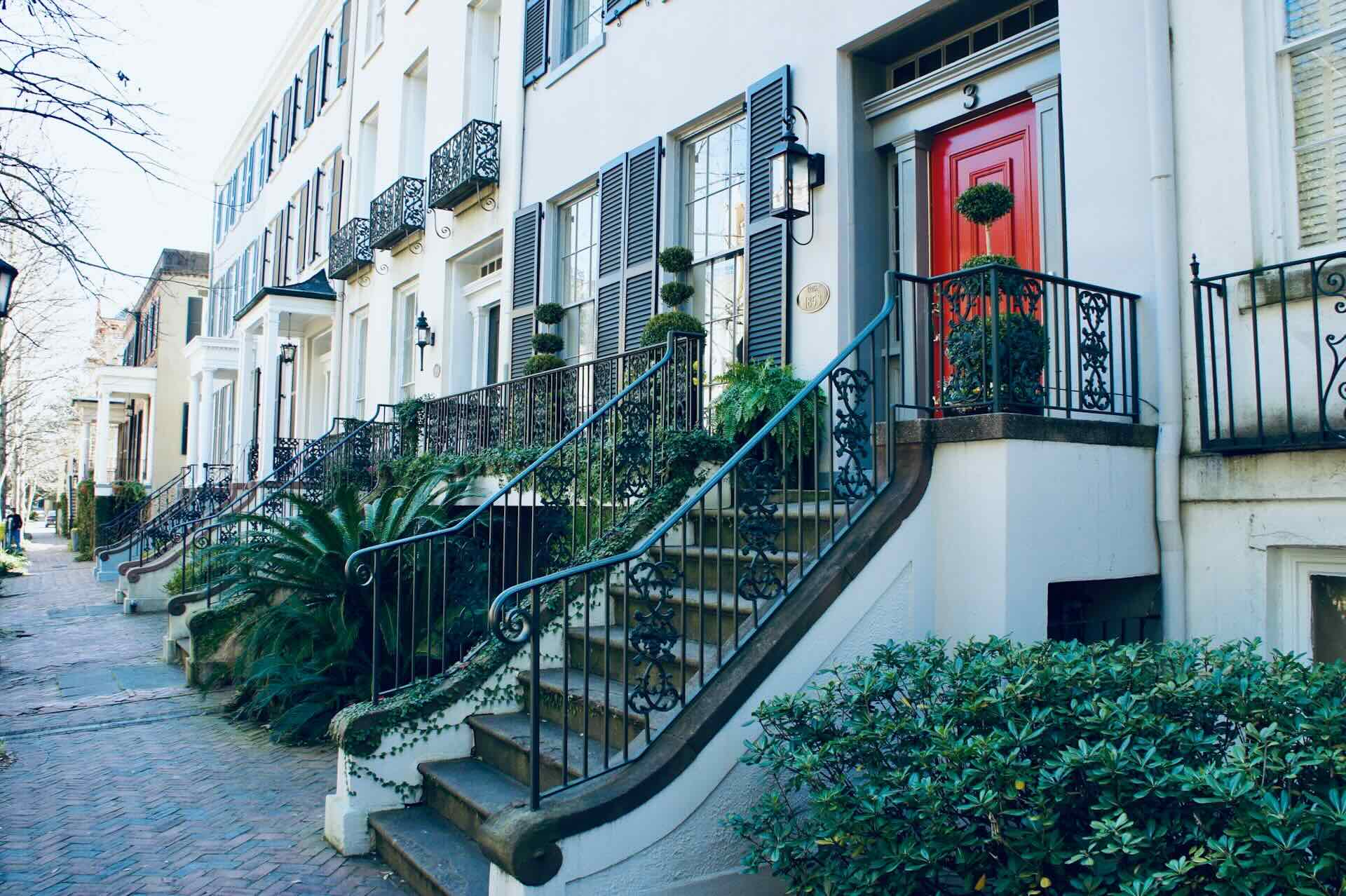
    Savannah is one of the most picturesque cities in the United States, with cobblestone streets, moss-draped oak trees, and historic squares straight out of a movie scene. It’s also an incredibly budget-friendly destination for those who crave charm and character.

    Why It’s Affordable

    Savannah’s walkable downtown means you can explore without ever needing a car. Affordable bed-and-breakfasts and boutique hotels line the Historic District, and many of the city’s top attractions—like Forsyth Park and River Street—are free to enjoy.

    What to Do

    • Stroll Through Forsyth Park: Savannah’s most photographed park is perfect for picnics and people-watching.
    • Walk the Historic District: Admire centuries-old homes and hidden gardens without spending a dime.
    • Explore River Street: Lined with shops, art galleries, and live music, it’s a favorite for visitors on a budget.

    Savannah’s timeless beauty and low-cost charm make it one of the best value destinations in the South.

    Portland, Maine

    Portland offers New England’s coastal charm at a fraction of the cost of pricier destinations like Boston or Cape Cod. Known for its lighthouses, lobster rolls, and creative food scene, this small city is perfect for travelers seeking seaside serenity.

    Why It’s Affordable

    Portland’s compact layout makes it easy to explore on foot or by bike, saving on transportation costs. Budget travelers can enjoy fresh seafood at casual wharf-side shacks and local breweries without spending heavily.

    What to Do

    • Visit Portland Head Light: Maine’s oldest lighthouse is free to visit and offers stunning views of the Atlantic.
    • Wander the Old Port District: Cobblestone streets, boutique shops, and street performers make this area endlessly fun to explore.
    • Sample Local Eats: Grab a lobster roll or craft beer without paying luxury prices.

    Portland’s affordability and laid-back coastal vibe make it a must-visit for anyone who loves the sea, fresh food, and local flavor.

    St. Louis, Missouri

    St. Louis often flies under the radar, but it’s one of the best-value destinations in the Midwest. With free museums, green spaces, and an exciting cultural scene, it’s an easy city to enjoy on any budget.

    Why It’s Affordable

    Many of St. Louis’ top attractions are completely free, including the St. Louis Zoo, Art Museum, and Science Center. The city’s public transportation system makes getting around inexpensive, and local restaurants serve up hearty Midwest comfort food at reasonable prices.

    What to Do

    • Visit the Gateway Arch: For a small fee, you can ride to the top and take in panoramic views of the city.
    • Spend Time in Forest Park: Larger than Central Park, it’s home to multiple museums, trails, and lakes—all free.
    • Catch Live Music: Local blues clubs and outdoor festivals offer entertainment at little to no cost.

    With its affordability and abundance of free attractions, St. Louis offers one of the best cultural payoffs for budget-conscious travelers.

    Boise, Idaho

    Boise is quickly emerging as one of America’s most livable—and affordable—outdoor cities. It’s clean, friendly, and surrounded by mountains, rivers, and hiking trails that make it perfect for nature lovers on a budget.

    Why It’s Affordable

    Hotel prices remain reasonable year-round, and outdoor activities are often free or low-cost. Whether you’re mountain biking in the foothills or floating down the Boise River, there’s no shortage of inexpensive fun.

    What to Do

    • Hike the Ridge to Rivers Trail System: Hundreds of miles of trails surround the city.
    • Explore Downtown Boise: Enjoy local restaurants, art murals, and public markets.
    • Float the Boise River: A summertime favorite that costs little more than an inflatable tube rental.

    Boise’s blend of affordability and outdoor adventure makes it ideal for travelers who prefer scenic escapes to crowded tourist spots.

    New Orleans, Louisiana

    New Orleans might be famous for its music, food, and nightlife, but it’s also one of the most affordable cultural destinations in the U.S.—especially if you know where to look.

    Why It’s Affordable

    Many of the Crescent City’s best experiences are free. You can listen to live jazz in the French Quarter, walk through the Garden District, or join a second-line parade without spending a dime. Street food and local cafés serve up incredible flavors for less than most major cities.

    What to Do

    • Listen to Live Jazz on Frenchmen Street: Skip the cover charges on Bourbon Street and enjoy authentic, open-air performances.
    • Walk the Garden District: Admire historic mansions and oak-lined streets at your own pace.
    • Eat Like a Local: Try po’boys, beignets, and jambalaya from family-owned eateries that are easy on the wallet.

    New Orleans offers one of the richest cultural experiences in the country—proof that world-class doesn’t have to mean high-priced.

    Why Affordable Doesn’t Mean Ordinary

    Traveling on a budget doesn’t mean settling for less—it means traveling smarter. Cities like Savannah, Portland, and New Orleans show that affordable destinations can also be full of life, beauty, and flavor. These places offer free attractions, walkable streets, and locally owned restaurants that reflect the soul of their communities.

    With more travelers prioritizing authenticity and value, these U.S. cities represent a shift toward meaningful, budget-friendly exploration. Whether you’re drawn to coastal charm, mountain air, or soulful music, the possibilities for adventure are endless.

    Plan a trip to America’s most affordable destinations with TravelPal.ai

  • Traveling on a Budget: 5 Surprisingly Affordable U.S. Cities Part 3

    Traveling on a Budget: 5 Surprisingly Affordable U.S. Cities Part 3

    Affordable travel in the U.S. is easier than ever, especially if you know where to look. Beyond the well-known big cities, there are countless underrated destinations that offer stunning scenery, authentic local experiences, and excellent food—all without breaking your budget. Whether you’re exploring the Great Lakes, the desert Southwest, or the deep South, these five affordable cities prove that unforgettable travel doesn’t have to come with a hefty price tag.

    Tucson, Arizona

    Tucson combines desert beauty, cultural richness, and affordability like few other destinations in the Southwest. It’s a UNESCO City of Gastronomy, surrounded by national parks, and filled with free or low-cost things to do year-round.

    Why It’s Affordable

    Hotels and dining options in Tucson tend to be far cheaper than nearby Phoenix or Scottsdale. You can enjoy world-class Mexican and Southwestern cuisine for less than $20 a meal, and outdoor activities—like hiking Sabino Canyon or exploring Saguaro National Park—cost little to nothing.

    What to Do

    • Hike in Saguaro National Park: Towering cactus forests and mountain trails provide incredible views and photos.
    • Explore the Mission San Xavier del Bac: This 18th-century mission is free to visit and showcases stunning Spanish colonial architecture.
    • Eat Authentic Mexican Food: Don’t miss El Charro Café, one of the oldest family-owned Mexican restaurants in the U.S.

    Tucson’s mix of affordability and authenticity makes it one of the best-value destinations in the American Southwest.

    Milwaukee, Wisconsin

    Milwaukee often flies under the radar, but it’s one of the most wallet-friendly big cities in the Midwest. Known for its breweries, lakeside beauty, and arts scene, it delivers a big-city experience with small-town prices.

    Why It’s Affordable

    Hotel rates are significantly lower than nearby Chicago, and many attractions—like the Milwaukee RiverWalk and city festivals—are free. The city’s efficient public transportation and walkable downtown help visitors save even more.

    What to Do

    • Tour the Milwaukee Art Museum: Its futuristic architecture alone is worth the visit, and free days make it even better.
    • Stroll the RiverWalk: Stretching three miles through the heart of downtown, it’s lined with restaurants, public art, and scenic views.
    • Sample Local Beer: Milwaukee’s craft brewery scene is thriving, and tours are often inexpensive or complimentary.

    Milwaukee delivers culture, history, and charm at a price that’s hard to beat.

    Asheville, North Carolina

    Nestled in the Blue Ridge Mountains, Asheville is known for its creative energy, mountain views, and artistic soul. Despite its growing popularity, it remains surprisingly affordable—especially for travelers seeking outdoor adventure and local flavor.

    Why It’s Affordable

    You can find cozy mountain cabins and charming inns for under $150 a night. Many of Asheville’s best attractions—like the Blue Ridge Parkway and local hiking trails—are completely free. The city’s thriving farm-to-table food scene also offers excellent value.

    What to Do

    • Drive the Blue Ridge Parkway: One of America’s most scenic roads, lined with overlooks, waterfalls, and hiking trails.
    • Visit the River Arts District: A vibrant collection of artist studios where you can browse or even watch artists at work.
    • Catch Live Music Downtown: From buskers to breweries, there’s no shortage of free entertainment.

    Asheville’s blend of natural beauty and affordability makes it a dream for travelers who love culture, music, and mountain air.

    Omaha, Nebraska

    Omaha may not be the first city that comes to mind for travel, but it’s one of the most surprising hidden gems in the Midwest. With its welcoming atmosphere, great food, and affordable attractions, it’s perfect for a laid-back, low-cost getaway.

    Why It’s Affordable

    Hotel rates are below the national average, and attractions like the Henry Doorly Zoo—one of the best in the country—are reasonably priced. Dining is also inexpensive, with local favorites like farm-to-table restaurants and hearty steakhouses offering great value.

    What to Do

    • Visit the Old Market District: A cobblestone neighborhood full of restaurants, shops, and galleries.
    • Tour the Joslyn Art Museum: Admission is free and features an impressive collection of European and American art.
    • Walk Across the Bob Kerrey Pedestrian Bridge: Straddle two states at once on this scenic walkway over the Missouri River.

    Omaha’s charm lies in its simplicity—friendly locals, walkable streets, and an authentic Midwestern feel that makes every visit feel like home.

    Birmingham, Alabama

    Once an industrial hub, Birmingham has transformed into a cultural and culinary hotspot with plenty of Southern soul—and it’s still one of the most affordable cities in the South.

    Why It’s Affordable

    The cost of living here is well below the national average, making everything from hotels to meals more accessible. Many attractions, including museums and historical sites, are free or low-cost, and the city’s growing food scene offers incredible value.

    What to Do

    • Walk Through Railroad Park: A 19-acre green space that revitalized downtown and offers free events year-round.
    • Visit the Birmingham Civil Rights Institute: A powerful and moving museum chronicling the history of the Civil Rights Movement.
    • Try Local Cuisine: From barbecue joints to modern Southern fare, Birmingham’s restaurants serve unforgettable meals without luxury prices.

    Birmingham’s combination of history, heart, and affordability makes it one of the South’s best destinations for travelers on a budget.

    Why Affordable Cities Are the New Luxury

    Today’s travelers are redefining what luxury means. It’s no longer about spending the most—it’s about experiencing the most. Cities like Tucson, Asheville, and Birmingham prove that meaningful travel doesn’t require extravagance. Instead, it’s about authenticity, connection, and discovering places that still feel untouched by over-tourism.

    Affordable cities also allow travelers to explore more often. With rising airfare and accommodation costs, these destinations provide the freedom to plan multiple trips throughout the year without financial stress. They offer all the best parts of travel—culture, flavor, and adventure—while staying kind to your wallet.

    So, pack light, plan smart, and explore freely. The most rewarding travel experiences often come from the cities you least expect.

    Plan a trip to America’s most affordable hidden gems with TravelPal.ai

  • Travel Europe Affordably: The Essential Guide

    Travel Europe Affordably: The Essential Guide

    Traveling through Europe doesn’t have to break the bank. While many picture luxury hotels, fine dining, and expensive train rides, the truth is that Europe can be one of the easiest continents to explore on a budget—if you know where to look. From low-cost flights and regional trains to local markets and budget-friendly stays, Europe offers countless ways to experience culture, food, and history without spending a fortune. This essential guide breaks down how to travel Europe affordably while still enjoying every moment.

    Choosing Budget-Friendly Destinations

    Some European countries are naturally easier on the wallet than others. While cities like Paris, Zurich, or London often top the list for expenses, other destinations provide incredible value without sacrificing beauty or experience.

    Eastern Europe

    Countries like Poland, Romania, Hungary, and Bulgaria offer rich history, stunning architecture, and affordable prices. A meal in Kraków might cost a fraction of what you’d pay in Paris, and accommodations in Sofia or Bucharest are both comfortable and inexpensive.

    Southern Europe

    Portugal, Greece, and parts of Spain remain great options for travelers on a budget. Enjoy Mediterranean beaches, local cuisine, and lively cities for less than you’d expect. Smaller towns in these regions often provide the best deals, especially during shoulder seasons in spring and fall.

    The Balkans

    Albania, Bosnia and Herzegovina, and Montenegro are emerging as some of Europe’s best-kept secrets. They offer coastal views, mountain adventures, and authentic local experiences at a fraction of the cost of Western Europe.

    Affordable Transportation Options

    Getting around Europe can be efficient and affordable with the right strategies.

    Budget Airlines

    Europe’s low-cost carriers—such as Ryanair, Wizz Air, and easyJet—offer flights between major cities for as little as the cost of a restaurant meal. Booking in advance and traveling light keeps prices low. Always check luggage policies, as fees can add up quickly.

    Trains and Buses

    Rail passes like Eurail and Interrail are ideal for travelers planning multiple stops. In many Eastern European countries, local trains and buses are cheaper than in the West but just as reliable. Companies like FlixBus connect hundreds of cities across the continent with comfortable, budget-friendly rides.

    Ridesharing and Car Rentals

    Apps like BlaBlaCar let you share rides with locals heading in the same direction, cutting transportation costs and adding a social element to travel. For small groups, car rentals can also be economical, especially in rural areas where public transportation is limited.

    Finding Affordable Accommodations

    Europe’s range of lodging options ensures something for every budget and travel style.

    Hostels

    Modern hostels are no longer just for backpackers. Many offer private rooms, clean facilities, and community spaces. Staying in a hostel is one of the best ways to meet fellow travelers and share tips about local attractions.

    Guesthouses and Family-Run Inns

    In smaller towns, guesthouses and pensions offer a personal touch and great value. Breakfast is often included, and hosts can provide insider advice on local dining and sightseeing.

    Vacation Rentals

    Platforms like Airbnb or Booking.com feature affordable apartments across Europe. Booking longer stays can unlock discounts, and having a kitchen allows you to save money by cooking some meals yourself.

    Budget Hotels

    Chains like Ibis, B&B Hotels, and Premier Inn provide comfort and consistency at reasonable prices. Booking early and outside major tourist zones often yields the best rates.

    Eating Well on a Budget

    Sampling Europe’s cuisine is one of the best parts of travel—and it doesn’t require fine dining.

    Street Food and Local Markets

    In every major city, you’ll find open-air markets and food stalls serving local favorites at low prices. From souvlaki in Athens to pierogi in Warsaw, street food captures the essence of European flavor without the expense.

    Bakeries and Cafés

    In countries like France, Italy, and Austria, bakeries offer delicious pastries and sandwiches for a few euros. Sitting at a café and people-watching is both affordable and authentically European.

    Supermarkets and Picnics

    Buying fresh produce, bread, and cheese from local supermarkets or markets allows for budget-friendly picnics. Many parks and plazas make perfect picnic spots, especially in summer.

    Lunch Specials and Set Menus

    In many European cities, restaurants offer discounted lunch menus—often the same quality as dinner at half the price. Take advantage of these midday deals to enjoy local cuisine without overspending.

    Free and Low-Cost Activities

    Exploring Europe doesn’t require a hefty budget. Some of the most memorable experiences cost little to nothing.

    Walking Tours

    Many cities offer free walking tours led by knowledgeable local guides. These tours provide history, fun facts, and local insights. Tip your guide at the end to show appreciation.

    Museums and Attractions

    Across Europe, numerous museums offer free admission on specific days each month. For example, the Louvre in Paris and the Prado in Madrid both have free-entry hours. Smaller museums and local galleries often charge minimal fees.

    Nature and Outdoor Exploration

    Hiking trails in the Alps, beaches along the Adriatic, or city parks like London’s Hyde Park offer incredible scenery without cost. Walking or biking lets you explore at your own pace and connect with your surroundings.

    Cultural Events

    From outdoor concerts in Vienna to street festivals in Lisbon, Europe hosts countless free or inexpensive cultural events. Check local calendars for seasonal celebrations, parades, or open-air movie nights.

    Money-Saving Travel Tips

    A few smart habits go a long way when traveling Europe affordably.

    • Travel during shoulder seasons: Late spring and early autumn offer pleasant weather and lower prices.
    • Use public transport: Metro systems and trams are efficient and far cheaper than taxis.
    • Carry a reusable water bottle: Tap water is safe to drink in most European countries.
    • Book early: Flights, trains, and accommodations are often cheaper when reserved in advance.
    • Avoid currency exchange kiosks: Use ATMs for better rates, and notify your bank before traveling.
    • Stay connected affordably: Use eSIMs or local SIM cards instead of expensive international roaming.

    Why Budget Travel in Europe Is Rewarding

    Traveling Europe affordably isn’t about cutting corners—it’s about experiencing the continent authentically. Budget travel encourages meaningful interactions, slower exploration, and genuine appreciation of local culture. Instead of rushing through expensive attractions, you’ll linger in small cafés, talk to locals, and uncover hidden gems that luxury travelers often miss.

    Europe’s greatest treasures—its history, architecture, food, and natural beauty—are accessible to anyone willing to plan smartly and travel intentionally. With a mix of preparation and flexibility, exploring Europe on a budget becomes not only possible but incredibly rewarding.

    Plan a trip to Europe at TravelPal.ai