Tag: TravelPal.ai

  • Best Tropical Destinations for a Couple’s Trip

    Best Tropical Destinations for a Couple’s Trip

    Few experiences compare to escaping to the tropics with someone you love. The warmth of the sun, the sound of the waves, and the relaxed rhythm of island life create the perfect backdrop for romance and reconnection. Whether you’re celebrating a honeymoon, anniversary, or just craving quality time together, the tropics offer an ideal balance of seclusion and adventure. From overwater bungalows to secret beaches, here are the best tropical destinations for a couple’s trip that promise memories as beautiful as the scenery.

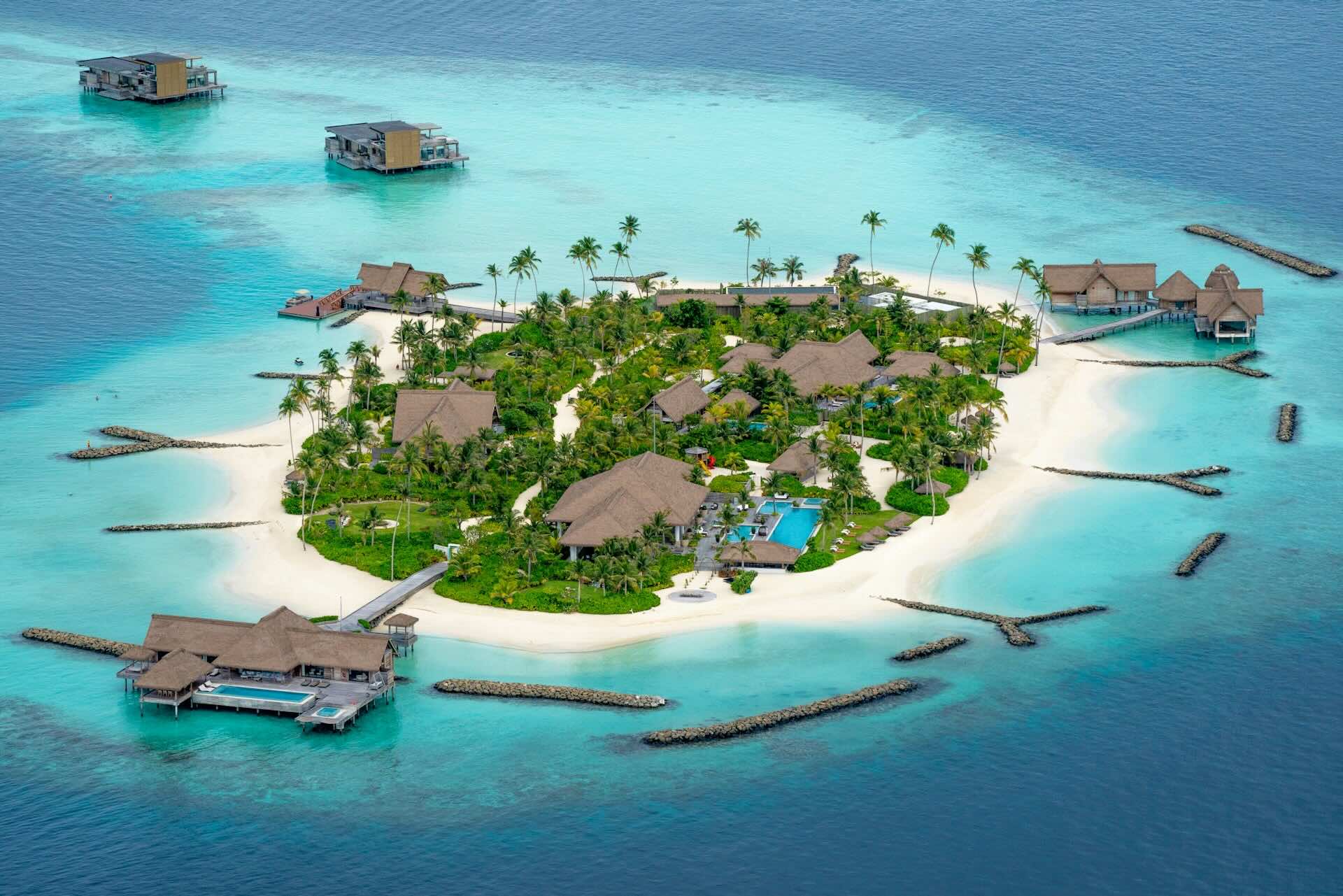
    The Maldives

    The Maldives tops nearly every list of romantic tropical destinations—and for good reason. Scattered across the Indian Ocean, its collection of private islands feels tailor-made for couples seeking privacy and serenity.

    Why It’s Perfect for a Couple’s Trip

    Each resort in the Maldives occupies its own island, meaning you can enjoy total seclusion. Overwater villas with direct ocean access make it easy to swim, snorkel, or simply relax together above turquoise lagoons. Candlelit dinners on the beach, spa treatments for two, and private sunset cruises make this destination synonymous with romance.

    Top Couple’s Trip Experiences

    • Stay in an overwater villa with a private pool.
    • Take a sunset yacht cruise with champagne.
    • Go snorkeling or diving among coral reefs.
    • Enjoy a couples’ massage over the water.

    Bora Bora, French Polynesia

    Bora Bora is often described as paradise on Earth. With its iconic lagoon, lush volcanic peaks, and luxury resorts, it offers couples the ultimate blend of natural beauty and exclusivity.

    Why It’s Perfect for a Couple’s Trip

    Bora Bora’s calm waters and luxurious resorts set the scene for pure romance. The island’s overwater bungalows come with glass floors to watch marine life below, while the stunning backdrop of Mount Otemanu makes every view postcard-perfect.

    Top Couple’s Trip Experiences

    • Snorkel in Bora Bora’s coral gardens.
    • Dine by candlelight on a private sandbank.
    • Take a scenic boat tour of the lagoon.
    • Relax in a beachfront spa with ocean views.

    Maui, Hawaii

    For couples who want tropical beauty without going too far from home, Maui delivers everything from pristine beaches to lush jungles and mountain sunsets. It’s the perfect mix of adventure and relaxation.

    Why It’s Perfect for Couples

    Maui offers variety. You can watch the sunrise from the summit of Haleakalā, explore waterfalls along the Road to Hana, and unwind on secluded beaches—all in one trip. Romantic resorts and oceanfront dining make it easy to enjoy quality time together.

    Top Couple Experiences

    • Watch the sunrise at Haleakalā National Park.
    • Drive the scenic Road to Hana.
    • Go whale watching in winter months.
    • Enjoy a traditional Hawaiian luau under the stars.

    The Seychelles

    Located off the east coast of Africa, the Seychelles is a collection of islands that seem designed for romance. Its white-sand beaches, granite boulders, and clear waters create an atmosphere of effortless beauty.

    Why It’s Perfect for Couples

    The Seychelles combines luxury with untouched nature. Couples can enjoy privacy on uncrowded beaches, hike through lush reserves, or take boat trips to hidden islands. It’s a destination that invites both exploration and tranquility.

    Top Couple Experiences

    • Visit Anse Source d’Argent on La Digue Island.
    • Snorkel or dive among colorful coral reefs.
    • Take a catamaran cruise between Mahé and Praslin.
    • Hike through Morne Seychellois National Park.

    Bali, Indonesia

    Bali’s combination of spirituality, art, and natural beauty makes it one of the most romantic tropical destinations in the world. It’s perfect for couples seeking culture, comfort, and connection.

    Why It’s Perfect for Couples

    Bali offers romantic experiences for every type of traveler. Beach lovers can unwind in Seminyak or Uluwatu, while couples seeking peace can retreat to Ubud’s rice terraces. The island’s wellness retreats, infinity pools, and vibrant sunsets make every moment unforgettable.

    Top Couple Experiences

    • Watch the sunset at Uluwatu Temple.
    • Enjoy a couples’ spa day surrounded by nature.
    • Take a private cooking class and learn Balinese cuisine.
    • Walk through the Tegalalang Rice Terraces.

    St. Lucia, Caribbean

    St. Lucia is known for its dramatic scenery, luxurious resorts, and romantic energy. Its twin volcanic peaks, the Pitons, rise from the Caribbean Sea and create one of the most breathtaking landscapes in the tropics.

    Why It’s Perfect for Couples

    St. Lucia blends relaxation and adventure. You can lounge on sugar-sand beaches, bathe in mineral hot springs, or hike through rainforests. The island’s intimate boutique resorts and cliffside views make it a favorite for honeymoons and anniversaries.

    Top Couple Experiences

    • Hike the Gros Piton Trail together.
    • Soak in the Sulphur Springs mud baths.
    • Sail at sunset along the coast.
    • Relax on Sugar Beach beneath the Pitons.

    The Bahamas

    The Bahamas combines Caribbean warmth with accessibility, making it one of the easiest tropical destinations for couples to reach. With over 700 islands and cays, there’s a perfect spot for every style of getaway—from luxurious resorts to quiet beaches.

    Why It’s Perfect for a Couple’s Trip

    The Bahamas offers variety and convenience. Couples can enjoy the energy of Nassau or the seclusion of the Out Islands. Clear turquoise water, vibrant coral reefs, and endless sunshine make it ideal for both adventure and romance.

    Top Couple’s Trip Experiences

    • Swim with dolphins or nurse sharks.
    • Visit the pink sand beaches of Harbour Island.
    • Take a sailing trip through the Exumas.
    • Enjoy waterfront dining with live island music.

    The Cook Islands

    Less crowded than many tropical destinations, the Cook Islands are a peaceful alternative for couples who want an authentic island experience. Located in the South Pacific, they combine Polynesian charm with stunning natural beauty.

    Why It’s Perfect for Couples

    The Cook Islands offer serenity and connection. There are no massive resorts or crowds—just clear lagoons, friendly locals, and slow island rhythms. It’s perfect for couples who want to disconnect from the world and focus on each other.

    Top Couple Experiences

    • Kayak in the turquoise lagoon of Aitutaki.
    • Bike around Rarotonga’s coastal road.
    • Attend a local island night with music and dance.
    • Snorkel hand in hand among coral gardens.

    Turks and Caicos

    Turks and Caicos is a Caribbean paradise known for its soft sands, turquoise waters, and upscale resorts that cater perfectly to couples.

    Why It’s Perfect for Couples

    Grace Bay Beach is consistently ranked among the world’s best, and the islands’ calm waters make them ideal for swimming and snorkeling. Turks and Caicos is luxurious yet relaxed—a destination that invites romance without pretension.

    Top Couple Experiences

    • Snorkel at Bight Reef or Smith’s Reef.
    • Charter a private boat for a day of island hopping.
    • Watch the sunset with a beachfront dinner.
    • Explore the Conch Bar Caves on Middle Caicos.

    Tahiti, French Polynesia

    Tahiti offers the perfect mix of adventure and intimacy. From waterfalls and black-sand beaches to crystal lagoons, it’s an island that invites couples to explore by day and relax by night.

    Why It’s Perfect for Couples

    Tahiti’s combination of lush rainforest and clear waters gives it a natural romantic energy. You can stay in overwater villas, swim in hidden lagoons, or take scenic drives through mountain valleys.

    Top Couple Experiences

    • Visit the waterfalls of Faarumai.
    • Go snorkeling in the lagoon near Moorea.
    • Take a day cruise to nearby islands.
    • Enjoy a sunset dinner on the beach.

    Why the Tropics Are Made for Two

    Tropical destinations have a way of bringing couples closer. The relaxed pace, natural beauty, and endless opportunities for shared experiences make them the perfect setting for romance. Whether you’re lounging in a hammock, hiking through the rainforest, or watching the sunset from a private beach, the tropics invite connection and joy.

    And with TravelPal, planning your romantic getaway becomes effortless. The platform helps couples discover the best tropical destinations, book stays that fit their style, and create itineraries that balance adventure with relaxation. Whether it’s a secluded overwater villa or a cultural escape filled with local flavor, TravelPal helps you plan every detail with ease—so you can focus on what matters most: each other.

    Plan a trip to the tropics at TravelPal.ai

  • Accessible Tropical Getaways for Every Traveler

    Accessible Tropical Getaways for Every Traveler

    Everyone deserves the chance to experience the beauty of the tropics. The sound of the ocean, the warmth of the sun, and the joy of exploring new places shouldn’t be limited by mobility, age, or ability. Today, many of the world’s most breathtaking accesible tropical getaways are becoming more inclusive, making travel easier and more enjoyable for everyone. From wheelchair-accessible beaches to sensory-friendly resorts, accessibility in paradise is finally getting the attention it deserves.

    Whether you’re planning a family vacation, a romantic retreat, or a solo escape, these accessible tropical getaways ensure comfort, adventure, and relaxation for every traveler.

    Why Accessibility Matters in the Tropics

    Accessible tropical getaways often feature sandy terrain, uneven paths, and remote resorts, which can make travel challenging for people with mobility needs. However, many islands and coastal nations have recognized the importance of inclusive tourism. Accessibility improvements not only benefit travelers with disabilities but also families with strollers, older adults, and anyone who values convenience and comfort.

    Modern resorts, public beaches, and even adventure tours are adapting with ramps, adaptive equipment, and barrier-free design. As a result, travelers no longer have to choose between accessibility and adventure—they can have both.

    Hawaii, United States

    Hawaii sets the standard for accessibility among accesible tropical getaways. With strong infrastructure, clear regulations, and an inclusive approach to tourism, it’s one of the best examples of how a tropical paradise can be open to everyone.

    Why It’s Great for Accessible Travel

    Hawaii’s beaches, parks, and attractions have made impressive strides in accessibility. Many state parks feature paved paths, adaptive beach wheelchairs, and accessible restrooms. The islands’ public transportation systems, including TheBus on Oahu, are wheelchair-friendly, and many tours accommodate guests with mobility devices.

    Top Accessible Experiences

    • Visit Hanauma Bay Nature Preserve, which offers accessible restrooms, beach mats, and adaptive snorkeling gear.
    • Explore the Waikiki Beach area with wide promenades and accessible dining options.
    • Take a scenic drive through Maui’s Haleakalā National Park, where viewing platforms are designed for wheelchair users.
    • Enjoy accessible catamaran cruises with ramps for easy boarding.

    The Bahamas

    The Bahamas continues to expand accessibility across its main islands. Its proximity to the U.S., smooth travel connections, and hospitality-focused culture make it one of the easiest accesible tropical getaways for travelers with mobility needs.

    Why It’s Great for Accessible Travel

    Major resorts in Nassau and Paradise Island feature accessible guest rooms, elevators, and roll-in showers. Many hotels now include adaptive beach access points, and several local tour companies offer accessible excursions. The flat terrain of Nassau and Paradise Island also helps make navigation simple.

    Top Accessible Experiences

    • Stay at an accessible resort on Cable Beach or Paradise Island.
    • Visit Ardastra Gardens & Wildlife Conservation Centre, which offers paved paths and shaded areas.
    • Explore Nassau’s downtown shops and restaurants, many of which now feature ramps and level entrances.
    • Take a day trip on accessible ferries to nearby islands.

    Costa Rica

    Costa Rica is one of the most progressive destinations in Latin America when it comes to sustainable and inclusive travel. Known for its biodiversity, the country is equally committed to making nature accessible to all.

    Why It’s Great for Accessible Travel

    Costa Rica’s national parks and eco-lodges have taken major steps to include accessible trails, ramps, and facilities. Wheelchair-friendly hiking paths and adaptive adventure options—such as ziplining, rafting, and beach access—make this a paradise for travelers who love nature and freedom.

    Top Accessible Experiences

    • Visit Carara National Park, home to one of the country’s most accessible rainforest trails.
    • Relax at accessible beaches like Playa Hermosa in Guanacaste, which offers beach wheelchairs and boardwalks.
    • Stay at eco-lodges with ramps and accessible cabins surrounded by wildlife.
    • Enjoy guided tours with trained accessibility-focused guides.

    Aruba

    Aruba’s motto—“One Happy Island”—applies to everyone. This Caribbean favorite has invested heavily in accessible tourism, ensuring its beaches and hotels are inclusive and welcoming.

    Why It’s Great for Accessible Travel

    Aruba’s compact size and flat landscape make it easy to get around. Many hotels, particularly in Palm Beach and Eagle Beach, have accessible rooms and beach paths. The island’s government works closely with local businesses to ensure compliance with accessibility standards, making navigation smooth for travelers with mobility devices.

    Top Accessible Experiences

    • Relax on Palm Beach, which features accessible walkways and nearby ramps.
    • Visit Arikok National Park’s paved viewpoints for scenic photography.
    • Take an accessible jeep tour to explore Aruba’s desert landscapes.
    • Shop and dine along the barrier-free promenade in Oranjestad.

    Jamaica

    Jamaica is one of the Caribbean’s most soulful destinations, and it’s making great progress toward inclusive travel. From Montego Bay to Ocho Rios, many hotels and attractions now offer features designed for travelers of all abilities.

    Why It’s Great for Accessible Travel

    Jamaica’s tourism board has partnered with hotels and tour operators to make the island’s beauty accessible to everyone. Several major resorts offer roll-in showers, ramps, and mobility rentals. Adventure tours like river rafting and dolphin encounters now include adaptive equipment and assistance.

    Top Accessible Experiences

    • Stay in an accessible suite at a Montego Bay all-inclusive resort.
    • Visit Dunn’s River Falls, which has accessible viewpoints for those who can’t climb the falls.
    • Take an accessible catamaran cruise along the coast.
    • Enjoy reggae concerts and cultural events with barrier-free seating areas.

    The U.S. Virgin Islands

    The U.S. Virgin Islands—St. Thomas, St. John, and St. Croix—combine stunning tropical scenery with U.S. accessibility standards, making them an excellent choice for travelers seeking convenience and inclusivity.

    Why It’s Great for Accessible Travel

    Because they’re part of the United States, these islands follow ADA guidelines, ensuring consistency across hotels, transportation, and attractions. Many beaches now feature mobility mats, and accessible taxis are available throughout the islands.

    Top Accessible Experiences

    • Explore Magens Bay Beach in St. Thomas, which offers ramps, paved paths, and accessible restrooms.
    • Visit St. Croix’s accessible boardwalk in Christiansted for dining and shopping.
    • Take a scenic drive through St. John’s Coral Bay area, where viewpoints are accessible by car.
    • Book a day sail with an adaptive boating company.

    Hawaii’s Pacific Neighbors: Fiji and Tahiti

    Even remote Pacific islands like Fiji and Tahiti are embracing inclusive travel. Both nations have begun incorporating universal design principles into their hotels and attractions, expanding access to travelers with disabilities.

    Why They’re Great for Accessible Travel

    Fiji’s community-based hospitality ensures every traveler feels cared for, while Tahiti’s luxury resorts often include accessible villas with ocean views. Though infrastructure improvements are still ongoing, many private resorts now feature ramps, wide pathways, and accessible pools.

    Top Accessible Experiences

    • In Fiji, stay at Denarau Island resorts with beach wheelchairs and accessible spas.
    • Visit Tahiti’s accessible black-sand beaches near Papeete.
    • Take an accessible lagoon cruise to neighboring islands.
    • Relax at inclusive wellness retreats offering adaptive water therapy.

    TravelPal’s Role in Accesible Tropical Getaways

    Planning an accessible trip used to mean hours of research and coordination—but with TravelPal, it’s simpler than ever. The platform helps travelers identify accessible hotels, beaches, and tours with ease, providing clear details about mobility features, transportation options, and accessibility ratings.

    TravelPal also tailors itineraries to specific needs, factoring in proximity, terrain, and travel logistics. Whether you use a wheelchair, travel with kids, or simply prefer smooth navigation, TravelPal makes the tropics open to everyone.

    Why Accessibility Enhances Every Journey

    Accessible design doesn’t just benefit a few—it improves the experience for all travelers. Barrier-free walkways make it easier to explore with strollers, ergonomic hotel layouts reduce stress, and sensory-friendly activities create peace for those who need it. Inclusive travel invites everyone to share in the world’s beauty.

    The tropics, once thought of as remote and rugged, are now becoming symbols of progress and compassion. When beaches, resorts, and tours are designed for everyone, paradise truly becomes accessible.

    Plan a trip to the tropics at TravelPal.ai

  • Best Winter Vacations for 2025

    Best Winter Vacations for 2025

    Winter travel doesn’t have to mean escaping to the tropics—though that’s always tempting. Whether you crave snowy adventures, cozy city breaks, or sun-drenched beaches, winter 2025 offers countless ways to make the most of the season. As travel rebounds and new destinations rise in popularity, this winter is the perfect time to explore somewhere unforgettable. From alpine ski towns to tropical islands, here are the best winter vacations for 2025 to fit every style of traveler.

    Aspen, Colorado

    Aspen has long been a favorite for winter travelers who love luxury, adventure, and mountain charm. Known for its world-class ski resorts, elegant lodges, and vibrant après-ski scene, it’s the ideal destination for those who want the full winter experience.

    Why Visit in 2025

    Aspen continues to evolve with new restaurants, art galleries, and sustainable ski programs. The town’s pedestrian-friendly streets make it easy to explore, and travelers can balance downhill thrills with spa days or fine dining. Aspen Snowmass now offers updated lifts and eco-friendly snowmaking systems, making your ski trip both exciting and environmentally conscious.

    Top Experiences

    • Ski or snowboard across four connected mountains.
    • Explore Aspen’s art museums and luxury boutiques.
    • Dine fireside at one of the city’s mountain-view restaurants.
    • Attend Winter X Games or live music events in town.

    Kyoto, Japan

    Kyoto offers a different kind of winter magic—serenity, culture, and beauty dusted with snow. Famous for its temples, gardens, and traditional tea houses, Kyoto becomes even more enchanting in the colder months.

    Why Visit in 2025

    Winter is the off-season in Japan, meaning fewer crowds and peaceful sightseeing. Travelers can enjoy cozy hot springs, winter illuminations, and seasonal cuisine like yudofu (tofu hot pot). Kyoto’s commitment to sustainable tourism also ensures an authentic, respectful travel experience.

    Top Experiences

    • Visit Kiyomizu-dera Temple covered in snow.
    • Stroll through the bamboo grove in Arashiyama.
    • Relax in a traditional onsen in nearby Kurama.
    • Experience Japanese New Year celebrations with locals.

    Banff, Canada

    Nestled in the Canadian Rockies, Banff transforms into a winter wonderland from December through March. It’s a dream destination for travelers who love snow sports, natural beauty, and cozy mountain towns.

    Why Visit in 2025

    Banff National Park continues to attract nature lovers for its glacier-fed lakes and dramatic peaks. The town’s eco-conscious approach to tourism means visitors can explore sustainably while enjoying luxury lodges and breathtaking trails.

    Top Experiences

    • Ski or snowboard at Lake Louise Ski Resort.
    • Take a scenic drive along the Icefields Parkway.
    • Soak in the Banff Upper Hot Springs surrounded by snow.
    • Explore the frozen beauty of Johnston Canyon’s ice walk.

    St. Moritz, Switzerland

    St. Moritz is synonymous with elegance and alpine glamour. It’s one of the world’s most famous winter destinations, where pristine slopes meet luxury hotels and gourmet dining.

    Why Visit in 2025

    St. Moritz offers more than just skiing—it’s a lifestyle experience. The town hosts events like the White Turf horse races on frozen lakes, and its historic hotels blend tradition with modern sophistication. Sustainability initiatives have also made St. Moritz one of Europe’s greenest luxury destinations.

    Top Experiences

    • Ski the Corviglia and Diavolezza slopes.
    • Attend the Snow Polo World Cup.
    • Shop along Via Serlas, one of Europe’s chicest streets.
    • Enjoy thermal spa treatments with mountain views.

    The Maldives

    For those who’d rather skip the cold entirely, the Maldives remains the ultimate winter escape. Overwater bungalows, turquoise waters, and tropical sunsets make this destination the perfect antidote to chilly weather.

    Why Visit in 2025

    The Maldives continues to innovate in sustainable tourism, with eco-resorts powered by solar energy and coral restoration programs. Travelers can expect upgraded luxury experiences, including new private islands and underwater dining spots.

    Top Experiences

    • Stay in a private overwater villa.
    • Snorkel among colorful coral reefs and sea turtles.
    • Take a sunset cruise with dolphins.
    • Enjoy world-class spa treatments surrounded by ocean views.

    Vienna, Austria

    Vienna in winter feels like stepping into a snow globe. With festive markets, classical concerts, and cozy coffeehouses, the city exudes European charm at every corner.

    Why Visit in 2025

    Vienna’s winter season brings cultural magic—opera performances, elegant balls, and glowing Christmas markets. The city’s efficient transport system and accessible attractions make it ideal for both solo travelers and families.

    Top Experiences

    • Visit the Vienna Christmas Market at Rathausplatz.
    • Attend a performance at the Vienna State Opera.
    • Warm up with traditional Sachertorte and Viennese coffee.
    • Explore Schönbrunn Palace in its winter splendor.

    Queenstown, New Zealand

    For travelers in search of sunshine and adventure, Queenstown offers a unique twist—it’s summer in New Zealand when it’s winter in the Northern Hemisphere. With its dramatic mountains, crystal lakes, and adrenaline-packed activities, Queenstown is perfect for an active winter escape.

    Why Visit in 2025

    New Zealand’s summer season offers mild weather and fewer crowds compared to peak months. Queenstown’s growing eco-tourism scene makes it an appealing choice for travelers who want both thrills and sustainability.

    Top Experiences

    • Go bungee jumping or skydiving with epic views.
    • Take a wine tour through Central Otago vineyards.
    • Cruise across Lake Wakatipu.
    • Hike or bike along scenic alpine trails.

    Costa Rica

    Costa Rica’s dry season runs from December through April, making winter the best time to visit. It’s a paradise for those who love nature, adventure, and eco-friendly travel.

    Why Visit in 2025

    Costa Rica continues to lead the world in sustainability. Its lush rainforests, active volcanoes, and wildlife sanctuaries create endless opportunities for exploration. Whether you’re ziplining over the jungle or relaxing on the Pacific coast, this tropical destination offers something for everyone.

    Top Experiences

    • Explore Arenal Volcano National Park.
    • Go white-water rafting on the Pacuare River.
    • Relax on the beaches of Manuel Antonio.
    • Stay in an eco-lodge surrounded by rainforest.

    Iceland

    Iceland’s dramatic landscapes make it one of the most awe-inspiring destinations for a winter vacation. With glaciers, hot springs, and the northern lights, it’s a place where nature feels both raw and magical.

    Why Visit in 2025

    Winter in Iceland offers fewer tourists and an otherworldly atmosphere. Improved roads and eco-tours make it easier than ever to explore safely. Travelers seeking both solitude and adventure will find it here.

    Top Experiences

    • Watch the northern lights from a geothermal hot spring.
    • Explore ice caves near Vatnajökull Glacier.
    • Visit Reykjavik’s vibrant winter festivals.
    • Drive the Golden Circle to see geysers and frozen waterfalls.

    Phuket, Thailand

    Phuket offers a tropical escape with a balance of comfort, culture, and natural beauty. Its warm climate, delicious food, and welcoming locals make it one of Asia’s most enjoyable winter destinations.

    Why Visit in 2025

    The island’s post-renovation infrastructure now includes improved public beaches and eco-conscious resorts. With direct international flights, it’s never been easier to reach. The dry season brings perfect weather for swimming, snorkeling, and exploring.

    Top Experiences

    • Relax on Kata Noi or Nai Harn Beach.
    • Take a boat tour to the Phi Phi Islands.
    • Visit Big Buddha and Wat Chalong temples.
    • Enjoy Thai street food at Phuket Town’s night market.

    Why Winter 2025 Is the Time to Travel

    Winter 2025 represents a new era of travel—one focused on wellness, sustainability, and meaningful experiences. Travelers are seeking destinations that blend comfort with authenticity, and these spots deliver exactly that. Whether you want to embrace the snow or chase the sun, there’s a perfect winter destination waiting.

    And with TravelPal, planning your winter escape has never been easier. The platform helps you create custom itineraries, find the best deals, and discover local experiences that match your travel style. From cozy ski resorts to palm-fringed beaches, TravelPal turns winter travel dreams into reality—one personalized itinerary at a time.

    Plan a trip this winter at TravelPal.ai

  • Overcome Jet Lag and Enjoy Your Trip

    Overcome Jet Lag and Enjoy Your Trip

    Jet lag can turn the excitement of arriving in a new destination into exhaustion and confusion. Whether you’re crossing a few time zones or flying halfway around the world, the body needs time to adjust. Fortunately, with the right preparation and smart strategies, you can overcome jet lag quickly and make the most of your trip. This guide explains what causes jet lag, how to minimize it before and during travel, and how to recover fast once you arrive.

    Understanding Jet Lag

    Jet lag happens when your internal clock—also called your circadian rhythm—gets out of sync with the local time at your destination. Your body is still operating on your home schedule, which can lead to fatigue, insomnia, irritability, and digestive discomfort.

    The more time zones you cross, the stronger the symptoms. Traveling east tends to cause worse jet lag because your body must shorten its day, while traveling west means extending it, which is usually easier. But no matter the direction, adjusting your internal rhythm takes effort and awareness.

    Preparing Before Your Flight

    The best way to fight jet lag is to start before you even board the plane. Small adjustments made days in advance can help your body transition smoothly to a new time zone.

    Shift Your Sleep Schedule

    Begin adjusting your bedtime and wake-up time gradually. If you’re flying east, go to bed and wake up an hour earlier each day for several days before departure. If you’re traveling west, do the opposite. This helps your body begin adapting naturally.

    Stay Hydrated

    Dehydration worsens fatigue and headaches, which can intensify jet lag. Start hydrating well before your flight and continue throughout your journey. Avoid alcohol and caffeine before boarding—they can disrupt your sleep and make dehydration worse.

    Get Plenty of Rest Before Travel

    Many travelers make the mistake of staying up late to “sleep on the plane,” but that often backfires. Being overtired makes adjusting harder. Get a full night’s sleep before departure so your body starts strong.

    Plan Flights Strategically

    If possible, choose a flight that lands in the afternoon or early evening at your destination. Arriving with a few hours of daylight helps your body sync naturally to local time.

    During the Flight

    How you manage your body and habits in the air has a big impact on how you feel upon arrival.

    Adjust Your Clock Early

    As soon as you board, set your watch—or phone—to the time at your destination. Start thinking in that time zone to begin the mental adjustment process right away.

    Move Regularly

    Sitting for long hours slows circulation and increases fatigue. Get up to stretch, walk down the aisle, or flex your feet and legs in your seat. Movement helps maintain energy levels and prevents stiffness.

    Eat Lightly

    Heavy meals can make you sluggish. Opt for light snacks and balanced meals with lean protein, fruits, and vegetables. Some travelers prefer to fast during the flight to help reset digestion upon arrival, though this isn’t necessary for everyone.

    Try to Sleep or Stay Awake Strategically

    If it’s nighttime at your destination, sleep as much as possible. Use a neck pillow, eye mask, and earplugs to block out distractions. If it’s daytime at your destination, stay awake by reading, watching a movie, or walking around the cabin periodically.

    Limit Screen Time

    Blue light from devices interferes with melatonin, the hormone that regulates sleep. Try to limit screen exposure, especially if you’re trying to rest.

    Upon Arrival

    The first 24 hours in a new destination are crucial. How you handle your schedule and exposure to light can determine how fast you adapt.

    Get Sunlight

    Natural light is one of the most powerful tools for resetting your body clock. If you arrive during the day, spend at least 30 minutes outside in the sun. Light exposure tells your brain it’s daytime, helping regulate your sleep-wake cycle.

    Avoid Long Naps

    You may feel tempted to nap as soon as you arrive, but keep naps under 30 minutes. Sleeping too long during the day can delay adjustment and make nighttime sleep harder. Instead, stay active and save rest for the local bedtime.

    Eat at Local Times

    Meals help signal to your body what time it is. Even if you’re not hungry, try to eat breakfast, lunch, and dinner according to the new time zone. Choose light, nutrient-rich foods that support digestion and energy.

    Stay Hydrated and Skip Alcohol

    The dry air of airplane cabins and the change in climate can leave you dehydrated. Keep drinking water and avoid alcohol for the first day or two—it disrupts sleep and delays recovery.

    Get Moving

    Physical activity helps your body adapt faster. Take a walk, go swimming, or do light stretching. Exercise releases endorphins and promotes deeper sleep later that night.

    Using Natural Sleep Aids

    If adjusting proves difficult, natural remedies can help ease the transition.

    Melatonin

    Melatonin supplements can help reset your internal clock, especially when traveling east. A small dose (0.5–3 mg) taken an hour before your intended bedtime can encourage sleep at the new time. Use it only for the first few nights to help your body adjust naturally.

    Herbal Teas and Relaxation Techniques

    Chamomile, valerian, and lavender teas promote calmness and relaxation. Deep breathing, meditation, or gentle yoga before bed can also prepare your body for restful sleep.

    Keep Your Room Sleep-Friendly

    Darken your room, set a comfortable temperature, and minimize noise. If you’re staying in a busy city or bright environment, use earplugs and blackout curtains to mimic nighttime conditions.

    Recovering Quickly After Arrival

    Even with preparation, mild jet lag can linger for a few days. Follow these steps to recover quickly and enjoy your trip fully.

    • Stick to the schedule: Go to bed and wake up at consistent local times.
    • Avoid overloading your itinerary: Give yourself one easy day to adjust before diving into sightseeing or meetings.
    • Stay consistent with meals and light exposure: These are the strongest cues for your body to adapt.
    • Get fresh air daily: Time outdoors, especially in the morning, helps regulate your rhythm.

    Within two to three days, your energy levels should balance, and your sleep will align with local time.

    How TravelPal Helps You Plan for Jet Lag-Free Travel

    Jet lag is often a result of rushed travel planning—too many early flights, tight connections, or poorly timed arrivals. TravelPal helps you plan smarter itineraries that minimize stress and maximize rest.

    The platform suggests the best flight times, recommends hotels ideal for quick recovery, and even highlights wellness-friendly activities—like morning beach walks or spa visits—based on your destination. By helping you optimize your travel schedule, TravelPal ensures that your vacation starts refreshed, not exhausted.

    Why Beating Jet Lag Matters

    Every hour you spend fighting jet lag is an hour lost from your trip. Overcoming it quickly means enjoying more of what you came for—sunrises, street markets, local cuisine, and adventure. It’s about feeling present and energized, not groggy and disconnected.

    With preparation, hydration, movement, and mindful planning, jet lag becomes a minor bump instead of a major setback. And with tools like TravelPal, you can design a travel experience that works in harmony with your body, ensuring that when you land, you’re ready to explore.

    Plan a trip anywhere in the world at TravelPal.ai

  • Best Tropical Destinations for a Solo Trip

    Best Tropical Destinations for a Solo Trip

    Traveling solo is one of the most empowering experiences a person can have. It’s an opportunity to recharge, explore freely, and connect more deeply with both the world and yourself. And when it comes to destinations that make solo travel feel effortless and inspiring, few places compare to the tropics. With year-round sunshine, vibrant cultures, and breathtaking landscapes, tropical destinations offer the perfect mix of relaxation and adventure. Whether you’re seeking serenity, social energy, or self-discovery, these tropical destinations welcome solo travelers with open arms.

    Bali, Indonesia

    Bali has become a haven for solo travelers seeking a mix of spirituality, community, and natural beauty. Known for its lush rice terraces, yoga retreats, and welcoming culture, Bali offers an ideal setting for anyone traveling alone.

    Why It’s Great for Solo Travelers

    Bali attracts travelers from all over the world, so it’s easy to meet like-minded people at co-working spaces, hostels, or beach cafés. You can take surf lessons in Canggu, practice mindfulness in Ubud, or explore temples in Uluwatu at your own pace. The island also has a reputation for safety and hospitality, making solo travel stress-free and deeply fulfilling.

    Top Experiences

    • Attend a yoga retreat in Ubud.
    • Watch the sunset at Tanah Lot Temple.
    • Explore waterfalls like Tegenungan and Sekumpul.
    • Join a Balinese cooking class to meet other travelers.

    Costa Rica

    Costa Rica combines eco-tourism, outdoor adventure, and relaxed tropical vibes, making it an exceptional choice for solo travelers. The country’s slogan, “Pura Vida,” captures its laid-back and optimistic spirit.

    Why It’s Great for Solo Travelers

    Costa Rica is one of the safest and friendliest countries in Central America. Its infrastructure is well-developed, and locals are welcoming to travelers. Whether you’re exploring volcanoes, rainforests, or beaches, you’ll find plenty of guided tours that cater to individuals.

    Top Experiences

    • Zipline through the Monteverde Cloud Forest.
    • Relax in the natural hot springs near Arenal Volcano.
    • Take surf lessons in Tamarindo or Nosara.
    • Visit wildlife sanctuaries to see sloths and toucans up close.

    Thailand

    Thailand offers everything from island-hopping adventures to cultural immersion, all within a traveler-friendly environment. The country is known for its affordability, delicious food, and strong backpacker community.

    Why It’s Great for Solo Travelers

    Thailand’s well-established travel routes make it one of the easiest places in Asia for solo exploration. Public transportation is reliable, and locals are famously kind and helpful. Whether you’re exploring Bangkok’s street markets or relaxing on a beach in Krabi, Thailand offers comfort and connection in equal measure.

    Top Experiences

    • Visit ancient temples in Chiang Mai.
    • Go island hopping in the Andaman Sea.
    • Experience night markets and Thai cooking classes.
    • Join a group snorkeling tour around the Phi Phi Islands.

    The Maldives

    The Maldives might sound like a couple’s paradise, but it’s becoming increasingly popular among solo travelers seeking solitude and self-care. Picture turquoise lagoons, coral reefs, and overwater bungalows—all the ingredients for peace and reflection.

    Why It’s Great for Solo Travelers

    The Maldives offers a chance to disconnect completely. Many resorts now cater to solo guests with wellness programs, guided snorkeling excursions, and meditation retreats. It’s the ideal destination for travelers looking to unplug and reconnect with themselves.

    Top Experiences

    • Book a stay at an eco-friendly island resort.
    • Go scuba diving or snorkeling among vibrant coral reefs.
    • Take a sunset cruise or yoga session by the beach.
    • Enjoy spa treatments designed for solo relaxation.

    Hawaii, United States

    Hawaii combines tropical beauty with modern comfort, making it one of the most accessible destinations for solo travel. Each island offers its own character, from Oahu’s urban buzz to Kauai’s wild natural serenity.

    Why It’s Great for Solo Travelers

    Hawaii’s friendly locals and easy navigation make it great for first-time solo travelers. You can enjoy hiking, surfing, or simply soaking up island life at your own pace. The blend of beaches, culture, and community creates the perfect environment for relaxation and self-discovery.

    Top Experiences

    • Hike Diamond Head in Oahu for panoramic views.
    • Visit the black sand beaches of Maui.
    • Explore Waimea Canyon, known as the “Grand Canyon of the Pacific.”
    • Attend a local luau and connect with the Hawaiian spirit of aloha.

    Belize

    Belize offers a tropical paradise that feels both adventurous and welcoming. With its English-speaking locals, easy navigation, and incredible mix of beaches and jungles, it’s perfect for solo travelers who want variety.

    Why It’s Great for Solo Travelers

    Small and safe, Belize lets you experience both the Caribbean and Central America in one trip. Solo travelers can snorkel along the Belize Barrier Reef, explore Mayan ruins, and enjoy beach life in the same week.

    Top Experiences

    • Dive or snorkel the Great Blue Hole.
    • Explore the ancient Mayan site of Xunantunich.
    • Relax on Caye Caulker, known for its “go slow” vibe.
    • Go cave tubing through jungle rivers.

    The Philippines

    With more than 7,000 islands, the Philippines is a paradise for solo travelers who love exploration and adventure. Known for its friendly people and postcard-perfect beaches, it’s a destination where travelers often arrive alone but leave with new friends.

    Why It’s Great for Solo Travelers

    The Philippines has a strong backpacker culture and affordable prices, making it ideal for budget-conscious solo travelers. English is widely spoken, and locals are known for their hospitality. Traveling between islands is easy with frequent ferries and short flights.

    Top Experiences

    • Island hop in Palawan or El Nido.
    • Swim with whale sharks in Donsol.
    • Explore the Chocolate Hills in Bohol.
    • Relax on Boracay’s famous White Beach.

    Fiji

    Fiji’s culture is built around community and friendliness, so solo travelers quickly feel at home. The islands’ natural beauty—from coral reefs to volcanic peaks—creates the perfect setting for rest and renewal.

    Why It’s Great for Solo Travelers

    Many resorts and guesthouses in Fiji cater to solo travelers with group activities, cultural nights, and adventure excursions. You can socialize when you want or enjoy complete solitude when you need it.

    Top Experiences

    • Go snorkeling or diving in the Yasawa Islands.
    • Participate in a kava ceremony with locals.
    • Hike through the tropical rainforests of Taveuni.
    • Take a sailing tour across the Mamanuca Islands.

    Seychelles

    Seychelles is an island nation that blends luxury with untouched natural beauty. Though it’s famous for romantic escapes, it also offers peace and inspiration for solo travelers seeking solitude and reflection.

    Why It’s Great for Solo Travelers

    Safe, clean, and breathtakingly scenic, Seychelles is perfect for mindful travel. It’s ideal for digital detox, nature photography, and outdoor exploration. With its limited crowds and pristine beaches, it invites travelers to unwind and reconnect with nature.

    Top Experiences

    • Visit Anse Source d’Argent, one of the world’s most photographed beaches.
    • Explore Vallée de Mai Nature Reserve on Praslin Island.
    • Take a catamaran tour to neighboring islands.
    • Snorkel in crystal-clear lagoons surrounded by coral gardens.

    Why Solo Travel in the Tropics Feels Transformative

    Solo travel in the tropics offers more than freedom—it offers transformation. The warm climate, rhythmic ocean sounds, and easy pace of life help quiet the mind. Travelers rediscover independence, build confidence, and gain perspective.

    The tropics also encourage connection, whether through shared experiences with locals or newfound friendships with fellow travelers. It’s a journey inward as much as outward—a chance to listen to yourself without distraction.

    And with the help of tools like TravelPal, solo travelers can plan and personalize their adventures without the stress of coordination. From selecting safe accommodations to finding the best local tours, TravelPal makes it easy to explore confidently, wherever the tide leads.

    Plan a trip to the tropics at TravelPal.ai

  • 10 Lesser-Known European Cities to Explore

    10 Lesser-Known European Cities to Explore

    Europe is filled with iconic destinations—Paris, Rome, and London—but its true charm often hides beyond the usual routes. Away from the crowds, you’ll find cities brimming with history, culture, and authenticity. These lesser-known European cities to explore offer everything from medieval streets and vibrant food scenes to scenic waterfronts and local traditions untouched by mass tourism. If you’re ready to see a different side of Europe, here are 10 lesser-known cities to add to your travel list.

    Ghent, Belgium

    Ghent is often overshadowed by Brussels and Bruges, yet it’s one of Belgium’s most captivating cities. With winding canals, Gothic architecture, and a lively student population, Ghent blends medieval charm with youthful energy.

    Why Visit Ghent

    Ghent feels authentic—less polished than Bruges, but more alive. Its historic center glows beautifully at night, and the local food scene features Belgian classics like waffles, fries, and beer served in centuries-old taverns.

    Top Experiences

    • Visit Gravensteen Castle, a restored medieval fortress.
    • Take a canal cruise through the old town.
    • Explore St. Bavo’s Cathedral, home to the Van Eyck brothers’ masterpiece The Adoration of the Mystic Lamb.
    • Stroll along Graslei and Korenlei, Ghent’s most picturesque riverfront streets.

    Ljubljana, Slovenia

    Slovenia’s capital is small but strikingly beautiful. Surrounded by green hills and intersected by the emerald Ljubljanica River, Ljubljana offers a perfect mix of old-world architecture and modern creativity.

    Why Visit Ljubljana

    Ljubljana is one of Europe’s greenest capitals. Its car-free center makes walking or cycling easy, and its café-lined riverbanks invite you to slow down and enjoy the view.

    Top Experiences

    • Climb to Ljubljana Castle for panoramic city views.
    • Visit the Central Market, designed by architect Jože Plečnik.
    • Take a boat tour on the Ljubljanica River.
    • Day trip to Lake Bled, just an hour away.

    Porto, Portugal

    While Lisbon gets most of the attention, Porto charms visitors with its colorful riverside houses, cobblestone alleys, and rich wine culture. The city has an old soul and a creative spirit that make it unforgettable.

    Why Visit Porto

    Porto is walkable, affordable, and filled with personality. Its blend of baroque churches, street art, and ocean views make it a favorite for travelers seeking authenticity.

    Top Experiences

    • Visit the Ribeira district and stroll along the Douro River.
    • Tour the port wine cellars in Vila Nova de Gaia.
    • Explore Livraria Lello, one of the world’s most beautiful bookstores.
    • Watch the sunset from the Dom Luís I Bridge.

    Tallinn, Estonia

    Tallinn is one of Europe’s best-preserved medieval cities. Its fairy-tale old town, surrounded by stone walls and spires, feels like stepping back in time—yet the city’s tech scene gives it a modern edge.

    Why Visit Tallinn

    Tallinn combines history and innovation seamlessly. You can wander medieval alleys by day and dine in modern Nordic-style restaurants by night. It’s also one of Europe’s most budget-friendly capitals.

    Top Experiences

    • Explore Toompea Hill and the Alexander Nevsky Cathedral.
    • Visit the Kumu Art Museum for contemporary Estonian art.
    • Walk the city walls for panoramic views.
    • Take a ferry to nearby Helsinki for a day trip.

    Girona, Spain

    Just an hour north of Barcelona, Girona offers ancient history, vibrant culture, and far fewer crowds. It’s known for its medieval walls, colorful riverfront, and world-class cuisine.

    Why Visit Girona

    Girona combines Catalan heritage with modern creativity. The city’s old quarter is a maze of cobbled streets, while its culinary scene includes El Celler de Can Roca—one of the world’s best restaurants.

    Top Experiences

    • Walk the medieval city walls for sweeping views.
    • Explore the Jewish Quarter, one of Europe’s best-preserved.
    • Stroll along the Onyar River and photograph the pastel-colored houses.
    • Visit the Arab Baths, inspired by Roman and Moorish designs.

    Bergen, Norway

    Bergen is Norway’s gateway to the fjords—a city surrounded by seven mountains and steeped in maritime history. Despite its fame among Norwegians, it remains underrated internationally.

    Why Visit Bergen

    Bergen offers a perfect balance of culture and nature. Its colorful wooden houses, dramatic scenery, and rich seafood traditions make it one of Scandinavia’s most picturesque destinations.

    Top Experiences

    • Wander the Bryggen Wharf, a UNESCO World Heritage Site.
    • Take the Fløibanen funicular for city and fjord views.
    • Visit the Fish Market for local delicacies.
    • Take a fjord cruise to see Norway’s stunning landscapes up close.

    Kraków, Poland

    Though Kraków is Poland’s second-largest city, it feels like a hidden gem compared to other major European destinations. With Gothic spires, cobblestone streets, and an artistic atmosphere, it’s one of Central Europe’s most beautiful cities.

    Why Visit Kraków

    Kraków combines rich history with a lively student energy. The old town and Wawel Castle tell centuries of stories, while trendy cafés and art galleries keep the city youthful.

    Top Experiences

    • Explore Wawel Castle and its riverside grounds.
    • Visit the Main Market Square, Europe’s largest medieval square.
    • Tour the historic Jewish Quarter of Kazimierz.
    • Sample pierogi and local craft beers in cozy taverns.

    Valletta, Malta

    Malta’s capital, Valletta, may be small, but it’s packed with history and charm. Built by the Knights of St. John in the 1500s, this sun-drenched city offers baroque architecture, sea views, and a relaxed island pace.

    Why Visit Valletta

    Valletta’s compact size makes it easy to explore on foot. Every corner reveals a slice of history—from ornate churches to hidden courtyards overlooking the Mediterranean.

    Top Experiences

    • Visit St. John’s Co-Cathedral and its breathtaking interiors.
    • Walk along the Upper Barrakka Gardens for harbor views.
    • Discover local crafts and markets in the old streets.
    • Take a boat trip to the Blue Lagoon on Comino Island.

    Bratislava, Slovakia

    Bratislava often gets overlooked between Vienna and Budapest, but it’s one of Central Europe’s most delightful surprises. Its old town is filled with pastel buildings, cozy cafés, and a sense of laid-back charm.

    Why Visit Bratislava

    Bratislava feels approachable—less formal than Vienna, yet just as scenic. It’s compact, walkable, and filled with friendly locals who make you feel instantly at home.

    Top Experiences

    • Climb to Bratislava Castle for sweeping Danube River views.
    • Wander through Old Town and admire St. Martin’s Cathedral.
    • Visit the Blue Church, a pastel-colored architectural gem.
    • Cruise the Danube to Vienna for a scenic day trip.

    Trieste, Italy

    Trieste sits at Italy’s northeastern edge, where Italian, Slavic, and Austrian cultures intersect. Once part of the Austro-Hungarian Empire, the city blends grand architecture with coastal elegance.

    Why Visit Trieste

    Trieste is Italy with a twist—calmer than Venice, but just as beautiful. Its coffee culture rivals Vienna’s, and its mix of Italian and Central European flavors gives it a unique identity.

    Top Experiences

    • Visit Piazza Unità d’Italia, one of Europe’s largest seafront squares.
    • Tour Miramare Castle overlooking the Adriatic.
    • Enjoy espresso at Caffè San Marco, a historic literary café.
    • Walk along the Molo Audace pier for sunset views.

    Why These Cities Deserve a Spot on Your List

    Lesser-known cities offer a deeper connection to local life. They’re places where you can slow down, chat with residents, and experience authentic traditions without the rush of tourism. These destinations prove that Europe’s greatest treasures aren’t always its most famous ones—they’re the places waiting quietly to be discovered.

    And with TravelPal, planning your off-the-beaten-path adventure is easy. The platform helps you find hidden destinations, book boutique stays, and build itineraries that highlight authentic local experiences. From medieval streets to modern art hubs, TravelPal helps you explore Europe beyond the obvious.

    Plan a trip to Europe at TravelPal.ai

  • Using Your Phone Abroad: The Smart Traveler’s Guide

    Using Your Phone Abroad: The Smart Traveler’s Guide

    Traveling abroad no longer means being disconnected. With modern smartphones, global coverage, and flexible plans, it’s easier than ever to stay in touch wherever you go. Still, using your phone overseas can be tricky if you don’t plan ahead. Unexpected roaming fees, slow data speeds, and incompatible networks can turn a dream trip into a costly headache.

    Whether you’re heading to Europe, Asia, or the Caribbean, this guide breaks down everything you need to know about using your phone abroad smartly—so you can navigate, translate, post, and stay connected without worry.

    Step 1: Check Your Current Plan

    Before boarding a flight, find out exactly what your mobile carrier offers for international use. Many travelers assume their plan works globally, but roaming charges vary dramatically.

    Contact Your Carrier

    Reach out to your carrier’s customer service or check its website for international options. Major providers like Verizon, AT&T, and T-Mobile offer global roaming plans with fixed daily or weekly rates. Smaller carriers might not, which means you could face high per-minute or per-megabyte charges if you connect abroad.

    Compare International Add-Ons

    If your carrier offers a temporary global add-on, it’s usually cheaper than paying standard roaming rates. For example, some plans charge a flat fee per day for unlimited data and texts while using your regular number. Others offer a set amount of data per trip.

    Confirm Compatibility

    Not all phones work on every international network. Most modern smartphones (especially iPhones and high-end Androids) are “world phones” that support multiple frequencies. If your device is older, check whether it supports GSM networks, which dominate outside North America.

    Step 2: Consider an eSIM or Local SIM Card

    If your carrier’s global rates are high, using a local SIM or eSIM can save a lot of money while giving you faster speeds.

    What’s an eSIM?

    An eSIM (embedded SIM) is a digital version of a SIM card built into your phone. Instead of swapping physical cards, you can download a local data plan through an app or carrier QR code.

    Why It’s a Game-Changer

    With an eSIM, you can buy a plan before you even arrive in another country. You’ll land with data already activated, avoiding airport Wi-Fi hunts and confusing kiosks. Companies like Airalo, Holafly, and Nomad offer region-based plans that cover multiple countries, perfect for multi-stop trips.

    Local SIM Cards

    If your phone is unlocked, buying a physical SIM card in your destination is another budget-friendly option. Most airports, convenience stores, and mobile shops sell prepaid cards for tourists. These typically include a few gigabytes of data, local minutes, and texts at a fraction of roaming costs.

    Keep in mind that using a local SIM usually assigns you a new temporary number, which can complicate receiving calls or messages from home. If you need to stay reachable on your regular number, consider keeping your primary SIM active for calls and using the new one just for data.

    Step 3: Use Wi-Fi Wisely

    Free Wi-Fi is available almost everywhere, from cafés and hotels to airports and trains. However, not all networks are secure, and relying solely on Wi-Fi can limit connectivity when you’re exploring remote areas.

    Connect Safely

    Public Wi-Fi is convenient, but it comes with security risks. Always use a VPN (Virtual Private Network) when connecting to public hotspots to protect your data from hackers. Avoid entering sensitive information like passwords or credit card numbers on open networks.

    Download Before You Go

    Save offline versions of maps, translations, and entertainment before your trip. Apps like Google Maps and Spotify allow downloads for offline use, so you can navigate or listen to music even without a signal.

    Portable Hotspots

    If you’re traveling in a group or need reliable internet on the go, consider renting or buying a portable Wi-Fi hotspot. These small devices provide data for multiple phones and laptops, ideal for families or digital nomads.

    Step 4: Manage Data Smartly

    Even with a good plan, it’s easy to burn through data quickly while abroad. To make it last, use your phone more efficiently.

    Adjust Your Settings

    • Turn off background app refresh: Many apps use data silently.
    • Disable automatic updates: Wait until you’re on Wi-Fi to update software.
    • Limit cloud uploads: Pause photo backups until you return home.
    • Use data-saving modes: Both iPhone and Android have settings to reduce usage.

    Stream Responsibly

    Streaming video and music can drain gigabytes fast. Download shows, playlists, and podcasts before you leave. If you need to stream, reduce the quality settings to save data.

    Monitor Usage

    Keep an eye on your data through your phone’s settings or carrier app. Some plans slow your connection once you hit a limit, even if you have “unlimited” data.

    Step 5: Use Your Favorite Apps Abroad

    Once your connection is set up, your phone becomes a travel tool that can enhance every part of your trip.

    Navigation

    Apps like Google Maps, Waze, and Maps.me provide real-time directions, public transport routes, and offline map downloads. Many even show restaurant ratings and nearby attractions.

    Translation

    Google Translate and DeepL make communication easier in countries where you don’t speak the language. Download offline translation packs to use them anywhere.

    Messaging and Calls

    Instead of paying for international calls, use WhatsApp, FaceTime, or Telegram over Wi-Fi or mobile data. These apps work globally and allow free messaging, voice, and video calls.

    Currency and Weather

    XE Currency helps with conversions, while AccuWeather keeps you informed of local forecasts. Having both on hand ensures smarter travel decisions each day.

    Step 6: Protect Your Privacy and Safety

    When traveling internationally, digital security matters as much as physical safety.

    Enable Find My Phone

    Turn on your phone’s tracking feature (Find My iPhone or Find My Device) before leaving. If your device is lost or stolen, you can locate it or remotely erase your data.

    Use Strong Passcodes

    Avoid relying solely on facial recognition or fingerprints. Use a strong passcode and disable automatic logins for banking or payment apps.

    Backup Everything

    Save your contacts, photos, and essential documents in the cloud before you go. If your phone malfunctions or gets stolen, your information stays safe.

    Step 7: Plan Smart with TravelPal

    Managing your phone abroad is easier when your itinerary and travel plans are organized. TravelPal simplifies trip planning with built-in features that make staying connected stress-free.

    The platform helps you keep track of hotel confirmations, flight times, and maps—all accessible offline when you need them most. It also suggests data-friendly travel activities and helps you locate Wi-Fi zones, SIM vendors, and local service providers in your destination.

    By using TravelPal, you’ll spend less time worrying about connectivity and more time exploring.

    Final Tips for Staying Connected Abroad

    • Test your connection: Once you land, confirm your plan works before leaving the airport.
    • Keep your SIM tool: If you switch cards, bring a SIM ejector or paperclip.
    • Label SIM cards: Avoid confusion by storing spares in a small pouch.
    • Stay powered up: Carry a portable charger to keep your phone ready all day.

    The Smart Traveler’s Advantage

    Using your phone abroad doesn’t have to be complicated. With preparation, a reliable plan, and a few digital tools, you can navigate foreign cities, stay in touch with loved ones, and make every moment count.

    Technology now makes travel more connected, spontaneous, and informed than ever before. You just need to know how to use it wisely.

    Plan a trip abroad at TravelPal.ai

  • Book Lovers’ Trip Guide: 5 Places That Inspired Great Writers

    Book Lovers’ Trip Guide: 5 Places That Inspired Great Writers

    For book lovers, travel is more than sightseeing—it’s a chance to walk through the worlds that inspired great writers. From Parisian cafés to tropical retreats, many authors found their best ideas in these remarkable places. These locations didn’t just serve as backdrops; they shaped entire novels, poems, and literary movements.

    Whether you’re seeking inspiration, peaceful reading spots, or a literary journey, these five destinations bring literature to life.

    Paris, France — The City of Literary Revolution

    Few cities have inspired as many writers as Paris. For centuries, it has been the heartbeat of art, philosophy, and literature. From Hemingway’s cafés to Victor Hugo’s shadowy streets, Paris is a city that feeds creativity.

    Why Paris Inspires Writers

    Paris embodies romance, rebellion, and reinvention. Writers such as Ernest Hemingway, F. Scott Fitzgerald, and Gertrude Stein found their voices here in the 1920s, forming a literary community known as the “Lost Generation.” Even today, writers flock to the city to find that same spark of freedom and introspection.

    Must-See Literary Spots

    • Shakespeare and Company: This iconic bookstore along the Seine remains a sanctuary for readers and writers alike. It offers cozy reading nooks and even beds for traveling writers who volunteer in the shop.
    • Café de Flore and Les Deux Magots: Hemingway, Sartre, and Simone de Beauvoir spent countless hours here, discussing art and politics over espresso.
    • Victor Hugo’s House: Visit the writer’s preserved home in Place des Vosges, where he wrote parts of Les Misérables.
    • The Left Bank: Walk the narrow streets of the Latin Quarter to feel the intellectual pulse that still defines Paris today.

    Paris continues to remind travelers that great ideas are often born in the company of good coffee and conversation.

    Havana, Cuba — Hemingway’s Island of Escape

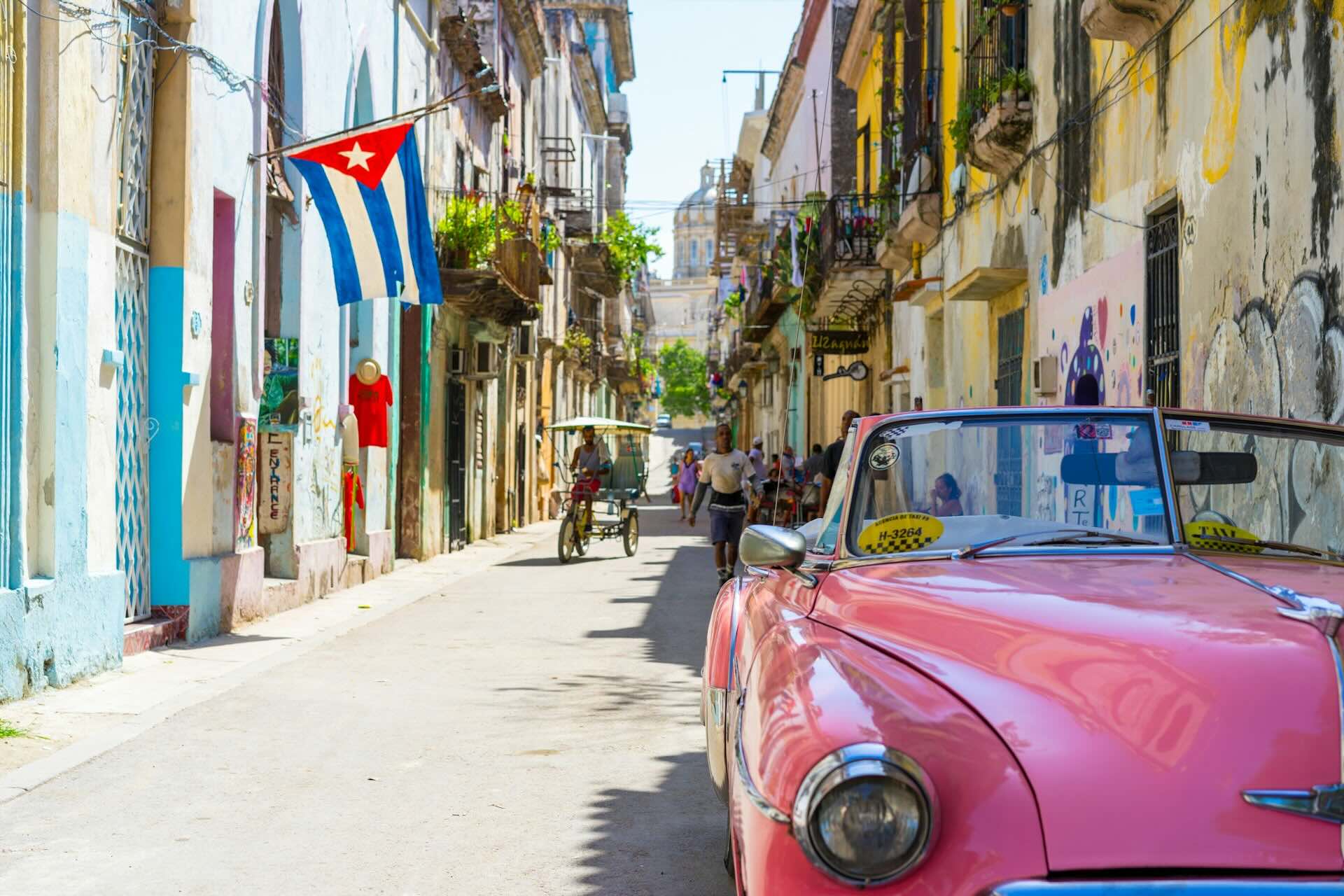
    Ernest Hemingway didn’t just write about adventure—he lived it. For more than 20 years, the Nobel Prize-winning author called Cuba home. The island’s vibrant energy, ocean breezes, and spirited people inspired some of his most enduring works.

    Why Havana Inspires Writers

    Hemingway once said, “In Cuba, I found the rhythm of life.” The simplicity and sincerity of daily life in Havana influenced his writing style and themes. His time here produced The Old Man and the Sea, Islands in the Stream, and parts of For Whom the Bell Tolls.

    Must-See Literary Spots

    • Finca Vigía: Hemingway’s former home, preserved exactly as he left it, sits just outside Havana. Visitors can peer through the windows to see his writing desk, typewriter, and thousands of books.
    • El Floridita and La Bodeguita del Medio: These two bars were Hemingway’s favorites and still serve his signature daiquiris and mojitos.
    • Cojímar Village: This small fishing town inspired The Old Man and the Sea. Locals still share stories about the author’s visits and his love for the people there.

    Today, Havana remains a city where creativity thrives amid music, art, and timeless charm—a reminder that inspiration can come from simplicity.

    Edinburgh, Scotland — The Birthplace of Imagination

    Edinburgh’s cobblestone streets, historic architecture, and misty atmosphere have inspired writers for centuries. From classic authors like Sir Walter Scott and Robert Louis Stevenson to modern icons like J.K. Rowling, the city has long been a literary treasure.

    Why Edinburgh Inspires Writers

    Scotland’s capital is a place where old and new worlds collide. The Gothic architecture, unpredictable weather, and layered history create an atmosphere ripe for storytelling. Writers often describe Edinburgh as both haunting and enchanting—an ideal mix for imagination.

    Must-See Literary Spots

    • The Elephant House Café: Often referred to as the birthplace of Harry Potter, this café overlooks Edinburgh Castle and is where Rowling began writing her first drafts.
    • The Writers’ Museum: Dedicated to Robert Burns, Sir Walter Scott, and Robert Louis Stevenson, it showcases manuscripts, portraits, and personal belongings.
    • Greyfriars Kirkyard: A beautifully eerie cemetery said to have inspired several Harry Potter character names.
    • The Royal Mile: Walk this historic stretch between Edinburgh Castle and Holyrood Palace to absorb the city’s literary energy.

    With its mix of folklore, fantasy, and intellect, Edinburgh continues to be a city where stories come alive on every corner.

    Key West, Florida — A Writer’s Paradise in the Sun

    Long before social media retreats and remote work trends, writers sought refuge in Key West. This tropical island at the southern tip of the United States became a creative escape for artists, poets, and authors looking for sunshine and solitude.

    Why Key West Inspires Writers

    Key West’s laid-back atmosphere and natural beauty create a perfect balance between focus and freedom. Ernest Hemingway, Tennessee Williams, and Elizabeth Bishop all lived or worked here, drawn by the island’s light, calm pace, and colorful community.

    Must-See Literary Spots

    • Ernest Hemingway Home and Museum: Hemingway’s Key West house remains one of the island’s most visited landmarks. The property, filled with six-toed cats and writing memorabilia, is where he wrote A Farewell to Armsand For Whom the Bell Tolls.
    • Tennessee Williams Museum: A tribute to one of America’s greatest playwrights, the museum features personal items, letters, and photos from his years in Key West.
    • Duval Street: Stroll through the heart of Key West to see the cafés and bars that once hosted literary debates and late-night storytelling.

    Key West’s tropical setting and creative spirit remind travelers that inspiration often thrives where the sun meets the sea.

    Kyoto, Japan — Poetry in Stillness

    Though not a tropical destination in the traditional sense, Kyoto’s serene gardens, temples, and timeless traditions offer a different kind of warmth—a spiritual one. For centuries, this ancient city has inspired poets and novelists to reflect on the beauty of simplicity.

    Why Kyoto Inspires Writers

    Writers like Yasunari Kawabata and Murasaki Shikibu captured Japan’s delicate balance of nature and culture. Kyoto’s emphasis on mindfulness, precision, and harmony gives writers space to think deeply and write meaningfully. It’s a destination that fosters creativity through stillness.

    Must-See Literary Spots

    • The Philosopher’s Path: Named after the philosopher Nishida Kitarō, this scenic canal walk inspired countless poems and essays.
    • The Golden Pavilion (Kinkaku-ji): Its shimmering reflection in the lake has influenced generations of artists and writers.
    • Gion District: Strolling through Kyoto’s old streets, you can imagine the world of The Tale of Genji, one of the earliest and most celebrated novels ever written.
    • Kyoto International Manga Museum: A modern nod to Japan’s literary evolution, blending traditional and contemporary storytelling.

    Kyoto teaches travelers that inspiration doesn’t always come from movement—it often comes from stillness, contemplation, and the quiet rhythm of nature.

    Why Literary Travel Enriches the Soul

    Visiting the places that inspired great writers allows travelers to connect deeply with creativity itself. You’re not just seeing landmarks—you’re experiencing the same light, air, and atmosphere that shaped some of history’s greatest works. Literary travel slows you down, deepens understanding, and awakens imagination.

    TravelPal makes it easier than ever to plan such journeys. With personalized itineraries, curated cultural experiences, and local recommendations, TravelPal helps readers transform inspiration into adventure. Whether you’re walking Hemingway’s Havana streets or reading poetry in a Kyoto garden, TravelPal ensures every moment feels like a story worth telling.

    Plan a trip to these literary destinations at TravelPal.ai

  • 10 Most Walkable U.S. Cities to Explore on Foot

    10 Most Walkable U.S. Cities to Explore on Foot

    Walking through a city reveals its true rhythm—the smells from local cafés, the chatter of street performers, the way neighborhoods blend into one another. Some cities invite exploration on foot better than others, offering accessible attractions, vibrant pedestrian districts, and safe, scenic streets. From coastal boardwalks to historic squares, these are the 10 most walkable U.S. cities to explore on foot.

    New York City, New York

    Few cities in the world can rival the walkability of New York. With a grid-based layout, endless sidewalks, and an iconic mix of landmarks, the city is best experienced by walking.

    Why It’s Great for Walking

    Every neighborhood feels like its own world. Stroll through Central Park in the morning, explore SoHo’s boutiques in the afternoon, and end the day walking across the Brooklyn Bridge as the skyline glows at sunset. The subway connects everything, so you can cover long distances quickly and spend the rest of the day discovering each area at street level.

    Must-See Walking Routes

    • Fifth Avenue for window shopping and architecture.
    • The High Line, an elevated park that winds above Manhattan’s west side.
    • Brooklyn Heights Promenade for stunning skyline views.
    • Greenwich Village for cozy cafés and old-world charm.

    San Francisco, California

    With its mix of hills, history, and waterfront views, San Francisco is made for walking—if you don’t mind a little climb. Its compact size and diverse neighborhoods make it easy to explore without a car.

    Why It’s Great for Walking

    The city’s steep streets offer some of the best urban views in America. You can wander from Chinatown to North Beach in minutes, passing through colorful murals, independent shops, and delicious food stops. Walking here feels like traveling through several countries in one afternoon.

    Must-See Walking Routes

    • Fisherman’s Wharf to the Golden Gate Bridge.
    • The Mission District for street art and culture.
    • Lombard Street, the “crookedest street in the world.”
    • Golden Gate Park for gardens, lakes, and museums.

    Boston, Massachusetts

    Boston’s compact size and historic layout make it one of the most pedestrian-friendly cities in the U.S. Founded in the 1600s, its winding streets connect centuries of American history.

    Why It’s Great for Walking

    Boston feels like a European city, with narrow lanes and cobblestone paths that encourage slow exploration. Most major attractions, from Harvard Square to the Freedom Trail, are within walking distance or accessible by the “T,” the city’s public transit system.

    Must-See Walking Routes

    • The Freedom Trail, a 2.5-mile route linking 16 historic sites.
    • Beacon Hill for charming brownstones and gas-lit streets.
    • Boston Common and the Public Garden for peaceful strolls.
    • The Seaport District for waterfront views and modern architecture.

    Chicago, Illinois

    Chicago combines city energy with scenic beauty. Its downtown streets and lakefront paths make it one of the most walkable big cities in the Midwest.

    Why It’s Great for Walking

    The sidewalks are wide, the neighborhoods are distinct, and Lake Michigan is never far away. Walking in Chicago gives you easy access to world-class architecture, music, and food. From skyscrapers to sandy beaches, everything feels within reach.

    Must-See Walking Routes

    • The Chicago Riverwalk, lined with cafés and public art.
    • Michigan Avenue’s Magnificent Mile for shopping and people-watching.
    • Millennium Park to see “The Bean” and outdoor concerts.
    • The Lakefront Trail, stretching for 18 miles along the water.

    Washington, D.C.

    The nation’s capital was designed for walking. Wide boulevards, open green spaces, and monuments make it easy to explore without needing transportation.

    Why It’s Great for Walking

    Washington, D.C., combines history and beauty in a way that few cities can match. The National Mall links iconic sites like the Lincoln Memorial, Capitol Building, and Smithsonian museums—all within a few miles. The city’s neighborhoods, from Georgetown to Dupont Circle, offer charming cafés and architecture that make every walk enjoyable.

    Must-See Walking Routes

    • The National Mall for monuments and museums.
    • Georgetown Waterfront for scenic river views.
    • Capitol Hill for tree-lined streets and markets.
    • Embassy Row for international architecture and embassies.

    Seattle, Washington

    Seattle’s urban design encourages walking, especially around its downtown, waterfront, and artsy neighborhoods. The city’s mix of nature and innovation gives walkers the best of both worlds.

    Why It’s Great for Walking

    Seattle’s moderate climate means year-round walking weather, and the city’s compact downtown makes it easy to explore attractions like Pike Place Market, the Space Needle, and the waterfront without driving. You’ll also find plenty of green spaces and trails connecting neighborhoods.

    Must-See Walking Routes

    • Pike Place Market and the Seattle Waterfront.
    • Discovery Park for forested trails and Puget Sound views.
    • Capitol Hill for cafés, nightlife, and culture.
    • Kerry Park for one of the best views of the city skyline.

    Portland, Oregon

    Portland is known for its creative culture, bike paths, and tree-lined streets that invite walking. It’s a city built for sustainability, with compact neighborhoods filled with local flavor.

    Why It’s Great for Walking

    Every block feels like a new discovery. Food carts, bookstores, breweries, and parks are always nearby. Portland’s strong pedestrian infrastructure and friendly atmosphere make it easy to wander without a plan.

    Must-See Walking Routes

    • The Pearl District for art galleries and cafés.
    • Washington Park for gardens and trails.
    • Hawthorne Boulevard for vintage shops and restaurants.
    • Tom McCall Waterfront Park along the Willamette River.

    Savannah, Georgia

    Savannah’s beauty lies in its walkability. The city’s grid layout, shaded squares, and historical charm make it a walker’s paradise.

    Why It’s Great for Walking

    Every few blocks, you’ll come across one of Savannah’s 22 picturesque squares, each surrounded by oak trees draped in Spanish moss. The city feels timeless, and its slow pace invites visitors to linger.

    Must-See Walking Routes

    • The Historic District for architecture and gardens.
    • Forsyth Park for its fountain and canopy of trees.
    • River Street for cobblestone charm and local shops.
    • Jones Street, often called the most beautiful street in America.

    Charleston, South Carolina

    Charleston blends Southern charm with seaside elegance, and the best way to experience it is on foot. Narrow streets, pastel homes, and ocean breezes make every stroll feel cinematic.

    Why It’s Great for Walking

    Charleston’s small size makes it perfect for pedestrians. The city’s mix of colonial buildings, coastal views, and culinary treasures make walking not only easy but irresistible.

    Must-See Walking Routes

    • The Battery promenade along the harbor.
    • Rainbow Row for colorful historic homes.
    • King Street for boutiques and local dining.
    • Waterfront Park and its famous Pineapple Fountain.

    Miami Beach, Florida

    Miami Beach combines tropical weather, art deco architecture, and beachside walkways that make exploring on foot both scenic and stylish.

    Why It’s Great for Walking

    The entire city encourages outdoor living. Ocean Drive and Lincoln Road are lined with shops, restaurants, and galleries, while the Miami Beach Boardwalk stretches for miles along the Atlantic. You can spend an entire day exploring by foot while enjoying the warm sea breeze.

    Must-See Walking Routes

    • Ocean Drive for classic Art Deco buildings.
    • Lincoln Road Mall for open-air shopping.
    • Miami Beach Boardwalk for sunrise or sunset walks.
    • South Pointe Park for panoramic ocean views.

    Why Walking Makes Travel More Meaningful

    Walking turns travel into connection. You notice the details—a local greeting, the smell of fresh bread, the sound of street music. It’s slower, more personal, and far more rewarding than simply moving from one attraction to another.

    Each of these cities invites travelers to slow down, discover neighborhoods up close, and feel the rhythm of local life. With TravelPal, planning a walking-friendly itinerary becomes simple. From pedestrian zones to scenic trails, TravelPal helps travelers design routes that bring each city to life, step by step.

    Plan a trip to America’s most walkable cities at TravelPal.ai

  • Explore More, Drive Less: The 10 Most Walkable Cities Worldwide

    Explore More, Drive Less: The 10 Most Walkable Cities Worldwide

    The best way to truly explore a city is on foot. When you walk, you see the details—the architecture, the markets, the local life—that you’d miss behind the wheel. Around the world, some cities have designed their streets for people, not just cars. They invite travelers to wander, discover, and connect at their own pace.

    From historic capitals to modern waterfronts, these are the 10 most walkable cities worldwide—places where the best adventures start with a good pair of shoes and an open mind.

    Paris, France

    Paris is one of the most walkable cities on Earth. Its wide boulevards, cobblestone lanes, and scenic riverbanks make exploring on foot a joy.

    Why It’s Great for Walking

    Each arrondissement offers its own rhythm. The city’s design encourages wandering—whether it’s through the markets of Montmartre, the bookstalls along the Seine, or the quiet courtyards hidden behind grand façades. Paris rewards curiosity at every turn.

    Must-See Walking Routes

    • The Seine’s Left Bank for culture and romance.
    • Montmartre’s winding streets and artist squares.
    • The Marais for cafés, boutiques, and history.
    • Jardin du Luxembourg for a peaceful stroll among locals.

    Kyoto, Japan

    Kyoto blends serenity, tradition, and beauty, creating one of the world’s most tranquil walking destinations. Its temples, gardens, and narrow streets encourage slow exploration and reflection.

    Why It’s Great for Walking

    Kyoto’s atmosphere invites mindfulness. You can move easily between neighborhoods, stopping for green tea or admiring the craftsmanship of local artisans. Walking here feels like meditation in motion.

    Must-See Walking Routes

    • The Philosopher’s Path for cherry blossoms and temples.
    • Arashiyama Bamboo Grove for nature and stillness.
    • Gion District for geisha culture and evening lanterns.
    • Nishiki Market for food stalls and Kyoto specialties.

    Florence, Italy

    In Florence, history is everywhere you walk. The city’s compact Renaissance core makes it ideal for exploring without a car.

    Why It’s Great for Walking

    Florence is an open-air museum where every step connects you to art and architecture. Traffic is limited in the historic center, so pedestrians can move freely through piazzas, bridges, and courtyards.

    Must-See Walking Routes

    • Piazza del Duomo for the cathedral and bell tower.
    • Ponte Vecchio for river views and local shops.
    • Piazza della Signoria for sculptures and energy.
    • Boboli Gardens for panoramic city views.

    Amsterdam, Netherlands

    Amsterdam’s charm lies in its canals, bridges, and cozy neighborhoods. While bikes dominate the city, it’s just as rewarding to explore by foot.

    Why It’s Great for Walking

    The flat landscape and compact design make getting around easy. As you walk, you’ll pass historic homes, tulip markets, and charming cafés. Every canal crossing offers a postcard-perfect view.

    Must-See Walking Routes

    • The Canal Belt (Grachtengordel) for iconic architecture.
    • Jordaan District for galleries and boutiques.
    • Vondelpark for peaceful green spaces.
    • De Pijp for multicultural dining and local life.

    Buenos Aires, Argentina

    Buenos Aires combines elegance and energy, making it a thrilling city to explore on foot. Its grand boulevards and artistic neighborhoods invite endless wandering.

    Why It’s Great for Walking

    Walking through Buenos Aires connects you with its rhythm—tango music drifting from open doors, lively plazas, and historic architecture that reflects its European roots.

    Must-See Walking Routes

    • San Telmo for markets and tango culture.
    • Palermo Soho for street art and fashion.
    • La Boca for colorful houses and murals.
    • Recoleta Cemetery for history and artistry.

    Vancouver, Canada

    Vancouver offers a rare mix of urban design and natural beauty. Framed by ocean and mountains, it’s one of the most scenic cities to explore on foot.

    Why It’s Great for Walking

    Everything feels close in Vancouver. Sidewalks are wide, parks are plentiful, and the air is fresh. You can walk from downtown to the beach or forest trails in minutes.

    Must-See Walking Routes

    • The Stanley Park Seawall for oceanfront views.
    • Gastown for cobblestone charm and local shops.
    • Granville Island for food markets and art studios.
    • English Bay for sunset walks by the water.

    Barcelona, Spain

    Barcelona is a masterpiece of walkable design, blending modernist architecture, Mediterranean light, and lively street life.

    Why It’s Great for Walking

    Walking through Barcelona connects you to its energy. The Gothic Quarter’s narrow lanes contrast with the wide boulevards of the Eixample district, and every turn reveals a new Gaudí creation or hidden plaza.

    Must-See Walking Routes

    • Las Ramblas for vibrant culture and street performers.
    • Passeig de Gràcia for Gaudí’s architectural gems.
    • Barceloneta Beach for coastal relaxation.
    • Park Güell for panoramic city views.

    Lisbon, Portugal

    Lisbon’s hills and tiled facades make it one of Europe’s most picturesque walking cities. Each neighborhood offers history, charm, and stunning views.

    Why It’s Great for Walking

    Lisbon rewards explorers who don’t mind a climb. Its narrow streets, tram routes, and scenic overlooks create a sense of adventure. Walking here is a sensory experience—filled with music, color, and the smell of fresh pastries.

    Must-See Walking Routes

    • Alfama for ancient charm and Fado music.
    • Bairro Alto for nightlife and terraces.
    • Belém for monuments and waterfront walks.
    • The Tagus River promenade for ocean views.

    Sydney, Australia

    Sydney’s combination of beaches, harbors, and urban parks makes it one of the world’s most walkable coastal cities.

    Why It’s Great for Walking

    The city’s warm climate and scenic coastal trails encourage outdoor exploration. Every route seems to end with a view of the ocean or skyline. Sydney’s neighborhoods blend culture, cuisine, and creativity in a way that rewards slow discovery.

    Must-See Walking Routes

    • Bondi to Coogee coastal walk for iconic beaches.
    • Circular Quay to the Opera House for harbor views.
    • The Rocks for colonial history and markets.
    • Darling Harbour for dining and family attractions.

    Singapore

    Singapore has mastered the art of urban design. Its streets are clean, shaded, and easy to navigate, with green spaces woven throughout the city.

    Why It’s Great for Walking

    Despite its futuristic skyline, Singapore remains remarkably pedestrian-friendly. The city’s efficient planning, safety, and tropical scenery make walking both comfortable and inspiring.

    Must-See Walking Routes

    • Gardens by the Bay for lush landscapes and architecture.
    • Marina Bay for waterfront views and city lights.
    • Chinatown and Little India for cultural immersion.
    • Botanic Gardens, a UNESCO World Heritage Site.

    Why Walking Is the Best Way to See the World

    Walking transforms travel from sightseeing into connection. It slows you down, allowing you to notice details—the smell of a bakery, the chatter of a market, the warmth of a sunset. It’s sustainable, healthy, and deeply human.

    These cities show that some of the world’s greatest adventures don’t require traffic or timetables—just curiosity and comfortable shoes. Each destination encourages travelers to explore more and drive less, turning every journey into a personal story written one step at a time.

    With TravelPal, planning walkable adventures becomes effortless. The platform helps you find pedestrian-friendly neighborhoods, scenic routes, and unique local experiences, so you can see the world the way it’s meant to be seen—up close and on foot.

    Plan a trip to the world’s most walkable cities at TravelPal.ai