Tag: TravelPal

  • Why You Should Plan Early for Art Basel in Switzerland

    Why You Should Plan Early for Art Basel in Switzerland

    Art Basel in Switzerland is one of the most important events on the global art calendar, and why you should plan early for Art Basel in Switzerland becomes obvious once you understand its scale. Collectors, galleries, curators, and serious enthusiasts from around the world converge on Basel each June. Hotels sell out. Restaurants book weeks in advance. Private events fill quickly.

    If you want the experience to feel smooth rather than stressful, preparation is essential. Planning early allows you to focus on the art instead of logistics.

    Basel Becomes a Global Art Hub Overnight

    Art Basel transforms a relatively quiet Swiss city into an international center of attention.

    For one week, Basel’s streets fill with art professionals and collectors. Galleries host parallel exhibitions. Satellite fairs expand the cultural footprint beyond the main venue.

    This sudden concentration of visitors creates high demand across accommodations, transportation, and dining.

    Waiting too long to organize details limits your options.

    Hotels Sell Out Faster Than You Expect

    Basel is compact, and inventory is limited compared to larger European cities.

    Hotels within walking distance of Messe Basel, where the fair takes place, are especially competitive.

    Room rates increase as availability shrinks. Last minute bookings often mean paying premium prices or staying farther from the action.

    Booking several months in advance gives you better location choices and better rates.

    VIP Access Requires Advance Coordination

    If you qualify for VIP access through a gallery or partner, confirmations often happen well before the public opening.

    VIP preview days provide quieter access to galleries and first looks at major works.

    These hours are highly valued and carefully managed.

    Early coordination ensures you do not miss key windows.

    Restaurant Reservations Become Competitive

    Basel’s dining scene is refined but intimate.

    During Art Basel week, top restaurants fill quickly with private dinners and collector gatherings.

    If you want a memorable evening meal, especially with clients or colleagues, reservations should be secured well in advance.

    Leaving everything to chance can lead to limited options.

    Flights and Train Tickets Increase in Price

    Basel is well connected by rail and regional airports, but demand spikes during the fair.

    Flights into nearby hubs like Zurich often rise in price as June approaches.

    Train tickets across Switzerland can also fill during peak travel days.

    Booking early protects your budget and schedule.

    The Fair Itself Requires Strategy

    Art Basel is large and intense.

    Without a plan, it is easy to feel overwhelmed. Galleries span multiple sectors. Conversations require focus and energy.

    Arriving prepared with a list of priority booths, artists, and events makes the experience more productive.

    Planning ahead is not only logistical. It is strategic.

    Satellite Events Fill the Calendar

    Beyond the main fair, Basel hosts numerous parallel events.

    Smaller fairs, gallery openings, museum exhibitions, and private gatherings compete for attention.

    Many invitations circulate weeks or months in advance.

    Organizing your calendar early allows you to choose thoughtfully rather than react impulsively.

    Basel’s Size Makes Planning More Important

    Basel’s charm lies in its compact nature.

    You can walk between major areas easily. However, limited hotel capacity and dining options mean demand concentrates quickly.

    In larger cities, overflow spreads outward. In Basel, options narrow quickly.

    Early planning protects flexibility.

    You Preserve Energy and Focus

    Art Basel week is mentally demanding.

    You are absorbing new work, evaluating conversations, and navigating crowded spaces.

    When logistics are already handled, your attention remains on the art.

    Stress free planning improves your ability to engage meaningfully.

    Extending Your Trip Becomes Easier

    Planning early also allows you to extend your stay.

    You might explore other parts of Switzerland before or after the fair. Lucerne, Zurich, or the Swiss Alps offer contrast to Basel’s intensity.

    With early bookings, you can integrate leisure into a business focused trip.

    This balance enhances the overall experience.

    Why Early Planning Reflects Professionalism

    Art Basel is a serious event.

    Collectors and galleries value preparation. Arriving organized demonstrates respect for the scale of the fair.

    Securing appointments, confirming meetings, and scheduling dinners in advance creates smoother interaction.

    Preparation signals intention.

    Final Thoughts on Planning for Art Basel Switzerland

    Why you should plan early for Art Basel in Switzerland comes down to control.

    Demand rises sharply. Space is limited. Attention is divided.

    When you book accommodations, secure tickets, and coordinate events early, you remove unnecessary friction.

    The result is a trip focused on art, conversation, and opportunity rather than logistics.
    Plan a trip to Basel today.

  • What Makes Oaxaca One of Mexico’s Most Culturally Rich Cities

    What Makes Oaxaca One of Mexico’s Most Culturally Rich Cities

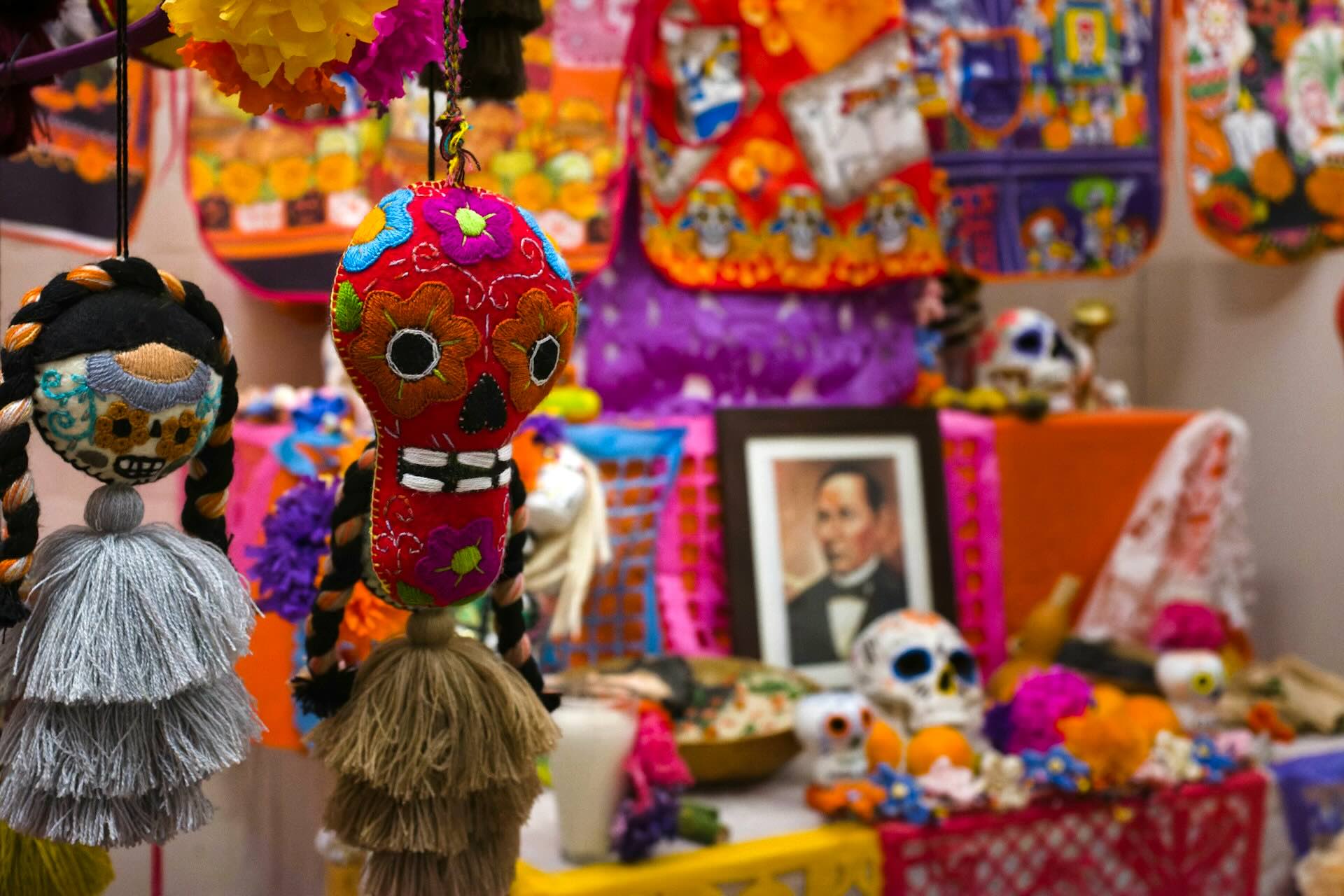
    Oaxaca sits in southern Mexico with a confidence that feels both grounded and expressive, and what makes Oaxaca one of Mexico’s most culturally rich cities becomes clear within hours of arrival. Color spills across colonial buildings. Markets pulse with regional ingredients. Indigenous traditions shape daily life rather than existing as museum pieces.

    This is not a city built around spectacle. It is built around continuity. Oaxaca’s richness comes from how deeply culture is embedded into routine.

    Indigenous Heritage Shapes Identity

    Oaxaca is home to numerous Indigenous communities whose traditions remain active and visible.

    Zapotec and Mixtec heritage influences language, textiles, festivals, and cuisine. You see woven patterns in markets that reflect centuries old techniques. You hear Indigenous languages spoken in public spaces.

    Cultural preservation here is not abstract. It is lived.

    That continuity gives Oaxaca depth that feels authentic rather than curated.

    Food Is a Cultural Archive

    Cuisine in Oaxaca functions as history on a plate.

    Moles, tlayudas, tamales, and regional cheeses reflect geography and ancestral knowledge. Ingredients like chilies, cacao, corn, and herbs anchor flavor profiles in tradition.

    Markets such as Mercado Benito Juárez and Mercado 20 de Noviembre offer direct access to these culinary roots.

    You can taste the city’s layered identity without stepping into a formal museum.

    Markets Anchor Daily Life

    Markets in Oaxaca are not tourist attractions first.

    They are gathering points for residents.

    Produce vendors, spice sellers, textile artisans, and street food cooks create a dense tapestry of daily commerce.

    Walking through a market reveals how agriculture, craft, and family tradition intersect.

    These spaces feel vibrant and unfiltered.

    Festivals Reinforce Cultural Continuity

    Oaxaca’s calendar includes festivals that reflect deep cultural significance.

    Guelaguetza celebrates Indigenous heritage through dance, music, and regional dress. Day of the Dead transforms streets and cemeteries into spaces of remembrance and artistry.

    These events are not performances for outsiders.

    They are expressions of collective identity.

    Art Feels Rooted and Contemporary

    Oaxaca has long attracted artists.

    Traditional crafts coexist with contemporary galleries and studios. Murals decorate walls, while small art spaces showcase modern interpretation of ancestral themes.

    The city fosters creativity without abandoning its roots.

    Art here feels connected rather than detached.

    Architecture Reflects Layered History

    Oaxaca’s colonial architecture creates a visually cohesive backdrop.

    Churches built from green cantera stone anchor central plazas. Narrow streets connect courtyards and shaded walkways.

    Rather than appearing frozen in time, these structures remain integrated into daily life.

    Architecture supports the cultural rhythm rather than overpowering it.

    Mezcal Culture Reflects Place

    Mezcal production is deeply tied to Oaxaca’s landscape.

    Agave fields surround the city, and small distilleries maintain artisanal methods passed through generations.

    Tasting mezcal becomes more than sampling a spirit. It becomes an education in agriculture, technique, and regional variation.

    This connection between land and craft strengthens the city’s cultural identity.

    Language and Community Feel Interwoven

    Conversations in Oaxaca often shift between Spanish and Indigenous languages.

    Community bonds feel strong and visible in neighborhood interactions.

    Public plazas remain active meeting points for families and friends.

    This social fabric reinforces a sense of belonging and continuity.

    Nature Surrounds and Influences the City

    Oaxaca’s surrounding mountains and valleys shape its climate and agriculture.

    Markets reflect seasonal shifts. Textiles mirror natural colors. Dishes adapt to local ingredients.

    The relationship between environment and culture feels tangible.

    Landscape influences identity rather than serving as a backdrop.

    Why Oaxaca Feels Different

    What makes Oaxaca one of Mexico’s most culturally rich cities is not one attraction.

    It is the integration of heritage, food, art, and daily life.

    Tradition feels active rather than nostalgic.

    Visitors sense that culture here is ongoing and evolving.

    How to Experience Oaxaca Fully

    Spend time in markets rather than only restaurants.

    Visit small artisan workshops outside the main tourist corridor.

    Attend cultural events if your timing allows.

    Balance historic landmarks with neighborhood wandering.

    Listen as much as you look.

    Final Thoughts on Oaxaca

    Oaxaca’s richness comes from depth, not scale.

    Its culture is layered, resilient, and expressive.

    From food to festivals to craft, the city reveals identity through participation rather than performance.

    That authenticity is what leaves a lasting impression.

    Plan a trip to Oaxaca today.

  • Palermo Feels Raw, Historic, and Unpolished. Here’s Why

    Palermo Feels Raw, Historic, and Unpolished. Here’s Why

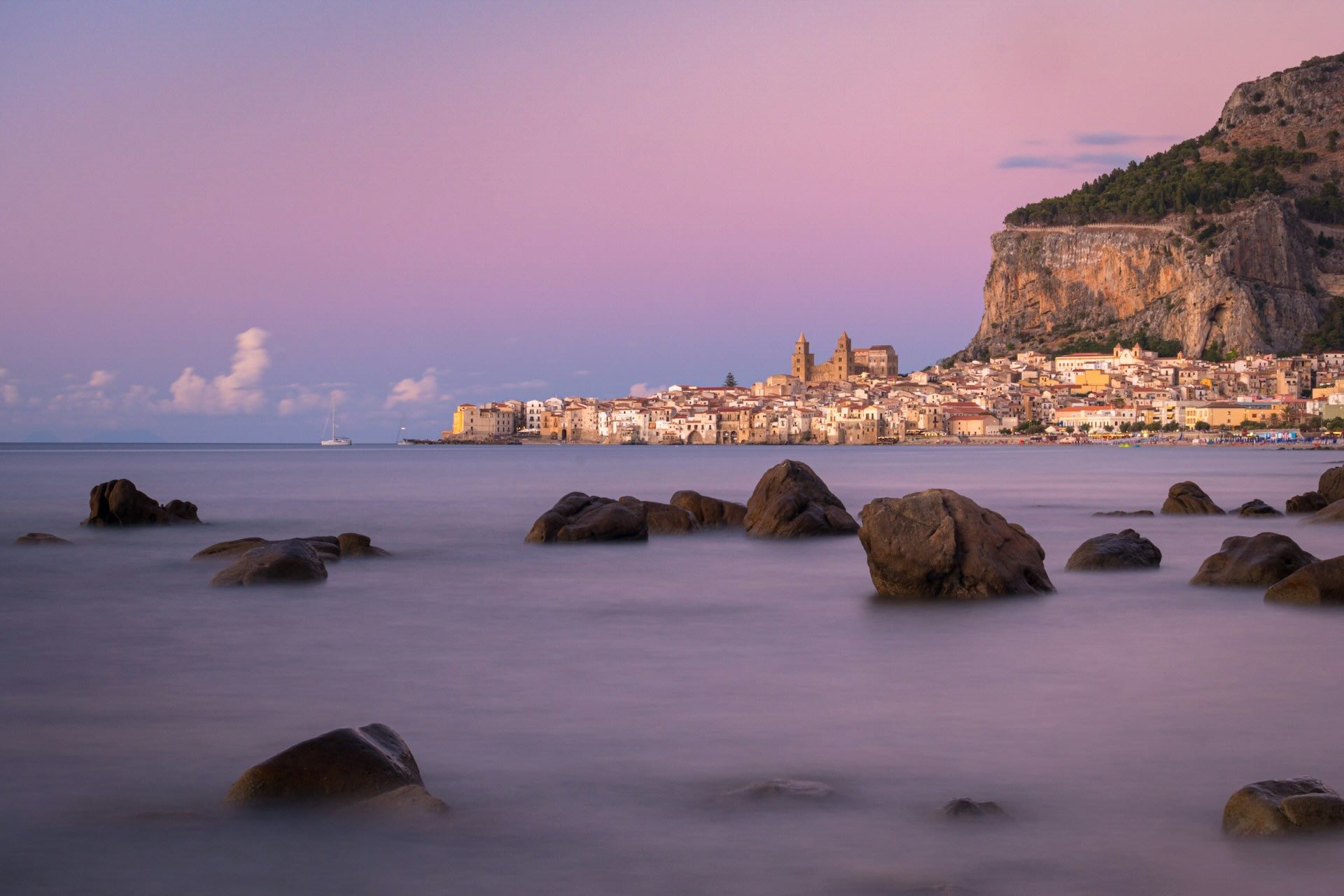
    Palermo does not try to smooth its edges, and that is exactly why it stays with you. Palermo feels raw, historic, and unpolished in a way that feels honest rather than chaotic. Sicily’s capital layers Arab, Norman, Spanish, and Italian influence into streets that show wear and resilience at the same time.

    You will see grandeur and grit in the same block. Ornate churches sit beside weathered balconies. Street markets spill into centuries old squares. Palermo does not curate itself for comfort. It invites you to engage with it as it is.

    History Is Not Preserved, It Is Lived In

    In Palermo, history is not behind glass.

    You walk through neighborhoods where medieval churches, Baroque palaces, and everyday apartments share walls. Architectural layers remain visible rather than restored to uniform perfection.

    The city shows its age openly. Cracked stone, faded paint, and ornate facades coexist.

    This honesty gives Palermo depth.

    Markets Feel Intense and Authentic

    Markets like Ballarò and Vucciria define daily rhythm.

    Vendors shout prices. Seafood glistens on metal trays. Citrus stacks high in wooden crates.

    The atmosphere feels loud and unapologetic. It is not staged for visitors.

    Markets reveal Palermo’s working heart more clearly than any monument.

    Architecture Reflects Cultural Crossroads

    Palermo’s architecture tells a complex story.

    Arab domes sit near Norman mosaics. Spanish balconies overlook narrow Sicilian alleys.

    Rather than blending into uniform style, these influences remain distinct.

    The city’s visual language reflects centuries of trade, conquest, and exchange.

    Food Feels Direct and Unfiltered

    Palermo’s cuisine matches its personality.

    Street food takes center stage. Arancini, panelle, and fresh seafood are eaten standing or at simple tables.

    Meals feel practical and rooted in daily life rather than theatrical presentation.

    Flavors are bold and grounded.

    You taste history in every bite.

    The Streets Carry Visible Imperfection

    Palermo does not hide wear.

    Buildings show cracks. Graffiti shares space with ancient stone.

    Infrastructure feels functional rather than polished.

    Yet within this imperfection lies authenticity.

    The city feels lived in, not staged.

    Churches and Palaces Still Impress

    Despite its raw edges, Palermo holds extraordinary beauty.

    Cappella Palatina’s mosaics shimmer in gold. Teatro Massimo stands grand and commanding.

    These spaces remind you of Palermo’s historical wealth and cultural ambition.

    Grandeur and grit coexist without apology.

    The Pace Feels Real Rather Than Romanticized

    Palermo moves with intensity.

    Scooters weave through traffic. Conversations spill loudly into streets.

    Daily life feels energetic and unfiltered.

    It is not romanticized in the way some Italian cities are portrayed.

    It feels grounded.

    Coastal Views Add Contrast

    Just beyond dense streets, the Mediterranean provides openness.

    The sea lightens the city’s mood. Beaches and coastal roads create moments of calm.

    This contrast enhances Palermo’s complexity.

    Urban intensity meets natural horizon.

    Why Travelers Remember Palermo

    Palermo does not present a perfect image.

    It offers texture.

    You remember the noise of markets, the contrast of crumbling walls and golden mosaics, the taste of street food eaten quickly.

    The city leaves an impression because it feels honest.

    How to Experience Palermo Fully

    Walk through markets without rushing.

    Enter churches even if you did not plan to.

    Sit at simple cafés and observe conversation.

    Explore both grand monuments and side streets.

    Let contrast guide your understanding.

    Final Thoughts on Palermo

    Palermo feels raw, historic, and unpolished because it refuses to simplify itself.

    It carries centuries of influence openly.

    The city may challenge you at first, but that challenge creates connection.

    In Palermo, beauty is not manufactured. It is revealed through layers.

    Plan a trip to Palermo today.

  • Spend a Long Weekend in Reykjavik, You’ll Be Surprised

    Spend a Long Weekend in Reykjavik, You’ll Be Surprised

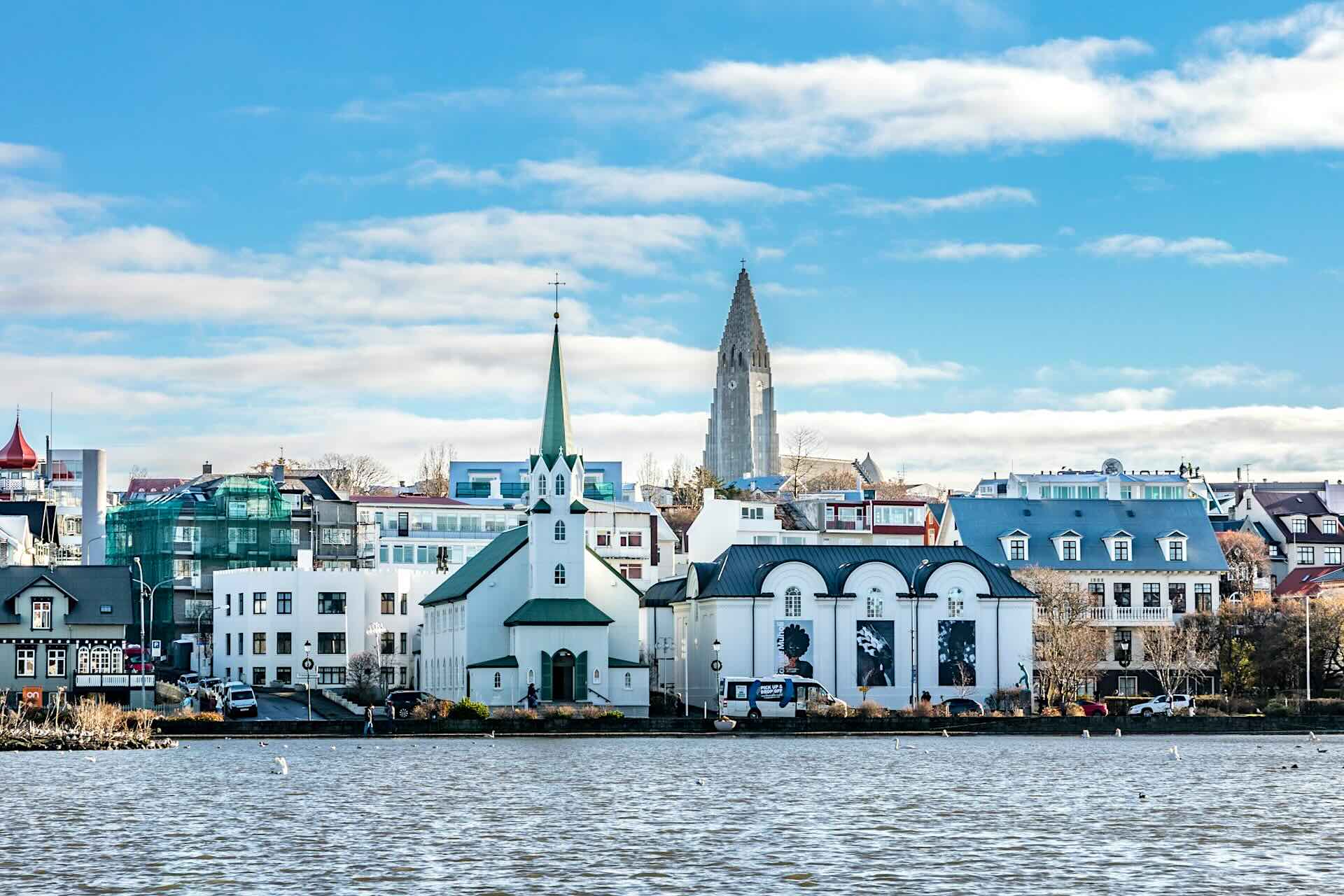
    Reykjavik is smaller than many travelers expect, yet spend a long weekend in Reykjavik, you’ll be surprised by how much it offers. Iceland’s capital blends colorful architecture, Nordic design, geothermal energy, and access to dramatic landscapes in a way that feels both intimate and expansive.

    This is not a city of overwhelming scale. It is a city of atmosphere. Over three to four days, you can experience cultural depth, natural wonder, and culinary creativity without feeling rushed.

    Why a Long Weekend Works in Reykjavik

    Reykjavik is compact and walkable.

    Major landmarks, cafés, and museums sit within easy distance of one another. The city center feels manageable without being limited.

    A long weekend gives you enough time to explore the urban core and take at least one meaningful day trip into Iceland’s surrounding landscapes.

    Reykjavik rewards thoughtful pacing rather than constant motion.

    Day One, Explore the Heart of the City

    Begin with a slow walk along Laugavegur, the main shopping street.

    Boutiques, bookstores, and independent design shops reveal the city’s creative personality. Colorful houses line nearby streets, creating a cheerful contrast against the often moody sky.

    Visit Hallgrímskirkja for panoramic views from the tower. The church’s striking architecture reflects Iceland’s volcanic landscapes.

    End your evening with dinner at a modern Nordic restaurant where local ingredients take center stage.

    Day Two, Harpa and the Harbor

    Spend your second day near the waterfront.

    Harpa Concert Hall’s geometric glass façade captures shifting light throughout the day. The design feels both futuristic and grounded in Icelandic nature.

    Walk along the harbor to see fishing boats and modern developments coexist.

    In the afternoon, visit museums that highlight Icelandic history and art. The cultural scene here feels thoughtful and understated.

    Evenings in Reykjavik often center around cozy bars and live music venues. The nightlife is energetic but intimate.

    Day Three, A Nature Focused Day Trip

    One of Reykjavik’s greatest strengths is proximity to nature.

    A Golden Circle excursion introduces you to geysers, waterfalls, and tectonic landscapes. Alternatively, visit the Blue Lagoon or Sky Lagoon for geothermal relaxation.

    Winter visitors may chase the Northern Lights. Summer travelers can experience nearly endless daylight.

    Returning to the city after a day immersed in raw landscapes deepens your appreciation for Reykjavik’s calm.

    Day Four, Slow Mornings and Local Cafés

    If you have a fourth day, use it gently.

    Visit a local bakery for fresh pastries. Icelandic coffee culture encourages lingering rather than rushing.

    Walk along the Sculpture and Shore Walk near the Sun Voyager. The steel artwork frames ocean and mountain views beautifully.

    Reykjavik invites reflection as much as exploration.

    Food in Reykjavik Surprises Many Visitors

    Despite its size, Reykjavik offers a strong culinary scene.

    Seafood is fresh and thoughtfully prepared. Traditional dishes sit alongside contemporary interpretations.

    You can find casual street food or refined tasting menus within a few blocks.

    The focus on quality ingredients makes dining memorable.

    Weather Adds Character

    Reykjavik’s weather changes quickly.

    Wind, sun, rain, and shifting clouds create dynamic skies.

    Rather than viewing weather as an inconvenience, embrace it as part of the atmosphere.

    Layered clothing allows you to adapt comfortably.

    The Pace Feels Manageable

    Reykjavik does not overwhelm.

    You can see much of the city without feeling exhausted.

    The manageable scale makes it ideal for a long weekend rather than a hurried stopover.

    You leave feeling refreshed instead of depleted.

    Why Reykjavik Feels Different

    Spend a long weekend in Reykjavik, you’ll be surprised by how seamlessly city and nature coexist.

    Volcanic landscapes sit just beyond urban streets. Modern design aligns with ancient geology.

    The city feels rooted in place rather than built over it.

    This connection gives Reykjavik quiet confidence.

    How to Make the Most of Your Weekend

    Book at least one nature excursion in advance.

    Leave space in your schedule for slow café mornings.

    Balance museum visits with outdoor walks.

    Pack layers to handle shifting conditions.

    Let the city’s rhythm guide you rather than forcing your own.

    Final Thoughts on Reykjavik

    Reykjavik may appear modest at first glance.

    Yet over a long weekend, it reveals cultural depth, culinary strength, and access to extraordinary landscapes.

    The surprise lies not in spectacle, but in balance.

    Few cities integrate modern life and natural wonder so seamlessly.

    Plan a trip to Reykjavik today.

  • Taipei Is One of Asia’s Most Livable Cities for Visitors. See Why

    Taipei Is One of Asia’s Most Livable Cities for Visitors. See Why

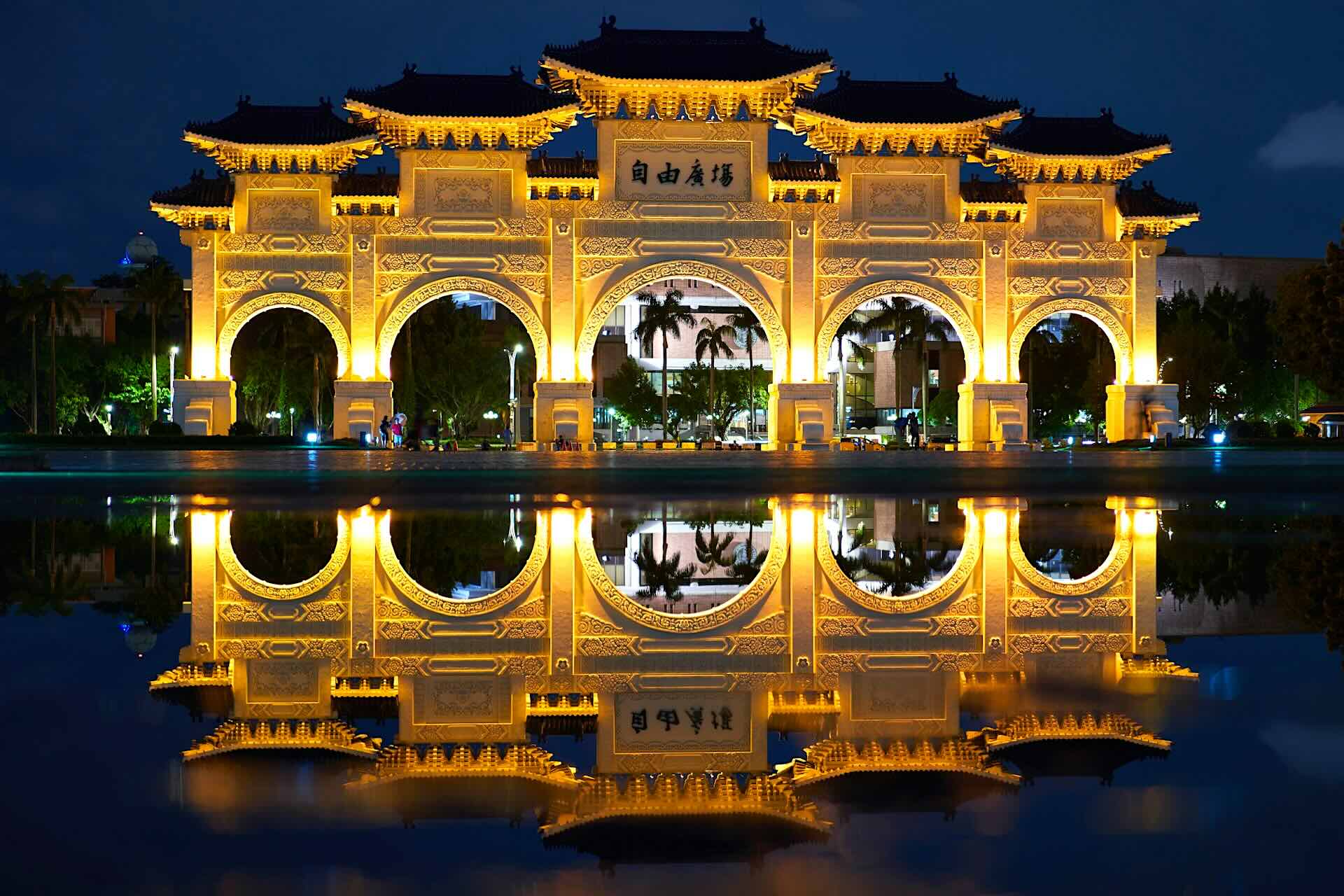
    Taipei is one of Asia’s most livable cities for visitors, and you feel it almost immediately. The streets are orderly but not sterile. The food is exceptional but accessible. The pace is energetic without being chaotic. Taipei balances efficiency, culture, nature, and comfort in a way that makes travel feel easy.

    Livability is not just about infrastructure. It is about how a city treats your time and energy. Taipei respects both.

    Public Transportation Makes Everything Simple

    Taipei’s MRT system is clean, intuitive, and reliable.

    Stations are clearly marked in multiple languages. Trains run frequently. Neighborhoods connect seamlessly.

    You do not need a car, and you rarely feel lost.

    Ease of movement removes friction from your day, allowing you to focus on exploration instead of logistics.

    Night Markets Turn Evenings Into Experiences

    Taipei’s night markets are social anchors.

    Shilin, Raohe, and Ningxia transform after dark into vibrant corridors of food and conversation.

    You can try dozens of small dishes without committing to a single restaurant. The atmosphere feels communal rather than rushed.

    This nightly ritual makes the city feel alive long after sunset.

    Green Space Is Always Close

    Taipei blends urban density with accessible nature.

    Elephant Mountain offers sweeping skyline views within minutes of the city center. Riverside parks provide cycling paths and walking trails.

    Even within neighborhoods, tree lined streets soften the environment.

    The balance between city life and outdoor access enhances daily comfort.

    Food Quality Is Consistently High

    Taipei’s food scene ranges from humble noodle shops to refined dining rooms.

    Street food vendors take pride in consistency. Ingredients feel fresh and seasonal.

    You can eat exceptionally well without spending heavily.

    This reliability adds to the sense of ease for visitors.

    Neighborhoods Feel Distinct Yet Connected

    Each area carries its own personality.

    Da’an feels residential and relaxed. Ximending is lively and youthful. Zhongshan blends boutiques with cafés.

    Despite these differences, transitions between neighborhoods feel seamless.

    The city maintains cohesion without uniformity.

    Safety Enhances Freedom

    Taipei is widely considered safe for travelers.

    Walking at night feels comfortable. Public spaces are well maintained.

    This sense of security encourages exploration without constant caution.

    Freedom of movement is central to livability.

    Cultural Depth Feels Accessible

    Temples, museums, and historic streets sit comfortably alongside modern shopping districts.

    You can visit Longshan Temple in the morning and explore contemporary design stores in the afternoon.

    Cultural experiences feel integrated into daily life rather than isolated.

    This accessibility makes learning about the city effortless.

    Cleanliness and Order Reduce Stress

    Taipei maintains high standards of cleanliness.

    Public areas feel organized and respected.

    Clear signage and thoughtful urban design reduce confusion.

    Small details contribute to a larger feeling of comfort.

    The Pace Feels Balanced

    Taipei moves efficiently but not aggressively.

    Commuters navigate quickly, yet cafés encourage lingering.

    Markets buzz with energy, yet parks offer calm refuge.

    This duality creates a sustainable rhythm for visitors.

    Why Visitors Feel at Home Quickly

    Livable cities lower the barrier between visitor and participant.

    In Taipei, ordering food, using transit, and navigating neighborhoods feel intuitive.

    You adjust quickly and confidently.

    That ease allows deeper engagement.

    How to Experience Taipei’s Livability

    Use the MRT rather than taxis.

    Spend an evening moving slowly through a night market.

    Visit both temples and modern districts on the same day.

    Take advantage of parks and riverside paths.

    Observe how residents structure their daily routines.

    Final Thoughts on Taipei

    Taipei is one of Asia’s most livable cities for visitors because it blends efficiency with warmth.

    Infrastructure supports exploration. Food supports curiosity. Green space supports balance.

    The city feels designed not just for function, but for comfort.

    When a place works smoothly, you notice more and stress less.

    Plan a trip to Taipei today.

  • What Makes Athens Feel Both Ancient and Modern

    What Makes Athens Feel Both Ancient and Modern

    Athens is a city where centuries coexist in plain sight, and what makes Athens feel both ancient and modern becomes obvious within minutes of walking its streets. Marble ruins rise above buzzing cafés. Ancient temples overlook contemporary neighborhoods filled with street art and late night dining.

    You do not have to search for contrast here. It surrounds you. Athens feels layered rather than divided. The past is visible, but the present is fully alive.

    The Acropolis as a Daily Backdrop

    Few cities live so closely with their history.

    The Acropolis is not tucked away in a distant park. It dominates the skyline. You see it from rooftops, apartment balconies, and pedestrian streets.

    Locals pass beneath monuments that date back thousands of years on their way to work or dinner.

    The ancient feels integrated rather than preserved in isolation.

    Neighborhood Life Beneath the Ruins

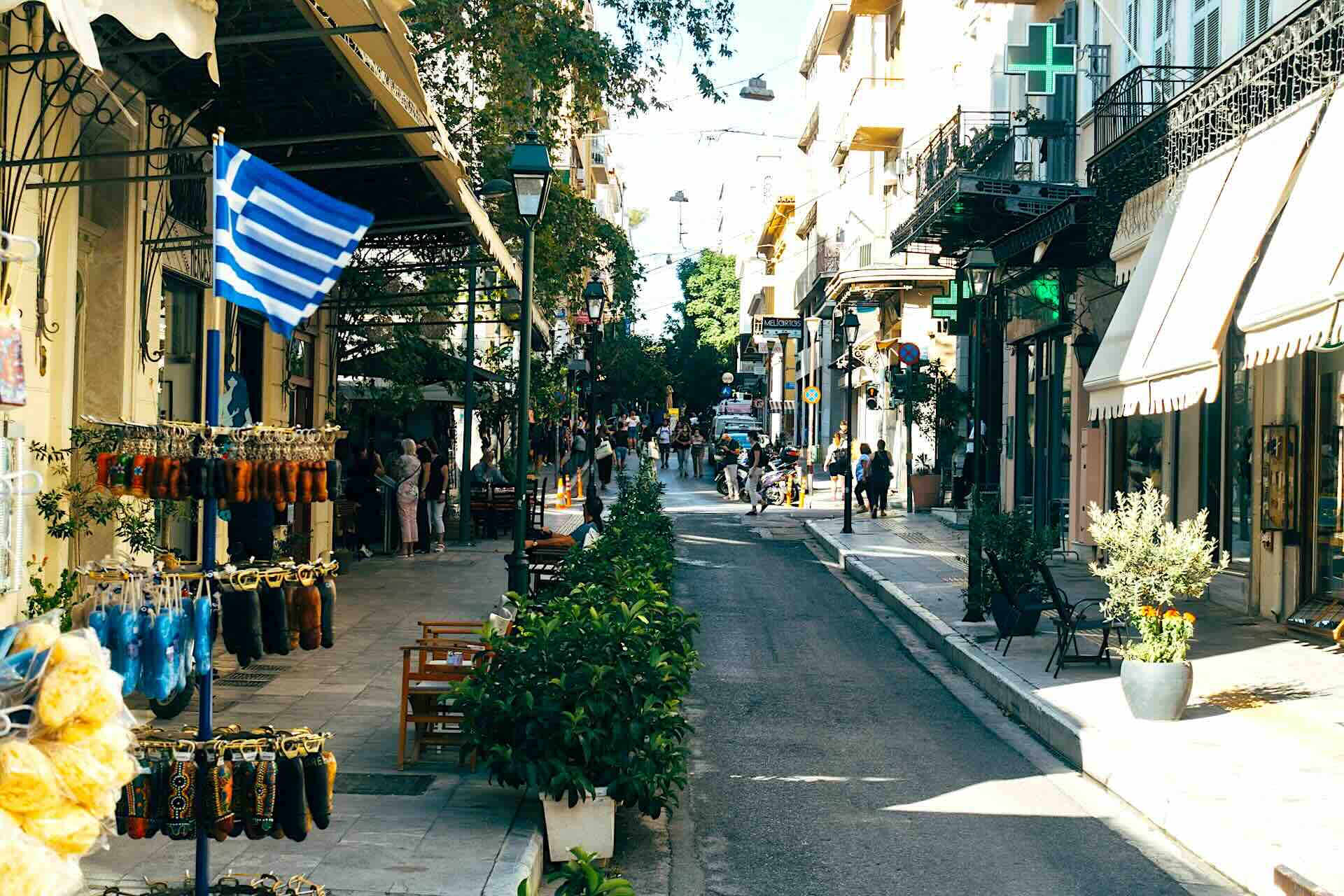
    Areas like Plaka and Monastiraki blend archaeological sites with modern commerce.

    You might walk past Roman columns and then step into a contemporary clothing store or café.

    Street musicians perform near stone pathways that have carried footsteps for centuries.

    This overlap feels natural rather than staged.

    Contemporary Cafés and Rooftop Culture

    Athens has developed a strong café and rooftop scene.

    Modern bars and restaurants frame views of the Parthenon while serving inventive cuisine and craft cocktails.

    Design forward interiors sit within historic buildings.

    Evenings feel vibrant and youthful, proving the city is not frozen in time.

    Street Art and Creative Energy

    Beyond classical architecture, Athens embraces expression through street art.

    Murals and graffiti fill entire walls in neighborhoods like Exarchia and Psiri.

    This visual language reflects economic shifts, political conversations, and youthful identity.

    It contrasts with ancient marble but complements the city’s long history of public discourse.

    Museums That Connect Eras

    Athens does not treat antiquity as static.

    Museums present ancient artifacts alongside thoughtful modern interpretation.

    Glass architecture in newer institutions frames historic views, reinforcing the dialogue between eras.

    Visitors move fluidly between centuries within a single afternoon.

    A Living Political Landscape

    Athens has been a center of debate and democracy since ancient times.

    Today, public squares still function as gathering points for conversation and expression.

    Political energy feels contemporary yet historically grounded.

    The city’s intellectual heritage continues rather than merely commemorates.

    Food That Evolves From Tradition

    Greek cuisine in Athens balances heritage with innovation.

    Traditional tavernas serve recipes rooted in family history. Nearby restaurants reinterpret those same ingredients with modern techniques.

    Markets display olives, seafood, herbs, and produce that have shaped local cooking for generations.

    Food bridges past and present without conflict.

    Architecture That Layers Rather Than Replaces

    Athens does not erase previous eras.

    Ottoman remnants, neoclassical buildings, post war apartments, and modern structures exist side by side.

    Rather than appearing chaotic, the layering feels honest.

    The city shows its scars and growth openly.

    A Pace That Feels Contemporary

    Despite its ancient foundations, Athens moves like a modern European capital.

    Transit systems, digital infrastructure, and nightlife keep pace with current expectations.

    Young professionals and creatives shape the city’s rhythm.

    History may define the skyline, but modern life defines the streets.

    The Emotional Impact of Contrast

    What makes Athens feel both ancient and modern is not just architecture.

    It is the emotional experience of moving between eras within minutes.

    You might start your day exploring ruins and end it at a contemporary art gallery or rooftop bar.

    The transition feels seamless rather than forced.

    Why Travelers Notice the Duality

    Visitors often arrive expecting only antiquity.

    They leave recognizing a city that is active, expressive, and evolving.

    Athens refuses to be reduced to a museum.

    It invites you to experience continuity instead of nostalgia.

    How to Experience Both Sides Fully

    Visit major archaeological sites early in the day.

    Spend afternoons exploring neighborhoods beyond the central monuments.

    Seek out contemporary galleries, markets, and dining spots.

    Balance historical landmarks with everyday street life.

    The contrast reveals itself naturally.

    Final Thoughts on Athens

    What makes Athens feel both ancient and modern is its refusal to separate time periods.

    The past stands visibly in the present.

    Daily life unfolds beneath monuments without reverence or detachment.

    Athens is not divided between eras. It carries them together.

    Plan a trip to Athens today.

  • What It’s Like to Experience Tangier at the Crossroads of Cultures

    What It’s Like to Experience Tangier at the Crossroads of Cultures

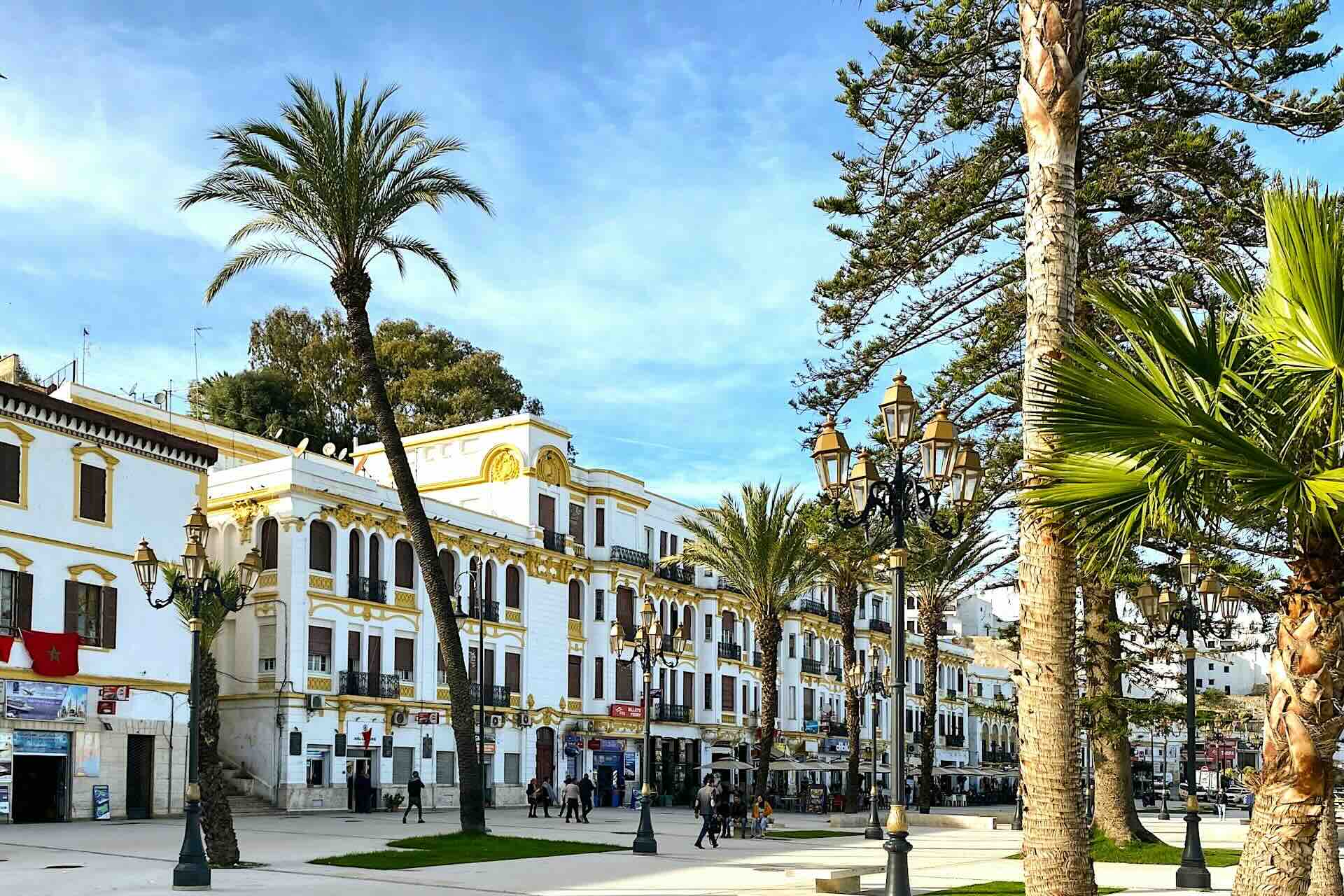
    Tangier has always existed between worlds, and what it’s like to experience Tangier at the crossroads of cultures becomes clear the moment you arrive. Positioned at the meeting point of the Mediterranean Sea and the Atlantic Ocean, and only a short distance from southern Spain, Tangier feels geographically and culturally layered.

    European influence, North African identity, colonial history, and contemporary Moroccan life overlap in visible and subtle ways. Tangier is not a city that presents a single narrative. It reveals multiple histories at once.

    A City Shaped by Geography

    Tangier’s location defines its character.

    Standing along the Strait of Gibraltar, you can see Spain across the water on clear days. This proximity has shaped trade, migration, and artistic exchange for centuries.

    Ports, ships, and shifting populations have always been part of daily life.

    You feel that sense of movement immediately. Tangier feels outward facing, connected beyond its borders.

    The Medina, Where Time Layers Itself

    The medina is the city’s emotional core.

    Whitewashed buildings, narrow streets, and shaded passages create intimacy and unpredictability. Unlike some heavily touristed medinas, Tangier’s feels lived in.

    Vendors sell spices, textiles, and everyday goods. Children move through alleyways. Conversations spill into small squares.

    It feels less curated and more organic.

    European Echoes in Architecture and Cafés

    Tangier’s international past left architectural traces.

    Art Deco facades, colonial era buildings, and grand hotels reflect periods when writers, diplomats, and artists gathered here.

    Cafés facing the sea carry a European rhythm. Coffee culture feels contemplative, almost cinematic.

    You sense the legacy of literary figures who once watched the harbor from similar tables.

    A Port City With Global Energy

    Ports change cities.

    Tangier’s harbor has long been a gateway between Africa and Europe. That constant flow of people shapes the atmosphere.

    Languages overlap. French, Arabic, Spanish, and English are commonly heard.

    The city feels multilingual and outward looking without losing its Moroccan foundation.

    Markets Reflect Cultural Exchange

    Tangier’s markets show North African tradition with subtle Mediterranean influence.

    Spices, olives, fresh seafood, and textiles reflect trade routes and culinary blending.

    Food here feels influenced by both inland Morocco and coastal exchange.

    Eating in Tangier becomes a study in geography.

    The Coastline Creates Contrast

    Tangier’s coastline adds emotional range.

    Walk along the Corniche and you see modern development alongside historic views. Waves crash against rocky edges where continents nearly meet.

    The light shifts throughout the day, creating dramatic backdrops against white buildings.

    Sea and sky feel expansive, contrasting with the intimacy of the medina.

    Contemporary Tangier Is Evolving

    Modern infrastructure and cultural investment are reshaping the city.

    Art spaces, renovated historic sites, and new hospitality projects signal growth.

    Tangier is no longer defined solely by nostalgia or literary mythology.

    It feels forward moving while maintaining its layered identity.

    The Pace Feels Different From Other Moroccan Cities

    Compared to Marrakech or Fez, Tangier feels less intense.

    There is movement, but less urgency. Conversations linger longer. Sea air softens the edges.

    You can wander without constant negotiation.

    This shift in pace allows reflection rather than sensory overload.

    Where Cultures Blend Most Clearly

    The blending of cultures appears most clearly in small moments.

    A call to prayer echoes near a European style plaza. Spanish signage appears near Arabic script.

    Music shifts between traditional Moroccan sounds and international pop.

    Tangier feels like a conversation between continents rather than a fixed identity.

    Why Tangier Attracts Creatives

    Writers and artists have long been drawn to Tangier.

    The city offers both inspiration and ambiguity. It feels familiar and foreign simultaneously.

    That tension invites creativity.

    Even today, you sense that the city encourages observation and thought.

    How to Experience Tangier Fully

    Spend time in the medina without a strict plan.

    Sit at a café overlooking the sea.

    Visit both historic sites and newer cultural spaces.

    Walk along the coastline at different times of day.

    Let contrast guide your understanding.

    Why Tangier Feels Symbolic

    What it’s like to experience Tangier at the crossroads of cultures is to feel transition.

    The city represents exchange, overlap, and negotiation between identities.

    It does not resolve those contrasts. It holds them.

    That layered tension gives Tangier its quiet power.

    Final Thoughts on Tangier

    Tangier is not dramatic in the way some destinations are.

    Its strength lies in nuance.

    Between Africa and Europe, between tradition and modernity, between sea and city, Tangier stands in conversation with multiple worlds.

    Experiencing it means embracing complexity rather than seeking simplicity.

    Plan a trip to Tangier today.

  • How to Plan a Trip to Hong Kong for Art Basel

    How to Plan a Trip to Hong Kong for Art Basel

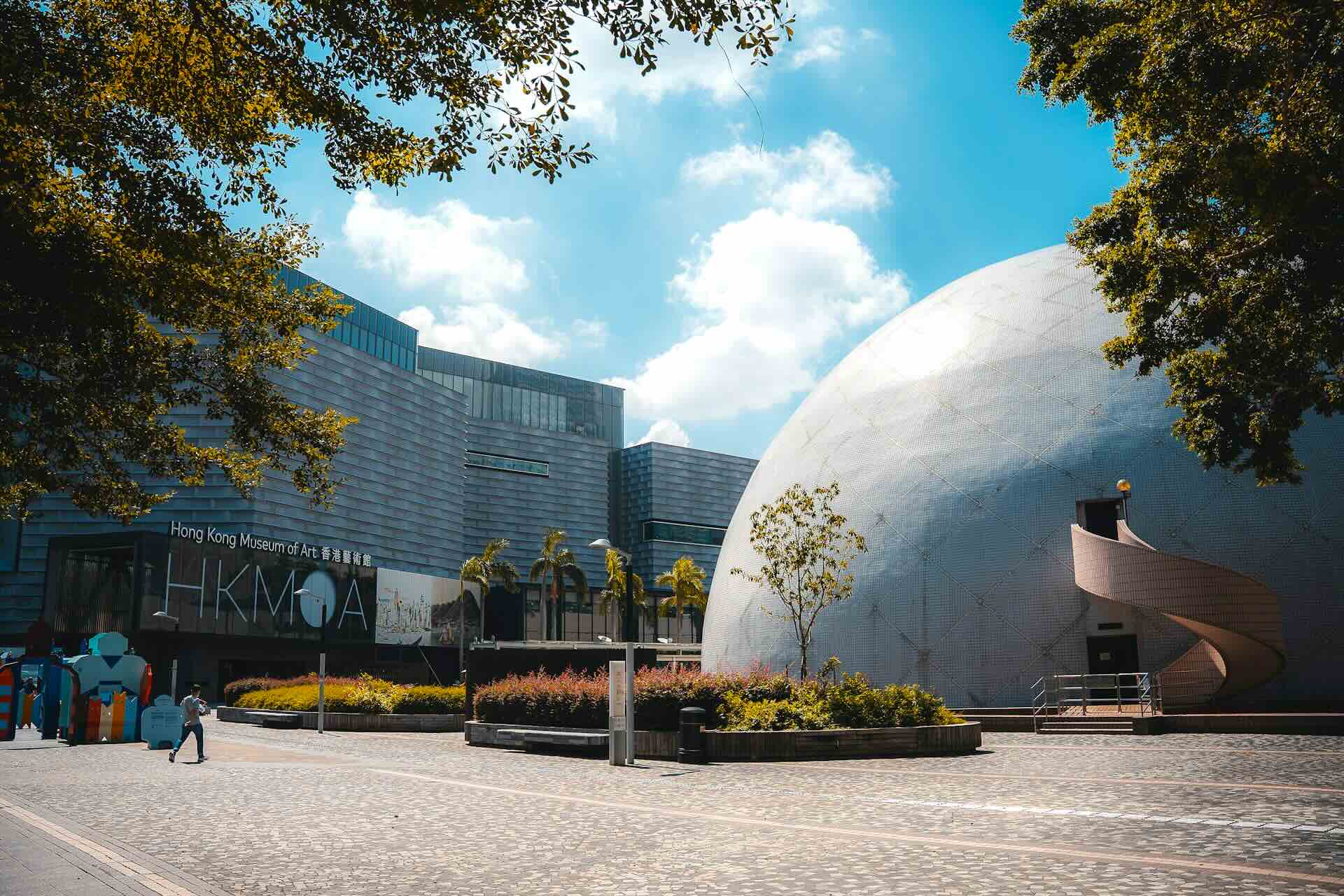
    Art Basel Hong Kong transforms the city into a global crossroads of collectors, curators, artists, and serious art enthusiasts. How to plan a trip to Hong Kong for Art Basel requires more than booking a ticket to the fair. The experience extends far beyond the convention center. It spills into galleries, hotel lobbies, rooftop parties, and late night dinners across the city.

    If you plan strategically, you can balance major exhibitions with neighborhood exploration, local food, and downtime. Hong Kong rewards preparation, especially during one of its busiest cultural weeks of the year.

    Understand the Timing and Energy of Art Basel Week

    Art Basel Hong Kong typically takes place in late March.

    The main fair runs several days, but VIP previews and private events begin earlier. Hotels fill quickly. Restaurant reservations become competitive. Galleries host parallel exhibitions throughout the city.

    The atmosphere is intense but exciting. International visitors flood Central, Wan Chai, and surrounding districts.

    Arriving one or two days before the official opening allows you to adjust to time zone differences and attend early events without feeling rushed.

    Book Accommodations Early and Strategically

    Location matters during Art Basel week.

    Staying in Central places you close to major galleries and nightlife. Wan Chai offers easier access to the Hong Kong Convention and Exhibition Centre where the fair is held. Tsim Sha Tsui provides skyline views and slightly more space, but requires short ferry or metro rides.

    Reserve accommodations several months in advance. Prices rise sharply as the event approaches.

    Proximity reduces transit stress during packed schedules.

    Secure Fair Tickets and VIP Access in Advance

    If you qualify for VIP access through a gallery or partner, confirm early.

    Public tickets can sell out, especially for peak days.

    VIP access offers quieter preview hours, which allow more meaningful engagement with galleries.

    If you plan to attend multiple days, consider pacing. Art fatigue is real.

    Build a Daily Structure Around One Main Anchor

    The fair itself can consume hours.

    Instead of stacking too many commitments in one day, treat Art Basel as your cultural anchor. Dedicate mornings or afternoons to the exhibition halls.

    Use the rest of the day for neighborhood galleries, studio visits, or relaxed meals.

    Balance is critical. Over scheduling reduces your ability to absorb what you see.

    Explore Satellite Fairs and Gallery Districts

    Art Basel week includes satellite fairs and pop up exhibitions.

    Visit districts like Sheung Wan and Sai Ying Pun for contemporary galleries and emerging spaces.

    Hollywood Road becomes especially active.

    Smaller exhibitions often feel more intimate and less overwhelming than the main fair.

    Plan Dining With Intention

    Hong Kong’s food scene rivals its art scene.

    Reserve at least one standout dinner during your stay. Rooftop restaurants in Central provide dramatic skyline views. Dim sum lunches offer cultural immersion.

    Avoid booking every meal weeks in advance. Leave space for spontaneous discoveries.

    Art conversations often continue over long dinners.

    Protect Downtime Between Events

    Art Basel week moves fast.

    Schedule short breaks between gallery visits and evening events. Return to your hotel for an hour if needed. Walk along Victoria Harbour to reset.

    Downtime improves clarity and energy.

    Without it, days blur together.

    Dress Smart and Practical

    Hong Kong in late March is typically mild, but indoor venues can vary in temperature.

    Wear comfortable shoes. You will walk extensively within the fair and between neighborhoods.

    Choose polished but practical outfits. The scene is stylish but not costume driven.

    Confidence and comfort matter more than trend.

    Use Public Transportation Efficiently

    Hong Kong’s metro system is clean, fast, and intuitive.

    The MTR connects major art districts quickly. Ferries between Hong Kong Island and Kowloon provide scenic transport.

    Traffic can be unpredictable during large events.

    Efficient movement preserves time and energy.

    Consider Extending Your Trip

    If possible, add extra days before or after Art Basel.

    Explore Lantau Island, hiking trails, or outlying neighborhoods beyond Central.

    This allows you to experience Hong Kong outside the art world lens.

    A short extension transforms a high intensity visit into a more balanced trip.

    Network Thoughtfully

    Art Basel attracts global professionals.

    Be intentional about events you attend. Smaller gallery dinners often offer more meaningful conversations than large parties.

    Bring business cards if relevant, but focus on genuine interaction.

    Authentic connection stands out more than aggressive networking.

    Why Planning Matters More During Art Basel

    Hong Kong functions efficiently year round, but Art Basel amplifies demand.

    Hotels, restaurants, and galleries operate at full capacity.

    Preparation allows you to move confidently rather than reactively.

    When logistics are handled early, you can focus on art and atmosphere.

    Final Thoughts on Visiting Hong Kong for Art Basel

    How to plan a trip to Hong Kong for Art Basel comes down to structure and flexibility.

    Secure essentials early. Anchor each day around one major experience. Leave room for rest and spontaneity.

    The fair is only part of the story. Hong Kong itself becomes the larger canvas.

    Plan a trip to Hong Kong today.

  • 7 of the Most Instagrammable Restaurants in the World, Part 3

    7 of the Most Instagrammable Restaurants in the World, Part 3

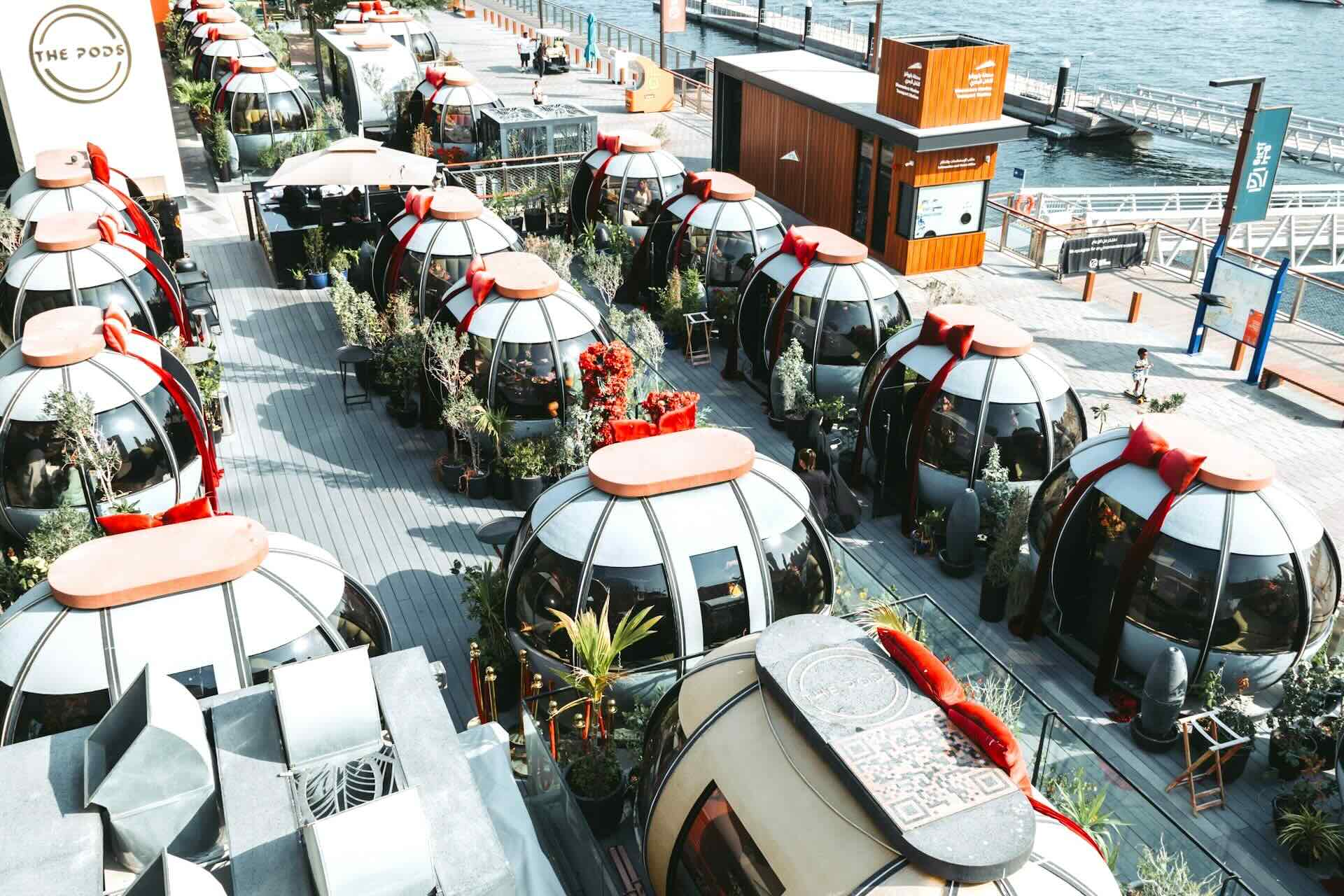
    Dining has become one of the most visual parts of travel, and 7 of the most Instagrammable restaurants in the world, Part 3 explores spaces where architecture, setting, and atmosphere elevate the entire experience. These are not just restaurants with pretty plates. They are environments designed to immerse you.

    From desert backdrops to skyline rooftops, these restaurants turn a meal into a moment. If you plan trips around aesthetics and ambiance as much as cuisine, these destinations deserve attention.

    Treepod Dining, Koh Kood, Thailand

    Treepod Dining offers one of the most unique restaurant settings in the world.

    Guests sit inside woven pods suspended above lush tropical landscape and ocean views. Meals are delivered by zip line, adding theatrical flair without overwhelming the experience.

    The natural setting dominates visually. The design feels organic rather than artificial.

    This is ideal for travelers who want nature driven drama.

    Le Train Bleu, Paris, France

    Le Train Bleu feels like dining inside a historic gallery.

    Located within the Gare de Lyon station, the restaurant features ornate ceilings, chandeliers, and large scale murals. Gold accents and classical artwork create a sense of grandeur.

    The space feels cinematic and nostalgic at the same time.

    For travelers who appreciate architectural opulence, this setting delivers timeless visual impact.

    Rock Restaurant, Zanzibar, Tanzania

    Rock Restaurant sits dramatically on a small rock in the Indian Ocean.

    At high tide, the building appears to float above turquoise water. At low tide, you can walk directly to it.

    The simplicity of the structure contrasts with the surrounding seascape, creating natural visual drama.

    This is an example of location defining the entire aesthetic.

    Salvaje, Dubai, United Arab Emirates

    Salvaje blends bold lighting with theatrical interior design.

    Large art installations, sculptural elements, and dramatic color contrasts create an environment built for visual storytelling and makes it one of the most Instagrammable restaurants.

    The atmosphere feels energetic and immersive rather than subtle.

    Travelers who enjoy high contrast, high energy dining spaces will appreciate this style.

    The Jane, Antwerp, Belgium

    The Jane is housed inside a former chapel.

    Stained glass windows, vaulted ceilings, and a suspended chandelier installation create a striking fusion of history and contemporary design.

    The contrast between sacred architecture and modern plating produces a memorable visual experience.

    It is immersive without being overwhelming.

    La Muralla Roja Rooftop Dining, Calpe, Spain

    Dining near La Muralla Roja offers a backdrop of geometric architecture in vivid colors.

    The building’s bold pink and red facades create dramatic photo opportunities at different times of day.

    Combined with Mediterranean sea views, the setting feels surreal yet grounded.

    This location appeals to travelers who seek strong architectural identity.

    1826 Restaurant, Tasmania, Australia

    1826 Restaurant in Tasmania combines historic stone walls with contemporary minimalist interiors.

    The contrast between rugged structure and refined design creates visual balance.

    Soft lighting enhances texture and atmosphere.

    This space demonstrates that Instagrammable does not have to mean loud. Subtle design can be equally compelling.

    What Makes a Restaurant Instagrammable

    An Instagrammable restaurant has a cohesive visual story.

    Lighting, architecture, and environment align naturally.

    The setting enhances the dining experience instead of competing with it.

    Strong visual identity creates emotional memory.

    Why Travelers Seek Visually Driven Dining

    Restaurants often become evening anchors during a trip.

    Choosing a visually striking venue elevates the entire day.

    Photos capture only part of the experience. The atmosphere shapes mood and conversation.

    Design amplifies how you remember the moment.

    Choosing the Right Aesthetic

    Some travelers prefer natural landscapes and open air settings.

    Others gravitate toward dramatic interiors or historic architecture.

    Matching restaurant style to your travel mood makes the experience feel intentional rather than performative.

    Instagrammable should mean immersive, not artificial.

    Final Thoughts on Instagrammable Dining

    7 of the most Instagrammable restaurants in the world, Part 3 highlights how setting can define a meal.

    Whether suspended above jungle, perched on the ocean, or housed in a former chapel, these restaurants offer more than cuisine.

    They create environments that feel transportive.

    Plan a trip to a unique restaurant today.

  • When Is the Best Time to Visit Paris and Why It Depends on You

    When Is the Best Time to Visit Paris and Why It Depends on You

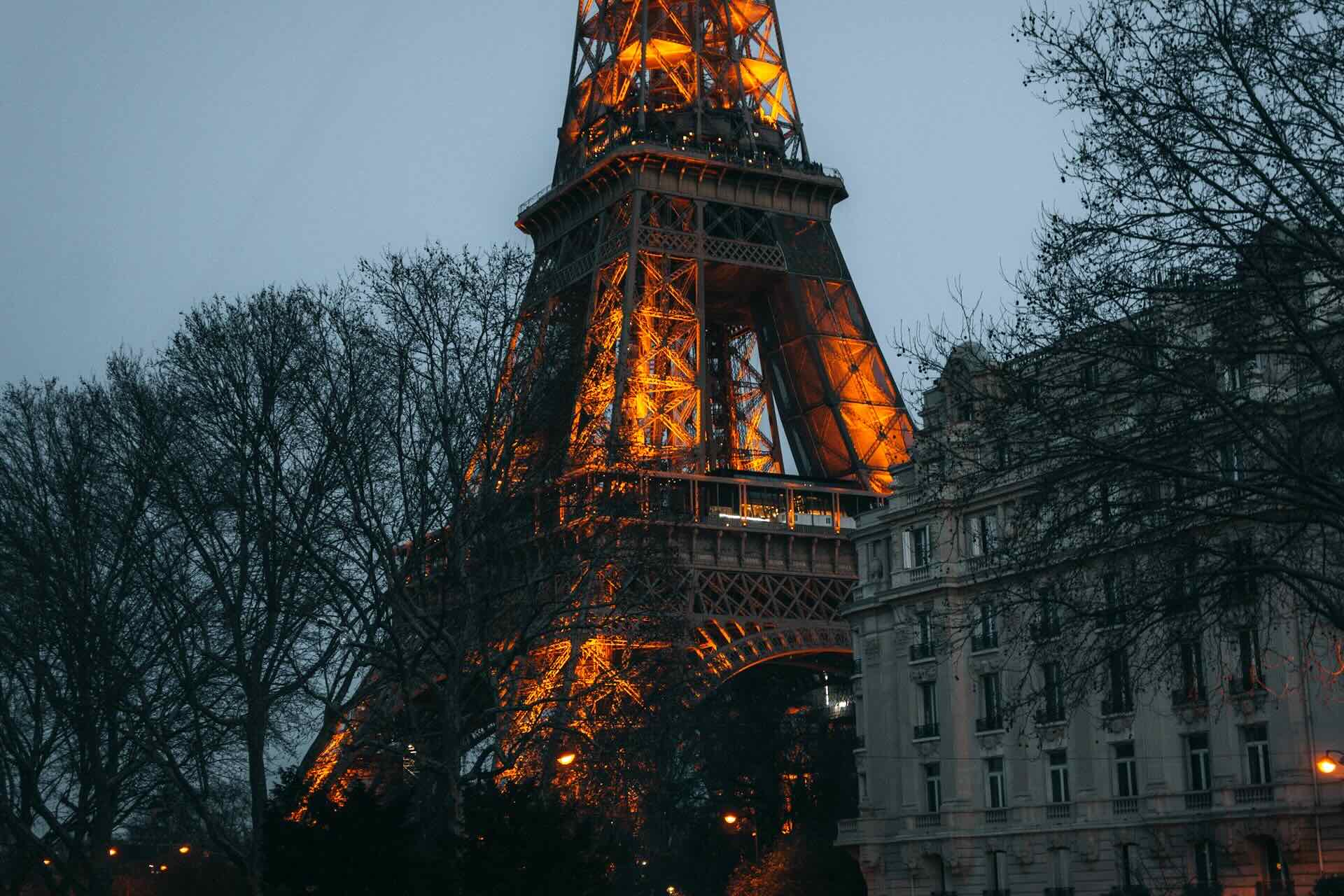
    Paris changes with the seasons, and when is the best time to visit Paris depends less on the calendar and more on what kind of experience you want. The city offers beauty year round, but atmosphere, pricing, crowd levels, and energy shift noticeably from one season to the next.

    Some travelers want long daylight and lively terraces. Others prefer fewer crowds and lower prices. Understanding how your priorities align with the season makes the difference between a good trip and a great one.

    Spring in Paris, Energy and Renewal

    Spring brings visible transformation.

    Cherry blossoms appear. Parks reopen fully. Sidewalk cafés begin to fill again.

    From April through early June, temperatures are generally comfortable. Walking between neighborhoods feels pleasant rather than exhausting.

    Crowds increase as the season progresses, especially near major landmarks. Prices begin rising as well.

    Spring works best for travelers who want balance. The city feels active but not yet at peak intensity.

    Summer in Paris, Light and Liveliness

    Summer offers the longest days.

    Sunset can stretch late into the evening, which makes outdoor dining and riverside walks especially appealing.

    Festivals and open air events become more common. Parks fill with locals enjoying the warmth.

    However, July and August bring higher prices and heavier tourist traffic. Some local businesses close temporarily during peak holiday periods.

    Summer suits travelers who thrive on movement and extended daylight, and who do not mind crowds.

    Fall in Paris, Texture and Calm

    Fall delivers a quieter elegance.

    September retains some summer warmth, but October and November introduce cooler air and softer light.

    Tree lined streets shift in color. Cafés feel cozier. Museums feel less rushed.

    Crowds decrease gradually after early September, and pricing becomes more reasonable.

    Fall appeals to travelers who value atmosphere over volume.

    Winter in Paris, Intimate and Reflective

    Winter changes the emotional tone.

    Shorter days and cooler temperatures encourage museum visits, bookstore browsing, and lingering meals.

    Holiday markets and seasonal decorations add charm in December.

    January and February are typically the least crowded months. Prices often reflect this shift.

    Winter works well for travelers who prioritize culture, intimacy, and lower costs over outdoor activity.

    If You Care Most About Food

    Paris is a food focused city year round.

    Spring and fall often provide the most comfortable temperatures for market visits and terrace dining.

    Winter emphasizes rich dishes and warm interiors.

    Summer encourages picnics along the Seine and open air dining.

    If cuisine is your primary focus, any season can work. The mood simply shifts.

    If You Care Most About Photography

    Light quality matters.

    Spring offers soft blooms and clear skies. Summer provides long golden evenings. Fall creates textured color and contrast. Winter introduces dramatic gray tones and moody streets.

    Photographers often prefer spring or fall for balanced light and manageable crowds.

    If You Care Most About Budget

    Winter generally offers the best pricing on flights and accommodations.

    Late fall and early spring can also provide value before peak demand.

    Summer tends to be the most expensive period.

    Budget conscious travelers often benefit from shoulder seasons.

    If You Care Most About Crowd Levels

    January, February, and early November typically feel the calmest.

    Late June through August sees the highest concentration of visitors.

    Spring and early fall strike a middle ground.

    Crowd tolerance varies by traveler. Knowing your comfort level is essential.

    If You Care Most About Weather

    Paris rarely experiences extreme temperatures compared to other European capitals.

    Summer can be warm but manageable. Winter can be chilly but rarely severe.

    Spring and fall provide the most moderate conditions overall.

    If you prefer mild walking weather, aim for late April through early June or September.

    Why There Is No Universal Best Time

    When is the best time to visit Paris depends entirely on your priorities.

    Some travelers seek high energy and full terraces. Others prefer quiet museums and lower prices.

    Paris remains culturally rich and architecturally stunning in every season.

    Your best time is the one that matches your expectations.

    How to Decide

    List your top three priorities.

    Weather. Budget. Crowd level. Cultural events. Food experiences.

    Rank them honestly.

    Once you know what matters most, the right season becomes clearer.

    Final Thoughts on Visiting Paris

    Paris does not lose its identity when the season changes.

    It simply expresses itself differently.

    Whether you prefer vibrant summer evenings or quiet winter mornings, the city adapts to your pace.

    Choosing the right season allows you to experience Paris in a way that feels personal rather than generic.

    Plan a trip to Paris today.