Tag: TravelPal

  • Where to Stay in Los Angeles if Food Is a Priority

    Where to Stay in Los Angeles if Food Is a Priority

    Los Angeles is one of the most food diverse cities in the world, and where to stay in Los Angeles if food is a priority depends on how you like to eat and explore. This is not a single restaurant city. It is a collection of neighborhoods, each shaped by culture, immigration, creativity, and access to ingredients. Choosing the right place to stay can dramatically improve how much you eat well without spending half your trip in traffic.

    For travelers who plan days around meals, markets, and casual discoveries, location matters as much as reservations. The right neighborhood turns food into a daily rhythm rather than a logistical challenge.

    Understanding Los Angeles as a Food City

    Los Angeles food culture is decentralized. Great meals are spread across the city rather than concentrated in one core.

    Different neighborhoods specialize naturally. Some excel at street food and casual dining. Others focus on chef driven restaurants, markets, or cultural staples.

    Because traffic shapes daily life, staying close to the type of food you want to eat is often more important than staying central.

    Food focused travel in Los Angeles is about proximity and pacing, not checking off lists.

    Koreatown for Around the Clock Eating

    Koreatown is one of the best places to stay if food is your top priority.

    This neighborhood offers some of the most consistent, affordable, and late night dining in the city. Meals here feel communal and energetic.

    Korean barbecue, noodle shops, bakeries, and casual spots operate well into the night. Eating is flexible and frequent.

    Koreatown’s density means many great options are walkable. That alone makes it attractive for food focused travelers.

    It is ideal if you enjoy variety, late meals, and a lively atmosphere.

    Downtown Los Angeles for Range and Access

    Downtown Los Angeles offers one of the widest food ranges in a compact area.

    Historic markets, modern food halls, casual lunch spots, and destination restaurants coexist within a few blocks.

    Staying downtown allows easy access to diverse cuisines without constant driving. Walking between meals becomes part of the experience.

    The neighborhood works best for travelers who want variety and do not mind urban energy.

    Downtown also connects easily to other food rich areas, making it a strategic base.

    Silver Lake and Echo Park for Everyday Food Culture

    Silver Lake and Echo Park appeal to travelers who value neighborhood food culture over formal dining.

    Cafés, bakeries, casual restaurants, and creative spots define the area. Eating feels integrated into daily life rather than scheduled.

    Meals here are often relaxed and unfussy, with a strong emphasis on quality ingredients and local following.

    Staying in this area suits travelers who enjoy morning coffee rituals, casual dinners, and repeat visits to favorite places.

    It feels personal rather than performative.

    West Hollywood for Restaurant Driven Dining

    West Hollywood works well if your priority is destination dining.

    Many chef driven restaurants cluster here, alongside cocktail focused dining and social scenes.

    Staying nearby reduces reliance on late night transportation and makes reservations easier to enjoy without rushing.

    This area suits travelers who plan meals ahead and want evenings to feel social and energetic.

    It pairs well with shorter trips where dining is a central activity.

    Santa Monica for Market Driven Eating

    Santa Monica offers a different food experience centered on freshness and access to ingredients.

    Farmers markets, seafood focused restaurants, and produce driven menus define the area.

    Staying here works well if you enjoy daytime eating, walking between meals, and lighter styles of dining.

    It also suits travelers who prefer mornings, outdoor meals, and a slower pace.

    Food here feels seasonal and routine rather than indulgent.

    Boyle Heights for Cultural Depth

    Boyle Heights offers some of the most culturally rooted food experiences in Los Angeles.

    This neighborhood reflects long standing traditions and everyday cooking rather than trends.

    Staying nearby allows deeper engagement with markets, bakeries, and casual dining that locals rely on daily.

    It is ideal for travelers who value authenticity and are comfortable exploring outside tourist patterns.

    Food here tells stories rather than chasing attention.

    Choosing Based on How You Like to Eat

    Your ideal neighborhood depends on how you approach food.

    If you eat late and often, Koreatown fits best. If you want variety in walking distance, Downtown works well. If you prefer casual routines, Silver Lake or Echo Park shine.

    If dining is social and reservation based, West Hollywood makes sense. If freshness and markets matter, Santa Monica delivers.

    Matching location to eating style improves every meal.

    Avoiding Common Food Travel Mistakes in Los Angeles

    One of the biggest mistakes travelers make is staying far from where they plan to eat.

    Traffic turns simple meals into commitments. Over scheduling leads to missed opportunities.

    Food in Los Angeles rewards repetition and proximity. Staying nearby allows flexibility and discovery.

    The city works best when meals are part of the day, not the destination.

    How Food Shapes the Travel Experience

    Eating well changes how Los Angeles feels.

    You move less. You notice more. You build small routines.

    Food becomes part of the city’s texture rather than a separate activity.

    That integration creates better memories than chasing highlights.

    Planning a Food Focused Stay

    Choose one or two food rich neighborhoods and commit to them.

    Allow room for spontaneous decisions. Eat earlier and later than planned.

    Return to places you enjoy. Let familiarity build.

    This approach turns Los Angeles into a livable food city rather than a scattered one.

    Why Staying in the Right Area Matters

    Where to stay in Los Angeles if food is a priority comes down to alignment.

    The right neighborhood removes friction and adds joy.

    It lets food shape the trip naturally instead of feeling like work.

    That difference is everything.

    Plan a trip to Los Angeles today.

  • On a Tight Budget? Smart Ways to Travel for Less With TravelPal

    On a Tight Budget? Smart Ways to Travel for Less With TravelPal

    Travel does not have to be expensive to be meaningful, and on a tight budget, smart ways to travel for less often come down to planning, flexibility, and knowing where to focus your money. Affordable travel is not about cutting everything. It is about spending intentionally and avoiding the choices that quietly inflate costs without improving the experience.

    For travelers who want culture, food, and memorable experiences without overspending, the right strategy can make travel both accessible and enjoyable.

    Rethinking What Makes a Trip Expensive

    Many travelers assume flights or accommodations are the biggest barriers to affordable travel. In reality, small decisions made throughout the trip often have a greater impact.

    Poor timing, rigid schedules, and over planning can drive up costs quickly. Convenience fees, unnecessary upgrades, and impulse spending add up faster than expected.

    Traveling for less starts with awareness. Understanding where money actually goes helps you decide what is worth paying for and what is not.

    Choosing Destinations That Offer Better Value

    Some destinations naturally offer more value for travelers on a budget. This does not mean choosing places without culture or character.

    Cities with strong public transportation, walkable neighborhoods, and affordable food scenes stretch budgets further. Places where daily life happens outdoors or in public spaces reduce the need for paid activities.

    Traveling slightly outside peak seasons also opens access to better prices without sacrificing experience.

    Being Flexible With Dates and Timing

    Flexibility is one of the most powerful tools for affordable travel.

    Midweek flights are often cheaper than weekend departures. Shoulder seasons offer lower prices and fewer crowds.

    Even shifting a trip by a few days can significantly reduce costs. Travelers who prioritize experiences over exact dates usually find better deals.

    Flexibility creates options. Options create savings.

    Rethinking Accommodations

    Affordable travel does not require sacrificing comfort.

    Staying slightly outside major tourist centers often reduces costs while offering more authentic experiences. Many neighborhoods well connected by public transportation provide better value than central hotspots.

    Shorter stays in nicer accommodations can sometimes cost less than longer stays in places that require constant transportation spending.

    The goal is balance, not extremes.

    Eating Well Without Overspending

    Food is one of the easiest areas to overspend, but also one of the easiest to manage.

    Eating where locals eat often costs less and delivers better experiences. Markets, bakeries, and casual spots usually offer high quality without inflated prices.

    Planning one or two memorable meals while keeping the rest simple creates balance. Not every meal needs to be an event.

    Food becomes part of daily rhythm rather than a budget drain.

    Using Transportation Strategically

    Transportation costs can quietly erode travel budgets.

    Walking whenever possible saves money and enhances experience. Public transportation usually offers far better value than taxis or rideshares.

    Understanding local transit passes can lead to meaningful savings, especially in cities designed for movement rather than driving.

    Choosing accommodations near transit hubs reduces daily expenses without reducing access.

    Prioritizing Experiences Over Attractions

    Many of the most meaningful travel experiences are free or low cost.

    Wandering neighborhoods, visiting parks, observing daily life, and enjoying public spaces often leave stronger impressions than ticketed attractions.

    Paid experiences should feel intentional. Choose those that align closely with your interests rather than checking boxes.

    Quality matters more than quantity.

    Avoiding Hidden Travel Costs

    Hidden costs often surprise budget travelers.

    Baggage fees, currency exchange charges, international transaction fees, and unnecessary add ons add up quickly.

    Planning ahead and understanding basic travel logistics helps avoid these expenses.

    A small amount of preparation protects your budget throughout the trip.

    Planning Trips Around Daily Life

    Trips feel more affordable when they align with how places actually function.

    Traveling at local rhythms reduces pressure to spend. Eating at normal meal times, shopping in local stores, and participating in everyday routines create authentic experiences at lower cost.

    When travel mirrors daily life, expenses tend to stabilize naturally.

    Using Technology to Make Smarter Choices

    Planning tools help travelers compare options, avoid inefficiencies, and build realistic itineraries.

    Seeing how destinations connect, how days flow, and where time is spent prevents overspending driven by poor planning.

    Smart planning supports affordable travel by reducing guesswork and wasted movement.

    Why Affordable Travel Often Feels Better

    Budget conscious travel often leads to deeper experiences.

    Slower pace, fewer commitments, and more observation create space for connection and discovery.

    Spending less can actually improve travel satisfaction by shifting focus away from consumption and toward experience.

    Affordable travel is not lesser travel. It is often more intentional travel.

    Building Trips That Fit Your Real Life

    The best travel budgets reflect real priorities.

    If food matters most, spend there and save elsewhere. If location matters, adjust trip length. There is no universal formula.

    The goal is alignment, not restriction.

    When spending supports what you care about, travel feels worth every dollar.

    Final Thoughts on Traveling for Less

    Traveling on a tight budget is not about deprivation. It is about clarity.

    Knowing what to skip is just as important as knowing what to spend on.

    With the right mindset and planning approach, affordable travel becomes sustainable, repeatable, and rewarding.

    Travel more often. Stress less about money. Focus on experience.

    Plan a trip today.

  • Chase Travel’s Top 26 for 2026: TravelPal’s Take

    Chase Travel’s Top 26 for 2026: TravelPal’s Take

    Chase Travel has released its Top 26 Places to Visit in 2026, and the list perfectly captures the spirit of modern travel. It balances timeless destinations with new discoveries, appealing to travelers who value culture, sustainability, and unique experiences. From the Albanian Riviera to New York’s Upper East Side, the list shows how travel is shifting toward deeper, more meaningful experiences.

    At TravelPal.ai, we examined this list through the lens of real data and traveler behavior.

    What Chase Got Right

    Chase Travel’s 2026 list stands out for its balance between emerging and iconic destinations. Each choice reveals a different facet of global travel trends, and collectively, they illustrate how the definition of luxury and adventure continues to expand.

    The Appeal of Hidden Gems

    One of the strongest choices on the list is the Albanian Riviera. Long overshadowed by its Mediterranean neighbors, it offers turquoise waters, quiet coastal towns, and authentic charm without the crowds. For travelers seeking natural beauty at a fraction of the price of Italy or Greece, Albania is quickly becoming Europe’s next must-visit region.

    The Atacama Desert in Chile represents another inspired pick. Known for its otherworldly landscapes and starlit skies, it appeals to adventurers and stargazers alike. Chase’s inclusion of Dominica also highlights a key trend, travelers moving toward eco-conscious Caribbean islands where sustainability is built into the experience.

    The Power of Nature and Conservation

    Chase recognized that travelers in 2026 are increasingly motivated by natural beauty and environmental awareness. Botswana has emerged as one of Africa’s most exclusive and conservation-focused safari destinations, offering pristine wilderness experiences that respect wildlife and local communities.

    Similarly, the Canadian Arctic captures the essence of untouched exploration. It appeals to those searching for remote adventure and a deeper connection to the environment. The British countryside, meanwhile, represents the opposite end of the spectrum, peaceful landscapes and heritage charm that attract travelers who crave simplicity and calm.

    Iconic Cities That Keep Reinventing Themselves

    Chase also included destinations that continue to evolve while maintaining their timeless appeal. Côte d’Azur and the Dolomites are perfect examples of European destinations that blend tradition and sophistication. Istanbul remains a crossroads of culture, design, and cuisine, while Egypt continues its remarkable tourism revival, supported by new archaeological discoveries and modern infrastructure.

    In Asia, Osaka earns its place as Japan’s culinary capital, and Taipei is gaining momentum as one of the most dynamic and creative cities in East Asia. The inclusion of New South Wales showcases Australia’s versatility, combining beaches, vineyards, and a thriving cultural scene.

    Rediscovering the Americas

    Closer to home, Chase celebrates the growing appeal of the Americas. Cartagena continues to rise as Colombia’s most romantic and colorful destination, combining colonial architecture with Caribbean vibrancy. Portland, Oregon, and Park City, Utah, each represent modern American travel values, creativity, outdoor recreation, and wellness.

    Route 66 speaks to nostalgia and freedom, capturing the enduring allure of the open road. Meanwhile, Valle de Guadalupe in Mexico is positioning itself as a serious competitor to Napa Valley, offering boutique vineyards and world-class cuisine.

    The Allure of the Tropics

    Destinations like SeychellesSouth Caicos, and Sri Lanka underscore the continued demand for tropical escapes that blend comfort with nature. These locations are ideal for travelers who want privacy and tranquility without sacrificing quality.

    Even the inclusion of the Upper East Side in New York reveals an appreciation for timeless urban luxury. It reflects a growing interest in experiences that combine culture, art, and lifestyle in established global cities.

    TravelPal’s Perspective

    At TravelPal.ai, we see clear alignment between Chase’s list and current traveler behavior. Travelers today are less interested in checking off landmarks and more focused on experiences that connect them to local culture, food, and nature.

    Our AI-driven insights reveal that travelers are extending trip durations, staying in fewer destinations, and choosing accommodations that match their values, from eco-resorts to design-forward boutique hotels. The desire to travel more meaningfully, rather than more frequently, defines this new era of exploration.

    The Rise of Sustainability and Conscious Travel

    Many destinations on Chase’s list highlight the importance of sustainability. From Dominica’s eco-lodges to Botswana’s low-impact safaris, the focus on environmental responsibility is not a niche interest anymore. It has become a standard expectation for many travelers.

    At TravelPal.ai, we have observed a steady increase in searches related to sustainable experiences and eco-friendly travel options. Travelers are now making choices that align with both environmental and cultural preservation.

    Culinary and Cultural Journeys

    Food remains one of the strongest motivators for global travel. Basque Country, Osaka, and Cartagena all reflect how culinary culture is shaping destination appeal. Rather than dining in luxury restaurants alone, travelers want to connect with authentic flavors, local markets, and food traditions that tell a story.

    Cultural depth also remains a top priority. Egypt, Istanbul, and the Golden Triangle in India each offer travelers the opportunity to experience living history in immersive ways. The most successful destinations in 2026 will be those that marry culinary excellence with cultural integrity.

    TravelPal.ai’s Additions

    While Chase’s list is strong, TravelPal.ai’s data highlights several destinations poised for growth. Oaxaca, Mexico stands out for its artistry and culinary scene, while Lisbon, Portugal continues to attract global attention for its design, affordability, and charm. Reykjavik, Iceland remains a top choice for sustainable adventure.

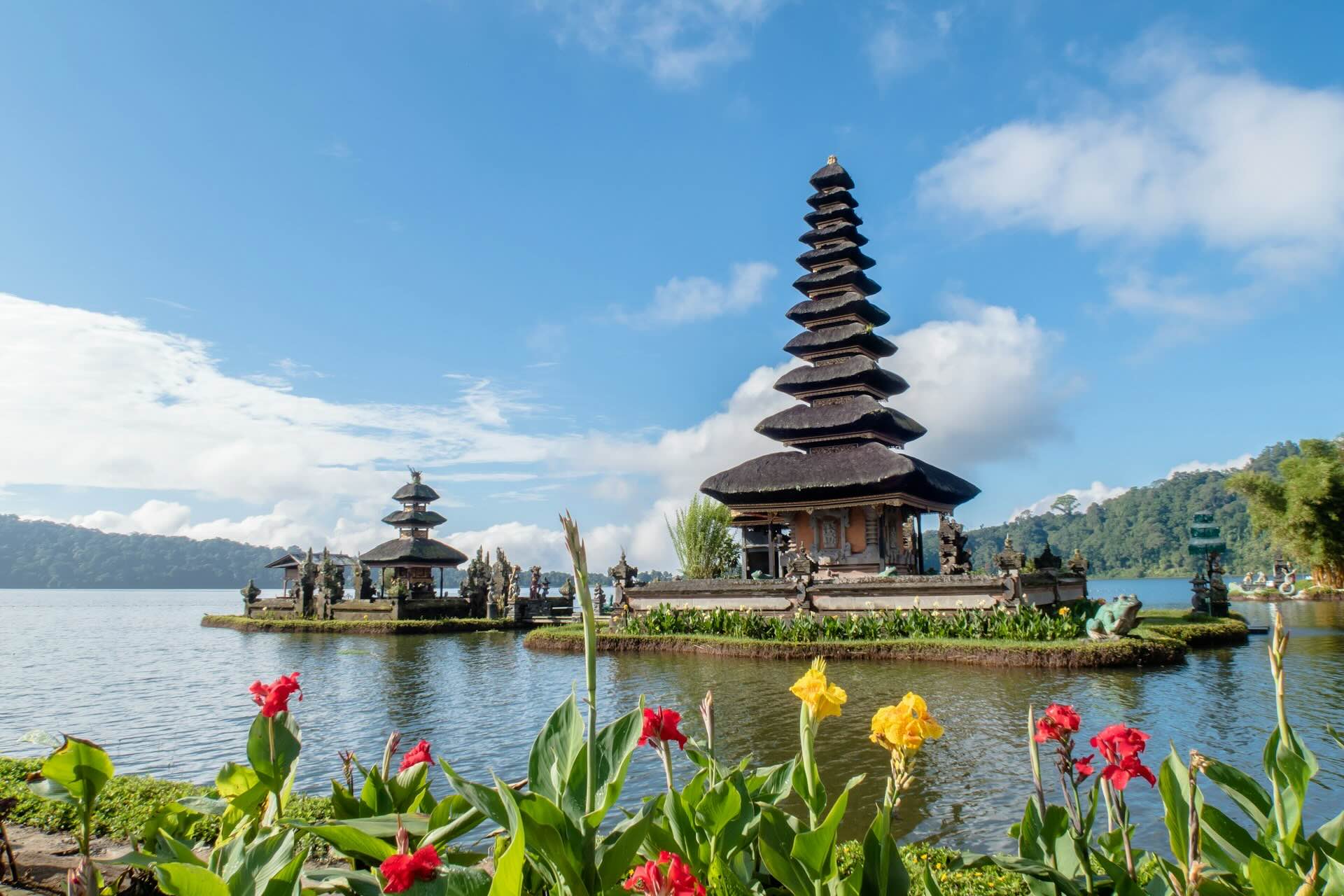
    Bali continues to appeal to wellness travelers and creative professionals alike. Kyoto offers cultural serenity that complements Osaka’s energy, and Montreal remains North America’s creative heartbeat. Tbilisi and Medellín represent a new class of affordable, safe, and inspiring cities that appeal to digital nomads and investors.

    The Future of Trip Planning

    Chase’s list inspires curiosity, but planning such trips requires organization and precision. That is where TravelPal.ai excels. The platform uses AI to build custom itineraries that adjust in real time based on traveler interests, budget, and schedule.

    From predicting ideal travel seasons to suggesting restaurants and boutique hotels, TravelPal.ai turns inspiration into actionable plans. It combines global data with personalization, helping travelers explore smarter, not harder.

    The Takeaway

    Chase Travel’s 2026 list captures the spirit of global discovery at a pivotal time. It reflects a world eager to reconnect through exploration and experience.

    At TravelPal.ai, we share that vision. The destinations that define 2026 are not just beautiful, they are meaningful. They encourage travelers to slow down, stay longer, and see deeper. With AI-driven planning, it is now possible to experience them all in a way that feels personal, efficient, and inspiring.

    Plan your next top adventure with TravelPal.ai

  • 10 U.S. Towns That Shine in Fall Foliage Season

    10 U.S. Towns That Shine in Fall Foliage Season

    When the air turns crisp and the leaves ignite in shades of red, gold, and amber, there’s nothing quite like exploring small towns that shine with fall magic. Across the United States, autumn transforms entire regions into vibrant, postcard-worthy destinations. From New England’s rolling hills to the Great Smoky Mountains and the Pacific Northwest, these ten towns deliver the most unforgettable displays of fall color.

    Each one offers more than just beautiful scenery, they capture the cozy, nostalgic feeling that makes fall travel so special.

    Stowe, Vermont

    Few places define fall like Stowe. Nestled in the Green Mountains, this charming town offers a front-row seat to Vermont’s legendary autumn display.

    Why It Shines

    Stowe’s blend of maple forests, covered bridges, and winding backroads makes it one of the most photographed fall destinations in America. From late September through mid-October, every hillside glows with color.

    What to Do

    • Drive the Mount Mansfield Auto Toll Road for panoramic foliage views.
    • Visit a local sugarhouse for warm maple syrup and cider doughnuts.
    • Hike Stowe Pinnacle Trail for a sweeping view of the valley.

    Stowe perfectly captures the small-town warmth and natural beauty that define fall in New England.

    Woodstock, New York

    In the heart of the Catskills, Woodstock has long been a creative haven, and autumn gives it a painter’s palette of color.

    Why It Shines

    Woodstock’s mix of forested trails, art galleries, and live music creates an atmosphere that feels both peaceful and alive. The town’s historic charm makes it a perfect base for exploring the Catskills’ scenic byways.

    What to Do

    • Hike Overlook Mountain for breathtaking views of the Hudson Valley.
    • Wander through local art studios and weekend craft fairs.
    • Attend the Woodstock Film Festival if you visit in early October.

    Woodstock glows with both natural beauty and creative energy during fall’s peak season.

    Asheville, North Carolina

    Set in the Blue Ridge Mountains, Asheville turns into a living canvas of autumn color each October.

    Why It Shines

    The surrounding mountains offer one of the longest and most vibrant fall seasons in the country, thanks to the region’s elevation changes. Add in Asheville’s thriving arts scene and cozy mountain vibes, and it’s easy to see why travelers return year after year.

    What to Do

    • Drive the Blue Ridge Parkway for panoramic views and scenic overlooks.
    • Explore the Biltmore Estate surrounded by golden forests.
    • Stop at a local brewery downtown for seasonal cider or pumpkin ale.

    Asheville combines mountain adventure with Southern hospitality, making it a perfect fall getaway.

    Leavenworth, Washington

    Leavenworth feels like a European alpine village dropped into the Cascade Mountains. In fall, it becomes a golden wonderland framed by evergreen peaks.

    Why It Shines

    The town’s Bavarian-style architecture, crisp air, and fall foliage make it one of the most charming autumn destinations in the Pacific Northwest. The surrounding mountains blaze with yellow larch trees, creating breathtaking contrast.

    What to Do

    • Attend the Leavenworth Autumn Leaf Festival or Oktoberfest.
    • Hike the Icicle Ridge Trail for sweeping valley views.
    • Enjoy pretzels and beer at one of the town’s outdoor beer gardens.

    Leavenworth offers both natural splendor and cozy seasonal celebration.

    Bar Harbor, Maine

    Bar Harbor sits on the edge of Acadia National Park, one of the best places in the U.S. to experience coastal fall foliage.

    Why It Shines

    The combination of ocean views, granite cliffs, and colorful forests makes Bar Harbor a truly unique autumn escape. Cool mornings, salty air, and fiery trees blend into one perfect fall atmosphere.

    What to Do

    • Drive Park Loop Road through Acadia for unbeatable views.
    • Watch the sunrise from Cadillac Mountain, the first place in the U.S. to see daylight in fall.
    • Enjoy a lobster roll or hot chowder at a waterfront café.

    Bar Harbor balances Maine’s rugged beauty with small-town charm and seasonal flavor.

    Telluride, Colorado

    Tucked into a box canyon surrounded by towering peaks, Telluride becomes a golden dream in autumn.

    Why It Shines

    Aspen trees blanket the mountainsides in brilliant shades of gold, making Telluride one of the most visually stunning fall destinations in the Rockies. The crisp mountain air and quiet charm of this former mining town add to its magic.

    What to Do

    • Take the Gondola Ride between Telluride and Mountain Village for panoramic views.
    • Hike the Bear Creek Trail surrounded by glowing aspens.
    • Explore the town’s boutique shops and historic architecture.

    Telluride’s small size and big scenery make it one of America’s most cinematic fall destinations.

    Taos, New Mexico

    Taos offers an entirely different take on fall, golden cottonwoods and aspen groves set against a backdrop of desert mesas and adobe architecture.

    Why It Shines

    Few places blend cultural depth and natural color like Taos. The Enchanted Circle Scenic Byway showcases high desert, forests, and mountain passes, all glowing in fall hues.

    What to Do

    • Visit the Taos Pueblo, a UNESCO World Heritage Site.
    • Drive the High Road to Taos, known for its scenic fall beauty.
    • Enjoy local chile dishes as the harvest season peaks.

    Taos combines history, art, and landscape in a uniquely Southwestern fall experience.

    Door County, Wisconsin

    Jutting out into Lake Michigan, Door County is a collection of charming waterfront villages surrounded by blazing maple and birch trees.

    Why It Shines

    The peninsula’s coastal views make its fall colors even more vivid. Add cozy bed-and-breakfasts, apple orchards, and scenic drives, and it’s a quintessential Midwest getaway.

    What to Do

    • Visit Peninsula State Park for some of Wisconsin’s best leaf views.
    • Stop by a roadside stand for fresh cider or homemade pie.
    • Take a ferry to Washington Island for a quiet day trip.

    Door County feels timeless, like autumn was made for it.

    Gatlinburg, Tennessee

    Gatlinburg is the gateway to Great Smoky Mountains National Park, home to one of the most diverse forests in the U.S.

    Why It Shines

    Fall colors here last longer than in most parts of the country, stretching from late September through early November. Combine that with cozy lodges, mountain views, and country charm, and you’ve got a perfect fall escape.

    What to Do

    • Drive Newfound Gap Road through the Smokies for panoramic views.
    • Visit nearby Clingmans Dome, the park’s highest point.
    • Stroll through downtown Gatlinburg for crafts, fudge, and local art.

    Gatlinburg brings together small-town comfort and mountain grandeur in one unforgettable autumn setting.

    Aspen, Colorado

    As its name suggests, Aspen shines brightest when its namesake trees turn gold. Nestled in the Rockies, this elegant mountain town glows with color every fall.

    Why It Shines

    The surrounding Maroon Bells are among the most photographed peaks in the country, especially when reflected in calm, golden lakes. Fall brings fewer crowds but no less beauty.

    What to Do

    • Hike the Maroon Lake Scenic Trail for picture-perfect views.
    • Visit local art galleries and cafés downtown.
    • Take a drive on Independence Pass for breathtaking mountain vistas.

    Aspen proves that even the most famous destinations can feel fresh and magical in fall.

    Why Fall Travel Feels So Special

    Traveling during fall offers more than stunning scenery, it’s a chance to slow down. Crisp mornings, warm drinks, and colorful landscapes invite reflection and reconnection. Each of these towns showcases a unique side of America’s autumn spirit, from coastal calm to mountain adventure.

    Whether you’re chasing golden leaves in Vermont or desert sunsets in New Mexico, fall travel brings something timeless to every journey.

    Plan a trip to America’s most beautiful fall foliage towns with TravelPal.ai

  • The Most Underrated U.S. National Parks

    The Most Underrated U.S. National Parks

    When travelers think of America’s national parks, places like Yellowstone, Yosemite, and the Grand Canyon usually come to mind. But beyond these icons lie dozens of underrated U.S. National Parks that rival them in beauty, solitude, and adventure. These underrated gems often offer the same breathtaking landscapes and wildlife without the crowds, traffic, or high costs that come with the more famous ones.

    From desert canyons and volcanic craters to alpine lakes and coastal forests, here are some of the most underrated national parks in the United States worth adding to your travel list.

    Great Basin National Park, Nevada

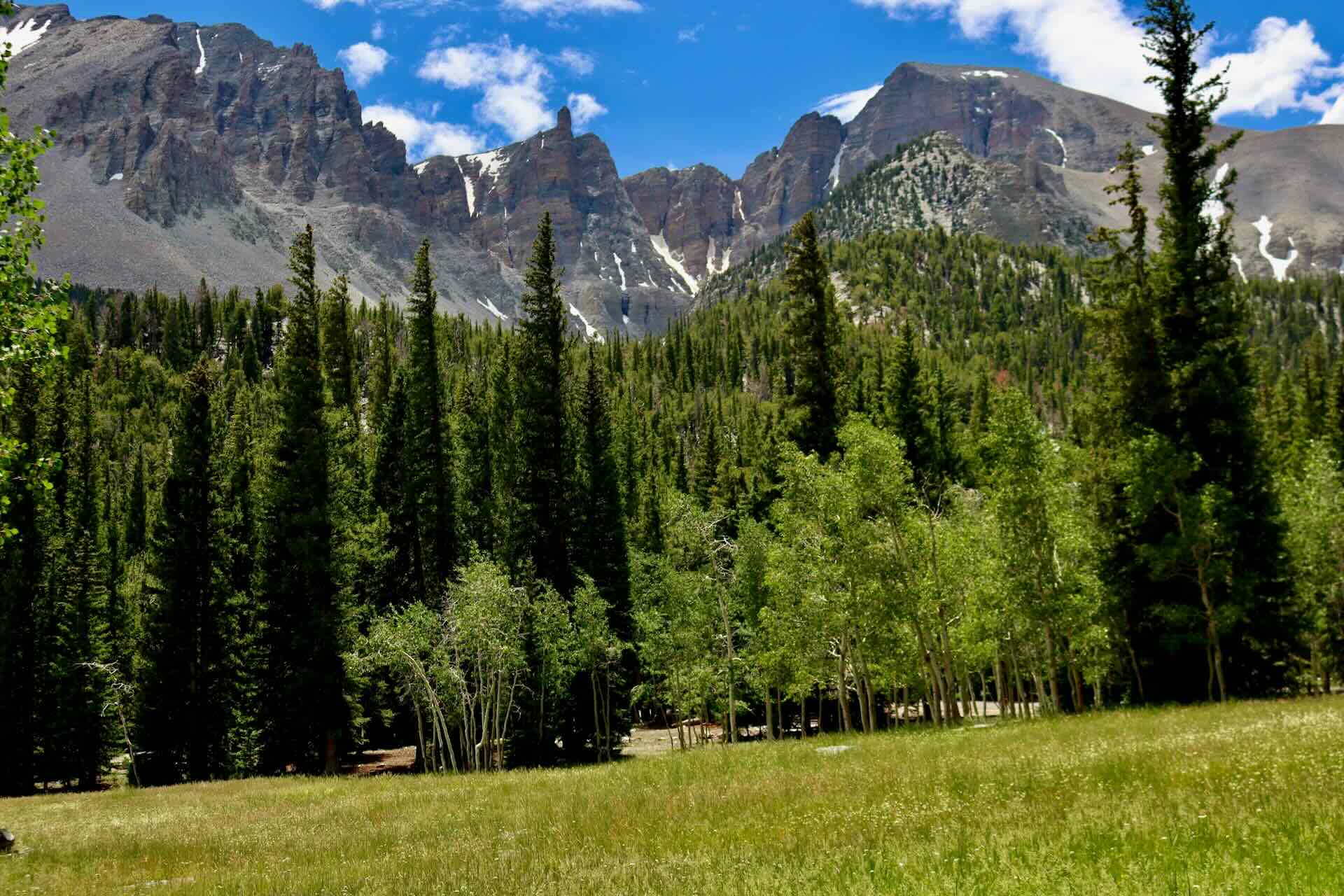
    Few people visit Great Basin National Park, and that rarity makes it truly special. Located near the Utah border, this park offers a fascinating mix of alpine forests, desert valleys, and ancient caves.

    What Makes It Underrated

    Most people associate Nevada with Las Vegas, not mountain peaks and glaciers, but Great Basin transforms that perception. The park’s remote location means you’ll find quiet trails, star-filled skies, and pristine wilderness without the crowds.

    What to See

    • Lehman Caves: A stunning marble cave system filled with stalactites and stalagmites.
    • Wheeler Peak Scenic Drive: Take in breathtaking views of the Snake Range.
    • Stargazing: Great Basin is an International Dark Sky Park, offering some of the best stargazing in North America.

    Great Basin proves that Nevada’s natural beauty is every bit as dazzling as its city lights.

    North Cascades National Park, Washington

    Travelers call North Cascades National Park the “American Alps,” yet far fewer people visit it than Mount Rainier or Olympic National Park. Its jagged peaks, turquoise lakes, and endless trails make it a paradise for hikers and photographers.

    What Makes It Underrated

    Despite being only a few hours from Seattle, North Cascades remains wonderfully uncrowded. Much of the park is wilderness, making it perfect for travelers seeking peace and isolation.

    What to See

    • Diablo Lake: Its surreal blue-green color comes from glacial minerals and is a must-see.
    • Cascade Pass Trail: One of the park’s best hikes, offering sweeping alpine views.
    • Ross Lake: Ideal for kayaking, camping, and spotting bald eagles.

    If you love dramatic landscapes without the rush of tourist traffic, North Cascades is a hidden gem waiting to be explored.

    Guadalupe Mountains National Park, Texas

    In far West Texas, near the New Mexico border, lies Guadalupe Mountains National Park, home to rugged peaks, canyons, and one of the best-preserved fossil reefs on Earth.

    What Makes It Underrated

    Guadalupe Mountains National Park is overshadowed by nearby Carlsbad Caverns, yet it offers incredible hiking and solitude. Its dry desert landscape hides lush canyons, forests, and wildlife, making it one of the most diverse ecosystems in Texas.

    What to See

    • Guadalupe Peak: The highest point in Texas, offering panoramic desert views.
    • McKittrick Canyon: Famous for its fall colors, a rarity in the desert Southwest.
    • Devil’s Hall Trail: A moderate hike through narrow limestone canyons and natural rock formations.

    Guadalupe Mountains is a quiet, powerful reminder of the Southwest’s geological and natural beauty.

    Lassen Volcanic National Park, California

    Lassen Volcanic is one of California’s best-kept secrets. While Yosemite and Sequoia get most of the attention, Lassen offers a surreal landscape of steaming fumaroles, alpine lakes, and wildflower meadows.

    What Makes It Underrated

    Lassen Volcanic sits off the beaten path in Northern California, which keeps its crowds low. Yet it’s one of the few places in the world where you can see all four types of volcanoes, shield, plug dome, cinder cone, and composite in one park.

    What to See

    • Bumpass Hell: A geothermal area with bubbling mud pots and steaming vents.
    • Manzanita Lake: A serene spot for kayaking and reflection photography.
    • Cinder Cone Trail: A steep but unforgettable hike up a volcanic cone with panoramic views of the Painted Dunes.

    Lassen is perfect for travelers who want the drama of Yellowstone without the congestion.

    Congaree National Park, South Carolina

    Located just outside Columbia, Congaree National Park is a lush, mysterious swamp unlike any other park in the country. It’s home to one of the largest intact old-growth bottomland hardwood forests in North America.

    What Makes It Underrated

    Congaree doesn’t have mountains or geysers, which makes it easy to overlook. But this quiet park is rich in biodiversity and offers a completely different kind of wilderness experience, peaceful, humid, and hauntingly beautiful.

    What to See

    • Boardwalk Loop Trail: A 2.4-mile raised boardwalk through ancient cypress trees and still waters.
    • Kayaking or Canoeing: Paddle through the slow-moving Cedar Creek and watch for turtles, owls, and herons.
    • Firefly Season: Each spring, synchronized fireflies light up the forest in one of nature’s most magical displays.

    Congaree’s otherworldly stillness offers a kind of serenity few parks can match.

    Theodore Roosevelt National Park, North Dakota

    Named after the conservation-minded president, Theodore Roosevelt National Park is a testament to the wild spirit of the American West. With its colorful badlands, wild bison, and star-filled nights, it’s one of the country’s most photogenic yet least-visited parks.

    What Makes It Underrated

    Its remote location in western North Dakota keeps visitor numbers low, but those who make the journey are rewarded with breathtaking scenery and solitude.

    What to See

    • Painted Canyon Overlook: A sweeping view of layered rock formations.
    • Wildlife Watching: Expect bison, wild horses, prairie dogs, and golden eagles.
    • Scenic Loop Drive: Perfect for a relaxed day of sightseeing and photography.

    For anyone seeking a true American frontier experience, this park delivers authenticity in spades.

    Isle Royale National Park, Michigan

    This remote island park in Lake Superior is one of the least visited in the U.S., not because it lacks beauty, but because it’s only accessible by boat or seaplane.

    What Makes It Underrated

    Isle Royale’s isolation is part of its charm. Once you arrive, you’re surrounded by rugged wilderness, crystal-clear waters, and an eerie, peaceful quiet that feels far removed from civilization.

    What to See

    • Greenstone Ridge Trail: A 40-mile backpacking route across the island’s ridges and forests.
    • Scuba Diving: The cold waters preserve historic shipwrecks that divers can explore.
    • Wildlife: Moose and wolves roam freely, making for one of the most unique ecosystems in the country.

    Isle Royale is not for casual tourists, it’s for travelers seeking solitude, challenge, and connection to nature.

    Why These Parks Deserve More Love

    Each of these parks offers something rare in today’s world: space, silence, and authenticity. They remind us that adventure doesn’t require standing in line or jostling for the perfect photo spot.

    Underrated parks also give travelers a chance to support smaller communities and experience America’s natural beauty more sustainably. They encourage slower travel and deeper appreciation, values that align perfectly with the future of exploration.

    So before you book that trip to the usual tourist hotspots, consider taking the road less traveled. You might just find your new favorite place in one of these hidden natural treasures.

    Plan a trip to America’s most underrated national parks with TravelPal.ai

  • Place of the Week: Explore Sunriver, Oregon

    Place of the Week: Explore Sunriver, Oregon

    Tucked away in central Oregon’s high desert, Sunriver is the kind of destination that feels like a secret, an outdoorsy paradise where pine forests meet volcanic landscapes, and adventure pairs perfectly with peace. Just 20 minutes south of Bend, this resort-style community offers year-round beauty, family-friendly activities, and a calm, luxurious energy without the steep prices of bigger mountain towns.

    Whether you’re drawn to snow-capped peaks, scenic cycling trails, or relaxing by the river, Sunriver delivers a little bit of everything, making it one of the most underrated places to visit in the Pacific Northwest.

    A Scenic Playground for All Seasons

    Few places in Oregon balance nature and recreation as effortlessly as Sunriver. At an elevation of about 4,200 feet, the area experiences all four seasons, each offering something special.

    Spring and Summer

    When the snow melts, Sunriver becomes a playground for outdoor lovers. More than 40 miles of paved bike paths wind through meadows, pine groves, and along the Deschutes River. Kayakers and paddleboarders can spend hours gliding across calm stretches of water, while fly fishers try their luck at rainbow trout.

    Nearby, Lava Lands Visitor Center and Newberry National Volcanic Monument showcase the region’s ancient geology. You can hike across lava fields, explore underground caves, and stand atop Lava Butte for panoramic views of the Cascades.

    Fall and Winter

    Autumn paints the landscape in gold and crimson, making it ideal for photographers and hikers. As winter arrives, the scenery transforms into a snowy wonderland. Just 25 minutes away, Mt. Bachelor Ski Resort offers some of the best skiing and snowboarding in the Pacific Northwest.

    Back in Sunriver, families can enjoy snowshoeing, sledding, or simply cozying up by the fire in a cabin. It’s a perfect balance of adventure and relaxation, ideal for couples, families, and solo travelers alike.

    What Makes Sunriver Unique

    Sunriver is more than just another mountain destination, it’s a meticulously designed resort community that still feels deeply connected to nature. The town’s layout encourages exploration on foot or by bike, making cars almost optional once you arrive.

    There’s also a peaceful rhythm here that sets it apart from busier destinations like Bend or Lake Tahoe. It’s a place where mornings start with coffee on the deck, afternoons are spent outdoors, and evenings end under an endless canopy of stars.

    The Deschutes River

    The Deschutes River is the heart of Sunriver life. Whether you’re floating lazily downstream on an inner tube or watching the sunset reflect on its glassy surface, the river is a constant presence.

    Rent a kayak or join a guided float tour to see the best of the area’s wildlife, bald eagles, deer, and river otters are frequent visitors. For those seeking serenity, early morning paddles are particularly magical, with mist rising off the water and pine scent hanging in the air.

    Stargazing at the Sunriver Observatory

    Sunriver is home to the Oregon Observatory, one of the largest publicly accessible observatories in the United States. Thanks to the region’s low light pollution, visitors can see planets, nebulae, and star clusters in remarkable detail. Evening viewing sessions are open most nights during the summer and are a must for families and astronomy enthusiasts.

    The Village at Sunriver

    Every great vacation spot needs a hub, and in Sunriver, that’s The Village. This charming central plaza features boutique shops, local eateries, art galleries, and seasonal events. You can grab breakfast at Hot Lava Bakery, rent bikes, and then return for dinner at South Bend Bistro or Marcello’s Cucina Italiana.

    In winter, the village transforms into a holiday wonderland, complete with an ice skating rink and festive lights that make evening strolls feel straight out of a postcard.

    Outdoor Adventures Beyond Sunriver

    Part of Sunriver’s charm is its proximity to some of Oregon’s best natural landmarks. Within a short drive, you can reach high alpine lakes, rugged trails, and volcanic wonders that define the region’s landscape.

    Newberry National Volcanic Monument

    Only 15 miles from Sunriver, this vast volcanic preserve is home to crater lakes, lava flows, and waterfalls. Paulina Lakeand East Lake are favorites for boating and fishing, while the Big Obsidian Flow Trail offers an easy yet fascinating hike through glittering black lava glass.

    Smith Rock State Park

    About an hour north, Smith Rock is one of the most famous climbing destinations in the world. Even if you’re not a climber, the park’s canyon views and scenic trails make it worth the trip. The Misery Ridge Trail is a challenging but rewarding hike, offering panoramic views of the Crooked River below.

    Cascade Lakes Scenic Byway

    This 66-mile route winds past pristine alpine lakes, snow-capped peaks, and lush forests. It’s one of Oregon’s most beautiful drives, especially in late spring and summer. Stop at Sparks Lake or Elk Lake for a picnic, a swim, or simply to take in the view.

    Affordable Luxury and Comfortable Stays

    Sunriver’s lodging options range from family-friendly condos to luxurious homes with private hot tubs. Prices tend to be lower than similar destinations in Colorado or California, especially outside of peak holiday weeks.

    Where to Stay

    • Sunriver Resort: The heart of the community, offering hotel rooms, cabins, and vacation rentals with direct access to golf courses and bike paths.
    • Vacation Rentals: Many private homes in the area are available for short-term stays, ideal for families or groups.
    • Nearby Bend: For those wanting a bit more nightlife, Bend is just 20 minutes away with breweries, live music, and boutique hotels.

    With so many options, it’s easy to find accommodations that fit your budget without sacrificing comfort or location.

    Dining and Local Flavors

    Sunriver’s food scene is casual yet high-quality, focusing on local ingredients and fresh flavors. Whether you’re dining riverside or grabbing a quick bite in the village, the atmosphere is always relaxed.

    Where to Eat

    • Hola! Sunriver: A local favorite blending Peruvian and Mexican cuisine, famous for its margaritas and river views.
    • Blondie’s Pizza: Ideal for families after a long day outdoors.
    • The Lodge Kitchen: For a more upscale dinner featuring local ingredients and stunning sunset views.

    Nearby Bend also offers an incredible brewery scene, with dozens of craft breweries and taprooms within easy reach.

    Why Sunriver Should Be on Your List

    Sunriver combines the best of Oregon mountain views, river adventures, starry skies, and warm hospitality. It’s peaceful but never dull, upscale yet approachable, and perfect for travelers who want nature without sacrificing comfort.

    Whether you’re planning a romantic getaway, a family trip, or an outdoor escape with friends, Sunriver delivers value, variety, and unforgettable beauty.

    Plan a trip to Sunriver, Oregon with TravelPal.ai

  • The Most Underrated National Parks in the World

    The Most Underrated National Parks in the World

    When most people think of national parks, places like Yellowstone, Kruger, or Banff usually come to mind. These world-famous reserves attract millions of visitors each year. But beyond the crowds, there are dozens of extraordinary underrated national parks that remain off the radar, just as beautiful, often more peaceful, and just waiting to be explored.

    These hidden natural treasures stretch across every continent, from Iceland’s volcanic plains to Madagascar’s rainforests. They prove that nature’s most breathtaking wonders don’t always make the headlines. Here are some of the world’s most underrated national parks to add to your future travel list.

    Torres del Paine National Park, Chile

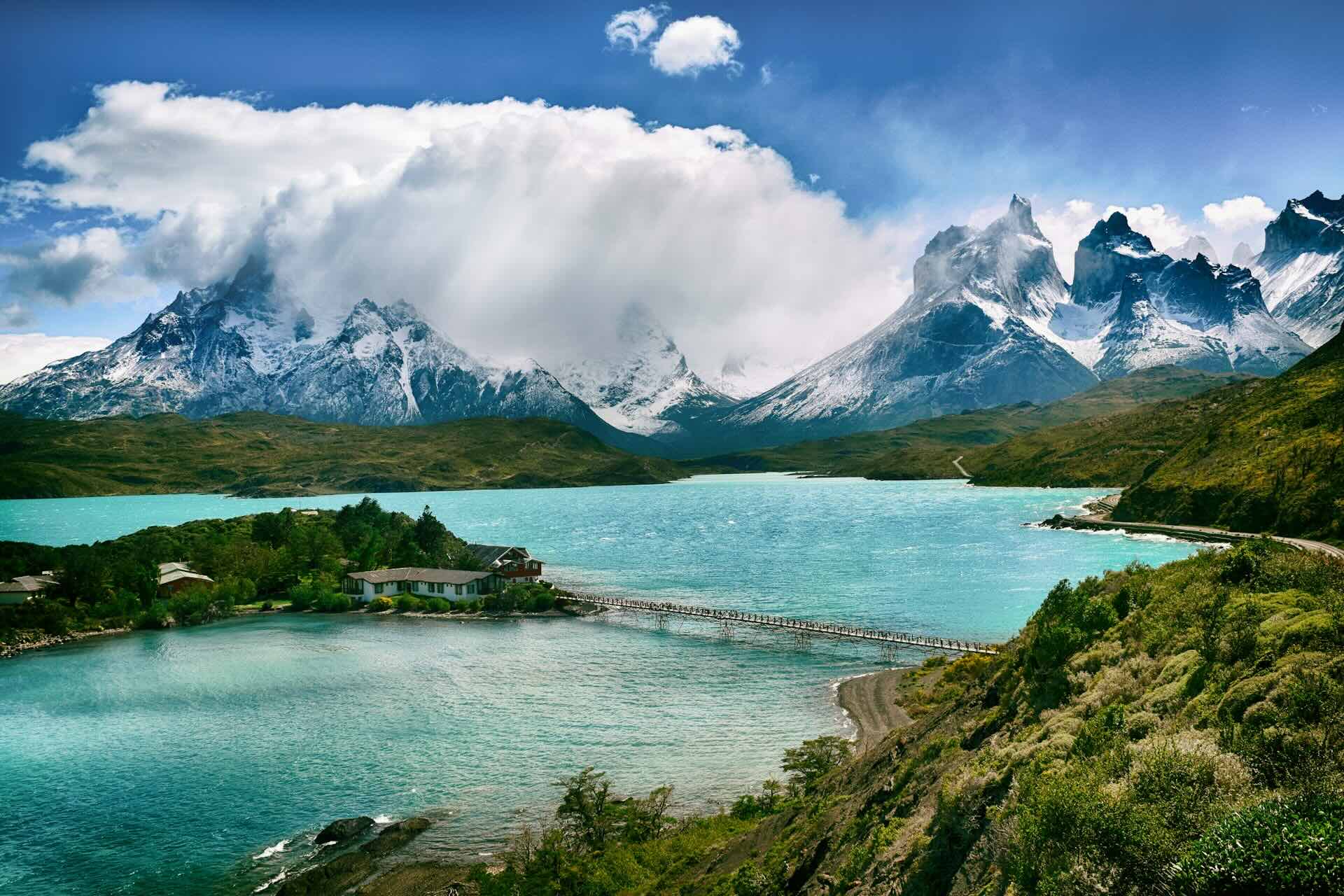
    Tucked deep in Chilean Patagonia, Torres del Paine is a place of sheer drama. Its granite towers, blue glaciers, and turquoise lakes make it one of the most photogenic landscapes on Earth. Yet despite its beauty, it still sees far fewer visitors than parks in North America or Europe.

    What Makes It Special

    Torres del Paine offers wild, untouched wilderness that feels truly remote. You can hike for days without encountering another traveler. The W Trek and O Circuit are two of the most scenic long-distance trails in the world, passing through valleys, glaciers, and windswept plains dotted with guanacos and condors.

    Why It’s Underrated

    Patagonia’s remoteness keeps crowds away. Getting here takes effort, several flights, bus rides, or even ferries, but that isolation is exactly what makes the experience unforgettable.

    Aoraki / Mount Cook National Park, New Zealand

    New Zealand’s South Island is home to some of the world’s most striking alpine scenery, and Aoraki / Mount Cook National Park sits at its heart. The park’s namesake peak, Aoraki, is the tallest mountain in New Zealand and a symbol of natural beauty and Māori heritage.

    What Makes It Special

    Aoraki offers endless opportunities for hiking, mountaineering, and stargazing. The Hooker Valley Track is an easy trail that delivers glacier views and suspension bridge crossings. After sunset, the park becomes one of the best stargazing locations on the planet, part of the Aoraki Mackenzie International Dark Sky Reserve.

    Why It’s Underrated

    Many travelers visit New Zealand for adventure tourism or Lord of the Rings locations but overlook Mount Cook’s pristine wilderness. Its accessibility and beauty make it one of the most rewarding parks to explore with minimal crowds.

    Daintree National Park, Australia

    Few places on Earth can match the biodiversity of Daintree National Park in northern Queensland. This lush rainforest, older than the Amazon, is home to unique species found nowhere else, from cassowaries to ancient ferns that predate human civilization.

    What Makes It Special

    Daintree blends tropical rainforest with coral reef ecosystems. You can explore forest boardwalks in the morning, cruise the Daintree River spotting crocodiles in the afternoon, and snorkel at the edge of the Great Barrier Reef by sunset.

    Why It’s Underrated

    Most travelers focus on Australia’s big icons like Uluru or the Great Barrier Reef itself. Daintree offers a quieter, more immersive nature experience, allowing visitors to witness the world’s oldest tropical rainforest without mass tourism.

    Vatnajökull National Park, Iceland

    Vatnajökull National Park covers nearly 15 percent of Iceland and protects Europe’s largest glacier. It’s a world of ice caves, volcanoes, and thundering waterfalls, all combining into one of the most dramatic landscapes on the planet.

    What Makes It Special

    Visitors can explore glacial lagoons, hike beneath active volcanoes, and even venture into blue ice caves formed within the glacier. The park also includes Dettifoss, one of Europe’s most powerful waterfalls, and Skaftafell, a hiker’s paradise with accessible trails.

    Why It’s Underrated

    While Iceland has become a global travel hotspot, many visitors limit themselves to the Golden Circle or Reykjavik. Vatnajökull requires a bit more effort but rewards travelers with silence, space, and otherworldly beauty that feels untouched by time.

    Andasibe-Mantadia National Park, Madagascar

    Madagascar’s national parks are unlike anywhere else on Earth, and Andasibe-Mantadia is one of the country’s most enchanting. Located just a few hours from Antananarivo, it’s home to dense rainforests filled with lemurs, chameleons, and exotic orchids.

    What Makes It Special

    The park is famous for the Indri, the largest living lemur, known for its haunting song that echoes through the forest. Guided night walks reveal colorful frogs, leaf-tailed geckos, and glowing insects that make the park feel almost magical.

    Why It’s Underrated

    Madagascar remains under-visited due to limited infrastructure, but those who make the trip experience a biodiversity found nowhere else on Earth. Every hike feels like stepping into a living documentary.

    Triglav National Park, Slovenia

    Nestled in the Julian Alps, Triglav National Park is Slovenia’s only national park, yet it remains one of Europe’s best-kept secrets. It’s centered around Mount Triglav, the country’s highest peak, and offers everything from alpine lakes to limestone caves.

    What Makes It Special

    Triglav is a hiker’s dream, with scenic routes through meadows and mountains. Lake Bohinj, a pristine glacial lake surrounded by forested peaks, rivals the beauty of nearby Lake Bled but sees far fewer visitors.

    Why It’s Underrated

    Most European travelers focus on Switzerland or Austria for alpine adventures, overlooking Slovenia’s equally stunning landscapes. Affordable accommodations and fewer crowds make Triglav a smart and serene alternative.

    Rapa Nui National Park, Chile (Easter Island)

    Rapa Nui National Park, located on Easter Island, is both a natural wonder and an open-air archaeological museum. Its windswept plains and volcanic hills are dotted with the mysterious moai statues carved by the island’s ancient inhabitants.

    What Makes It Special

    Rapa Nui offers a rare fusion of nature and culture. Visitors can hike to volcanic craters, explore lava tubes, and watch the sunrise over rows of moai facing the Pacific Ocean.

    Why It’s Underrated

    Its remote location in the South Pacific limits access, but that isolation adds to its magic. Visiting Rapa Nui feels like traveling to another world, one that preserves a culture and landscape unlike anywhere else.

    Kluane National Park and Reserve, Canada

    Located in the Yukon, Kluane National Park protects Canada’s highest peak, Mount Logan, and some of the largest ice fields outside the polar regions. It’s a land of rugged mountains, glaciers, and grizzly bears.

    What Makes It Special

    Kluane offers jaw-dropping scenery, from glacial valleys to alpine tundra. Few experiences compare to a scenic flight over the ice fields or kayaking on Kathleen Lake under the midnight sun.

    Why It’s Underrated

    Its northern location makes it less accessible than Banff or Jasper, but the solitude and scale of the wilderness make Kluane one of the most awe-inspiring national parks in North America.

    Namib-Naukluft National Park, Namibia

    Stretching across vast desert landscapes, Namib-Naukluft is one of the world’s largest national parks. Its red sand dunes, some of the tallest on Earth, shift in color with the sunrise and sunset, creating surreal photographic scenes.

    What Makes It Special

    The park’s highlight is Sossusvlei, where ancient camel thorn trees stand on cracked white clay against a backdrop of orange dunes. The contrast feels otherworldly, especially at dawn.

    Why It’s Underrated

    Namibia is a stable and safe country with stunning scenery, yet it remains under-visited. The Namib Desert’s remote setting makes every moment there feel like an encounter with infinity.

    Why These Parks Belong on Your Travel List

    What makes these parks special isn’t just their landscapes, it’s their authenticity. They haven’t been commercialized or overwhelmed by mass tourism. Instead, they invite travelers to slow down, disconnect, and rediscover what exploration truly means.

    From the glaciers of Iceland to the deserts of Namibia, these underrated parks reveal the diversity and wonder of our planet. They remind us that even in a world mapped by satellites, there are still wild, quiet places waiting to be found.

    Plan a trip to the world’s most underrated national parks with TravelPal.ai

  • How to Travel Sustainably in the Tropics

    How to Travel Sustainably in the Tropics

    The tropics have long been a dream destination for travelers seeking white-sand beaches, turquoise waters, and lush rainforests. From the Maldives and Bali to Costa Rica and the Caribbean, tropical destinations promise warmth, beauty, and adventure. Yet as tourism grows, these fragile ecosystems face increasing pressure. Learning how to travel sustainably in the tropics ensures that paradise remains intact, not only for visitors today but for generations to come.

    Sustainable travel isn’t about giving up comfort or luxury. It’s about making mindful choices that support local communities, protect natural resources, and minimize environmental impact. Whether you’re planning a beach vacation, a rainforest trek, or an island-hopping journey, here’s how to make your tropical travels both meaningful and responsible.

    Choose Eco-Friendly Destinations

    Not all tropical destinations approach sustainability the same way. Some countries have made major commitments to environmental protection, while others are just beginning. When planning your trip, research which destinations invest in conservation and eco-tourism initiatives.

    Countries Leading in Sustainability

    • Costa Rica: Known as one of the world’s most sustainable destinations, Costa Rica protects more than a quarter of its land through national parks and reserves. The country runs on over 98% renewable energy.
    • The Seychelles: This Indian Ocean paradise limits resort development to preserve coral reefs and marine life. Local organizations promote reef restoration and marine sanctuaries.
    • Bali, Indonesia: Bali’s eco-tourism movement continues to grow, with green hotels, organic farms, and yoga retreats supporting sustainable practices.
    • Belize: With vast coral reefs, jungles, and Mayan ruins, Belize promotes low-impact tourism through eco-lodges and strict environmental standards.

    Choosing destinations that prioritize sustainability amplifies your impact as a traveler and helps local governments continue protecting their environments.

    Stay at Eco-Conscious Accommodations

    Accommodations play a major role in reducing tourism’s footprint. Eco-lodges, boutique resorts, and certified green hotels minimize waste, conserve energy, and employ local staff.

    What to Look For

    • Certifications: Look for certifications such as Green Globe, EarthCheck, or LEED. These recognize hotels and resorts meeting global sustainability standards.
    • Energy and Water Efficiency: Many eco-resorts use solar panels, rainwater collection systems, and low-energy appliances.
    • Local Materials: Properties built with natural or locally sourced materials reduce transportation emissions and support local artisans.
    • Waste Reduction: Resorts that compost, recycle, and minimize plastic use set the standard for sustainable hospitality.

    By choosing such accommodations, you support a travel industry that values both comfort and conservation.

    Support Local Communities

    Sustainable travel isn’t just about the environment, it’s also about people. Spending money with local businesses ensures that tourism directly benefits the communities who make these destinations special.

    How to Contribute Positively

    • Eat Local: Choose locally owned restaurants serving regional dishes made with local ingredients.
    • Book Local Tours: Hire guides from the community who can share authentic stories and knowledge.
    • Shop Responsibly: Buy crafts and souvenirs made by local artisans rather than imported factory goods.
    • Stay Longer: Slow travel reduces frequent flights and allows you to contribute more meaningfully to the local economy.

    Supporting communities keeps traditions alive while encouraging sustainable growth that benefits both residents and visitors.

    Respect Wildlife and Marine Life

    Many tropical destinations thrive on wildlife tourism, from snorkeling with sea turtles to birdwatching in rainforests. However, not all encounters are ethical. Responsible travelers prioritize animal welfare and ecological balance.

    Best Practices

    • Avoid Touching Animals: Even gentle contact can harm delicate species like coral or disrupt animal behavior.
    • Say No to Captive Attractions: Avoid venues that exploit animals for entertainment, such as dolphin shows or wildlife selfies.
    • Use Reef-Safe Sunscreen: Standard sunscreen contains chemicals that damage coral reefs. Choose reef-safe brands labeled “oxybenzone- and octinoxate-free.”
    • Respect Protected Areas: Always follow park guidelines, stick to marked trails, and never remove shells, coral, or plants.

    Protecting wildlife ensures that natural ecosystems remain healthy and thriving for generations of travelers to come.

    Minimize Plastic and Waste

    Plastic pollution poses one of the greatest threats to tropical environments. Many islands struggle with waste management, and single-use plastics often end up in the ocean. Reducing plastic use is one of the simplest and most impactful ways to travel sustainably.

    Smart Swaps

    • Carry a reusable water bottle with a built-in filter.
    • Bring a reusable shopping bag for markets and groceries.
    • Use bamboo or metal straws instead of plastic ones.
    • Choose rechargeable batteries and eco-friendly toiletries packaged in biodegradable or refillable containers.

    Even small changes add up when multiplied by millions of travelers each year.

    Choose Low-Impact Transportation

    Getting around tropical regions often means boats, planes, and cars, but travelers can make more sustainable choices.

    • Opt for Ferries Over Flights: When island hopping, ferries are far more fuel-efficient than short flights.
    • Use Public Transportation: Many tropical destinations offer buses, tuk-tuks, and shuttles.
    • Rent Bicycles or E-Bikes: For short distances, these reduce emissions while giving you a better view of your surroundings.
    • Offset Flights: Some airlines and platforms let you offset carbon emissions by supporting reforestation or renewable energy projects.

    TravelPal helps simplify transportation planning by recommending the most sustainable routes and local transport options available for your itinerary.

    Conserve Energy and Water

    In tropical regions, resources like water and electricity are often limited, especially on small islands. Conserving these resources is crucial.

    Easy Ways to Help

    • Turn off lights, fans, and air conditioning when leaving your room.
    • Take shorter showers and reuse towels.
    • Choose accommodations with renewable energy sources.
    • Report leaks or wasteful practices when you see them.

    Simple habits practiced by many travelers can make a significant difference.

    Experience Nature Mindfully

    The tropics are a sensory paradise, but they’re also fragile ecosystems. Practicing mindfulness in nature enhances both your experience and the environment’s wellbeing.

    • Take Only Memories: Avoid collecting shells, coral, or plants as souvenirs.
    • Keep Noise Low: Wildlife and locals both appreciate a peaceful atmosphere.
    • Leave No Trace: Dispose of trash properly and leave destinations cleaner than you found them.
    • Educate Others: Share sustainable practices with fellow travelers to inspire broader change.

    How TravelPal Encourages Sustainable Travel

    TravelPal isn’t just about convenience, it’s about responsible exploration. The platform helps travelers find eco-friendly accommodations, sustainable transport options, and activities that respect both culture and environment.

    TravelPal’s itinerary builder can identify green-certified hotels, recommend local experiences, and even calculate lower-emission routes for multi-destination trips. For tropical travelers, it simplifies responsible planning by connecting you directly to businesses and experiences that prioritize sustainability.

    With just a few taps, you can ensure your tropical getaway aligns with your values, supporting conservation while still enjoying the beauty of the islands, beaches, and rainforests that define the region.

    Why Sustainable Travel in the Tropics Matters

    The tropics are among the most biodiverse regions on Earth, yet they’re also the most vulnerable to climate change, pollution, and overdevelopment. Every traveler has the power to protect them. Sustainable tourism isn’t just a trend, it’s a movement that balances exploration with respect.

    By choosing local over luxury, conservation over convenience, and mindfulness over excess, travelers help preserve what makes the tropics extraordinary. Responsible choices, guided by intention and platforms like TravelPal, ensure that the beauty of these destinations remains as vibrant as ever.

    Plan a trip to the tropics at TravelPal.ai

  • How a Trip to the Tropics Can Improve Your Mental Health

    How a Trip to the Tropics Can Improve Your Mental Health

    The tropics are often described as paradise for a reason. With warm sunshine, turquoise seas, and lush greenery, these destinations offer more than just beautiful scenery—they provide a genuine boost to emotional and psychological wellbeing. In today’s fast-paced world, a trip to the tropics can do more than satisfy wanderlust; it can help reset your mind, lower stress, and restore balance. From the soothing sound of waves to the abundance of fresh air, tropical environments naturally promote relaxation and healing.

    The Power of Sunshine and Vitamin D

    One of the simplest yet most powerful mental health benefits of a tropical getaway is exposure to sunlight. Sunshine helps the body produce vitamin D, which is linked to mood regulation and improved energy levels. Many people who live in colder climates experience reduced sunlight during winter months, which can contribute to seasonal affective disorder.

    When you visit the tropics, the steady warmth and daily sunshine provide a natural antidote to low moods. A morning walk on the beach, a snorkeling excursion, or simply lounging by the water can lift your spirits, restore energy, and promote feelings of happiness.

    How Sunlight Affects the Brain

    Sunlight increases serotonin levels, a neurotransmitter that enhances mood and focus. It also helps regulate melatonin, which improves sleep patterns. The combination of better sleep and natural serotonin boosts creates a noticeable difference in mental clarity and emotional stability. Travelers often report feeling calmer, more optimistic, and more connected to their surroundings after only a few days in the sun.

    Nature’s Calming Effect

    Being surrounded by nature has a measurable impact on mental health. Studies show that exposure to natural environments reduces anxiety, lowers blood pressure, and decreases stress hormones like cortisol. In the tropics, nature is not just present—it envelops you completely.

    The Role of Water in Relaxation

    Water has long been associated with tranquility. Psychologists refer to this as “blue mind,” a mental state characterized by calmness and creativity that occurs near oceans, lakes, and rivers. In tropical destinations, where clear blue water dominates the landscape, travelers experience this effect daily. Swimming, kayaking, or even sitting near the shoreline can create a meditative rhythm that quiets the mind.

    Green Spaces and Mental Clarity

    The vibrant greens of tropical forests and palm-covered coastlines also play a role in stress reduction. The natural colors, combined with rhythmic sounds like rustling leaves and distant waves, stimulate relaxation responses in the brain. Whether you’re hiking through Costa Rica’s jungles or exploring the rice terraces of Bali, time spent in these environments encourages mindfulness and presence.

    The Joy of Slower Living

    Many people visit tropical destinations expecting adventure but leave appreciating the slower pace of life. The tropics invite you to pause, breathe, and let go of daily pressures. Islanders often follow a rhythm dictated by nature—sunrise, tide changes, and gentle rain showers—rather than strict schedules.

    This slower lifestyle promotes mental restoration. When you’re not rushing to catch trains or manage deadlines, your mind has space to unwind. Simple pleasures like fresh fruit for breakfast, a hammock nap, or an unhurried walk along the sand become daily rituals that encourage relaxation and gratitude.

    The Role of Digital Detox

    A trip to the tropics often inspires travelers to disconnect from digital life. Limited Wi-Fi or spotty signal becomes a blessing, encouraging visitors to look up from their screens and engage with the world around them. Reducing screen time lowers stress, improves sleep, and helps the brain focus on real-world experiences instead of constant notifications.

    Movement and Mind-Body Connection

    Physical activity is one of the most effective ways to support mental health, and tropical destinations naturally encourage it. Unlike gym workouts, tropical exercise feels more like play than effort.

    Active Wellness in Paradise

    Swimming, snorkeling, hiking, and paddleboarding all strengthen the body while promoting relaxation. These low-impact activities increase endorphins—the body’s natural mood enhancers—without the pressure of formal exercise routines. Even walking barefoot on soft sand provides sensory grounding known to calm the nervous system.

    Yoga and Meditation Retreats

    Many tropical regions are home to yoga and meditation retreats designed to promote emotional balance. Bali, Costa Rica, and Thailand in particular have become global centers for wellness travel. These retreats combine mindfulness practices, nutritious meals, and natural surroundings to create a holistic reset for both body and mind. Travelers often return home feeling not only refreshed but transformed.

    Nourishment from Fresh, Whole Foods

    A tropical diet naturally supports mental wellbeing. Fresh fruits, vegetables, and seafood are abundant, providing essential nutrients that boost brain function. Foods rich in omega-3 fatty acids, such as fish, improve mood and cognitive health, while fruits like mango, papaya, and pineapple supply antioxidants that combat stress.

    Hydration and Balance

    The humid tropical climate encourages you to drink more water, which is crucial for mental performance. Proper hydration keeps energy levels steady and reduces fatigue. Many tropical beverages—like coconut water and herbal teas—replenish electrolytes and add natural sweetness without processed sugar.

    Connection and Cultural Immersion

    The mental health benefits of travel also come from connection—both with others and with new cultures. The tropics are known for warm, welcoming communities where hospitality is genuine. Engaging with locals through food, music, and shared experiences fosters a sense of belonging that combats loneliness and isolation.

    The Power of Social Interaction

    Human connection is one of the strongest predictors of happiness. Whether chatting with a local fisherman in Belize, learning traditional cooking in Bali, or joining a beach yoga class in Thailand, these interactions create meaningful memories and strengthen emotional wellbeing.

    Sleep and Circadian Rhythm

    Quality sleep is essential for mental health, and tropical destinations make it easy to rest deeply. Warm evenings, ocean breezes, and natural light help reset your circadian rhythm—the body’s internal clock that regulates sleep and energy.

    Without the artificial light and constant noise of cities, your body can naturally align with daylight patterns. Falling asleep to the sound of waves or waking up with the sunrise supports consistent rest, which in turn improves focus, mood, and emotional balance.

    TravelPal’s Role in Mindful Tropical Travel

    Planning a trip, especially to multiple tropical destinations, can sometimes feel stressful. TravelPal removes that burden by helping travelers create simple, balanced itineraries focused on wellness.

    With TravelPal, you can:

    • Choose destinations known for natural beauty and peaceful retreats.
    • Find eco-friendly hotels, yoga retreats, and wellness resorts.
    • Plan your days around rest, relaxation, and mindful activities.
    • Build itineraries that minimize travel fatigue and maximize rejuvenation.

    By aligning travel planning with mental wellbeing, TravelPal helps travelers turn vacations into restorative journeys rather than rushed getaways.

    Why the Tropics Heal the Mind

    The magic of the tropics lies in how they engage all the senses—sight, sound, touch, taste, and smell. Every element works together to calm the nervous system and encourage mindfulness. The warmth loosens tension, the colors inspire creativity, and the sounds of nature bring peace.

    Most importantly, time in the tropics reconnects people with what truly matters. Away from urban chaos and constant stimulation, travelers rediscover presence, gratitude, and joy. Even a short stay can make lasting changes in mood, motivation, and overall outlook.

    Plan a trip to the tropics at TravelPal.ai

  • Best Tropical Destinations for a Family Trip

    Best Tropical Destinations for a Family Trip

    Few vacations create lifelong memories quite like a family trip to the tropics. With sun-filled days, turquoise seas, and endless activities for all ages, tropical destinations offer the perfect blend of relaxation and adventure. Parents can unwind while kids explore, learn, and play—all surrounded by nature’s most stunning scenery. Whether you’re dreaming of Caribbean beaches, Pacific islands, or Southeast Asian shores, these are the best tropical destinations for a family trip that everyone will remember for years to come.

    Hawaii, United States

    Hawaii remains one of the top tropical destinations for families because it combines stunning beaches with the safety and convenience of domestic travel. Each island offers its own version of paradise, making it easy to find the right fit for your family’s interests.

    Why It’s Great for Families

    Hawaii’s family-friendly resorts, clean beaches, and easy-to-navigate roads make traveling with kids stress-free. The islands also offer educational opportunities through their rich history, volcanos, and marine life.

    Top Family Activities

    • Visit Hawaii Volcanoes National Park on the Big Island.
    • Snorkel in Hanauma Bay on Oahu.
    • Take a scenic drive along the Road to Hana in Maui.
    • Attend a family-friendly luau for food, dance, and music.

    The Bahamas

    The Bahamas is a family favorite thanks to its crystal-clear waters, short flight times from the U.S., and resorts designed for every generation. The islands offer both excitement and tranquility, allowing families to balance adventure with downtime.

    Why It’s Great for Families

    Many Bahamian resorts, including those on Paradise Island and Nassau, cater specifically to families with kids’ clubs, waterparks, and easy beach access. The islands are also incredibly safe, and the locals are known for their warm hospitality.

    Top Family Activities

    • Spend a day at Aquaventure Water Park at Atlantis Resort.
    • Swim with dolphins at Blue Lagoon Island.
    • Explore Nassau’s colorful straw markets.
    • Take a boat tour to the Exuma Cays to see the famous swimming pigs.

    Costa Rica

    Costa Rica’s mix of rainforest adventure and coastal beauty makes it one of the most exciting tropical destinations for families. Kids can learn about nature firsthand while parents enjoy a relaxed yet active vacation.

    Why It’s Great for Families

    Costa Rica is famous for its eco-tourism, meaning families can travel sustainably while having fun. The country’s safety, friendly locals, and variety of family resorts make it an easy destination for travelers with children.

    Top Family Activities

    • Zipline through Monteverde’s cloud forests.
    • Visit Tortuguero National Park to see nesting sea turtles.
    • Relax on the beaches of Manuel Antonio.
    • Take a wildlife river safari to spot monkeys, toucans, and sloths.

    Fiji

    Fiji is a dream destination for families seeking both luxury and authentic island culture. Known for its welcoming spirit and natural beauty, it’s a place where children and parents can enjoy paradise together.

    Why It’s Great for Families

    Fijian culture places a strong emphasis on community and family, so children are warmly welcomed everywhere. Many resorts offer nanny services, kids’ programs, and safe lagoons perfect for swimming.

    Top Family Activities

    • Go snorkeling in the Mamanuca Islands.
    • Visit a local Fijian village to experience island traditions.
    • Take a river rafting adventure on the Navua River.
    • Build sandcastles on Natadola Beach.

    Thailand

    Thailand offers a vibrant mix of culture, adventure, and affordability, making it perfect for families wanting an exotic tropical escape. From bustling cities to peaceful islands, there’s something for everyone.

    Why It’s Great for Families

    Thailand’s reputation for safety, kindness, and hospitality makes it ideal for children. The cuisine is diverse and family-friendly, with plenty of mild options for younger travelers. Affordable accommodations and easy transportation simplify the experience.

    Top Family Activities

    • Visit elephant sanctuaries in Chiang Mai.
    • Go island hopping in Krabi or Phuket.
    • Explore Bangkok’s floating markets.
    • Take a family cooking class to learn Thai recipes together.

    Turks and Caicos

    Turks and Caicos is perfect for families who want calm, shallow waters and pristine beaches. The islands are less crowded than many Caribbean destinations, offering peace and safety for families traveling with young children.

    Why It’s Great for Families

    Grace Bay Beach in Providenciales is one of the most family-friendly beaches in the world, with gentle waves and powdery white sand. Many resorts also include kids’ clubs, water sports, and babysitting services.

    Top Family Activities

    • Snorkel at Coral Gardens Reef just offshore.
    • Take a glass-bottom boat tour.
    • Enjoy paddleboarding or kayaking in calm turquoise waters.
    • Visit Cheshire Hall Plantation for a touch of history.

    The Maldives

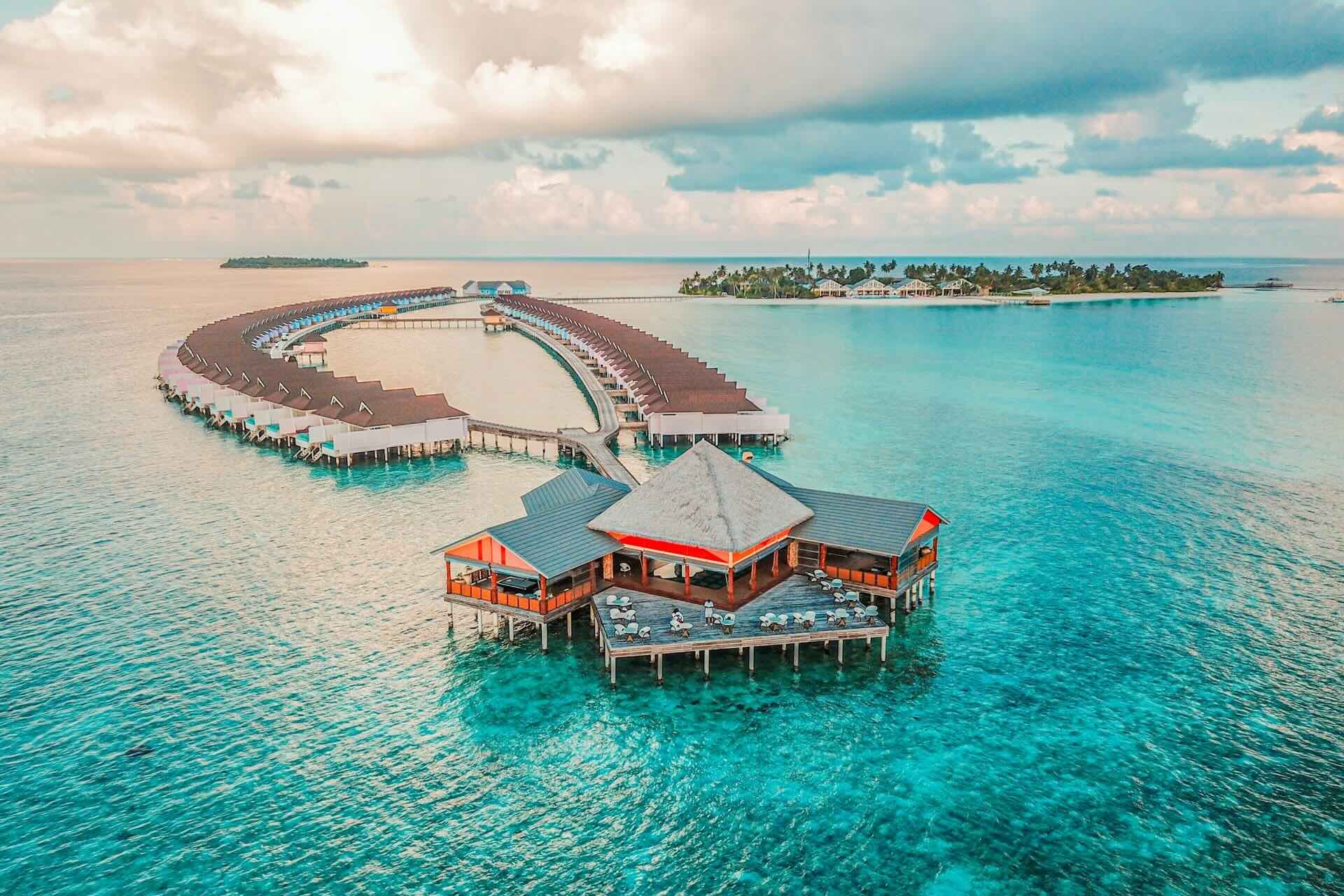
    While the Maldives is often associated with romantic getaways, it’s also a spectacular destination for families. Many resorts are located on private islands with family villas, water activities, and world-class service.

    Why It’s Great for Families

    The Maldives offers tranquility, safety, and endless opportunities for exploration. Resorts cater to children with activities like marine biology workshops, treasure hunts, and safe lagoon swimming areas.

    Top Family Activities

    • Snorkel with tropical fish and sea turtles.
    • Take a family sunset cruise to spot dolphins.
    • Build sand sculptures on secluded beaches.
    • Join kids’ programs focused on conservation and ocean life.

    Belize

    Belize is one of the most underrated tropical destinations for families. It combines Caribbean beaches, lush jungles, and fascinating Mayan history in one easy-to-navigate country.

    Why It’s Great for Families

    Belize’s small size makes it perfect for exploring multiple regions in one trip. Families can spend half their time on the beach and the other half in the rainforest. English is the official language, and locals are friendly and accommodating.

    Top Family Activities

    • Snorkel or dive at the Belize Barrier Reef.
    • Explore ancient Mayan ruins like Altun Ha and Xunantunich.
    • Float through caves on an inner-tube river tour.
    • Visit the Belize Zoo, home to native species rescued from the wild.

    Bali, Indonesia

    Bali remains one of the best tropical destinations for families who want a mix of culture, nature, and comfort. The island’s calm beaches, family resorts, and welcoming people make it ideal for travelers with children.

    Why It’s Great for Families

    Balinese culture values family, and children are treated with warmth everywhere. The island also offers excellent family resorts with pools, kids’ clubs, and easy access to nature and culture.

    Top Family Activities

    • Visit Ubud’s Monkey Forest for a close look at local wildlife.
    • Learn to surf in Seminyak or Sanur.
    • Watch a Balinese dance performance.
    • Take a day trip to Nusa Lembongan for snorkeling and beach fun.

    Jamaica

    Jamaica’s friendly energy, colorful culture, and abundance of all-inclusive resorts make it one of the best Caribbean destinations for families. Parents can unwind while kids enjoy activities designed just for them.

    Why It’s Great for Families

    Jamaica’s all-inclusive resorts often feature water parks, kids’ clubs, and entertainment for all ages. The island’s relaxed pace and strong sense of community make it ideal for multigenerational travel.

    Top Family Activities

    • Float down the Martha Brae River on a bamboo raft.
    • Visit Dunn’s River Falls in Ocho Rios.
    • Explore the Bob Marley Museum in Kingston.
    • Enjoy jerk chicken and live music by the beach.

    Why Families Love Traveling to the Tropics

    Tropical vacations bring families together in ways that few other trips can. The mix of outdoor fun, cultural learning, and natural beauty offers something for everyone—from toddlers building sandcastles to grandparents enjoying sunset views.

    These destinations encourage connection and relaxation, free from the distractions of everyday life. Parents can slow down, kids can explore safely, and everyone can share unforgettable moments under the sun.

    And with TravelPal, families can plan trips effortlessly—choosing accommodations, routes, and experiences that suit their unique needs. From child-friendly resorts to local adventures, TravelPal helps families travel smarter and stress-free, ensuring that every moment in paradise counts.

    Plan a trip to the tropics at TravelPal.ai