Category: Latest Updates & Innovations

  • 4 Days in Lagos, Nigeria

    4 Days in Lagos, Nigeria

    Lagos is intense, expressive, and unforgettable, and 4 days in Lagos, Nigeria offers just enough time to understand its rhythm without trying to conquer it. This is not a city you rush through or reduce to landmarks. Lagos rewards presence, flexibility, and curiosity. It is a place where culture, music, food, and ambition collide in real time.

    For travelers who enjoy cities that feel alive and unapologetic, Lagos delivers energy and depth that few places can match.

    Understanding Lagos Before You Arrive

    Lagos is one of the largest cities in Africa, and scale matters here. Traffic, timing, and neighborhood choice shape the experience more than sightseeing lists.

    This is a city of contrasts. Wealth and hustle exist side by side. Creativity thrives amid chaos. Social life spills into streets, clubs, and waterfronts.

    The key to enjoying Lagos is accepting its pace rather than fighting it. Build days around neighborhoods, not distances.

    Day One, Arrival and Finding Your Rhythm

    Your first day should focus on settling in rather than exploring aggressively.

    Choose accommodations in areas like Victoria Island, Ikoyi, or Lekki, where access to food, beaches, and social life is easier for visitors.

    Spend the afternoon walking locally, having a relaxed meal, and observing how the city moves. Lagos reveals itself through people watching and conversation.

    In the evening, enjoy a low key introduction to Nigerian food. Meals are social and generous. Let dinner be the experience.

    Rest matters. Lagos nights can be late, and energy builds over time.

    Day Two, Culture, History, and the Creative Pulse

    Dedicate your second day to understanding Lagos beyond surface impressions.

    Visit cultural spaces that reflect Nigerian history, art, and identity. Galleries, museums, and creative hubs offer context for the city’s global influence.

    Explore neighborhoods where fashion, music, and art intersect. Lagos is a cultural exporter, and creativity here feels immediate rather than curated.

    Take breaks often. Cafés and lounges provide space to recharge and process what you are seeing.

    In the evening, experience live music or a relaxed bar scene. Sound is central to Lagos culture, even on quieter nights.

    Day Three, Food, Markets, and Social Lagos

    Food deserves its own focus in Lagos.

    Spend part of the day exploring local markets or food focused neighborhoods. Ingredients, preparation, and conversation are all part of the experience.

    Meals are flavorful, bold, and meant to be shared. Eating is as much about community as cuisine.

    In the afternoon, slow down. Lagos rewards pacing. Beaches or waterfront areas offer contrast to the city’s intensity.

    At night, Lagos comes alive socially. Restaurants turn into lounges. Music grows louder. Energy peaks later than many cities.

    Choose one evening experience and commit to it rather than trying to see everything.

    Day Four, Reflection and Ease

    Your final day should be lighter.

    Revisit a place you enjoyed. Have a long breakfast or brunch. Walk without urgency.

    This is the day to notice details you missed earlier. Patterns, routines, and rhythms become clearer after a few days.

    Use the afternoon to rest, pack, and mentally process the experience. Lagos leaves an impression, and reflection matters.

    End the trip calmly. The city gives a lot. Leaving with balance helps it stay memorable rather than overwhelming.

    Getting Around Lagos

    Transportation is a major factor in how your days feel.

    Traffic can be unpredictable, so build buffers into your plans. Short distances can take longer than expected.

    Rideshare services and local drivers are common options. Walking works best within neighborhoods rather than between them.

    Planning fewer transitions each day improves the experience significantly.

    What to Expect Socially

    Lagos is warm, expressive, and conversational.

    People are direct, curious, and often welcoming. Social energy is high, especially in the evenings.

    Dress matters in social settings, particularly at night. Style is part of communication here.

    Approach interactions with respect and openness. Lagos responds well to both.

    Safety and Awareness

    Like any major city, awareness matters.

    Stick to known areas, especially at night. Move intentionally rather than aimlessly.

    Most issues are avoidable with basic precautions and local advice.

    Confidence and situational awareness go a long way.

    Why Lagos Is Worth the Effort

    Lagos is not effortless travel, and that is part of its appeal.

    It challenges expectations and rewards engagement. The city does not perform for visitors. It exists fully on its own terms.

    For travelers who want to feel a city rather than consume it, Lagos offers rare authenticity.

    Four days is enough to understand why people love it, and why it stays with you.

    Final Thoughts on 4 Days in Lagos

    4 days in Lagos, Nigeria is not about seeing everything. It is about feeling enough.

    The city teaches patience, curiosity, and presence. It demands flexibility and gives back perspective.

    If you allow Lagos to set the pace, it becomes not just memorable, but meaningful.

    Plan a trip to Lagos today.

  • Romantic Things to Do Around the World With Your Partner

    Romantic Things to Do Around the World With Your Partner

    Romantic travel is less about grand gestures and more about shared moments, and romantic things to do around the world with your partner often come down to pace, setting, and emotional presence. The most meaningful experiences tend to be immersive rather than rushed, intimate rather than performative. Travel creates space for connection by removing everyday distractions and replacing them with novelty, beauty, and time together.

    Across cultures and continents, certain experiences consistently deepen connection. They encourage conversation, stillness, laughter, and memory making. These are the kinds of moments couples remember long after the trip ends.

    Watching the City Wake Up Together

    Early mornings are underrated in travel and deeply romantic when shared.

    In cities where life starts slowly, walking quiet streets before crowds arrive creates a sense of intimacy. Cafés open. Light changes. Locals begin their routines.

    Sharing that calm moment builds a feeling of being insiders rather than visitors.

    This experience works especially well in historic cities where atmosphere matters more than attractions.

    Sharing a Slow Meal With No Schedule

    One of the most romantic things couples can do while traveling is eat without urgency.

    Long lunches or dinners where time disappears allow conversation to deepen naturally. Food becomes a backdrop rather than the focus.

    This is especially powerful in cultures where meals are social rituals rather than transactions.

    Choosing places where lingering is normal transforms a meal into an experience of connection.

    Walking Without a Destination

    Wandering together without a plan removes pressure and expectation.

    You notice small details. You talk more freely. Decisions become collaborative and low stakes.

    This kind of exploration builds shared rhythm. Couples learn how they move together in unfamiliar places.

    Walking without purpose often creates the most vivid shared memories.

    Staying Somewhere Designed for Stillness

    Accommodation choice shapes romantic travel more than most people expect.

    Staying somewhere quiet, well designed, and comfortable encourages rest and closeness. Noise, stress, and constant movement work against intimacy.

    Places that allow slow mornings, afternoon pauses, and early nights often feel more romantic than high energy locations.

    Romance thrives in environments that support calm.

    Experiencing Water Together

    Water based experiences are universally romantic.

    Swimming in the sea, soaking in thermal baths, drifting on lakes, or simply sitting near water encourages relaxation and presence.

    Water softens conversation and heightens sensory awareness. It invites touch and shared silence.

    Many of the world’s most romantic destinations revolve around water for this reason.

    Watching Sunsets in Unexpected Places

    Sunsets are powerful not because of the view alone, but because of the pause they create.

    Sharing a sunset together marks the day. It creates closure and reflection.

    Unexpected sunset locations often feel more romantic than famous viewpoints. Quiet hills, rooftops, beaches, or riversides allow private moments.

    What matters most is being unhurried and together.

    Learning Something New as a Couple

    Trying something unfamiliar together builds connection.

    Cooking classes, language lessons, dance workshops, or local crafts create shared vulnerability and laughter.

    Learning side by side strengthens trust and teamwork. It reminds couples how they support each other in new situations.

    These experiences often become defining memories of a trip.

    Slowing Down in Nature

    Nature invites presence and reduces noise.

    Walking trails, gardens, countryside, and coastal paths create space for reflection and conversation.

    Without constant stimulation, couples reconnect more easily.

    Nature based moments often feel grounding and emotionally restorative.

    Returning to the Same Place Repeatedly

    Romance grows through familiarity as much as novelty.

    Returning to the same café, walk, or view builds ritual. It creates a sense of belonging.

    These small routines anchor the trip emotionally.

    They often become the moments couples miss most afterward.

    Traveling During Off Peak Seasons

    Traveling outside peak times often feels more romantic.

    Fewer crowds, quieter streets, and slower service create space for connection.

    Destinations feel more authentic and less performative.

    Couples experience places as they function daily rather than how they perform for tourism.

    Sharing Silence Comfortably

    Some of the most romantic travel moments involve silence.

    Sitting together without needing to fill space signals deep comfort and trust.

    Travel creates opportunities for this silence, especially in beautiful settings.

    Being present together without distraction strengthens emotional connection.

    Ending Days Intentionally

    How couples end their days while traveling matters.

    Evening walks, shared reflections, or simple routines help integrate experiences.

    These moments reinforce the sense of shared journey rather than parallel travel.

    Ending days together thoughtfully enhances the overall experience.

    Why These Experiences Matter More Than Destinations

    Romantic travel is not defined by where you go, but by how you experience it together.

    Shared pace, attention, and intention matter more than luxury or spectacle.

    The most meaningful romantic things to do around the world with your partner create emotional memory rather than visual proof.

    Those memories outlast photos.

    Choosing Romance Over Itineraries

    Over planning often undermines romance.

    Leaving space allows connection to emerge naturally.

    Romantic travel works best when structure supports experience rather than controls it.

    Less scheduling often creates more meaning.

    Final Thoughts on Romantic Travel

    Romantic things to do around the world with your partner are rarely about extravagance.

    They are about time, presence, and shared attention.

    Travel offers rare opportunities to reconnect without distraction.

    When chosen intentionally, these moments strengthen bonds long after the trip ends.

    Plan a trip to a romantic place today.

  • 7 Surprisingly Cheap Cities to Visit in the Winter

    7 Surprisingly Cheap Cities to Visit in the Winter

    Winter travel often gets overlooked, but 7 surprisingly cheap cities to visit in the winter show why this season can offer some of the best value of the year. Flights are often cheaper, accommodations drop in price, and crowds thin out dramatically. For travelers willing to trade peak season buzz for atmosphere, food, and culture, winter unlocks destinations that feel calmer and more affordable without losing character.

    These cities stand out for offering meaningful experiences, strong local culture, and real savings during the colder months.

    Prague, Czech Republic

    Prague becomes quieter and more atmospheric in winter.

    Accommodation prices fall noticeably after the holidays, and flights across Europe and beyond are often cheaper. The historic center feels more authentic without heavy crowds.

    Cafés and restaurants become central gathering places, making winter ideal for slow exploration and cultural immersion.

    Prague rewards travelers who enjoy walking, architecture, and cozy meals over packed sightseeing days.

    Budapest, Hungary

    Budapest offers exceptional value in winter.

    Hotel rates drop, and dining remains affordable year round. Thermal baths become especially appealing during cold weather, turning winter into a feature rather than a drawback.

    Public transportation is inexpensive and efficient, keeping daily costs low.

    Budapest combines culture, food, and relaxation at prices that are hard to match in peak season.

    Lisbon, Portugal

    Lisbon stays relatively mild compared to much of Europe, which helps keep winter travel comfortable.

    Winter airfare and accommodations are often significantly cheaper than spring or summer. The city remains lively without feeling crowded.

    Food prices stay reasonable, and walking neighborhoods feel more relaxed.

    Lisbon works well for travelers seeking culture and atmosphere without high seasonal premiums.

    Mexico City, Mexico

    Winter is one of the best times to visit Mexico City, and it is also one of the most affordable.

    Flights are often competitive, and accommodation prices remain stable or lower than peak travel periods.

    Food, transportation, and cultural experiences offer excellent value. The mild winter climate makes walking and exploring easy.

    Mexico City delivers depth, variety, and affordability all at once.

    Athens, Greece

    Athens becomes far more affordable in winter while remaining rich in experience.

    Hotel prices drop sharply, and flights are often cheaper outside summer months. Major sites are less crowded, improving the experience even in cooler weather.

    Dining costs stay reasonable, and neighborhoods feel more local.

    Athens in winter suits travelers who prioritize history, food, and atmosphere over beach weather.

    Istanbul, Turkey

    Istanbul offers strong value during winter with fewer tourists and lower prices.

    Flights can be affordable, and accommodations often drop well below peak season rates.

    Food remains consistently affordable, and cultural experiences feel less rushed.

    Winter weather adds mood without limiting exploration, especially for travelers focused on neighborhoods and daily life.

    New Orleans, United States

    Winter is one of the most affordable and enjoyable times to visit New Orleans.

    Hotel prices are lower outside festival periods, and flights are often reasonably priced. The mild winter climate supports walking and outdoor dining.

    Food remains the main attraction, and crowds are lighter than during major events.

    New Orleans offers cultural depth and value without requiring international travel.

    Why Winter Travel Saves So Much Money

    Winter reduces demand across many destinations, which lowers prices across flights, hotels, and activities.

    Restaurants and cultural spaces become easier to access. Transportation is simpler. Planning feels less competitive.

    Travelers often experience cities as they function daily rather than as they perform for peak season crowds.

    That shift creates both savings and better experiences.

    What to Expect When Traveling in Winter

    Days may be shorter, and weather can vary. Planning becomes more intentional.

    Packing appropriately and adjusting expectations allows winter travel to feel comfortable and rewarding.

    Most cities operate normally, just at a calmer pace.

    That pace is often what makes winter trips memorable.

    Choosing the Right Winter City for You

    The best winter destination depends on what you value most.

    If food and culture matter, cities with strong indoor traditions work best. If walking matters, choose places with mild winters.

    Avoid destinations where winter shuts down daily life. Focus on cities that remain active year round.

    Alignment matters more than temperature alone.

    Why Winter Travel Feels Different

    Winter travel encourages slower days, deeper focus, and fewer distractions.

    Without crowds, cities feel more accessible. Locals reclaim space. Routine becomes visible.

    Travel becomes less about checking boxes and more about being present.

    That shift is often worth the colder air.

    Final Thoughts on Cheap Winter Travel

    7 surprisingly cheap cities to visit in the winter prove that great travel does not require peak season timing.

    Winter rewards travelers who plan thoughtfully and value experience over spectacle.

    Lower prices, fewer crowds, and deeper engagement combine to create trips that feel both affordable and meaningful.

    Winter is not a compromise. It is an opportunity.

    Plan a trip to one of these cities today.

  • Top Clubs to Party in NYC

    Top Clubs to Party in NYC

    New York City has one of the most diverse nightlife scenes in the world, and the top clubs to party in NYC reflect the city’s energy, creativity, and constant reinvention. Unlike cities with one dominant nightlife district, NYC spreads its clubs across neighborhoods, styles, and scenes. One night can feel underground and intimate, the next massive and theatrical.

    For travelers who care about music, atmosphere, and crowd energy, choosing the right club matters as much as choosing the right neighborhood. These clubs stand out for consistency, reputation, and the kind of nights people remember long after they leave the city.

    Why NYC Nightlife Feels Different

    NYC nightlife is shaped by diversity and density.

    DJs come from around the world. Crowds mix locals, creatives, and visitors naturally. Music styles shift night to night.

    Clubs are less about bottle service spectacle and more about sound, movement, and mood. Even upscale venues tend to prioritize music and crowd flow.

    This creates nights that feel spontaneous rather than scripted.

    The Brooklyn Mirage

    The Brooklyn Mirage is one of the most iconic large scale nightlife venues in the city.

    Known for massive outdoor productions, immersive visuals, and world class electronic acts, it attracts serious music fans.

    The crowd comes for the experience rather than status. Nights here feel communal and high energy.

    It is ideal if you want a big, unforgettable NYC club night.

    House of Yes

    House of Yes blends clubbing, performance, and self expression.

    Costumes are encouraged. Music ranges from house to disco to experimental sets. The vibe is inclusive and playful.

    This is a club where participation matters. Dancing is central. Creativity is expected.

    It is perfect for travelers who want something uniquely New York rather than traditional nightlife.

    Le Bain

    Le Bain combines nightlife with views.

    Located atop a hotel, it offers skyline backdrops, a rooftop feel, and rotating DJs that keep the crowd moving.

    The atmosphere is social and stylish without feeling rigid. Music leans toward dance friendly sets rather than underground focus.

    It works well for travelers who want a classic NYC night out with visual impact.

    Elsewhere

    Elsewhere is known for variety and consistency.

    Multiple rooms host different sounds on the same night, allowing you to move between moods without leaving the venue.

    The crowd is music focused and open minded. DJs range from rising talent to established names.

    Elsewhere suits travelers who want flexibility and discovery in one place.

    Good Room

    Good Room delivers a more intimate, music first experience.

    Sound quality matters here. The crowd tends to be serious about dancing and respectful of the space.

    Genres lean electronic, house, and experimental, depending on the night.

    This club is ideal if you value atmosphere over flash.

    Marquee New York

    Marquee represents the classic high energy nightclub.

    Large space, big DJs, and a party forward crowd define the experience. Nights are loud, packed, and energetic.

    Bottle service and production play a bigger role here than in Brooklyn venues.

    Marquee works best if you want a traditional club night with scale and momentum.

    Basement

    Basement is one of NYC’s most respected underground clubs.

    Music is central. The environment is raw and minimal. The crowd is deeply engaged.

    This is not a casual stop. People come intentionally for the sound and stay late.

    Basement suits travelers who want to experience NYC’s serious electronic scene.

    How to Choose the Right Club for Your Night

    Choosing where to party in NYC depends on what you value most.

    If you want spectacle and scale, choose large venues. If you want intimacy and music depth, look underground.

    Brooklyn clubs tend to be more experimental and community driven. Manhattan clubs lean more polished and social.

    Matching your expectations to the venue makes the night better.

    When to Go Out in NYC

    Most clubs peak late.

    Arriving too early can feel empty. Arriving too late can mean lines.

    Midnight to one in the morning is often the sweet spot, depending on the venue.

    Weekends bring energy. Weeknights bring surprises.

    What to Expect at the Door

    NYC clubs vary in door policies.

    Some prioritize vibe and crowd balance. Others focus on tickets or capacity.

    Dress to fit the venue, not to impress. Confidence and respect go further than flash.

    Understanding the club’s culture helps avoid frustration.

    Why NYC Club Nights Are Memorable

    NYC club nights feel memorable because they are unpredictable.

    Crowds mix naturally. Music shifts. Conversations happen unexpectedly.

    The city’s energy spills into the night rather than stopping at the door.

    That unpredictability is the appeal.

    Final Thoughts on Partying in NYC

    The top clubs to party in NYC reflect the city itself, diverse, intense, creative, and always evolving.

    There is no single right club. There is only the right night for you.

    Choose well, stay open, and let the city lead.

    Plan a trip to New York City today.

  • The Best Time to Buy Holiday Airfare

    The Best Time to Buy Holiday Airfare

    Holiday travel brings higher demand, tighter availability, and more stress around timing, and the best time to buy holiday airfare depends less on one perfect day and more on understanding patterns. Prices rise and fall based on demand signals, airline strategy, and traveler behavior. Knowing how these forces work together helps you avoid overpaying without obsessing over every price change.

    For travelers planning trips around major holidays, buying airfare is about timing with intention, not guessing or waiting for miracles.

    Why Holiday Airfare Behaves Differently

    Holiday airfare follows different rules than regular travel.

    Demand is predictable. Airlines know when people will travel and price accordingly. Flexibility drops, and competition for seats increases.

    Unlike off season travel, airlines do not need to stimulate demand. Planes will fill regardless. That limits deep discounts and shifts the focus to strategic timing instead.

    Understanding this mindset explains why holiday airfare feels less forgiving.

    When Airlines Typically Release Holiday Pricing

    Most airlines load schedules and base pricing well in advance, often several months before major holidays.

    Initial prices are rarely the lowest, but they establish a baseline. As airlines gather booking data, prices adjust based on demand signals.

    The goal is not to buy immediately, but to monitor early and understand the range.

    Early awareness gives you leverage later.

    The Sweet Spot for Buying Holiday Flights

    For most major holidays, the best time to buy airfare is earlier than many travelers expect.

    For domestic travel, prices often stabilize and reach reasonable levels about six to ten weeks before departure.

    For international travel, that window usually shifts earlier, often three to five months ahead.

    Waiting too long often leads to price increases, not deals. Airlines raise prices as planes fill and flexibility disappears.

    Why Waiting Rarely Pays Off for Holidays

    Many travelers hope for last minute deals. During holidays, this strategy almost never works.

    Airlines do not need to discount seats close to holiday travel dates. Remaining seats are often priced higher, not lower.

    Last minute changes in demand rarely benefit buyers. They benefit airlines managing limited inventory.

    For holiday travel, waiting increases risk far more than reward.

    How Specific Holidays Affect Timing

    Different holidays behave differently.

    Thanksgiving and Christmas are the most rigid. Travel dates are fixed, and demand is intense. Buying earlier is usually safer.

    Spring break varies by region but still rewards early booking, especially for popular destinations.

    Summer holidays like July travel offer slightly more flexibility, but prices still rise as dates approach.

    Understanding the holiday itself helps refine timing.

    The Role of Travel Days in Pricing

    Not all holiday travel days are priced equally.

    Flying on peak days, often the day before and after a major holiday, carries a premium.

    Traveling on the holiday itself or midweek can reduce costs significantly.

    Flexibility with departure and return days often saves more than waiting for price drops.

    How Route and Destination Change the Equation

    Popular routes fill faster and see earlier price increases.

    Secondary airports and less obvious destinations sometimes offer better pricing windows.

    International holiday travel often behaves differently depending on destination popularity and seasonality.

    Knowing how competitive your route is helps set realistic expectations.

    Tools vs Strategy

    Price tracking tools are helpful, but they work best when paired with strategy.

    Watching prices without understanding timing can lead to decision paralysis.

    Set a target price range early. When fares enter that range, book confidently.

    Perfect timing is less important than avoiding late panic purchases.

    Common Mistakes Travelers Make

    Waiting for dramatic price drops that never come.

    Ignoring travel day flexibility.

    Comparing prices without context.

    Assuming one rule applies to all holidays.

    Most mistakes come from treating holiday travel like regular travel.

    A Simple Holiday Airfare Rule

    For holiday trips, plan earlier than you think, buy earlier than you want, and travel more flexibly than you expect.

    That combination consistently produces better outcomes than chasing deals.

    Stress decreases when decisions are proactive rather than reactive.

    Why Confidence Matters More Than Perfection

    Holiday airfare pricing is designed to create urgency and uncertainty.

    Trying to beat the system often leads to frustration.

    Buying at a reasonable price early protects time, energy, and planning flexibility.

    Confidence creates better travel experiences than constant monitoring.

    Final Thoughts on Buying Holiday Flights

    The best time to buy holiday airfare is not a single date on the calendar.

    It is a window shaped by demand, timing, and flexibility.

    Travelers who understand that window consistently avoid overpaying and last minute stress.

    Planning ahead does not remove all uncertainty, but it removes most regret.

    Plan a holiday trip today.

  • Best Car Free Islands for a Peaceful Getaway

    Best Car Free Islands for a Peaceful Getaway

    Car free islands offer a rare kind of calm, and the best car free islands for a peaceful getaway remove the constant noise, speed, and decision making that come with modern travel. Without cars, days slow down naturally. Walking replaces driving. Boats replace roads. The environment encourages rest instead of stimulation.

    For travelers seeking peace of mind, these islands stand out not just for beauty, but for how they feel to live in, even briefly.

    Why Car Free Islands Feel More Relaxing

    When cars disappear, so does much of the background stress of travel.

    There is no traffic planning, parking anxiety, or constant noise. Streets become social spaces. Movement becomes intuitive.

    Travelers often notice they sleep better, walk more, and feel present faster. Calm arrives without effort.

    This is why car free islands tend to feel restorative rather than entertaining.

    Hydra, Greece

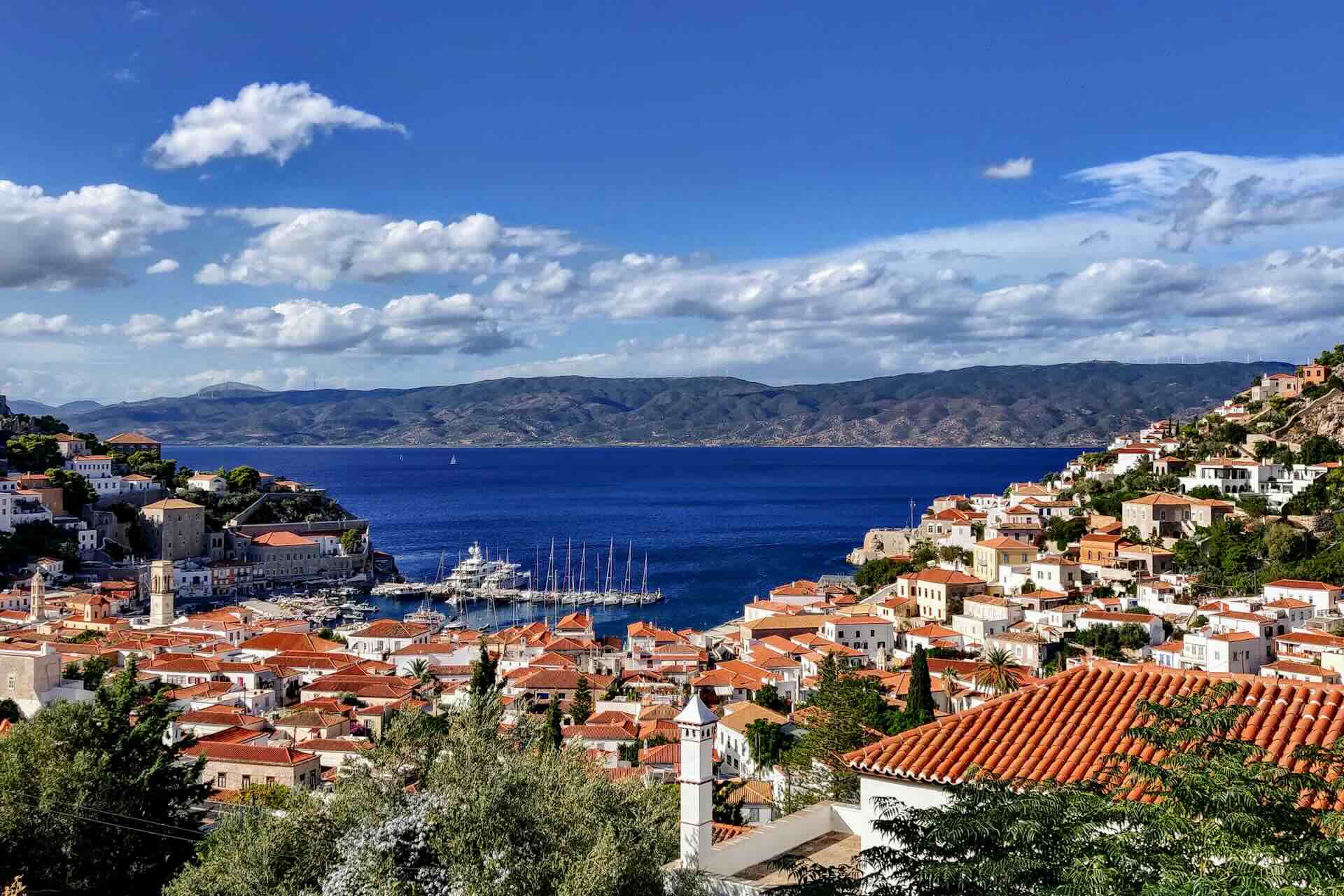
    Hydra is one of the most famous fully car free islands in Europe.

    Transportation happens on foot, by donkey, or by boat. The harbor town is compact, elegant, and quiet.

    Days revolve around swimming, walking coastal paths, and long meals by the water.

    Hydra rewards travelers who enjoy simplicity, routine, and understated beauty.

    Koufonisia, Greece

    Koufonisia is small, flat, and designed for walking.

    Beaches are reachable by foot. Villages feel intimate. Cars are unnecessary and largely absent.

    Life here follows daylight and weather. Meals are slow. Evenings are social and relaxed.

    It is ideal for travelers who want very little structure and very few distractions.

    Giethoorn Area Islands, Netherlands

    While Giethoorn itself is a village, nearby small islands and zones operate without cars.

    Movement happens by boat, bicycle, and walking paths. Water replaces roads.

    The pace is gentle and orderly. Silence is part of the experience.

    This area appeals to travelers who value quiet, design, and balance.

    Mackinac Island, Michigan

    Mackinac Island is one of the best known car free destinations in North America.

    Cars are banned. Transportation happens by bicycle, walking, or horse drawn carriage.

    The island feels timeless and calm, especially outside peak summer weekends.

    Mackinac works well for travelers who want classic charm and a slower pace without leaving the United States.

    Sark, Channel Islands

    Sark is one of the quietest inhabited islands in Europe.

    Cars are banned entirely. Movement happens by foot, bicycle, or horse cart.

    There are no streetlights, creating dark skies and quiet nights.

    Sark suits travelers seeking deep calm, minimal stimulation, and true disconnection.

    La Maddalena Smaller Islands, Italy

    Some of the smaller islands in the La Maddalena archipelago restrict cars or eliminate them entirely.

    Access is by boat. Movement is limited and intentional.

    These islands emphasize nature, swimming, and slow meals rather than nightlife or shopping.

    They work best for travelers who enjoy water focused days and minimal schedules.

    Rottnest Island, Australia

    Rottnest Island is largely car free and built around cycling and walking.

    Visitors move easily between beaches, coves, and settlements without traffic.

    The island feels playful yet calm, with strong emphasis on outdoor time.

    Rottnest appeals to travelers who want nature, movement, and ease without isolation.

    Caye Caulker, Belize

    Caye Caulker famously operates under a go slow mindset.

    Cars are rare. Walking and bicycles dominate. Golf carts appear but do not overwhelm.

    Days revolve around water, food, and conversation.

    This island suits travelers who want relaxed social energy without constant motion.

    Gili Islands, Indonesia

    The Gili Islands are known for banning cars and emphasizing foot and bicycle travel.

    Horse carts are used sparingly. Beaches remain quiet and walkable.

    Each island offers a slightly different energy, from social to serene.

    They reward travelers who want tropical calm with minimal infrastructure noise.

    Visby Area, Gotland Smaller Zones, Sweden

    While Gotland allows cars, parts of Visby and surrounding zones prioritize walking and cycling.

    The medieval town structure naturally limits vehicle use.

    Life feels balanced and intentional, especially outside summer festivals.

    This destination suits travelers who enjoy history, design, and quiet routines.

    How to Choose the Right Car Free Island

    The best car free island depends on how much quiet you want.

    Some islands are social and relaxed. Others are deeply tranquil with little nightlife.

    Consider walkability, food access, and how you like to spend your days.

    Car free travel works best when expectations match the rhythm of the place.

    What to Expect When Traveling Without Cars

    Logistics matter more at the beginning.

    You may need ferries or boats. Packing light helps. Transfers require planning.

    Once you arrive, complexity drops away.

    The reward is mental space and physical ease.

    Why These Islands Leave a Lasting Impression

    Car free islands change how you move, think, and rest.

    Without constant stimulation, attention widens. Days feel fuller without being busy.

    Many travelers return home feeling genuinely reset.

    That feeling is hard to replicate elsewhere.

    Final Thoughts on Car Free Island Travel

    The best car free islands for a peaceful getaway create calm by design, not effort.

    They remove urgency by removing cars.

    They replace speed with presence.

    For travelers seeking real rest, these islands offer something increasingly rare.

    Plan a trip to a car free island today.

  • How to Book a Disney Trip, A 4 to 6 Day TravelPal Guide

    How to Book a Disney Trip, A 4 to 6 Day TravelPal Guide

    Booking a Disney trip can feel overwhelming, and how to book a Disney trip the right way depends on understanding timing, pacing, and priorities. Disney vacations reward structure, but they punish overplanning. The goal is not to do everything. The goal is to design a trip that fits your energy, your group, and the number of days you actually have.

    This TravelPal guide focuses on booking a well paced 4 to 6 day Disney trip that feels enjoyable instead of exhausting, especially for first time visitors and families.

    Why 4 to 6 Days Is the Sweet Spot for Disney

    Most Disney trips fall apart because they are either too short or too packed.

    A 4 to 6 day trip allows enough time to experience multiple parks without rushing every moment. It also creates recovery space, which matters more than most people expect.

    Four days works well for focused trips with clear priorities. Five or six days work better for families, first time visitors, or anyone who wants flexibility.

    Anything shorter often feels frantic. Anything longer requires careful pacing to avoid burnout.

    Step One, Decide Which Parks Actually Matter to You

    Before booking anything, decide which parks are priorities.

    Many travelers make the mistake of assuming all parks are required. That assumption drives cost and stress.

    If this is your first trip, choose parks based on interests rather than reputation. Thrill rides, classic attractions, food experiences, or atmosphere all lead to different choices.

    Knowing your must do parks helps determine how many days you truly need and prevents overbooking.

    Step Two, Choose the Right Time of Year

    Timing affects cost, crowd levels, and energy.

    Peak seasons increase prices and wait times. Off peak periods often provide a more relaxed experience with fewer lines.

    Traveling just outside major holidays usually offers better balance. Weather still matters, but crowds matter more.

    Choosing the right week can make a four day trip feel like six.

    Step Three, Book Accommodations Based on Recovery, Not Price Alone

    Where you stay matters more than most people realize.

    On site accommodations offer convenience and early access benefits, but they are not always required. Nearby options can work well if transportation is simple.

    What matters most is ease of returning to your room. Midday breaks reduce fatigue and improve evening experiences.

    Choose a place that supports rest, not just sleep.

    Step Four, Build a Daily Structure Without Overloading It

    Each day should have a clear theme, not a packed schedule.

    Plan one main park focus per day. Avoid park hopping unless you have experience or extra energy.

    Build in downtime. Meals, breaks, and quiet moments protect stamina and mood.

    Leaving space for flexibility improves enjoyment far more than squeezing in one extra ride.

    Step Five, Understand Dining Before You Lock Plans

    Food is a major part of the Disney experience, but it should not control your entire day.

    Decide whether dining is a highlight or a support function. That choice changes everything.

    A mix of one planned meal per day with flexible eating works best for most groups.

    Avoid stacking reservations back to back. Food should restore energy, not drain it.

    Step Six, Use Technology Strategically, Not Constantly

    Disney planning tools are powerful, but they can dominate attention if overused.

    Use them to secure access and understand timing, not to micromanage every hour.

    Checking constantly creates stress and pulls focus away from experience.

    Plan ahead, then trust the structure you created.

    Step Seven, Build in a Rest or Low Intensity Day

    On a 5 or 6 day trip, at least one day should be lighter.

    This might mean a shorter park day, a resort focused day, or a single park with minimal goals.

    Rest days often become favorites. They reset energy and improve the remaining days.

    Skipping rest is one of the most common Disney mistakes.

    Step Eight, Book Transportation With Fatigue in Mind

    Transportation choices affect mood and energy.

    Early mornings and late nights add up quickly. Minimize unnecessary travel time whenever possible.

    Reliable transportation matters more than cost savings when kids or long days are involved.

    Smooth transitions protect the entire experience.

    Step Nine, Avoid the Everything Mentality

    Disney marketing encourages an everything mindset. That mindset leads to disappointment.

    You will not see everything. You are not supposed to.

    A great Disney trip feels complete because it matches expectations, not because it checks boxes.

    Quality moments matter more than quantity.

    Step Ten, Lock Bookings in the Right Order

    Book in this order to reduce stress.

    First, choose dates and number of days.
    Second, book accommodations.
    Third, secure park access.
    Fourth, plan dining.
    Finally, layer in experiences.

    This sequence prevents rebooking and unnecessary changes.

    Common Disney Booking Mistakes to Avoid

    Overbooking days without rest.
    Choosing too many parks for the time available.
    Ignoring transportation time.
    Letting dining control the schedule.
    Planning every hour instead of every day.

    Avoiding these mistakes often matters more than finding deals.

    Why Disney Trips Feel Better When They Are Planned Simply

    Disney is intense by nature. Planning should reduce that intensity, not add to it.

    Clear priorities, realistic pacing, and recovery time create better memories.

    A well planned 4 to 6 day trip feels immersive, not exhausting.

    That balance is the real goal.

    Final Thoughts on Booking a Disney Trip

    How to book a Disney trip comes down to alignment.

    Align days with energy, line up parks with interests, set plans with reality.

    When those pieces fit, the trip works.

    Planning does not need to be complicated. It needs to be intentional.

    Plan a trip to Disney today.

  • What to Do the Day Before a Vacation to Travel Stress Free

    What to Do the Day Before a Vacation to Travel Stress Free

    The day before a vacation often determines how the entire trip begins, and what to do the day before a vacation to travel stress free comes down to preparation, pacing, and restraint. Rushing, overpacking, or leaving key tasks unfinished can turn excitement into anxiety before you even leave home. A calm departure sets the tone for a better travel experience from the very first moment.

    This guide focuses on practical steps that reduce friction, protect your energy, and help you start your trip feeling clear headed and ready to enjoy it.

    Shift From Planning to Preparation

    The day before departure is not the time to keep planning your trip. Decisions should already be made.

    Instead of researching more restaurants or activities, shift into preparation mode. Focus on execution rather than ideas.

    Confirm flights, accommodations, and transportation plans. Make sure everything you need is accessible without digging through emails or apps.

    Mental closure around planning frees your attention and reduces last minute stress.

    Check Travel Documents and Essentials

    Before doing anything else, verify that all essential documents are ready.

    Confirm you have identification, passports if needed, and any required travel confirmations. Make sure they are stored in one place.

    If you use digital boarding passes or reservations, ensure your phone is charged and backups are accessible offline if possible.

    This simple check eliminates one of the most common sources of pre travel anxiety.

    Pack Earlier Than You Think You Should

    Packing should not happen late at night.

    Packing earlier in the day allows time to think clearly, notice what you forgot, and adjust without pressure.

    Lay everything out first. Seeing items visually prevents overpacking and missed essentials.

    Once packed, close your bag. Mentally checking packing off the list creates calm and prevents second guessing.

    Prepare Your Home for Your Absence

    Leaving home in order reduces mental noise during travel.

    Take out trash, wash dishes, and clear surfaces. A tidy space makes returning feel easier and more grounding.

    Adjust lights, thermostats, and any necessary settings. Set timers if you use them.

    Knowing your home is ready allows you to fully disconnect.

    Handle Work and Responsibilities Intentionally

    Unfinished work is one of the biggest stress triggers before travel.

    Complete essential tasks and clearly pause the rest. Set boundaries rather than trying to finish everything.

    Set out of office messages. Communicate availability clearly to avoid interruptions.

    Closure matters more than perfection.

    Eat Simply and Hydrate Well

    What you eat the day before travel affects how you feel the next morning.

    Avoid heavy or unfamiliar foods. Choose simple meals that digest easily.

    Hydrate well throughout the day, especially if flying the next morning.

    Feeling physically balanced supports emotional calm.

    Prepare Clothes and Morning Details

    Anything that needs to happen the morning of departure should be decided the day before.

    Choose travel clothes and set them aside. Prepare toiletries you will use before leaving.

    If you are driving, place bags near the door. If you are flying, know exactly when you will leave for the airport.

    Reducing morning decisions protects energy and focus.

    Check Weather and Make Final Adjustments

    A quick weather check helps avoid surprises.

    Adjust clothing or accessories if needed. This is a refinement step, not a restart.

    Do not overhaul your packing. Small adjustments are enough.

    Confidence comes from readiness, not perfection.

    Power Down Earlier Than Usual

    Sleep matters more than squeezing in last minute tasks.

    Aim to power down screens earlier in the evening. Give your body time to slow down.

    Even if sleep is lighter than usual, rest still helps.

    Starting travel day rested improves everything that follows.

    Avoid Overloading the Day Before Travel

    The day before a vacation should feel lighter, not heavier.

    Avoid scheduling unnecessary meetings, errands, or social commitments.

    Protect your time and energy. Calm is not accidental. It is chosen.

    A slower pace helps your nervous system transition into travel mode.

    Mentally Mark the Transition

    One of the most overlooked steps is mental transition.

    Acknowledge that work and routine are pausing. Give yourself permission to shift focus.

    This simple recognition helps you arrive mentally as well as physically.

    Travel feels better when you truly leave, not when you carry everything with you.

    Why the Day Before Matters So Much

    The day before a vacation acts as a buffer between daily life and travel.

    When used intentionally, it absorbs stress rather than creating it.

    Small actions compound into a smoother departure, a calmer arrival, and a better overall trip.

    Stress free travel does not start at the airport. It starts the day before.

    Final Thought Before You Go

    You do not need to do everything to travel well. You need to do the right things at the right time.

    Preparation creates space. Space creates ease.

    When the day before your vacation feels calm, the trip begins exactly how it should.

    Plan a trip today.

  • Where to Stay in Los Angeles if Food Is a Priority

    Where to Stay in Los Angeles if Food Is a Priority

    Los Angeles is one of the most food diverse cities in the world, and where to stay in Los Angeles if food is a priority depends on how you like to eat and explore. This is not a single restaurant city. It is a collection of neighborhoods, each shaped by culture, immigration, creativity, and access to ingredients. Choosing the right place to stay can dramatically improve how much you eat well without spending half your trip in traffic.

    For travelers who plan days around meals, markets, and casual discoveries, location matters as much as reservations. The right neighborhood turns food into a daily rhythm rather than a logistical challenge.

    Understanding Los Angeles as a Food City

    Los Angeles food culture is decentralized. Great meals are spread across the city rather than concentrated in one core.

    Different neighborhoods specialize naturally. Some excel at street food and casual dining. Others focus on chef driven restaurants, markets, or cultural staples.

    Because traffic shapes daily life, staying close to the type of food you want to eat is often more important than staying central.

    Food focused travel in Los Angeles is about proximity and pacing, not checking off lists.

    Koreatown for Around the Clock Eating

    Koreatown is one of the best places to stay if food is your top priority.

    This neighborhood offers some of the most consistent, affordable, and late night dining in the city. Meals here feel communal and energetic.

    Korean barbecue, noodle shops, bakeries, and casual spots operate well into the night. Eating is flexible and frequent.

    Koreatown’s density means many great options are walkable. That alone makes it attractive for food focused travelers.

    It is ideal if you enjoy variety, late meals, and a lively atmosphere.

    Downtown Los Angeles for Range and Access

    Downtown Los Angeles offers one of the widest food ranges in a compact area.

    Historic markets, modern food halls, casual lunch spots, and destination restaurants coexist within a few blocks.

    Staying downtown allows easy access to diverse cuisines without constant driving. Walking between meals becomes part of the experience.

    The neighborhood works best for travelers who want variety and do not mind urban energy.

    Downtown also connects easily to other food rich areas, making it a strategic base.

    Silver Lake and Echo Park for Everyday Food Culture

    Silver Lake and Echo Park appeal to travelers who value neighborhood food culture over formal dining.

    Cafés, bakeries, casual restaurants, and creative spots define the area. Eating feels integrated into daily life rather than scheduled.

    Meals here are often relaxed and unfussy, with a strong emphasis on quality ingredients and local following.

    Staying in this area suits travelers who enjoy morning coffee rituals, casual dinners, and repeat visits to favorite places.

    It feels personal rather than performative.

    West Hollywood for Restaurant Driven Dining

    West Hollywood works well if your priority is destination dining.

    Many chef driven restaurants cluster here, alongside cocktail focused dining and social scenes.

    Staying nearby reduces reliance on late night transportation and makes reservations easier to enjoy without rushing.

    This area suits travelers who plan meals ahead and want evenings to feel social and energetic.

    It pairs well with shorter trips where dining is a central activity.

    Santa Monica for Market Driven Eating

    Santa Monica offers a different food experience centered on freshness and access to ingredients.

    Farmers markets, seafood focused restaurants, and produce driven menus define the area.

    Staying here works well if you enjoy daytime eating, walking between meals, and lighter styles of dining.

    It also suits travelers who prefer mornings, outdoor meals, and a slower pace.

    Food here feels seasonal and routine rather than indulgent.

    Boyle Heights for Cultural Depth

    Boyle Heights offers some of the most culturally rooted food experiences in Los Angeles.

    This neighborhood reflects long standing traditions and everyday cooking rather than trends.

    Staying nearby allows deeper engagement with markets, bakeries, and casual dining that locals rely on daily.

    It is ideal for travelers who value authenticity and are comfortable exploring outside tourist patterns.

    Food here tells stories rather than chasing attention.

    Choosing Based on How You Like to Eat

    Your ideal neighborhood depends on how you approach food.

    If you eat late and often, Koreatown fits best. If you want variety in walking distance, Downtown works well. If you prefer casual routines, Silver Lake or Echo Park shine.

    If dining is social and reservation based, West Hollywood makes sense. If freshness and markets matter, Santa Monica delivers.

    Matching location to eating style improves every meal.

    Avoiding Common Food Travel Mistakes in Los Angeles

    One of the biggest mistakes travelers make is staying far from where they plan to eat.

    Traffic turns simple meals into commitments. Over scheduling leads to missed opportunities.

    Food in Los Angeles rewards repetition and proximity. Staying nearby allows flexibility and discovery.

    The city works best when meals are part of the day, not the destination.

    How Food Shapes the Travel Experience

    Eating well changes how Los Angeles feels.

    You move less. You notice more. You build small routines.

    Food becomes part of the city’s texture rather than a separate activity.

    That integration creates better memories than chasing highlights.

    Planning a Food Focused Stay

    Choose one or two food rich neighborhoods and commit to them.

    Allow room for spontaneous decisions. Eat earlier and later than planned.

    Return to places you enjoy. Let familiarity build.

    This approach turns Los Angeles into a livable food city rather than a scattered one.

    Why Staying in the Right Area Matters

    Where to stay in Los Angeles if food is a priority comes down to alignment.

    The right neighborhood removes friction and adds joy.

    It lets food shape the trip naturally instead of feeling like work.

    That difference is everything.

    Plan a trip to Los Angeles today.

  • On a Tight Budget? Smart Ways to Travel for Less With TravelPal

    On a Tight Budget? Smart Ways to Travel for Less With TravelPal

    Travel does not have to be expensive to be meaningful, and on a tight budget, smart ways to travel for less often come down to planning, flexibility, and knowing where to focus your money. Affordable travel is not about cutting everything. It is about spending intentionally and avoiding the choices that quietly inflate costs without improving the experience.

    For travelers who want culture, food, and memorable experiences without overspending, the right strategy can make travel both accessible and enjoyable.

    Rethinking What Makes a Trip Expensive

    Many travelers assume flights or accommodations are the biggest barriers to affordable travel. In reality, small decisions made throughout the trip often have a greater impact.

    Poor timing, rigid schedules, and over planning can drive up costs quickly. Convenience fees, unnecessary upgrades, and impulse spending add up faster than expected.

    Traveling for less starts with awareness. Understanding where money actually goes helps you decide what is worth paying for and what is not.

    Choosing Destinations That Offer Better Value

    Some destinations naturally offer more value for travelers on a budget. This does not mean choosing places without culture or character.

    Cities with strong public transportation, walkable neighborhoods, and affordable food scenes stretch budgets further. Places where daily life happens outdoors or in public spaces reduce the need for paid activities.

    Traveling slightly outside peak seasons also opens access to better prices without sacrificing experience.

    Being Flexible With Dates and Timing

    Flexibility is one of the most powerful tools for affordable travel.

    Midweek flights are often cheaper than weekend departures. Shoulder seasons offer lower prices and fewer crowds.

    Even shifting a trip by a few days can significantly reduce costs. Travelers who prioritize experiences over exact dates usually find better deals.

    Flexibility creates options. Options create savings.

    Rethinking Accommodations

    Affordable travel does not require sacrificing comfort.

    Staying slightly outside major tourist centers often reduces costs while offering more authentic experiences. Many neighborhoods well connected by public transportation provide better value than central hotspots.

    Shorter stays in nicer accommodations can sometimes cost less than longer stays in places that require constant transportation spending.

    The goal is balance, not extremes.

    Eating Well Without Overspending

    Food is one of the easiest areas to overspend, but also one of the easiest to manage.

    Eating where locals eat often costs less and delivers better experiences. Markets, bakeries, and casual spots usually offer high quality without inflated prices.

    Planning one or two memorable meals while keeping the rest simple creates balance. Not every meal needs to be an event.

    Food becomes part of daily rhythm rather than a budget drain.

    Using Transportation Strategically

    Transportation costs can quietly erode travel budgets.

    Walking whenever possible saves money and enhances experience. Public transportation usually offers far better value than taxis or rideshares.

    Understanding local transit passes can lead to meaningful savings, especially in cities designed for movement rather than driving.

    Choosing accommodations near transit hubs reduces daily expenses without reducing access.

    Prioritizing Experiences Over Attractions

    Many of the most meaningful travel experiences are free or low cost.

    Wandering neighborhoods, visiting parks, observing daily life, and enjoying public spaces often leave stronger impressions than ticketed attractions.

    Paid experiences should feel intentional. Choose those that align closely with your interests rather than checking boxes.

    Quality matters more than quantity.

    Avoiding Hidden Travel Costs

    Hidden costs often surprise budget travelers.

    Baggage fees, currency exchange charges, international transaction fees, and unnecessary add ons add up quickly.

    Planning ahead and understanding basic travel logistics helps avoid these expenses.

    A small amount of preparation protects your budget throughout the trip.

    Planning Trips Around Daily Life

    Trips feel more affordable when they align with how places actually function.

    Traveling at local rhythms reduces pressure to spend. Eating at normal meal times, shopping in local stores, and participating in everyday routines create authentic experiences at lower cost.

    When travel mirrors daily life, expenses tend to stabilize naturally.

    Using Technology to Make Smarter Choices

    Planning tools help travelers compare options, avoid inefficiencies, and build realistic itineraries.

    Seeing how destinations connect, how days flow, and where time is spent prevents overspending driven by poor planning.

    Smart planning supports affordable travel by reducing guesswork and wasted movement.

    Why Affordable Travel Often Feels Better

    Budget conscious travel often leads to deeper experiences.

    Slower pace, fewer commitments, and more observation create space for connection and discovery.

    Spending less can actually improve travel satisfaction by shifting focus away from consumption and toward experience.

    Affordable travel is not lesser travel. It is often more intentional travel.

    Building Trips That Fit Your Real Life

    The best travel budgets reflect real priorities.

    If food matters most, spend there and save elsewhere. If location matters, adjust trip length. There is no universal formula.

    The goal is alignment, not restriction.

    When spending supports what you care about, travel feels worth every dollar.

    Final Thoughts on Traveling for Less

    Traveling on a tight budget is not about deprivation. It is about clarity.

    Knowing what to skip is just as important as knowing what to spend on.

    With the right mindset and planning approach, affordable travel becomes sustainable, repeatable, and rewarding.

    Travel more often. Stress less about money. Focus on experience.

    Plan a trip today.