Category: Latest Updates & Innovations

  • Tokyo Bars That Turn Your Cards Into Custom Cocktails

    Tokyo bars that turn your cards into custom cocktails reflect the city’s obsession with precision, creativity, and hospitality. In Tokyo, bartending often feels closer to performance art than nightlife service. Some bars take this concept further by using cards, whether flavor cards, concept cards, or symbolic decks, to guide cocktail creation. When you visit these bars, you do not order from a menu. Instead, you participate in the process, allowing the bartender to design a drink based on your selections. This experience turns a night out into something personal, memorable, and uniquely Tokyo.

    Why Tokyo Leads in Personalized Cocktail Culture

    Craft over speed

    Tokyo’s cocktail scene prioritizes craftsmanship above efficiency. Bartenders train for years to master ice carving, stirring technique, and balance. This focus allows space for interactive experiences like card based cocktail creation.

    Unlike fast paced bar cultures, Tokyo encourages guests to slow down and engage.

    Hospitality through customization

    Japanese hospitality values anticipation and attentiveness. Custom cocktails reflect this mindset. Bartenders aim to understand you before serving you. Cards provide a structured way to do that without intrusive questions.

    The result feels thoughtful rather than gimmicky.

    How Card Based Cocktail Experiences Work

    You choose, the bartender interprets

    At these bars, you receive a set of cards when seated. Each card may represent a flavor, aroma, spirit, mood, or season. Some bars use illustrated cards, while others rely on text or symbols.

    You select a few cards, and the bartender interprets them into a cocktail concept.

    No two drinks feel the same

    Because interpretations vary, two guests choosing similar cards often receive different drinks. Bartenders adjust based on conversation, reactions, and subtle cues.

    This flexibility keeps the experience dynamic and personal.

    Bars in Tokyo Known for Card Inspired Cocktails

    Bar High Five in Ginza

    Bar High Five operates as one of Tokyo’s most respected cocktail institutions. While not strictly card based in every interaction, the bar uses flavor profiles and guided selections that function similarly. Guests communicate preferences through structured choices rather than menus.

    Bartenders craft cocktails based on texture, strength, and flavor direction. The experience feels intimate and collaborative.

    This bar appeals to travelers who appreciate classic technique with personalized execution.

    Bar Orchard Ginza

    Bar Orchard focuses heavily on fresh fruit cocktails. Some locations use visual prompts or flavor cards to help guests choose base ingredients and profiles. Guests often select from fruit and flavor indicators rather than drink names.

    The bartender then balances the drink based on seasonality and personal taste.

    This approach works well for travelers who enjoy lighter, aromatic cocktails.

    Bar Trench in Ebisu

    Bar Trench leans into concept driven cocktails inspired by stories, travel, and themes. While cards may not always appear physically, the experience mirrors card selection through guided prompts and symbolic choices.

    Bartenders often ask you to choose ideas or themes, then translate them into a drink narrative.

    This bar suits travelers interested in creative storytelling through cocktails.

    Intimate concept bars across Tokyo

    Beyond famous names, Tokyo hides many small bars experimenting with interactive ordering. Some use tarot style cards, mood decks, or handwritten prompts. These bars often seat fewer than ten guests and operate quietly.

    Finding them often requires word of mouth or local guidance.

    What the Cards Represent

    Flavor direction

    Some cards indicate sweet, bitter, smoky, herbal, or citrus forward profiles. This system helps guests articulate preferences without cocktail vocabulary.

    It removes intimidation for first time visitors.

    Spirits and base notes

    Other decks focus on base spirits like gin, whisky, rum, or sake. Guests select comfort zones while still allowing creative freedom.

    Bartenders often introduce unexpected pairings through this method.

    Mood and emotion

    Some bars use abstract cards representing moods, seasons, or feelings. A card might suggest calm, bold, nostalgic, or playful. The bartender translates emotion into flavor.

    This approach feels uniquely Tokyo, blending emotion with craft.

    Why Travelers Love This Experience

    Language barriers disappear

    Ordering custom cocktails through cards reduces language challenges. You communicate preferences visually and intuitively rather than verbally.

    This inclusivity makes the experience accessible to international visitors.

    You feel seen as a guest

    The process creates connection. Bartenders remember your choices and reactions. Even in a short visit, you feel understood.

    This personal attention sets Tokyo bars apart from many global nightlife scenes.

    It turns a drink into a memory

    Rather than remembering a cocktail name, you remember the process. You recall the cards you chose, the explanation, and the moment.

    That memory often becomes a highlight of the trip.

    How to Prepare for a Card Based Cocktail Bar

    Arrive with patience

    These bars operate slowly by design. Drinks take time. Expect fewer cocktails but higher quality.

    Rushing undermines the experience.

    Sit at the bar if possible

    Sitting at the bar allows interaction and observation. Watching bartenders work adds depth to the experience.

    Seats often remain limited, so arrive early.

    Stay open minded

    Card based cocktails often introduce unfamiliar flavors. Trust the bartender’s interpretation.

    Open minded guests enjoy the most surprising results.

    Etiquette Tips for Tokyo Cocktail Bars

    Speak softly and observe

    Many of these bars value calm atmosphere. Loud conversations disrupt the setting.

    Matching the tone shows respect.

    Avoid heavy phone use

    Bartenders appreciate attention. Taking photos politely is usually fine, but constant phone use feels distracting.

    Presence matters in these spaces.

    Tip culture differs

    Tipping does not function the same way as in many countries. Excellent service forms part of the experience, not a transaction.

    Express appreciation verbally instead.

    Best Neighborhoods to Find These Bars

    Ginza

    Ginza hosts many refined cocktail bars that emphasize precision and personalization. The area suits travelers seeking classic elegance.

    Ebisu and Shibuya

    These neighborhoods support more experimental concepts. Younger bartenders often test interactive ideas here.

    Shinjuku Golden Gai

    Small bars packed tightly together sometimes offer unique ordering experiences. Exploration rewards curiosity.

    When to Visit

    Weekdays feel calmer

    Weekdays allow more conversation and attention from bartenders. Weekends bring crowds and longer waits.

    Choose timing based on your preference for interaction.

    Evenings over late nights

    Early evening offers a quieter atmosphere. Late nights grow livelier and less intimate.

    Card based experiences shine when pace stays relaxed.

    Why This Trend Reflects Tokyo

    Tokyo values detail, ritual, and human connection. Card based cocktails combine these elements seamlessly. The experience feels playful but respectful, creative but controlled.

    Rather than replacing menus everywhere, this trend adds depth to Tokyo’s already rich cocktail culture.

    Making It Part of Your Tokyo Trip

    Plan at least one evening dedicated to a personalized cocktail experience. Balance it with casual dining or street exploration beforehand. Treat the bar visit as an event, not an afterthought.

    These moments often become stories travelers share long after leaving Tokyo.

    Tokyo bars that turn your cards into custom cocktails prove that nightlife can feel intimate, thoughtful, and artistic. When you let the bartender guide you, you experience Tokyo through taste, emotion, and interaction.

    Plan a trip to Tokyo today at TravelPal.ai.

  • How International Airport Rules Differ From TSA Regulations

    How International Airport Rules Differ From TSA Regulations

    How international airport rules differ from TSA regulations often surprises travelers who assume airport security works the same everywhere. While the Transportation Security Administration governs airport security in the United States, each country sets its own rules, priorities, and procedures. When you travel internationally, security checkpoints, carry on policies, screening methods, and enforcement can feel very different. Understanding these differences helps you move through airports with less stress and fewer mistakes.

    The Role of the TSA Versus Global Authorities

    TSA focuses on standardization

    The TSA operates with a strong emphasis on consistency. Most U.S. airports follow similar procedures, signage, and screening expectations. This predictability helps frequent domestic travelers feel prepared.

    Outside the United States, no single authority sets global standards. Each country manages airport security based on national laws, infrastructure, and threat assessments.

    International airports prioritize flexibility

    Many international airports adjust procedures depending on destination, airline, or terminal. Travelers may encounter different rules even within the same airport. Flexibility replaces uniformity in many regions.

    This variability explains why international travel often feels less predictable.

    Liquids Rules Outside the United States

    Liquids limits may differ

    The TSA enforces a strict liquids rule for carry ons. Many international airports follow similar limits, but enforcement varies. Some airports allow slightly larger containers, while others scrutinize liquids more closely.

    You may also encounter airports that require all liquids removed from bags, regardless of size.

    Duty free liquids follow different logic

    International duty free purchases often receive sealed bags that allow liquids beyond standard limits. However, rules change during connections. Some airports require re screening that voids these exemptions.

    Always ask staff before assuming duty free liquids will pass through.

    Electronics Screening Differences

    Laptops may stay in bags

    Many international airports allow laptops and tablets to remain inside carry on bags. Advanced scanners handle electronics without removal. This change speeds up screening and reduces congestion.

    Travelers accustomed to TSA rules often remove electronics unnecessarily.

    Larger electronics face scrutiny elsewhere

    Some countries require separate screening for cameras, power banks, or drones. Security staff may inspect devices manually, especially at smaller airports.

    Expect more hands on checks in certain regions.

    Shoes, Belts, and Clothing

    Shoes often stay on

    Unlike many U.S. checkpoints, international airports rarely require shoe removal. This difference surprises American travelers. Shoe screening occurs only when scanners detect anomalies.

    Belts and jackets also often remain on during screening.

    Clothing rules feel less strict

    International security often focuses more on behavior and scanning technology than on removing layers. This approach creates a smoother experience but relies heavily on advanced equipment.

    Carry On Size and Weight

    Weight limits matter more abroad

    Many international airlines enforce strict carry on weight limits. Bags may get weighed at check in or boarding gates. Exceeding limits often results in fees or forced checking.

    TSA rules do not address weight, which leads to confusion.

    Smaller bags perform better

    Travelers benefit from compact, lightweight carry ons when flying internationally. Overstuffed bags attract attention and delays.

    Planning for weight saves time and money.

    Screening Methods and Technology

    Body scanners vary widely

    Some countries use full body scanners similar to the TSA. Others rely on metal detectors or manual screening. Travelers may encounter pat downs more frequently in certain regions.

    Expect variety rather than consistency.

    Behavior observation plays a bigger role

    International security staff often rely more on observation. Eye contact, body language, and behavior influence screening decisions. Calm, respectful behavior helps move things along.

    This approach feels subjective but remains common worldwide.

    Passport and Identity Checks

    Security and immigration overlap

    In many countries, passport checks happen multiple times. You may show identification at security, boarding, and arrival. This repetition surprises travelers used to fewer checks.

    Documents matter more than boarding passes alone.

    Exit immigration exists

    Some countries require exit immigration checks before departure. These checks confirm visa compliance and length of stay. The TSA does not handle anything similar.

    Plan extra time for departures from these destinations.

    Food and Agricultural Restrictions

    Food screening feels stricter

    Many international airports screen food carefully. Fresh produce, meat, and dairy may face restrictions even during transit. Security staff may confiscate items without discussion.

    These rules protect local agriculture and ecosystems.

    Snacks still face inspection

    Even packaged snacks sometimes raise questions. Declare items when asked to avoid penalties.

    Transparency helps avoid delays.

    Security Staff Interaction Styles

    Authority feels more direct

    International security staff often communicate more directly than TSA agents. Instructions may feel firm or abrupt. This tone reflects cultural norms rather than hostility.

    Respond calmly and follow directions closely.

    Limited explanations

    Some airports provide minimal explanation for procedures. Travelers should avoid debating rules or requesting justification. Compliance works better than questioning.

    Prohibited Items Can Differ

    Common items may be banned

    Items allowed through TSA may face restrictions elsewhere. Power banks, batteries, or personal electronics sometimes face limits. Certain tools or toiletries may also differ.

    Always check airline and airport guidelines before packing.

    Enforcement varies by region

    Some airports enforce rules strictly, while others apply discretion. Assume stricter enforcement to stay safe.

    Transit and Connection Differences

    Re screening happens often

    International connections frequently require full security re screening. Even if you already passed screening, you may repeat the process during transit.

    Allow extra time between flights.

    Duty free rules reset

    Liquids purchased before transit may face confiscation. Plan purchases accordingly or wait until final departure points.

    How to Prepare for International Airport Rules

    Research your destination airport

    Look up airport security expectations before traveling. Airline websites and airport pages often outline differences.

    Preparation prevents surprises.

    Pack with global rules in mind

    Choose versatile packing strategies. Keep liquids minimal, electronics organized, and carry ons lightweight.

    Flexible packing adapts to changing rules.

    Stay patient and observant

    Watch how locals move through security. Follow their lead rather than assuming TSA habits apply.

    Observation improves efficiency.

    Why These Differences Exist

    International airport rules reflect local priorities, technology, and risk assessments. No universal system exists. Each country balances security, efficiency, and traveler experience differently.

    Understanding this reality helps travelers adapt quickly.

    The Bottom Line for Travelers

    How international airport rules differ from TSA regulations matters because assumptions create stress. Travelers who approach global airports with flexibility and awareness move more smoothly through security.

    Expect variation. Stay calm. Follow instructions carefully.

    When you prepare for differences instead of resisting them, international travel becomes far less frustrating and far more enjoyable.

    Plan a trip to your next destination today at TravelPal.ai.

  • Where to Ride the World’s Shortest Railway

    Where to Ride the World’s Shortest Railway

    Where to ride the world’s shortest railway surprises many travelers because it feels more charming than grand. In Saltburn by the Sea, a small coastal town in North Yorkshire, England, a short but historic railway connects the clifftop town to the beach below. This ride lasts only moments, yet it delivers history, views, and a sense of place that stays with you longer than expected. Visiting this railway turns a simple seaside stop into a memorable travel experience.

    Introducing Saltburn by the Sea

    A classic English seaside town

    Saltburn by the Sea sits along England’s northeast coast, facing the North Sea. The town developed during the Victorian era as a planned seaside resort. Its wide streets, gardens, and pier still reflect that heritage today.

    Visitors come for fresh air, dramatic cliffs, and a slower pace of life. The railway fits naturally into this setting, offering a gentle transition between town and shore.

    Why the railway matters here

    The railway is not a novelty added for tourists. It has served residents and visitors for over a century. Locals still use it as a practical way to reach the beach, which gives the ride authenticity rather than gimmick appeal.

    The Saltburn Cliff Lift

    A short journey with long history

    The Saltburn Cliff Lift opened in the late nineteenth century. It operates as a water balanced funicular railway. The system uses gravity and water to move the cars, making it both efficient and environmentally friendly.

    The track length measures only a few dozen meters, earning it recognition as one of the shortest railways open to the public. Despite its size, it remains fully functional and historically significant.

    How the ride works

    Two small cars connect by cable. When one descends, water fills its tank, adding weight. This weight pulls the other car upward. Once the descending car reaches the bottom, the water drains, preparing the system for the next journey.

    The entire process feels smooth and surprisingly quiet. Riders often express delight at how simple yet effective the system feels.

    What to Expect When You Ride

    A brief but scenic experience

    The ride itself lasts less than a minute, but the views compensate for the short duration. As the car moves, you see the town rise above and the beach spread out below.

    On clear days, the coastline stretches into the distance. The moment feels peaceful rather than rushed.

    Accessible and welcoming

    The railway welcomes all ages. Families, older travelers, and solo visitors use it comfortably. The staff often share brief explanations, adding context to the experience without overwhelming it.

    The short ride encourages repeat trips, especially when spending a full day by the sea.

    Why This Railway Attracts Travelers

    Small scale travel feels refreshing

    Modern travel often focuses on size and spectacle. The world’s shortest railway offers the opposite. It invites you to slow down and appreciate something modest yet meaningful.

    This appeal resonates with travelers seeking unique experiences rather than famous landmarks.

    History without crowds

    Unlike major rail attractions, this railway rarely feels crowded. You can enjoy it without long lines or noise. The experience feels personal and relaxed.

    Travelers often find this refreshing after busy city visits.

    Exploring the Area Around the Railway

    The Saltburn Pier

    At the bottom of the cliff, the historic pier extends into the North Sea. Walking along the pier offers sea views, fresh wind, and a sense of timelessness.

    The pier complements the railway by continuing the Victorian seaside story.

    The beach and promenade

    Saltburn’s beach stretches wide and open. The sand and pebbles create space for long walks and quiet reflection. The promenade runs parallel, making it easy to stroll and explore.

    Many visitors ride the railway multiple times while moving between town and beach.

    Gardens and cliff paths

    At the top, the Italian Gardens and cliff paths offer greenery and calm. These spaces contrast nicely with the open beach below. The railway links these environments seamlessly.

    Best Time to Visit

    Seasonal considerations

    Spring and summer bring mild weather and longer daylight hours. These seasons allow more time to enjoy the beach and town after riding the railway.

    Autumn adds dramatic skies and fewer visitors. Winter visits feel peaceful but require checking operating hours.

    Timing your ride

    Early morning and late afternoon feel especially calm. These times offer softer light and fewer riders. Photographers often prefer these hours.

    Practical Tips for Visitors

    Keep expectations realistic

    The railway ride stays short. Embrace its simplicity rather than expecting a long attraction. The charm lies in what it represents, not its length.

    Combine it with a coastal day

    Plan to explore the town, pier, and beach around the ride. The railway works best as part of a broader coastal visit.

    Respect its heritage

    This railway remains a working historic system. Treat it with care and patience. Staff maintain it with pride and dedication.

    Why Short Travel Experiences Matter

    Meaning over magnitude

    The world’s shortest railway reminds travelers that size does not define value. Meaning often comes from context, history, and connection to place.

    Short experiences can still leave strong impressions.

    A reminder to slow down

    This ride encourages you to pause. Instead of rushing from one highlight to another, you spend a moment appreciating engineering, history, and environment together.

    Travel feels richer when you notice these details.

    Who Will Enjoy This Experience

    Curious travelers

    Those who enjoy unusual facts and hidden gems will appreciate this railway. It offers a story worth sharing without feeling staged.

    Families and casual explorers

    Families enjoy the novelty, while casual explorers appreciate the ease and charm. The railway fits comfortably into varied travel styles.

    History and design enthusiasts

    Anyone interested in Victorian engineering or sustainable transport will find the system fascinating despite its small scale.

    Making the Most of Your Visit

    Plan time to wander rather than rush. Let the railway be a gentle transition between environments rather than a checklist item. Take photos, ask questions, and enjoy the calm rhythm of the town.

    Saltburn by the Sea rewards travelers who value atmosphere and authenticity.

    Plan a trip to Saltburn by the Sea today at TravelPal.ai.

  • How to Make Flying Safer and Less Stressful

    How to Make Flying Safer and Less Stressful

    How to make flying safer and less stressful is a question many travelers ask, regardless of experience. Airports feel crowded, flights feel long, and small disruptions can quickly raise anxiety. While flying remains one of the safest ways to travel, stress often comes from uncertainty, lack of control, and poor preparation. With the right mindset and habits, you can reduce risk, protect your health, and make flying feel far more manageable. This guide focuses on practical steps you can take before, during, and after your flight to travel with confidence.

    Preparing Before You Leave

    Choose flights that reduce pressure

    Flight timing affects stress levels more than many travelers realize. Early morning flights often experience fewer delays and calmer airports. Choosing nonstop flights also reduces risk and complexity.

    Whenever possible, avoid tight connections. Extra time between flights allows flexibility if issues arise.

    Select seats with comfort in mind

    Seat choice impacts both physical comfort and peace of mind. Aisle seats allow easier movement, while window seats offer a sense of personal space. Some travelers feel calmer near wings, where turbulence feels less intense.

    Choosing seats early helps avoid last minute stress.

    Pack intentionally

    Overpacking increases stress. Focus on essentials and keep your carry on organized. Place important items, like medications, documents, and chargers, in easy to reach compartments.

    Knowing where everything sits helps you stay calm during security checks and boarding.

    Airport Strategies That Reduce Anxiety

    Arrive early without rushing

    Arriving early removes pressure. Extra time allows you to move slowly, handle unexpected lines, and settle mentally before boarding. Rushing increases mistakes and tension.

    Aim for calm rather than speed.

    Use digital tools

    Mobile boarding passes, airline apps, and notifications reduce uncertainty. You stay informed about gate changes, boarding times, and delays without crowd confusion.

    Preparation through technology increases control.

    Dress for comfort and security

    Wear layers and slip on shoes. Comfortable clothing helps your body relax and speeds up security screening. Physical comfort directly affects mental stress.

    Small clothing choices matter more than expected.

    Health and Safety During the Flight

    Stay hydrated

    Cabin air feels dry and dehydration increases fatigue and headaches. Drink water regularly and limit alcohol or excessive caffeine.

    Hydration supports circulation and overall comfort.

    Move when possible

    Sitting for long periods affects circulation and stiffness. Stand, stretch, or walk briefly when safe. Simple leg movements at your seat also help.

    Movement reduces physical discomfort and anxiety.

    Practice basic hygiene

    Use hand sanitizer, wipe down tray tables, and avoid touching your face. These habits reduce illness risk, especially on long flights.

    Feeling protected helps you relax.

    Managing Turbulence and Fear

    Understand what turbulence is

    Turbulence feels unsettling but rarely poses danger. Aircraft are designed to handle far more stress than turbulence creates. Pilots anticipate and manage it constantly.

    Understanding reduces fear.

    Focus on breathing

    Slow breathing calms your nervous system. Inhale deeply through your nose, hold briefly, then exhale slowly. Repeat until tension eases.

    This technique works quietly and effectively.

    Limit alarming content

    Avoid watching flight related accidents or dramatic news before flying. Anxiety feeds on imagery and anticipation. Choose calming music, podcasts, or reading instead.

    Your mental environment matters.

    Dealing With Crowds and Noise

    Use noise control

    Noise adds stress quickly. Noise canceling headphones or earplugs reduce sensory overload. Even soft music creates a sense of privacy.

    Lower noise equals calmer thoughts.

    Create a personal routine

    Routines provide comfort. Listening to the same playlist, reading a familiar book, or following a small ritual signals safety to your brain.

    Consistency builds emotional security.

    Eating and Sleeping Smart

    Eat light meals

    Heavy meals increase discomfort and fatigue. Choose lighter foods that digest easily. Eating well supports steady energy and mood.

    Avoid skipping meals entirely, which can increase irritability.

    Rest when you can

    Sleep improves emotional regulation. On long flights, use eye masks, neck pillows, or guided relaxation to rest. Even light sleep helps.

    Rest reduces stress perception.

    Communication and Courtesy

    Ask for help when needed

    Flight attendants exist to assist. If you feel anxious or unwell, communicate calmly. Crew members handle these situations often.

    Speaking up prevents escalation.

    Practice patience

    Delays and inconveniences happen. Frustration rarely improves outcomes. Calm responses protect your energy and mood.

    Patience keeps stress contained.

    Technology and Information Balance

    Stay informed but not overwhelmed

    Checking flight updates helps, but constant monitoring increases anxiety. Check information at reasonable intervals.

    Balance awareness with mental rest.

    Download content in advance

    WiFi may fail or feel slow. Download entertainment, travel plans, and important documents beforehand. Preparedness reduces frustration.

    Offline access equals peace of mind.

    After Landing and Recovery

    Allow decompression time

    Landing does not mean stress disappears instantly. Give yourself time to adjust, stretch, and hydrate before moving on.

    Transition slowly when possible.

    Reflect on what worked

    Notice which strategies helped you feel calm. Use those lessons for future flights. Confidence builds through experience.

    Each trip improves the next.

    Why Preparation Changes Everything

    Flying feels stressful when travelers feel powerless. Preparation restores control. When you understand processes, care for your body, and manage your mindset, flying becomes predictable rather than threatening.

    Safety improves through awareness. Stress fades through confidence.

    Learning how to make flying safer and less stressful empowers you to enjoy travel rather than endure it. With simple habits and thoughtful planning, air travel becomes a smoother, calmer part of your journey.

    Plan a trip to your next destination today at TravelPal.ai.

  • U.S. College Towns Worth Visiting Even If You’re Not a Student

    U.S. College Towns Worth Visiting Even If You’re Not a Student

    U.S. college towns worth visiting even if you’re not a student offer far more than classrooms and campuses. These towns combine walkable downtowns, creative food scenes, live music, nature access, and strong local identity. Universities often act as cultural anchors, bringing museums, sports, ideas, and energy that shape the entire town. When you visit as a traveler, you benefit from that vibrancy without needing a student ID. This guide explores college towns across the United States that feel like true destinations, not just places built around school schedules.

    What Makes a College Town Worth Visiting

    Culture driven by curiosity

    College towns thrive on curiosity. Universities attract speakers, artists, musicians, and thinkers, which filters into public life. You often find film festivals, lectures, galleries, and performances open to everyone.

    This intellectual energy gives these towns depth that feels authentic rather than staged.

    Food scenes that punch above their size

    Students, faculty, and visitors create demand for affordable but creative food. Many college towns support independent restaurants, bakeries, and coffee shops that experiment more than larger cities.

    You eat well without big city prices.

    Walkability and character

    College towns tend to prioritize walkability. Campuses connect to downtown areas through paths, bike lanes, and public spaces. This layout encourages slow exploration and spontaneous discovery.

    Travelers appreciate places where you can park once and wander.

    Ann Arbor, Michigan

    A blend of culture, food, and green space

    Ann Arbor feels lively without chaos. The University of Michigan anchors the town, but visitors quickly notice bookstores, music venues, and restaurants that serve the broader community.

    The downtown offers excellent dining, from casual cafés to refined kitchens. Live music and independent theaters add nighttime appeal. Nearby parks and the Huron River provide outdoor balance.

    Ann Arbor works well for weekend trips focused on food, culture, and relaxed exploration.

    Boulder, Colorado

    Nature meets innovation

    Boulder pairs a college town atmosphere with dramatic natural scenery. The University of Colorado brings energy, while the Flatirons dominate the skyline.

    Visitors hike, bike, and explore trails minutes from downtown. Pearl Street offers shopping, street performers, and dining with mountain views. The town attracts wellness culture, craft food, and outdoor focused businesses.

    Boulder suits travelers who want activity, scenery, and thoughtful food.

    Athens, Georgia

    Music history and Southern charm

    Athens carries a strong creative identity shaped by the University of Georgia. The town helped launch influential music scenes that still define its nightlife.

    Downtown Athens offers live music almost every night, along with Southern inspired food and casual bars. Historic architecture and tree lined streets give the town a welcoming feel.

    Athens appeals to travelers who love music, culture, and relaxed evenings.

    Madison, Wisconsin

    Lakes, food, and civic energy

    Madison sits between two lakes, giving the city natural beauty alongside political and academic life. The University of Wisconsin anchors the town, but the state capitol and public spaces add civic character.

    Visitors enjoy farmers markets, bike friendly paths, and a strong food scene focused on local ingredients. The city feels active year round, with festivals and events that welcome outsiders.

    Madison works well for travelers who enjoy food, water views, and community driven experiences.

    Chapel Hill and Carrboro, North Carolina

    Creative energy with a small town feel

    The University of North Carolina shapes Chapel Hill, while Carrboro adds artistic edge nearby. Together, they create a destination known for music, food, and progressive culture.

    Visitors find excellent restaurants, independent bookstores, and intimate music venues. The towns feel walkable and welcoming, with easy access to nature.

    This area suits travelers seeking thoughtful culture and a slower pace.

    Santa Barbara, California

    Coastal beauty with academic influence

    Santa Barbara blends beach town charm with university energy. The University of California campus sits near the coast, shaping a youthful but relaxed atmosphere.

    Visitors enjoy wine tasting, coastal walks, Spanish architecture, and excellent food. The town balances leisure with intellectual life, making it appealing beyond student culture.

    Santa Barbara works well for travelers who want scenery, food, and sunshine.

    State College, Pennsylvania

    More than a game day destination

    State College surprises visitors who expect only sports culture. Penn State University brings scale and resources that support museums, performances, and dining.

    The surrounding area offers hiking, scenic drives, and quiet towns. Downtown State College feels compact and friendly, especially outside major events.

    This destination suits travelers who enjoy understated charm and access to nature.

    Eugene, Oregon

    Creativity and outdoor access

    Eugene reflects Oregon’s creative spirit through food, art, and nature. The University of Oregon influences culture, but the town’s personality extends beyond campus.

    Visitors explore river paths, local markets, breweries, and nearby forests. Eugene attracts travelers who value sustainability, creativity, and outdoor exploration.

    The pace feels relaxed but purposeful.

    Bloomington, Indiana

    Arts, food, and architectural beauty

    Indiana University shapes Bloomington with its striking campus and strong arts programs. Visitors notice music performances, galleries, and diverse dining options.

    The town feels welcoming and walkable, with nearby lakes and parks for outdoor time. Bloomington often surprises travelers who expect something quieter.

    It suits those seeking culture without crowds.

    Davis, California

    Bike friendly and community focused

    Davis centers around the University of California but feels grounded in local life. The town emphasizes bikes, farmers markets, and sustainable living.

    Visitors enjoy casual dining, open spaces, and easy day trips to nearby regions. Davis feels calm, friendly, and authentic.

    This destination works for travelers who appreciate simplicity and community values.

    Why These College Towns Make Great Trips

    You get energy without overwhelm

    College towns stay active but manageable. You feel vibrancy without traffic stress or overcrowding.

    Prices stay reasonable

    Dining, lodging, and entertainment often cost less than in major cities, especially outside peak academic events.

    Local pride feels genuine

    Residents care deeply about their towns. That pride translates into better food, events, and experiences for visitors.

    Tips for Visiting College Towns

    • Check academic calendars to avoid major move in weekends
    • Visit during fall or spring for the best atmosphere
    • Explore beyond campus to see local life
    • Attend public lectures or performances when available
    • Walk or bike whenever possible

    College towns across the United States offer culture, food, music, and personality that rival larger cities. When you visit with curiosity, you discover places shaped by ideas, creativity, and strong community ties. These towns welcome visitors who want more than typical tourist paths.

    Plan a trip to the United States today at TravelPal.ai.

  • Airplane Seat Recline Etiquette, What You Should Know

    Airplane Seat Recline Etiquette, What You Should Know

    Airplane seat recline etiquette matters more than many travelers expect. When you spend hours in a tight cabin, small actions affect comfort, mood, and shared space. Whether reclining feels rude often depends on timing, awareness, and cultural expectations. Understanding how and when to recline helps you travel more considerately while still staying comfortable. This guide explains the unwritten rules so you can make confident, respectful choices on your next flight.

    Why Seat Recline Causes Tension

    Limited space creates sensitivity

    Modern airplane cabins offer limited legroom, especially in economy class. When one seat reclines, it directly affects the person behind it. This physical reality makes seat recline one of the most noticeable passenger actions.

    Because space feels personal, passengers react emotionally when it changes suddenly.

    Different expectations collide

    Some travelers see reclining as a built in right. Others view it as optional courtesy. These opposing expectations often cause frustration, especially on long flights where comfort matters more.

    Air travel brings people from different cultures and habits into one shared environment.

    When Reclining Is Generally Acceptable

    During long haul flights

    On long haul flights, reclining becomes more socially accepted. Passengers expect others to rest, sleep, and adjust their seats. Airlines design these flights with recline as part of the experience.

    If lights dim and meal service ends, reclining usually feels reasonable.

    After meal service

    Many travelers find reclining during meals inconsiderate. Trays, drinks, and screens limit movement. Waiting until meal service finishes shows awareness and respect for shared timing.

    This small pause often prevents tension.

    During overnight flights

    Red eye flights operate with an expectation of rest. Reclining supports sleep and aligns with cabin behavior. Most passengers anticipate it and adjust accordingly.

    In these situations, reclining rarely feels rude if done smoothly.

    When Reclining Can Feel Rude

    During meals or drink service

    Reclining suddenly during meals can spill drinks or restrict tray space. This timing causes immediate inconvenience. Waiting shows basic courtesy.

    Passengers often feel frustration when recline interrupts eating.

    On short flights

    On flights under two hours, reclining feels less necessary. Many passengers expect upright seats for brief trips. Reclining early on short flights can feel excessive.

    Comfort tradeoffs feel less justified when flight time stays limited.

    Abrupt or aggressive recline

    How you recline matters as much as when. Slamming the seat back without warning feels disrespectful. Slow, gradual recline reduces surprise and discomfort.

    A quick glance backward can also help.

    Cultural Differences in Recline Etiquette

    North America and Europe

    In North America and much of Europe, reclining remains acceptable but debated. Passengers often tolerate it on long flights but expect awareness during meals.

    Social norms lean toward individual comfort balanced with courtesy.

    Asia

    In some Asian cultures, passengers show heightened awareness of shared space. Reclining may happen more cautiously, with attention to timing and impact.

    Courtesy and harmony guide behavior strongly.

    Latin America and the Middle East

    Recline norms vary widely, but social awareness plays a key role. Passengers often communicate more openly or rely on social cues before reclining.

    Understanding local norms helps reduce misunderstandings.

    The Role of Seat Design

    Recline exists by design

    Airlines include recline as a seat feature. Many travelers argue this grants permission to use it. From this perspective, responsibility shifts to airlines for tight spacing.

    This argument holds weight but does not remove social responsibility.

    Slim seats increase conflict

    Newer slim seat designs reduce knee space. Reclining impacts passengers more directly than in older cabins. This design change increases sensitivity and debate.

    Design choices amplify etiquette concerns.

    How to Recline Politely

    Check behind you first

    A quick glance helps you see if someone eats, works, or holds a laptop. This awareness allows better timing.

    Small gestures signal respect.

    Recline slowly

    Gradual movement gives the person behind time to adjust. Sudden motion creates discomfort and frustration.

    Smooth recline reduces negative reactions.

    Limit recline when possible

    You do not always need full recline. Even partial recline can improve comfort without maximizing impact.

    Moderation helps shared comfort.

    Return upright during meals

    Returning your seat upright during meals shows consideration. This action often earns goodwill and reduces tension.

    Passengers notice these choices.

    What to Do If Someone Reclines Into You

    Adjust calmly

    Before reacting, try adjusting your screen or tray. Small changes often resolve discomfort.

    Immediate anger rarely helps.

    Communicate politely if needed

    If discomfort persists, speak calmly. A polite request often works better than confrontation.

    Most passengers respond well to respectful communication.

    Avoid physical responses

    Pushing the seat or reacting physically escalates conflict. Cabin crews handle disputes better than passengers.

    Keep interactions calm and respectful.

    Airline Policies and Reality

    Airlines rarely restrict recline

    Most airlines allow reclining except during takeoff and landing. They rely on passengers to manage courtesy themselves.

    This lack of enforcement increases the importance of etiquette.

    Crew intervention remains limited

    Flight attendants typically step in only when conflicts escalate. Most situations resolve through passenger behavior and communication.

    Self awareness remains essential.

    Why Etiquette Matters More Than Rules

    Airplane cabins force strangers into close quarters. Etiquette bridges the gap between personal comfort and shared experience. Reclining becomes less about right or wrong and more about timing, awareness, and empathy.

    When travelers show small courtesies, flights feel smoother for everyone.

    The Balanced Perspective

    Reclining your airplane seat is not inherently rude. The context determines how others perceive it. Long flights, overnight travel, and post meal periods make recline reasonable. Short flights, meal times, and abrupt movements increase frustration.

    When you combine awareness with moderation, reclining becomes part of shared comfort rather than conflict.

    Understanding airplane seat recline etiquette helps you travel confidently and respectfully. These small choices shape the overall flight experience more than many travelers realize.

    Plan a trip to your next destination today at TravelPal.ai.

  • Cultural Reasons Splitting the Bill Isn’t Common Worldwide

    Cultural Reasons Splitting the Bill Isn’t Common Worldwide

    Cultural reasons splitting the bill isn’t common worldwide often surprise travelers who expect dining customs to feel universal. In many countries, sharing a meal means one person pays, hospitality carries social weight, and money discussions stay indirect. When you travel, these unspoken rules shape how locals connect, show respect, and maintain relationships. Understanding why splitting the bill feels uncomfortable or even rude in some cultures helps you avoid awkward moments and travel more confidently.

    Hospitality as a Social Value

    Paying shows care and responsibility

    In many cultures, paying for a meal represents generosity, not financial power. The host or inviter often covers the bill to show care for guests. This act signals responsibility and pride in providing a good experience.

    When someone insists on paying, they often protect harmony rather than seeking control. Refusing can feel like rejecting their goodwill.

    Hosting strengthens relationships

    In parts of the Middle East, Latin America, and Asia, hosting carries deep meaning. Paying for food shows commitment to the relationship. Splitting the bill may suggest emotional distance or lack of sincerity.

    Meals function as social glue, and the payer reinforces bonds through generosity.

    Hierarchy and Respect

    Age and seniority influence payment

    In many societies, older or higher status individuals pay for meals. This practice reflects respect and acknowledges experience or authority. Younger people may feel uncomfortable offering to split or pay.

    This dynamic appears in countries like Japan, South Korea, and China, where hierarchy shapes everyday interactions.

    Paying avoids embarrassment

    Allowing a senior person to pay protects dignity on both sides. Splitting the bill could embarrass someone who feels responsible for the group. These customs prioritize respect over equality.

    Group Identity Over Individualism

    Collective thinking shapes dining customs

    In cultures that value community over individualism, dividing costs feels unnatural. The group functions as a unit, not as separate individuals tracking personal expenses.

    Southern Europe, parts of Africa, and many Asian cultures emphasize togetherness. One bill reinforces shared experience.

    Meals symbolize unity

    Food represents belonging. Splitting the bill can interrupt that symbolism by introducing calculation into a communal moment. Paying together supports emotional connection.

    Indirect Communication About Money

    Talking about money feels uncomfortable

    In many cultures, discussing money openly feels impolite. Asking to split the bill introduces a financial conversation that locals prefer to avoid.

    Instead, people communicate through actions. Paying silently keeps interactions smooth and respectful.

    Subtle reciprocity replaces splitting

    Rather than splitting one bill, people take turns paying over time. One person pays today, another pays next time. This approach balances generosity without direct accounting.

    Romantic and Dating Norms

    Paying reflects intention

    In many countries, especially across Europe, Latin America, and Asia, paying on a date signals interest and seriousness. Splitting the bill may suggest a lack of romantic intent.

    These expectations persist even as modern attitudes shift. Travelers may misread signals without understanding local norms.

    Gender roles still influence behavior

    Although changing, traditional gender expectations remain influential in some regions. Men often feel expected to pay, especially during early dating. Splitting the bill could feel awkward or confusing.

    Economic and Practical Factors

    Income differences affect customs

    In countries with wide income gaps, splitting the bill can create pressure. One person paying removes stress from others who may earn less.

    This practice supports inclusion without highlighting financial differences.

    Cash based economies shape habits

    In places where cash dominates, splitting bills becomes logistically difficult. Paying together simplifies transactions and avoids awkward calculations.

    Regional Perspectives

    East Asia

    In Japan and South Korea, one person usually pays, often the most senior. Friends may argue politely over the bill, but splitting feels unusual.

    Middle East

    Hospitality defines social life. Hosts almost always pay. Attempting to split can seem disrespectful.

    Southern Europe

    Meals emphasize pleasure and connection. One person often pays, with others returning the favor later.

    Latin America

    Paying reflects warmth and generosity. Splitting the bill may feel transactional rather than friendly.

    When Splitting the Bill Is Accepted

    Tourist areas and younger generations

    In global cities and tourist heavy destinations, splitting bills appears more often. Younger generations adopt flexible norms influenced by international travel.

    Still, locals may follow traditional practices in family or formal settings.

    Business contexts

    Professional meals sometimes involve splitting or company reimbursement. Context matters more than strict rules.

    How Travelers Should Navigate the Situation

    Observe before acting

    Watch how locals behave. If one person reaches for the bill confidently, allow it. You can reciprocate later.

    Offer politely, then accept

    A polite offer to contribute shows respect. If declined, accept graciously without insisting.

    Suggest alternatives

    If you feel uncomfortable, suggest paying next time or covering drinks. This approach respects local customs while maintaining balance.

    Why Understanding This Matters When Traveling

    Understanding cultural reasons splitting the bill isn’t common worldwide helps you build trust quickly. Small gestures shape how locals perceive you. Respecting dining customs shows cultural awareness and openness.

    Food connects people across borders, but payment traditions differ widely. When you follow local norms, meals become opportunities for deeper connection rather than moments of confusion.

    Plan a trip to your destination today at TravelPal.ai.

  • Paying for Travel With Crypto, Pros and Cons Explained

    Paying for Travel With Crypto, Pros and Cons Explained

    Paying for travel with crypto has moved from niche idea to real world option. As digital currencies gain wider acceptance, more travelers now ask whether crypto works for flights, hotels, tours, and daily expenses. Paying for travel with crypto offers freedom, speed, and global reach, but it also introduces risk and complexity. This guide breaks down the real advantages and drawbacks so you can decide if crypto fits your travel style and comfort level.

    Why Travelers Are Considering Crypto Payments

    Global travel meets digital money

    Travel already crosses borders, currencies, and payment systems. Crypto appeals to travelers because it operates independently of banks and national currencies. When you travel internationally, crypto can remove exchange fees and reduce reliance on local banking infrastructure.

    A growing travel ecosystem

    Some travel platforms, airlines, hotels, and tour providers now accept crypto directly or through payment processors. Others allow crypto funded debit cards, which convert digital assets at the point of sale. This expanding ecosystem makes crypto more practical than it was just a few years ago.

    Pros of Paying for Travel With Crypto

    Fewer currency exchange hassles

    Crypto eliminates the need to exchange money every time you enter a new country. One wallet can work across borders without visiting exchange counters or dealing with fluctuating local fees.

    This benefit appeals to frequent travelers who visit multiple countries on one trip.

    Faster international payments

    International bank transfers often take days and include fees. Crypto transactions usually process faster, especially when paying vendors directly. Speed matters when booking last minute accommodations or experiences.

    Increased financial control

    When you use crypto, you control your funds directly. You do not rely on banks approving transactions or freezing accounts due to unusual travel activity. This independence appeals to travelers who value financial autonomy.

    Access for underbanked travelers

    Crypto allows people without traditional banking access to book travel and manage expenses. This inclusivity opens travel opportunities to users who struggle with credit cards or international banking restrictions.

    Potential rewards and appreciation

    Some travelers use crypto that has increased in value. Spending appreciated assets can feel rewarding, especially when profits cover part of a trip. This psychological benefit plays a role for long term holders.

    Cons of Paying for Travel With Crypto

    Price volatility

    Crypto values change quickly. A hotel that costs one amount today may feel far more expensive tomorrow if prices swing. This volatility creates budgeting challenges, especially for longer trips.

    Travelers who dislike uncertainty may find this stressful.

    Limited acceptance

    Despite growth, crypto acceptance remains uneven. Many airlines, hotels, and restaurants still rely on traditional payments. You often need backup payment options, which reduces crypto’s convenience.

    Conversion fees and hidden costs

    Using crypto debit cards or payment processors often involves conversion fees. These fees can offset savings from avoiding currency exchange. Understanding fee structures requires research and attention.

    Security risks

    Crypto wallets demand careful security practices. Lost keys or compromised wallets can result in permanent loss. Unlike banks, crypto systems offer limited recovery options.

    Travelers must manage devices, passwords, and backups responsibly.

    Regulatory uncertainty

    Crypto regulations differ by country and can change quickly. Some destinations restrict crypto use or impose reporting requirements. Staying informed adds another layer of preparation.

    Where Crypto Works Best for Travel

    Flights and accommodations

    Some booking platforms allow crypto payments for flights and hotels. These large purchases often justify crypto use because fees and exchange savings feel more noticeable.

    Tours and experiences

    Select tour operators and experience platforms accept crypto, especially in tech friendly regions. This trend grows fastest in cities with strong digital economies.

    Long term travel and digital nomads

    Crypto suits digital nomads who move frequently and earn online. Managing income and expenses through crypto can simplify cross border living when handled carefully.

    When Traditional Payments Still Win

    Everyday expenses

    Restaurants, taxis, and small shops rarely accept crypto directly. Cash and cards remain essential for daily spending. Crypto works best as a partial solution, not a complete replacement.

    Budget focused trips

    Travelers on strict budgets often prefer stable pricing. Traditional payments offer predictability that crypto struggles to match during volatile periods.

    Short vacations

    For brief trips, the effort required to manage crypto may outweigh benefits. Simpler payment methods often feel more efficient for weekend travel.

    How to Use Crypto Safely While Traveling

    Diversify payment options

    Never rely solely on crypto. Carry a mix of payment methods, including cards and cash. This flexibility prevents disruptions if crypto fails in certain situations.

    Track market conditions

    Monitor crypto prices before major travel purchases. Timing payments carefully can reduce volatility risk and protect your budget.

    Secure your wallet

    Use strong passwords, hardware wallets when possible, and secure backups. Avoid public WiFi for transactions. Treat digital security with the same seriousness as passport safety.

    Understand local rules

    Research crypto regulations for each destination. Awareness prevents unexpected issues with exchanges or transactions abroad.

    The Future of Crypto in Travel

    Growing adoption

    As technology improves and acceptance expands, crypto may become more common in travel bookings. Younger travelers and tech focused companies drive this shift.

    Integration with travel platforms

    AI powered travel platforms increasingly explore flexible payment options. Crypto integration may eventually feel as normal as using international credit cards.

    Balance remains key

    For now, crypto works best as a complement to traditional payments. Travelers who balance innovation with caution gain the most benefit.

    Is Paying for Travel With Crypto Right for You

    Paying for travel with crypto suits travelers who value flexibility, global access, and digital control. It works especially well for frequent travelers, digital nomads, and tech confident users. However, volatility, security concerns, and limited acceptance mean crypto still requires careful planning.

    If you enjoy experimenting with new tools and managing risk, crypto can enhance how you travel. If predictability matters most, traditional payments remain the safer choice.

    Plan a trip to your next destination today at TravelPal.ai.

  • Osaka in 24 Hours, A Food Lover’s Guide

    Osaka in 24 Hours, A Food Lover’s Guide

    Osaka in 24 hours for food lovers delivers nonstop flavor, energy, and personality. Osaka proudly calls itself Japan’s kitchen, and food shapes daily life across the city. When you spend one full day here, you eat constantly, walk often, and discover how deeply food connects to culture, humor, and local pride. This guide helps you experience Osaka through its dishes, neighborhoods, and street level rituals without feeling rushed.

    Morning in Kuromon Market

    Start the day where locals shop

    Begin your morning at Kuromon Market, one of Osaka’s most famous food destinations. Vendors line the covered street with fresh seafood, produce, and snacks cooked on the spot. Arrive early while stalls prepare for the day and crowds stay light.

    Walk slowly and take in the smells of grilling seafood, simmering broth, and freshly cut fruit. This market shows how seriously Osaka takes food, even at breakfast time.

    Breakfast through tasting

    Rather than sitting down for one meal, sample small bites. Try grilled scallops, tamagoyaki, or skewered seafood. Many stalls encourage eating while standing, which keeps the experience casual and social.

    Pair your food with green tea or a simple coffee from a nearby café. This flexible breakfast style lets you taste variety without overeating early.

    Late Morning Street Food Walk

    Explore Namba on foot

    After Kuromon Market, walk toward Namba. This area buzzes with shops, arcades, and food counters. Osaka feels lively and approachable here, especially during late morning hours.

    As you walk, watch how locals snack between errands. Food rarely waits for formal mealtimes in this city.

    Takoyaki and okonomiyaki basics

    Late morning works well for Osaka’s signature street foods. Try takoyaki, which features crispy outside batter and soft octopus centers. Vendors cook them fresh, flipping each ball carefully.

    You may also find small okonomiyaki stands offering mini portions. These savory pancakes combine cabbage, batter, and toppings, finished with sauce and bonito flakes. Even a few bites explain why Osaka residents feel proud of their comfort food.

    Lunch in a Local Restaurant

    Sit down for something classic

    By midday, choose a casual restaurant for lunch. Look for places serving kushikatsu, udon, or simple rice bowls. Restaurants often specialize in one dish and do it well.

    Kushikatsu features skewered meat, seafood, and vegetables, lightly battered and fried. Dip each skewer once in shared sauce, following local etiquette. The flavors feel hearty but balanced, perfect for an active day.

    Enjoy the pace

    Lunch moves efficiently but comfortably. Servers expect you to eat, enjoy, and move on without pressure. This rhythm keeps the city flowing while respecting the meal.

    Afternoon Neighborhood Exploration

    Walk through Shinsekai

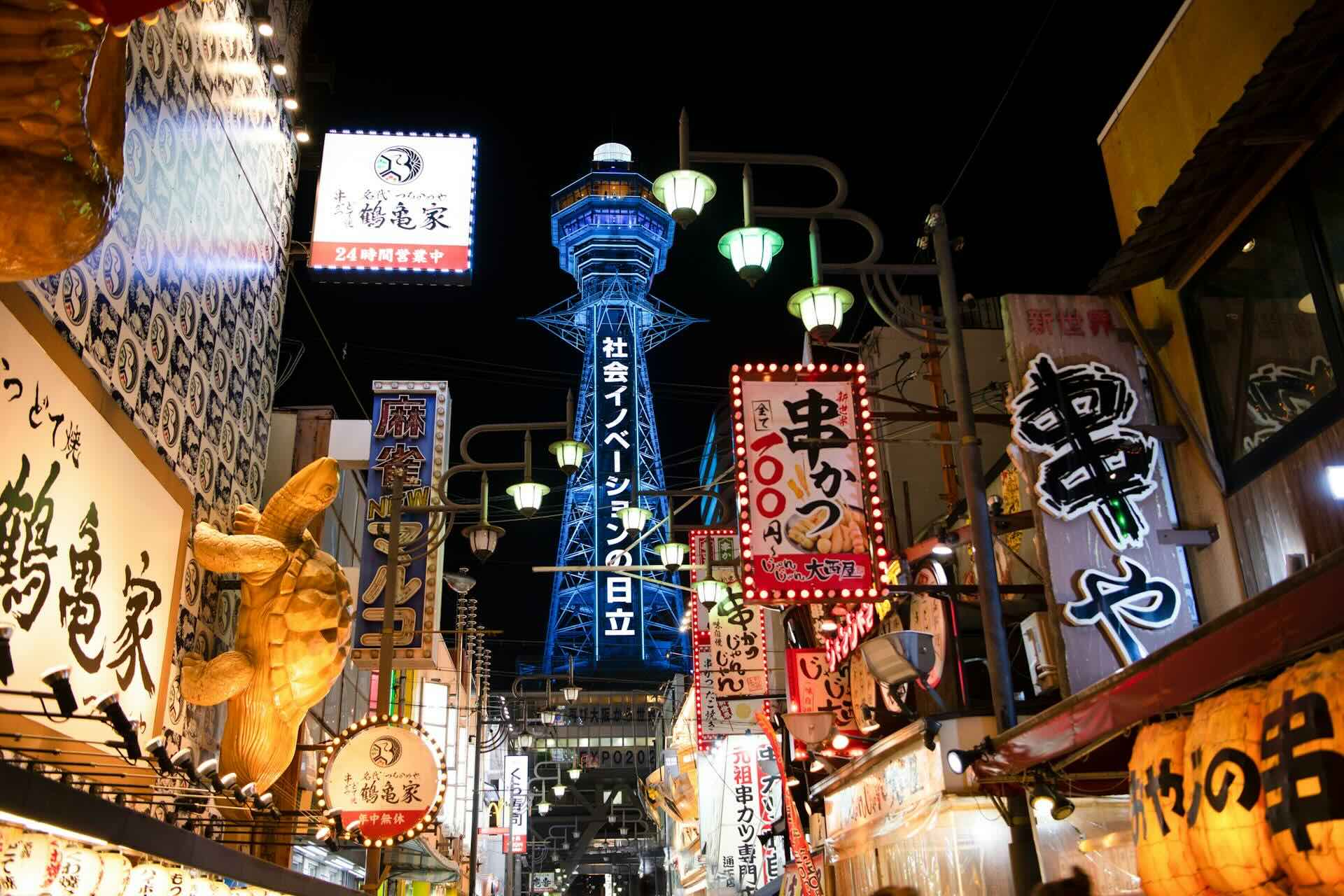
    After lunch, head to Shinsekai. This retro neighborhood reflects Osaka’s playful side. Colorful signs, old style restaurants, and casual bars line the streets.

    Even if you do not eat much here, the area adds context to Osaka’s food culture. Many restaurants display plastic food models that show exactly what you will receive, which feels both practical and charming.

    Snack if curiosity strikes

    If something smells tempting, stop. Small portions make it easy to taste without committing to a full meal. This flexibility defines how locals experience food throughout the day.

    Afternoon Coffee and Sweets

    A pause with coffee culture

    Osaka’s café scene continues to grow, blending traditional kissaten coffee shops with modern cafés. Stop for an afternoon break to recharge.

    Order coffee paired with a light dessert like cheesecake or mochi. Sitting briefly helps balance a day filled with walking and eating.

    Observe daily life

    Cafés provide a window into Osaka’s everyday rhythm. Students study, workers chat, and solo diners relax quietly. This contrast with busy streets adds texture to your visit.

    Early Evening Food District Experience

    Head to Dotonbori

    As evening approaches, make your way to Dotonbori. Neon signs light up the canal, and crowds gather for dinner. This area represents Osaka’s bold personality and love of spectacle.

    Walk along the canal first before choosing where to eat. Watching the lights reflect on the water builds anticipation for the evening meal.

    Choose one focused dinner

    Dotonbori offers endless options, but focus on one main dinner rather than trying everything. Choose a restaurant specializing in okonomiyaki, yakiniku, or ramen.

    Okonomiyaki restaurants often cook the dish in front of you, turning dinner into a performance. Ramen shops deliver rich broth and noodles quickly, ideal if crowds feel heavy.

    Evening Walk and Late Snacks

    Walk off dinner slowly

    After dinner, walk along the canal and surrounding streets. The energy feels lively but welcoming. Street performers, groups of friends, and travelers mix naturally.

    Late night bite

    If hunger returns later, grab a small snack. Convenience stores offer surprisingly high quality food, including rice balls and desserts. This late option fits naturally into Osaka’s flexible food culture.

    Dessert or Night Coffee

    End the day gently

    Finish your day with dessert or a final coffee. Many cafés and dessert shops stay open late. Choose something simple and sweet to close the experience.

    This quiet moment contrasts nicely with earlier street food energy.

    Practical tips for food lovers in Osaka

    • Eat small portions often rather than large meals
    • Walk between food stops to stay comfortable
    • Visit markets early for the best experience
    • Follow local etiquette at shared sauce stations
    • Stay flexible and curious

    Osaka delivers one of the most satisfying food experiences in the world within just 24 hours. When you follow your appetite and pace yourself, the city rewards you with warmth, humor, and unforgettable flavor.

    Plan a trip to Osaka today at TravelPal.ai.

  • Naples in 24 Hours, A Food Lover’s Guide

    Naples in 24 Hours, A Food Lover’s Guide

    Naples in 24 hours for food lovers feels like a dream because the city lives and breathes food. Naples created pizza, celebrates simple ingredients, and treats eating as a daily ritual, not a special occasion. When you spend one day here, every meal becomes an experience tied to history, culture, and neighborhood life. This guide shows you how to eat your way through Naples in a single, unforgettable day while still exploring the city around you.

    Morning in the Historic Center

    Start with coffee the Neapolitan way

    Begin your day early in the historic center, where Naples feels most alive. Locals start mornings standing at café counters, drinking espresso quickly and confidently. Join them at a traditional bar and order a caffè. The espresso tastes intense and rich, and it sets the pace for the day.

    Pair your coffee with a sfogliatella or a cornetto. Sfogliatella comes filled with ricotta, citrus, and sugar, and it remains one of Naples’ most beloved pastries. Eating it warm gives you a perfect introduction to the city’s love for texture and balance.

    Walk off breakfast through narrow streets

    After breakfast, walk through Spaccanapoli and surrounding streets. These narrow lanes cut through the heart of the city and reveal bakeries, produce stands, and small shops selling bread and sweets. The smells of dough, tomatoes, and coffee follow you everywhere.

    As you walk, notice how food integrates into daily life. Locals shop for lunch ingredients, chat with vendors, and snack throughout the morning. This constant food presence shapes Naples more than any monument.

    Late Morning Pizza Experience

    Pizza before noon is encouraged

    In Naples, eating pizza before noon feels completely acceptable. Late morning offers shorter waits and a calmer atmosphere. Choose a pizzeria known for classic Neapolitan pizza, which features soft dough, blistered crust, simple tomato sauce, and fresh mozzarella.

    Order a Margherita or Marinara to experience pizza in its purest form. The balance of acidity, sweetness, and chewiness shows why Naples guards pizza tradition so fiercely. Eat slowly and notice how light the dough feels, even after several slices.

    Learn the rhythm of a pizzeria

    Naples pizzerias operate with confidence and speed. Servers move quickly, and pizzas arrive fast. Embrace the pace rather than rushing. This moment helps you understand how food shapes daily schedules in the city.

    Midday Markets and Street Food

    Visit a local market

    After pizza, head toward a local market area. Markets around Porta Nolana or near the historic center show Naples at its most authentic. Fishmongers display fresh seafood, while produce vendors pile tomatoes, peppers, and citrus high on wooden tables.

    Walk slowly and observe. You may hear sellers calling out prices or joking with customers. This lively exchange reflects the city’s energy and love of food conversation.

    Snack like a local

    Street food plays a major role in Naples. Look for fried snacks like cuoppo, a paper cone filled with fried seafood or vegetables. You can also try pizza fritta, which features dough fried and stuffed with ricotta or pork.

    Eat these snacks while standing or walking. Naples encourages casual eating, especially during busy afternoons. These small bites add flavor without replacing lunch.

    Lunch with Tradition

    A slower midday meal

    For lunch, choose a trattoria that serves traditional Neapolitan dishes. Look for menus written simply, often on paper or chalkboards. Dishes change with the season and reflect family recipes.

    Order pasta with tomato sauce, seafood, or vegetables. Naples celebrates simplicity, allowing ingredients to speak for themselves. A plate of spaghetti with clams or pasta with slow cooked tomatoes delivers deep flavor without excess.

    Take your time

    Lunch in Naples feels relaxed but purposeful. Locals eat steadily, enjoy conversation, and then move on. Use this time to recharge before an active afternoon of exploring.

    Afternoon Coffee and Sweet Break

    Coffee culture continues all day

    In the afternoon, stop again for coffee. Naples treats coffee as a ritual repeated throughout the day. Order another espresso or try a caffè macchiato.

    Pair your coffee with a sweet treat. Babà soaked in rum or another sfogliatella makes a perfect afternoon indulgence. This pause helps you reset and prepare for evening eating.

    Explore neighborhoods between bites

    Use the afternoon to explore areas like Vomero or walk along the waterfront. Even if food remains the focus, movement helps balance the day. The views of the bay and Mount Vesuvius add context to the city’s culinary identity.

    Aperitivo and Early Evening

    Light bites and drinks

    As evening approaches, join locals for aperitivo. Choose a wine bar or casual spot serving small snacks with drinks. Order a glass of local wine or a spritz and enjoy olives, cheese, or small plates.

    This moment bridges daytime eating and dinner. It also gives you time to reflect on how much you have already tasted.

    Observe local life

    During aperitivo, Naples feels social and lively. People gather after work, discuss food plans, and share stories. This energy reminds you that food in Naples always connects to people.

    Dinner with Depth

    Choose dinner wisely

    Dinner represents the final major meal of the day, so choose carefully. You can return to pizza for a different style, or choose a restaurant focusing on seafood or classic Neapolitan dishes.

    Look for menus featuring fresh fish, pasta, and seasonal vegetables. Avoid overly complex plates. Naples shines when dishes remain honest and straightforward.

    Enjoy the pace of evening dining

    Dinner unfolds calmly. Servers allow time between courses, and conversation flows naturally. Let the meal stretch slightly. This rhythm reflects the city’s belief that food deserves attention.

    Late Night Dessert or Digestivo

    End sweet or simple

    If you still have energy, end the night with dessert or a digestivo. A final pastry, gelato, or small drink helps close the day gently.

    Many cafés remain open late, especially in central areas. Sit briefly and watch the city slow down around you.

    Practical tips for food lovers in Naples

    • Eat early to avoid long lines
    • Choose classic dishes over experimental menus
    • Walk between meals to balance eating
    • Avoid rushing, even during a short visit
    • Trust places filled with locals

    Naples delivers an unmatched food experience in just 24 hours. Every meal connects to history, family, and identity. When you focus your day on food, you understand the city more deeply than any guidebook could explain.

    Plan a trip to Naples today at TravelPal.ai.