Category: Latest Updates & Innovations

  • NYC’s Iconic Museums Dining Spots

    NYC’s Iconic Museums Dining Spots

    New York City is home to some of the world’s most remarkable museums, and the dining scenes surrounding them are just as impressive. Whether you’re exploring masterpieces at The Met, modern art at MoMA, or natural wonders at the American Museum of Natural History, great food is never far away. From fine dining to casual bites, these dining spots near NYC’s iconic museums turn a day of culture into a complete experience.

    Near The Metropolitan Museum of Art

    Few experiences in New York are as unforgettable as walking the halls of The Met. When you’ve finished admiring Egyptian artifacts or Impressionist paintings, you’ll find plenty of delicious dining options nearby.

    Café Sabarsky

    Inside the Neue Galerie just a few blocks from The Met, Café Sabarsky feels like stepping into early 20th-century Vienna. Guests enjoy dishes such as spaetzle, schnitzel, and apple strudel served with rich Viennese coffee. The refined atmosphere makes it ideal for a relaxing lunch or an afternoon dessert.

    The Mark Restaurant

    For fine dining, The Mark Restaurant by Jean-Georges offers elegant New American cuisine inside The Mark Hotel. Signature dishes like black truffle pizza and seared salmon pair perfectly with a glass of wine. The sleek interior and calm energy make it perfect after a busy morning at The Met.

    Via Quadronno

    Just steps from Central Park, Via Quadronno brings authentic Italian flavors to the Upper East Side. Known for its panini, espresso, and tiramisu, this cozy yet sophisticated café is ideal for a quick, high-quality bite between museum visits.

    Near The Museum of Modern Art (MoMA)

    MoMA celebrates creativity and innovation, and the nearby dining scene reflects that spirit. From Michelin-starred restaurants to modern cafés, the area around MoMA offers flavors as bold as the artwork inside.

    The Modern

    Located within MoMA itself, The Modern is a Michelin-starred restaurant offering contemporary cuisine and beautiful views of the Abby Aldrich Rockefeller Sculpture Garden. Its tasting menu and precise presentation make it one of the city’s most refined dining experiences.

    Benoit New York

    A short walk away, Benoit by Alain Ducasse serves timeless French brasserie fare. Guests enjoy dishes like onion soup, duck confit, and tarte tatin in a warm, stylish setting that blends Parisian flair with Midtown’s vibrancy.

    Joe & The Juice

    For those on a tight schedule, Joe & The Juice provides healthy sandwiches, smoothies, and coffee. It’s ideal for a light snack before diving back into MoMA’s exhibitions or continuing your Midtown adventure.

    Near The American Museum of Natural History

    The American Museum of Natural History is as fascinating for adults as it is for kids. After exploring dinosaur fossils or the planetarium, nearby restaurants offer everything from family-friendly comfort food to upscale Southern cuisine.

    Shake Shack

    Located on Columbus Avenue, Shake Shack is a casual favorite for families. Its signature burgers, crinkle-cut fries, and shakes make for an easy and satisfying lunch before or after visiting the museum.

    Jacob’s Pickles

    A few blocks away, Jacob’s Pickles delivers Southern-inspired comfort food with a modern twist. Think fried chicken, biscuits, and mac and cheese served in generous portions. The lively atmosphere captures the Upper West Side’s charm perfectly.

    Good Enough to Eat

    For brunch or lunch, Good Enough to Eat offers classic American comfort food in a cozy, inviting setting. Pancakes, omelets, and fresh salads make it a go-to for locals and travelers alike.

    Near The Whitney Museum of American Art

    Located in the Meatpacking District, the Whitney Museum showcases contemporary art and sweeping views of the city. The surrounding neighborhood mirrors that creativity with stylish, high-quality restaurants.

    Studio Bar

    Inside the Whitney, Studio Bar offers small plates, craft cocktails, and an outdoor terrace overlooking the city. It’s a perfect place to unwind between exhibits or enjoy a sunset drink after your museum visit.

    Pastis

    Just steps from the Whitney, Pastis is a revived French bistro with timeless charm. Dishes like steak frites and moules marinières pair with an atmosphere that feels both historic and trendy.

    RH Rooftop Restaurant

    Located nearby, RH Rooftop Restaurant offers elevated comfort food in a stunning glass-enclosed space. With city views and sophisticated design, it’s a fitting companion to the Whitney’s artistic flair.

    Near The Guggenheim Museum

    The Guggenheim’s striking architecture and modern art collection make it one of the most famous museums in the world. Its neighborhood on the Upper East Side is also home to elegant dining spots that complement its artistic spirit.

    The Wright

    Named after architect Frank Lloyd Wright, The Wright sits inside the Guggenheim and serves seasonal American cuisine in a sleek, contemporary setting. It’s ideal for visitors who prefer to stay within the museum’s creative atmosphere.

    Sarabeth’s

    Across from Central Park, Sarabeth’s is a New York classic. Known for brunch, pastries, and signature jams, it’s a perfect stop for a hearty breakfast or a relaxed post-museum meal.

    Paola’s

    Paola’s on Madison Avenue offers upscale Italian dining with warm hospitality. From fresh pasta to tiramisu, each dish is carefully prepared and served in a setting that feels timelessly New York.

    Why Dining Near NYC’s Museums Is Part of the Experience

    Exploring museums and enjoying great food go hand in hand in New York City. Both celebrate creativity, culture, and sensory pleasure. A meal after a museum visit isn’t just refueling—it’s an extension of the day’s discoveries. Whether sipping espresso at Café Sabarsky, savoring art-inspired cuisine at The Modern, or sharing brunch at Sarabeth’s, dining near NYC’s museums enhances the journey.

    Each neighborhood surrounding these museums tells its own story through its food. From the Upper East Side’s elegance to downtown’s modern edge, these dining spots embody the diversity that makes New York City special. The city’s connection between art and cuisine ensures every trip to a museum becomes a full cultural experience—one that satisfies both curiosity and appetite.

    Plan a trip to New York City at TravelPal.ai
  • 10 Least Humid States in the USA

    10 Least Humid States in the USA

    The 10 least humid states in the United States are perfect for travelers who want dry, comfortable air. These destinations make outdoor adventures, road trips, and cultural experiences more enjoyable without the sticky feeling of high humidity. From deserts to high mountains, these states offer unique landscapes and activities that thrive in dry climates.

    With TravelPal.ai, you can build a custom itinerary that includes the least humid states to travel to —tailored to your interests and timeline.

    Nevada

    Nevada is one of the driest states in the country, thanks to its desert climate. Las Vegas enjoys hot, dry summers while northern regions bring cool mountain escapes. Outdoor lovers can explore Red Rock Canyon, Lake Tahoe, and the Sierra Nevada foothills without battling heavy humidity.

    Travel Tips for Nevada

    Stay hydrated during desert hikes. Plan visits in spring or autumn for cooler conditions and fewer crowds in popular cities.

    Arizona

    Arizona is known for its dry air and stunning landscapes. The Grand Canyon, Sedona’s red rocks, and Phoenix’s desert scenery all benefit from low humidity. Even in summer heat, the dry air makes outdoor exploration easier than in humid states.

    Travel Tips for Arizona

    Visit higher-elevation areas like Flagstaff in summer for cooler air. Pack sunscreen and hats for year-round sun protection.

    Utah

    The deserts and mountains of Utah combine for a climate with little humidity. National parks like Zion, Arches, and Bryce Canyon provide ideal conditions for hiking and photography. The dry air makes star-filled skies even clearer.

    Travel Tips for Utah

    Plan hikes in the morning or evening to avoid peak heat. Carry plenty of water when exploring remote trails.

    New Mexico

    The dry climate and high elevation of New Mexico create crisp air across much of the state. Santa Fe and Taos mix art, culture, and mountain scenery with low humidity. The desert south provides wide open spaces and stunning sunsets.

    Travel Tips for New Mexico

    Dress in layers since temperatures drop at night. Explore adobe architecture and sample chile-based cuisine in local markets.

    Colorado

    Colorado combines dry mountain air with year-round outdoor adventure. Denver and Boulder enjoy low humidity, while ski towns like Aspen and Breckenridge offer alpine escapes. Hiking, skiing, and biking are all enhanced by the dry climate.

    Travel Tips for Colorado

    Drink extra water to adjust to altitude. Use sunscreen since the thinner atmosphere increases sun exposure.

    Wyoming

    The open plains and mountain ranges of Wyoming create a climate with little humidity. Yellowstone and Grand Teton National Parks are prime destinations where clear skies and dry air make exploration comfortable. Wildlife viewing is especially rewarding in this climate.

    Travel Tips for Wyoming

    Bring binoculars for spotting wildlife. Visit in late spring or early autumn for pleasant temperatures and fewer crowds.

    Montana

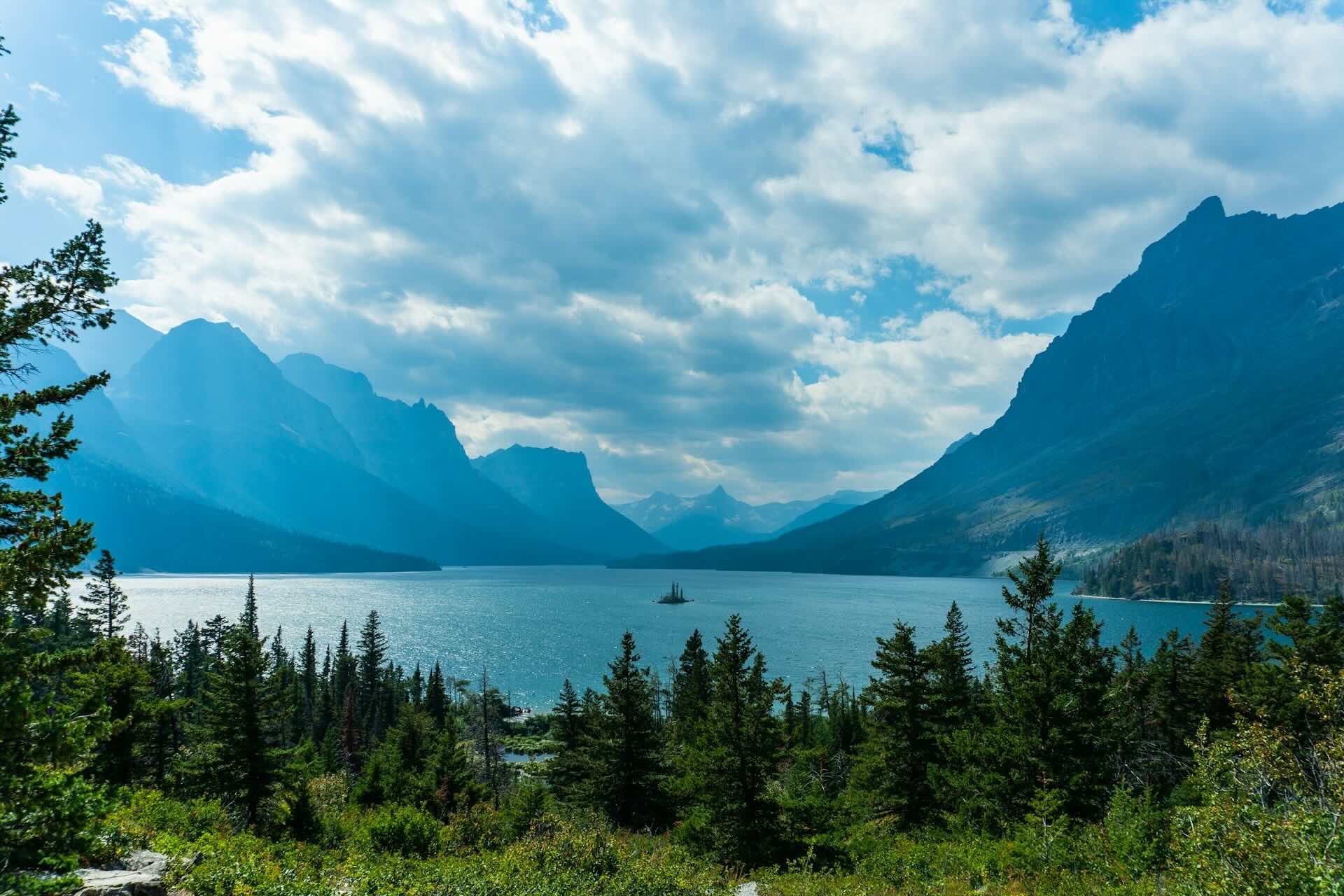
    The dry air of Montana covers both its plains and mountain regions. Glacier National Park offers pristine lakes and alpine trails without humidity weighing you down. Big Sky and Bozeman also attract travelers who want adventure in crisp, clear air.

    Travel Tips for Montana

    Carry bear spray when hiking in remote areas. Summer brings long daylight hours for extended outdoor activities.

    Idaho

    Idaho often flies under the radar, but its dry climate makes it a hidden gem. Sun Valley is a top ski destination, and the Sawtooth Mountains provide rugged hiking trails. The state’s deserts and rivers offer variety for all kinds of travelers.

    Travel Tips for Idaho

    Take advantage of hot springs found throughout the state. Visit in late summer for warm days and cool, dry nights.

    Oregon (Eastern Region)

    While the coast is more humid, eastern Oregon is dry and comfortable. Bend, located in the high desert, combines craft breweries, outdoor sports, and scenic trails with low humidity. The region contrasts with the wetter western part of the state.

    Travel Tips for Oregon

    Focus on the eastern side of the state if you want dry weather. Enjoy rafting, fishing, and mountain biking in clear, crisp air.

    California (Inland Regions)

    The inland valleys and deserts of California are among the driest places in the country. Death Valley, Palm Springs, and Joshua Tree all highlight dry air and unique landscapes. Even cities like Sacramento and Fresno enjoy much lower humidity than coastal areas.

    Travel Tips for California

    Summer can be extremely hot, so plan visits during spring or autumn. Desert nights bring dramatic drops in temperature, so pack accordingly.

    Why Dry States Attract Travelers

    Low humidity makes it easier to explore, breathe, and enjoy long days outside. From desert sunsets to mountain hikes, these states highlight how diverse and rewarding dry climates can be. Whether you are planning a road trip through the Southwest or a ski vacation in the Rockies, low humidity ensures comfort throughout your journey.

    Plan a trip to a dry state today at TravelPal.ai.

  • Patagonia: A Journey to the Edge of the World

    Patagonia: A Journey to the Edge of the World

    Patagonia is one of the most breathtaking and remote destinations on Earth. Spanning both Argentina and Chile, this region is defined by dramatic mountains, vast glaciers, and endless windswept plains. Travelers who visit Patagonia in 2025 can expect an adventure that feels like stepping into another world. It is a land of contrasts where snow-capped peaks rise above turquoise lakes, and wildlife roams freely across open landscapes.

    Why Patagonia Stands Out

    Patagonia remains a dream destination because of its unmatched natural beauty. Unlike many places shaped by urban growth, much of Patagonia is untouched wilderness. This creates opportunities for adventure seekers and nature lovers who want to experience raw landscapes far from crowded cities.

    A Vast and Varied Region

    Patagonia stretches over 400,000 square miles, covering both southern Argentina and Chile. The eastern side, in Argentina, features windswept steppes, deserts, and vast grazing lands. The western side, in Chile, is known for jagged mountains, fjords, and glaciers. Together, these regions offer an unparalleled variety of scenery.

    A Culture of Exploration

    From early explorers like Ferdinand Magellan to modern trekkers, Patagonia has always drawn adventurers. Local communities preserve traditions through crafts, food, and festivals. Visitors not only encounter landscapes but also a way of life shaped by isolation and resilience.

    Best Time to Visit Patagonia

    The best time to travel to Patagonia depends on what you want to experience.

    Spring and Summer

    From October to March, Patagonia enjoys milder weather. This is the high season for hiking, trekking, and glacier visits. Long daylight hours allow travelers to spend more time outdoors, though winds remain strong.

    Fall and Winter

    From April to September, temperatures drop, and snow covers parts of the region. While some trails close, this season offers unique opportunities. Skiing in Bariloche or simply enjoying Patagonia with fewer visitors can make winter travel rewarding.

    Top Destinations in Patagonia

    Travelers to Patagonia will find world-class parks, towns, and natural wonders.

    Torres del Paine National Park

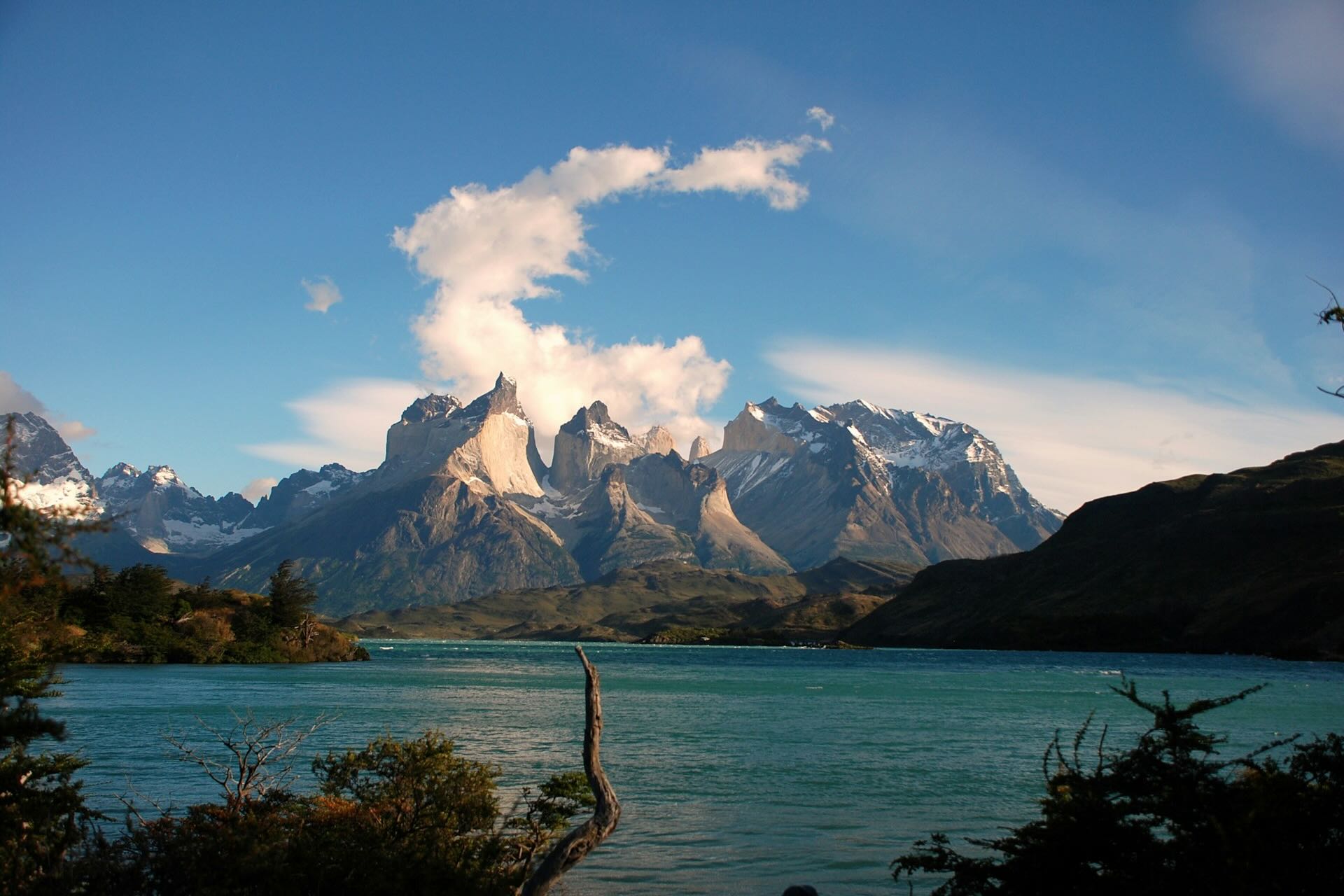
    Located in Chile, Torres del Paine is perhaps the most famous site in Patagonia. Its jagged granite peaks, glacial lakes, and wildlife such as guanacos and condors make it a must-visit. The W Trek and O Circuit attract hikers from around the globe.

    Los Glaciares National Park

    In Argentina, Los Glaciares is home to the stunning Perito Moreno Glacier. Unlike many glaciers retreating due to climate change, Perito Moreno advances steadily. Visitors can take boat trips or even guided ice treks to experience its towering ice walls.

    Ushuaia

    Known as the southernmost city in the world, Ushuaia sits at the gateway to Antarctica. Surrounded by the Martial Mountains and the Beagle Channel, the city offers hiking, cruises, and cultural museums.

    El Chaltén

    This small town in Argentina is considered the trekking capital of Patagonia. Trails lead to iconic peaks like Mount Fitz Roy, where dramatic sunrises reward hikers. El Chaltén maintains a welcoming atmosphere with lodges, cafes, and gear shops.

    Bariloche

    Bariloche, in Argentina’s Lake District, is famous for its alpine-style architecture and chocolate shops. In fall and winter, it becomes a ski destination. In spring and summer, it is a hub for hiking, fishing, and lake cruises.

    Outdoor Adventures

    Patagonia is best known for outdoor activities that immerse travelers in its vast landscapes.

    Hiking and Trekking

    Trails in Torres del Paine, El Chaltén, and Los Glaciares attract adventurers from around the world. Multi-day treks allow travelers to camp under star-filled skies while shorter hikes still offer stunning views.

    Glacier Exploration

    Boat tours to Grey Glacier or Perito Moreno let travelers witness massive ice walls up close. In some areas, guided ice-climbing and trekking tours are available for those seeking more adventure.

    Wildlife Viewing

    Patagonia is home to diverse species, from guanacos and rheas to pumas and Andean condors. On the coast, visitors may spot penguins, sea lions, and even whales depending on the season.

    Kayaking and Boating

    Fjords, lakes, and channels make Patagonia a paradise for kayaking. Paddling through icy waters provides a perspective that few experiences can match. Cruises along the Beagle Channel also reveal remote islands and wildlife.

    Where to Stay in Patagonia

    Accommodations in Patagonia range from rustic to luxurious.

    Eco-Lodges

    Many eco-lodges emphasize sustainability, blending comfort with environmental care. They often provide guided tours and gourmet meals, all within spectacular settings.

    Refugios

    Along popular trekking routes, refugios (mountain huts) provide simple lodging for hikers. They are ideal for travelers seeking community and affordability.

    City Hotels

    Towns such as El Calafate, Puerto Natales, and Bariloche offer hotels, guesthouses, and hostels to fit every budget. Staying in these towns allows easy access to surrounding attractions.

    Cultural Experiences

    Patagonia’s culture adds depth to any visit.

    Local Cuisine

    Try traditional dishes like Patagonian lamb, grilled over open flames, or trout caught fresh from rivers. In Argentina, sample Malbec wine, while Chile offers excellent seafood paired with local wines.

    Festivals

    Small towns often host cultural festivals celebrating heritage, food, and music. These events provide insight into community traditions and local pride.

    Indigenous Heritage

    Patagonia is home to indigenous groups such as the Mapuche and Tehuelche. Learning about their history and traditions adds another dimension to understanding the region.

    Travel Tips for Patagonia

    Planning ahead is essential when traveling to such a remote region.

    Packing Essentials

    Weather can change quickly, so pack layers, waterproof clothing, and sturdy boots. A good camera, reusable water bottle, and trekking poles enhance the experience.

    Transportation

    Distances are vast, so flights between cities save time. Buses connect towns, but schedules can be long. Renting a car provides flexibility for exploring remote areas.

    Entry and Permits

    Most national parks require entry fees. These fees contribute to conservation efforts and can usually be paid online or at park entrances.

    Health and Safety

    Weather conditions can be extreme. Always inform someone of your plans when trekking. Carry maps, snacks, and enough water.

    Why Patagonia Belongs on Your List

    Patagonia is more than a destination. It is an adventure into the heart of nature. From glaciers that thunder into lakes to mountains that glow pink at sunrise, every moment feels extraordinary. Travelers leave Patagonia not just with photographs but with a deeper appreciation for wilderness, resilience, and the raw beauty of the Earth.

    For those seeking a place that challenges and inspires, Patagonia is unmatched. Whether you trek iconic trails, cruise icy fjords, or simply stand in awe of endless skies, this region offers experiences that stay with you forever.

    Plan a trip to Patagonia at TravelPal.ai

  • Kruger National Park: A Safari Adventure

    Kruger National Park: A Safari Adventure

    Kruger National Park is one of the most iconic safari destinations in the world. Located in northeastern South Africa, it offers vast landscapes, diverse wildlife, and an unforgettable chance to connect with nature. Planning a trip here provides more than just game drives. It delivers history, culture, and a true sense of Africa’s wilderness.

    Why Kruger National Park Stands Out

    Kruger National Park is one of the largest game reserves in Africa, spanning nearly 7,500 square miles. It is home to the Big Five—lion, leopard, elephant, buffalo, and rhino—as well as hundreds of bird species and smaller animals. Unlike smaller reserves, Kruger offers ecosystems ranging from savannahs to rivers and woodlands. This variety means every safari feels unique, and no two days are the same.

    A Rich History

    Kruger has a long conservation history, dating back to its establishment in 1926. Named after President Paul Kruger, the park symbolizes South Africa’s dedication to preserving its wildlife. Archeological sites within the park also reveal evidence of human settlement from thousands of years ago, making it a destination where natural and cultural history intersect.

    The Best Time to Visit

    While Kruger National Park is open year-round, the experience changes with the seasons.

    Dry Season

    From May to September, cooler temperatures and sparse vegetation make it easier to spot wildlife. Animals gather around waterholes, and game drives often yield dramatic sightings. This is the most popular time for international visitors.

    Wet Season

    From October to April, the park becomes lush and green. Birdwatching is at its best, as migratory species arrive. While the bush is denser and animals may be harder to spot, the landscape feels alive with new life. Many travelers prefer this season for its beauty and fewer crowds.

    Safari Experiences

    Visitors to Kruger National Park can choose from a variety of safari styles, each offering a different perspective on the wilderness.

    Guided Game Drives

    Professional rangers lead open-vehicle drives, taking you deep into areas where wildlife sightings are likely. Morning and evening drives are especially rewarding, with opportunities to see predators hunting or herds moving.

    Self-Drive Safaris

    Kruger is one of the few parks where travelers can drive themselves. Well-marked roads allow visitors to explore at their own pace, stopping at rest camps, hides, and picnic areas. This flexibility appeals to those who want independence.

    Walking Safaris

    Guided walking safaris let you experience the bush on foot. Rangers and trackers share knowledge of animal behavior, plants, and tracks. Walking safaris provide a deeper appreciation of the smaller details often missed in vehicles.

    Where to Stay

    Kruger National Park offers a wide range of accommodations, from rustic camps to luxury lodges.

    Rest Camps

    The park’s rest camps, managed by South African National Parks, provide affordable lodging options. Visitors can choose from bungalows, tents, and cottages. Each camp includes amenities such as shops, restaurants, and fuel stations.

    Private Lodges

    Bordering and within Kruger are private reserves offering luxury safari lodges. Places like Sabi Sands are famous for close-up leopard sightings and exclusive experiences. Staying at a private lodge often includes gourmet dining, spa treatments, and personalized game drives.

    Camping

    For adventurous travelers, Kruger allows camping at designated sites. Falling asleep to the sounds of the bush creates an unforgettable memory. Facilities vary by camp, so plan ahead when choosing a site.

    Beyond the Safari

    Kruger National Park offers more than just wildlife viewing.

    Cultural Heritage

    Archeological sites such as Masorini and Thulamela showcase the history of Iron Age settlements. These areas highlight the human connection to the land and provide cultural depth to a safari experience.

    Birdwatching

    With over 500 bird species, Kruger is a paradise for bird enthusiasts. Rare species such as the Pel’s fishing owl or saddle-billed stork make the park a bucket-list destination for birders.

    Scenic Routes

    Beyond the game drives, scenic roads showcase dramatic landscapes. The Lebombo Mountains to the east and the Sabie River region offer stunning views and photographic opportunities.

    Travel Tips for Kruger National Park

    Planning a trip to Kruger requires preparation.

    Health and Safety

    The park is in a malaria area, so consult a doctor about preventative medication. Bring insect repellent and wear long sleeves in the evenings.

    Packing Essentials

    Pack light clothing for daytime and warm layers for mornings and evenings. A good camera with zoom lens, binoculars, sunscreen, and a reusable water bottle are essential.

    Entry and Permits

    Visitors must pay conservation fees, which contribute to park maintenance. These can be paid online in advance or at entry gates.

    Guided vs. Independent

    First-time visitors may benefit from guided safaris, while experienced travelers often enjoy the flexibility of self-drives. Both options can be combined for a well-rounded experience.

    Why Kruger Belongs on Every Traveler’s List

    Kruger National Park is not just about seeing wildlife. It is about connecting with nature on a deep level. Watching elephants at a waterhole, hearing lions roar at night, or spotting a leopard in a tree are experiences that stay with you forever. The park offers accessibility without losing its wild essence, making it perfect for first-time safari travelers and seasoned adventurers alike.

    From its Big Five encounters to its cultural landmarks, Kruger delivers a safari adventure that is both thrilling and meaningful. Every trip contributes to conservation efforts, helping to preserve this extraordinary ecosystem for future generations.

    Plan a trip to Kruger National Park at TravelPal.ai

  • Countries Travelers May Avoid This Fall

    Countries Travelers May Avoid This Fall

    The countries travelers may avoid this fall reflect a mix of global issues that shape travel decisions. From political unrest to natural disasters, these challenges can discourage tourism even in otherwise fascinating destinations. Understanding the reasons behind these trends helps travelers plan more wisely, weighing safety, accessibility, and overall experience. While every country has its attractions, some may not be practical for fall 2025 travel.

    With TravelPal.ai, you can build a custom itinerary that includes safe countries to travel to avoiding the countries listed below.

    Political Instability and Conflict

    Ongoing unrest or conflict is one of the strongest deterrents for travelers. Regions that once welcomed visitors may become unsafe when governments face instability or when tensions rise between communities.

    Ukraine

    Ukraine remains deeply affected by conflict. While some cities maintain daily life, the ongoing war makes large parts of the country unsafe. Tourism has been severely disrupted, with infrastructure damaged and risks for travelers remaining high.

    Sudan

    Sudan continues to face civil unrest and humanitarian crises. While its history and culture are rich, instability overshadows the possibility of tourism. Travelers often avoid visiting due to security concerns and limited infrastructure for safe travel.

    Economic Challenges and Infrastructure Issues

    Some countries face economic struggles that reduce their ability to support tourism. Limited resources mean fewer services, unreliable transportation, and safety concerns.

    Venezuela

    Venezuela’s natural beauty includes Angel Falls and Caribbean coastlines, but political and economic turmoil continues to limit travel. Shortages of basic goods and crime rates make it a country many avoid for now.

    Zimbabwe

    Zimbabwe is slowly rebuilding its tourism industry, but infrastructure issues and economic challenges remain. While sites like Victoria Falls are breathtaking, travelers may face logistical difficulties that discourage visits during fall 2025.

    Environmental and Natural Disaster Concerns

    Some destinations are at risk of hurricanes, earthquakes, or droughts that affect safety and comfort. In fall, certain regions are especially vulnerable.

    Haiti

    Haiti has faced repeated natural disasters, from hurricanes to earthquakes. Combined with political instability, this makes it one of the least likely destinations for travelers in 2025. The nation’s resilience is inspiring, but tourism has yet to recover.

    Pakistan

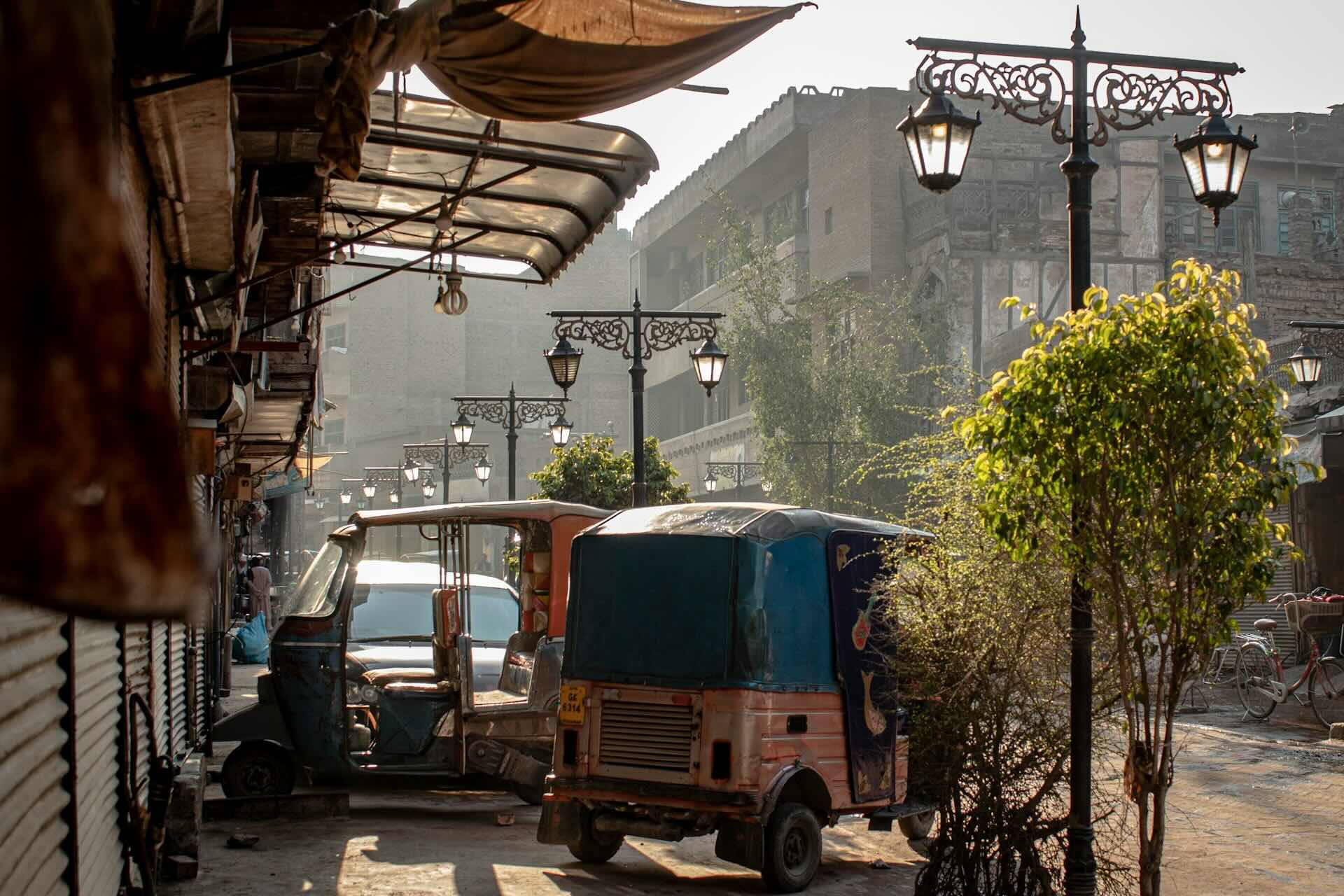
    Pakistan offers incredible mountain scenery and cultural heritage, but flooding and infrastructure challenges create risks. Travelers may choose to avoid it in fall 2025 until stability and safety improve.

    Health and Safety Warnings

    Travelers also avoid countries with significant health risks, whether due to outbreaks, limited healthcare, or unsafe conditions.

    Afghanistan

    Afghanistan’s security situation makes it extremely difficult for tourism. While its cultural and historical heritage is vast, instability and safety risks ensure most travelers avoid it in 2025.

    Myanmar

    Myanmar has faced political upheaval and violence since 2021. Once a growing travel destination known for Bagan and Inle Lake, it now faces boycotts and safety warnings. Tourism remains highly uncertain.

    Why Travelers Reroute Their Plans

    Travelers make choices based on safety, accessibility, and confidence in the local environment. When conflict, instability, or natural disasters dominate headlines, people naturally avoid those regions. This does not mean these countries lack beauty, history, or welcoming communities. Rather, conditions in fall 2025 make them less practical for visitors.

    Safer Alternatives

    If you want to experience waterfalls, Venezuela’s Angel Falls may not be accessible, but you could visit Iguazu Falls in Argentina and Brazil. Instead of exploring ancient temples in Myanmar, Cambodia’s Angkor Wat offers a secure alternative. Replacing destinations thoughtfully allows travelers to enjoy similar experiences without unnecessary risk.

    The Importance of Awareness

    Staying updated on travel advisories, weather patterns, and political developments is essential. Travelers who plan ahead and remain flexible can avoid disruptions. Fall 2025 will still offer incredible opportunities worldwide, even if some destinations remain out of reach.

    Looking Ahead

    The countries listed here may see improvements in the years to come. Political changes, infrastructure investment, and rebuilding after disasters can revive tourism. For now, travelers often choose different destinations for safety and peace of mind. Awareness and caution help ensure that travel remains not only enjoyable but also responsible.


    Plan a trip to a different country today at TravelPal.ai.

  • 10 Least Humid Countries

    10 Least Humid Countries

    The 10 least humid countries: part 1 explores destinations where dry air makes travel more comfortable. If you prefer crisp climates over sticky tropical heat, these countries offer landscapes and cultures shaped by their arid environments. From deserts and mountains to coastal plains, these 10 least humid countries provide unique experiences for travelers who want clear skies and low humidity.

    With TravelPal.ai, you can build a custom itinerary that includes the least humid countries—tailored to your interests and timeline.

    Chile

    Chile stretches from the Atacama Desert in the north to icy Patagonia in the south. The Atacama is the driest desert in the world, with minimal rainfall and low humidity. Visitors can explore salt flats, geysers, and lunar landscapes that feel otherworldly. Even in Santiago, the capital, the dry climate makes exploring the city’s markets and museums pleasant year round.

    Travel Tips for Chile

    Bring layers since temperatures shift quickly in desert regions. Visit observatories in the Atacama to enjoy stargazing under some of the clearest skies on Earth.

    Egypt

    Egypt’s dry climate comes from the Sahara Desert, which covers much of the country. Humidity levels remain low, especially outside of the Nile Delta. The dry air makes touring the pyramids, temples, and markets easier, though heat can be intense. Nights in desert regions often cool down, creating comfortable evenings.

    Travel Tips for Egypt

    Stay hydrated, wear light fabrics, and plan outdoor visits for early mornings or late afternoons. A Nile cruise combines history with comfort in a way few experiences can match.

    Namibia

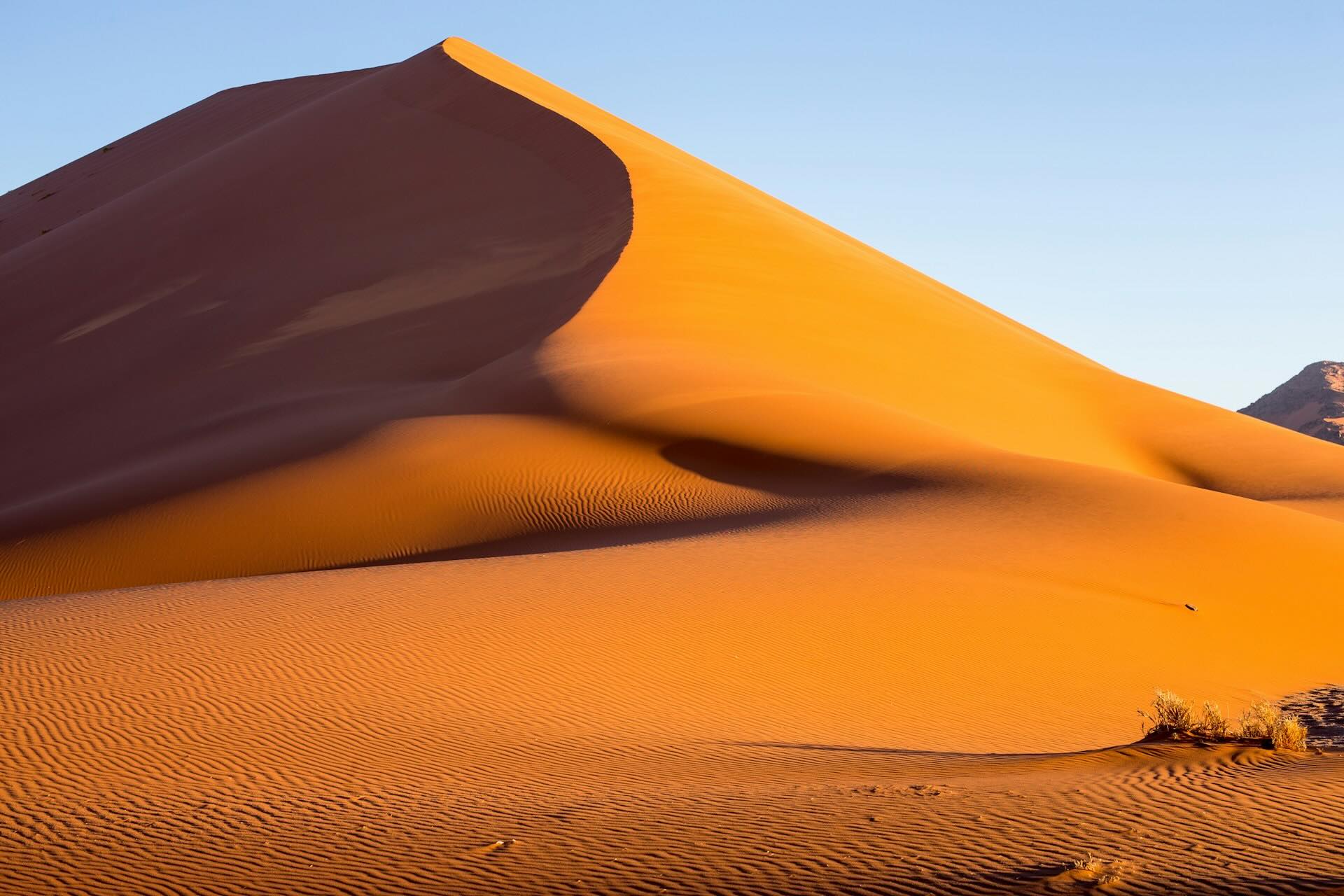
    Namibia is famous for vast deserts, red dunes, and a rugged Atlantic coast. The Namib Desert gives the country its dry climate and low humidity levels. Wildlife safaris in Etosha National Park and adventures through Sossusvlei showcase the beauty of dry landscapes.

    Travel Tips for Namibia

    A four wheel drive vehicle is essential for exploring remote areas. Plan visits during cooler months to avoid extreme midday heat.

    Jordan

    Jordan’s climate is shaped by desert and highland terrain, which keeps humidity low. Petra, the ancient city carved from red rock, is most enjoyable in the dry air. The Dead Sea also offers a unique experience, where visitors float easily in salty waters under clear skies.

    Travel Tips for Jordan

    Spring and autumn bring cooler temperatures and fewer crowds. Respect local customs when exploring markets or rural areas.

    Australia

    Australia’s size gives it diverse climates, but many regions are dry and low in humidity. The Outback and central deserts offer red landscapes, unique wildlife, and star-filled skies. Even cities like Perth and Adelaide enjoy drier air compared to more tropical parts of the country.

    Travel Tips for Australia

    Rent a car for road trips through dry landscapes. Carry water at all times, especially when hiking in remote areas.

    Mongolia

    Mongolia’s dry, continental climate creates wide-open skies and little humidity. The Gobi Desert and endless steppe offer an authentic sense of space. Traditional nomadic culture thrives in this environment, and travelers can stay in gers while learning local customs.

    Travel Tips for Mongolia

    Pack warm clothing for evenings, even in summer. The best time to visit is during Naadam Festival in July, when wrestling, archery, and horse racing take center stage.

    Peru

    Peru is best known for Machu Picchu, but the coastal desert near Lima and the Andes keep humidity low. The arid coast contrasts with the lush Amazon, giving travelers a mix of dry and humid climates. Cities like Arequipa and Cusco enjoy clear air, ideal for exploring cultural sites.

    Travel Tips for Peru

    Acclimate slowly to higher altitudes. Enjoy street food in Lima, where the dry climate keeps evenings cool and comfortable.

    Botswana

    Botswana’s dry savannas and deserts create some of the best safari conditions in Africa. Low humidity makes wildlife viewing in the Okavango Delta or Kalahari Desert more enjoyable. Game drives often include sightings of elephants, lions, and rare birds.

    Travel Tips for Botswana

    Visit between May and October for cooler, dry conditions. Book safaris early since Botswana limits numbers to protect ecosystems.

    Iran

    Iran’s central plateau includes arid deserts and dry mountains. Cities like Yazd and Isfahan showcase architecture built for hot, dry climates. Windcatcher towers and courtyards highlight the cultural adaptation to low humidity. The result is an experience rooted in history and tradition.

    Travel Tips for Iran

    Dress modestly to respect cultural norms. Explore bazaars in the evening when temperatures drop and the atmosphere comes alive.

    Spain

    Southern Spain, particularly Andalusia, experiences hot summers with low humidity. Cities like Seville, Granada, and Cordoba combine dry air with Moorish architecture and flamenco culture. Inland regions contrast with the more humid northern coast, giving travelers options based on preference.

    Travel Tips for Spain

    Avoid midday heat by visiting attractions in the morning or evening. Summer festivals bring music, food, and culture to lively plazas.

    Why Dry Destinations Appeal to Travelers

    Low humidity often means clearer skies, easier breathing, and less fatigue when exploring. Dry climates also enhance stargazing, hiking, and outdoor festivals. Many of these destinations combine arid landscapes with rich cultural traditions, making these 10 least humid countries ideal for travelers seeking experiences that go beyond the beach.

    Plan a trip to your favorite destination today at TravelPal.ai.

  • World Weekend Getaways For This Fall

    World Weekend Getaways For This Fall

    Weekend getaways for this fall highlight some of the best countries where travelers can enjoy culture, food, and natural beauty in just a few days. Fall is an ideal season for short trips because the weather is cooler, crowds are smaller, and seasonal events bring destinations to life. Whether you want mountain scenery, wine harvests, or cultural festivals, these countries stand out as perfect options for a quick but memorable escape.

    With TravelPal.ai, you can build a custom itinerary that includes the best world weekend getaways—tailored to your interests and timeline.

    Italy

    Italy offers countless opportunities for a fall weekend trip. Cities like Florence, Rome, and Venice become more relaxed as summer crowds leave. Autumn also marks the grape harvest, making it an excellent time to enjoy wine regions such as Tuscany and Piedmont. Beyond wine, Italian cities host food festivals celebrating truffles, chestnuts, and olive oil.

    Travel Tips for Italy

    Consider arriving on Friday to maximize your weekend. Book tickets for museums like the Uffizi in advance. Explore smaller towns in Tuscany for authentic harvest celebrations.

    Spain

    Spain shines in fall, especially in regions like Andalusia, where temperatures are comfortable and cultural events fill the calendar. Seville offers flamenco performances and Moorish architecture, while Barcelona mixes modern art with autumn markets. Wine lovers should head to La Rioja for harvest season.

    Travel Tips for Spain

    Use trains to move quickly between cities. Try seasonal dishes like roasted chestnuts sold by street vendors. Plan evening walks to enjoy city lights and cooler weather.

    Portugal

    Portugal is perfect for a weekend escape, combining culture, food, and coastal beauty. Lisbon’s historic neighborhoods are lively yet calm in fall, while Porto offers river views and wine cellars. The Douro Valley is at its best during harvest, with vineyards turning shades of gold.

    Travel Tips for Portugal

    Take a day cruise on the Douro River. Sample local pastries like pastéis de nata. Wear comfortable shoes for hilly neighborhoods in Lisbon and Porto.

    France

    France offers unforgettable weekend getaways in both cities and countryside. Paris in fall feels more romantic with cooler air and fewer crowds. Lyon becomes a culinary hub, with seasonal markets and Michelin-starred restaurants. In the south, Provence and Bordeaux are ideal for wine tasting during harvest.

    Travel Tips for France

    Book train tickets early if you want to pair Paris with another city. Visit outdoor cafes and enjoy seasonal menus that feature mushrooms and fresh game. Consider a river cruise on the Seine or Rhône for a short but scenic journey.

    Germany

    Germany is famous for fall traditions, especially Oktoberfest in Munich. Beyond festivals, Berlin offers art exhibitions and a thriving food scene. In Bavaria, alpine villages glow with autumn colors, creating perfect backdrops for hiking or cycling weekends.

    Travel Tips for Germany

    Reserve Oktoberfest accommodations early. Explore local breweries beyond Munich to avoid crowds. Visit castles in Bavaria for cultural and scenic experiences combined.

    Austria

    Austria combines culture and alpine beauty. Vienna offers classical music concerts, coffee houses, and museums, while Salzburg charms with baroque architecture and mountain views. Autumn also brings harvest festivals in wine regions like Wachau Valley.

    Travel Tips for Austria

    Attend a classical concert in Vienna for an authentic cultural experience. Try local wine during harvest season. Take a short train ride into the Alps for hiking.

    Switzerland

    Switzerland offers crisp mountain air, colorful foliage, and charming towns that make short trips memorable. Cities like Zurich and Geneva combine modern luxury with history. The Swiss Alps provide opportunities for hiking, while mountain resorts prepare for ski season.

    Travel Tips for Switzerland

    Use trains for quick and scenic travel between cities and mountains. Try seasonal cheeses and fondues. Pack warm layers for evenings in higher altitudes.

    Canada

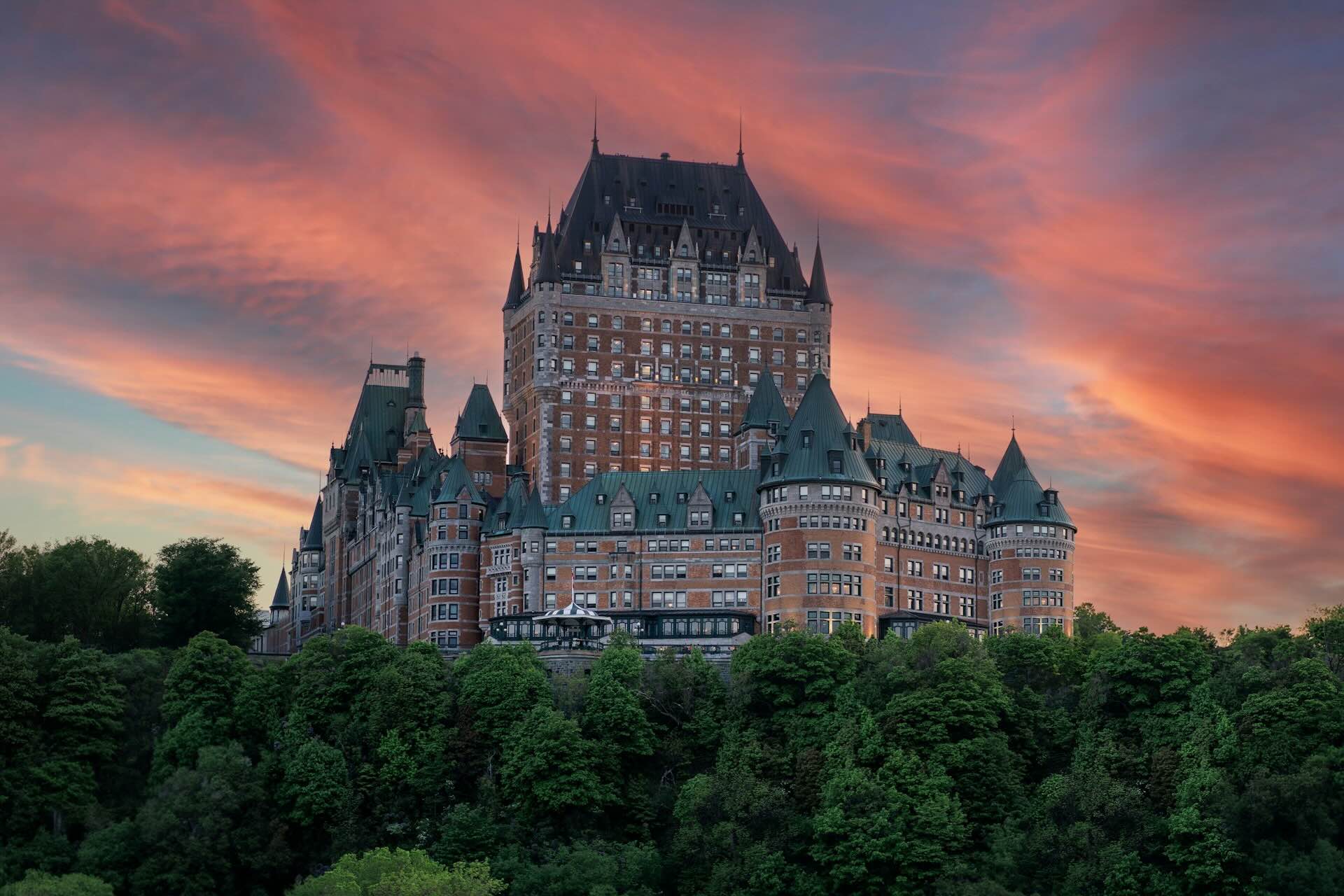
    Canada is an excellent choice for a fall weekend getaway. Montreal and Quebec City showcase European-style streets and fall festivals. Toronto offers food events and cultural experiences, while the countryside glows with colorful foliage.

    Travel Tips for Canada

    Plan trips around fall festivals like Montreal’s art and film events. Walk through Old Quebec for historic charm. Enjoy maple treats and warm drinks at local markets.

    Japan

    Japan in fall is known for its brilliant red and gold foliage. Kyoto’s temples and gardens are especially beautiful during this season. Tokyo combines modern culture with seasonal festivals and food markets. Short trips can easily combine city energy with peaceful gardens.

    Travel Tips for Japan

    Visit Kyoto early in the morning to avoid crowds. Sample seasonal foods like roasted sweet potatoes. Use efficient train systems to maximize your weekend time.

    United States

    The United States offers diverse weekend getaway options. New York City is vibrant in fall, with Broadway shows, museums, and Central Park’s colorful leaves. Napa Valley shines with wine harvests, while New England towns like Salem and Burlington highlight autumn charm.

    Travel Tips for the United States

    Book Broadway tickets in advance if visiting New York. Drive scenic routes in Vermont or Maine for fall foliage. Plan wine tastings in Napa during harvest season but reserve early.

    Why Fall Is Perfect for Weekend Getaways

    Fall offers travelers the chance to experience cultures, festivals, and natural beauty in just a few days. Cooler weather and seasonal charm make short trips comfortable and rewarding. Countries across Europe, Asia, and North America showcase their best during this time, ensuring that even a weekend can feel like a full adventure.

    Whether you crave art and culture, food and wine, or natural landscapes, these destinations provide memorable experiences in a short span of time. Choosing carefully ensures you enjoy both relaxation and discovery, making your weekend escape worthwhile.

    Plan a trip to a world weekend getaway at TravelPal.ai

  • 5 Ferry Rides Offering Once-in-a-Lifetime Views

    5 Ferry Rides Offering Once-in-a-Lifetime Views

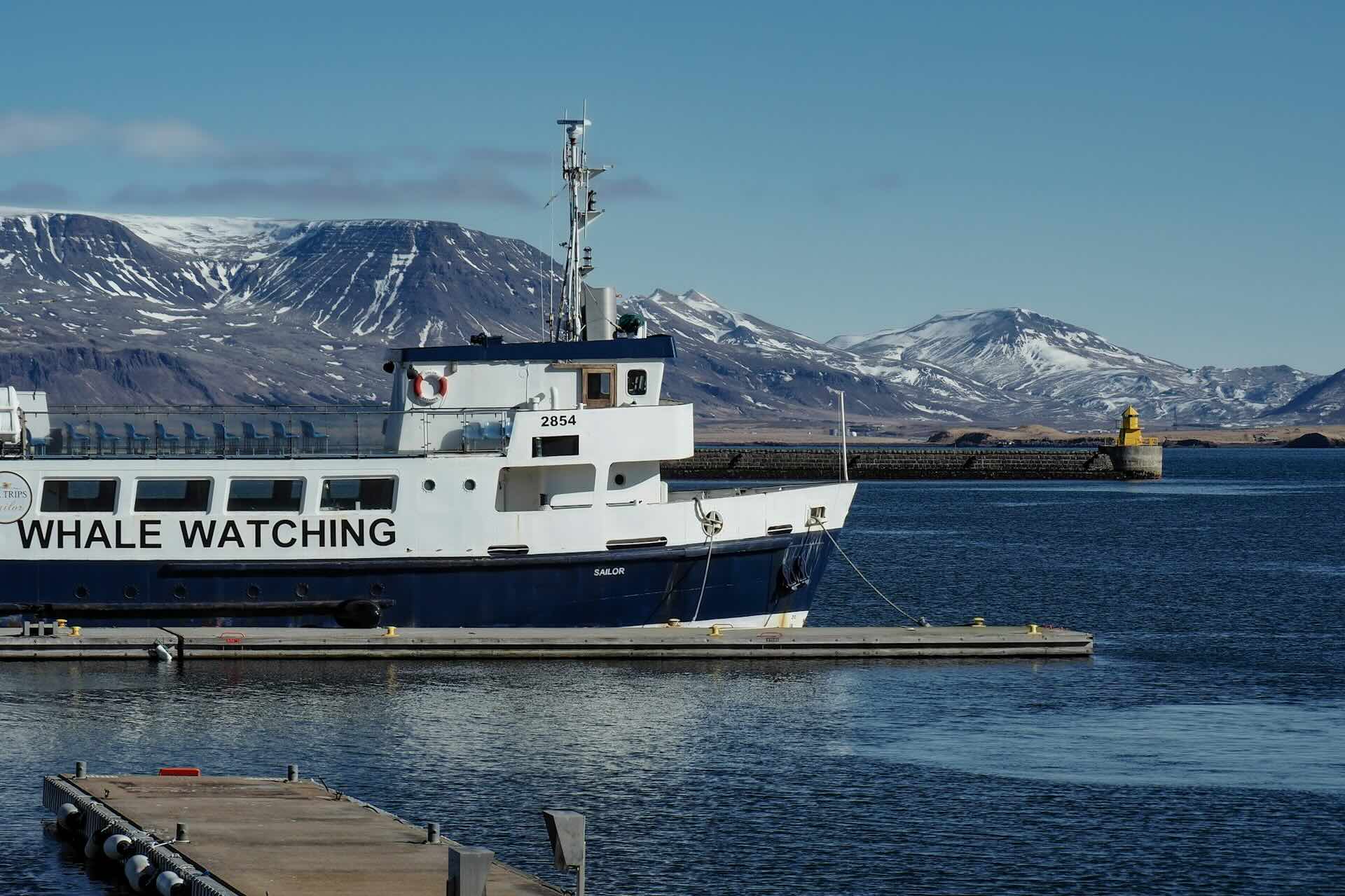
    Ferries provide more than just transportation. They allow travelers to experience water routes that reveal breathtaking coastlines, islands, and skylines. The following five ferry rides offering once-in-a-lifetime views are among the most scenic in the world. From bustling harbors to remote fjords, these journeys create unforgettable memories while connecting travelers to the natural beauty and culture of each destination.

    With TravelPal.ai, you can build a custom itinerary that includes the best ferry ride experiences—tailored to your interests and timeline.

    Staten Island Ferry, United States

    The Staten Island Ferry in New York City is one of the most iconic ferry rides in the world. Free of charge, it offers panoramic views of Manhattan, Ellis Island, and the Statue of Liberty. Millions of people ride it each year, but it remains a favorite for both locals and visitors.

    Travel Tips for the Staten Island Ferry

    Ride during sunset for spectacular views of the city skyline. Avoid rush hour when commuters crowd the decks. Bring a camera, as the ferry offers some of the best photo opportunities in New York Harbor.

    Vancouver to Victoria Ferry, Canada

    The ferry route from Vancouver to Victoria passes through the scenic Gulf Islands in British Columbia. Travelers see forested islands, rugged shorelines, and often wildlife such as whales and seals. The journey connects the urban energy of Vancouver with the historic charm of Victoria.

    Travel Tips for Vancouver to Victoria

    Reserve tickets early, especially on weekends or holidays. Sit outside on the deck for the best chance to spot marine life. Consider extending the trip by exploring the Gulf Islands, which offer kayaking, hiking, and small-town charm.

    Sydney Ferries, Australia

    Sydney’s ferries are more than transportation; they are part of the city’s culture. Routes cross Sydney Harbour, passing the Sydney Opera House and the Harbour Bridge. The Manly Ferry is especially popular, combining city views with the beach lifestyle of Manly.

    Travel Tips for Sydney Ferries

    Take the Manly Ferry for a classic experience. Travel during midday for the clearest skies and vibrant harbor views. Bring swimwear if you plan to enjoy Manly Beach before returning to the city.

    Auckland to Waiheke Island Ferry, New Zealand

    The ferry from Auckland to Waiheke Island offers travelers a gateway to vineyards, beaches, and art galleries. The journey crosses the sparkling Hauraki Gulf, with views of volcanic islands and the Auckland skyline. Waiheke itself is famous for its wineries and relaxed atmosphere.

    Travel Tips for Auckland to Waiheke Island

    Purchase tickets in advance, especially during peak seasons. Plan a wine tour on Waiheke to fully enjoy the island’s reputation. Spend time at Onetangi Beach or explore local art studios.

    Bergen Fjord Ferries, Norway

    Norway’s fjord ferries near Bergen take travelers through some of the most dramatic landscapes in the world. Steep cliffs, waterfalls, and small villages line the route. The combination of calm waters and towering mountains makes this one of the most scenic ferry rides anywhere.

    Travel Tips for Bergen Fjord Ferries

    Dress warmly since fjord weather can change quickly. Bring binoculars to spot seabirds and distant waterfalls. Plan extra time in Bergen to enjoy its colorful harbor and historic Bryggen district.

    Why Scenic Ferry Rides Are Worth the Journey

    Ferry rides combine transportation with the thrill of discovery. Unlike flights or trains, ferries allow travelers to experience destinations from the water, where coastlines and skylines reveal themselves in unique ways. These journeys highlight the beauty of both cities and remote natural wonders.

    Short ferry trips, such as the Staten Island Ferry or Sydney Ferries, provide a quick escape that adds unforgettable views to a city visit. Longer rides, such as those through Norway’s fjords or across British Columbia’s Gulf Islands, become experiences in their own right. Travelers not only reach new destinations but also create memories along the way.

    Choosing ferry travel also connects you to local culture. In Sydney and Auckland, ferries are part of daily life. In New York, the Staten Island Ferry carries commuters alongside curious travelers. In Norway, fjord ferries link remote communities where life has always depended on the sea. Each ride tells a story about the destination and the people who live there.

    For travelers seeking unique and memorable experiences, these five ferry rides show how a simple journey across water can become a highlight of any trip. Whether it is the dramatic cliffs of Norway or the sparkling skyline of Manhattan, ferry rides offer views that stay with you long after the voyage ends.


    Plan a trip to once-in-a-lifetime views ferry rides at TravelPal.ai

  • Top 10 Most Visited Concentration Camps

    Top 10 Most Visited Concentration Camps

    The top 10 most visited concentration camps stand as solemn reminders of one of the darkest chapters in human history. These memorials and museums allow visitors to confront the past directly, honoring the millions of victims while gaining a deeper understanding of the Holocaust and World War II. Visiting these sites is not easy, but it is profoundly important. Each location teaches lessons about humanity, resilience, and the need to prevent such atrocities from happening again.

    With TravelPal.ai, you can build a custom itinerary that includes the top 10 most visited concentration camps—tailored to your interests and timeline.

    Auschwitz-Birkenau, Poland

    Auschwitz-Birkenau, near Kraków, is the largest and most infamous of all concentration camps. Over a million people died here, and today the site preserves both a museum and a memorial. Visitors see the barracks, gas chambers, and railway tracks where countless prisoners arrived. Exhibitions share personal stories, photographs, and artifacts that make history impossible to ignore.

    Travel Tips for Auschwitz-Birkenau

    Reserve tickets in advance since demand is high. Set aside a full day because the camp is divided into two main areas. A guided tour provides essential context for understanding what happened here.

    Dachau, Germany

    Dachau, near Munich, was the first concentration camp established by the Nazis in 1933. Initially intended for political prisoners, it later expanded to hold Jews, Roma, and many others. Today, Dachau is a powerful memorial site that includes reconstructed barracks, crematoria, and a museum documenting the horrors of the camp.

    Travel Tips for Dachau

    Dachau is easily reached by train from Munich. Allow several hours for your visit, and plan to spend time in the museum, which presents survivor testimonies and original documents.

    Sachsenhausen, Germany

    Located just outside Berlin, Sachsenhausen was a central training site for SS officers and a model for other camps. Prisoners here endured brutal treatment, and many died from forced labor or execution. The camp today preserves prison cells, watchtowers, and detailed exhibitions.

    Travel Tips for Sachsenhausen

    Wear comfortable walking shoes, since the camp covers a large area. Guided tours are available and provide important background on the camp’s role in Nazi Germany.

    Buchenwald, Germany

    Buchenwald, near Weimar, was one of the largest concentration camps on German soil. Tens of thousands of prisoners died here from starvation, disease, and executions. The site today is a memorial with preserved buildings, watchtowers, and exhibitions that highlight both the suffering and resistance of those imprisoned.

    Travel Tips for Buchenwald

    Plan for a guided tour to better understand the layout and historical significance. Respectful behavior is expected throughout the memorial grounds.

    Theresienstadt, Czech Republic

    Theresienstadt was presented by the Nazis as a “model ghetto” used for propaganda, but in reality it was overcrowded and deadly. Many prisoners were later deported to extermination camps. Today, visitors can see museums, barracks, and memorials that reveal the harsh reality behind the propaganda image.

    Travel Tips for Theresienstadt

    Theresienstadt is an easy day trip from Prague. Plan to spend several hours exploring the museums, which include original drawings and writings from imprisoned children.

    Mauthausen, Austria

    Mauthausen, near Linz, was notorious for its extreme brutality. Prisoners were forced to work in nearby quarries, climbing the infamous “Stairs of Death” while carrying heavy stones. The memorial site includes preserved camp structures, exhibitions, and the quarry itself.

    Travel Tips for Mauthausen

    Visits can be physically demanding due to the terrain. Bring water if traveling in summer, and consider a guided tour to learn the stories behind the preserved buildings.

    Bergen-Belsen, Germany

    Bergen-Belsen is best known as the camp where Anne Frank and her sister Margot died. Today, the site is a memorial with mass graves and a documentation center. Exhibits detail the conditions in the camp and the tragic loss of life.

    Travel Tips for Bergen-Belsen

    The documentation center is essential for understanding the site’s history. Prepare emotionally for the visit, as the memorial conveys the scale of loss powerfully.

    Ravensbrück, Germany

    Ravensbrück, north of Berlin, was the largest concentration camp for women. Tens of thousands were imprisoned here, subjected to forced labor and medical experiments. Today, exhibitions focus on the lives and suffering of women in the camp, honoring their memory.

    Travel Tips for Ravensbrück

    Allow plenty of time to explore the exhibitions. Pairing the visit with nearby historical sites can deepen your understanding of the Nazi camp system.

    Plaszów, Poland

    Plaszów, near Kraków, began as a forced labor camp before becoming a concentration camp. It was made well known by the film Schindler’s List. Today, few original structures remain, but memorials mark the site where thousands of people suffered and died.

    Travel Tips for Plaszów

    Combine your visit with Schindler’s Factory Museum in Kraków for a more complete perspective. Respect the memorials and remember that this is sacred ground.

    Majdanek, Poland

    Majdanek, near Lublin, is one of the best-preserved concentration camps. Unlike many other sites, it was liberated intact, leaving barracks, gas chambers, and crematoria visible. The scale of the camp and its exhibits make it one of the most sobering memorials in Europe.

    Travel Tips for Majdanek

    A visit requires several hours due to the size of the camp. Take time to reflect at the massive mausoleum built from the ashes of victims, which dominates the memorial site.

    Why Visiting These Camps Matters

    Visiting concentration camps is an emotional and educational experience. They are not typical tourist destinations but memorials dedicated to remembrance and reflection. Each visit offers lessons about the dangers of hatred, the resilience of survivors, and the importance of human rights. These sites remind us that remembering the past is essential for shaping a more compassionate future.

    For travelers seeking more than sightseeing, concentration camp memorials provide perspective that lasts long after the trip ends. They show how history lives on through places and stories, urging us to confront humanity’s darkest moments while honoring the memory of the victims.

    Plan a trip to a concentration camp today at TravelPal.ai.

  • Miami v. Hamptons: Food, Nightlife, Hotels, and Beaches

    Miami v. Hamptons: Food, Nightlife, Hotels, and Beaches

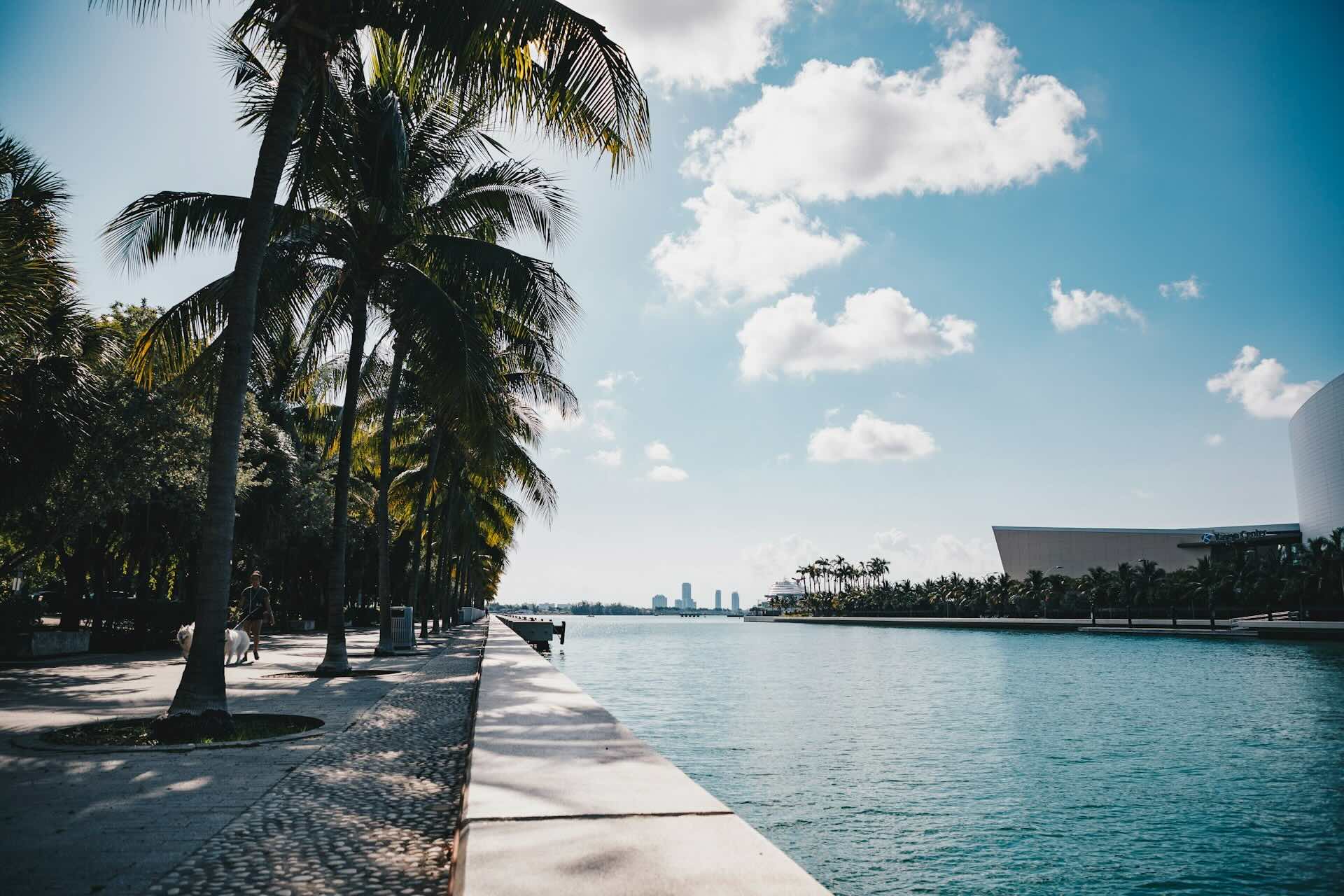
    When it comes to Miami v. Hamptons, both are two of the most talked-about destinations on the East Coast circuit. Both offer sun, sand, and social energy—but each delivers a very different vibe. One gives you Art Deco glamour and Latin flavor. The other leans into polished charm and breezy elegance.

    With TravelPal.ai, you can build a personalized trip based on your pace, personality, and budget—whether you lean Miami or Montauk.

    Let’s break it down: food, nightlife, hotels, and beaches—side by side.

    Miami v. Hamptons Food: Decadent vs. Down-to-Earth

    Miami is bold, colorful, and multicultural. The food scene reflects that energy in every bite. Start in Little Havana with ropa vieja or Cuban sandwiches. Then hit up South Beach for ceviche, Peruvian fusion, or modern American fare with ocean views.

    In neighborhoods like Wynwood and Design District, you’ll find tasting menus, pop-ups, and celebrity chefs making big culinary statements. Even brunch is a scene—with DJs, champagne towers, and people dressed like it’s Friday night.

    The Hamptons, by contrast, embraces simplicity—but it’s a studied, stylish kind of simplicity. Think farm-to-table heirloom tomatoes, lobster rolls on the beach, and oysters served at golden hour. You won’t find much flash. Instead, you’ll find fresh, local, and beautifully plated.

    Hit Duryea’s Montauk for the ultimate seafood spread. Or head to Jean-Georges at Topping Rose House for elevated countryside dining. Restaurants book out fast, so plan ahead.

    Verdict:

    Miami wins for variety, energy, and bold flavors. The Hamptons wins for freshness, finesse, and local charm.

    Nightlife Miami v. Hamptons: Flash vs. Fireside

    Miami nightlife is world-famous for a reason. You’ll find massive clubs like LIV and E11EVEN, beach bars that go until sunrise, and rooftop lounges overlooking the water. Expect velvet ropes, bottle service, and bass that rattles your bones. Whether you’re into reggaeton, EDM, or hip-hop, there’s a scene for you.

    The Hamptons brings a quieter, more curated kind of night. But don’t assume it’s sleepy—far from it. Summer weekends are packed with house parties, vineyard events, and upscale lounges like Surf Lodge and Ruschmeyer’s, where DJs spin under the stars and cocktails come with lavender foam.

    You won’t see sparklers or champagne trains, but you will find stylish crowds and familiar faces from NYC’s social scene.

    Verdict:

    Miami wins if you want to dance until dawn. The Hamptons wins if you prefer barefoot elegance and bonfires.

    Miami v. Hamptons Hotels: Luxe Towers vs. Boutique Charm

    In Miami, hotel choices range from iconic Art Deco properties to skyscraper resorts with rooftop pools and spa menus longer than novels. The FontainebleauFaena, and 1 Hotel South Beach are just a few high-end options that combine aesthetics with amenities.

    Whether you’re after a wellness retreat, party vibe, or romantic oceanfront escape, there’s something tailored to your style.

    The Hamptons skews toward charming inns and boutique stays. You won’t find many high-rises here. Instead, think clapboard exteriors, cozy fireplaces, and private gardens. Hotels like The Roundtree in Amagansett or Baron’s Cove in Sag Harbor offer a calm, curated feel.

    Private rentals are also big in the Hamptons—ideal if you’re traveling with a group or planning an extended stay.

    Verdict:

    Miami wins for amenities and variety. The Hamptons wins for intimacy and character.

    Miami v. Hamptons Beaches: Party Vibes vs. Quiet Shores

    Miami’s beaches are wide, active, and full of energy. South Beach is where you go to see and be seen. Expect loud music, volleyball games, and people tanning like it’s a full-time job. Nearby Lummus Park and Mid-Beach offer slightly calmer vibes with soft sand and turquoise water.

    The water stays warm year-round. Rent a Jet Ski, go parasailing, or sip something frozen while people-watching.

    The Hamptons offers a more relaxed beach experience. Main Beach in East Hampton and Cooper’s Beach in Southampton are clean, serene, and surrounded by dunes and historic homes. Waves tend to be stronger, and the water colder—especially early and late in the season.

    There’s plenty of surfing in Montauk, long walks in Amagansett, and tidepool exploring in Sag Harbor. It’s less about the party, more about peaceful, pristine beauty.

    Verdict:

    Miami wins for action and warmth. The Hamptons wins for calm, natural scenery.

    Accessibility and When to Go

    Miami is a year-round destination with peak season from December to April. Flights are frequent, the airport is well-connected, and you can get from plane to pool in under an hour.

    The Hamptons is very seasonal. From Memorial Day to Labor Day, the scene is vibrant and in full swing. Outside that window, it gets quiet—but also more affordable and less crowded. Getting there takes more planning. You’ll likely need a car, a train ride, or a private transfer from NYC.

    Verdict:

    Miami wins for accessibility and off-season warmth. The Hamptons wins for seasonal charm and summer exclusivity.

    Which One is Right for You?

    Choose Miami if:

    • You want nonstop nightlife and energetic beaches.
    • You’re craving diverse, global cuisine.
    • You love bold aesthetics and luxurious resorts.
    • You’re traveling in winter or spring.

    Choose the Hamptons if:

    • You want a calm, chic getaway.
    • You love seafood, wine, and boutique shopping.
    • You enjoy beach walks over beach parties.
    • You’re planning for summer.

    Still unsure? You could always do both. Start in New York City, rent a car, explore the Hamptons, then fly down to Miami for a sun-soaked encore.

    Final Thoughts

    Miami and the Hamptons are both glamorous, sun-drenched playgrounds—but they scratch different itches. One thrives on energy, heat, and spectacle. The other embraces elegance, calm, and seasonal rhythm.

    You don’t have to pick one forever—but you should pick the right one for your next escape.

    Plan a trip to Miami or the Hamptons today at TravelPal.ai.